Tucked away in the countryside near Union, Illinois, sits a treasure trove of railroad history that feels like stepping into a living time capsule. The Illinois Railway Museum isn’t just a place to look at old trains through glass displays.
It’s an interactive experience where you can actually climb aboard vintage trolleys, steam locomotives, and diesel engines that once carried passengers across the country. Whether you’re a train enthusiast or just looking for a unique family adventure, this museum offers something special that brings the golden age of rail travel back to life.
America’s Largest Railway Museum
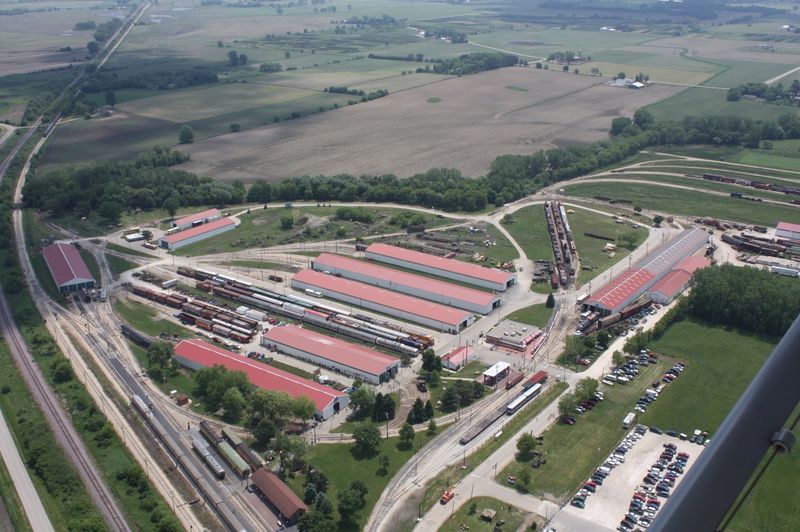
Spanning over 80 acres of rolling Illinois countryside, the Illinois Railway Museum holds the title of the largest rail museum in the entire United States. That’s not just a fancy claim either.
The collection includes more than 450 pieces of historic railway equipment, from tiny streetcars to massive steam locomotives.
Walking through the grounds feels like wandering through different eras of American transportation history. You’ll find everything from electric interurban cars that once zipped between small towns to heavyweight passenger coaches that crossed the continent in style.
The sheer variety is staggering.
What makes this place truly remarkable is that most of these trains aren’t just sitting idle collecting dust. Many are lovingly maintained by dedicated volunteers who keep them in running condition.
On any given visit, you might see a 1920s trolley gliding along the tracks or hear the unmistakable whistle of a steam engine echoing across the property. The museum’s size means you’ll need several hours to properly explore everything, and even then you might miss a few hidden gems tucked away in the various barns and display areas scattered throughout the site.
Vintage Trolley Rides Through History
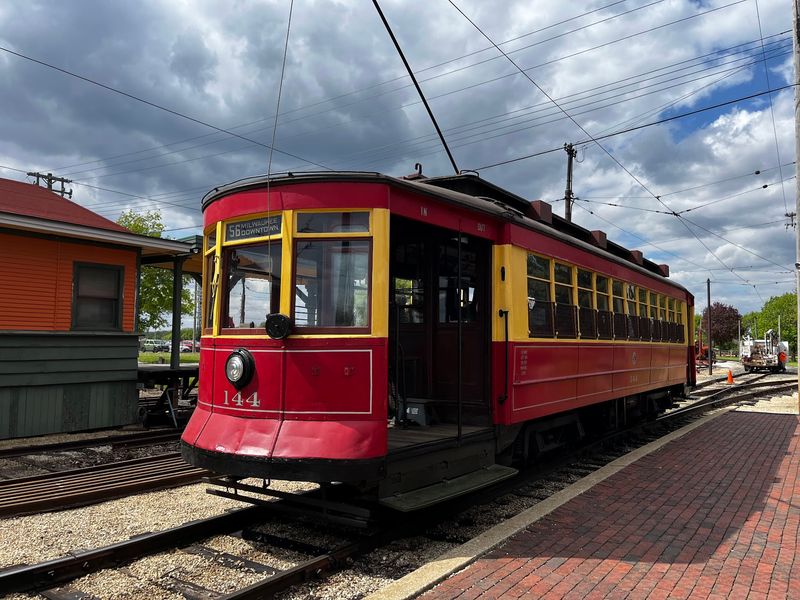
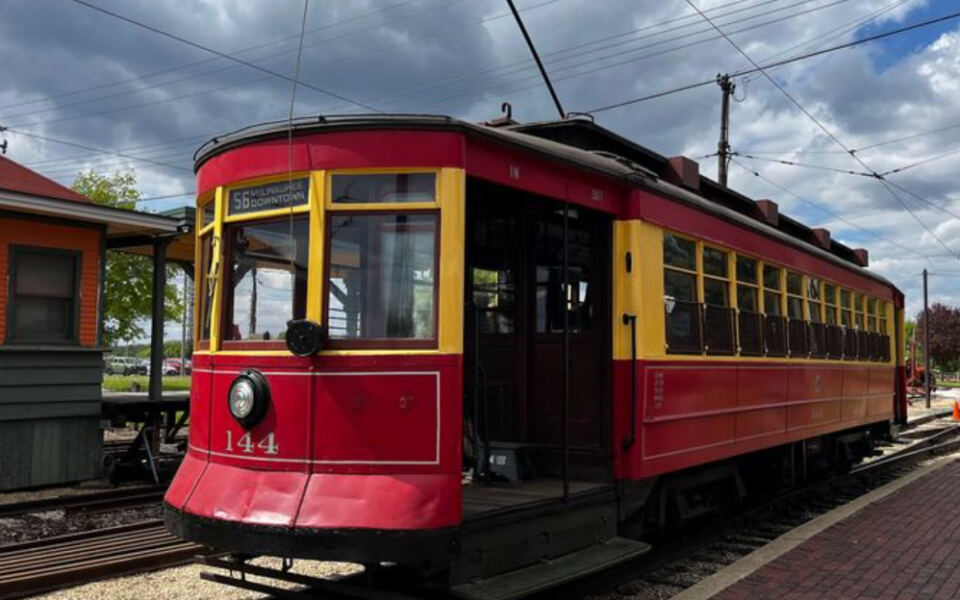
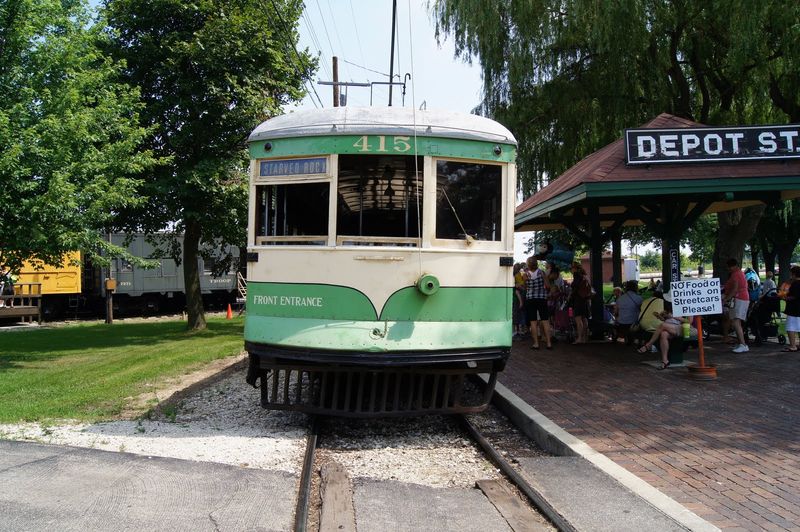
Climbing aboard one of the museum’s vintage trolleys is like hopping into a time machine with wheels. These beautifully restored streetcars once rattled through the streets of Chicago, carrying commuters to work and families to weekend outings.
Now they carry visitors on a journey through the museum’s expansive grounds.
The trolley ride isn’t just a quick loop around a parking lot. It’s a genuine transportation experience that covers a couple of miles, giving you a real sense of what urban travel was like before cars dominated the roads.
The wooden seats, brass fittings, and the distinctive ding-ding of the bell all contribute to the authentic atmosphere.
What’s particularly charming is how the trolleys operate on actual overhead electric lines, just as they did decades ago. You can watch the trolley pole spark occasionally as it glides along the wire above.
The conductors, many of them knowledgeable volunteers, often share fascinating stories about the specific car you’re riding and its history. Some trolleys date back to the early 1900s, making them over a century old yet still running smoothly along the rails.
Nine Massive Display Barns
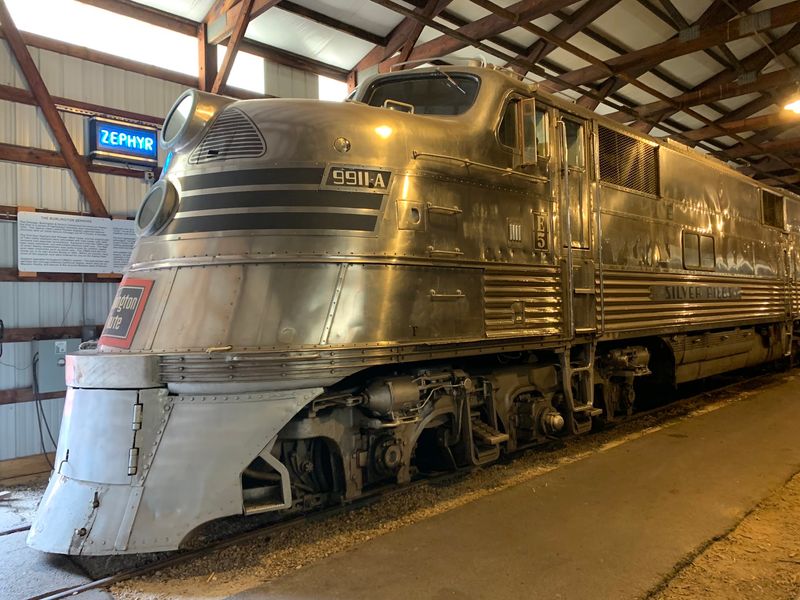
Picture walking into a building the size of an airplane hangar, except instead of planes, it’s packed with historic trains from floor to ceiling. The museum features nine enormous barns, each one housing different types of railway equipment.
It’s an indoor explorer’s dream come true.
Each barn has its own theme and character. One might be dedicated to electric trains, another to freight equipment, and yet another to passenger coaches.
The variety means you’re constantly discovering something new as you move from building to building. Some barns feature elevated walkways that let you peer down into train cars from above, offering perspectives you’d never get otherwise.
The lighting and presentation in these spaces is surprisingly well done for a museum run largely by volunteers. You can actually enter many of the train cars, walking through Pullman sleepers where passengers once dozed away the miles, or sitting in the plush seats of luxury coaches.
Kids especially love climbing into cabooses and pretending to be conductors. The barns provide perfect shelter on rainy days, meaning weather rarely ruins a visit to this museum.
Hands-On Train Car Exploration
Forget the “look but don’t touch” rules you find at most museums. Here, you’re encouraged to climb aboard, open doors, and explore the interiors of countless train cars.
It’s this interactive approach that turns a simple museum visit into an adventure that kids and adults both remember for years.
Walking through a vintage Pullman sleeper car is particularly fascinating. You can see the ingenious way seats converted into beds, check out the tiny washrooms, and imagine what it was like to travel cross-country in these rolling hotels.
The attention to period detail is impressive, with original fixtures, fabrics, and even advertisements still in place.
Some cars you can explore include dining cars with tables still set, mail cars where postal workers once sorted letters at 60 miles per hour, and observation cars with their distinctive curved glass windows. Each one tells a different story about how Americans once traveled.
The hands-on nature means younger visitors stay engaged rather than getting bored looking at static displays. You’re not just learning about history; you’re physically stepping into it and experiencing spaces exactly as passengers did generations ago.
Day Out With Thomas Events
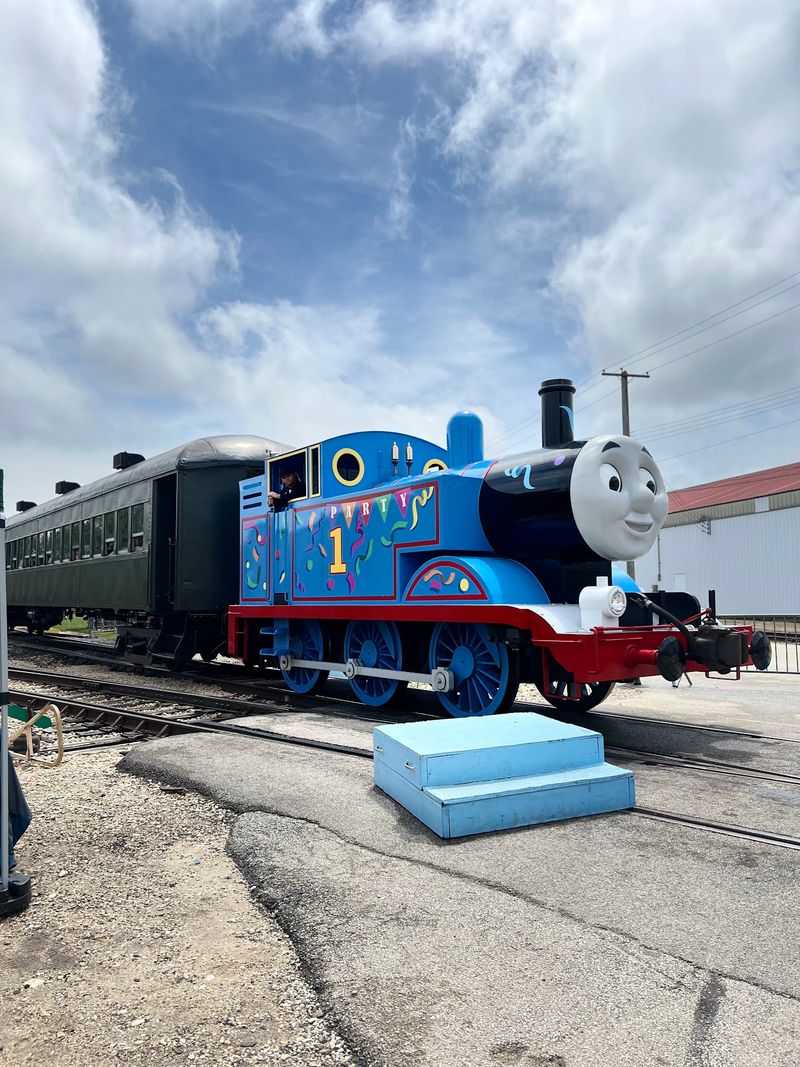
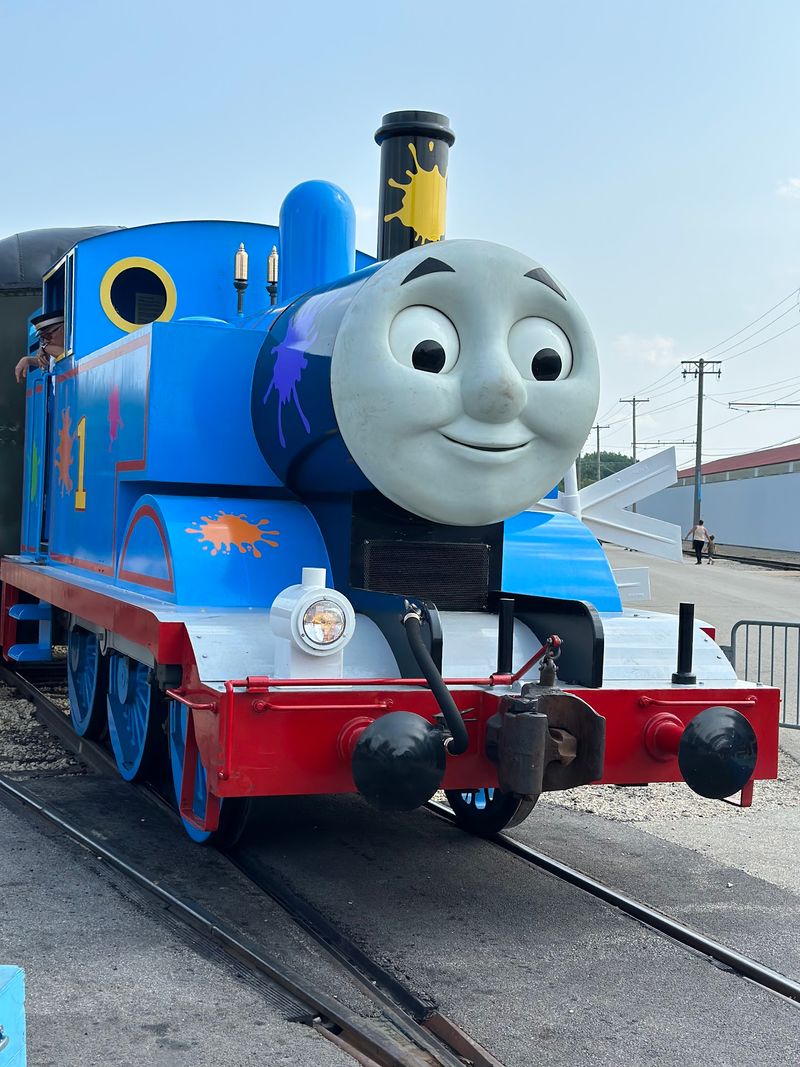
Few things light up a young train lover’s face quite like meeting Thomas the Tank Engine in person. The museum hosts special “Day Out with Thomas” events that transform the grounds into the Island of Sodor brought to life.
These aren’t just quick photo opportunities but full-day experiences packed with activities.
During these events, kids can actually ride behind Thomas himself, plus meet other characters like Percy. The museum goes all out with decorations, special activities, and entertainment that keeps families busy from opening to closing time.
It’s one of the most popular events on the calendar, drawing families from several states away.
Parents appreciate that the Thomas events don’t just focus on the character rides. You still have access to all the museum’s regular attractions, including the display barns, other train rides, and exhibits.
The museum even provides air-conditioned spaces for nursing mothers, showing thoughtful attention to family needs. One visitor mentioned arriving before 10 AM and staying until 3 PM without running out of things to do.
The combination of Thomas-themed fun and genuine railway history creates an experience that satisfies both the youngest train fans and their parents who appreciate authentic locomotives.
Steam and Diesel Locomotive Rides
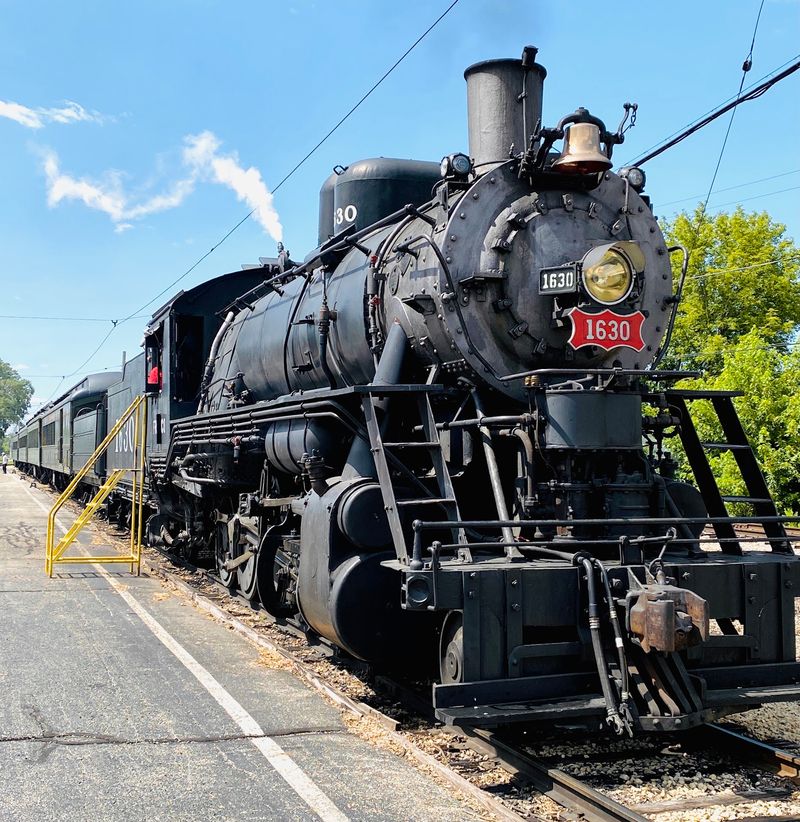
The ground literally vibrates when a massive steam locomotive rumbles to life. Experiencing these iron giants in operation rather than sitting silent on display is what separates this museum from ordinary collections.
The museum operates both steam and diesel locomotives on select days, offering rides that span a couple of miles through the surrounding countryside.
Steam train rides are particularly special because so few places still run these magnificent machines. You’ll hear the distinctive chuff-chuff rhythm, smell the coal smoke, and feel the power of technology that once moved nations.
The whistle alone is worth the trip, echoing across the fields with a sound that hasn’t changed in over a century.
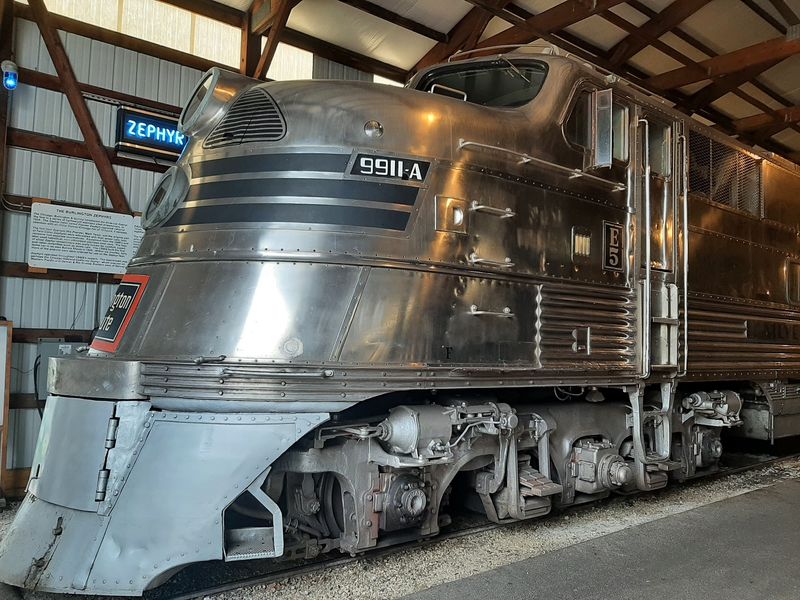
Diesel locomotive rides offer their own appeal, showcasing the streamlined power that eventually replaced steam. Some of the diesel engines in the collection are rare examples that railfans travel across the country to see.
Riding in vintage passenger cars behind these locomotives gives you a genuine sense of mid-century train travel. The rides aren’t just quick loops around the property but actual journeys that let you settle in and enjoy the rhythmic clacking of wheels on rails while watching Illinois farmland roll past the windows.
Dedicated Volunteer Expertise
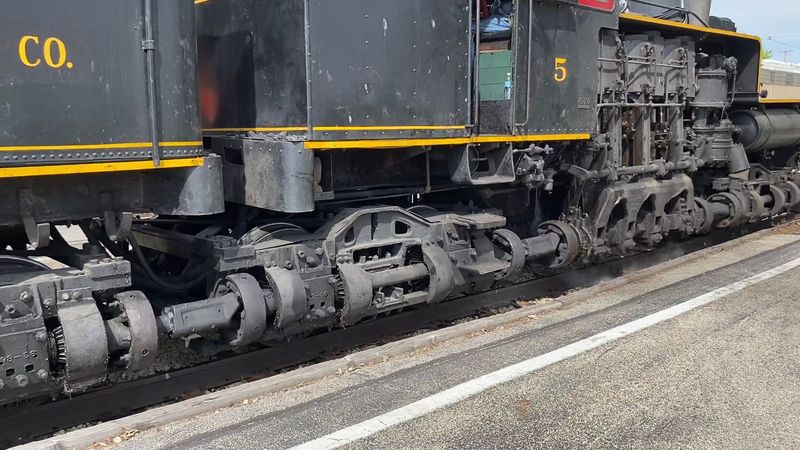
Bob the volunteer conductor wasn’t just doing a job when he led sing-alongs and cracked jokes during the Santa Train ride. He represents the heart of what makes this museum special.
Nearly everything here runs on volunteer power, from the people operating the trains to those restoring equipment and leading tours.
These aren’t just random folks showing up to help out. Many are serious railroad historians, retired railway workers, or lifelong enthusiasts with encyclopedic knowledge about trains.
Strike up a conversation with practically any volunteer, and you’ll likely learn fascinating details about the specific equipment you’re looking at or riding.
The passion is contagious and obvious. Volunteers take genuine pride in sharing railroad history and making sure visitors have memorable experiences.
They’re happy to answer questions, explain how things work, and share stories about the trains’ histories. For kids interested in railways, talking with these knowledgeable volunteers can be as educational as any classroom lesson.
The museum’s success in preserving and operating such a massive collection comes down to these dedicated individuals who donate countless hours because they truly love what they’re doing. Their enthusiasm transforms what could be a static museum into a living, breathing celebration of railway heritage.
Model Train Displays and Hobby Shops
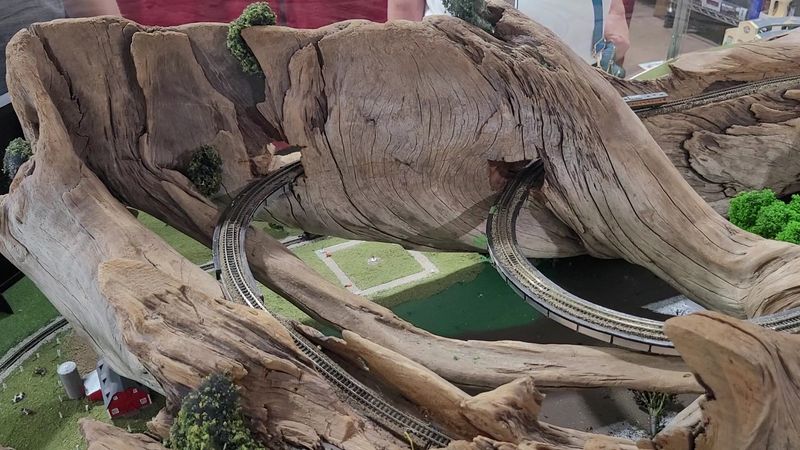
Not every train at the museum is full-sized. Tucked into one of the buildings, you’ll find elaborate model train layouts that showcase the hobby side of railway enthusiasm.
These aren’t simple loops around a Christmas tree but complex miniature worlds with detailed scenery, working signals, and multiple trains running simultaneously.
Model train enthusiasts can spend considerable time examining these displays, noting the craftsmanship and attention to detail. For kids, watching the tiny trains navigate through tunnels, over bridges, and past miniature towns provides a different perspective on railways.
The layouts often feature replicas of real locations and historical railway scenes.
The museum also includes small shops where you can browse railroad-themed merchandise, books, and even model train supplies. It’s a nice touch that connects the full-scale preservation work with the hobby that keeps railroad enthusiasm alive in homes across the country.
Some visitors specifically mention the model train building as a highlight, particularly on hot or rainy days when the climate-controlled indoor space offers comfort. The combination of massive real locomotives outside and intricate miniature versions inside shows the full spectrum of railway appreciation, from industrial history to detailed hobby craft.
Special Seasonal Events Year-Round
The museum doesn’t just open its doors and let trains sit there. Throughout the year, special events transform the grounds into themed experiences that give visitors reasons to return multiple times.
The Santa Train rides during winter have become particularly beloved traditions for families in the region.
During holiday events, the museum goes all out with decorations, lights synchronized to music inside train cars, and appearances by Santa, Mrs. Claus, and elves. One visitor described the experience as “simply magical,” which captures how these events create memories that last far beyond a typical museum visit.
The trains themselves become part of the celebration, decked out in seasonal decorations.
Beyond winter holidays, the museum hosts various special operating days, vintage transport weekends, and themed events throughout the warmer months. These events often feature specific types of equipment running, special demonstrations, or guest speakers.
The variety means that even if you’ve visited before, there’s often something new to experience. Volunteers clearly put tremendous effort into making these events special, with one visitor noting how staff remained cheerful and helpful even during bitterly cold weather.
The seasonal programming turns the museum into a year-round destination rather than a one-time visit.
Authentic Relocated Diner Experience
After exploring acres of trains and riding vintage equipment, you’ll probably work up an appetite. Conveniently, the museum features an actual relocated diner where you can grab a bite while staying immersed in the historical atmosphere.
Eating lunch at a genuine period diner adds another layer of authenticity to the experience.
The diner serves light meals and snacks, nothing fancy but perfectly adequate for refueling during a day of exploration. You can eat inside or on an outdoor patio, which is particularly pleasant during nice weather.
The building itself is part of the collection, another piece of Americana that’s been preserved and put to practical use.
It’s worth noting that the actual historic dining car is still undergoing restoration, though visitors can view it. This ongoing work is a reminder that museum preservation is a continuous process requiring funding and volunteer effort.
Supporting the museum by eating at the diner or visiting the gift shop helps fund these restoration projects. The diner provides a convenient gathering spot for families to rest, review what they’ve seen, and plan which barns or trains to explore next.
It’s these practical touches that make the museum genuinely family-friendly rather than just kid-tolerant.
Share this story