Rock and roll has always been about breaking rules, and some of the most powerful rule-breakers have been women. From the earliest days of electric guitar to stadium-filling anthems, female artists have pushed the genre forward in ways that are still felt today.
Many of these musicians fought against industry norms, gender bias, and limited expectations just to be heard. Their stories deserve to be told, celebrated, and remembered.
1. Sister Rosetta Tharpe
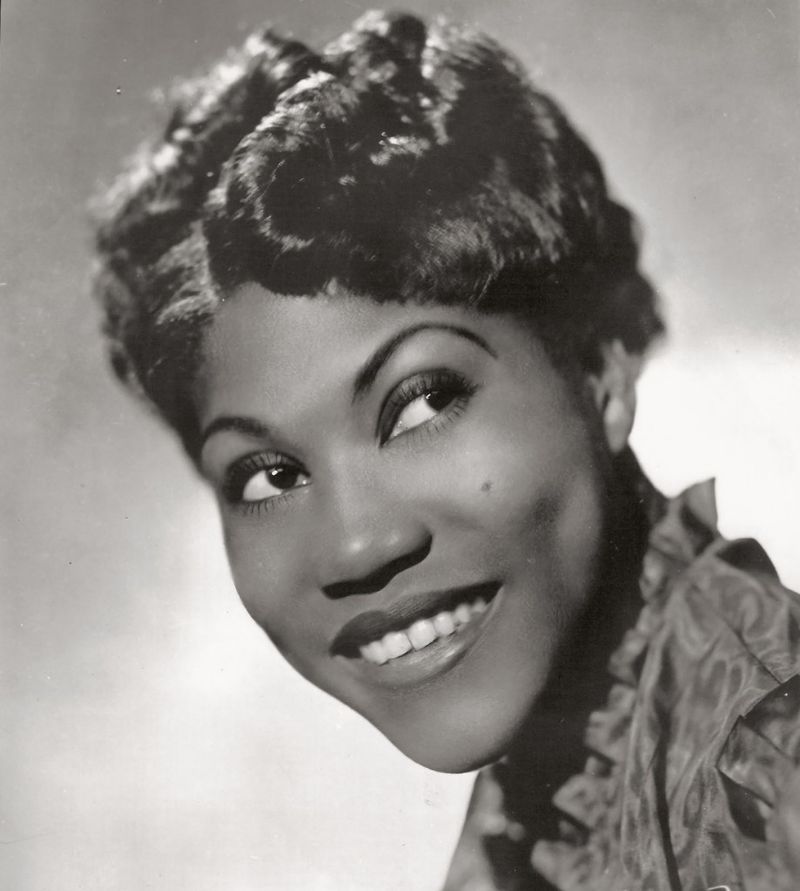
Before Elvis, before Chuck Berry, there was Sister Rosetta Tharpe. Born in 1915 in Cotton Plant, Arkansas, she picked up a guitar as a small child and never put it down.
Her powerful playing style and soulful voice blended gospel with the raw energy that would later define rock and roll.
Tharpe was recording electric guitar hits as early as the 1940s, decades before most people credit rock music as having started. Artists like Elvis Presley, Little Richard, and Johnny Cash all pointed to her as a key influence.
She played with a boldness that shocked and thrilled audiences at the same time.
Calling her the “Godmother of Rock and Roll” is not an exaggeration. She broke racial and gender barriers in music without apology.
Her legacy was officially recognized when she was inducted into the Rock and Roll Hall of Fame in 2018.
2. Wanda Jackson
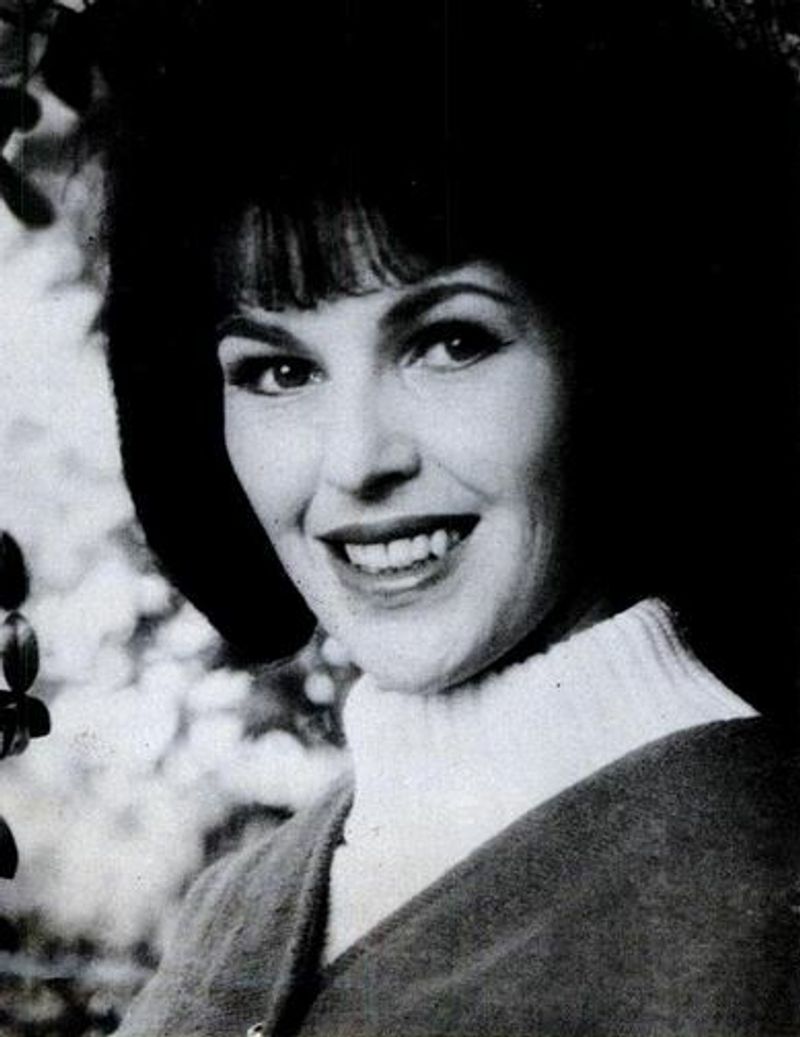
Wanda Jackson had a voice that could rattle the walls. Growing up in Oklahoma, she started performing country music as a teenager, but after touring with Elvis Presley in 1955, something shifted.
She decided to trade the softer sounds of country for the wild, untamed energy of rockabilly.
Songs like “Fujiyama Mama” and “Let’s Have a Party” showed a side of female performance that audiences had rarely seen. She growled, she shouted, and she owned every stage she stepped on.
In an era when women were expected to be polished and polite, Jackson was a force of nature.
Her blend of country twang and rock attitude made her one of the first women to truly rock out. She was inducted into the Rock and Roll Hall of Fame in 2009, a well-earned honor for the “Queen of Rockabilly.”
3. Janis Joplin
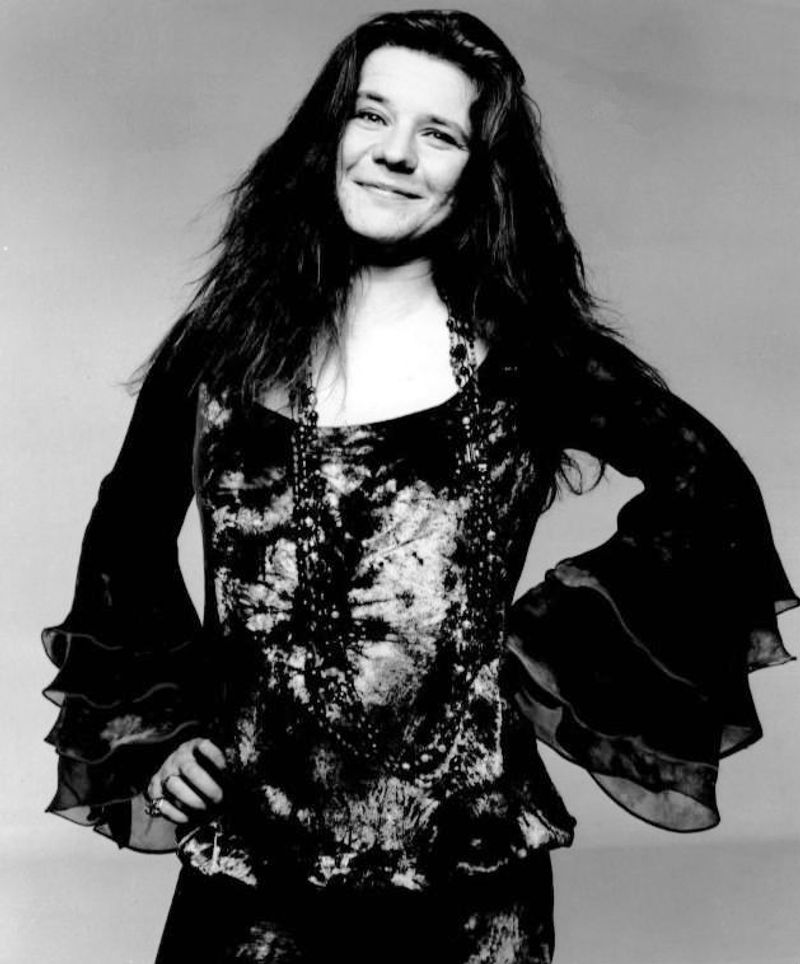
Few voices in rock history hit as hard as Janis Joplin’s. Raised in Port Arthur, Texas, she felt like an outsider from a young age, and she channeled that pain into music that felt almost unbearably honest.
By the time she took the stage at the Monterey Pop Festival in 1967, she was impossible to ignore.
Her raw, bluesy delivery on songs like “Piece of My Heart” and “Me and Bobby McGee” set a new standard for emotional intensity in rock singing. She did not just perform songs; she lived them in real time in front of the audience.
That authenticity connected with millions of fans who felt the same way she did.
Joplin passed away in 1970 at only 27, but her impact never faded. She remains one of the most studied and celebrated female vocalists in rock history, inducted into the Rock and Roll Hall of Fame in 1995.
4. Tina Turner
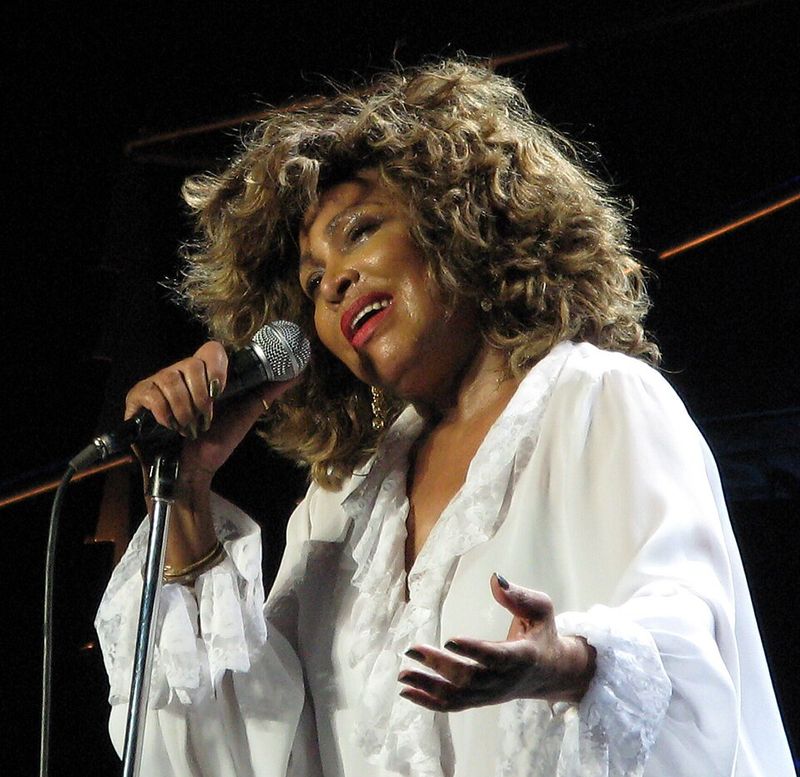
Tina Turner’s story is one of survival and triumph. She rose to fame alongside Ike Turner in the 1960s, delivering electrifying performances that showcased a voice and stage presence unlike anything audiences had seen.
Her energy was relentless, and her dancing set the standard for rock showmanship.
After leaving an abusive relationship in the mid-1970s, many assumed her career was over. Instead, she came back stronger.
Her 1984 album “Private Dancer” was a massive global hit, and the single “What’s Love Got to Do with It” reached number one in the United States. She proved that reinvention was possible at any age.
Nicknamed the “Queen of Rock and Roll,” Turner inspired generations of performers with her determination and fire. She was inducted into the Rock and Roll Hall of Fame in 1991 as part of the Ike and Tina Turner duo.
5. Carole King
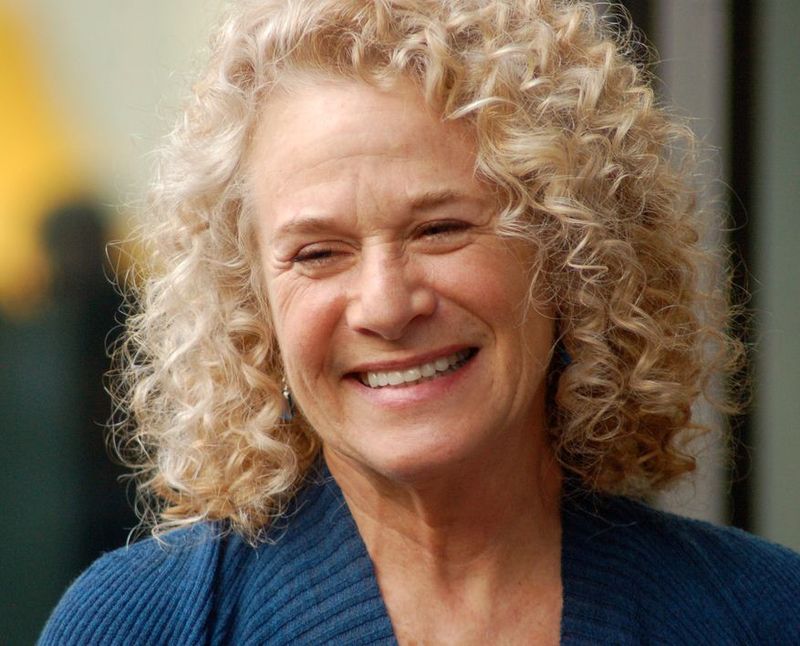
Carole King changed what it meant to be a songwriter. Long before she became a solo star, she was writing hits for other artists from a small office in New York’s Brill Building.
Songs she co-wrote, like “Will You Love Me Tomorrow” and “(You Make Me Feel Like) A Natural Woman,” became timeless classics.
Her 1971 album “Tapestry” is one of the best-selling records of all time. It stayed on the Billboard charts for over six years and won four Grammy Awards, including Album of the Year.
The music felt personal and real, like a conversation between old friends.
King proved that a woman could write, produce, and perform her own rock and pop music with full creative control. She was inducted into the Rock and Roll Hall of Fame in 1990 as a songwriter, and again in 2021 as a performer.
That double honor says everything.
6. Joni Mitchell
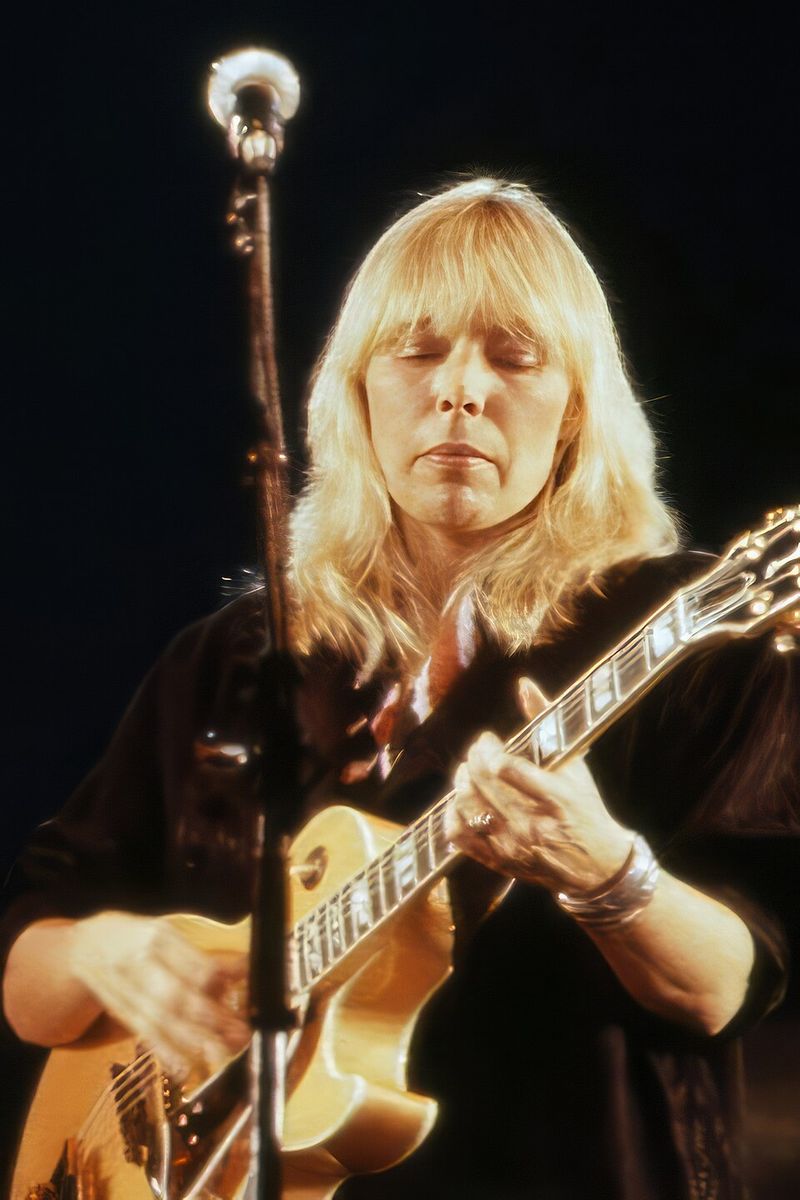
Joni Mitchell approached music like a painter approaches a blank canvas. Her songs were rich with imagery, complex emotions, and unconventional chord structures that challenged listeners to pay close attention.
Growing up in Canada, she developed a deeply personal style that blended folk, rock, jazz, and poetry in ways no one had tried before.
Albums like “Blue” (1971) and “Court and Spark” (1974) are considered masterpieces. Critics and fellow musicians alike have called “Blue” one of the greatest albums ever recorded.
Her willingness to be emotionally vulnerable in her lyrics opened the door for countless artists who came after her.
Mitchell was not just a musician but a cultural voice of her generation. She was inducted into the Rock and Roll Hall of Fame in 1997.
Her influence stretches across genres and decades, touching artists from Taylor Swift to Prince, who named her his favorite songwriter.
7. Patti Smith
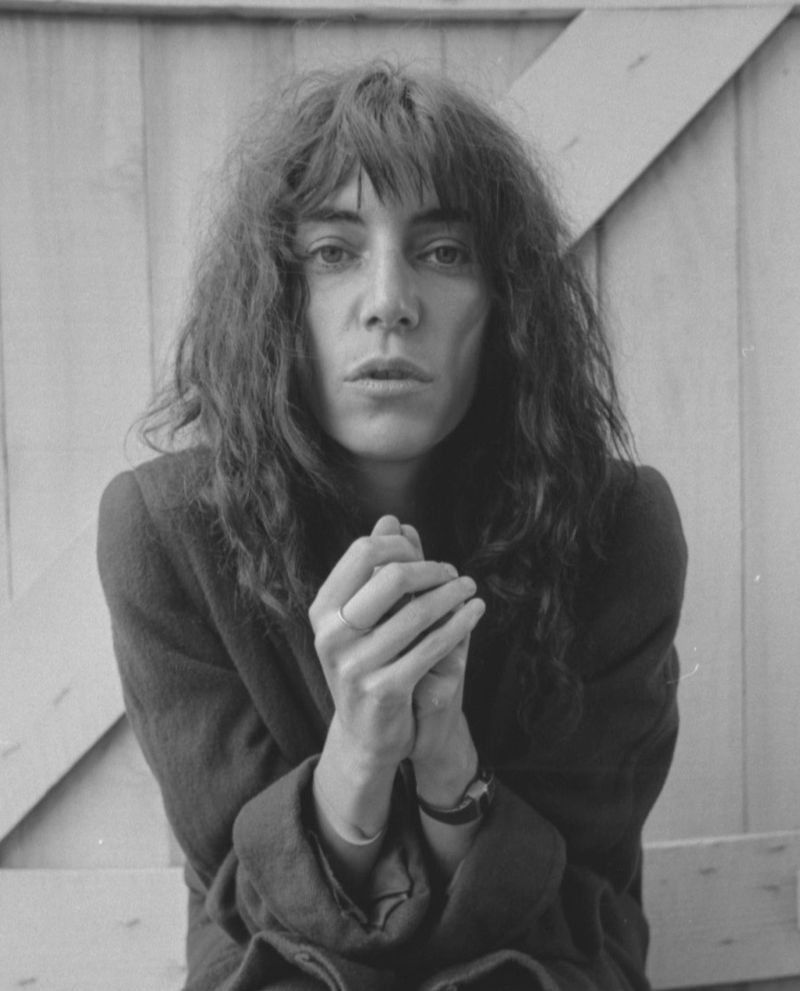
Patti Smith arrived on the New York City music scene in the mid-1970s like a literary thunderbolt. She combined beat poetry, punk rock, and pure attitude into something that had no name yet.
Her 1975 debut album “Horses” is widely credited as one of the founding texts of punk rock.
Smith was never interested in fitting in. She challenged expectations about how women should look, sound, and behave in the music industry.
Her androgynous style and intellectual lyrics made her a hero to anyone who felt like they did not belong to the mainstream.
Called the “Punk Poet Laureate,” she used her platform to speak about art, politics, and freedom. She was inducted into the Rock and Roll Hall of Fame in 2007.
Beyond music, she has written acclaimed books and continues to create and perform, proving that great art does not have an expiration date.
8. Stevie Nicks
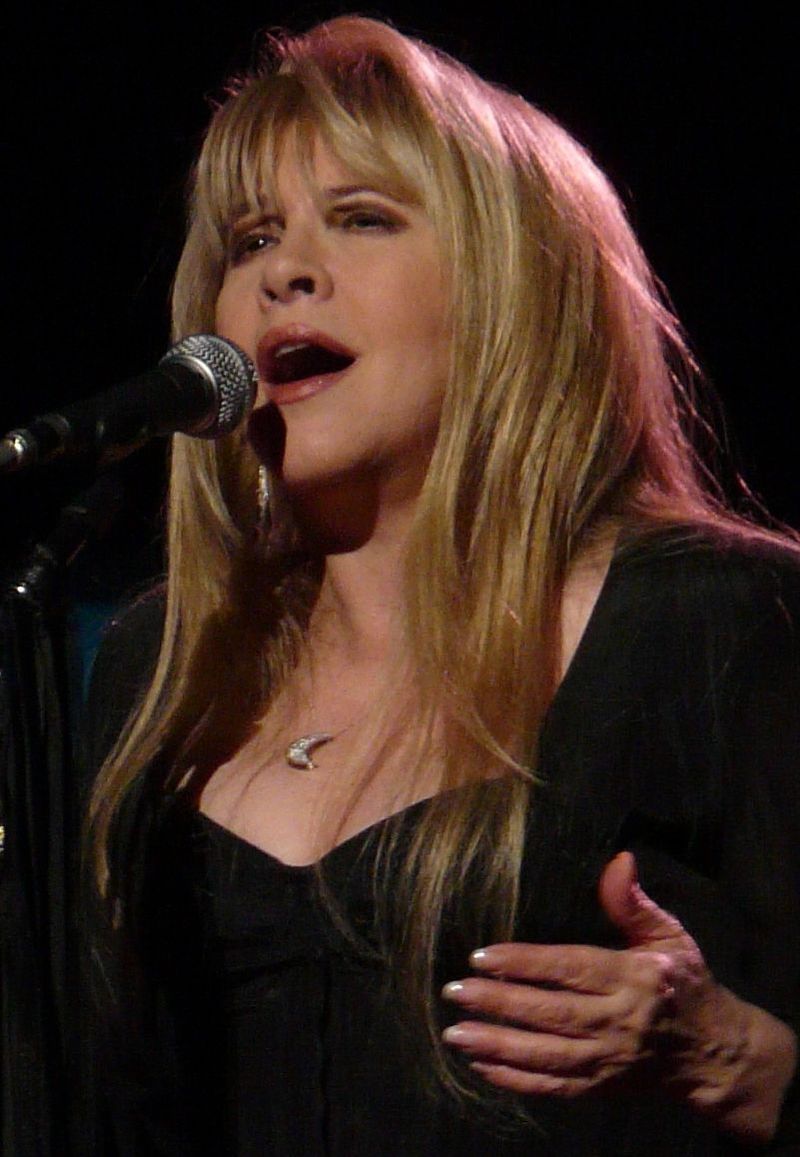
Stevie Nicks has always carried a certain magic about her. When she joined Fleetwood Mac in 1975 alongside Lindsey Buckingham, the band was transformed.
Her smoky voice, poetic lyrics, and signature style of flowing shawls and platform boots created an image that was entirely her own.
Songs like “Rhiannon,” “Gold Dust Woman,” and “The Chain” became cornerstones of classic rock radio. Her 1981 solo debut “Bella Donna” also topped the charts, proving she was just as powerful outside the band.
Fans connected with her music on a deeply personal level, and that bond has never broken.
Nicks became the first woman inducted into the Rock and Roll Hall of Fame twice, once with Fleetwood Mac in 1998 and again as a solo artist in 2019. Her influence on artists like Taylor Swift, Harry Styles, and Sheryl Crow is clear and widely acknowledged.
9. Joan Jett
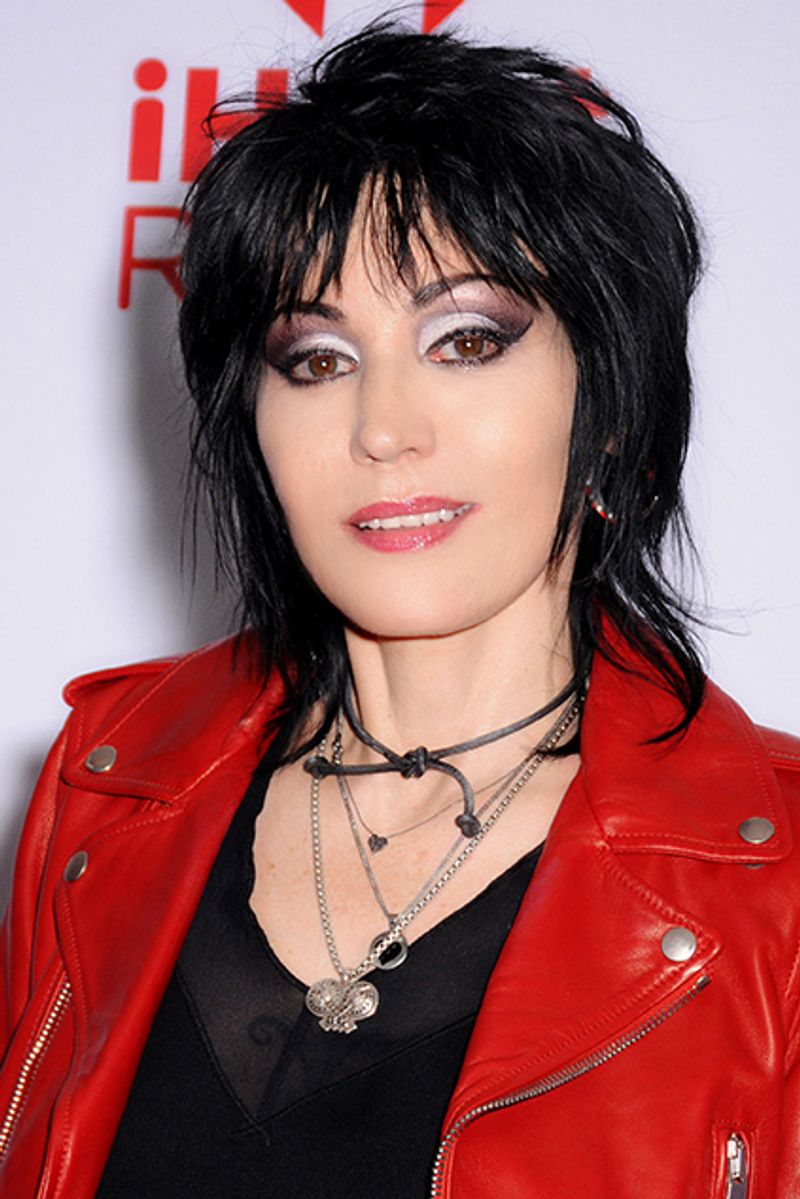
Joan Jett did not ask for permission. As a teenager in the mid-1970s, she co-founded the Runaways, one of the first all-female rock bands to gain mainstream attention.
When the band broke up, industry insiders told her she would never make it on her own. She proved them completely wrong.
Her 1982 hit “I Love Rock and Roll” with Joan Jett and the Blackhearts became one of the most iconic songs in rock history. It spent seven weeks at number one and cemented her status as a rock icon.
She wore her leather jacket like armor and played guitar with a swagger that inspired a generation of young women to pick up instruments.
Jett was inducted into the Rock and Roll Hall of Fame in 2015. She remains a tireless performer and advocate for aspiring musicians, especially young women who want to rock on their own terms.
10. Debbie Harry
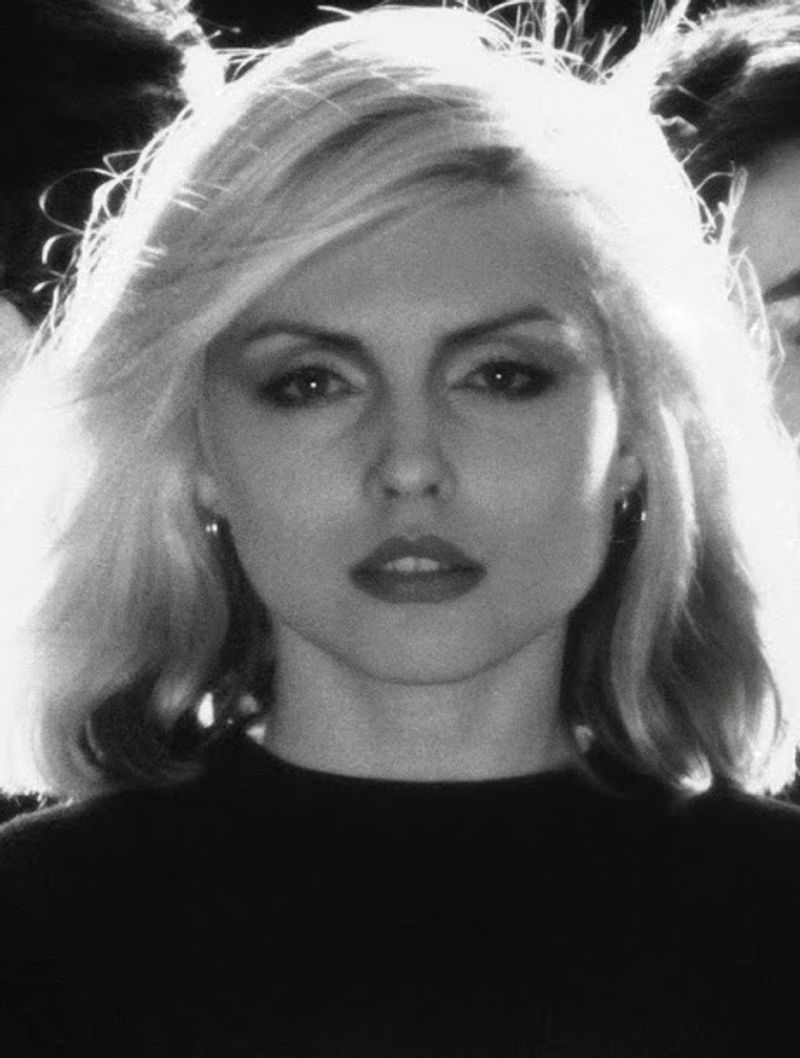
Debbie Harry had a look and sound that stopped people in their tracks. As the lead singer of Blondie, she helped bridge the gap between punk rock and mainstream pop in a way that felt completely effortless.
The band emerged from the same downtown New York City scene that produced Patti Smith and the Ramones.
Blondie’s hits like “Heart of Glass,” “Call Me,” and “Rapture” crossed genre lines with ease. “Rapture” became one of the first songs featuring rap to reach number one on the Billboard Hot 100. Harry’s cool confidence and artistic vision made her one of the most recognizable faces in late-1970s and early-1980s rock.
Blondie was inducted into the Rock and Roll Hall of Fame in 2006. Harry’s influence on fashion, pop culture, and music is enormous.
Countless artists from Gwen Stefani to Lady Gaga have pointed to her as a direct inspiration for their careers.
11. Suzi Quatro
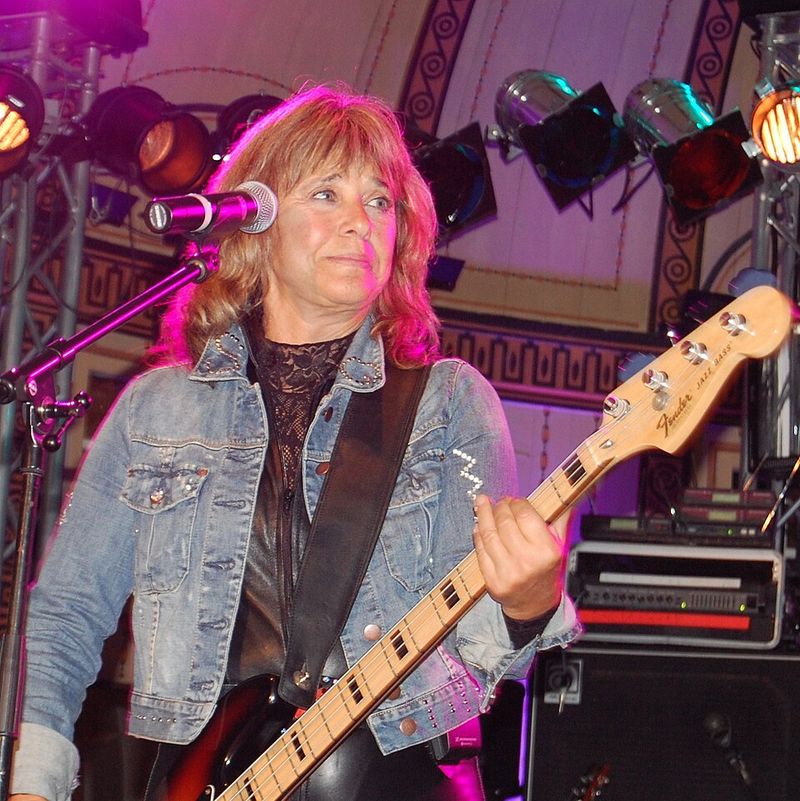
Suzi Quatro was doing things in rock and roll that almost no woman had done before. Born in Detroit in 1950, she was playing in bands as a teenager and eventually moved to England, where she became a glam rock star in the early 1970s.
She played bass, wrote songs, and fronted her own band at a time when that combination was nearly unheard of for a woman.
Hits like “Can the Can” and “Devil Gate Drive” shot to number one in the UK, making her a genuine superstar across Europe and Australia. Her leather-clad image and no-nonsense attitude influenced a generation of female rockers, including Joan Jett, who has cited Quatro as a major inspiration.
Despite her massive international success, Quatro never quite broke through in the United States, which remains one of rock history’s great oversights. She was inducted into the Rock and Roll Hall of Fame in 2023, finally receiving her long-overdue recognition.
12. Chrissie Hynde
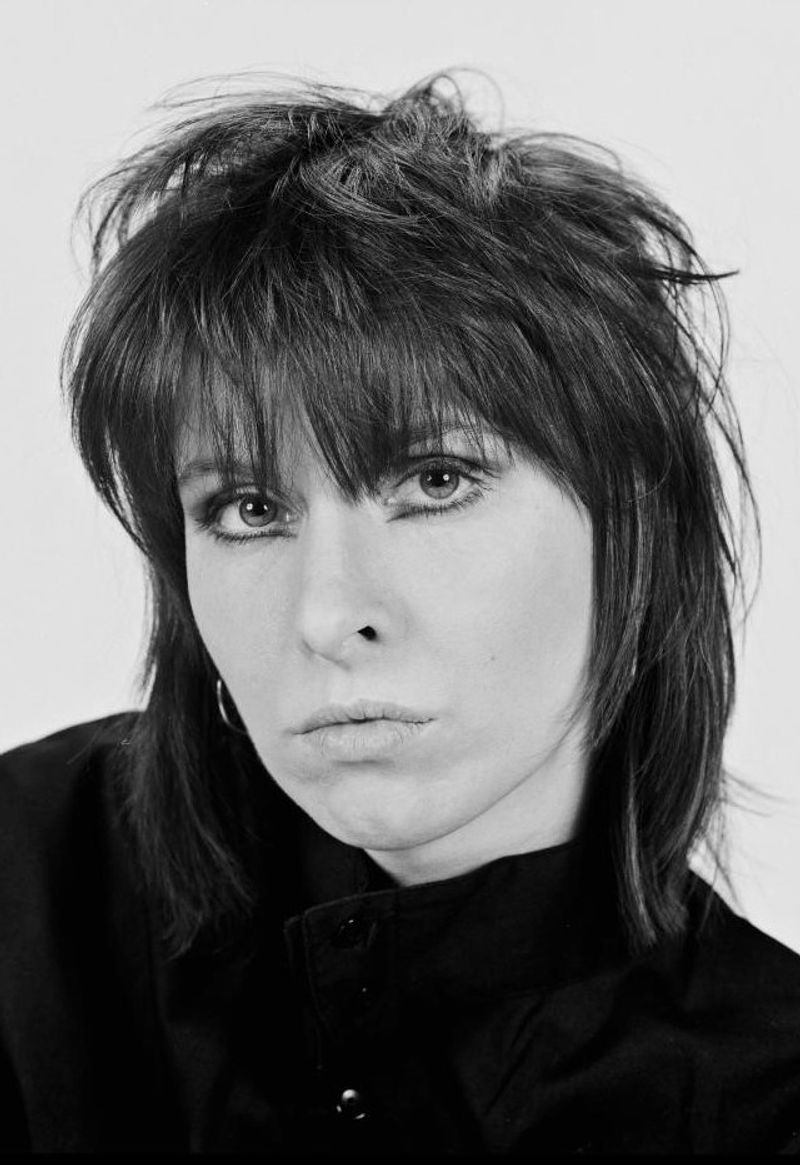
Chrissie Hynde built the Pretenders from scratch and refused to let anyone else define what the band should sound like. Born in Akron, Ohio, she moved to London in the 1970s to be closer to the music she loved.
She absorbed punk rock, new wave, and classic rock influences and turned them into something sharp and original.
The Pretenders’ 1980 debut album was a critical and commercial triumph. Songs like “Brass in Pocket” and “Back on the Chain Gang” showcased Hynde’s distinctive guitar playing and confident vocal delivery.
She led the band with a firm hand and creative clarity that earned the respect of peers across the industry.
Hynde has always been outspoken about animal rights, politics, and the music business. The Pretenders were inducted into the Rock and Roll Hall of Fame in 2005.
Her influence on female guitarists and bandleaders continues to be felt in rock music today.
13. Ann Wilson
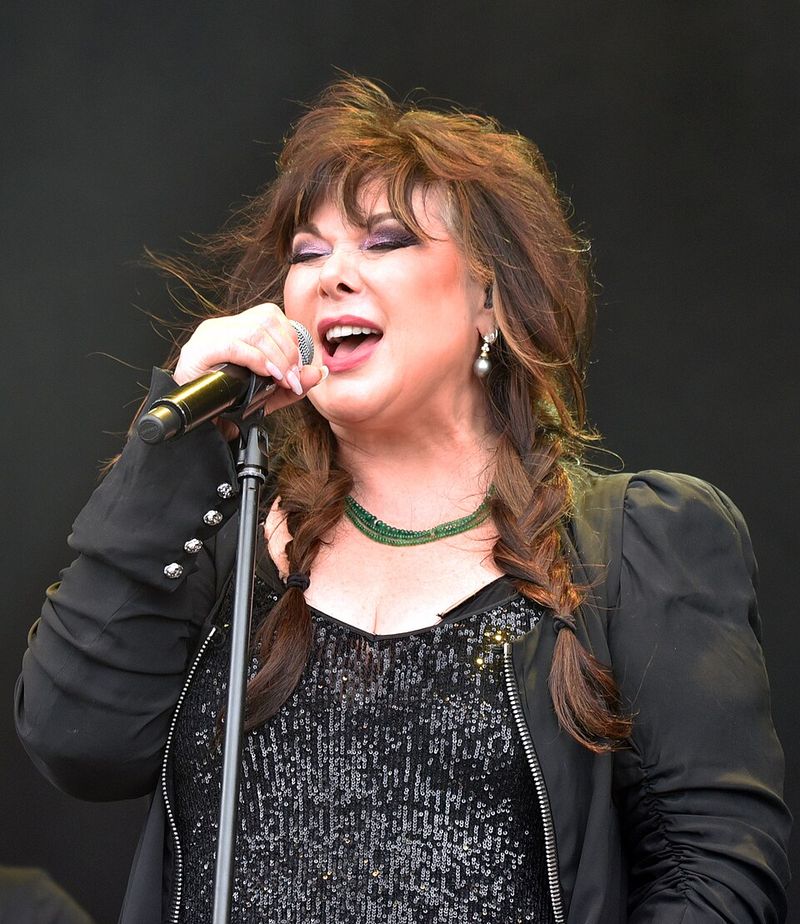
Ann Wilson possesses one of the most powerful voices in rock history. As the lead singer of Heart, she brought a combination of raw power and emotional depth that placed her in the same conversation as Robert Plant and Roger Daltrey.
Heart was one of the first rock bands fronted by women to achieve true arena-level success.
Songs like “Crazy on You,” “Barracuda,” and “Magic Man” showed that women could write and perform hard rock with the same intensity as anyone. “Barracuda” in particular, written partly as a response to a music industry that tried to exploit the band, became an anthem of defiance and strength.
Heart was inducted into the Rock and Roll Hall of Fame in 2013. Ann Wilson’s vocal range and control have never stopped impressing audiences and fellow musicians.
She continues to record and tour, carrying that legendary voice with her wherever she goes.
14. Nancy Wilson
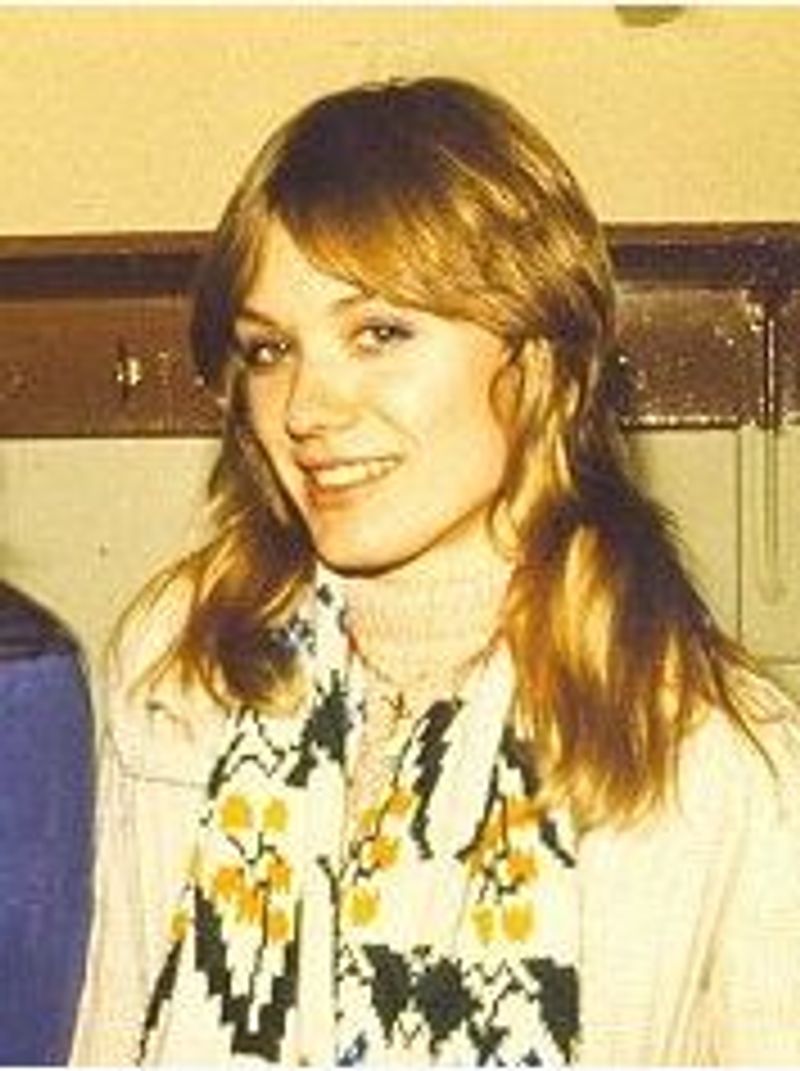
Nancy Wilson is the kind of guitarist who makes complicated things look completely natural. As the co-founder and lead guitarist of Heart alongside her sister Ann, Nancy brought a versatile playing style that moved comfortably between acoustic folk and scorching hard rock.
Her guitar work gave Heart a sonic depth that set the band apart from its peers.
Nancy also contributed significantly to the band’s songwriting. Tracks like “Dog and Butterfly” and “These Dreams” reflected her more introspective side, while her electric playing on “Crazy on You” and “Barracuda” showed a completely different dimension of her talent.
She could be delicate one moment and thunderous the next.
Beyond her work with Heart, Nancy has composed film scores and collaborated with many other artists. She and Ann were inducted into the Rock and Roll Hall of Fame together in 2013.
Her quiet consistency has always been one of rock’s most underappreciated strengths.
15. Kate Bush
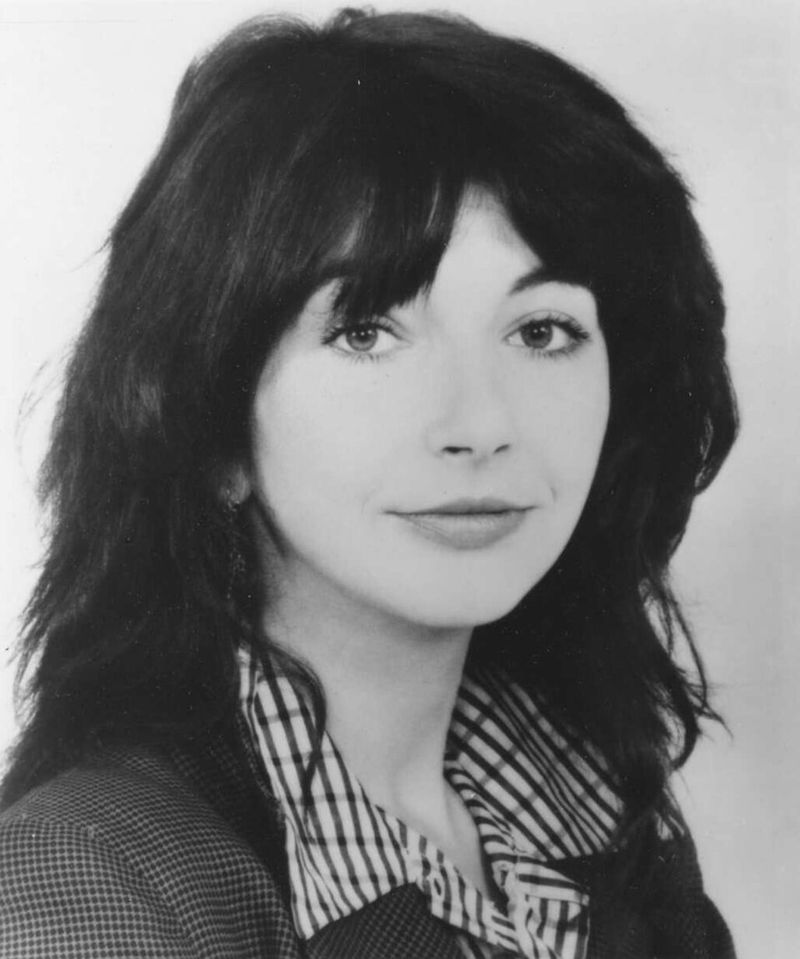
Kate Bush rewrote the rules of what a pop and rock artist could be. At just 19 years old, she became the first woman to reach number one on the UK charts with a self-written song.
That song was “Wuthering Heights,” inspired by the Emily Bronte novel, and it announced the arrival of an artist unlike anyone before her.
Her music was cinematic, theatrical, and deeply literary. Albums like “Hounds of Love” (1985) are now considered among the greatest records ever made.
She combined classical training, dance, storytelling, and experimental production in a way that felt both otherworldly and completely personal.
Bush rarely toured or gave interviews, which made her music feel even more mysterious and precious to fans. A new generation discovered her when “Running Up That Hill” became a global phenomenon after appearing in the TV series “Stranger Things” in 2022.
She was inducted into the Rock and Roll Hall of Fame in 2023.
Share this story