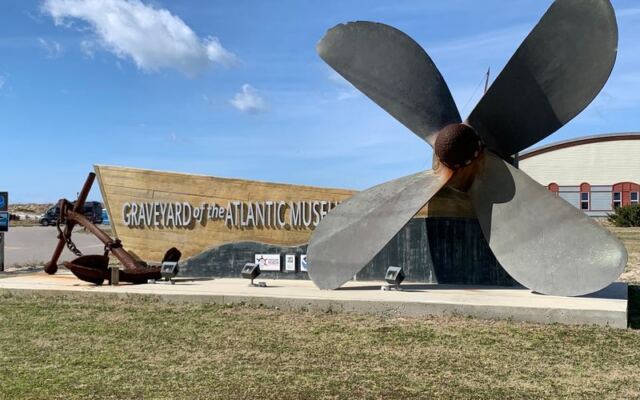
Some of the best places in North Carolina hide in plain sight, looking small from the outside but packing a lifetime of stories within their walls. Picture a spot right beside the ocean where you can walk in for free, spend an hour learning about mysterious ships that vanished offshore, and leave feeling like you stumbled onto a secret.
Families say they visit year after year and still find something new every single time. If you love adventures that cost nothing and reward your curiosity, this coastal gem deserves a spot on your list.
A Free Doorway Into the Outer Banks Coast
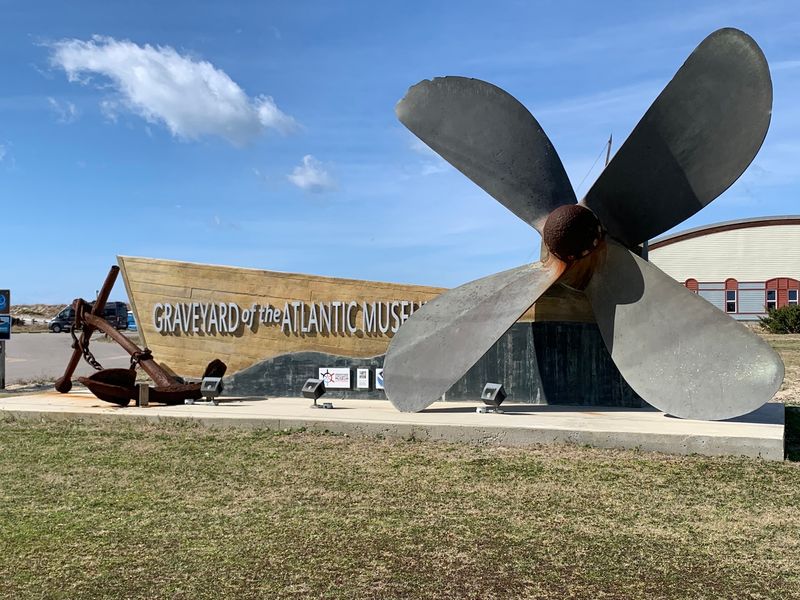
Tucked at the southern tip of Hatteras Island, this maritime museum greets visitors with a promise that feels almost too good to be true: you can walk right in without paying a cent. Donations are welcome and genuinely needed, but there are no tickets to buy and no lines to wait in.
The place focuses on the stretch of ocean off the Outer Banks where countless ships met trouble over the centuries. Inside, you will find artifacts, videos, and hands-on displays that piece together the coast’s watery history.
Regulars describe it as a yearly tradition, the kind of stop they build into every beach vacation. For a spot that asks nothing at the door, it delivers a surprising amount of wonder.
Why This Stretch of Water Earned Its Nickname
Long before the museum existed, sailors gave this slice of the Atlantic a name that stuck for good reason. Shifting sandbars, strong currents, and sudden storms turned the waters off Hatteras into one of the trickiest passages along the entire East Coast.
The museum lays out that story with maps, artifacts, and displays that explain exactly what made these waters so challenging. Shipwrecks come up in conversation more than any other topic here, and once you understand the geography, you see why.
Visitors often say the scope stunned them. Learning just how many vessels ran into trouble along this shoreline reframes the whole coast, turning a peaceful beach view into something layered with history.
The Touchscreen Map That Puts It All in Perspective
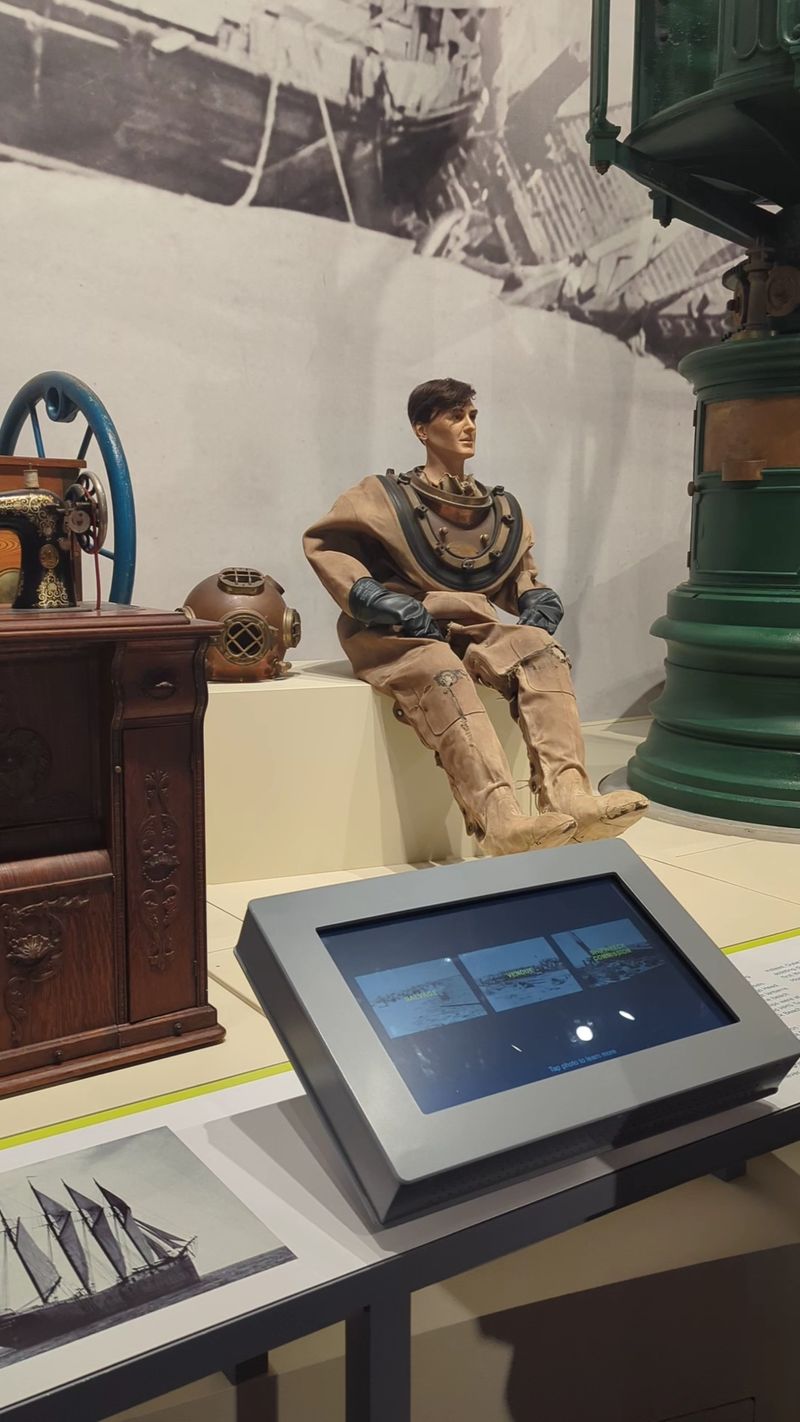
One display tends to stop people in their tracks, and it is not an old relic behind glass. An interactive touchscreen map lets you tap through the many wrecks scattered along the coast, each one marked and waiting for you to explore.
Guests mention that seeing all those points plotted together finally makes the numbers feel real. Reading a statistic is one thing; watching the map fill with markers is another entirely.
It is the kind of exhibit that pulls in adults and kids alike, everyone crowding around to zoom in and read the stories. Technology and history blend here in a way that makes learning feel like play.
The Fresnel Lens From Cape Hatteras Lighthouse
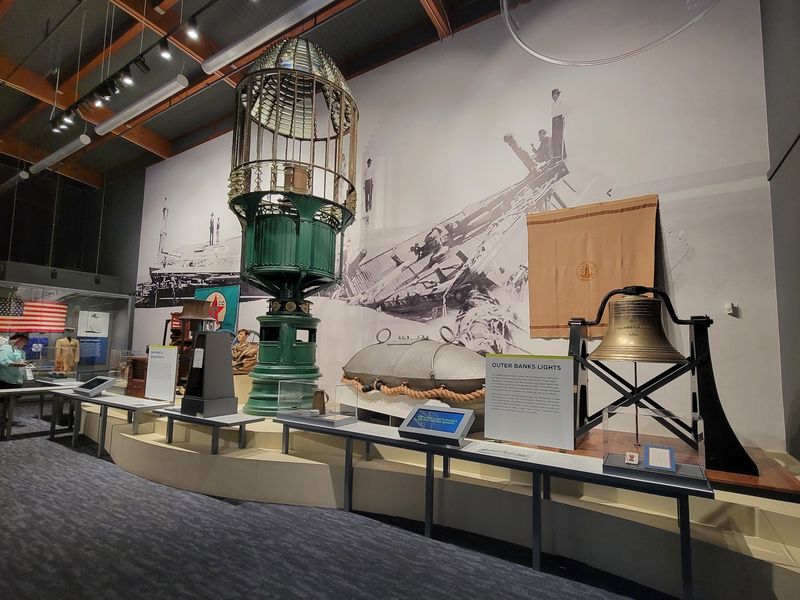
Among the treasures inside, one glass giant holds a special place of honor. The museum currently houses the Fresnel lens from the famous Cape Hatteras lighthouse, a masterpiece of curved glass built to throw light far across the water.
Up close, the lens looks almost like a chandelier, its rings of prisms catching and bending the light in dozens of directions. It once helped guide sailors safely past the dangerous shoals, a quiet hero of the coastline.
Several visitors point it out as a highlight worth the trip alone. Standing beside such a piece of maritime engineering, you feel a real connection to the keepers who once tended it.
A Real Enigma Machine Waiting Inside
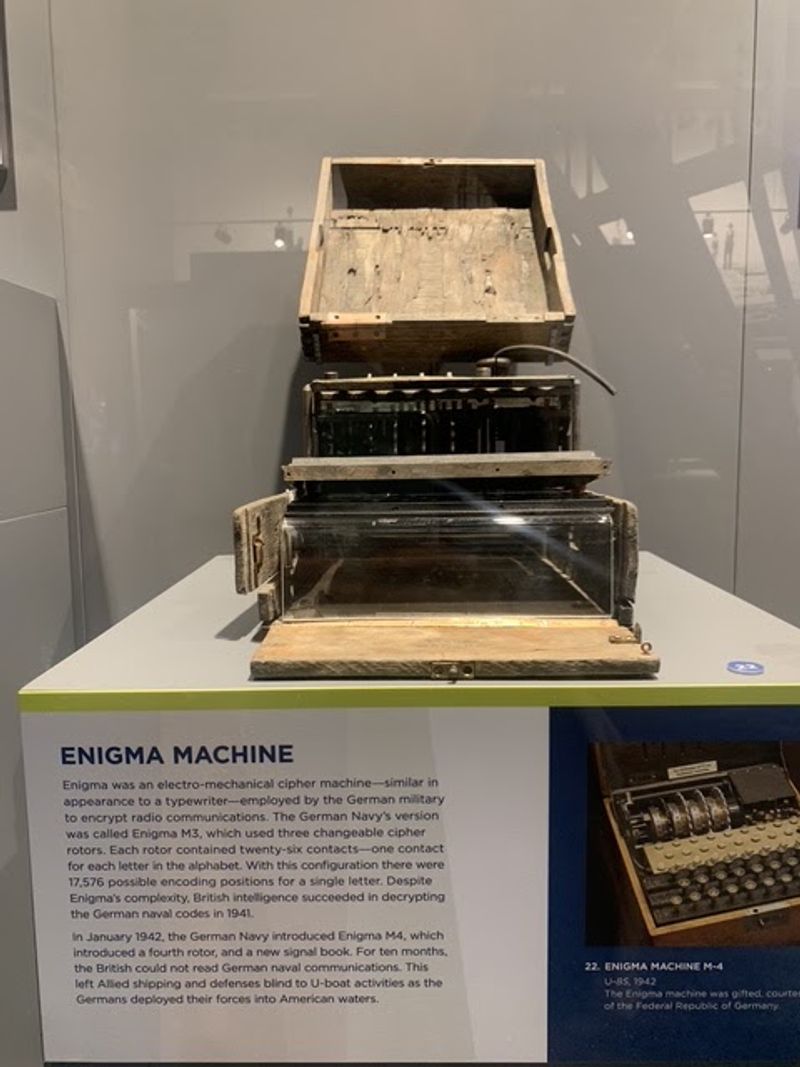
Tucked among the exhibits sits a genuine puzzle-solver’s dream: an Enigma 4 machine, the legendary coding device from the wartime era. It looks like a typewriter crossed with a small suitcase, yet its inner workings could scramble messages into near-unbreakable code.
One guest was amazed to learn the machine could represent a single letter in more than seventeen thousand different ways, which explains why decoding those messages took so long. That kind of detail sticks with you long after you leave.
For history buffs and curious kids, this artifact steals the show. It ties the quiet Outer Banks coast to a much larger global story that played out just offshore.
The Hidden Story of German U-Boats Offshore
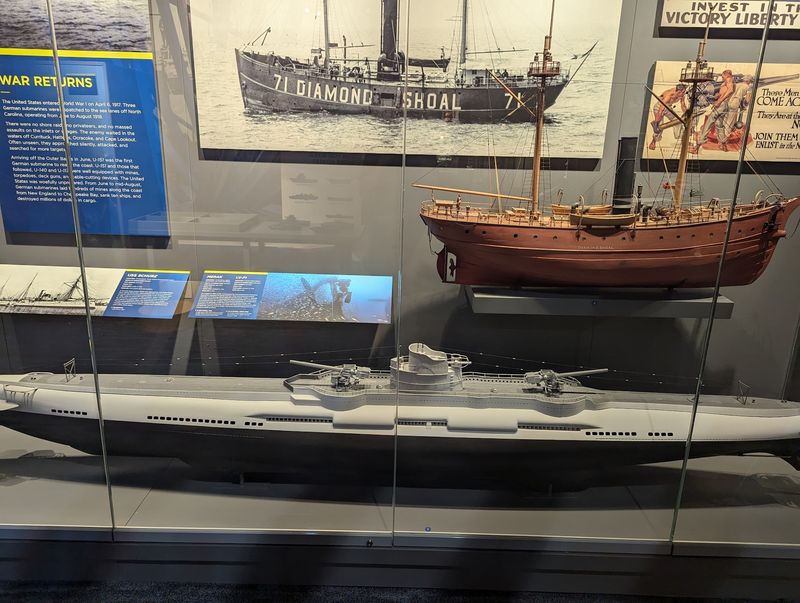
Few people realize just how close wartime action came to these calm-looking shores. The museum shares the story of German U-boats that once prowled the waters off North Carolina and how the U.S.
Naval fleet worked to intercept them.
Displays walk you through this tense chapter with photographs, artifacts, and explanations that make the events easy to follow. Guests leave surprised that such dramatic history unfolded right beside the beaches they love.
One visitor from Kill Devil Hills called the whole experience worth the drive, planning a return trip just to catch what they missed. The wartime section alone gives the museum a depth that sneaks up on you.
Civil War Chapters Along the Shoreline
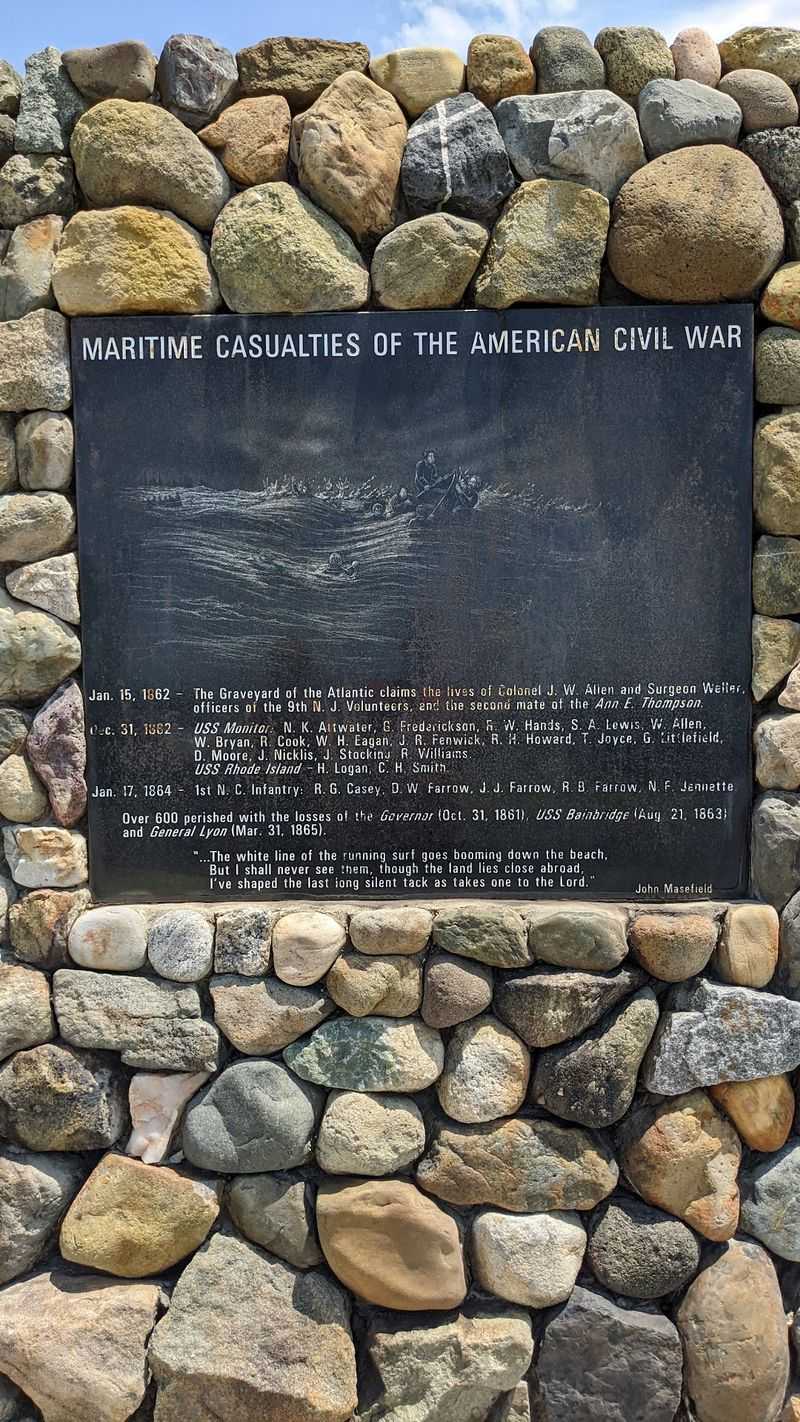
Beyond the wartime U-boat tales, the museum reaches further back into the coast’s layered past. A set of Civil War exhibits explores how this stretch of shoreline played its own role during that era, adding yet another thread to the region’s rich story.
Panels and artifacts help visitors picture what the coast was like generations ago. The displays keep things clear and approachable, never bogging you down with too much at once.
Combined with the shipwreck and wartime sections, these exhibits show just how much history washed up on this narrow island. Each room feels like turning a page in a book you did not know existed.
Beautifully Displayed Artifacts From the Deep
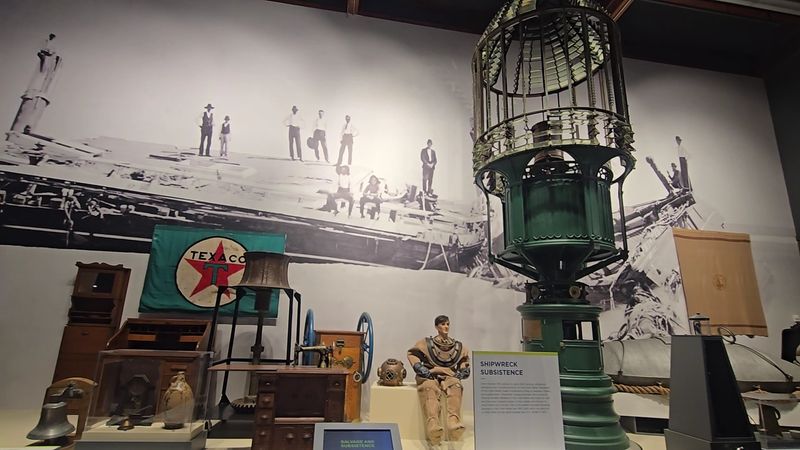
Walk the halls and you will spot object after object pulled from the sea and lovingly preserved. The artifact collection here earns steady praise, with items arranged so thoughtfully that each one feels like a small discovery.
Guests describe the displays as captivating, the sort where you keep leaning in to read one more label. The lighting and layout show real care, turning salvaged pieces into museum-worthy showpieces.
One reviewer noted the collection went far beyond expectations, calling it both fantastic and beautifully arranged. For anyone who loves treasures with a backstory, these cases reward a slow, curious stroll.
Interactive Exhibits That Keep Everyone Engaged
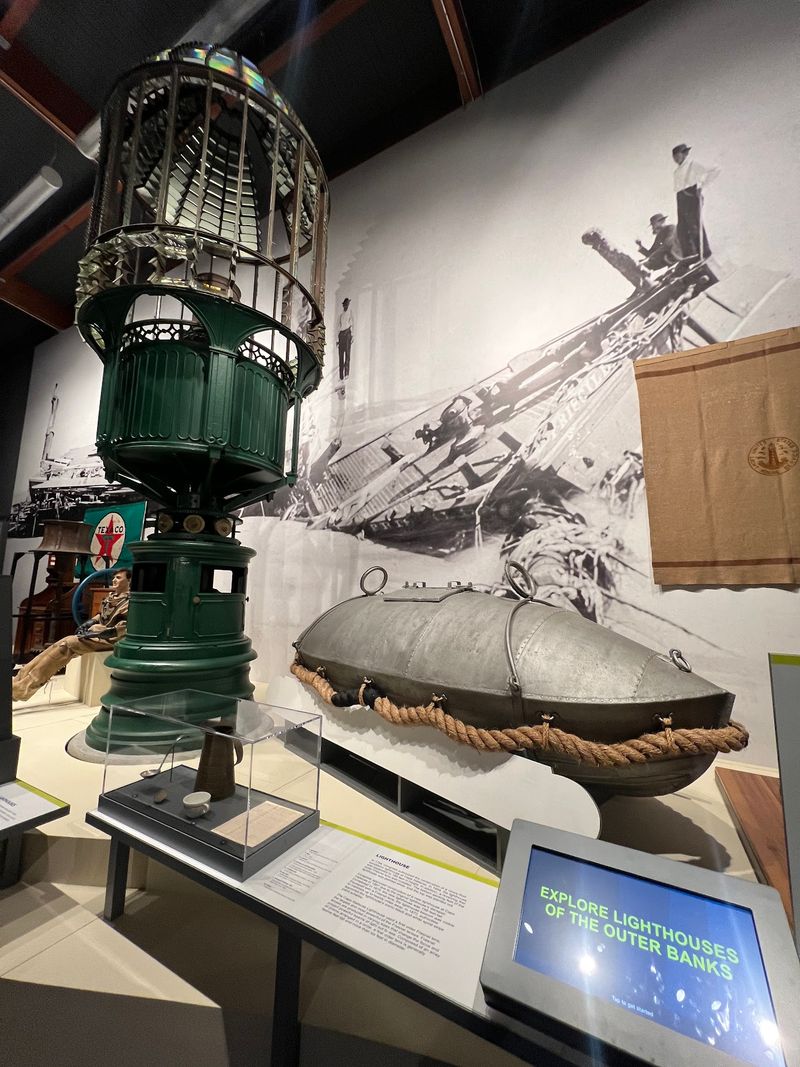
Nobody stands around bored here, and that is by design. The museum mixes videos you can watch on demand, touchscreens, and hands-on stations that invite you to press, tap, and explore at your own pace.
Parents mention that both children and adults find something to do, which keeps the whole family moving happily from room to room. The self-guided setup means you never feel rushed or herded along.
Interactive exhibits come up again and again as a favorite feature. They turn what could be a quiet reading tour into an experience where everyone gets to participate.
The Kids’ Scavenger Hunt That Steals the Show
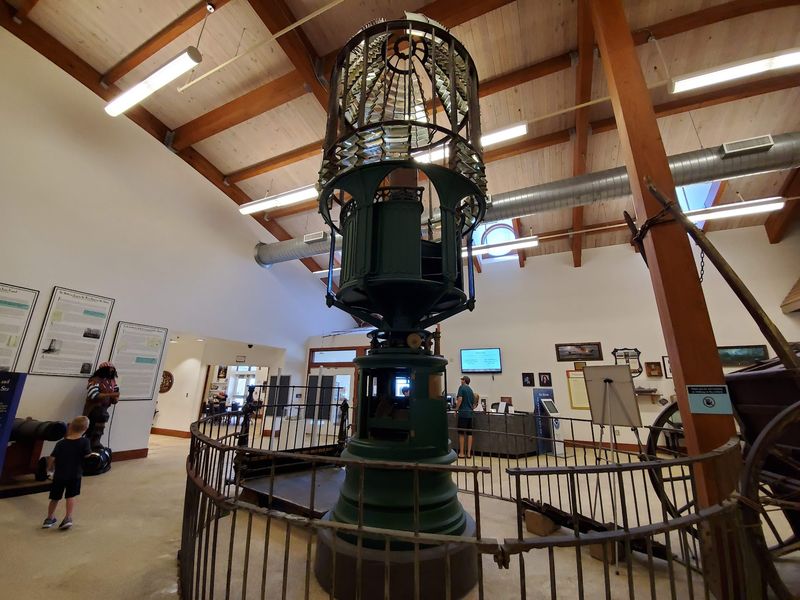
Bring the little ones and you might find them racing ahead of you. The museum offers a scavenger hunt designed to keep young visitors busy, sending them searching through the exhibits for clues and answers.
Families rave about how well it works. One group arrived with only thirty minutes to spare and staff quickly got the kids engaged with the hunt, turning a short stop into a memorable one.
Students on field trips often work through it too, wandering the rooms with worksheets in hand. It is a clever touch that makes history feel like a game rather than a lesson.
Friendly Faces Who Know Their Stuff
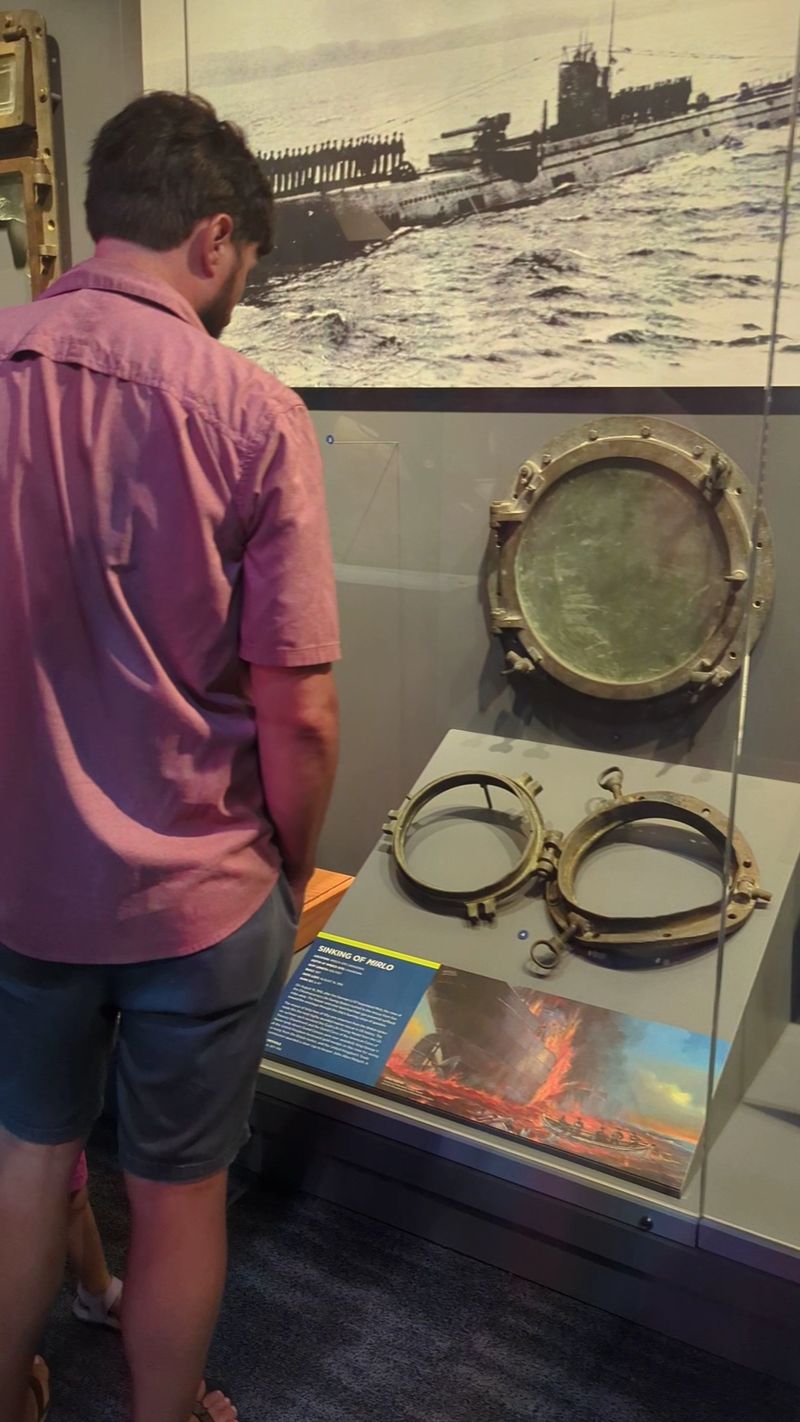
Walk through the door and someone kind is usually there to say hello. Visitors consistently describe the staff as warm, welcoming, and impressively knowledgeable about every display in the building.
The little touches stand out most. One family recalled an employee stopping by their vehicle as they were leaving, just to make sure they were able to get going after a breakdown.
Whether you have a question about a wartime relic or the shipwreck map, the greeters happily explain the details. That personal warmth turns a good museum visit into a genuinely heartwarming one.
Steps From the Beach and the Ferry
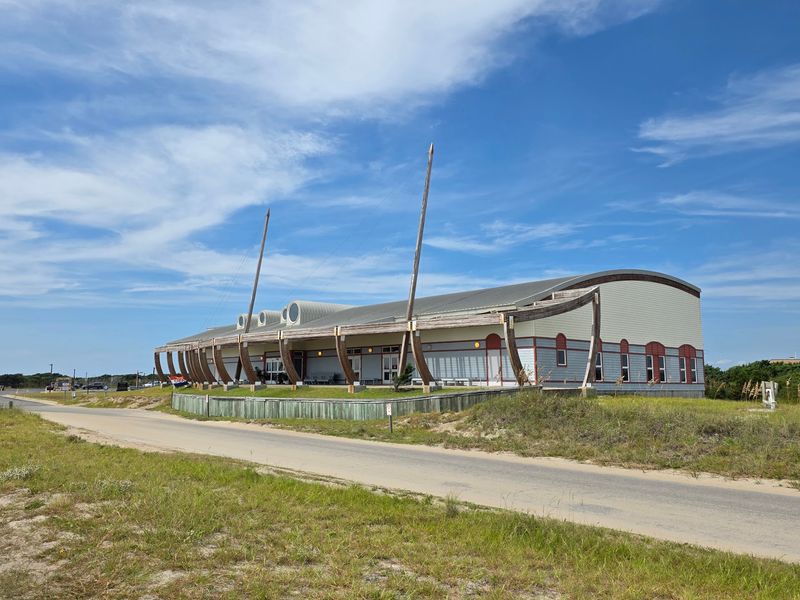
Location might be the museum’s sneaky superpower. Sitting right beside beach access and the ferry, it fits neatly into a full day at the coast without any backtracking.
One family suggested bringing your swimsuit, since you can walk straight from the exhibits to the sand. The ferry parked next door makes the setting feel even more tied to the sea it celebrates.
You could soak up shipwreck history in the morning and be splashing in the waves by afternoon. That easy pairing of learning and leisure is exactly what makes this stop so shareable.
Planning Your Visit: Hours and the Gift Shop
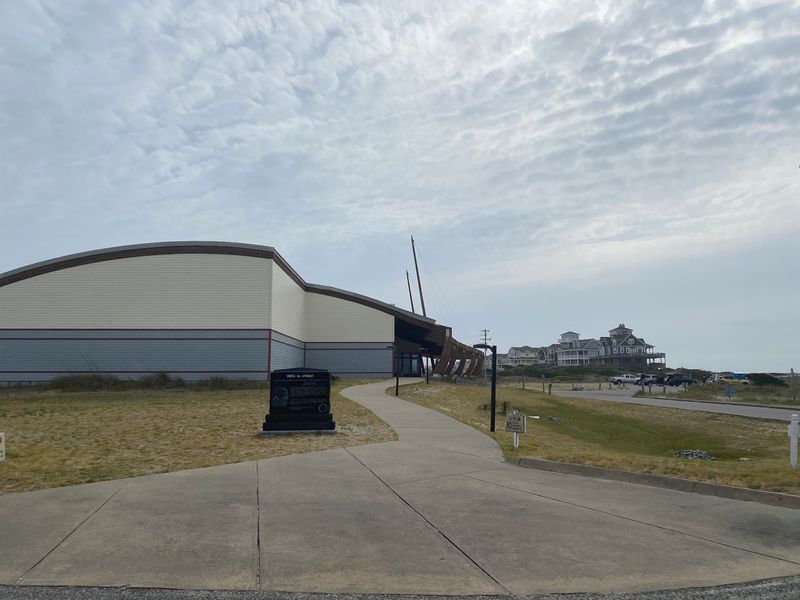
A little planning saves you a wasted trip, since the museum keeps limited hours. It welcomes guests from 10 AM to 5 PM Tuesday through Saturday, and stays closed on Sunday and Monday, so check before you go.
Most visitors say an hour is plenty to see everything, and some breeze through in about thirty minutes. That compact size is part of the charm, packing plenty of history into an easy walk.
Before you leave, swing by the small gift shop, where purchases help fund the museum. You can reach the team at 252-986-0720 or peek at the website to confirm details ahead of time.
Why This Small Museum Leaves a Big Impression
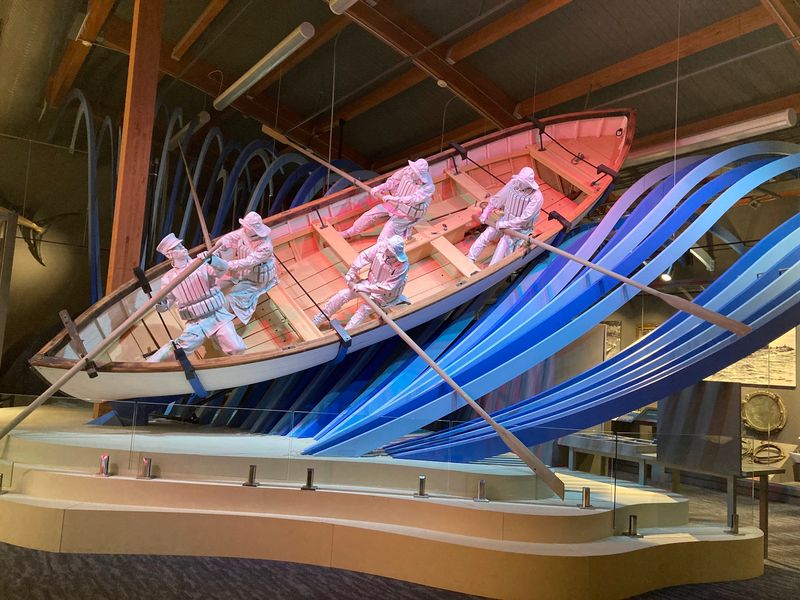
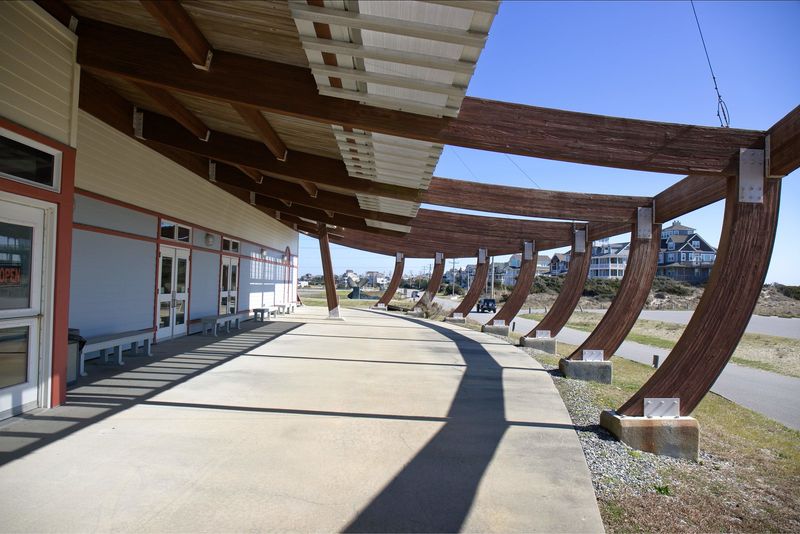
Do not let the modest exterior fool you, as more than one guest has warned. Behind those unassuming walls waits a museum so packed with stories that people keep coming back year after year to catch what they missed.
The mix of shipwreck tales, wartime history, a real Enigma machine, and a lighthouse lens adds up to far more than its size suggests. Guests describe it as informative without ever feeling overwhelming, a balance that is harder to strike than it looks.
For a free stop beside the ocean on Hatteras Island, it is tough to beat. Families call it a must-see at least once, and many make it a treasured tradition they return to on every Outer Banks getaway.
Share this story