Near the quiet town of Rockton, Illinois, something remarkable happened. What was once degraded farmland has been transformed into a thriving 721-acre wetland and prairie ecosystem that now hosts thousands of migrating birds each year.
The Carl and Myrna Nygren Wetland Preserve stands as proof that with dedicated conservation efforts, nature can make an incredible comeback, bringing back wildlife that hadn’t been seen in the area for generations.
A Restoration Success Story That Took Decades
Transforming farmland back into wetland isn’t something that happens overnight. The Nygren Wetland Preserve represents years of careful planning, soil restoration, and water management to recreate the natural floodplain ecosystem that once existed here.
Conservation groups worked with scientists to study historical records and understand what this land looked like before agriculture changed it forever.
The restoration process involved removing drainage tiles that farmers had installed, allowing water to pool naturally again. Native prairie grasses and wetland plants were carefully reintroduced, creating habitat for insects, amphibians, and eventually the birds that feed on them.
Watching the land slowly come back to life has been incredibly rewarding for everyone involved.
Today, the preserve functions exactly as nature intended. During flood seasons, it absorbs excess water from the Rock and Pecatonica Rivers, protecting nearby communities while providing crucial habitat.
The transformation shows that even heavily altered landscapes can recover when given the chance and proper care.
Sandhill Cranes Create an Unforgettable Symphony
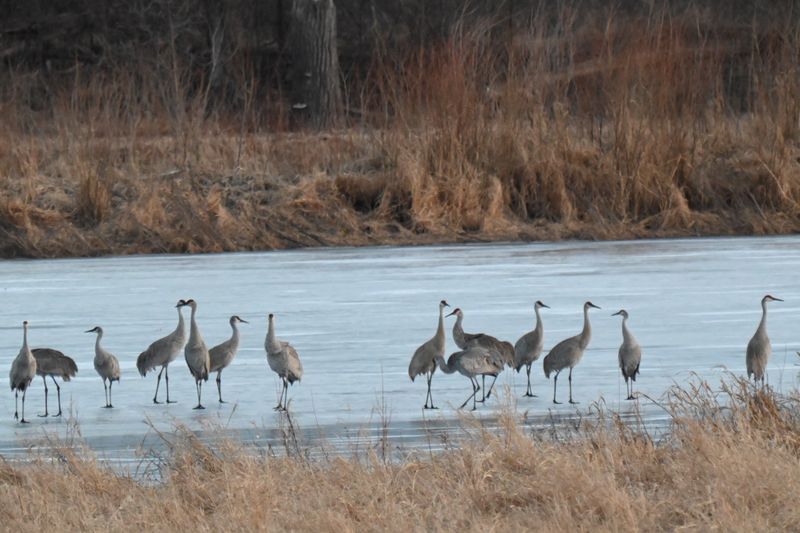
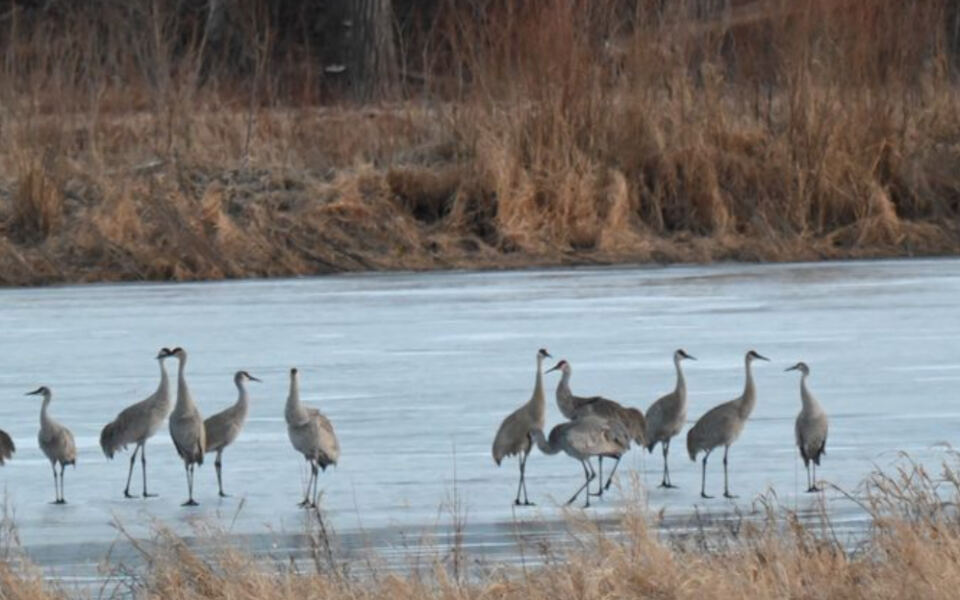
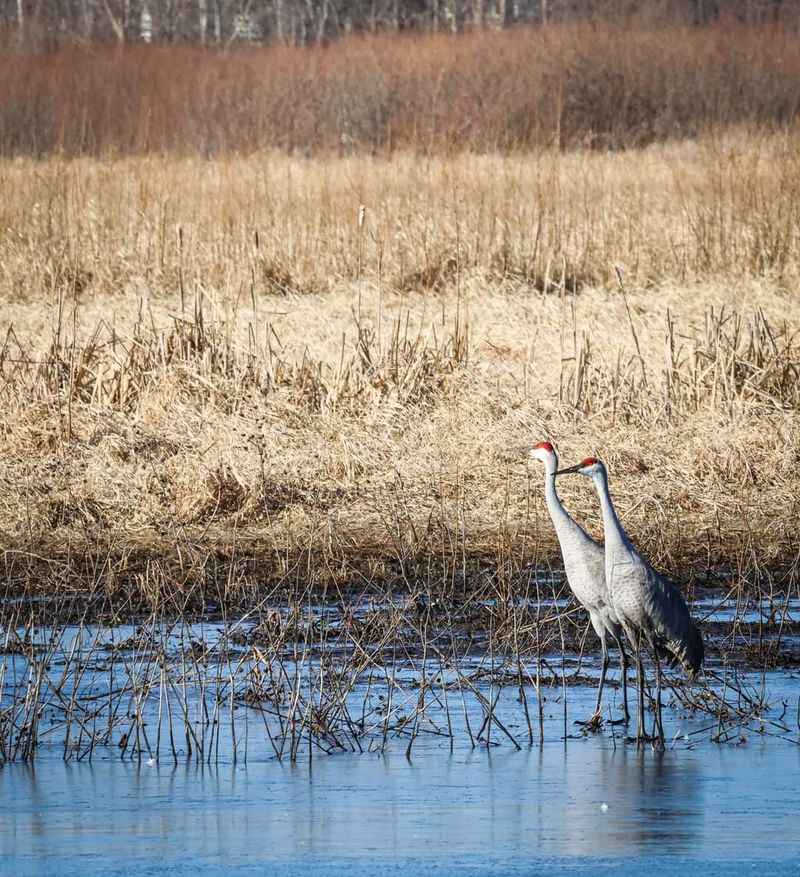
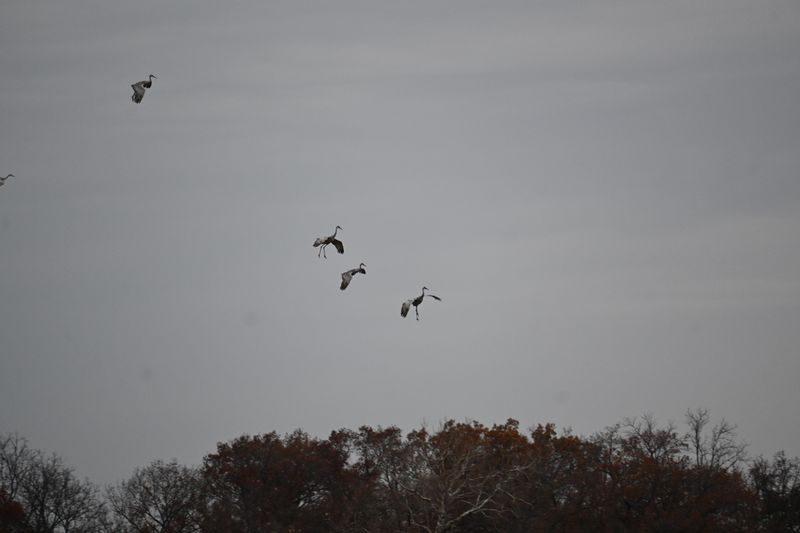
Nothing prepares first-time visitors for the sound of hundreds of sandhill cranes calling across the wetlands. Their distinctive rattling calls echo across the preserve, especially during spring and fall migration when family groups gather here to rest and feed.
These prehistoric-looking birds, standing nearly four feet tall, create what one reviewer perfectly described as an “absolute cacophony” that you won’t forget.
Sandhill cranes have become one of the preserve’s star attractions. Families teach their rust-colored chicks how to forage in the shallow waters, and watching their interactions offers a glimpse into complex bird behavior.
The cranes aren’t shy, either, often feeding close enough to trails that visitors can observe their elegant movements and hear their conversations with each other.
The best crane viewing happens during migration periods when populations swell dramatically. Bring binoculars if you have them, but honestly, these birds are large enough that you’ll get great views with just your eyes.
Their presence here proves the restoration worked beautifully.
American White Pelicans Make Surprising Appearances
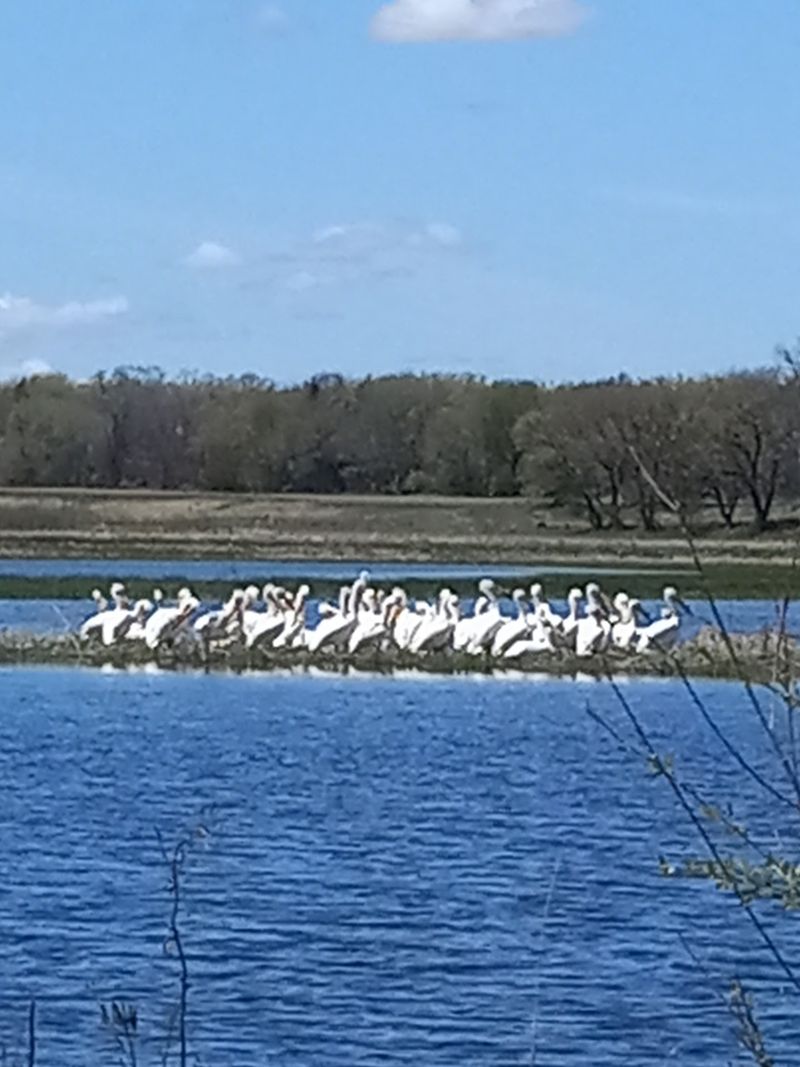
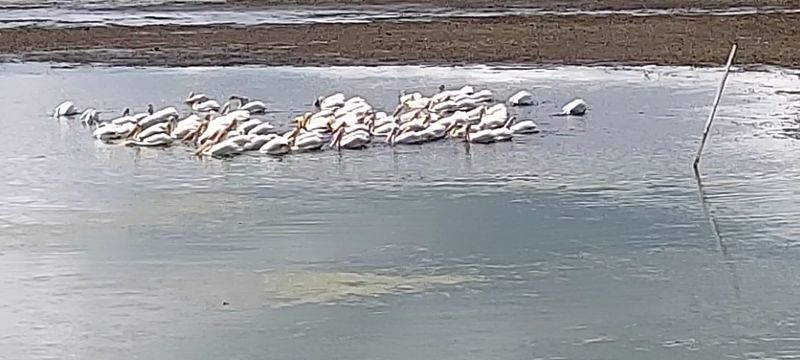
Spotting massive white pelicans in Illinois surprises many visitors who associate these birds with ocean coasts. Yet the Nygren Wetland has become a reliable stopover for American white pelicans during their migration between Gulf Coast wintering grounds and northern breeding areas.
Watching these nine-foot-wingspan birds glide gracefully over the wetlands feels almost surreal.
Unlike their brown pelican cousins, American white pelicans don’t dive for fish. Instead, they work together in groups, herding fish into shallow water where they can scoop them up with their enormous pouches.
Observing this cooperative hunting behavior is absolutely fascinating and shows incredible intelligence.
Multiple visitors have reported pelican sightings throughout spring and summer months. The birds often rest on the water in groups, their bright white plumage creating stunning contrasts against the dark water and green vegetation.
Having a telescope at the observation deck helps viewers appreciate their impressive size and distinctive orange bills without disturbing these temporary residents.
Miles of Trails Through Diverse Habitats
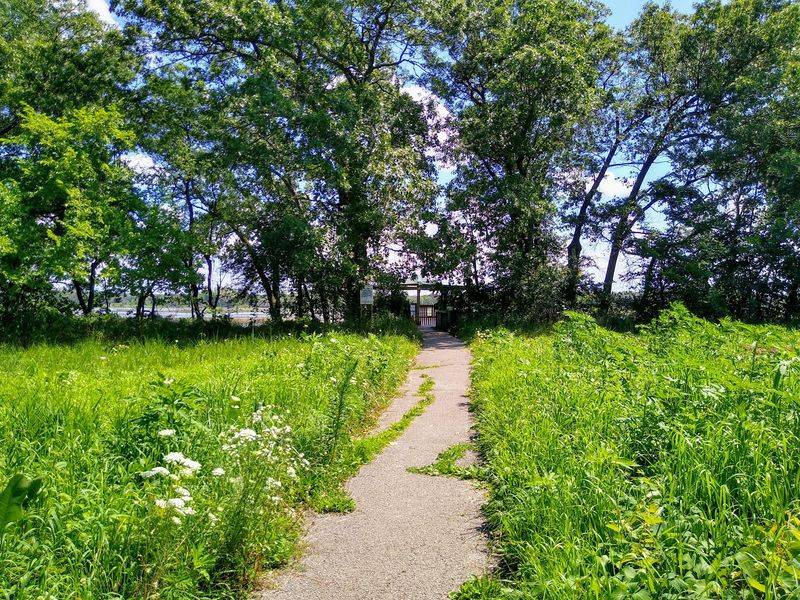
The preserve offers something many wetlands can’t: extensive, well-maintained trails that let you explore without getting soaked. Over five miles of paths wind through dramatically different environments, from open water edges to dense prairie to quiet woodlands.
You could easily spend half a day here and still not see everything.
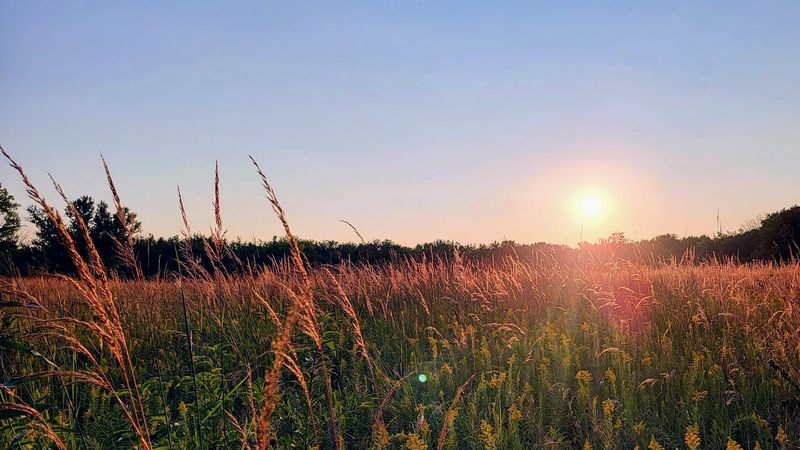
The main loop around the largest wetland spans about 2.3 miles and provides constantly changing views. Side trails branch off into prairie sections where wildflowers bloom in rotation throughout warm months, creating shifting color palettes.
Wooded sections offer welcome shade and shelter from wind, plus different bird species that prefer trees over open water.
Trail conditions vary by season, which actually adds to the experience. Spring flooding sometimes closes lower paths, demonstrating the preserve’s role as a working floodplain.
Summer brings tall grasses that occasionally need mowing. Winter transforms everything into a stark, beautiful landscape where animal tracks in snow tell stories of overnight visitors.
Comfortable walking shoes are essential year-round.
An Elevated Observation Deck With Free Telescope
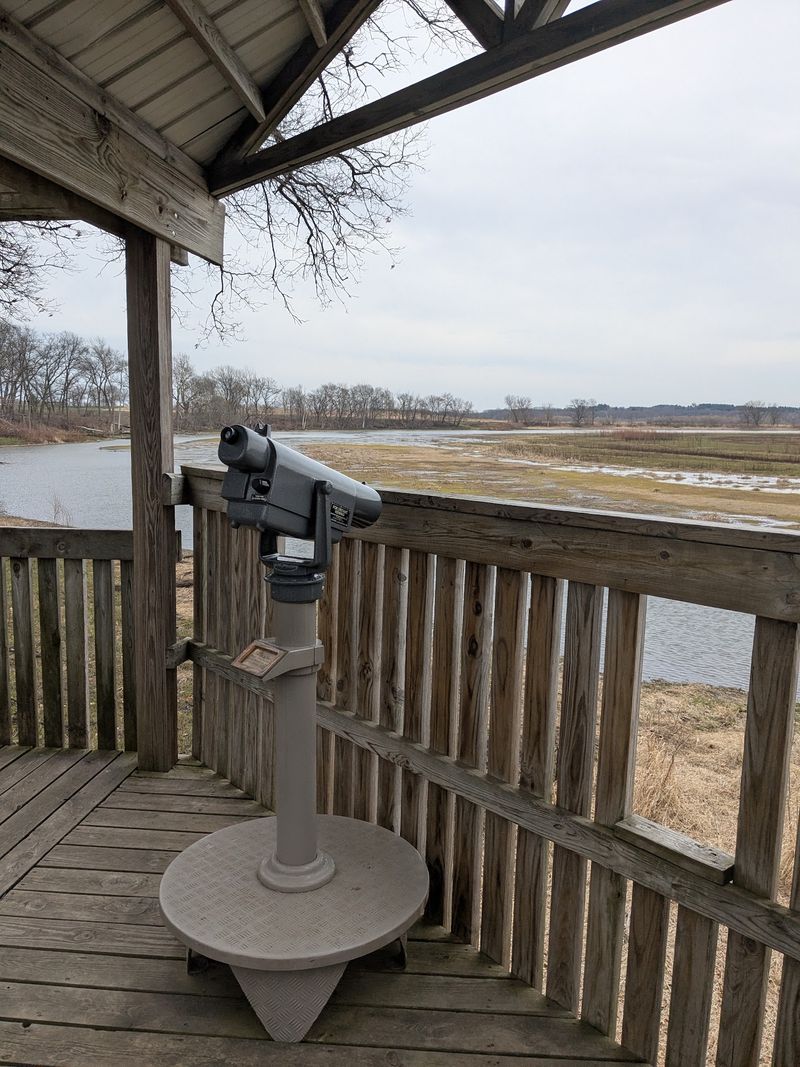
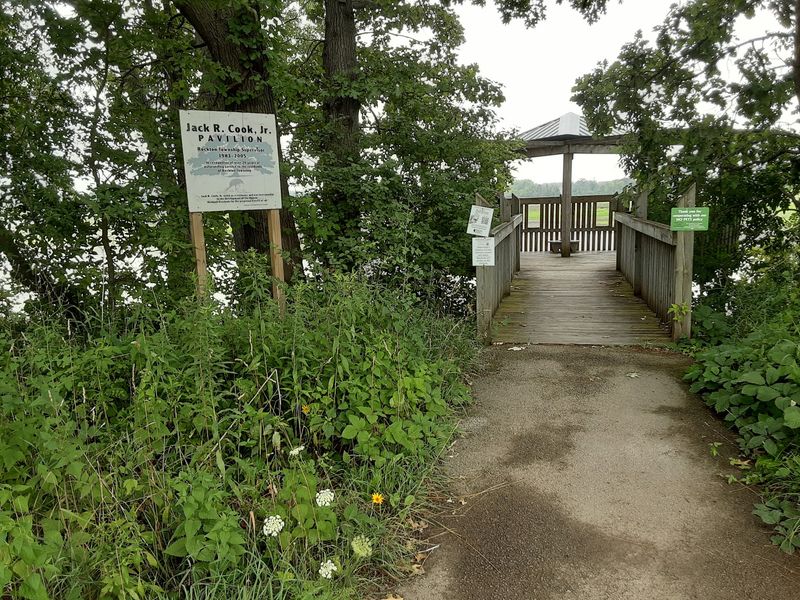
Right near the parking area stands a wooden observation platform that gives visitors an immediate overview of the wetland’s scope. The elevated position lets you scan across acres of habitat, spotting birds that might be too distant to see from ground level.
It’s the perfect starting point for any visit.
What makes this deck extra special is the free telescope mounted there for public use. Budding birders and experienced watchers alike appreciate being able to zoom in on distant waterfowl without hauling their own equipment.
The telescope helps identify species by bringing details like bill shape and plumage patterns into clear focus.
Many visitors start their trip at the deck to see what’s around before choosing which trail to explore. Others return after their hike to scan areas they couldn’t reach on foot.
The platform is accessible and sturdy, making it suitable for people with mobility limitations who might not manage the dirt trails. Bring a bird identification guide to make the most of your deck time.
Bald Eagles and Hawks Patrol the Skies
Scan the sky long enough at Nygren and you’ll likely spot one of nature’s most impressive predators. Bald eagles have made this preserve part of their hunting territory, drawn by abundant fish and waterfowl.
Seeing our national symbol soaring overhead with a six-foot wingspan never gets old, no matter how many times you visit.
Hawks of various species also patrol here, including red-tailed hawks that perch in dead trees scanning for small mammals. The preserve’s mix of open areas and perching spots creates ideal raptor habitat.
During migration seasons, you might even spot rarer species passing through on their way to distant destinations.
Eagle sightings seem most common during cooler months when they’re more actively hunting. One reviewer mentioned seeing a pair during their visit, and others have reported solo birds.
Bringing binoculars dramatically improves your chances of catching behavioral details like hunting dives or territorial displays. The thrill of watching these powerful birds in action makes any visit memorable.
Unexpected Mammals Including Beavers and Minks
Birds steal most of the attention here, but patient observers discover fascinating mammal residents too. Beavers have established themselves in the preserve, building lodges and dams that further enhance wetland habitat.
Look for gnawed tree stumps and stick piles as evidence of their engineering projects that reshape the landscape.
Even more exciting are the mink sightings that several visitors have reported. These sleek, dark predators are notoriously difficult to spot in the wild, making any encounter special.
One reviewer called seeing a mink their first-ever sighting, showing how the preserve offers experiences you might not get elsewhere. Minks hunt along water edges for fish, frogs, and small mammals.
Deer also frequent the preserve, especially during quieter morning and evening hours. Their tracks crisscross the trails, and you might spot them browsing at woodland edges.
The variety of mammals here demonstrates how successful habitat restoration benefits entire ecosystems, not just the most visible species. Early morning visits increase your chances of mammal encounters significantly.
No Dogs Allowed Means Better Wildlife Viewing
The preserve’s strict no-dogs policy surprises some visitors but delights serious wildlife watchers. Without dogs barking, running, or leaving scent trails, birds and mammals behave more naturally and tolerate closer human approach.
One reviewer specifically praised this rule, noting they could focus entirely on birding without watching for dog waste on trails.
This policy protects ground-nesting birds that might abandon nests if disturbed by curious pets. It also prevents conflicts between dogs and wildlife, which can stress animals and create dangerous situations.
The preserve prioritizes wildlife needs over pet recreation, which is increasingly rare and valuable.
If you’re a dog owner, this might feel restrictive at first. However, the payoff in wildlife encounters makes the trade worthwhile.
Visitors consistently report seeing more birds and mammals here than at preserves where dogs are permitted. The peaceful atmosphere also enhances the experience for people seeking quiet nature time.
Plenty of other parks welcome dogs, so saving Nygren for pet-free visits respects its conservation mission while giving you extraordinary viewing opportunities.
Free Admission and Parking Make Nature Accessible
In a world where many nature experiences come with hefty price tags, Nygren Wetland Preserve offers something refreshing: completely free access. No admission fees, no parking charges, no hidden costs.
Just pull into the small lot, grab your binoculars, and start exploring this 721-acre natural treasure without opening your wallet.
This accessibility matters tremendously for families, students, and anyone on a tight budget who still wants quality outdoor experiences. Schools can bring classes for environmental education without fundraising for entrance fees.
Retirees can visit repeatedly throughout migration seasons without costs adding up. The preserve demonstrates that protecting nature and providing public access aren’t mutually exclusive goals.
Free admission also means you can pop in for quick visits without feeling like you need to spend hours justifying the cost. Stop by for a 30-minute sunset walk or return multiple times to observe seasonal changes.
The nearby town of Rockton offers restaurants and shops, making the preserve an easy addition to other activities in the area. Conservation funded by donations and grants keeps this gem accessible to everyone.
Seasonal Changes Create Year-Round Reasons to Visit
Spring migration brings the preserve to life with returning birds, blooming wildflowers, and the chorus of frogs emerging from winter dormancy. Sandhill crane families raise their young while pelicans and countless duck species stop to refuel.
Prairie flowers begin their sequential bloom that continues through summer.
Summer’s warmth brings peak vegetation growth and the full symphony of bird songs. Young birds practice flying while parents teach them to hunt and forage.
Dragonflies patrol for mosquitoes, and turtles sun themselves on logs. The lush greenery creates beautiful backdrops for photography, though trails through tall grass sometimes need maintenance.
Fall migration reverses the spring spectacle as birds gather before heading south. Monarch butterflies join the movement, and prairie grasses turn golden.
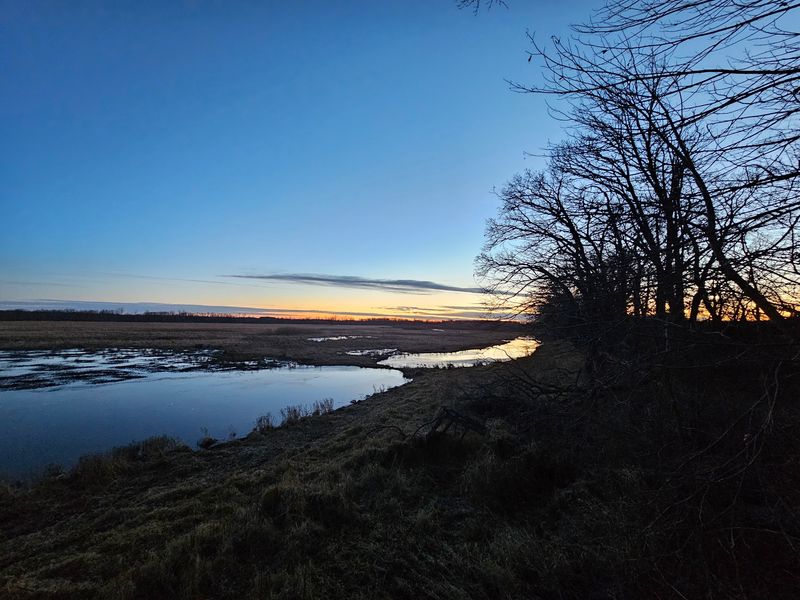
Winter might seem quiet, but it offers unique rewards: easier wildlife spotting without foliage blocking views, dramatic ice formations, and the stark beauty of snow-covered wetlands. Eagles become more active, and animal tracks reveal secret nighttime visitors.
Each season deserves its own visit to appreciate the preserve’s full character.
Share this story