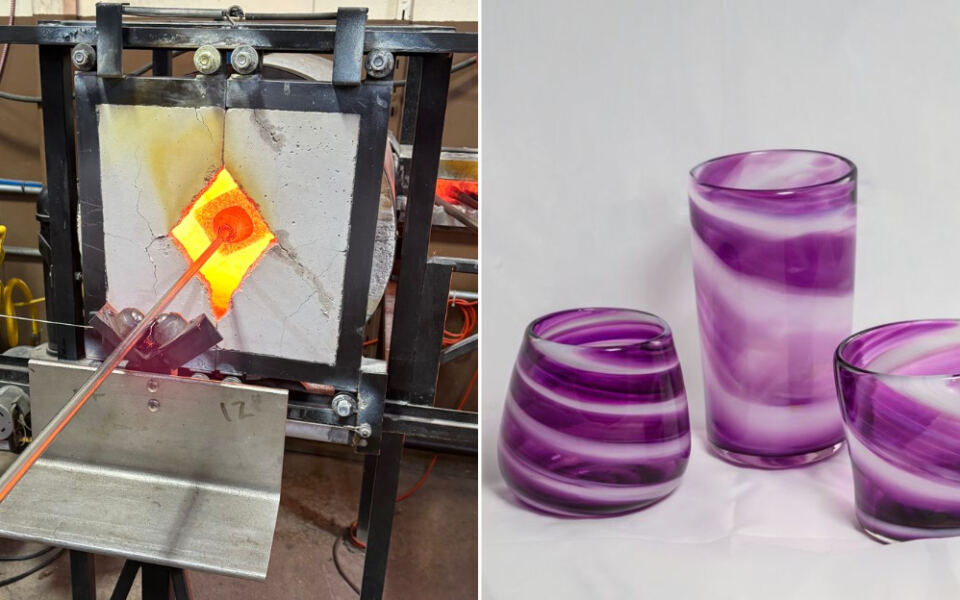
A plain-looking stop in New Jersey can sometimes turn into the kind of outing people keep talking about long after the calendar moves on. Here, the surprise is not a fancy lobby or a big production, but the chance to stand beside skilled instructors and help shape hot glass into something personal.
It is part art class, part creative challenge, and part proof that New Jersey still has hands-on places that feel refreshingly different. Keep reading and the mystery turns into a very practical day-trip idea, especially for anyone who wants a keepsake with a good story behind it.
A Morristown Studio With a Real Address and a Real Craft
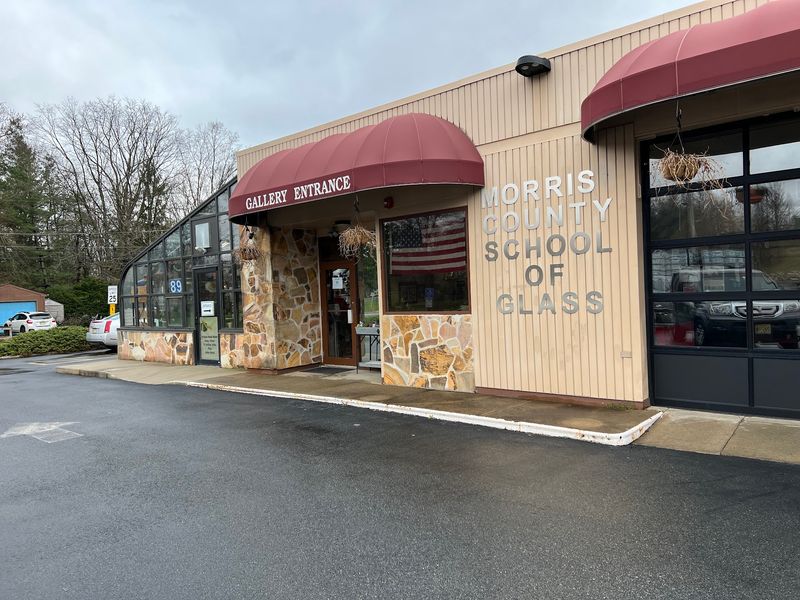
A creative detour sits at 89 Whippany Rd, Morristown, NJ 07960, where Morris County School of Glass gives New Jersey residents a hands-on way to try glassblowing without needing years of art training first.
The place is listed as a glass blower, but that label barely covers the full idea. It functions as a working studio and teaching space where beginners, families, couples, groups, and returning hobbyists can learn through guided sessions.
Morristown already has the kind of local pull that makes it a solid day-trip town, and this studio adds a different kind of reason to go. Instead of only passing through for errands or a meal, people can book time to make something they had a role in creating.
The first thing to understand is that the school is not built around watching from a distance. The experience centers on participation, with instructors breaking the process into steps so first-timers can follow along.
That is the local appeal in a nutshell. It is specific, visitable, and very New Jersey in the best way, a practical place tucked into Morris County that turns an ordinary outing into a craft story worth bringing home.
A First-Timer Friendly Path Into Hot Glass
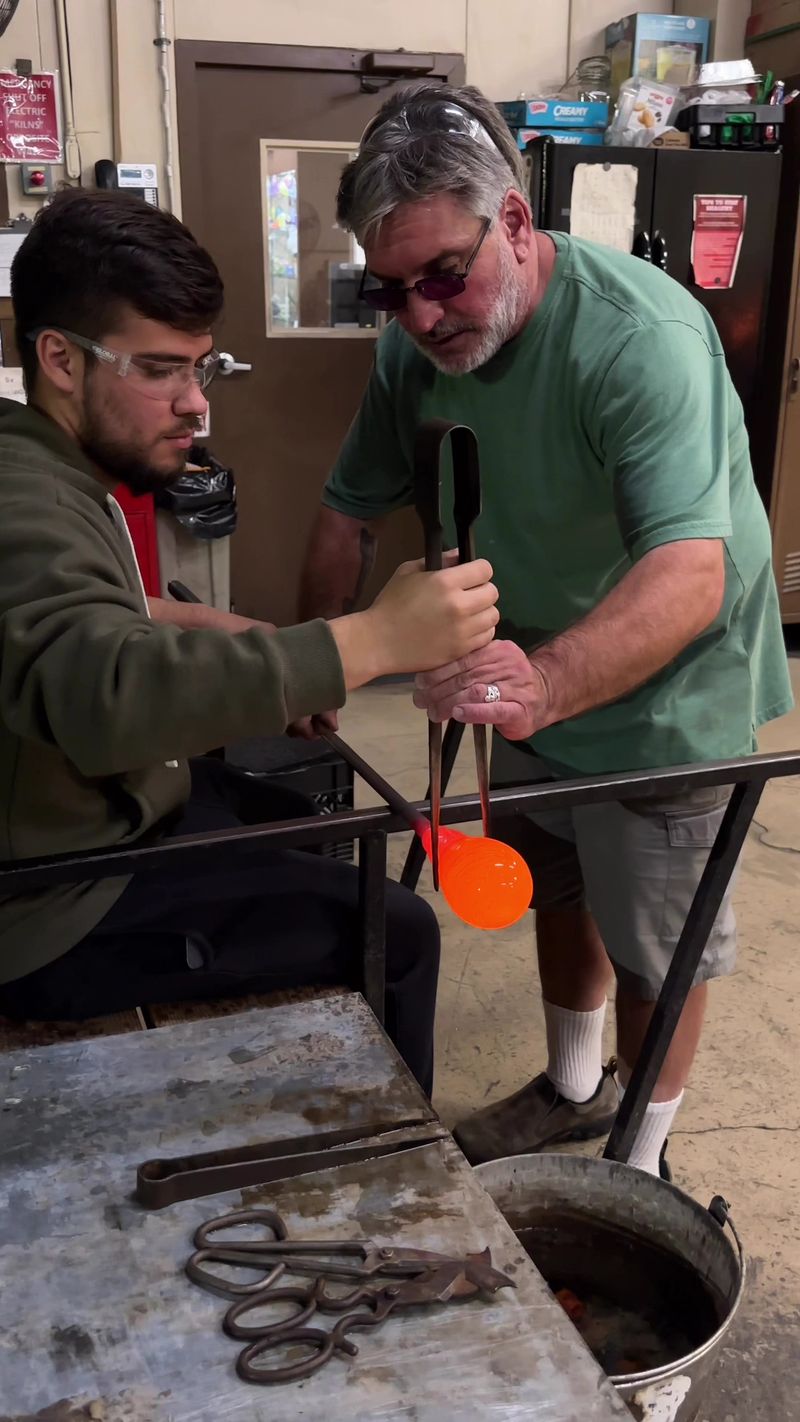
Beginners are not treated like they wandered into the wrong room here. The school is known for intro-style sessions where instructors guide people through each step, making the process feel organized instead of mysterious.
Glassblowing can sound intimidating because the material requires care, timing, and close attention. At Morris County School of Glass, the repeated theme from past participants is that teachers explain the steps clearly and keep the activity approachable.
That matters for anyone who has ever skipped an art class because it sounded too advanced. The studio’s format helps people focus on one action at a time, with staff nearby to support the technical parts.
First-timers have mentioned making final pieces during their earliest class, which is the big hook. The appeal is not simply learning facts about glass, but leaving with a physical item shaped during the session.
There is also room for people who are curious but cautious. Instructors are described as patient, detailed, and attentive, which can make a huge difference when someone is trying a new craft in a working studio.
By the time a session is underway, the activity becomes less about being artistic on command and more about following guidance, making choices, and discovering that a careful beginner can still create something worth keeping.
Clear Instruction as the Quiet Star of the Experience
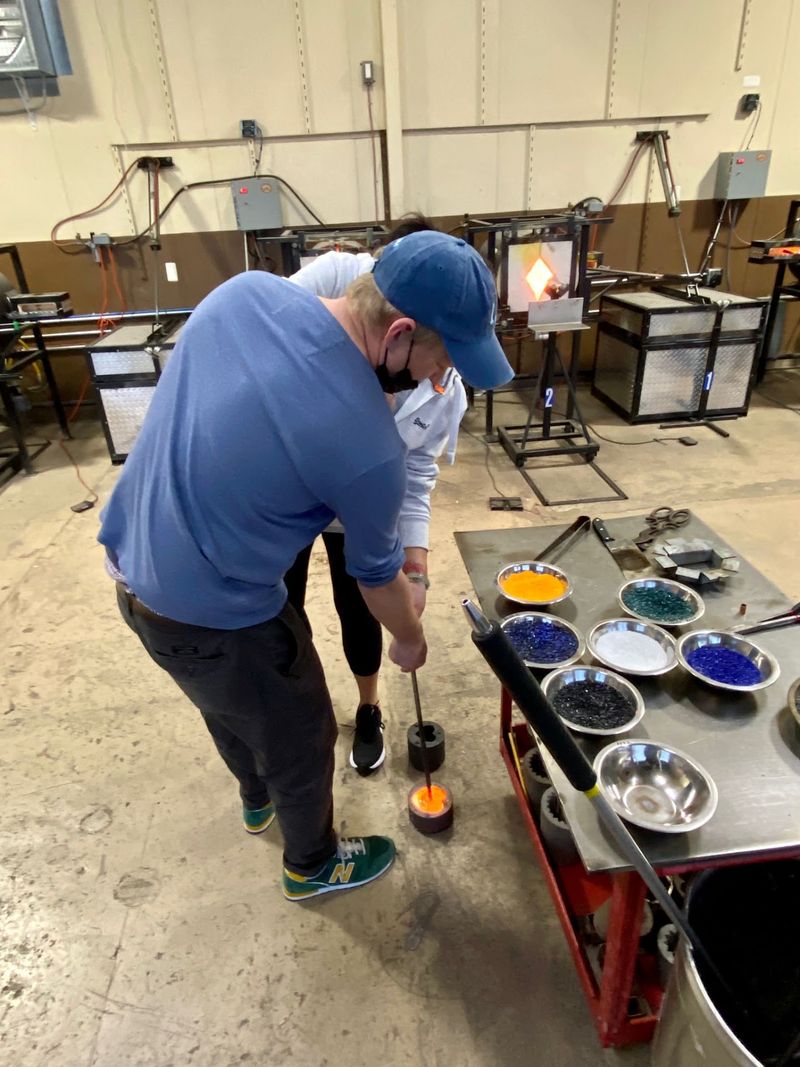
The instructors seem to carry much of the studio’s reputation on their aprons, and that is not a small thing. Names including Pat, Patrick, Ben, Harrison, Bonnie, Patricia, Jay, Shay, and Kim appear in customer comments tied to helpful planning, teaching, and studio support.
Good instruction changes the whole character of a hands-on class. Instead of tossing people into an unfamiliar process, the staff is often described as knowledgeable, patient, friendly, and careful about explaining what comes next.
That kind of teaching style matters because glass work includes steps that must be done in order. A strong instructor can turn a complicated activity into a series of manageable tasks, which helps guests stay focused and involved.
Private workshops and group sessions also appear to benefit from that structure. People mention being guided through scheduling, preparation, and the actual making process, which suggests the school pays attention before and during the visit.
There is a human side to that, too. One family experience noted support for an older participant who did not hear well, while another mentioned help for a guest with physical limitations.
The result is a studio where the teacher is not background decoration. The instruction is part of the main event, and for many people it is what turns a tricky craft into a successful outing.
Keepsakes With More Story Than Shelf Space
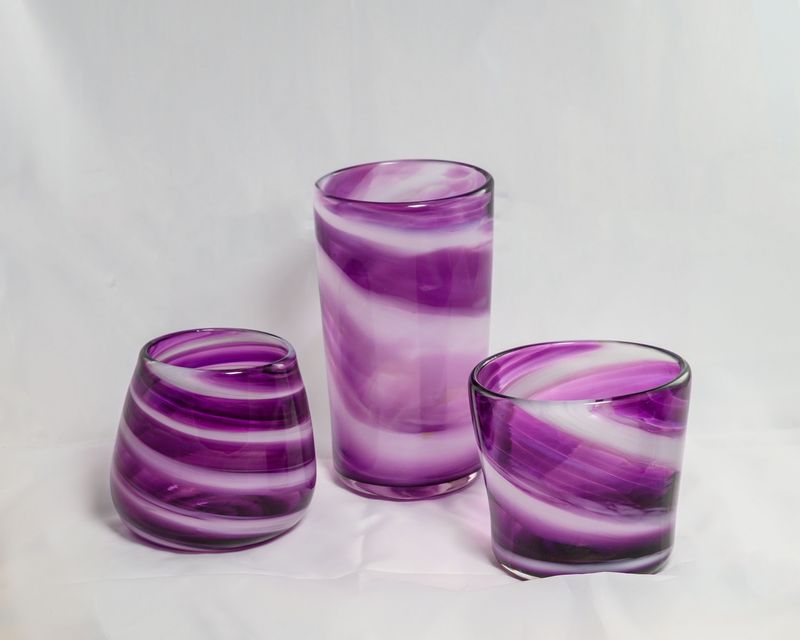
A store-bought object can be lovely, but a made-by-you object arrives with built-in bragging rights. At this school, guests have described creating ornaments, glasses, vases, paperweights, flowers, and other glass pieces through guided sessions.
The keepsake angle is one of the biggest reasons the experience stands out. People are not only signing up for an activity, they are making something that can sit at home and keep the memory attached to it.
Some projects are especially personal. A private workshop mentioned custom kitchen pendants, with the finished pieces later becoming part of the home, and that kind of project turns a class into a long-term conversation starter.
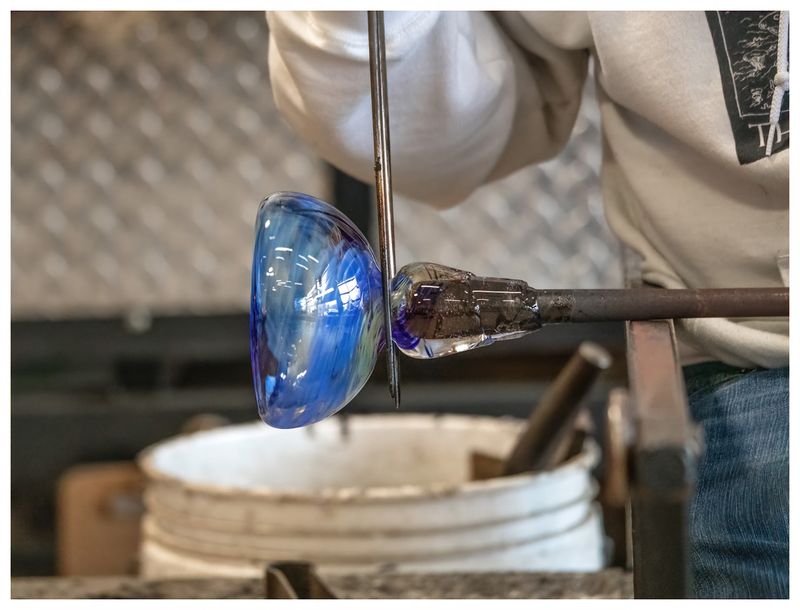
Not every item will come out the same size, and the school has explained that glassblowing results can vary depending on how much air the student puts through the pipe. That variability is part of the point, since each creation reflects the actual session.
Choice also helps the experience feel personal. Past participants have mentioned options for shape, design, and color during certain classes, giving students a role in how their final piece turns out.
For gift-givers, the finished object adds an extra layer. A birthday, anniversary, or family outing can end with something more specific than a receipt, which is a small miracle in the age of forgettable errands.
Group Outings That Actually Give Everyone Something To Do
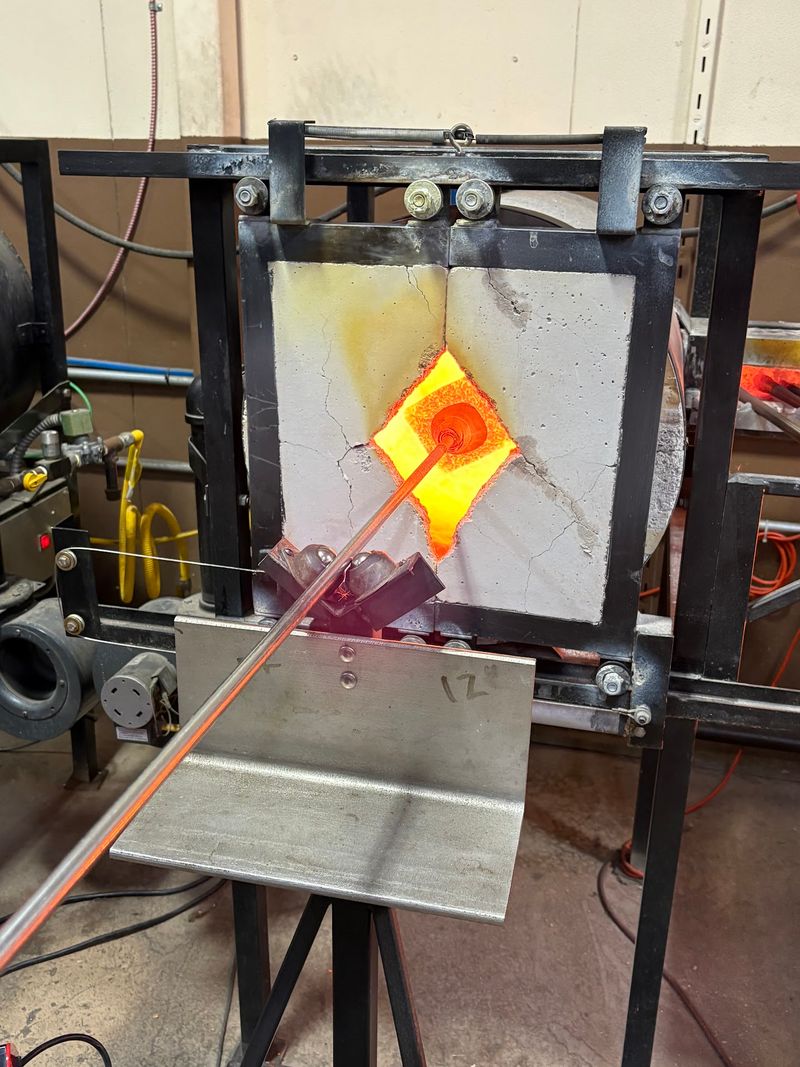
Group activities often suffer from one classic problem: half the room participates while the other half checks the time. Morris County School of Glass has a built-in advantage because every participant can be assigned a creative role and a final goal.
The studio has hosted Girl Scouts events, birthday gatherings, family sessions, team-building outings, and private lessons. That range says a lot about how flexible the concept can be when a group wants something beyond the usual sit-down plan.
Teen birthdays appear to fit especially well. One party included glass making and etching, and the activity was described as safe, well supervised, and engaging for teenagers.
Families also show up in the school’s story again and again. Parents bring kids, adult children bring older relatives, and multi-age groups can work through a session with instructors adjusting their support as needed.
Work groups have used the studio for team-building, which makes sense. A glass session gives coworkers a shared task without asking them to solve awkward icebreakers or pretend a conference room game is thrilling.
The best part is that the takeaway is not just a group photo. Each person can connect the day to an object they helped make, so the event has a built-in souvenir instead of fading into the calendar.
Date Nights and Celebrations With a Creative Twist
Romantic plans do not always need candlelight and a reservation. Sometimes the better story starts with two people learning a new skill and trying not to overthink the instructions.
Morris County School of Glass has drawn couples for date nights and anniversary outings, and that makes practical sense. The activity gives people something shared to focus on, while still feeling different from the usual New Jersey night out.
Couples have described teachers as informative, friendly, and strong at explaining the process. That matters because a creative date is only fun if both people feel included, not stranded beside a technical task they cannot follow.
The school’s hands-on format also gives celebrations a little built-in momentum. Instead of sitting across a table asking what to do next, guests are guided through a project with a clear beginning, middle, and finished result.
Anniversaries, birthdays, and delayed gift outings all fit naturally here. A class can feel more personal than another object wrapped in paper, because the memory and the keepsake are made during the same visit.
There is a playful practicality to it all. The plan is unusual enough to feel special, but structured enough that nobody has to arrive as an artist, which is exactly the kind of date-night math New Jersey couples can appreciate.
Safety, Comfort, and the Hot Shop Rhythm
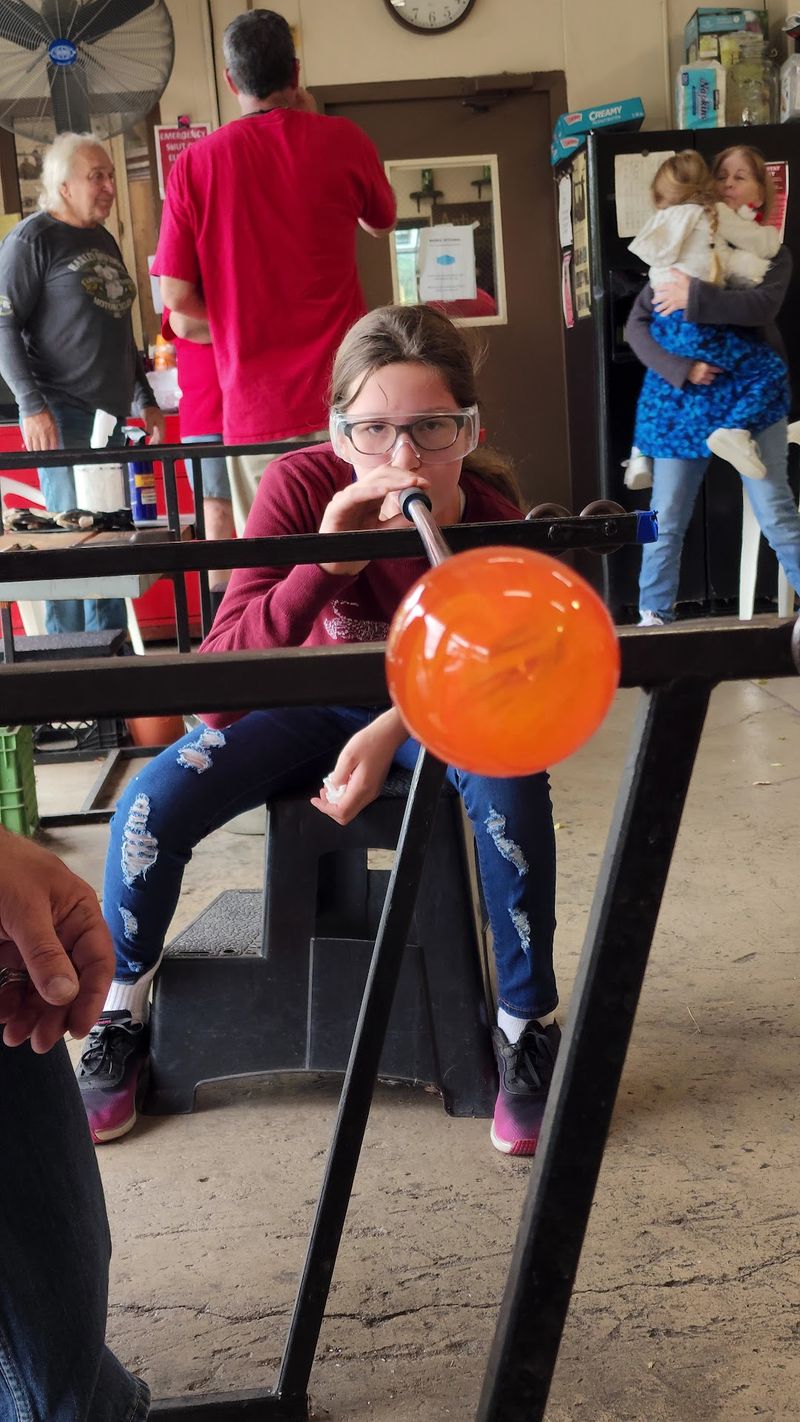
Hot glass is not a casual craft, and the school appears to treat that reality with the seriousness it deserves. Safety comes up often in customer feedback, especially in connection with instructors who supervise closely and explain each part of the process.
The studio’s approach seems to balance caution with accessibility. Participants describe safe conditions, clear direction, and a comfortable atmosphere, which is the combination beginners need when trying something unfamiliar.
Preparation also matters before arrival. One family noted that the team communicated what to bring and wear, including the practical reminder to bring water, and another person mentioned wearing appropriate clothing for working around molten glass.
There is a useful honesty in those details. A glassblowing studio can be physically warm because of the nature of the work, so guests should take clothing guidance seriously and arrive ready to follow instructions.
Cleanliness and organization also appear in the school’s story. A well-run space makes it easier for students to focus on learning, rather than wondering what is supposed to happen next.
None of that removes the thrill of the craft. It simply frames the session properly, with staff keeping the guardrails in place so students can concentrate on the rare chance to help shape glass by hand.
Beyond Blowing Glass: Mosaics, Gifts, and Artist-Made Finds
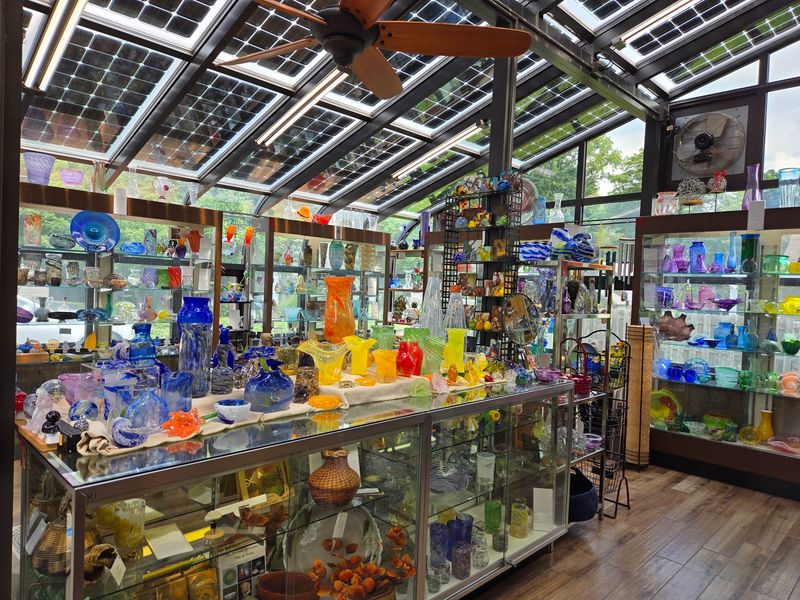
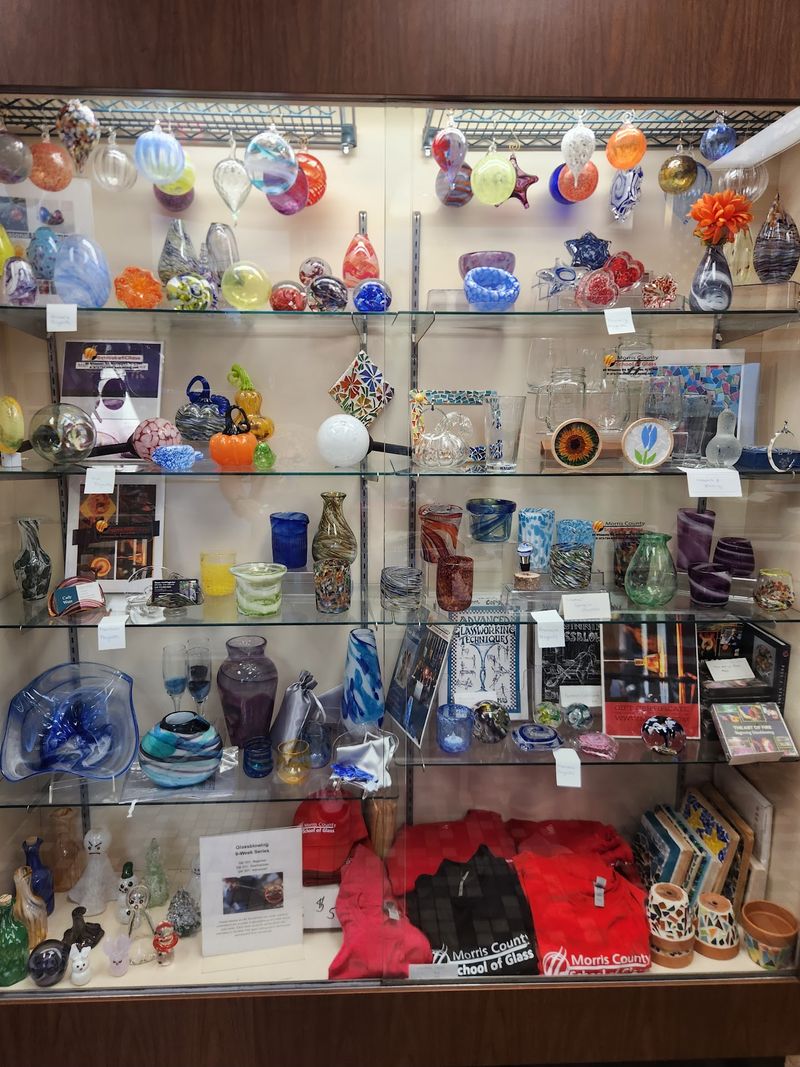
The hot shop may be the headline act, but the school’s creative reach does not stop there. Past guests have mentioned mosaic sessions, a greenhouse space used for mosaic work, and a gift gallery stocked with handmade pieces.
Mosaic sessions offer a different pace from glassblowing. One detailed account described a two-hour mosaic session that became more involved because intricate designs took longer than expected, which is a useful clue for planners who like detail-heavy projects.
The school’s flexibility showed up in that example, with the team allowing extra time when it did not conflict with other sessions. That kind of accommodation cannot be assumed every time, but it shows how the studio may handle creative projects with care.
The gift gallery adds another reason to stop in. It has been described as featuring handmade glass, wood, fabric, and metal gifts, supporting a wider community of artists and craftspeople.
That detail gives the destination extra value for people who are curious but not ready to book a class. A one-of-a-kind gift stop can still introduce someone to the school’s creative world.
For repeat guests, these side offerings help keep the place from feeling like a single-and-done activity. A person might start with a glass session, return for mosaics, then come back again when a gift needs more personality than a standard shelf item.
Hours, Planning Notes, and the Soft Verdict
Practical planning keeps the creative spark from turning into calendar confusion. Morris County School of Glass is open Sunday from 9 AM to 4 PM, closed Monday and Tuesday, open Wednesday through Friday from 10 AM to 5 PM, and open Saturday from 9 AM to 5 PM.
The school lists its website as http://www.mcsog.com/, which is the sensible place to check for current class details, available sessions, and booking steps. Because offerings can vary by project and group type, planning ahead is smarter than assuming a walk-in format.
Parking is a useful plus, with past guests noting plenty of it. That detail matters for families, parties, and groups bringing multiple people to a scheduled session.
Price details are not included in the provided information, so the safest advice is to confirm costs directly through the school before booking. Several participants have described the experience as worthwhile for both the activity and the piece they received, but exact fees should come from the studio.
The soft verdict is simple: this is a strong New Jersey pick for people who want an outing that is hands-on, structured, and memorable without requiring prior art experience.
Morristown residents and nearby day-trippers get the biggest win here. The school turns a few hours into a keepsake, and that is a better souvenir than most things hiding in a drawer.
Share this story