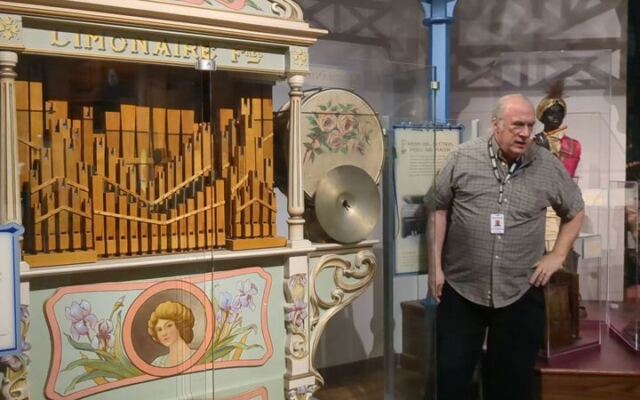
A gallery full of antique music boxes, moving automata, and self-playing instruments still performs for curious crowds in New Jersey. Many of those little performers date from the 1800s and early 1900s.
I love that the same building also holds a model train room, dinosaur displays, and a working theater. That mix sounds random on paper.
Somehow it adds up to one of the most charming indoor outings I can think of in the state.
The real magic comes when the machines wake up. A guide starts a demonstration, and gears, pins, and tiny figures spring into motion.
Suddenly a quiet gallery feels like a front-row seat.
I can’t imagine a better rainy-day plan for families, music fans, or anyone who still adores a good wind-up toy. So what does a mechanical concert actually sound like?
A Museum on the Edge of Town With a Lot Going On Inside
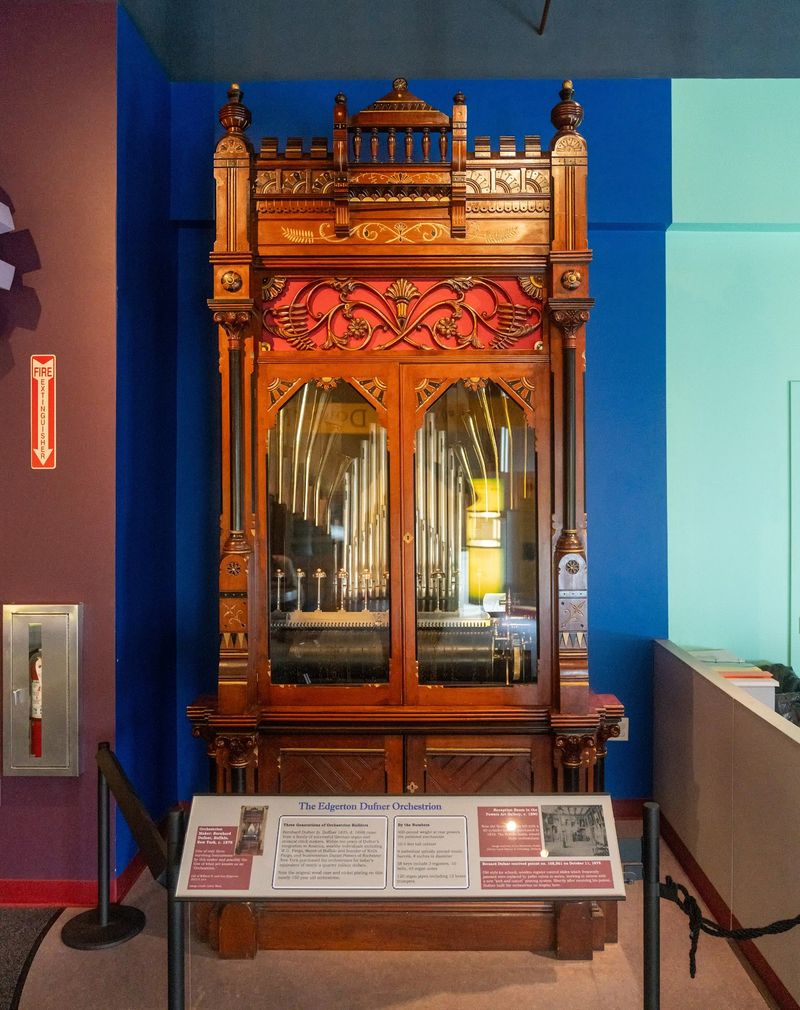
Few local museums try to be an art gallery, a science stop, and a concert hall all at once. The Morris Museum pulls off that juggling act on the outskirts of Morristown, New Jersey.
Its official description keeps things simple: art exhibitions and professional theater. That modest line undersells the place a bit, honestly.
Inside, you’ll find galleries of fine art, natural science displays, and a famous collection of mechanical musical instruments. There’s also a sprawling model train layout that fills an entire room.
Families come for the hands-on extras, while art lovers come for the rotating shows. Music fans, meanwhile, show up for concerts in the on-site theater.
That variety is the whole point. You can spend an afternoon bouncing between Victorian music boxes, fossils, and contemporary paintings without ever stepping back outside.
The museum sits in a residential pocket of town rather than a busy main drag. It’s the kind of stop that’s easy to drive past for years before realizing what’s inside.
So consider this your nudge. The building looks calm from the curb, but its galleries are anything but quiet once the machines start playing.
Smithsonian Ties in a Neighborhood Setting
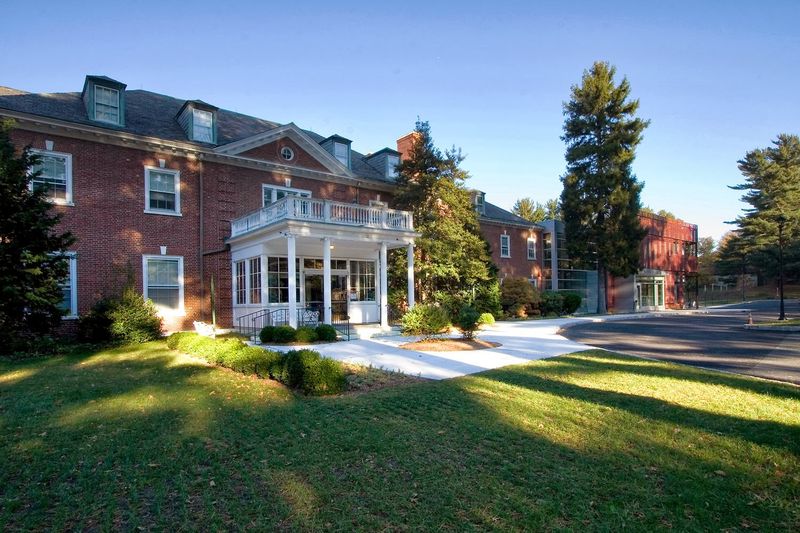
Here’s a fact that tends to raise eyebrows. The Morris Museum is affiliated with the Smithsonian, the national museum network based in Washington.
That connection says something about the care behind its exhibits. Collections are labeled clearly, and galleries are spaced so you never feel crammed between cases.
Yet the scale stays friendly. The museum feels compact enough to explore with young kids, but deep enough that adults won’t run out of things to read.
Plenty of exhibits lean local too. You’ll spot fun New Jersey touches mixed in with displays from around the world, which gives the visit a hometown flavor.
I like that balance a lot. It means a Morristown family can treat the place as a regular weekend stop, while a day-tripper still gets a polished, museum-quality experience.
The building houses permanent collections alongside special shows that change through the year. That rotation keeps the place from ever feeling frozen in time.
Think of it as a big-league partnership wearing comfortable neighborhood shoes. You get serious curation without the marathon hallways or the overwhelming crowds of a giant city institution.
The Guinness Collection of Musical Machines
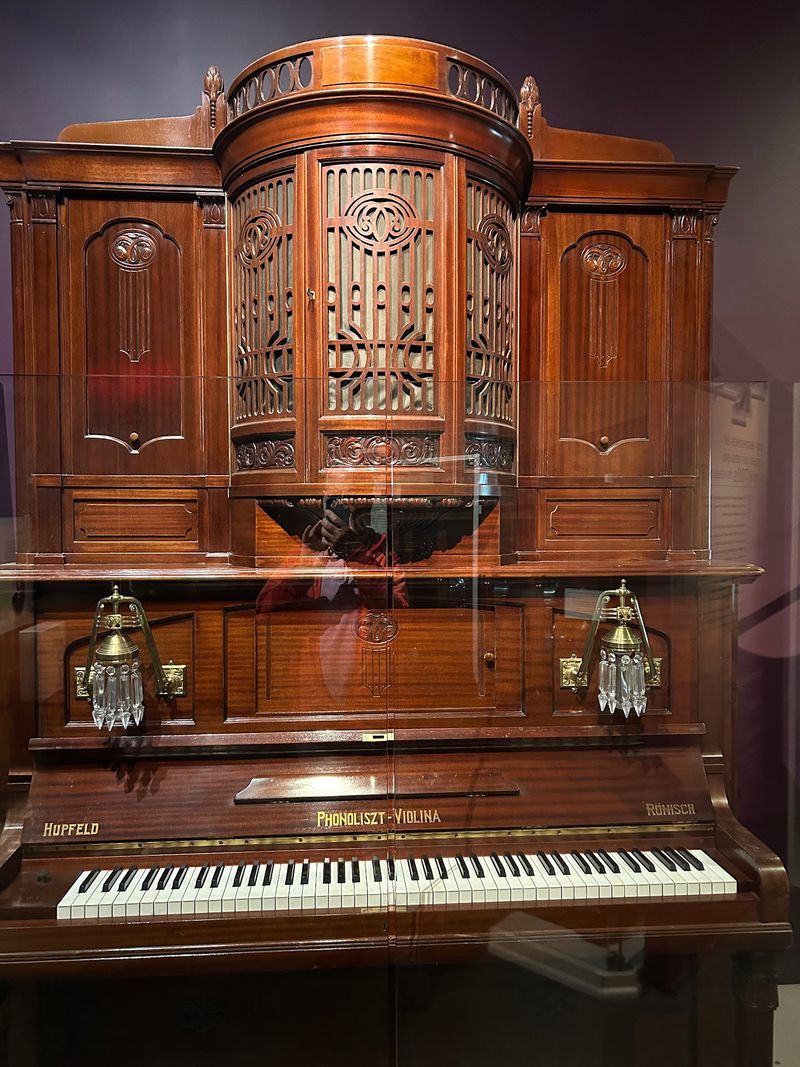
Ornate cabinets, delicate dolls, and polished brass cylinders fill the gallery that put this museum on the map. It’s called the Murtogh D.
Guinness Collection of mechanical musical instruments and automata.
Automata are moving mechanical figures, many built in the 1800s and early 1900s. Some were toys, some were parlor marvels, and all of them were designed to amaze.
The collection also includes music boxes and self-playing instruments that perform without a human touching a key. Before radios existed, machines like these brought music into homes.
The topic itself is rare. Few museums anywhere focus on mechanical music this deeply, which makes the Morris Museum a genuine destination for curious minds in New Jersey.
Even standing still, the pieces are gorgeous. Carved wood, painted faces, and intricate metalwork turn every case into a small showcase of old-world craftsmanship.
Labels explain how each object works and where it came from. You’ll walk away knowing far more about cylinders, combs, and clockwork than you expected.
Of everything in the building, this collection is the true headliner. Save plenty of energy for it, because there’s a lot to take in.
Live Demonstrations Where the Gears Start Singing
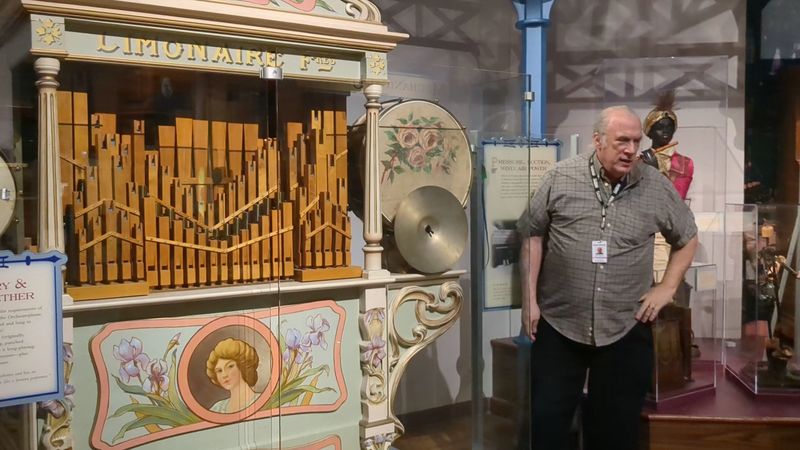
Silence lasts only until a guide steps up and gets a machine going. Then the gallery turns into a tiny concert hall, which is exactly what the title promises.
Guided tours of the Guinness Collection are included with museum admission. That’s a terrific deal, because the tour is where these instruments truly come alive.
During demonstrations, you’ll hear music boxes play and watch automata move as they were designed to. Little figures nod, turn, and gesture while tunes chime from inside.
Seeing the motion changes everything. A doll in a glass case is pretty, but a doll performing on cue feels like a peek into a Victorian living room.
Guides also explain the mechanics behind each piece. You’ll learn how pins, combs, and springs work together to create songs from nothing but clever engineering.
My advice is simple. Plan your visit around a tour time so you don’t miss the performance, since reading labels alone can’t match the sound.
Kids tend to light up here, and so do grown-ups. Something about a machine making music still feels a little like magic.
An Entire Room of Model Trains
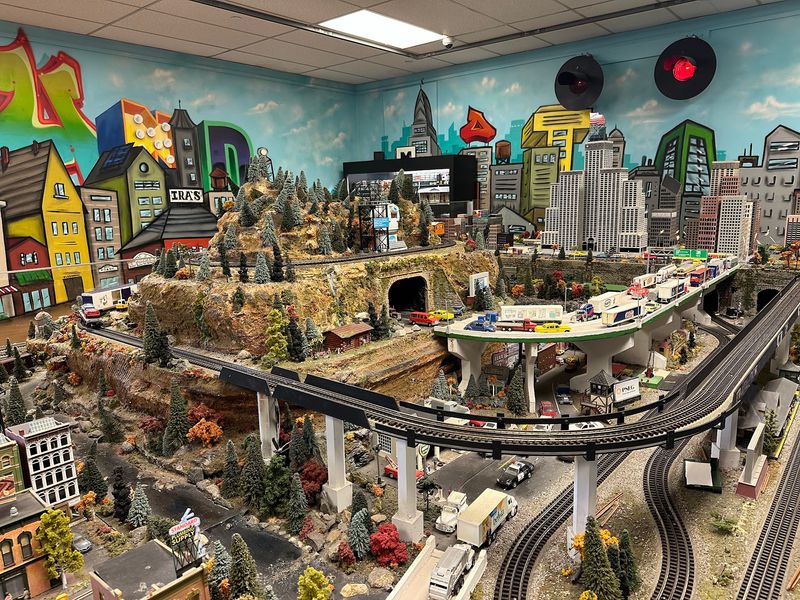
Toy trains get a whole room to themselves, and they use every inch of it. The model train setup is one of the most talked-about stops in the building.
Lionel trains run through a miniature village packed with tiny details. Tracks wind past buildings and scenery, creating a little world that rewards a slow, close look.
Kids usually press right up to the edges to follow the action. Adults with fond train-set memories may find themselves lingering even longer than the children.
The layout also has an interactive side for young visitors. Families can explore the train city in a hands-on way rather than simply watching from a distance.
Why does this fit a museum about mechanical music? Both share the same joy in clever machinery, motion, and the satisfying click of parts working together.
Railroad fans in New Jersey have plenty of reasons to stop by. Casual visitors will enjoy it too, because the scale and detail are impressive on their own.
Bring patience if you have little engineers in tow. Pulling them away from those circling trains may be the hardest part of your day.
Dinosaurs, Crystals, and Cultures From Around the World
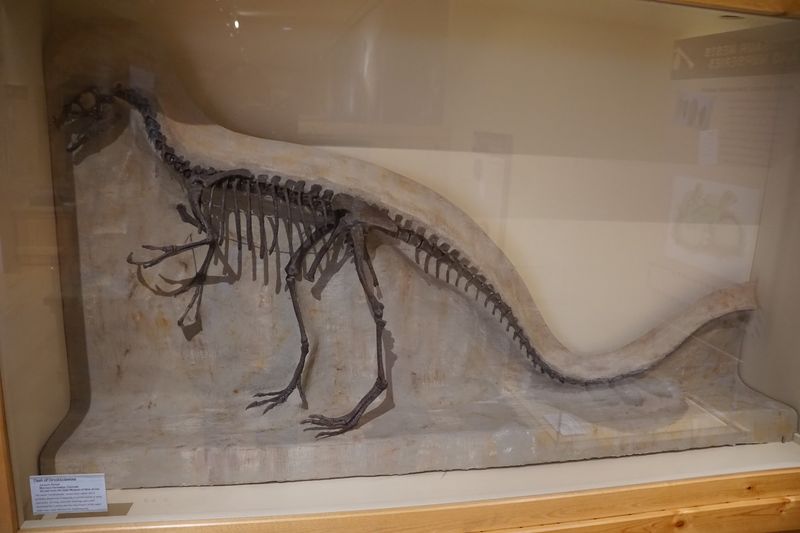
Dinosaurs are a reliable crowd-pleaser, and the Morris Museum knows it. Fossil displays give young visitors a prehistoric thrill between the music boxes and model trains.
Science takes a sparkly turn nearby. A crystal display shows off minerals with colors and shapes that look almost too perfect to be natural.
The museum also features Native American displays and exhibits from cultures around the world. These galleries add depth and context to a visit that might otherwise feel all about gadgets.
Local history has a presence as well. It’s a nice reminder that New Jersey has stories worth telling right alongside global treasures.
I appreciate how these sections broaden the day. A child who wanders in for trains might leave curious about rocks, fossils, or faraway traditions.
Each area is sized for easy browsing. Some exhibits are small, so they work best as quick, interesting stops rather than long deep studies.
Taken together, they round out the museum’s personality. Art, science, and history share the floor here, giving every type of visitor something to latch onto.
Rotating Art Shows Worth a Return Trip
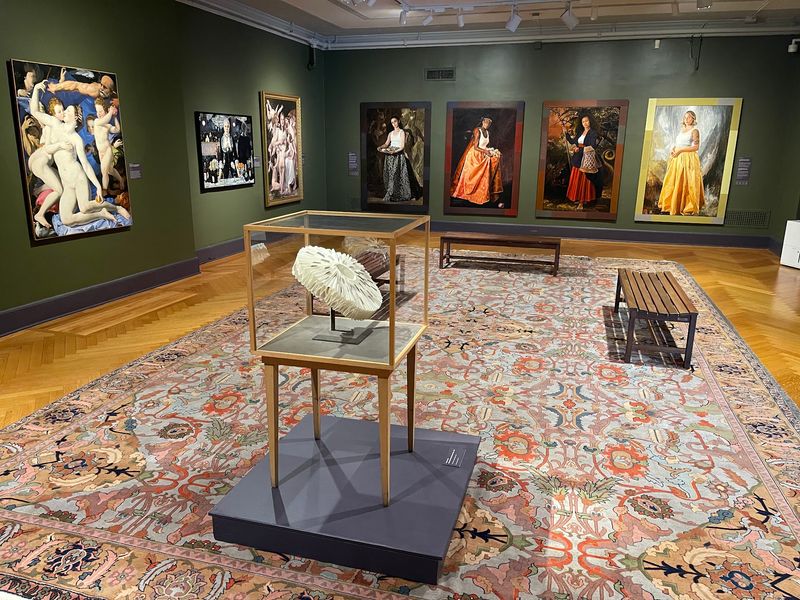
Matisse and Audubon have both appeared on these walls in recent special exhibitions. That’s a strong lineup for a museum on a quiet residential road.
Changing exhibits are a core part of the Morris Museum’s identity. Art galleries feature both established names and newer artists, so the mood shifts from show to show.
The Audubon exhibit even included notes about his controversial side. Curators clearly aim to inform, not just decorate, which makes the galleries more thought-provoking.
Sometimes artists present their own work in the galleries too. Timing a visit with one of those talks adds a personal layer to the paintings.
Because shows rotate, the museum rewards repeat visits. Families who buy a membership can return as new exhibits arrive, turning one outing into many.
An immersive room of nature visuals has also been part of the experience. It offers a different way to engage with art beyond framed works on a wall.
Check what’s currently on view before you go. The featured exhibit might become the surprise highlight of your trip, even if trains brought you there.
Spark Lab, Where Young Inventors Get Busy
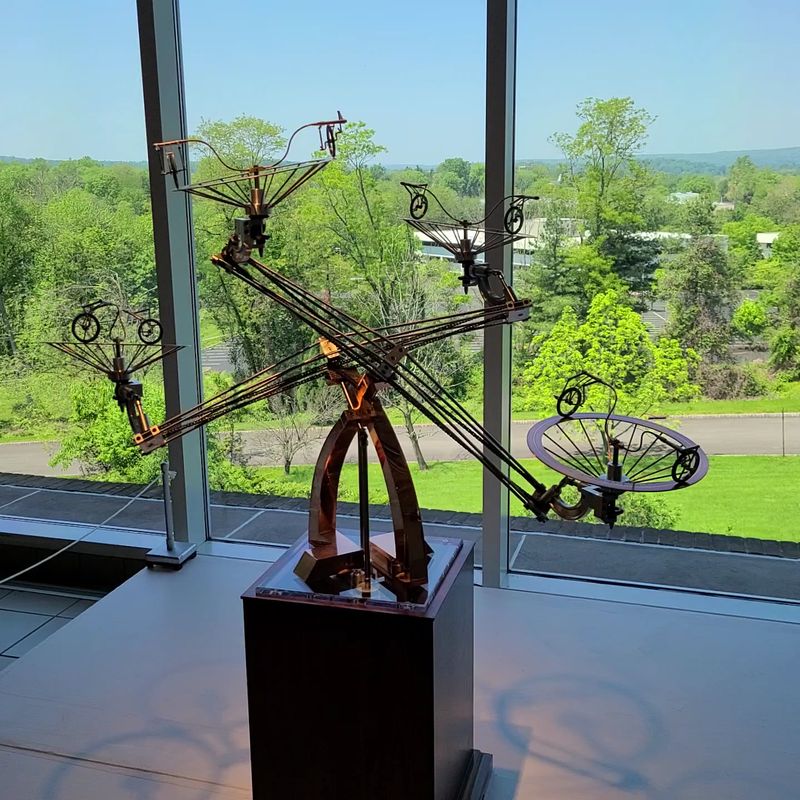
Kids who love taking things apart will feel right at home here. Spark Lab is a hands-on space where children get creative and invent their own devices.
Entry is timed, and spots are reserved. A session runs about 30 minutes, which fits nicely into a longer museum visit without exhausting anyone.
Even better, Spark Lab carries no extra cost beyond admission. That makes it an easy add-on for families watching their budget.
The idea connects beautifully to the rest of the building. After watching antique automata perform, kids get to try their own hand at clever building and tinkering.
Very young toddlers may be a bit small for some of the activities. Elementary-age kids, though, tend to be the sweet spot for the experience.
Reserve your time slot early in the visit. That way, you can plan the galleries around it instead of rushing back across the building later.
Paired with the train city, Spark Lab gives the museum real appeal for North Jersey families. It turns looking into doing, which is exactly what restless young minds crave.
The Bickford Theatre and Its 312 Seats
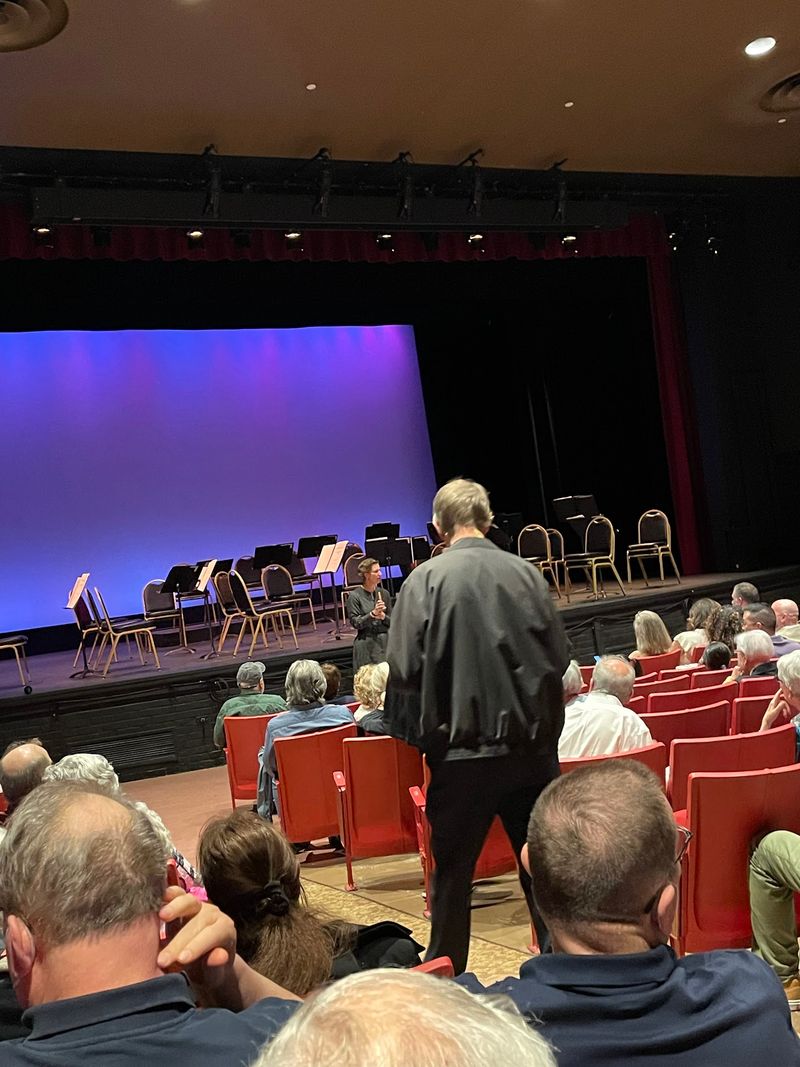
Grammy winners on a stage this cozy? It happens more often than you’d guess at the Bickford Theatre, the museum’s own performance space.
The theater holds 312 seats, creating an intimate setting for concerts and shows. Nobody ends up squinting from a distant balcony here.
Programming often features big names in music. Saxophonist Kirk Whalum is one recent example of the caliber of artists who perform in this room.
Dance has a place on the schedule too. Companies like Nimbus Dance have taken the stage, showing the range of the theater’s lineup.
The acoustics earn plenty of praise as well. In a space this size, every note lands clearly, which is ideal for jazz and live instrumental music.
I love that the concert theme extends beyond the mechanical gallery. Old machines play during the day, while living musicians fill the theater by night.
Check the schedule before planning your trip. Pairing an afternoon in the galleries with an evening performance makes for a full, memorable New Jersey outing.
Jazz Nights and Summer Sounds on the Back Deck
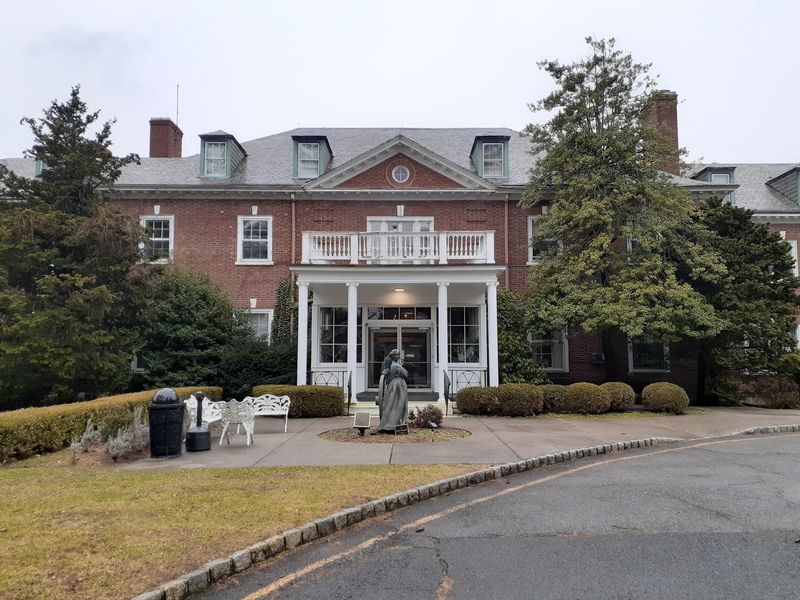
Jazz and automata make surprisingly good neighbors. The Morris Museum hosts jazz nights that blend live music with gallery time.
At these events, guests can join a tour of the famous automaton collection. Visiting exhibits stay open too, so you can wander the art while the band plays.
That combination feels wonderfully fitting. Antique machines and modern musicians share the same building, each performing in its own style.
Summer brings the music outside. The museum presents outdoor jazz concerts on its Back Deck, giving warm evenings a relaxed soundtrack.
Outdoor shows offer a different vibe than the indoor theater. Open air and live jazz make for an easygoing way to spend a summer night in New Jersey.
Lineups change by season, so keep an eye on the event calendar. Popular nights can fill up, and planning ahead helps you grab a spot.
These events show how lively the museum can be after normal gallery hours. It’s proof that the concert theme here goes far beyond a single exhibit hall.
Hours, Parking, and Smart Planning Tips
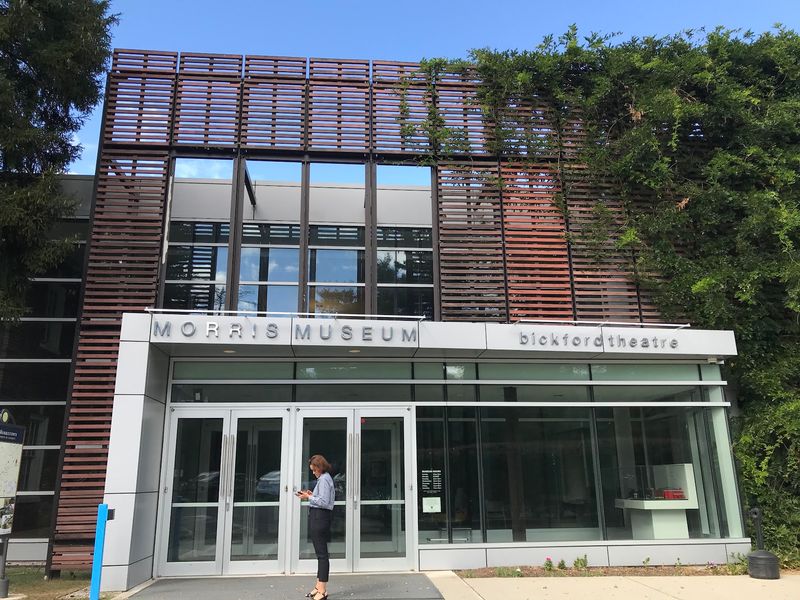
Mondays and Tuesdays are off the table, so plan accordingly. The museum opens Wednesday through Sunday from 11 am to 5 pm.
You’ll find it at 6 Normandy Heights Rd, Morristown, NJ 07960. On-site parking makes arrival simple, which is always welcome on a family outing.
Most visits run between 90 minutes and two hours. If you want to read every label and catch a tour, budgeting closer to three hours is wise.
Accessibility is thoughtfully handled. Benches appear throughout the galleries, and the space is navigable by scooter, with roomy restrooms as well.
One heads-up for hungry crews: there’s no on-site cafe. Eat beforehand or plan a meal nearby, especially if kids are doing Spark Lab.
A gift shop sits on-site, mostly stocked with toys. It’s a fun final stop for young visitors who want a souvenir.
Admission is considered good value, and tours plus Spark Lab come included. Memberships are available too, a handy option if rotating exhibits keep calling you back.
A Worthwhile Stop for Curious Minds of Every Age
Grandparents, toddlers, art lovers, and train fanatics rarely agree on an outing. The Morris Museum somehow gives each of them a reason to smile.
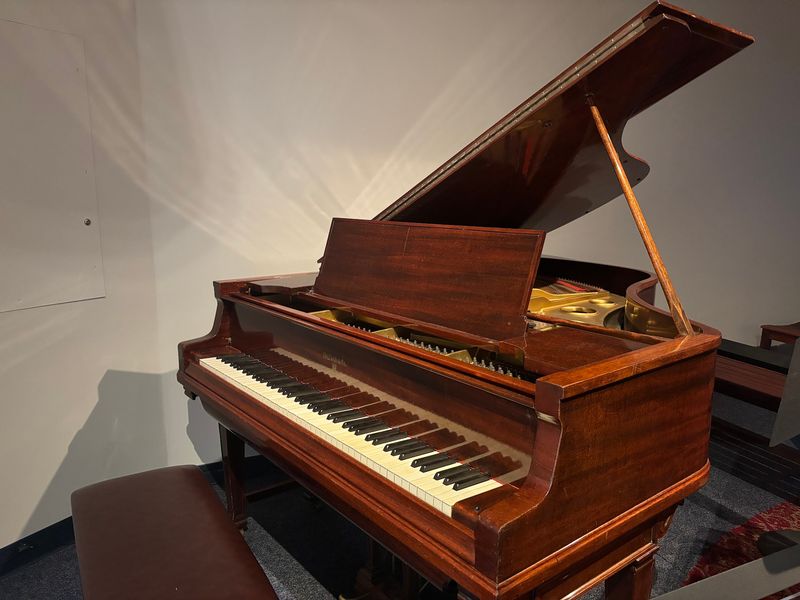
Its biggest strength is that mechanical music collection. Watching century-old machines perform is unusual, charming, and genuinely hard to find anywhere else.
Everything else builds on that foundation. Trains, fossils, crystals, rotating art, and a hands-on lab turn the visit into a full, varied day.
Evening programs add another layer. Between the Bickford Theatre and summer jazz on the Back Deck, the music keeps going long after the galleries close.
It’s not a sprawling, all-day mega museum, and that’s part of the appeal. The compact size keeps things relaxed, manageable, and friendly for young legs.
For New Jersey residents, it’s an easy reminder that remarkable things sit close to home. Day-trippers from nearby will find it well worth the short drive.
So time your visit for a demonstration and listen closely. When those old gears start singing, the whole place really does become a concert.
Share this story