Picture cruising down a busy Florida highway, zipping past palms and sun-baked storefronts, never guessing that a hidden slice of ancient history sits just off the road. Tucked into the Keys is a former quarry where coral that formed thousands of years ago is now frozen in stone right beneath your feet.
For just a couple of dollars, you can wander shaded trails and study fossils most people speed right past. It’s the kind of quiet, affordable discovery that sticks with you long after you leave.
A Quarry Turned Time Capsule in the Upper Keys
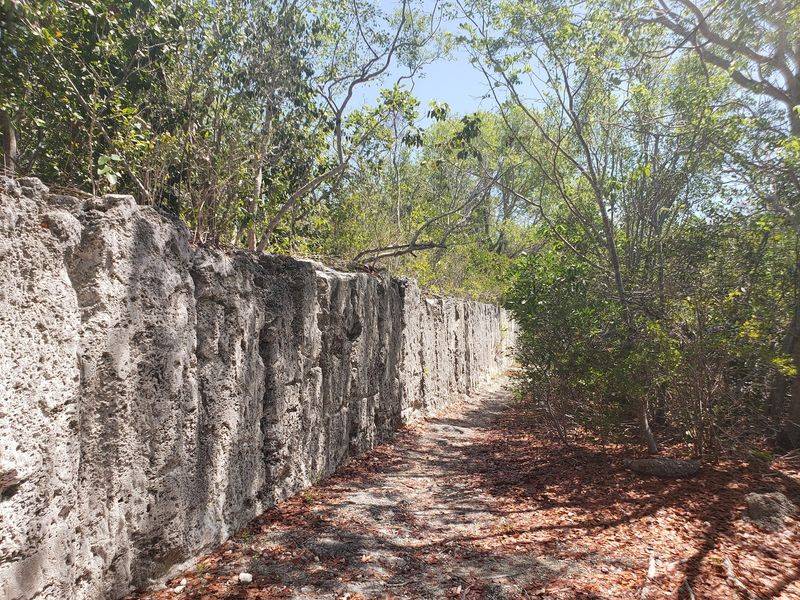
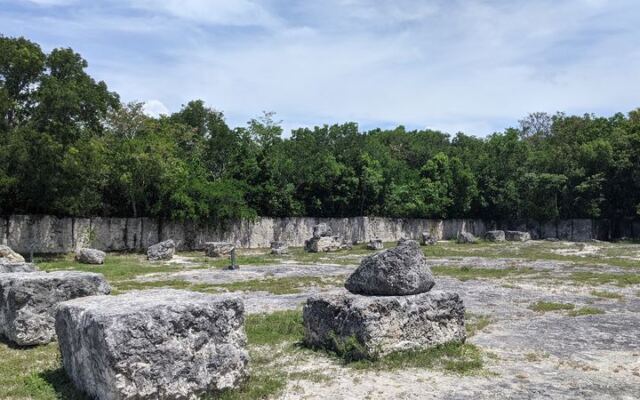
Right along the Overseas Highway in Islamorada, a modest gravel driveway leads to something far more remarkable than the roadside suggests. Windley Key Fossil Reef Geological State Park sits on land that once buzzed with cutting saws and heavy machinery.
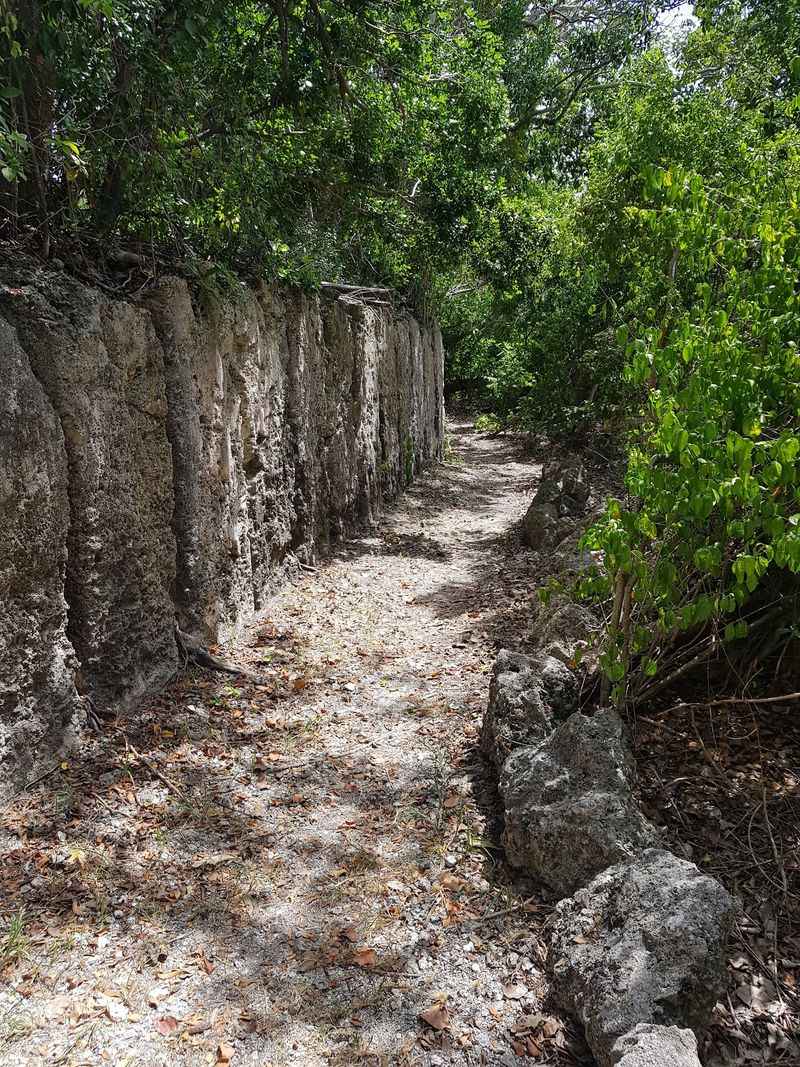
Workers here carved slabs of limestone straight out of the ground more than a century ago. What they left behind were towering walls that reveal cross-sections of an ancient coral reef.
Today the whole place has been set aside for visitors to explore. It offers a rare peek at what the Keys looked like long before highways and hotels arrived.
The Coral Beneath Your Shoes
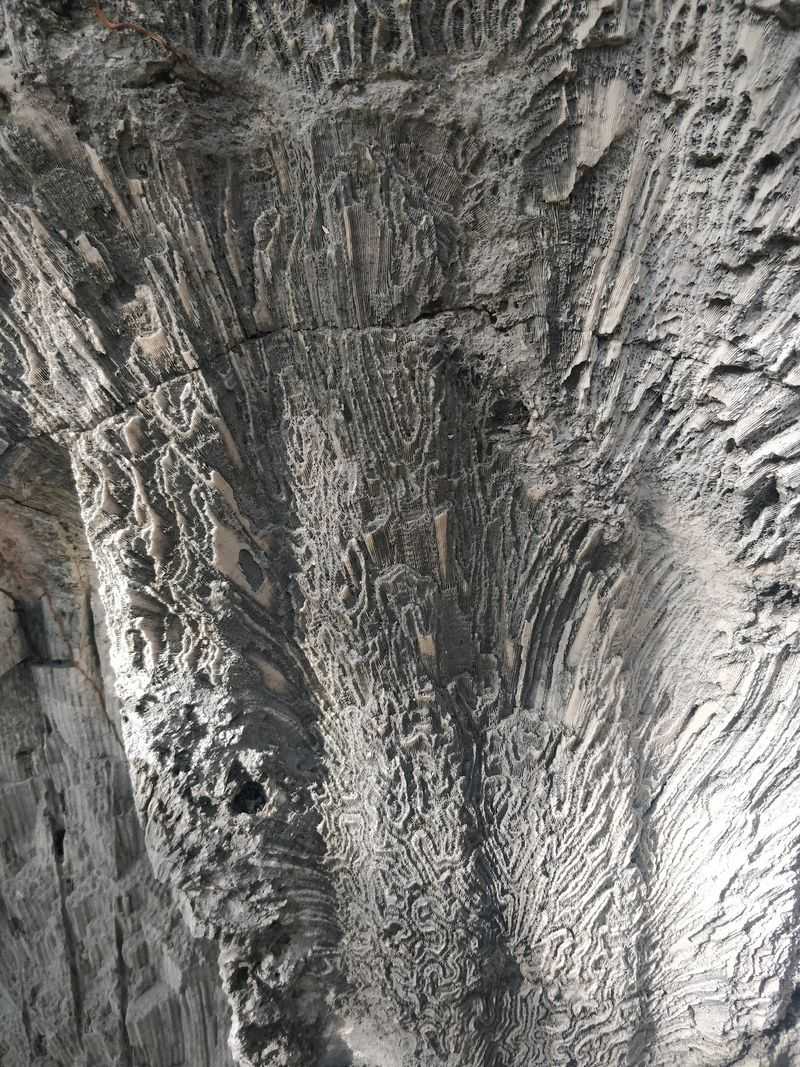
Look down as you walk and you’ll spot the real stars of this park locked inside the stone. Ancient corals of every shape and pattern appear frozen mid-swirl, some looking almost like they could still be waving underwater.
Visitors often describe the sensation as stepping back in time, since these reefs formed thousands of years ago. Walking across them feels a bit like tiptoeing over a museum floor.
Many folks say they could linger for hours, slowly tracing the different fossils captured in the rock. It’s mesmerizing in a way photos never quite capture.
Flagler’s Railroad and the Stone That Built the Keys
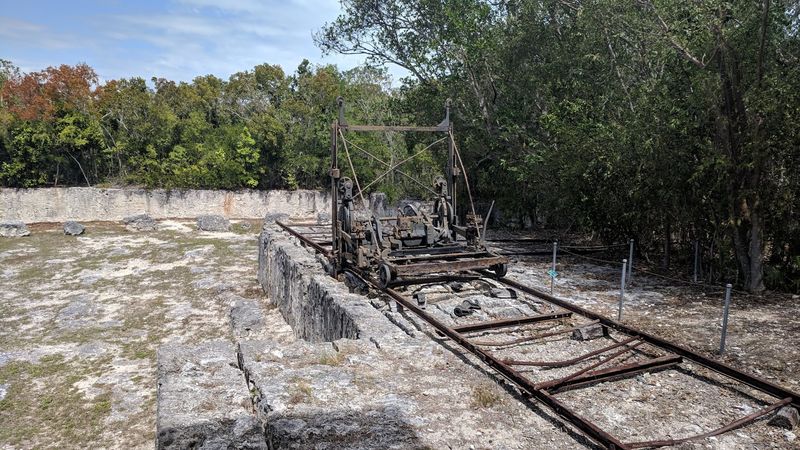
Ever wonder where the pretty limestone in Keys buildings actually came from? Much of it started right here, when this quarry supplied stone for Henry Flagler’s famous railroad project.
The same key limestone, sometimes called keystone, went into countless buildings and foundations across the islands. Regulars mention that even the local post office was built with stone cut on this very site.
Standing beside the quarry walls, you get a real sense of how much labor went into shaping the Keys. It turns an easy stroll into a genuine history lesson.
Old Machinery Left Right Where It Stood
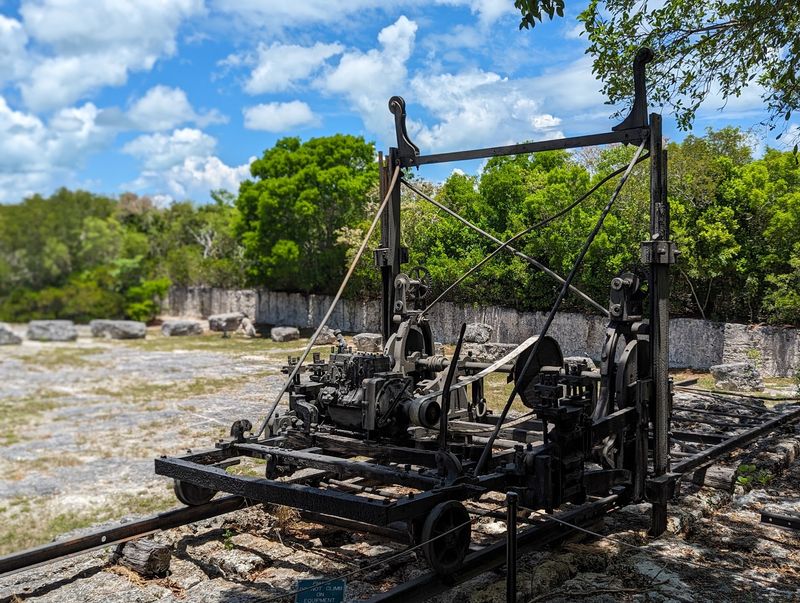
Scattered around the grounds are pieces of equipment that haven’t moved in generations. Some of the old quarry machinery was simply left behind when the cutting stopped, and it remains there for visitors to inspect.
Seeing those weathered tools next to the walls they once carved brings the whole story to life. You can almost imagine the noise and dust of a working day in the early 1900s.
Guests describe it as an engineering marvel, especially once you understand how those simple machines shaped so much of Florida. It’s a quiet reminder of the hands that built these islands.
Shaded Trails Under a Leafy Canopy
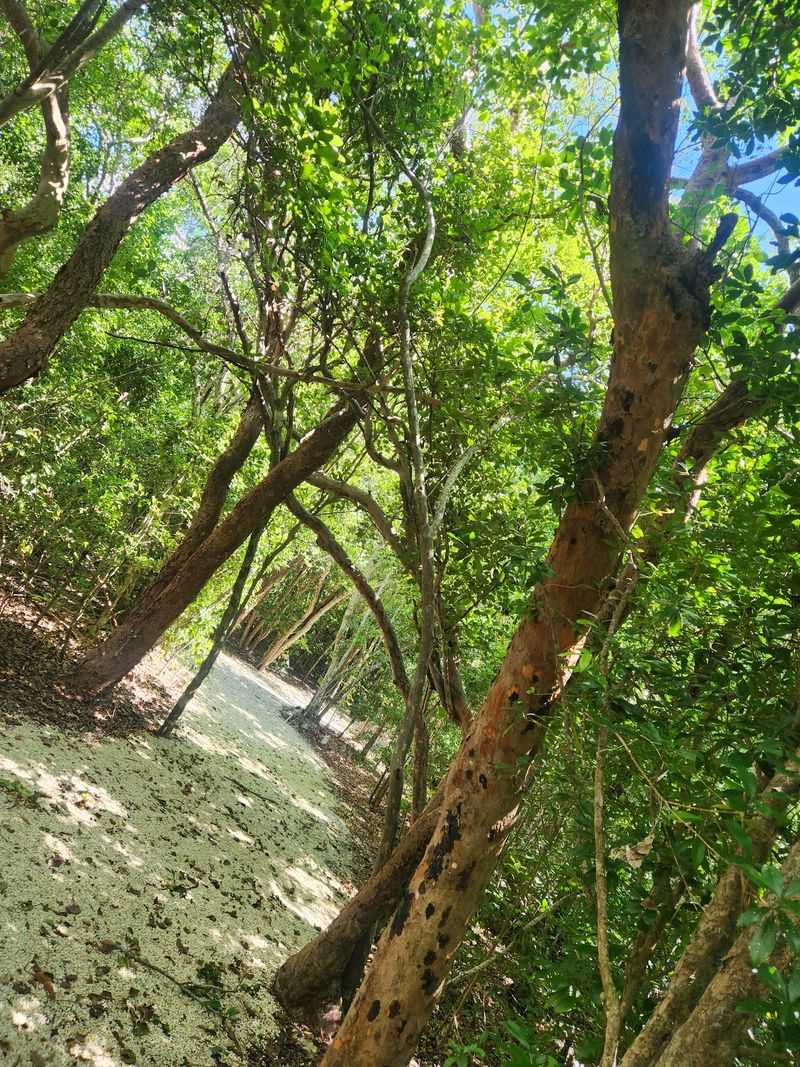
Florida sun can be relentless, but much of this park stays pleasantly cool thanks to a thick tree canopy overhead. The trails wind beneath hammocks of trees that filter the light and keep the heat at bay.
People who’ve walked plenty of Keys trails say these stand out for how nicely shaded they feel. One path gets a bit more open and toasty, but the others stay comfortable.
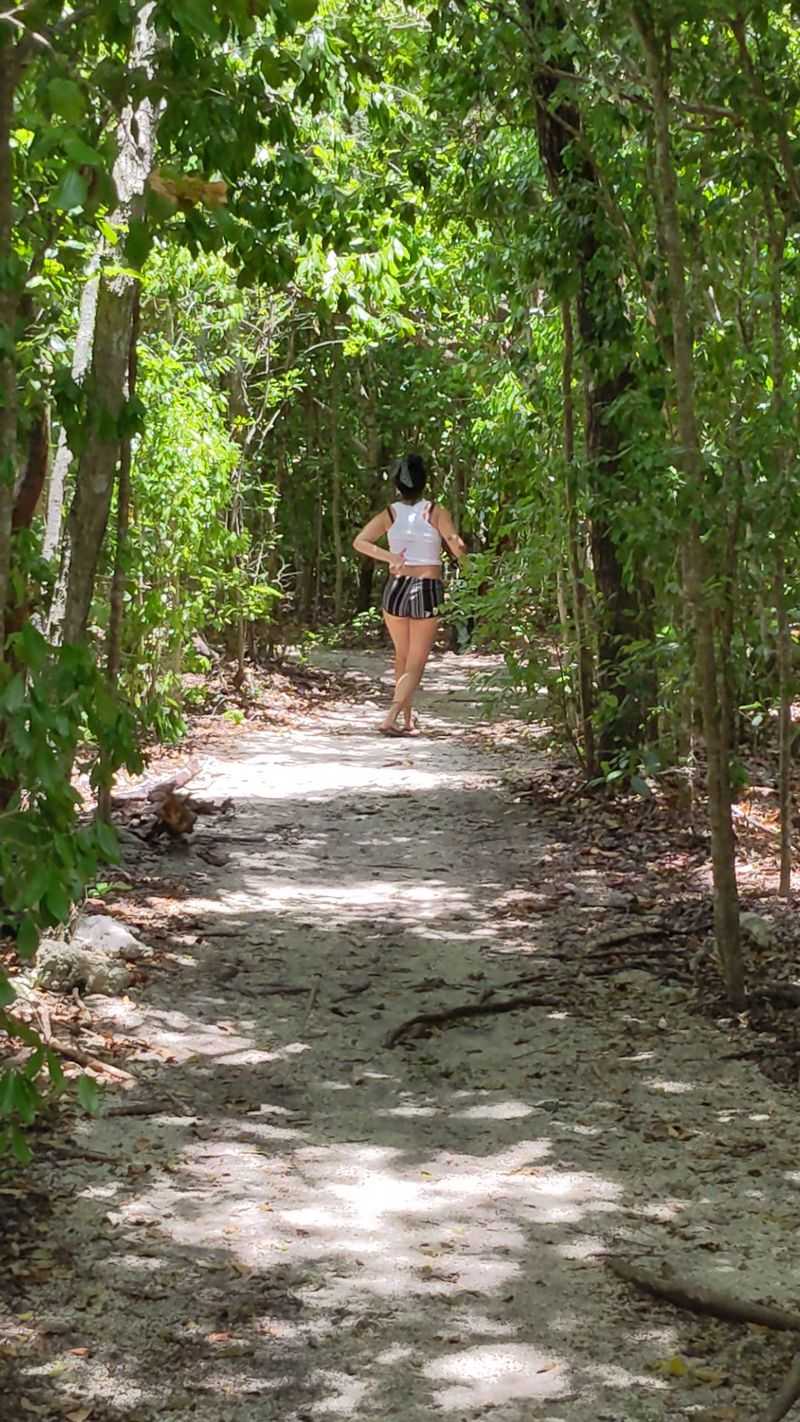
There’s a little over a mile and a half of walking in total, with the longest single trail running about half a mile. It’s more than enough for a relaxed morning of exploring.
A Living Guide to Native and Invasive Plants
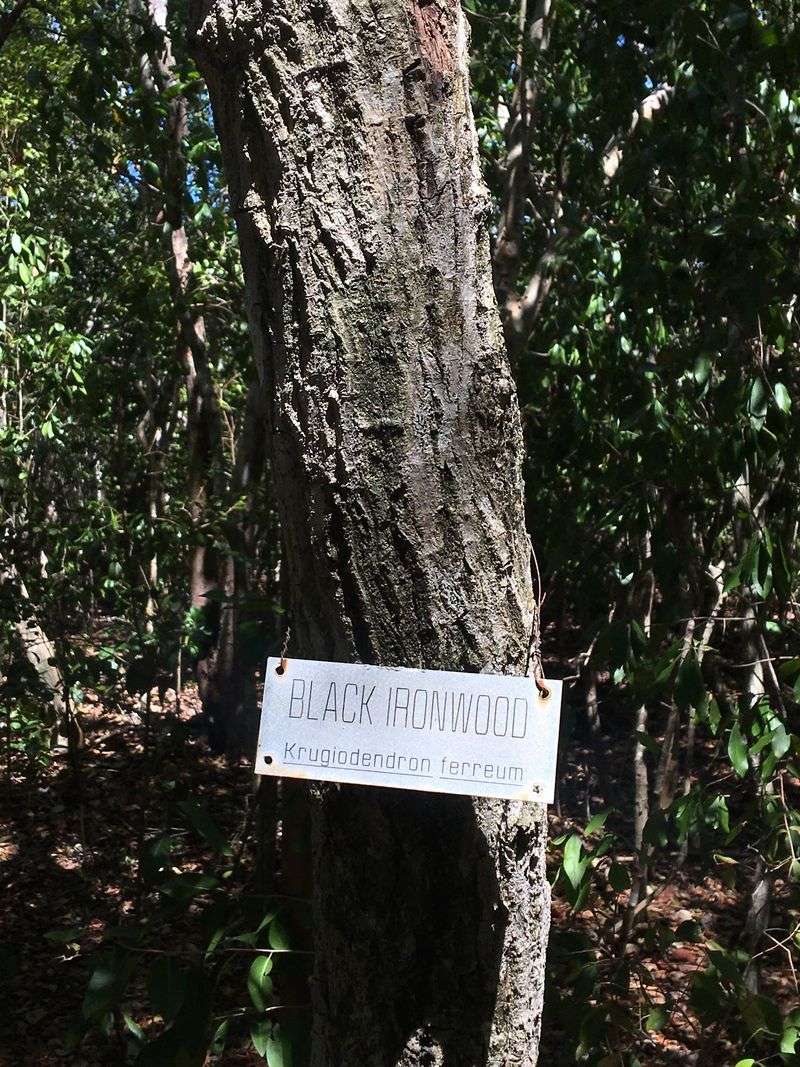
Beyond the fossils, this park doubles as an outdoor classroom for anyone curious about local greenery. More than 80 trees and plants are marked and documented along the paths, each tied to a numbered guide.
Visitors frequently praise how well the tree identification markers are laid out, calling them the best they’ve seen anywhere in the Keys. You’ll learn to tell native species from invasive ones as you stroll.
One friendly heads-up from regulars: steer clear of the poisonwood tree, which is clearly noted for safety. Knowing what you’re looking at makes the walk far more rewarding.
The Borrowed Guidebook That Unlocks Everything
Here’s a tip that turns a simple walk into a full adventure: stop by the ranger station first. Staff will lend you an interactive guidebook that matches roughly 70 numbered markers scattered along the trails.
Each stop lines up with a picture and explanation in the book, covering trees, plants, fossils, and the park’s history. You can borrow one for free or buy a copy to keep.
Families especially enjoy filling in the details as they go, making it a hands-on experience for kids. It’s like a self-guided tour without needing to book anything ahead.
The Air-Conditioned Visitor Center
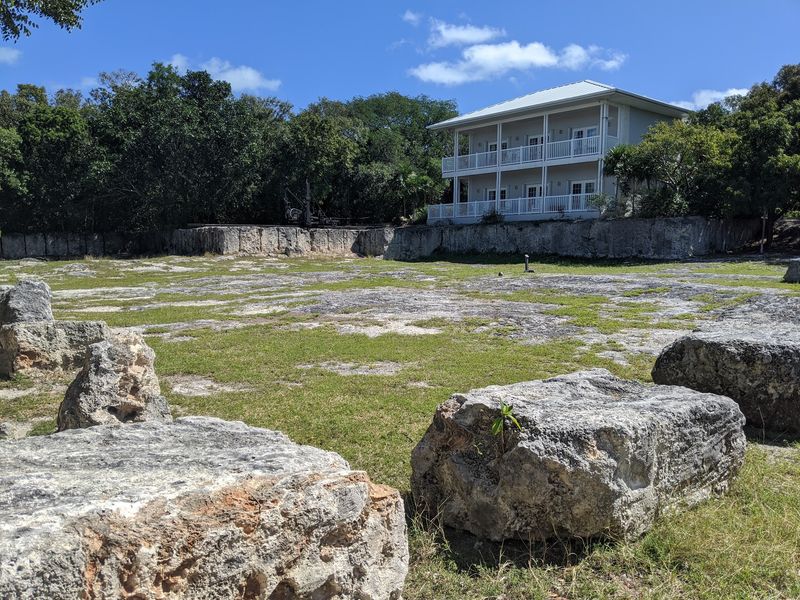
When the humidity climbs, the visitor center becomes a welcome refuge. Inside you’ll find cool air, tidy displays, and a chance to soak up more of the park’s story before or after your hike.
Something clever hides in plain sight here, too. The building’s own walls are made from the local limestone, so guests are told to look closely and spot fossils built right into the structure.
Restrooms and a water bottle filling station round out the comforts. It’s a small building, but it packs in plenty for such an affordable stop.
Lizards, Iguanas, and Curious Critters
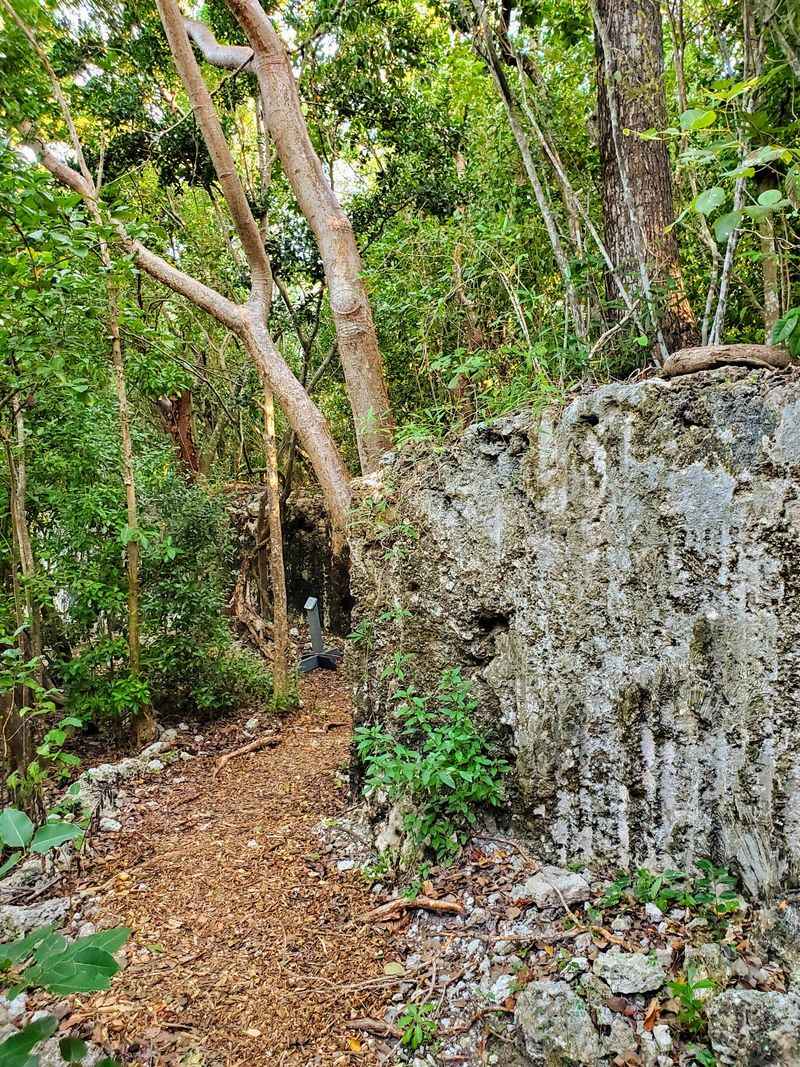
Wildlife tends to make surprise appearances here, adding a spark of the unexpected. Lizards dart across the paths, and iguanas sometimes lounge in the trees overhead.
One touching story shared by visitors involved a cold morning when an iguana had slipped from a branch after the temperature dropped. With the park’s blessing, they gently moved it to a warm, sunny spot until it recovered and wandered back into the woods.
Moments like that show off the caring spirit that surrounds this place. You never quite know what small creature might cross your trail.
Spiders and the Wild Side of the Hammock
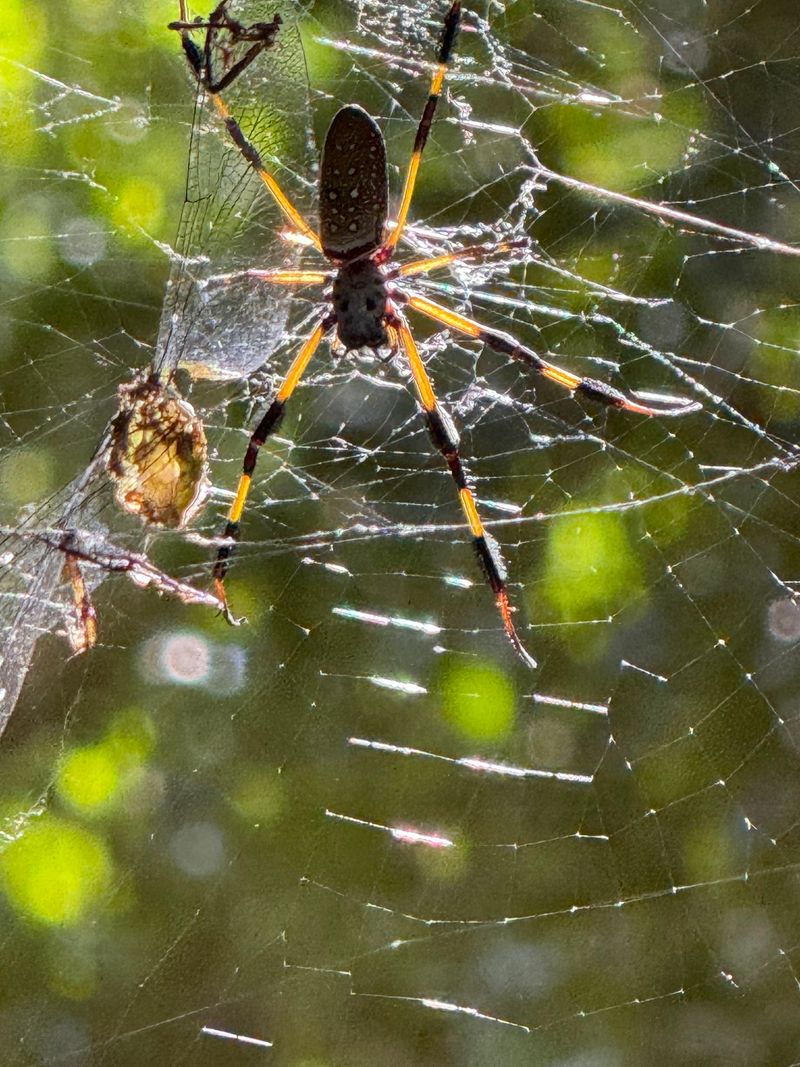
Nature here isn’t tucked away behind glass, and that includes the eight-legged residents. Spiders come up often among visitors, especially the orb weavers that string their webs between branches along the trails.
Rather than something to fear, they’re part of what keeps this park feeling authentic and alive. Many guests find them fascinating to photograph up close.
Their presence is a gentle reminder that you’re walking through a real, functioning ecosystem. It’s the untamed charm that makes the hammock feel genuinely wild.
Picnic Spots and an Unhurried Pace
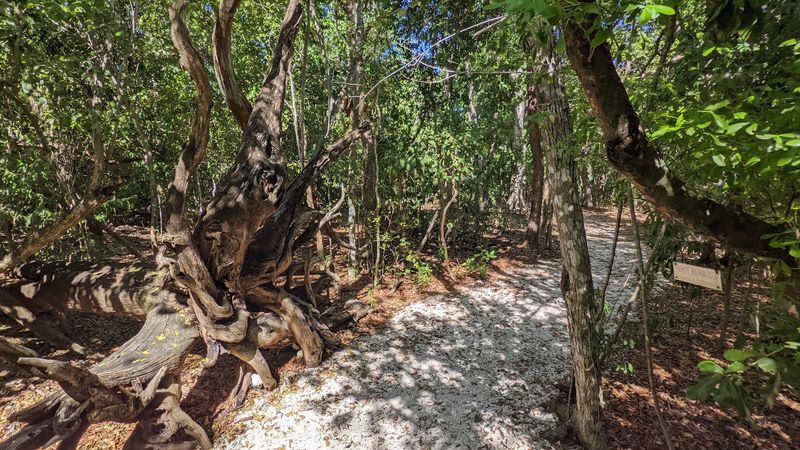
Nobody rushes through this park, and that’s exactly the point. Shaded picnic areas invite you to pack a lunch, settle in, and make an easy afternoon of it.
Most visitors spend somewhere between an hour and a half and two hours wandering the trails and taking it all in. Some happily stretch that longer, pausing at every fossil and marker.
The relaxed rhythm suits couples, families, and solo explorers alike. It’s the sort of low-key outing where slowing down is half the reward.
Hours, Prices, and Getting There
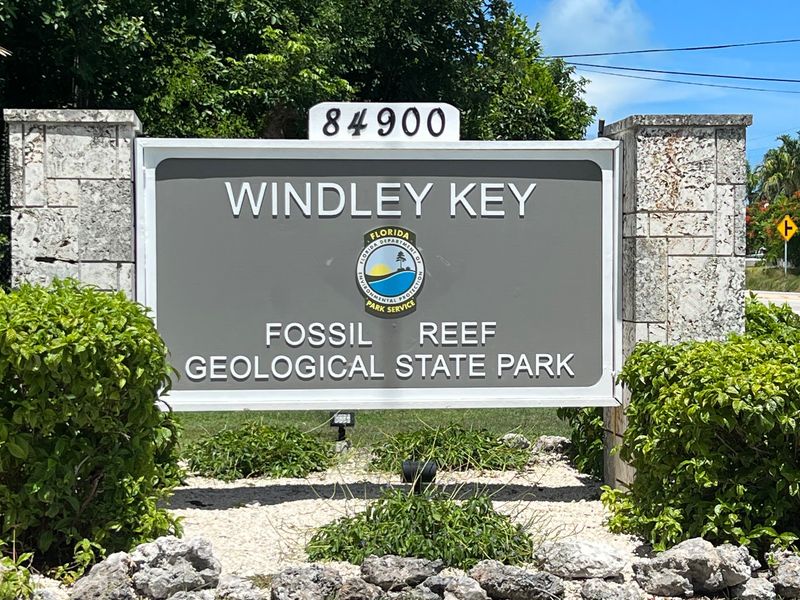
You’ll find the park at 84900 Overseas Highway in Islamorada, easy to reach for anyone driving through the Upper Keys. It opens at 8 AM and closes at 5 PM, so plan for a daytime visit.
Take note of the schedule: it welcomes guests Thursday through Monday but stays closed on Tuesday and Wednesday. Admission runs around $2.50 per person, and on unstaffed days there’s an honor-system fee box.
For questions, the ranger station can be reached at 305-664-2540. A couple of dollars for this much history is tough to beat anywhere in Florida.
Why This Overlooked Gem Is Worth the Stop
Plenty of people admit they drove past this spot for years without ever realizing it was there. Once they finally pull in, most walk away wishing they’d discovered it sooner.
What makes it special is how it keeps the Keys real, trading flashy tourist traps for genuine history and quiet natural beauty. Bring bug spray, wear sturdy shoes for the uneven rock, and give yourself time to wander.
Between the ancient coral, the shaded trails, and the friendly rangers, it delivers far more than its tiny price tag suggests. If you’re chasing an authentic slice of Old Florida, this humble quarry more than earns a place on your list.
Share this story