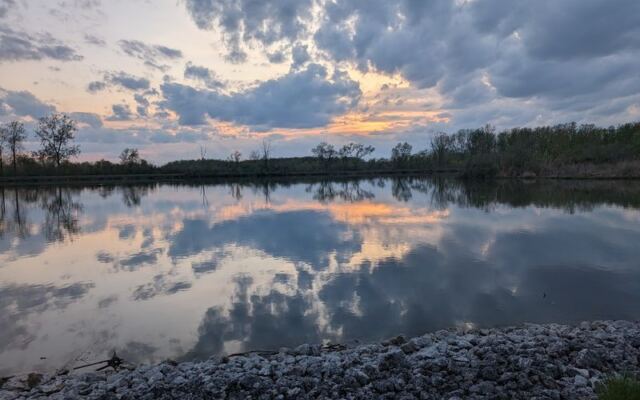
Every fall, something remarkable unfolds along the southern shore of Lake Erie in Ohio, and most people have no idea it’s happening just a short drive away. Thousands of birds funnel through a stretch of protected wetland, filling the air with wings, calls, and color in a way that stops even seasoned naturalists in their tracks.
Ottawa National Wildlife Refuge sits quietly off State Route 2 near Oak Harbor, looking modest from the road but delivering one of the most breathtaking wildlife experiences the state has to offer. If you’ve never made the trip, fall migration season is the nudge you’ve been waiting for.
Where Ottawa National Wildlife Refuge Sits on the Map
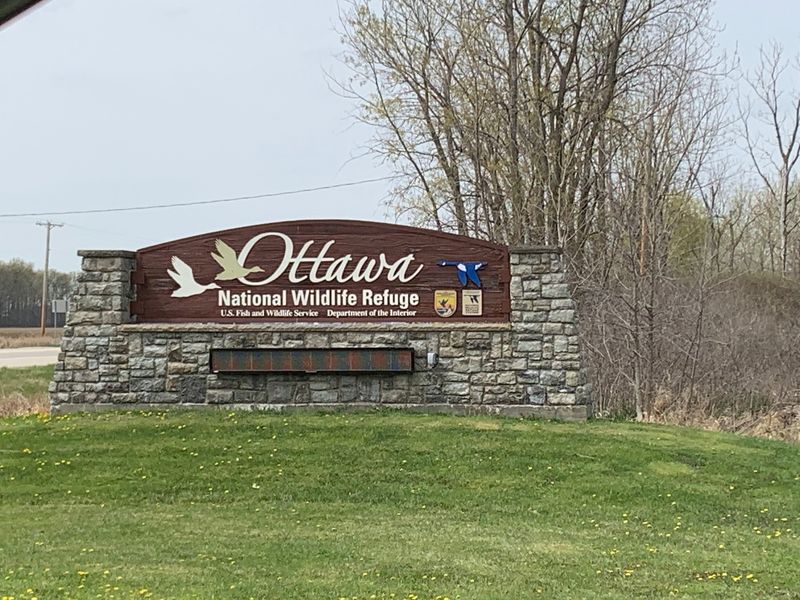
Tucked along the southern edge of Lake Erie in Ottawa County, Ohio, this federal wildlife refuge sits at 14000 State Route 2 near Oak Harbor, a small town that most people pass through without a second glance. The refuge is managed by the U.S.
Fish and Wildlife Service and covers thousands of acres of marshes, wetlands, and upland habitat that serve as a critical stopover point along the Atlantic and Mississippi flyways.
Its position along Lake Erie is no accident. The Great Lakes act as a natural funnel for migrating birds, and this stretch of Ohio shoreline is one of the most productive wildlife corridors in the entire Midwest.
Birders from across the region make pilgrimages here every spring and fall, and for good reason.
Getting here is straightforward. From Toledo, it’s roughly a 45-minute drive east along Route 2, making it a very realistic day trip from most of northern Ohio.
The parking lot is large, well-maintained, and even equipped with EV charging stations, so the logistics are genuinely easy.
The Refuge’s Role as a Migration Hotspot
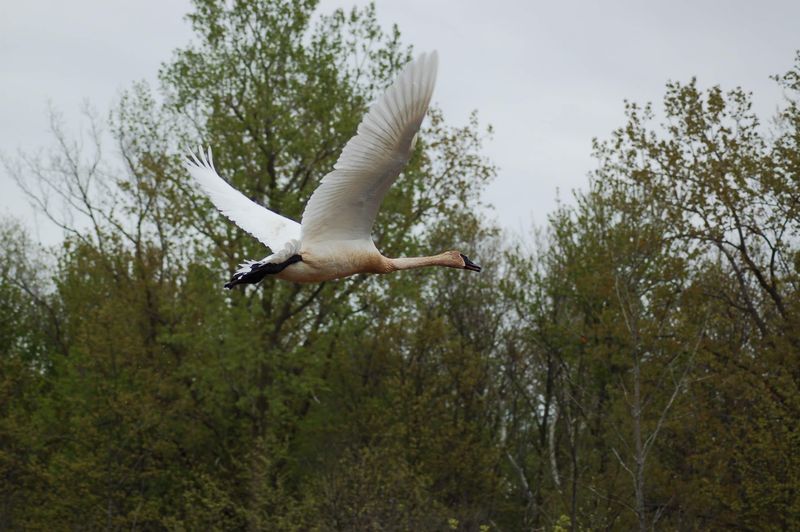
Few places in Ohio deliver the raw spectacle of bird migration the way this refuge does. Because Lake Erie blocks northward travel, birds moving south in autumn concentrate along the Ohio shoreline in enormous numbers before crossing or skirting the lake.
Ottawa National Wildlife Refuge sits right in that corridor, catching wave after wave of migrants throughout September, October, and into November.
Waterfowl pour through in staggering variety. Visitors have spotted Trumpeter Swans, Great Blue Herons, Great Egrets, American Coots, Double-crested Cormorants, and a long list of duck species using the refuge’s managed pools and marshes as a rest stop.
Shorebirds, raptors, and songbirds round out the mix, making any given autumn morning feel genuinely unpredictable in the best possible way.
Bald Eagles are a particular highlight, drawing plenty of attention from visitors who never expected to see one so close. Visitors frequently mention spotting eagles perched along the tree lines bordering the marsh pools, sometimes near active nests.
The refuge has earned a reputation as one of Ohio’s premier eagle-watching destinations, and fall migration only amplifies that.
Marshes and Open Water That Make It All Possible
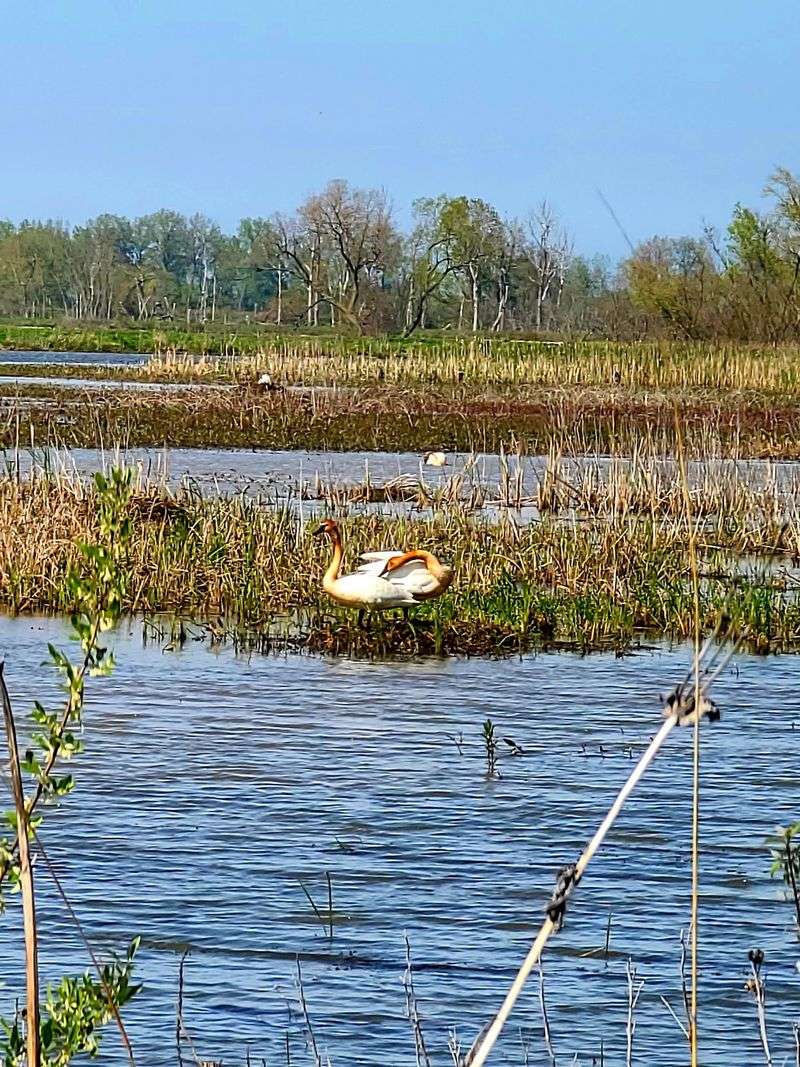
Behind the refuge’s accessibility and popularity is a carefully managed landscape of freshwater marshes, shallow impoundments, and wooded uplands that together create ideal habitat for an astonishing range of wildlife. The marsh pools are managed specifically to support migratory waterfowl, with water levels adjusted seasonally to maximize food availability and resting cover.
Standing at the edge of one of these pools in October is a sensory experience unlike most things Ohio has to offer. The air smells of wet earth and cattail, the water surface moves with diving ducks and wading birds, and the distant tree line shifts with raptors riding thermals overhead.
Egrets stalk through the shallows with an almost theatrical grace, while swans glide through open channels with unhurried calm.
Dragonflies, turtles, fish, and even the occasional snake add texture to the scene, reminding visitors that this is a complete ecosystem rather than a managed viewing area. Reviewers have noted spotting all of these creatures during a single visit, which speaks to just how alive the refuge feels at peak season.
The Wildlife Drive – A Slow Roll Worth Every Minute
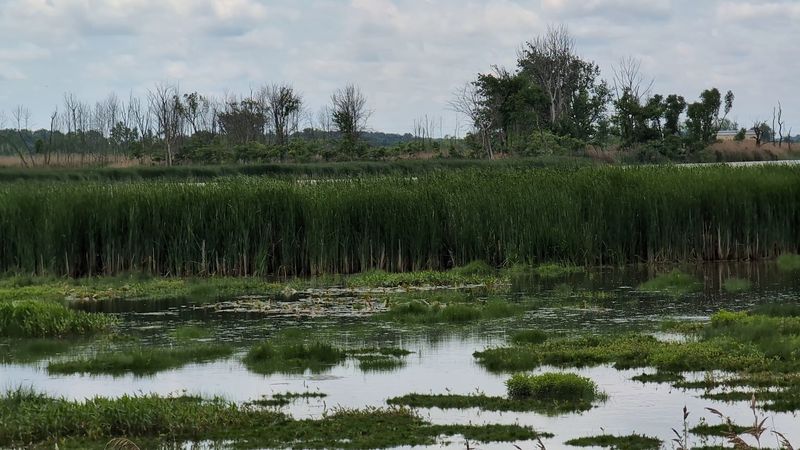
One of the refuge’s most beloved features is its scenic wildlife drive, a gravel loop road that winds through the heart of the marsh basins and gives visitors an eye-level view of the habitat from the comfort of their vehicle. Reviewers describe it as one of the most memorable drives they’ve ever taken, and that’s not hyperbole when bald eagles are perched fifty feet from your window.
The drive is a slow-roll experience by design. Taking your time is the whole point.
A camera with a long lens is strongly recommended, and binoculars are practically essential for making the most of the distant pools and tree lines. Multiple eagle nests are visible along the route, and during fall migration the adjacent marshes can be absolutely packed with waterfowl.
One practical note worth knowing before you go: the wildlife drive is only open on weekends. During the week, refuge staff use those service roads for operational work, and visitor traffic would interfere with that.
Plan accordingly, and check the refuge website before your trip to confirm access. A visitor who missed the window mentioned the facilities themselves looked impressive even from the entrance, which at least softens the blow of poor timing.
Hiking Trails and the Boardwalk Behind the Visitor Center
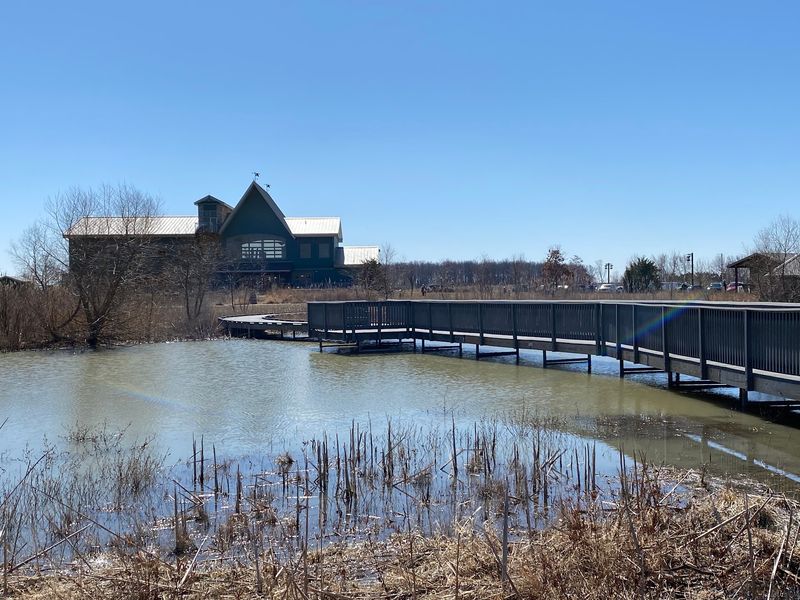
Not everyone wants to experience the refuge from behind a windshield, and the trail network here gives walkers a genuinely rewarding alternative. The most accessible starting point is the short boardwalk trail directly behind the visitor center, which carries hikers into a wooded wetland and elevates them above the marsh surface on a well-maintained wooden deck.
Egrets are commonly spotted up close from this boardwalk, and the canopy overhead makes it a surprisingly atmospheric walk even on overcast fall days. Beyond the boardwalk, additional walking trails extend through the refuge’s various basins, offering longer routes for those who want to cover more ground and spend more time in the field.
Trails are described by visitors as well-kept and very accessible, with occasional benches placed along the paths for resting or simply sitting and watching. One reviewer did note that the gravel sections beyond the wooded trails can be rougher underfoot, particularly in warm weather, so comfortable footwear matters.
Bringing water is always a smart move, especially if you plan to walk multiple loops. The trails are open even when the visitor center is closed, giving early risers and late-season visitors flexibility.
Bald Eagles Up Close – An Ohio Encounter You Won’t Forget
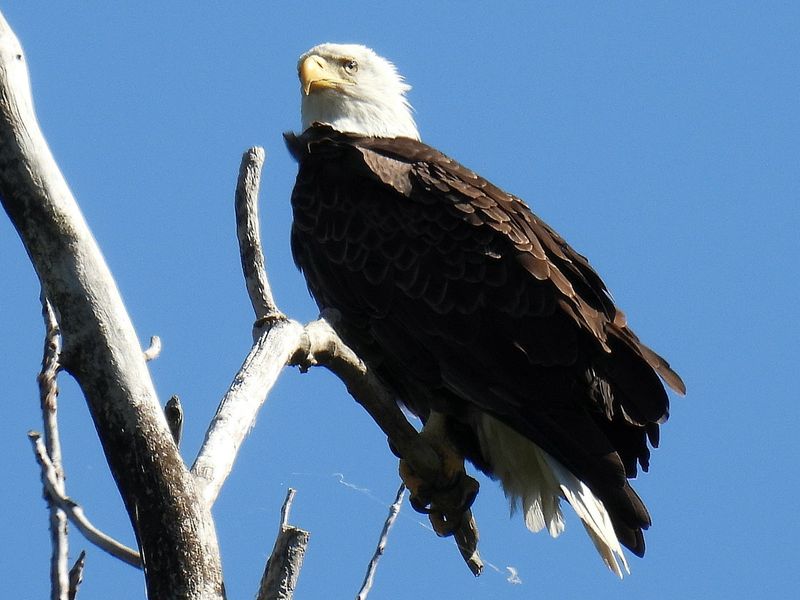
Seeing a bald eagle in the wild never gets old, and Ottawa National Wildlife Refuge is one of the most reliable places in Ohio to make it happen. Multiple active eagle nests are located within the refuge, and the combination of abundant fish, open marsh, and protected habitat makes this an ideal year-round home for the birds.
During fall migration, resident eagles are joined by others moving through, which can push sightings into remarkable territory.
Reviewers consistently mention eagles as a highlight, with some describing nests with young birds visible from the wildlife drive. The sheer size of a bald eagle perched at close range is something that photographs struggle to convey.
There’s a stillness to the encounter that tends to quiet a car full of chattering visitors almost instantly.
For photographers, the refuge offers compositions that would be difficult to replicate anywhere else in Ohio at this price point, which is to say free. Patience and a telephoto lens will yield the best results, but even casual visitors with smartphones have managed memorable shots from the roadside.
Binoculars are available to borrow from the visitor center, which is a thoughtful touch for those who arrive unprepared.
The Visitor Center – Three Floors of Surprises
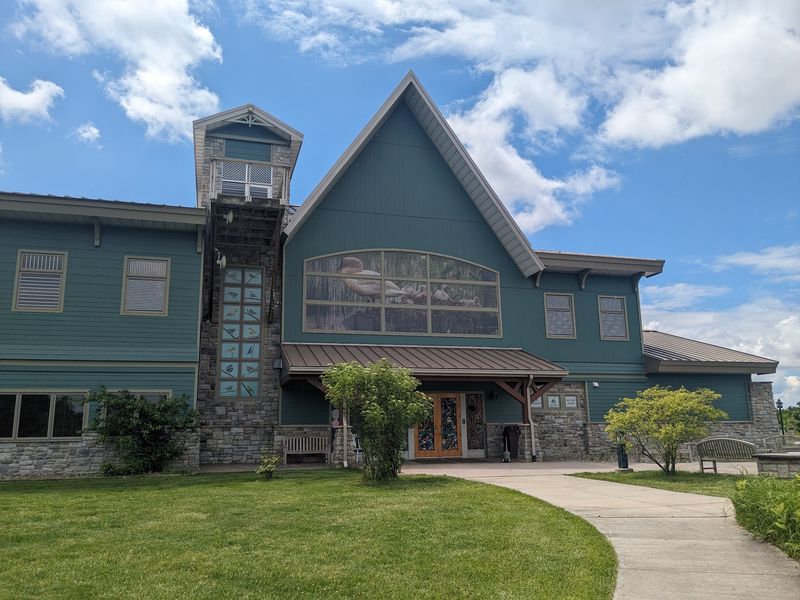
First-time visitors are routinely surprised by the scale and quality of the visitor center. It’s bigger than it looks from the parking lot, spanning three floors with exhibits, meeting spaces, a small theater, and a third-floor observation deck that offers elevated views over the surrounding refuge landscape.
Staff here are consistently praised for being friendly and genuinely knowledgeable, willing to help visitors plan their time and point them toward current wildlife activity.
The ground floor holds a working aquarium near the entrance, featuring a large sunfish that tends to draw immediate attention. A short film plays in the small theater for those who want context before heading out to the trails.
Exhibits cover the ecology of the Lake Erie shoreline, the managed marsh system, and the range of species that use the refuge through the seasons.
An observation deck on the third floor, when open, allows visitors to scan the marsh with provided binoculars, essentially turning the building itself into a viewing platform. One reviewer described borrowing the binoculars from the second floor and being able to spot birds without even stepping outside.
The center also stocks a B.A.R.K. Ranger program for visitors who bring dogs, which is a fun way to engage younger family members with the natural environment around them.
The Gift Shop and That Surprisingly Memorable Soda
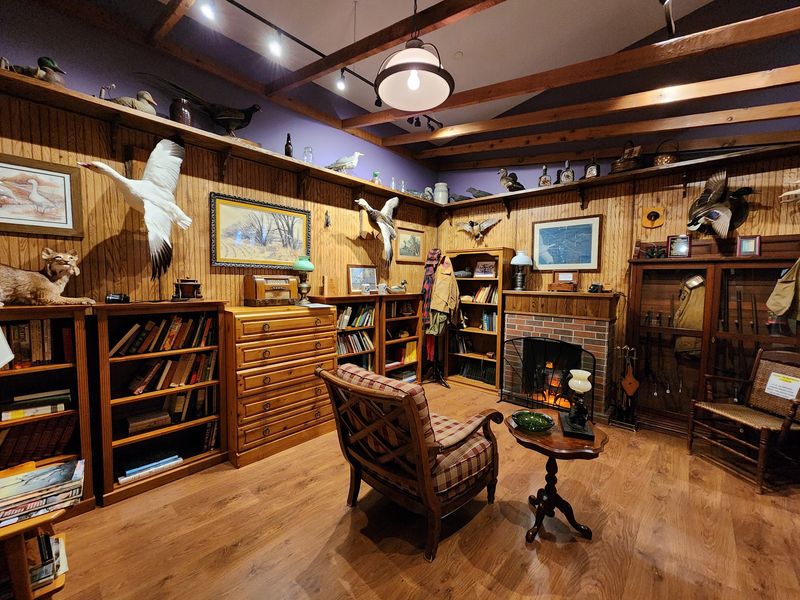
Refuge gift shops can feel like afterthoughts, but the one at Ottawa is genuinely worth a browse. The shelves hold a well-curated selection of field guides, regional wildlife books, bird identification resources, and the kind of small keepsakes that actually get used rather than collecting dust.
Pins, patches, stickers, and bird-themed earrings fill out the display cases, and the staff at the front desk can stamp your National Wildlife Refuge Blue Goose Passport if you’re collecting those.
The unexpected standout, mentioned by more than one visitor, is a line of custom bottled sodas made by a local manufacturer nearby. The flavors are described as entertaining, and the glass bottles themselves are worth keeping as a souvenir.
It’s the kind of quirky, hyper-local detail that makes a place stick in your memory long after the drive home.
For families, the gift shop offers enough variety to let kids pick out something meaningful without breaking anyone’s budget. Field guides purchased here come in handy immediately out on the trails, which is a nice touch that the store seems to understand about its audience.
The overall atmosphere inside is relaxed and unhurried, matching the pace of the refuge itself.
Wildlife Beyond Birds – What Else Shares the Marsh
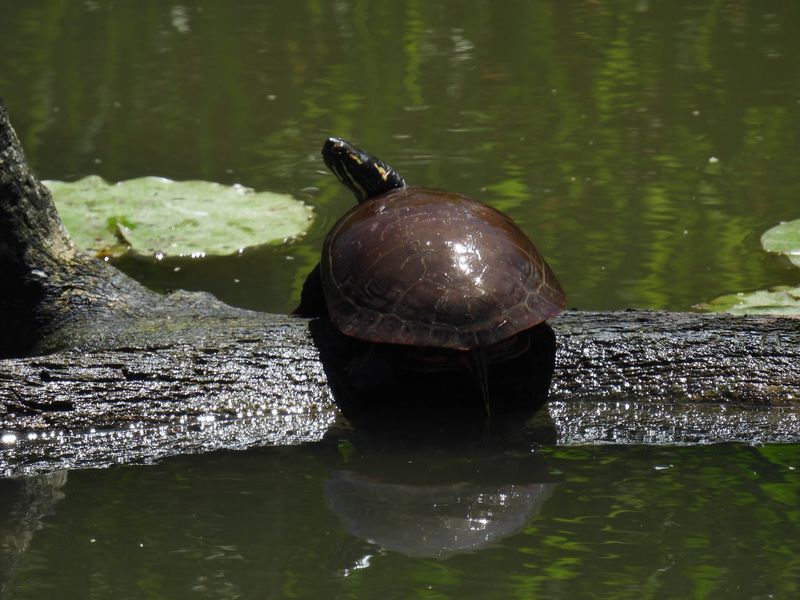
Birds get top billing at Ottawa, and rightly so, but the refuge supports a much broader cast of wildlife that rewards patient and observant visitors. Turtles are commonly spotted sunning on logs along the marsh edges, and the warmer months bring dragonflies in spectacular numbers, hovering over the water surface in iridescent clouds.
Fish visibly splash in the shallower pools, and the occasional snake swimming through the channels adds an element of surprise.
Butterfly activity peaks in late summer and early fall, with species drawn to the wildflowers that grow along the trail edges and upland borders. Frogs call from the cattail margins throughout the warmer months, and the sounds they create after dark are supposedly extraordinary for anyone camping nearby.
American Pelicans have been spotted in the refuge, which remains a genuine surprise to visitors who associate pelicans with coastal waters rather than Ohio marshes.
Owls are another highlight that visitors occasionally encounter, particularly along the wooded trail sections near the visitor center. One reviewer mentioned spotting two different owl species during a single visit, which is the kind of unexpected payoff that turns a casual afternoon into a story worth telling.
The refuge rewards slow movement and quiet observation above almost anything else.
Who Visits Ottawa and Why They Keep Coming Back
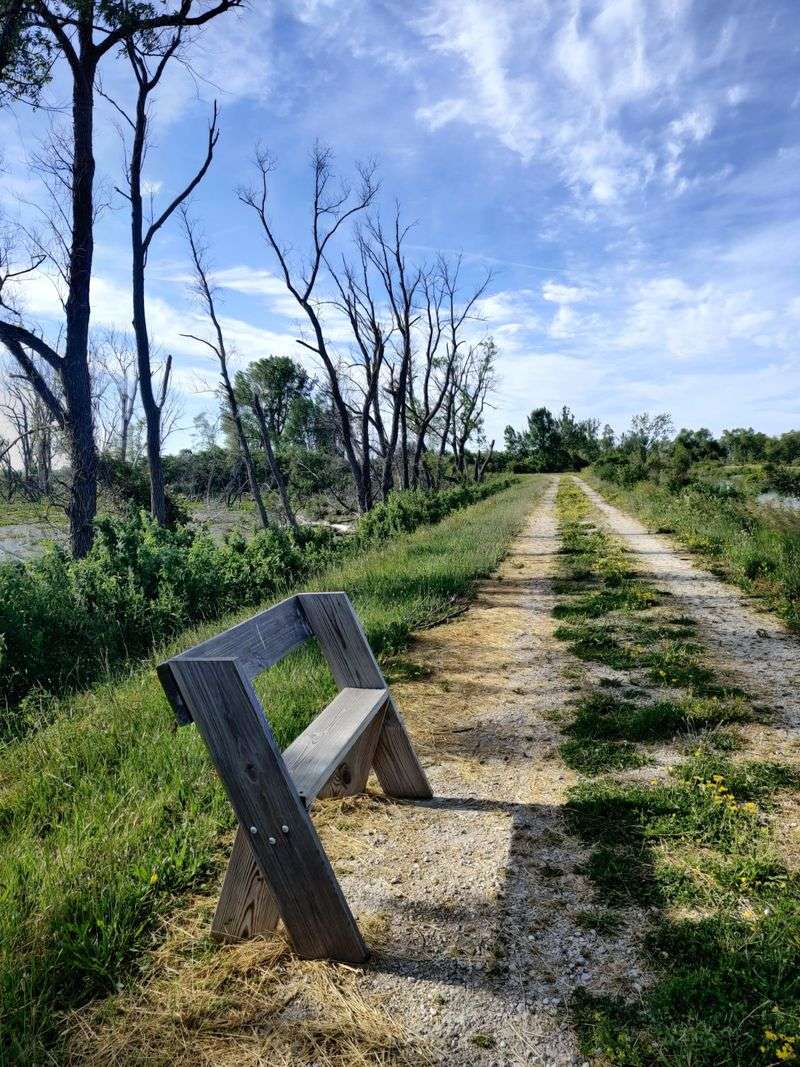
The visitor mix at Ottawa is genuinely diverse, which says something about the refuge’s ability to deliver different things to different people. Serious birders arrive with spotting scopes and life lists, spending hours methodically working the wildlife drive.
Families with young children find the boardwalk trail and visitor center exhibits engaging enough to hold attention without requiring advanced nature knowledge. Photographers set up along the marsh edges at golden hour and sometimes barely move for the better part of a day.
Dog owners are welcome on the trails and can pick up a B.A.R.K. Ranger activity kit at the visitor center, which gives four-legged visitors their own structured experience.
Reviewers who brought dogs did note that the gravel sections can be tough on paws, especially in warm weather, so booties or careful pacing are worth considering.
Visitors who come once almost universally mention wanting to return in a different season, which reflects the refuge’s year-round appeal rather than a single-visit novelty. Spring migration, nesting season, summer wildflowers, and the dramatic fall passage all offer distinct versions of the Ottawa experience.
The consensus across reviews is that a single visit is never quite enough to see everything the refuge has to offer.
Hours, Admission, and What to Know Before You Go
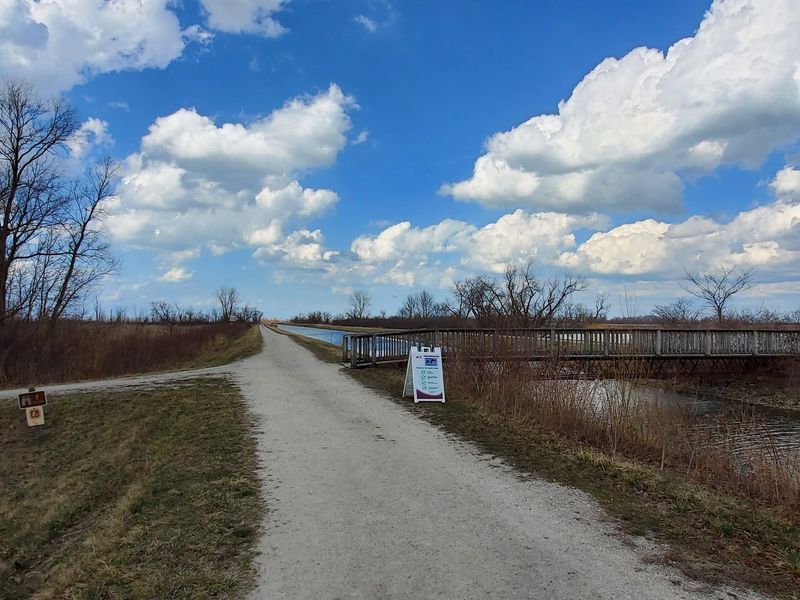
Ottawa National Wildlife Refuge is free to visit, which makes it one of the most accessible wildlife experiences in Ohio regardless of budget. The visitor center is open Thursday through Sunday from 10 AM to 4 PM, and it is closed Monday through Wednesday.
The outdoor trails are accessible beyond those hours, giving early morning visitors and late-day walkers flexibility even when the building is locked.
The wildlife drive, as noted earlier, is only open on weekends. Weekday visitors can still enjoy the trails and boardwalk, but the full loop experience requires a Saturday or Sunday visit.
Checking the refuge website at fws.gov/refuge/ottawa before arrival is a good habit, as shuttle tours and special programs are occasionally offered and can be booked in advance. One visitor learned the hard way that a shuttle tour can be cancelled with short notice, so flexibility helps.
The parking lot is large and well-maintained, with EV charging stations available. Restrooms are located inside the visitor center and in a standalone building adjacent to the parking lot, so facilities are accessible even when the main building is closed.
For questions or trip planning, the refuge can be reached at 419-898-0014. The address is 14000 State Route 2, Oak Harbor, OH 43449.
Why Fall Is the Season to Make the Drive
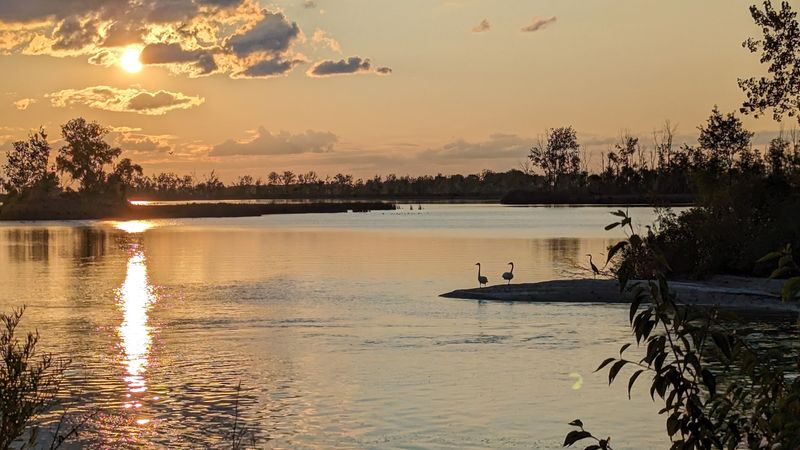
Every season at Ottawa has something to recommend it, but fall migration elevates the refuge into something genuinely extraordinary. The combination of peak waterfowl numbers, active raptor movement, cooler temperatures, and the visual drama of autumn color along the marsh edges creates conditions that are hard to match anywhere else in Ohio.
Weekends in October especially can feel like a wildlife documentary playing out in real time just off State Route 2.
The light during fall mornings and evenings is particularly beautiful over the open water, which partly explains why so many photographers make this a seasonal destination. Sunrise over the marsh pools, with mist rising and birds lifting off the surface, is the kind of scene that justifies an early alarm and a long drive.
Sunset from the third-floor observation deck, when it’s open, reportedly offers sweeping views that linger in the memory.
For Ohioans who want a day trip that punches well above its weight, Ottawa National Wildlife Refuge in fall is one of the state’s most compelling options. The entry price is right, the setting is stunning, and the wildlife on offer during migration season is genuinely world-class by any measure.
Pack binoculars, bring a camera, and plan to stay longer than you originally intended.
Share this story