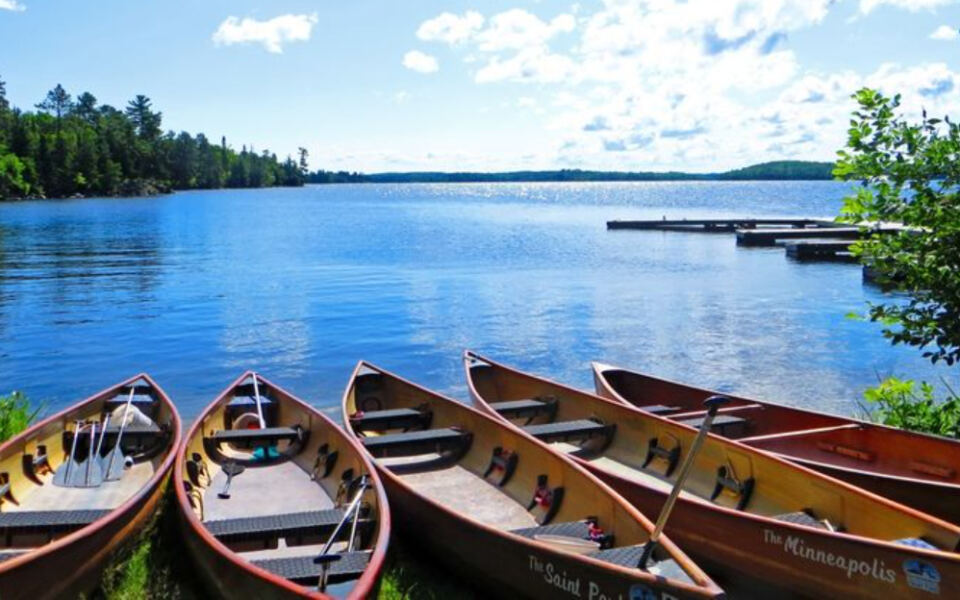
Most national parks greet you with a parking lot and a trailhead. This one greets you with a shoreline and the quiet slap of water against a hull.
Nearly 40 percent of Voyageurs National Park is water, meaning the best parts are simply unreachable by road. Pack your sense of adventure and leave the car keys behind, because this watery wilderness along the Minnesota-Canada border plays by its own rules entirely.
A Park Unlike Any Other in the National Park System
Most people picture national parks as places full of canyon trails and mountain overlooks. Voyageurs National Park flips that idea completely on its head.
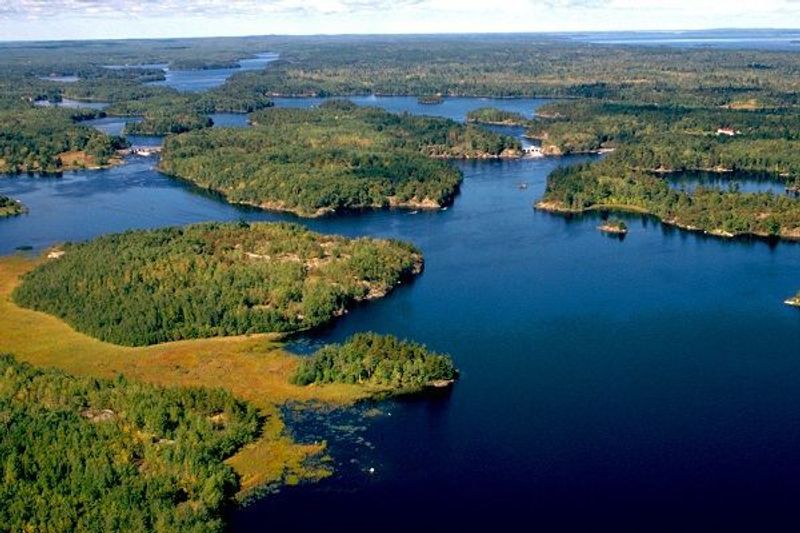
Established in 1975 and covering more than 218,000 acres in northern Minnesota, the park sits right along the United States-Canada border and is defined more by its lakes than its land.
The park protects four large lakes: Rainy Lake, Kabetogama Lake, Namakan Lake, and Sand Point Lake. These lakes are stitched together by channels and dotted with hundreds of islands.
There are no roads connecting the interior of the park, which means a boat is not just helpful here. It is genuinely necessary for reaching most of what makes Voyageurs special.
Voyageurs National Park, located in northern Minnesota, United States, is one of only a small number of water-based national parks in the entire country.
Why Boats Rule the Roads Here
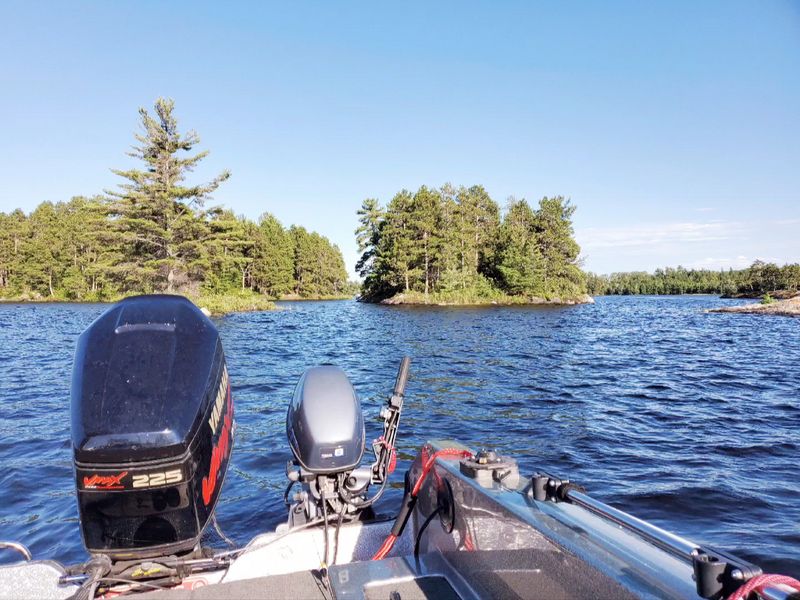
The moment you arrive at one of the park’s visitor centers, a ranger will likely tell you the same thing: get on the water. That advice is not just a suggestion.
The park’s interior, including its campsites, trails, and most scenic spots, is only accessible by boat, canoe, or kayak.
There are no interior roads. The land you can see from the shore is just a preview of what lies beyond.
Motorboats, pontoon boats, canoes, and kayaks are all common sights on the lakes. Several local outfitters rent watercraft, which makes it easy even for first-time visitors to get out and explore without owning their own boat.
Ranger-led boat tours also depart from the visitor centers during summer months, giving visitors a guided look at the park’s history, wildlife, and geography without needing any boating experience at all.
Three Visitor Centers Worth Stopping At First
Before heading out on the water, stopping at one of the three visitor centers is a smart move. The Rainy Lake Visitor Center is the largest of the three and gives a thorough introduction to the park’s ecology, history, and seasonal highlights.
It also serves as a departure point for ranger-led boat tours.
The Kabetogama Lake Visitor Center is another popular stop, especially for visitors who want to explore that section of the park. Tour boats leave from the dock here during summer, and the surrounding area has a relaxed, unhurried atmosphere that sets the tone for the whole visit.
The Ash River Visitor Center is the smallest of the three but sits near some of the park’s most rewarding hiking trails. Checking in at any of these centers before exploring helps visitors plan their time wisely and avoid missing the park’s best-kept spots.
Kettle Falls Hotel and the Trip That Requires a Boat Ride
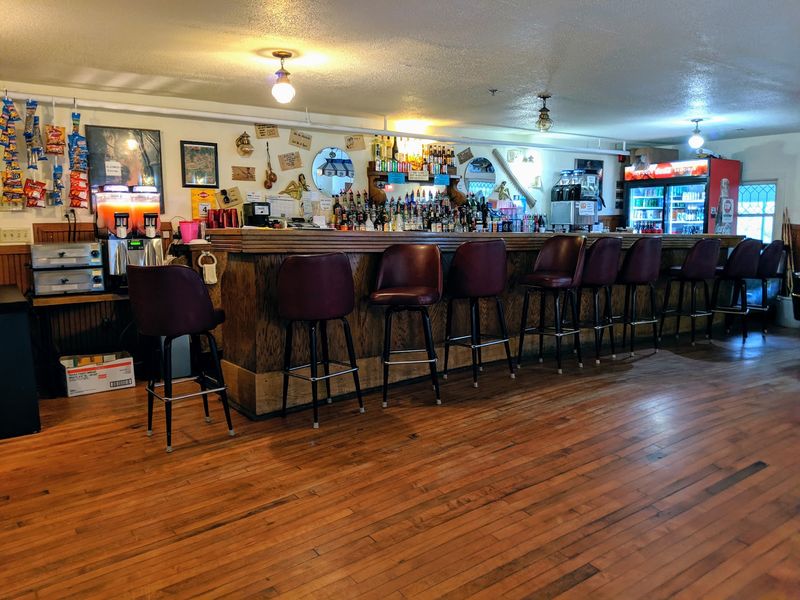
There is a historic hotel sitting deep inside Voyageurs National Park that most visitors never see, simply because reaching it requires a boat ride of roughly two hours from Ash River. The Kettle Falls Hotel has been welcoming guests since the early 1900s and is one of the most unusual lodging options connected to any national park in the country.
The hotel sits right on the border between the United States and Canada, in a spot so geographically quirky that the Canadian side is actually south of the American side. That geographic oddity alone makes the trip feel worth it.
Ranger-led tours to Kettle Falls are offered during summer and include stops along the way for wildlife viewing and historical interpretation. Even visitors who do not stay overnight find the journey rewarding, with stunning lake scenery and a genuine sense of arriving somewhere truly remote.
Ellsworth Rock Gardens, a Hidden Lakeside Masterpiece
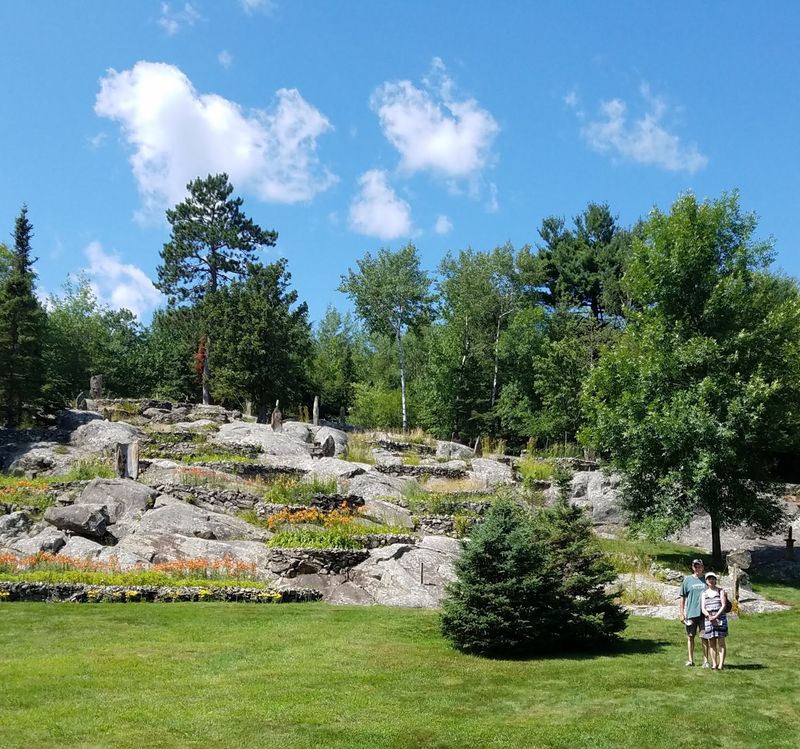
One of the most surprising discoveries waiting inside the park is a sprawling outdoor art installation that most visitors have never heard of. The Ellsworth Rock Gardens sit on the northern shore of Kabetogama Lake and can only be reached by boat, which is part of what keeps them so wonderfully uncrowded.
Jack Ellsworth, a Chicago contractor, spent decades building terraced stone sculptures and planting flower gardens along the rocky lakeshore at his summer property. The result is an elaborate and genuinely beautiful collection of handcrafted stonework set against the backdrop of a pristine northern lake.
The National Park Service now maintains the site, and it takes roughly 90 minutes to two hours to reach from Ash River by boat. Visitors often describe it as one of the park’s most memorable and unexpected highlights.
Plan enough time to walk the grounds slowly, because the details reward a careful eye.
Wildlife Watching on the Water and Along the Shore
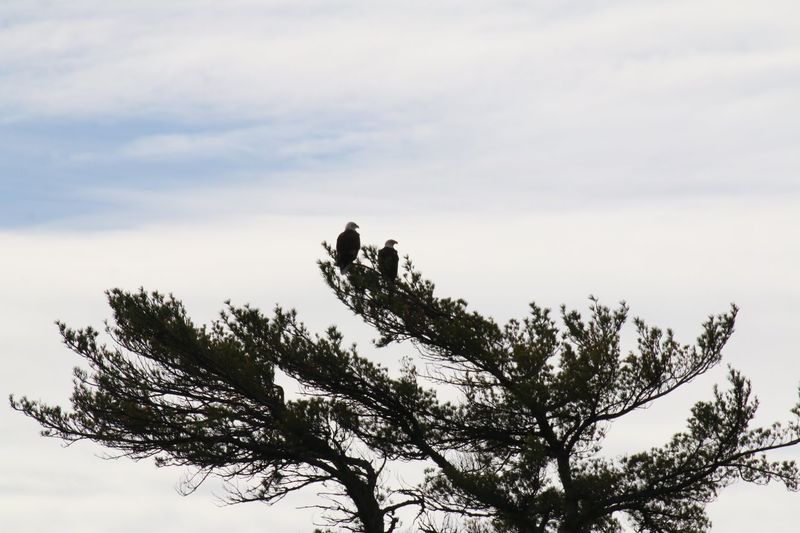
Wildlife sightings at Voyageurs feel less like lucky accidents and more like a natural part of the day. Bald eagles are common throughout the park, often spotted perched on tall pines or gliding low over the water.
Watching one drop toward the lake surface and pull back up with a fish is the kind of moment that stays with you long after the trip ends.
The park is also home to wolves, black bears, otters, beavers, and osprey, though sightings of wolves and bears require some patience and a bit of luck. Loons are especially prominent on the lakes, and hearing their calls echo across the water at dusk is an experience that feels almost cinematic.
Paddling quietly through the channels between islands puts visitors much closer to wildlife than motorboat travel does. Early morning and late evening are consistently the most productive times for spotting animals along the shoreline.
Houseboating, One of the Most Relaxed Ways to See the Park
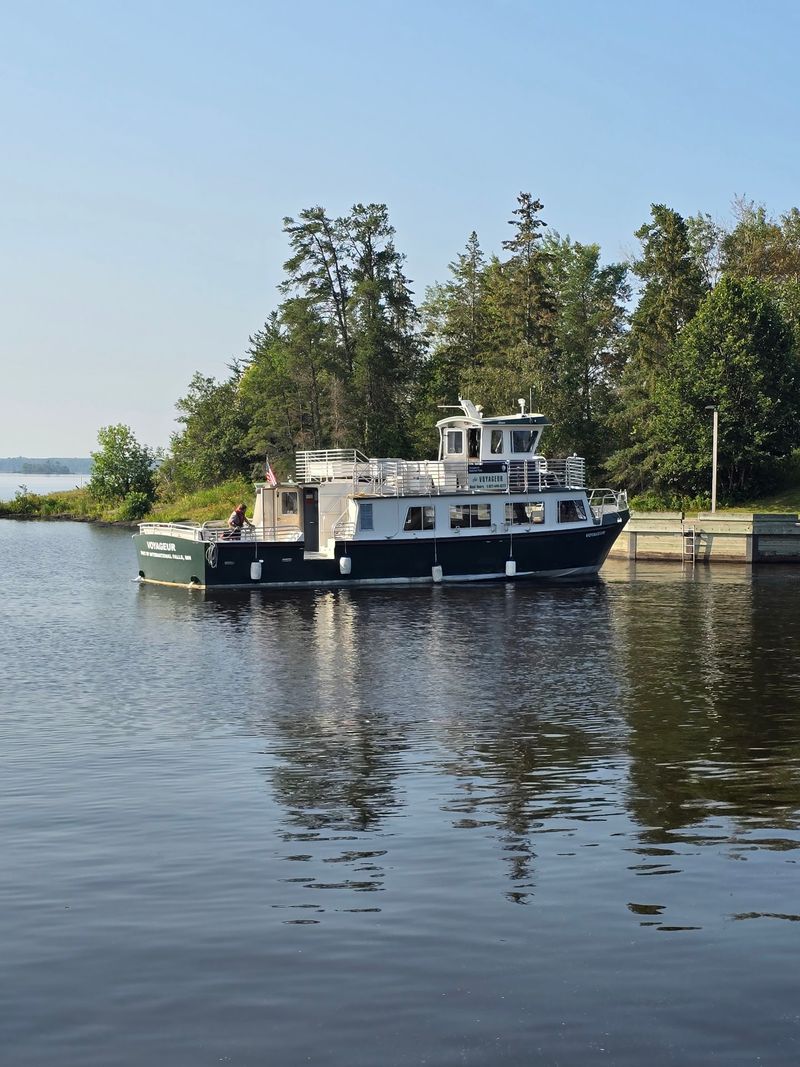
Renting a houseboat at Voyageurs is one of those travel experiences that sounds indulgent until you realize how perfectly it fits the park. With no interior roads and most campsites only reachable by water, a houseboat essentially becomes your hotel, your transportation, and your front-row seat to the scenery all at once.
Houseboats are a well-established tradition on the lakes here, and several outfitters operate rentals in the area. Groups can anchor near a remote island each night, wake up to loon calls, and spend their days fishing, swimming, or exploring by kayak from the deck.
The pace of houseboat travel matches the park perfectly. There is no rushing between trailheads or checking out by a certain hour.
You move when you feel like moving and stop when something catches your eye. For families or groups looking for a genuinely different kind of national park trip, this approach is hard to beat.
Camping on Private Islands With No Neighbors in Sight
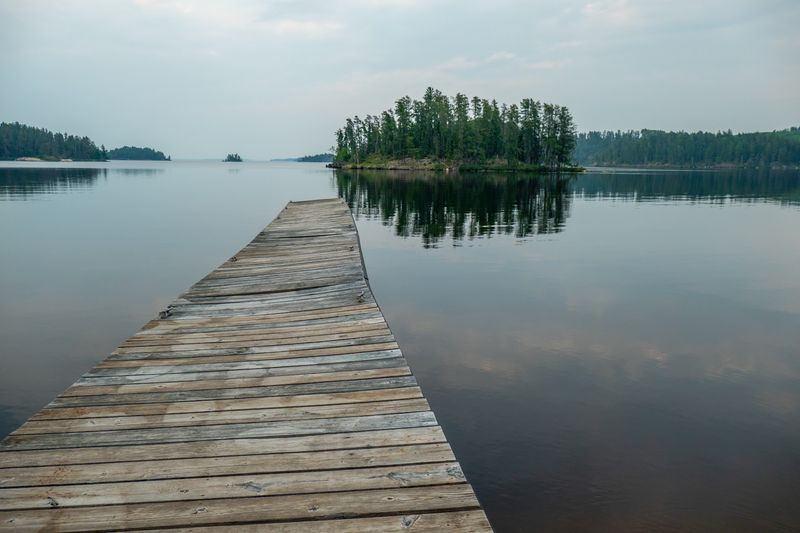
There is something deeply satisfying about paddling to a campsite that sits on its own island with no road access, no crowds, and no noise except the wind and the water. Voyageurs has dozens of boat-in campsites spread across its lakes, many of them situated on small islands where you may be the only camper for miles.
Some islands have just one or two tent pads, which creates a level of solitude that is genuinely rare in the national park system. Canoeists and kayakers often paddle out to their chosen site, pull up the boat, and spend the next several days completely off the grid.
Reservations for the most popular sites are recommended, especially during peak summer weeks. Mosquitoes can be intense after dusk, so bringing proper bug protection is not optional.
The reward for managing that small inconvenience is a camping experience that feels raw, peaceful, and completely unlike anything you find at a roadside campground.
Fishing in Waters That Have Drawn Anglers for Generations
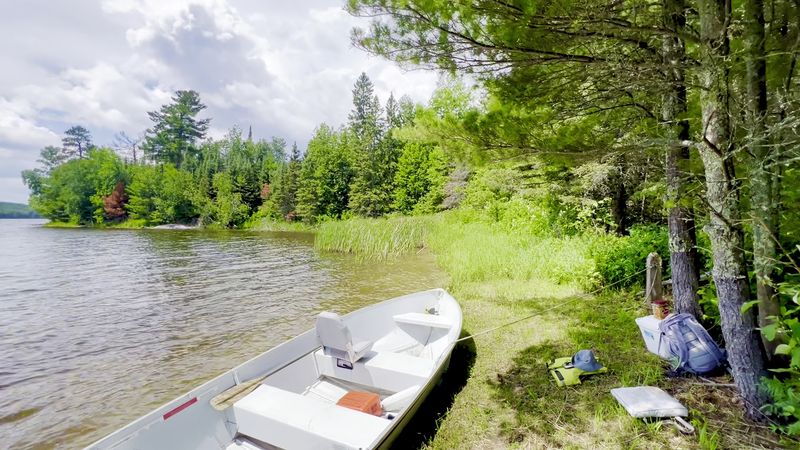
Fishing is one of the most popular activities at Voyageurs, and for good reason. The park’s four main lakes and their connecting waterways hold walleye, northern pike, smallmouth bass, and yellow perch, among other species.
Anglers have been coming to these waters for generations, drawn by the combination of clean, clear lakes and relatively low fishing pressure compared to more accessible spots.
A valid Minnesota fishing license is required for fishing within the park, and regulations vary by species and season, so checking current rules before casting a line is always a good idea. Many visitors combine a day of fishing with camping on a remote island, creating a self-contained wilderness experience that is hard to replicate elsewhere.
Ice fishing is also a notable winter draw at Voyageurs, when the lakes freeze solidly enough to support vehicles and temporary shelters. The park takes on an entirely different personality once the ice sets in.
Stargazing and Northern Lights in One of Minnesota’s Darkest Skies
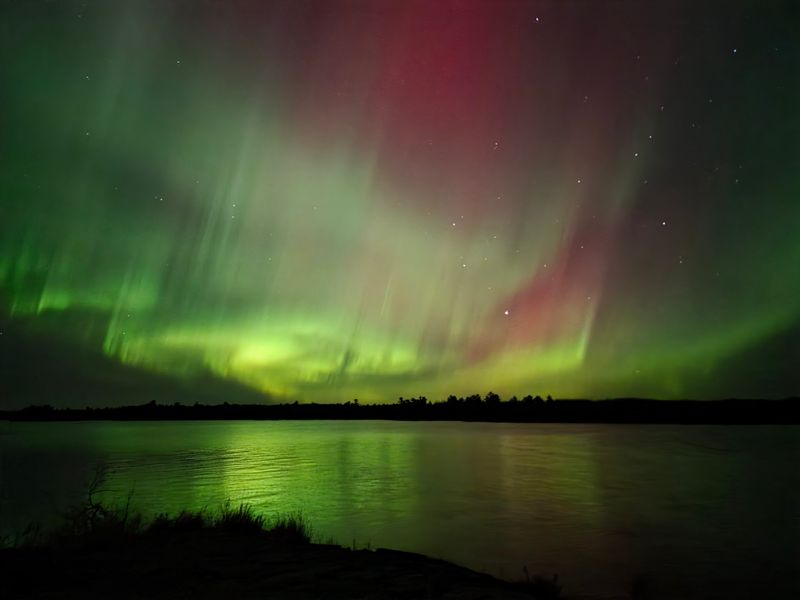
Northern Minnesota is one of the few places in the lower 48 states where the northern lights appear with any regularity, and Voyageurs National Park sits right in the sweet spot for catching them. The park’s remote location and minimal light pollution create ideal conditions for both aurora viewing and general stargazing on clear nights.
Visitors who camp on the islands or anchor a houseboat away from the shoreline report some of the most jaw-dropping night sky views they have ever seen. The Milky Way stretches clearly overhead on moonless nights, and the reflection of stars on the still lake surface doubles the effect.
The northern lights are most likely to appear during periods of high solar activity, typically between late fall and early spring. Summer visitors who stay overnight still benefit from remarkably dark skies and the kind of star density that most city dwellers simply never get to experience firsthand.
Hiking Trails for Those Who Also Want Dry Land
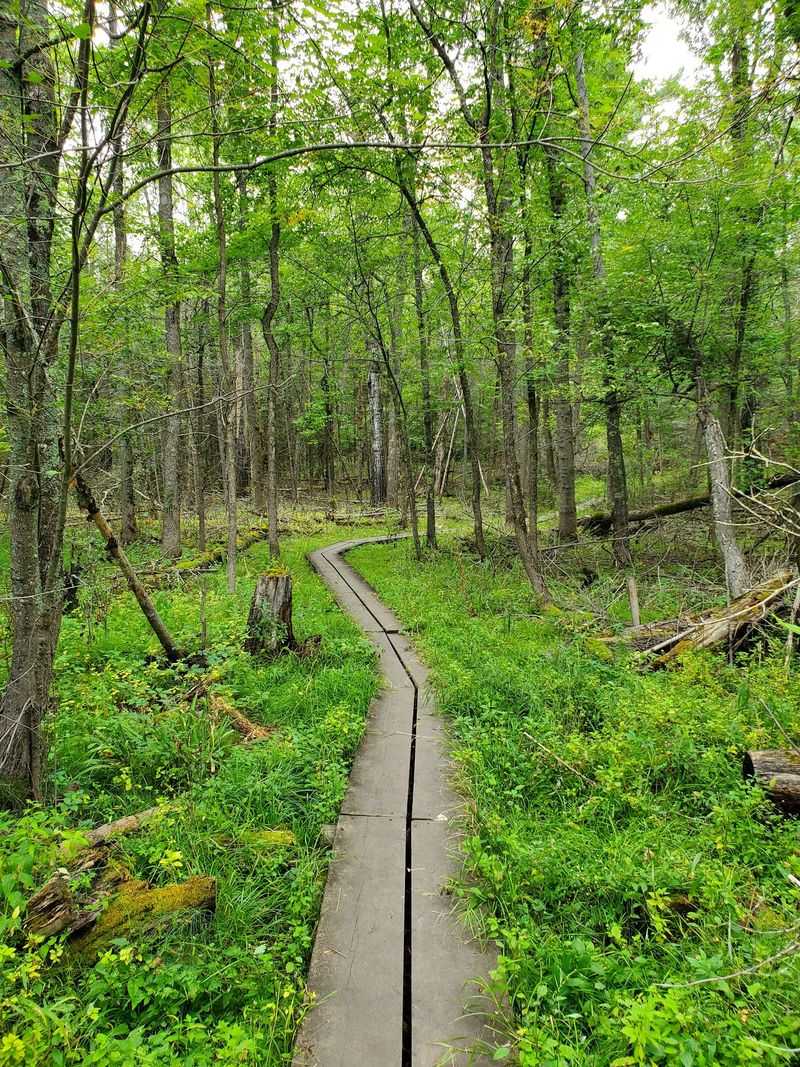
A boat is the star of the show at Voyageurs, but the park does offer land-based hiking for visitors who want to stretch their legs on solid ground. The trail system is modest compared to other national parks, but the routes that exist are genuinely scenic and worth the effort.
The Blind Ash Bay Trail near the Ash River Visitor Center covers about three miles and rewards hikers with a lovely overlook at the top. The Anderson Bay Loop is considered one of the more scenic sections of the trail network and winds through classic boreal forest.
Trails in the interior of the park, however, are only reachable by boat, which means even the hiking here has a water-based component.
Bug spray is non-negotiable on any trail during summer. Ticks are present in wooded areas, so checking carefully after any hike is a habit worth building before you arrive.
Planning Your Visit, What to Know Before You Go
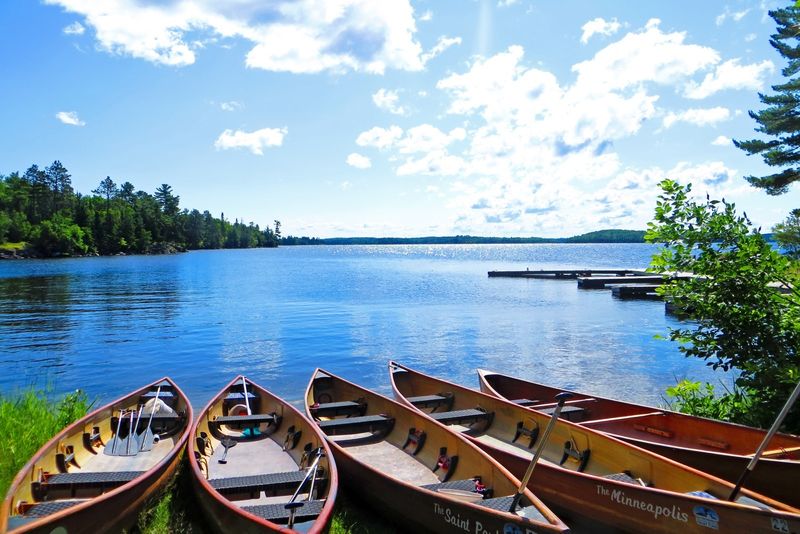
There is no entrance fee to visit Voyageurs National Park, which makes it one of the more accessible national parks in terms of upfront cost. The real expenses come from boat rentals, guided tours, and any gear you bring along for camping or fishing.
Planning ahead matters here more than at most parks.
Ranger-led boat tours typically begin in early June and run through summer, so visiting too early in the season means missing that option. Boat rental outfitters in the area are generally easy to work with, and staff at the visitor centers are knowledgeable and genuinely helpful when it comes to planning routes and timing.
Summer brings warm days, calm water, and abundant wildlife, but also mosquitoes. Winter opens up snowmobiling and ice fishing.
Whatever season draws you in, arriving with a flexible attitude and a willingness to slow down will make the whole experience click into place.
Share this story