Tucked away in Quincy, Illinois, sits one of the country’s most remarkable veterans’ facilities, a sprawling campus so complete it functions almost like a small town. The Illinois Veterans’ Home has been serving those who served our nation since 1886, growing over the decades into a self-contained community with everything residents need right on the grounds.
Among its many features, the All Wars Museum stands as a powerful tribute to American military history, housing over 5,000 artifacts that tell stories spanning from the Revolutionary War to modern conflicts in Afghanistan.
A Museum Packed with American Military History
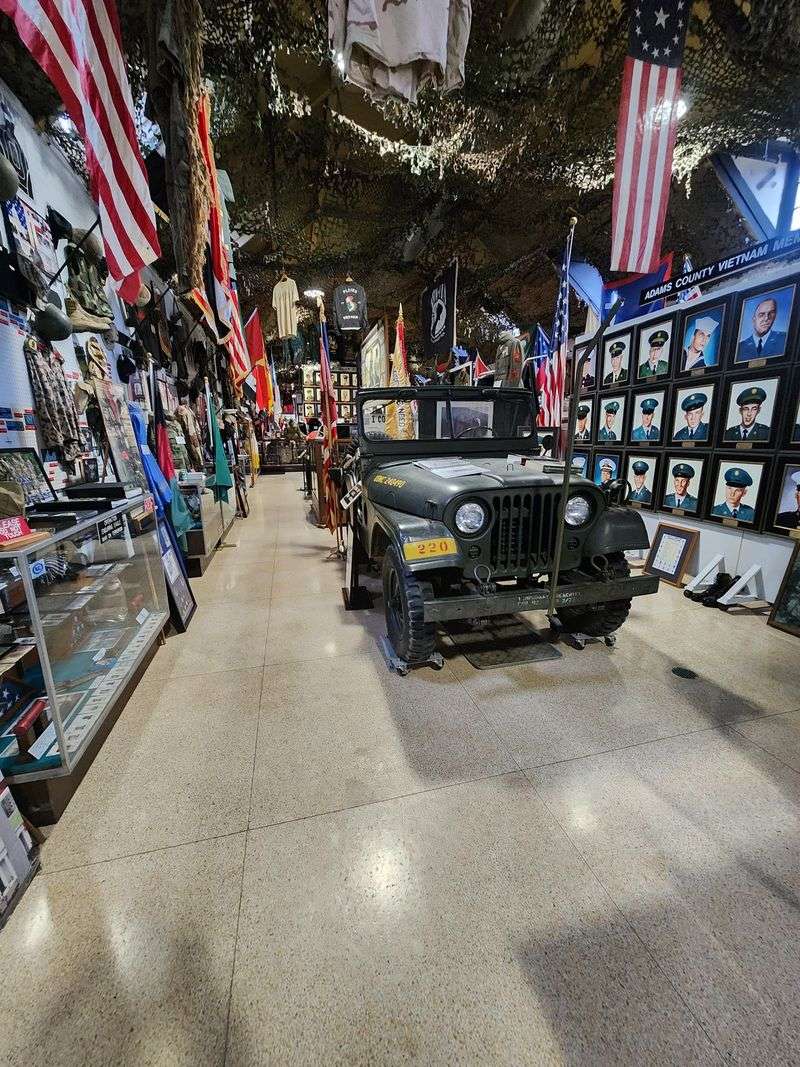
Walking through the All Wars Museum feels like stepping into every chapter of American combat history at once. Over 5,000 artifacts fill the space, each one representing a moment, a battle, or a veteran’s personal story.
From muskets used in the Revolutionary War to modern equipment from Afghanistan, the collection spans more than two centuries of military service.
Visitors often comment on how much history gets crammed into the available space. The displays include uniforms from different eras, flags that flew over battlefields, weapons that changed warfare, and personal items donated by local veterans.
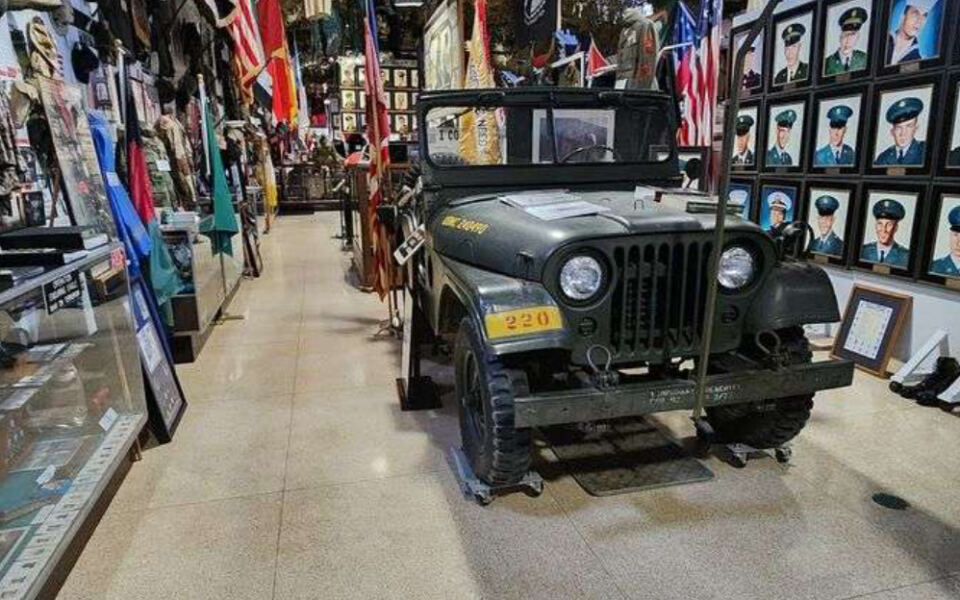
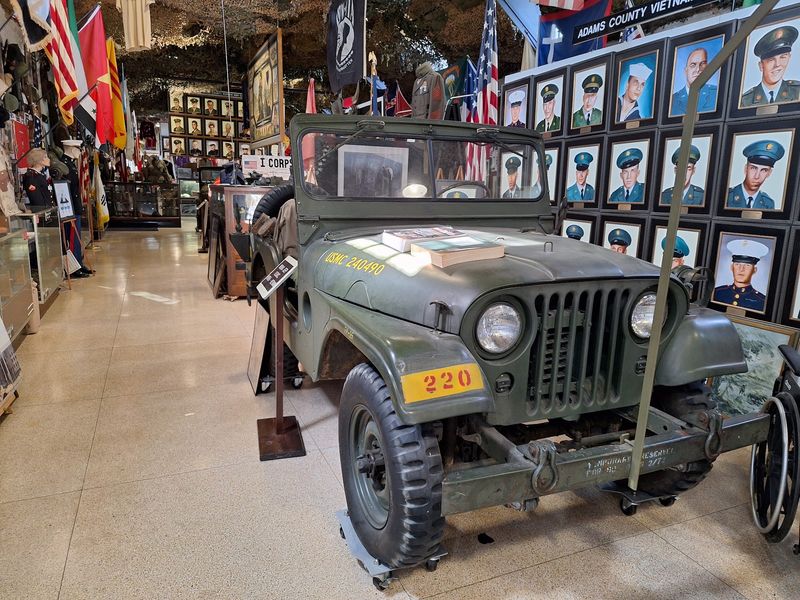
Vietnam-era jeeps sit ready for close inspection, letting you see the actual vehicles that transported soldiers through jungles half a world away.
What makes this museum special isn’t just the quantity of items but their connection to real people. Many artifacts came directly from veterans who lived at the home, adding deeply personal stories to each display.
The friendly volunteer staff, often veterans themselves, share knowledge that goes beyond the plaques and labels, bringing history to life through their own experiences and research.
Free Admission Supported by Dedicated Volunteers
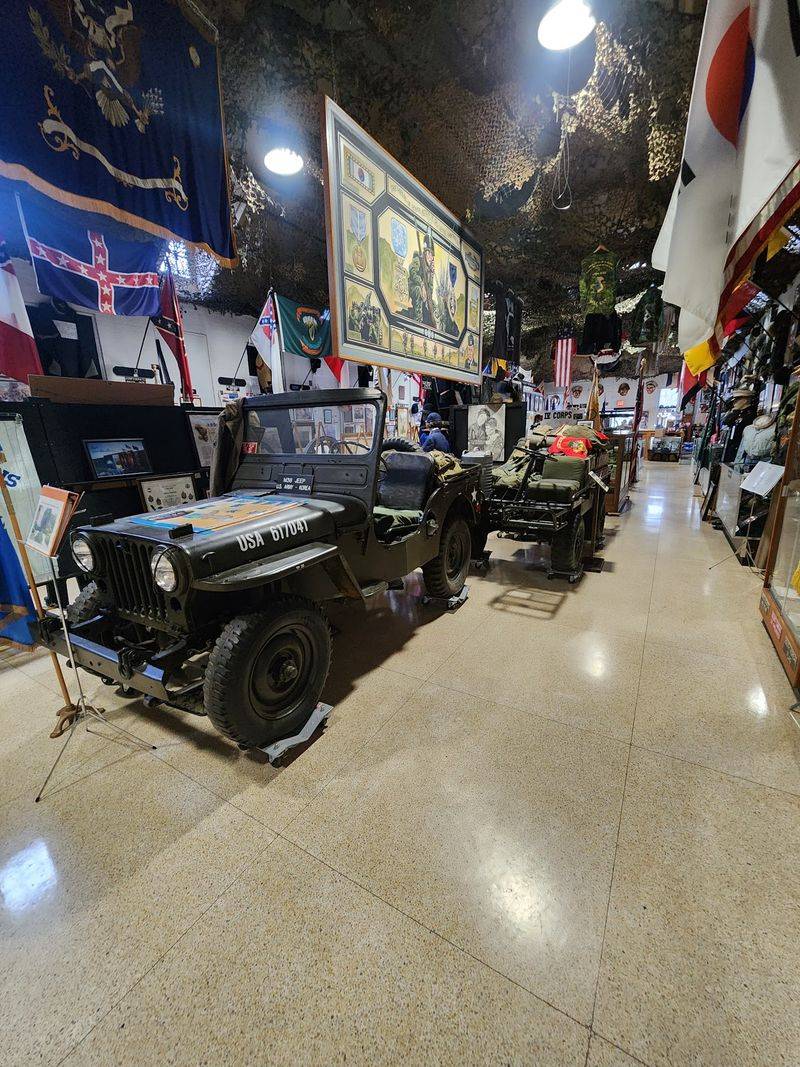
You won’t find an admission fee at the All Wars Museum, making it accessible to everyone who wants to explore military history. The museum operates entirely on donations and the generous time given by volunteers, most of whom are residents of the veterans home itself.
These dedicated individuals staff the museum during open hours, sharing their passion for preserving and presenting military heritage.
The volunteer team brings something special to every visit. Many have military backgrounds themselves, offering firsthand perspectives that textbooks simply can’t match.
They answer questions, provide context for exhibits, and sometimes share personal stories that connect directly to the items on display.
Visitors consistently praise the friendly, welcoming atmosphere created by these volunteers. One reviewer mentioned calling ahead to confirm hours and receiving such helpful service that they were given a personal tour even when the regular volunteer didn’t show up.
This level of dedication reflects the deep commitment these veterans have to honoring military service and educating the public about the sacrifices made throughout American history.
Coverage from Native American Conflicts to Afghanistan
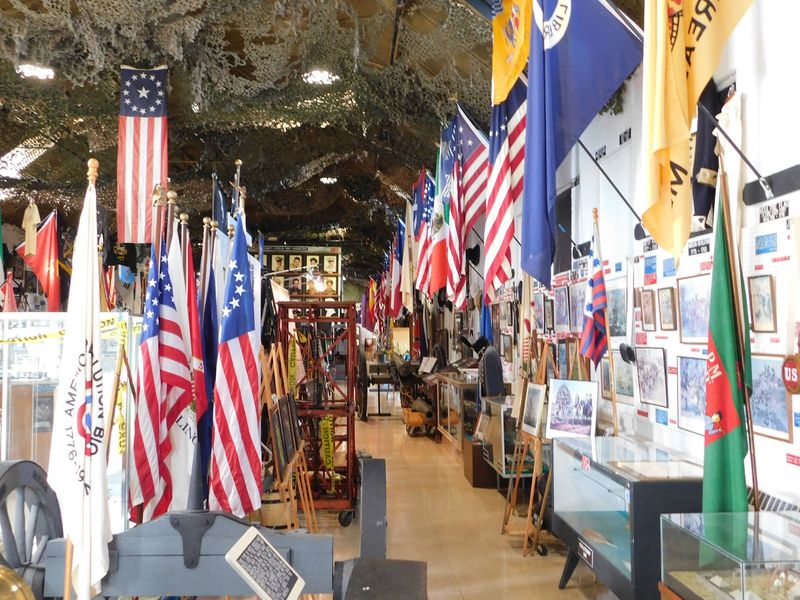
The museum’s name isn’t an exaggeration. All Wars Museum truly covers all wars, starting with conflicts involving Native American tribes and marching through every major American military engagement up to Afghanistan.
This comprehensive timeline gives visitors a complete picture of how American military tactics, equipment, and experiences evolved over centuries.
Each era gets its own dedicated space with period-appropriate artifacts. You’ll see how soldiers’ gear changed from simple muskets and tricorn hats to modern body armor and advanced communications equipment.
The progression tells a story not just of warfare but of American society, technology, and the changing nature of global conflict.
Walking through in chronological order feels like traveling through time. You start with early American conflicts, move through the Civil War’s devastating battles, experience both World Wars, witness Korea and Vietnam, and arrive at recent Middle Eastern operations.
This complete scope helps visitors understand military history as one continuous story rather than isolated events, showing how each conflict influenced the next and shaped the nation.
Limited Hours Require Planning Ahead
Before heading to the museum, checking the schedule saves disappointment. The All Wars Museum operates on limited hours, open Tuesday through Saturday from 9 AM to noon, and Sunday afternoons from 1 to 4 PM.
Mondays are closed, and the entire facility shuts down from Thanksgiving through the end of February for winter months.
These restricted hours reflect the volunteer-based operation. Since the museum relies on veterans from the home to staff it, scheduling depends on volunteer availability.
Calling ahead at 217-222-8641 or checking the website ensures you won’t arrive when doors are locked, a frustration mentioned by several visitors in reviews.
The seasonal closure catches some people off guard, especially holiday visitors hoping to tour during Christmas break. Planning your visit between March and Thanksgiving, during the posted morning or Sunday afternoon hours, guarantees access.
Despite the limited schedule, those who time their visits correctly find the experience well worth the effort, spending anywhere from one to several hours exploring the extensive collection at their own pace.
Self-Guided Tours at Your Own Pace
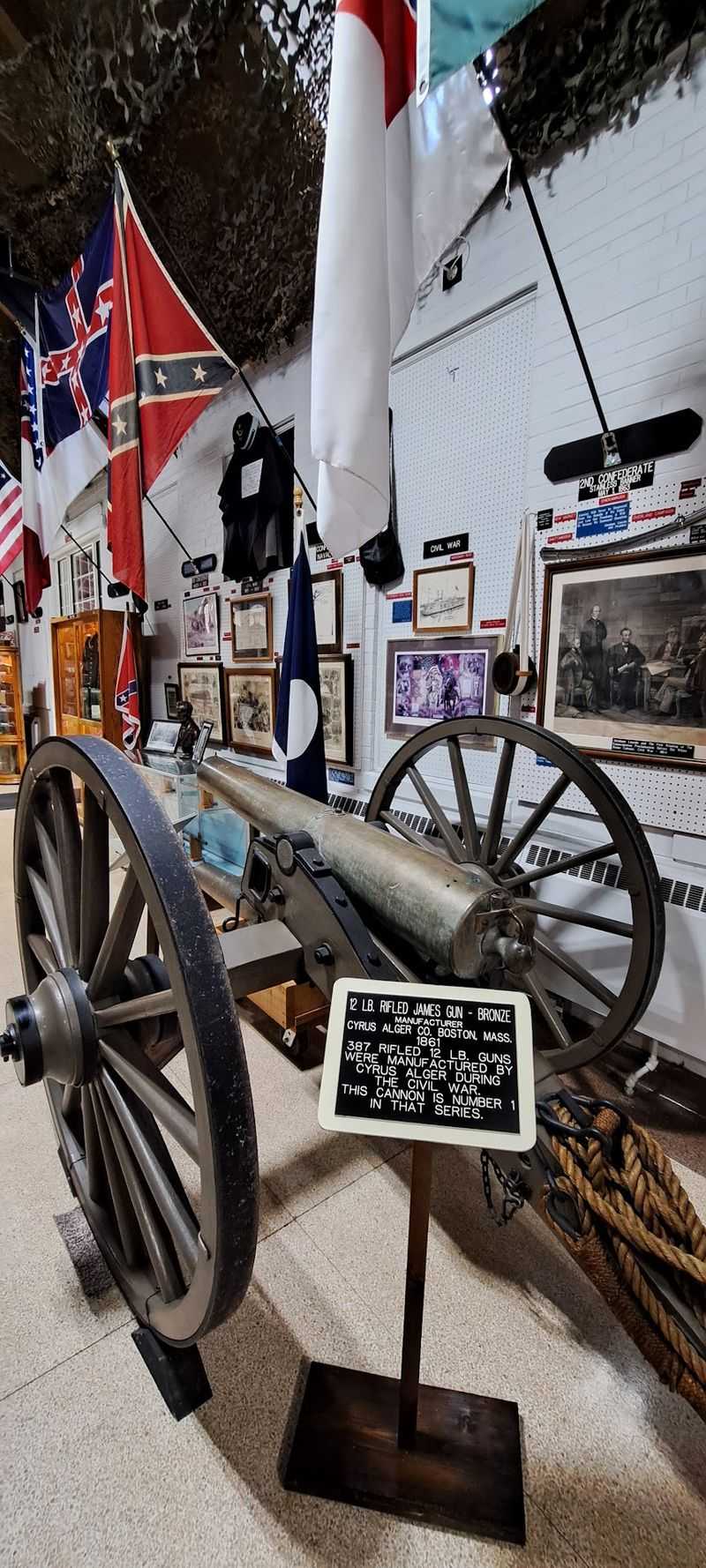
Nobody rushes you through the All Wars Museum. The self-guided format lets you spend five minutes or five hours, depending on your interest level.
Some visitors breeze through in under an hour, while military history enthusiasts easily lose track of time examining the detailed displays and reading every information card.
This flexible approach works perfectly for different types of visitors. Families with younger children can move quickly past areas that don’t hold kids’ attention, while serious researchers can linger over specific exhibits.
One parent brought three kids aged 8 to 12 and spent about an hour browsing and learning, finding the pace just right for keeping everyone engaged.
The layout makes navigation easy despite the packed displays. Everything is organized and labeled clearly, so you can follow the chronological flow or jump to periods that interest you most.
Veterans often appreciate being able to spend extra time with exhibits from their own service era, while students working on projects can focus on specific conflicts. The freedom to explore at your own speed, without tour groups or time limits, turns each visit into a personalized experience.
Local Veterans’ Personal Contributions
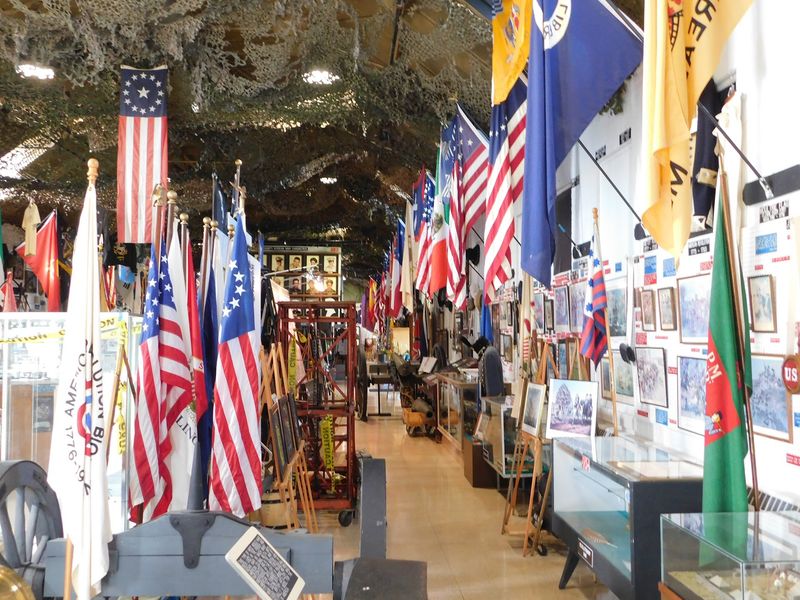
The museum’s most touching aspect might be its deeply local character. Many displays feature memorabilia contributed by veterans from Quincy and the surrounding area, making this more than just a generic military museum.
These personal donations transform abstract history into real stories about neighbors, relatives, and community members who served.
Local connections appear throughout the exhibits. You might see a uniform worn by someone’s grandfather during World War II, medals earned by a Quincy native in Vietnam, or photographs of area soldiers who never came home.
This regional focus gives the museum special meaning for local residents while still fascinating visitors from elsewhere.
The staff enhances this personal touch by sharing stories about the people behind the artifacts. Volunteers often know the donors personally or can explain the local significance of certain items.
This transforms your visit from simply viewing old military equipment into connecting with real human experiences. Several reviewers specifically mentioned appreciating the area-specific memorabilia and the extra information provided by knowledgeable staff that brought those local heroes to life in ways plaques alone never could.
Future Expansion Plans for More Exhibits
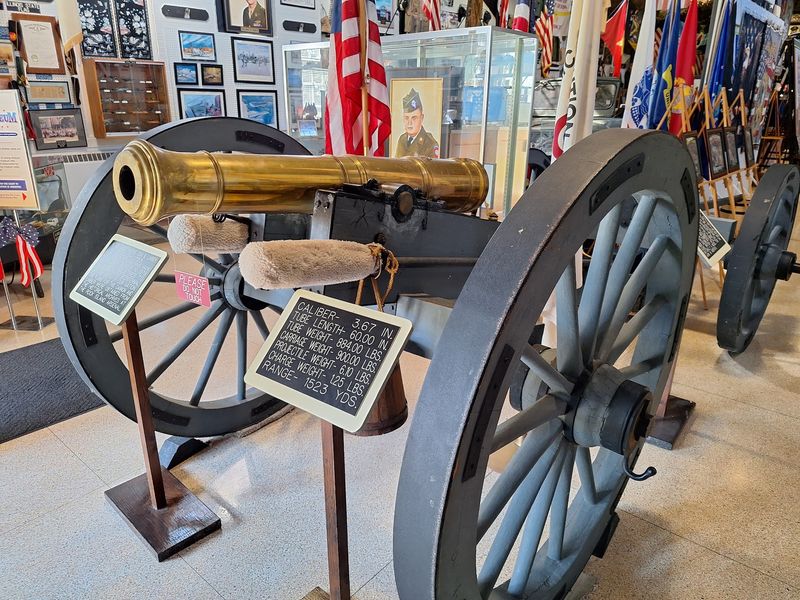
What you see represents only a fraction of what exists. Museum staff have mentioned they possess three times the amount of material currently on display, with plans for expansion that will allow them to showcase much more of their impressive collection.
This future growth promises to make an already substantial museum even more comprehensive.
The current space limitations mean some incredible artifacts remain in storage. One reviewer noted feeling overwhelmed by how much history gets stuffed into the available wing, making it difficult to properly appreciate everything.
The planned renovation and expansion should solve this problem, giving each item the breathing room it deserves and creating a more comfortable viewing experience.
Visitors who’ve heard about the expansion plans express excitement about returning once the new space opens. The museum has promised to announce completion on social media, ensuring history enthusiasts can plan return trips.
Even in its current state, the museum impresses nearly everyone, so the prospect of additional exhibits and better organization has people genuinely looking forward to seeing how the expanded facility will enhance an already remarkable collection of American military history.
Part of America’s Largest Veterans’ Home Campus
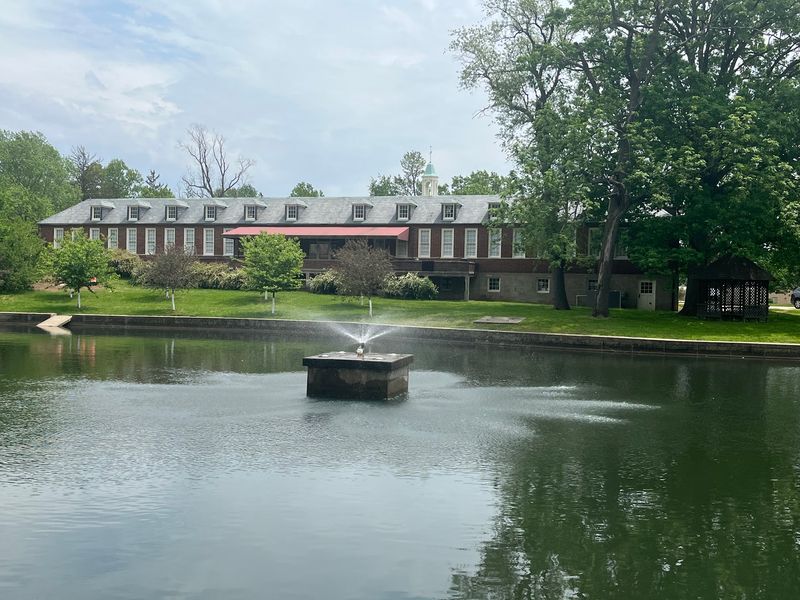
The museum sits within something truly extraordinary. The Illinois Veterans’ Home in Quincy ranks as one of the largest veterans’ facilities in the United States, a massive campus that has grown into a complete community since opening in 1886.
The grounds are so extensive they include not just residential buildings but also a post office, bank, cemetery, and of course, the All Wars Museum.
This self-contained setup means residents rarely need to leave for basic services. Everything operates on-site, creating a small town specifically designed for veterans’ needs.
The scale can initially confuse first-time visitors, with some reviewers mentioning GPS taking them to wrong entrances on the sprawling property.
Understanding the museum as part of this larger veterans’ community adds depth to your visit. You’re not just touring a standalone museum but experiencing one piece of a much bigger commitment to caring for those who served.
The peaceful pond next door offers a place to sit and reflect after viewing exhibits, connecting the museum experience to the living community around it. This integration of museum, memorial, and active care facility creates something unique in American veterans’ services.
Well-Organized Displays Despite Tight Quarters
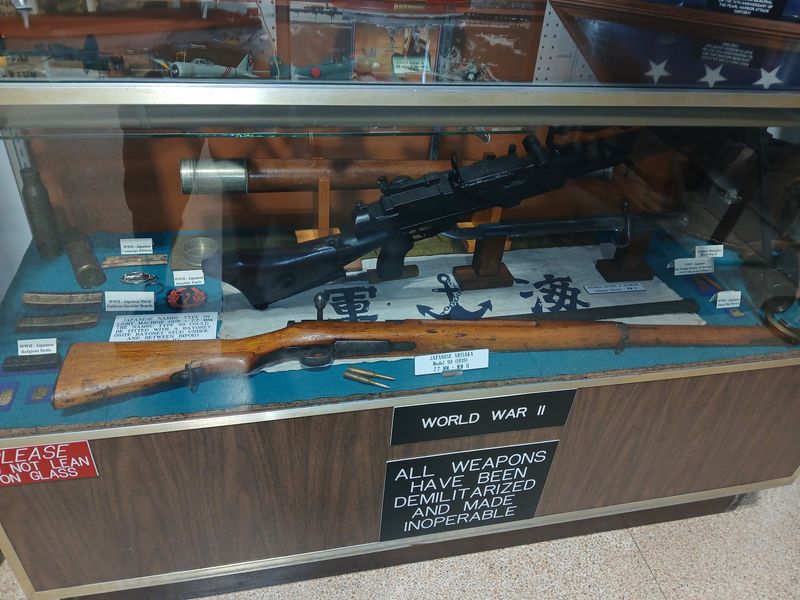
Organization shines through even in cramped conditions. Despite space limitations that pack a tremendous amount of history into available rooms, the museum maintains clear labeling and logical arrangement that helps visitors navigate and understand what they’re seeing.
Artifacts are kept in excellent condition, showing the care volunteers put into preservation and presentation.
The attention to detail impresses visitors repeatedly. Everything has its place, with thoughtful groupings that make sense chronologically and thematically.
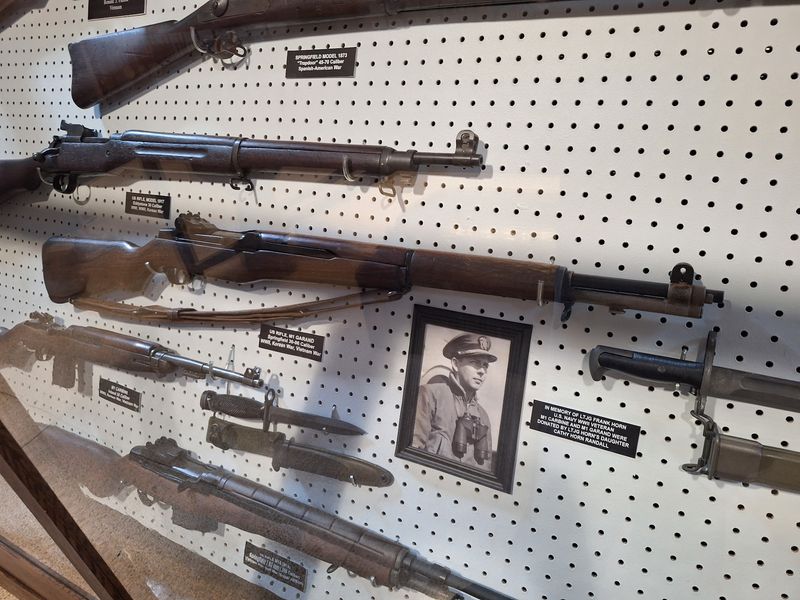
Uniforms hang properly displayed, weapons are mounted securely and safely, and smaller items sit in well-lit cases with informative cards. Even the Vietnam-era jeeps get positioned for easy viewing from multiple angles.
This level of organization becomes even more impressive when you learn about the space constraints. Fitting 5,000 artifacts plus vehicles into limited square footage while keeping everything accessible and understandable takes serious planning and effort.
The result feels less like a cluttered storage room and more like a professional museum that happens to be densely packed. Visitors can maneuver easily through the space, and the systematic arrangement helps you follow American military history’s progression without getting lost or confused about which era you’re viewing.
A Hidden Gem Worth Discovering
Quincy residents sometimes call the All Wars Museum one of their city’s best-kept secrets. Located on the veterans’ home grounds rather than downtown, it doesn’t get the tourist traffic of more prominent attractions, yet those who discover it consistently rave about the experience.
The combination of free admission, extensive collection, and knowledgeable volunteers creates exceptional value.
Many visitors admit they had no idea this resource existed until stumbling across it or receiving a recommendation. One reviewer confessed to thinking it was just part of the veterans’ home rather than a standalone museum, having last visited as a young child.
Returning as an adult revealed how much they’d been missing all those years.
The museum serves multiple purposes beautifully. It’s an educational resource for students learning about military history, a memorial honoring those who served, a rainy-day activity for families, and a meaningful destination for veterans wanting to connect with their service history.
Whether you’re escaping summer heat, winter cold, or just looking for something worthwhile to do in Quincy, this underappreciated museum delivers an experience that punches well above its weight, offering hours of fascinating exploration completely free of charge.
Share this story