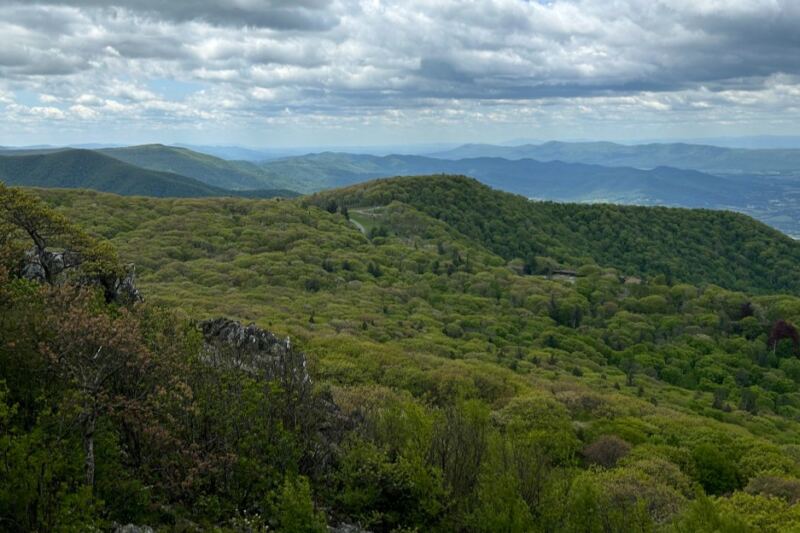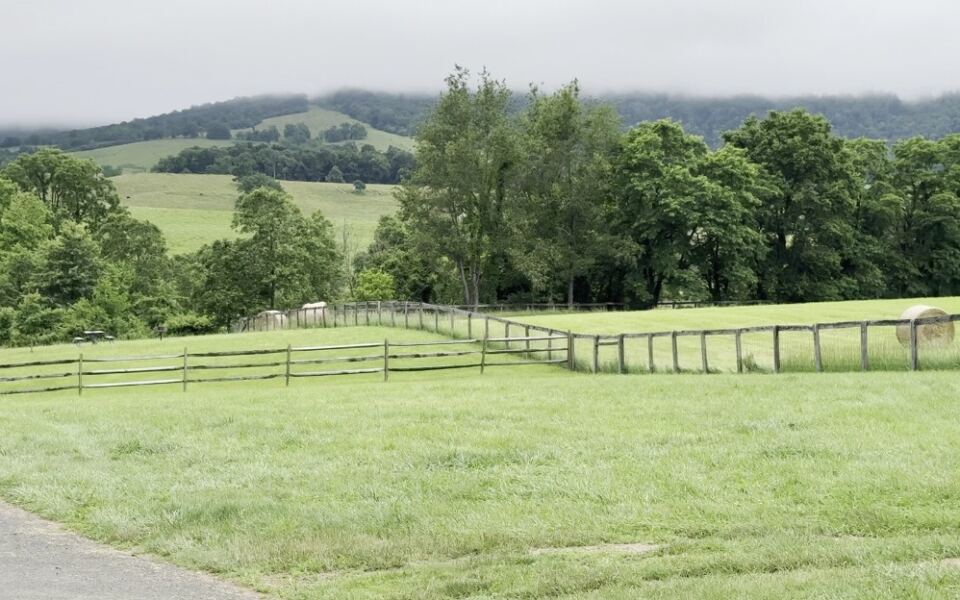
A farm from the 1860s still sits on a hillside in Northern Virginia, and the cows grazing near the trails are part of the scenery. Open pastures roll toward the Blue Ridge, and the night sky here is dark enough that people plan whole evenings around the stars.
Many drivers pass the entrance for years without stopping. Once they finally turn in, they find 24 miles of trails, a historic farm, and views that make a short hike feel like a big trip.
A Farm Story From the 1860s
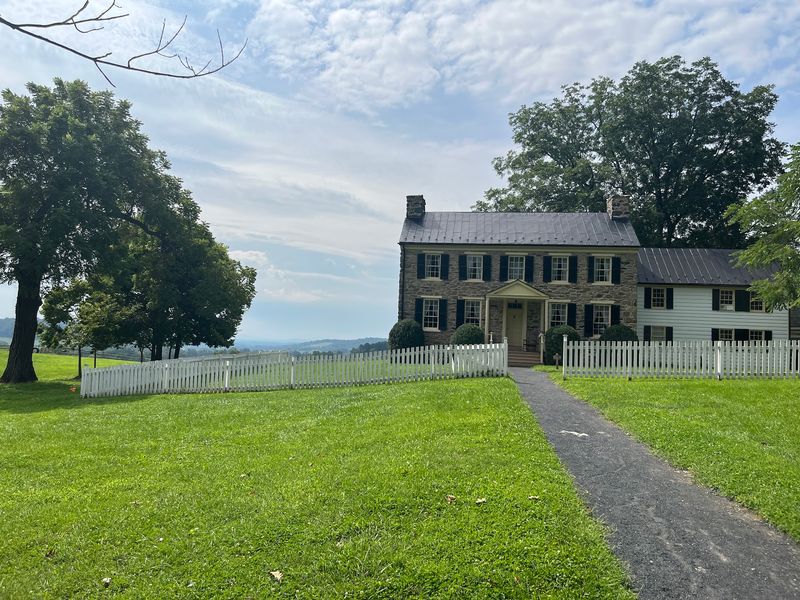
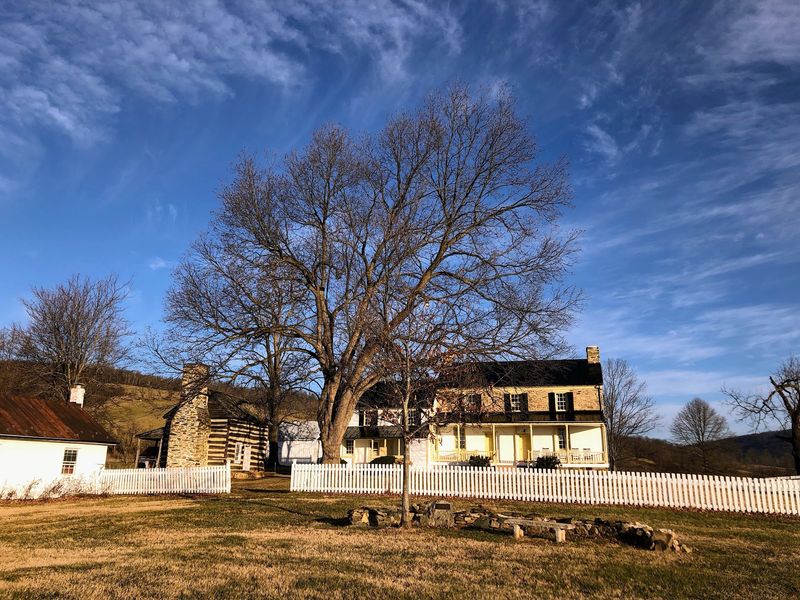
Old farm buildings still stand here, and that is the first surprise. The park protects a farm from the 1860s, so a walk can start with history before you ever reach a trail.
Rangers sometimes lead tours of the historic house and the buildings around it. Ask at the visitor center if one is happening during your visit.
Plan a little extra time for this stop. Hearing how the land was farmed makes the open fields look different later, when you are standing on a ridge and looking back down at them.
Next comes the part that gives the park its name, and it is easy to see why people keep returning.
Meet the Park and Its Address
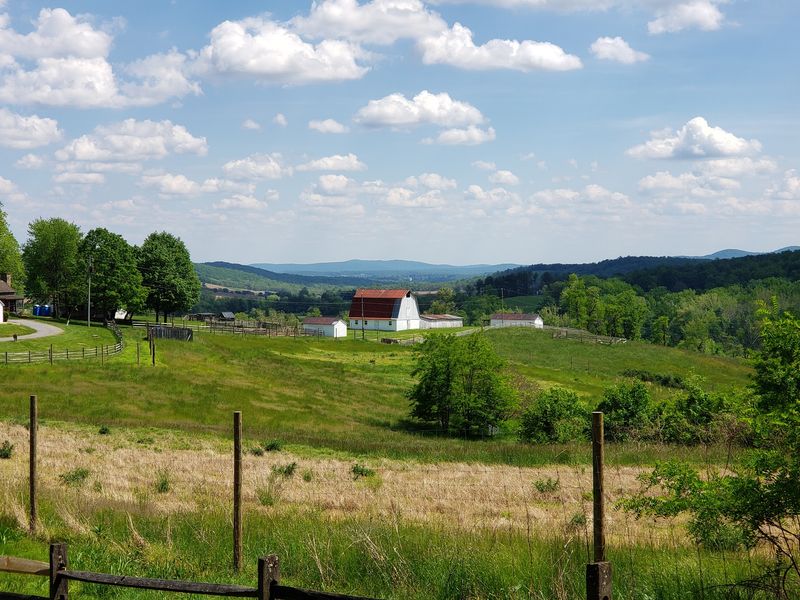
The park is called Sky Meadows State Park, and you will find it at 11012 Edmonds Ln in Delaplane, Virginia, United States. It covers roughly 1,900 acres on the eastern side of the Blue Ridge.
From the road it looks quiet and easy to miss. Several visitors admit they drove by many times before turning in.
The main entrance has parking, restrooms, and a visitor center. On busy fall weekends the front lot can fill up, so arriving earlier gives you a better shot at a close spot.
There is an entry fee, and national park passes are not accepted here, so bring a card or cash for the gate.
Piedmont Overlook Trail Views
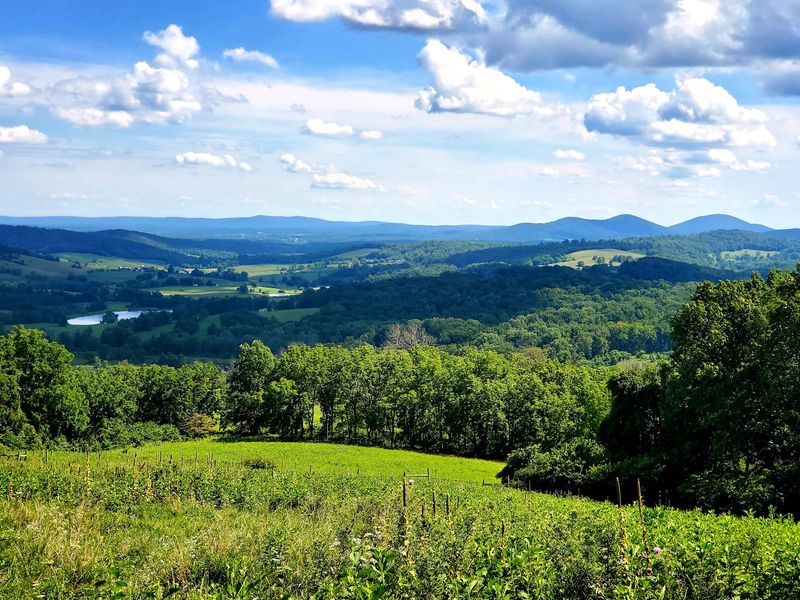
Hikers mention the Piedmont Overlook Trail more than almost any other path, and the payoff explains why. The climb is steady at the start, then the ups and downs settle into a moderate rhythm.
At the overlooks, sloping mountains and meadows spread out in every direction when the weather is clear. A foggy morning can even brighten by midday and surprise you.
Pack water and a snack in a small backpack. The trails are well marked, so you can focus on the scenery instead of the map.
Some hikes here reach several miles and plenty of elevation gain, so choose a loop that matches your energy.
Cows on the Trail
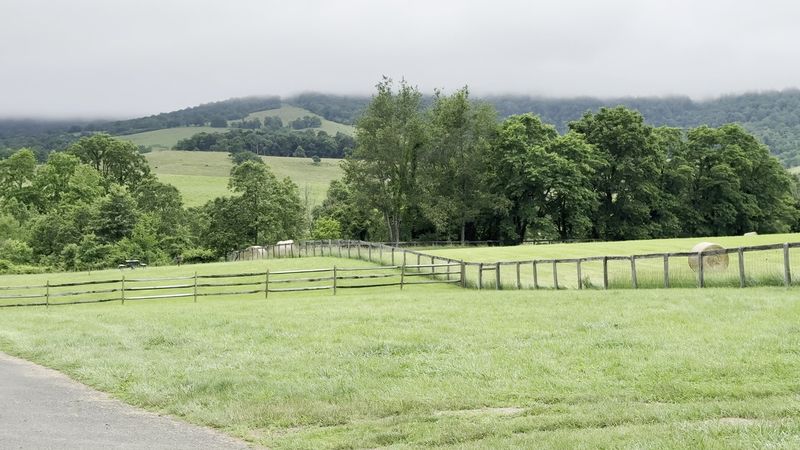
Cows show up in visitor comments again and again, and it is easy to see why. Cattle graze in the pastures, so a hike can include a few curious neighbors.
Give them space and keep dogs on a leash. Staying calm and walking past slowly works best.
The animals fit the working farm setting that the park preserves. They also make for good photos, with the Blue Ridge rising behind them.
Kids tend to love this part. Younger hikers often count how many cows they spot before the trail even bends into the woods.
Stargazing Under Dark Skies
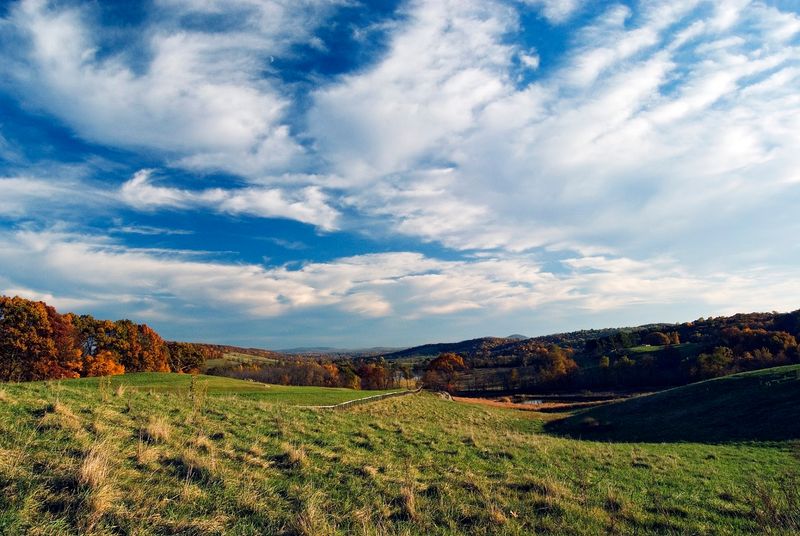
Daytime is only half the story. After sunset the park turns into a favorite spot for stargazing, thanks to low light pollution and wide-open horizons.
The park has been recognized as a dark sky location, and visitors talk about how many stars they can see.
Watch the schedule for Astronomy Night programs, which families attend together. Bring a red flashlight, warm layers, and a blanket for the grass.
Give your eyes about twenty minutes to adjust. The sky slowly fills in, and the faint stars appear last.
Appalachian Trail Crossing
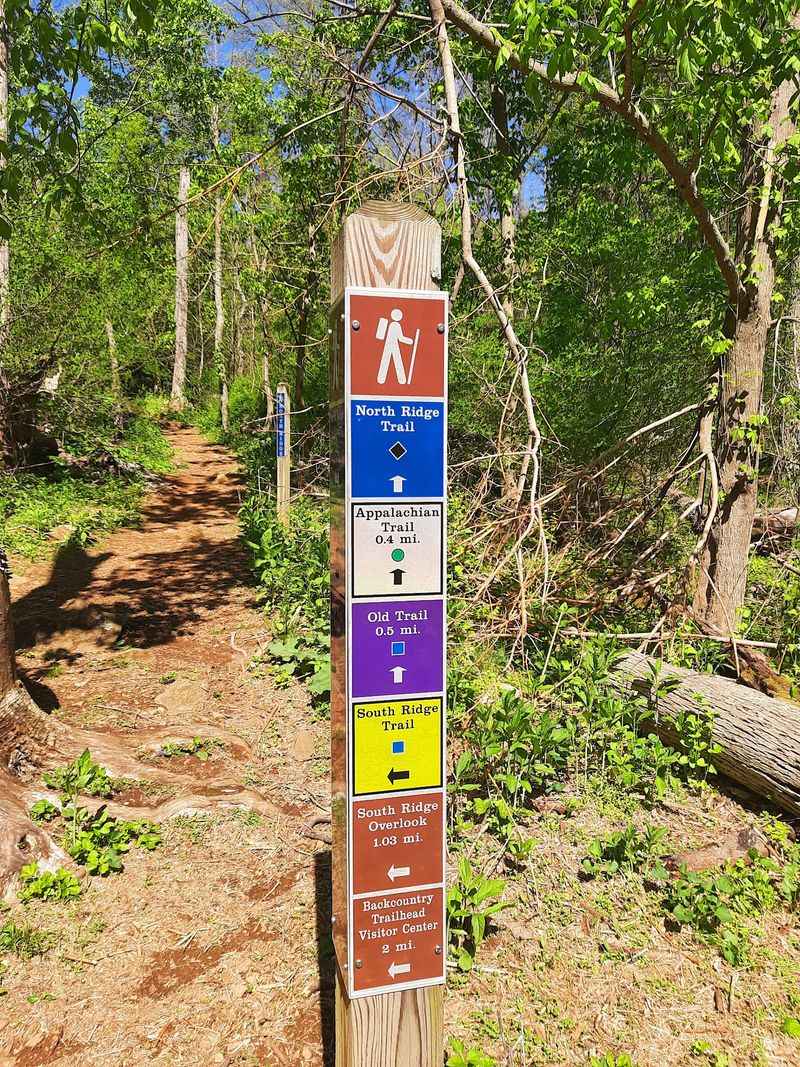
Here is a fun bragging right. The famous Appalachian Trail passes through the park, and hikers on certain routes cross it for a stretch.
The white blazes on the trees mark the way. It does not take long to walk that section, but the moment still feels special.
Some visitors choose longer loops, with around seven to nine miles being common, to connect more of the paths. Others stick with shorter walks and still get the view.
Look near a junction between old and new trails for a small memorial spot where hikers leave notes in remembrance of a woman named Helen.
Easy Trails for Beginners
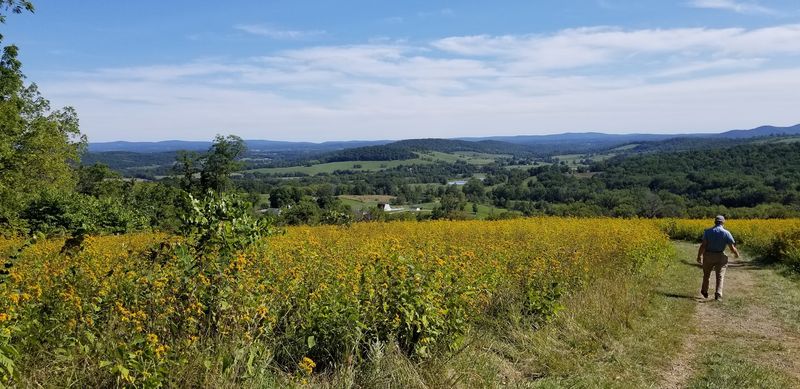
A tough climb is not required to enjoy this place. Many trails are flat and manageable, and some visitors with mobility challenges say they can still enjoy plenty of the park.
The Hadow Trail sits next to the Children’s Discovery Area, which makes a gentle loop for families with young kids.
Dogs are welcome on leash, and many people bring them along for the walk.
Grab a trail map at the visitor center. It shows which routes are longer or steeper, so you can pick the right one before you leave the parking lot.
Children’s Discovery Area and Junior Rangers
Kids get their own corner of the park. The Children’s Discovery Area gives young visitors a place to play and explore before or after a hike.
The visitor center and gift shop hold small exhibits, plus Junior Ranger books for children to complete. Finished books can be turned in at the shop.
There is also a LOVE sign near the parking lot, which is a popular photo stop.
Picnic tables make it easy to eat lunch between activities. Bring snacks, because the day tends to stretch longer than planned.
Ranger Programs and Animal Feeding
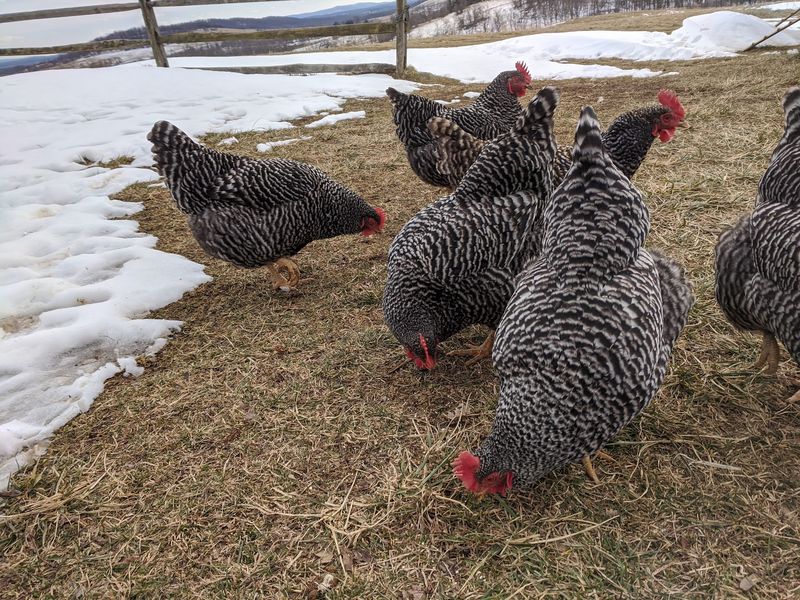
Check the events calendar before you go. The park hosts programs such as animal feedings, where visitors meet chickens and goats up close.
Evening twilight hikes last about an hour and a half, with several stops that explain birds, animals, and their habitats.
Rangers mix science with local history, and they explain trail options clearly. Weekend events can include historical reenactments in the fall.
Programs change with the season, so look at the schedule online. Arriving a little early gives you time to park and find the meeting spot.
Three Sections to Explore
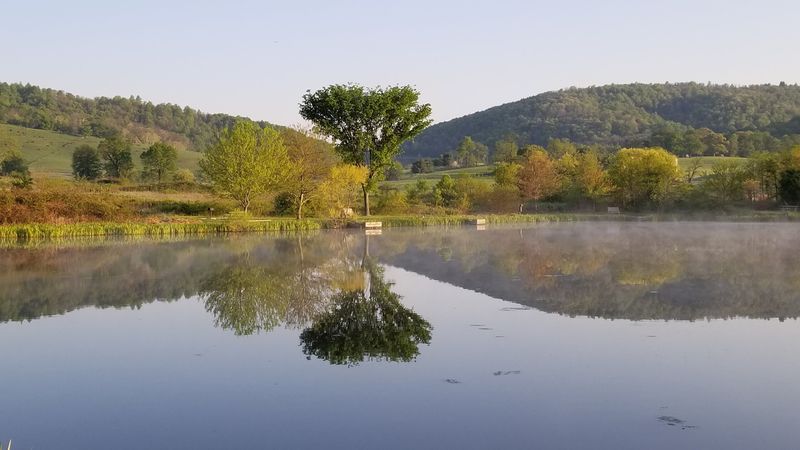
The park is not just one parking lot. It has separate areas, including the main section, a pond area, and Lost Mountain.
Some trails begin at a different trailhead down the road from the visitor center, with its own parking.
Visitors who have only a short window sometimes try a quick peek at all three. A rolling storm can shorten the plan, so keep an eye on the sky.
Choose one area if you want a slower day. The variety here means a second visit will feel different from the first.
Wildlife and Pollinator Gardens
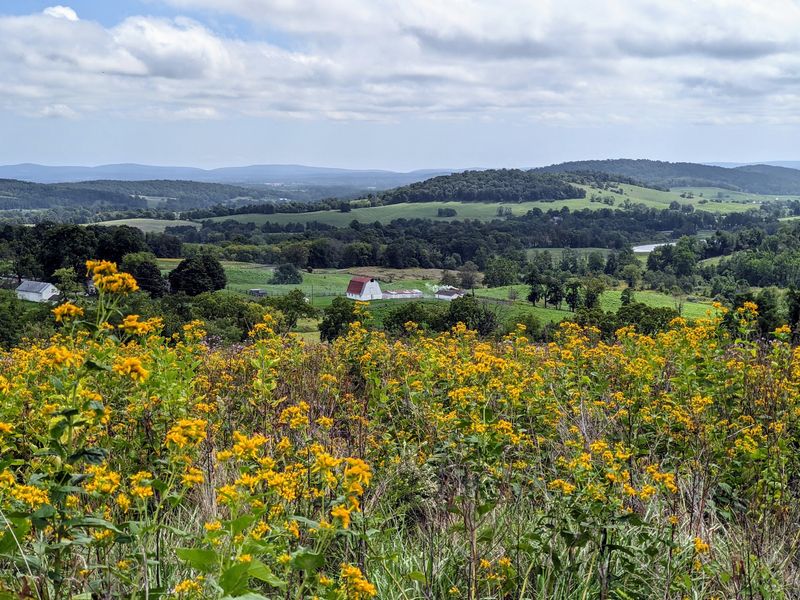
Birdwatchers have a good reason to bring binoculars. Visitors report new sightings each trip, including the bright Scarlet Tanager.
The park also works on pollinator restoration and has a sensory garden. Butterflies and bees move through the flowers in warm months.
Late summer and early fall bring yellow crownbeard and goldenrod, which line some trails in gold. Blackberry lilies add color earlier in the season.
Visit in mid November and ticks are less of a worry. In warmer months, check your clothes after the hike.
Backcountry Camping Basics
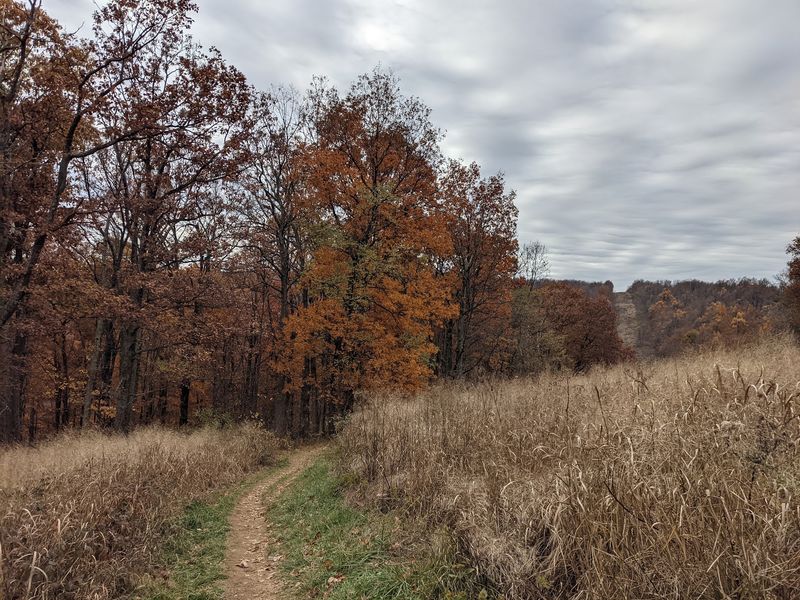
Camping here is primitive by design. The campground sits about a mile from the parking area, so you carry everything in.
Campers mention a bear box, on-site firewood, and pit toilets. The water pump provides non-potable water, so filter, disinfect, or boil it first.
Beginners often like it as a first backpacking trip because the hike is short. Midweek stays tend to be quiet, and you might hear coyotes at night.
Read the park website details before booking so you know what to expect. Pack light and bring your own drinking water for peace of mind.
Share this story