
Rockford, Illinois holds a special distinction that many families don’t know about. The Discovery Center Museum features America’s first community-built outdoor science park, a remarkable achievement that combines hands-on learning with fresh air and physical activity.
With a stellar 4.8-star rating from over 2,200 reviews, this isn’t just another children’s museum but a place where science comes alive through interactive exhibits, creative play spaces, and an incredible outdoor playground that keeps kids engaged for hours.
The Historic Outdoor Science Park That Started It All
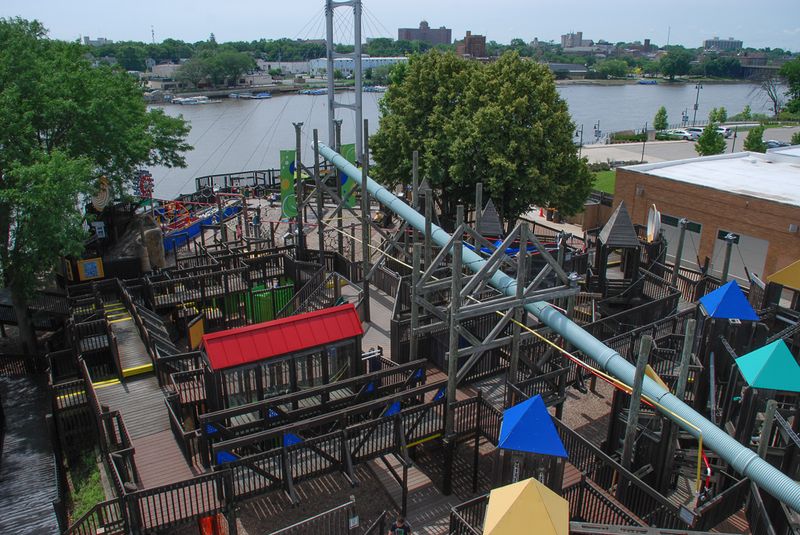
America’s first community-built outdoor science park isn’t just a title. This groundbreaking space along the Rock River represents hundreds of volunteers who came together to create something extraordinary for their city’s children.
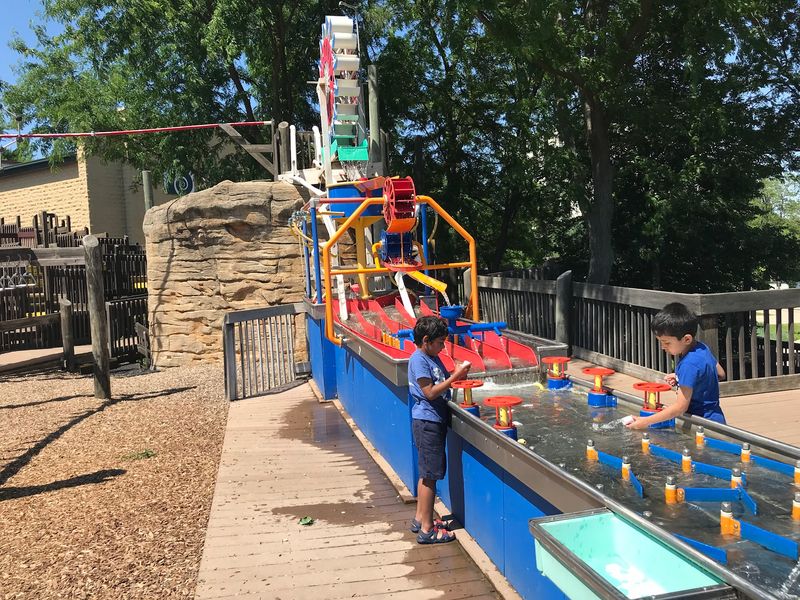
The massive wooden play structure towers over the landscape, inviting kids to climb, explore, and discover scientific principles while burning energy outdoors.
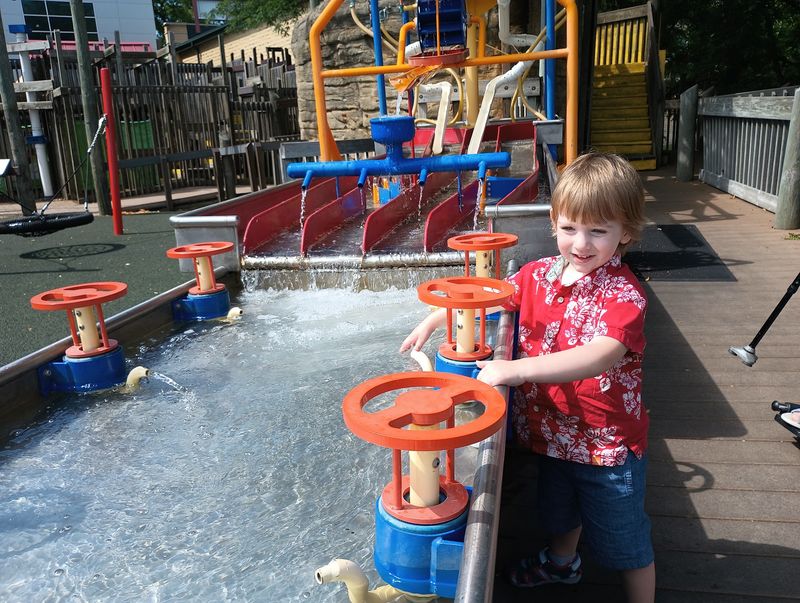
Families can easily spend hours in this space alone. The park features multiple zones including sand pits perfect for digging and construction play, rock areas that teach geology concepts, and interactive stations demonstrating physics through play.
Parents appreciate the thoughtful design that keeps little ones engaged while older siblings find challenges too.
Reviews consistently mention this outdoor area as a highlight of visits. One family noted spending their entire visit outside, captivated by the variety of activities available.
The location along the lake adds natural beauty to the educational experience, creating a setting where learning feels like pure adventure rather than instruction.
Two Floors of Interactive STEM Exhibits
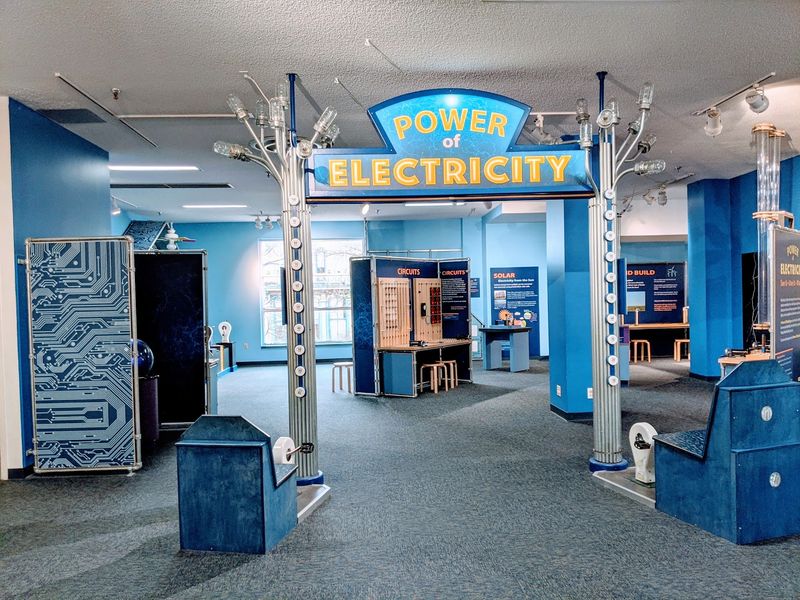
Walking through the Discovery Center reveals a carefully planned layout that maximizes learning opportunities. The first floor caters primarily to younger children with age-appropriate activities that introduce basic scientific concepts through play.
Upstairs, older kids discover more complex exhibits covering electricity, mechanics, bubbles, viscosity, and other fascinating topics that challenge their growing minds.
Grandparents rave about the thoughtful amenities scattered throughout both levels. Benches positioned between exhibits provide rest spots for tired adults while maintaining clear sightlines to watch children explore.
An elevator ensures accessibility for visitors using mobility aids or pushing strollers, making this truly a museum for everyone.
The variety keeps families coming back repeatedly. One reviewer mentioned their kids spending five hours exploring without getting bored, a testament to the depth of offerings.
From water tables to construction zones, farm exhibits to maker spaces, each area sparks curiosity differently. The hands-on approach means children learn scientific principles without realizing they’re being educated, making knowledge stick through experience rather than lecture.
Special Thematic Areas That Bring Concepts to Life
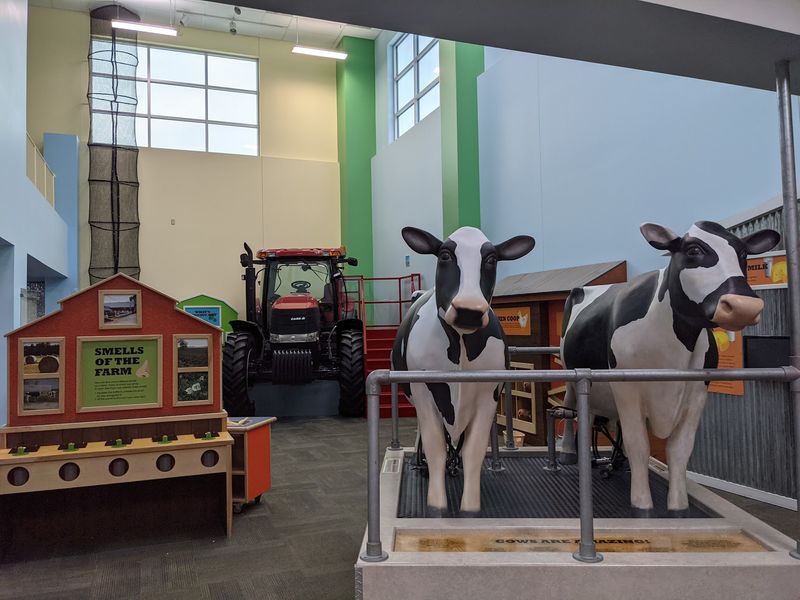
Thematic organization makes complex subjects approachable for young minds. The agriculture area lets kids understand where food comes from through tactile experiences.
Medical field exhibits allow children to play doctor while learning about human health. An auto mechanics zone introduces engineering concepts through car-related activities that fascinate budding mechanics.
Each themed space offers multiple layers of engagement. Younger children might enjoy simple cause-and-effect activities while older siblings tackle more sophisticated challenges in the same area.
This multi-age appeal means families with children of varying ages can stay together rather than splitting up to find appropriate activities.
The museum regularly rotates exhibits to maintain freshness. Visitors from Madison, Wisconsin drive over an hour specifically because new installations keep appearing, giving them reasons to return beyond their membership benefits.
A recent nature and personal growth exhibit received particular praise for its innovative approach to teaching life skills alongside scientific concepts, demonstrating the museum’s commitment to holistic child development rather than pure academics.
Dedicated Spaces for the Littlest Learners
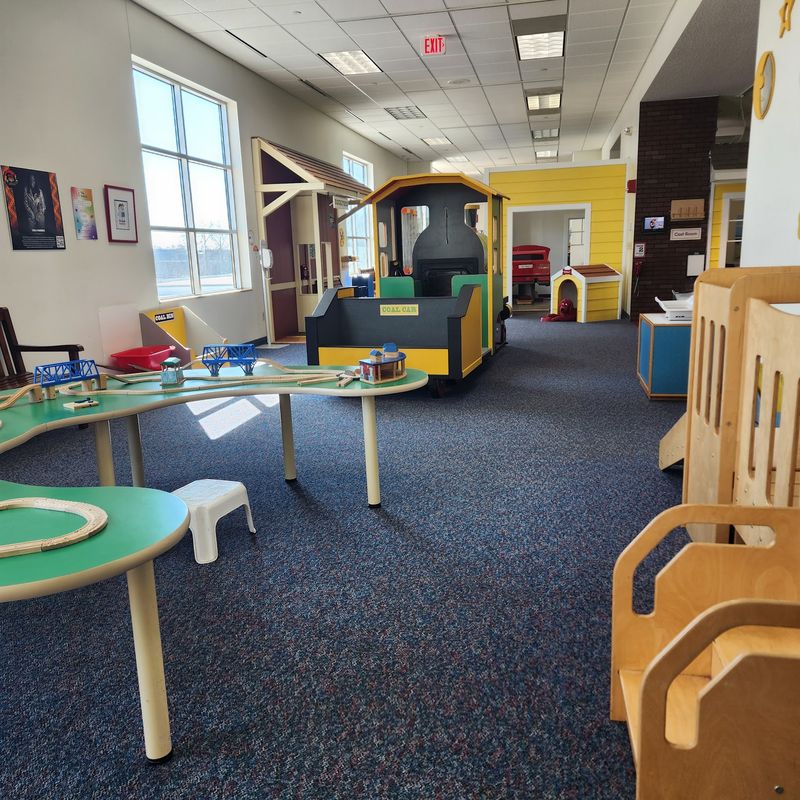
Parents of toddlers face unique challenges at museums designed for broader age ranges. Discovery Center solves this problem with a dedicated gated area specifically for the youngest visitors.
This enclosed space provides peace of mind for parents while giving toddlers freedom to explore without older children accidentally overwhelming them during active play.
The toddler zone features age-appropriate activities scaled to tiny hands and developing motor skills. Soft surfaces, smaller climbing structures, and sensory experiences cater to developmental needs of children still mastering basic physical coordination.
Multiple reviewers with three and four-year-olds specifically mentioned this area as a favorite, noting their little ones felt confident and capable in the protected environment.
Beyond physical safety, the psychological benefit matters tremendously. Toddlers can set their own pace without pressure from bigger kids rushing through activities.
Parents can relax on nearby seating, actually enjoying watching their children play rather than hovering anxiously. This thoughtful design element demonstrates the museum’s understanding of family dynamics and varying developmental stages among young children.
Sensory-Friendly Features for All Abilities
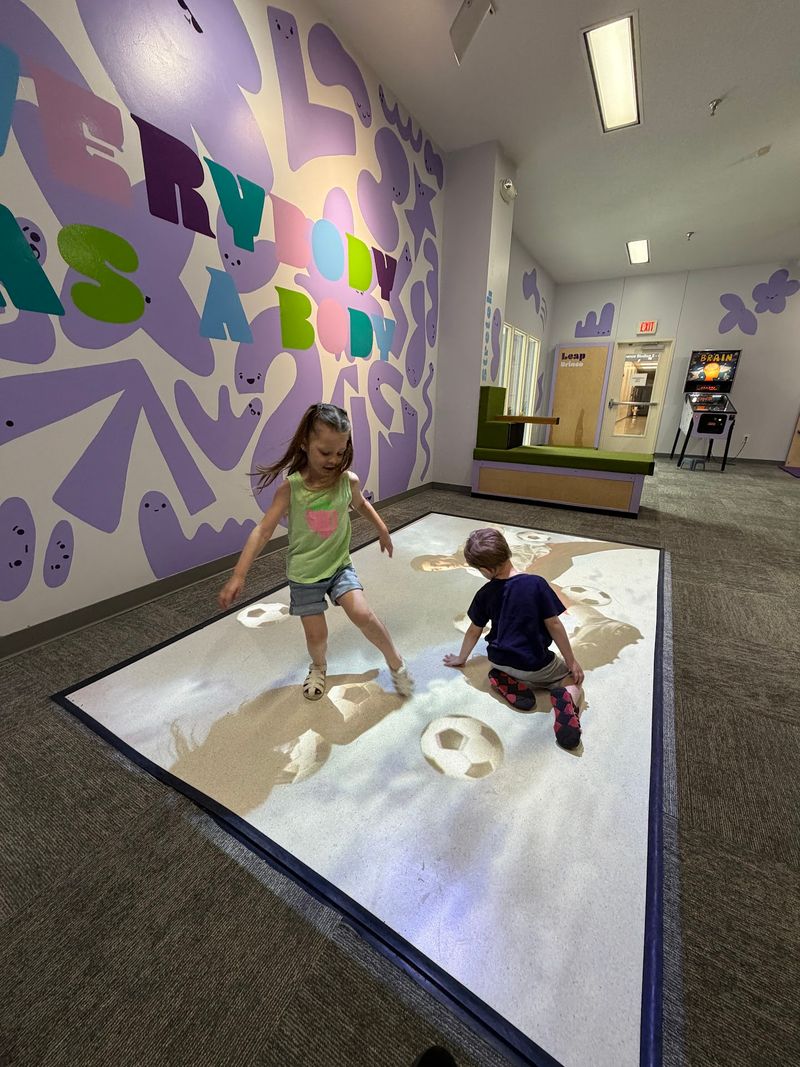
Recognizing that not all children process sensory input the same way shows remarkable awareness. The Discovery Center includes a dedicated calming room upstairs where kids experiencing sensory overload can decompress.
This quiet space provides refuge when the museum’s stimulating environment becomes too much, allowing families to regulate without leaving entirely.
Wheelchair accessibility extends throughout the facility. The elevator mentioned in reviews isn’t just convenient but essential for inclusive access.
Wide pathways between exhibits accommodate mobility devices comfortably. Parents using canes, grandparents with walkers, and visitors in wheelchairs can navigate the entire museum without barriers or frustration.
These accommodations transform the museum from merely fun to genuinely welcoming for diverse abilities. Families dealing with autism spectrum disorders, sensory processing challenges, or physical disabilities often struggle finding appropriate recreational spaces.
Discovery Center’s intentional design choices communicate that every child deserves enriching educational experiences regardless of their individual needs. One reviewer specifically called out these features as reasons they felt comfortable bringing their family, knowing accommodation existed if needed during their visit.
Creative Art Spaces That Balance Science Learning

Science museums sometimes overlook artistic expression, but Discovery Center understands creativity fuels innovation. The dedicated art area provides materials and space for open-ended creative projects.
Children can transition from structured scientific exhibits to freeform artistic exploration, engaging different parts of their brains and learning styles.
This balance matters more than parents might initially realize. Some kids process information better through visual arts than hands-on science experiments.
Others need breaks from directed activities to simply create without rules or objectives. The art space serves both purposes, offering another avenue for self-expression and learning.
Combining art with science also reflects real-world innovation. Engineers sketch designs, scientists illustrate findings, and inventors prototype ideas through drawing.
By providing both scientific and artistic opportunities under one roof, the museum subtly teaches that these disciplines complement rather than oppose each other. Kids leave understanding that creativity and analytical thinking work together, a lesson that serves them well beyond childhood into whatever careers they eventually pursue.
Membership Value That Keeps Families Coming Back
At twelve dollars per person for single visits, costs add up quickly for families. The museum actively encourages membership as a solution, with staff and reviewers alike praising the value.
Multiple families mentioned purchasing memberships after initial visits, recognizing they’d return frequently enough to justify the investment.
Lower-income families receive special consideration. One reviewer specifically recommended membership for budget-conscious parents, suggesting the museum offers sliding scale or assistance programs.
This approach ensures financial constraints don’t prevent children from accessing educational enrichment, embodying community values beyond profit motives.
Membership extends beyond Rockford through reciprocal networks. The Wisconsin family driving from Madison uses their children’s museum membership here, demonstrating interstate partnerships that maximize value for traveling families.
These reciprocal agreements turn single-location memberships into regional passes, encouraging families to explore multiple educational institutions while supporting the broader network of children’s museums working toward similar missions of accessible, engaging education for young learners regardless of their geographic location or economic circumstances.
Strategic Timing for the Best Experience

Crowd levels dramatically affect museum enjoyment, especially with young children. Experienced visitors recommend weekday mornings or early afternoons for minimal crowds.
This timing particularly benefits families with toddlers or children who become overwhelmed in busy environments. Less competition for popular exhibits means more hands-on time and reduced waiting.
The museum operates Tuesday through Sunday, staying open until 4:30 PM. Closing Mondays allows thorough cleaning and exhibit maintenance without visitor disruption.
Most families report comfortable visit lengths between two to five hours, giving flexibility for different attention spans and energy levels.
Seasonal considerations matter too. The outdoor science park shines during warmer months when extended outdoor play becomes possible.
However, the substantial indoor offerings mean winter visits remain worthwhile, with families simply spending more time on the two interior floors. Smart planning around weather, day of week, and time of day maximizes the experience.
Parents who’ve visited multiple times develop strategies, like arriving right at opening to claim favorite stations or scheduling visits to coincide with new exhibit installations announced on the museum’s website and social media channels.
Convenient Location and Parking Advantages

Located at 711 North Main Street in downtown Rockford, the museum offers straightforward access from major routes. Unlike some urban children’s museums where parking creates headaches, Discovery Center provides ample parking that visitors consistently praise.
The Madison family specifically compared it favorably to their hometown museum’s parking challenges, noting the stress-free arrival and departure.
Easy access matters tremendously when wrangling excited children. Parents juggling strollers, diaper bags, and energetic kids appreciate not circling blocks searching for spots or feeding expensive parking meters.
The museum’s setup allows families to transition smoothly from car to exhibits without the frustration that sometimes precedes visits to urban attractions.
Downtown placement also offers potential for extended family outings. Parents might combine museum visits with lunch at nearby restaurants or quick errands, making the trip serve multiple purposes.
The riverfront location provides scenic views and connects to other Rockford attractions for families wanting full-day adventures. This geographic positioning strengthens the museum’s role as an anchor in Rockford’s family-friendly offerings rather than an isolated destination requiring dedicated trips.
Cleanliness and Safety Standards That Reassure Parents
Multiple reviews emphasize cleanliness, a detail parents notice immediately. Staff members visibly circulate cleaning high-touch surfaces, demonstrating active maintenance rather than end-of-day tidying.
Bathrooms receive particular praise for cleanliness, often a litmus test for overall facility standards. These efforts create environments where parents feel comfortable letting children explore freely.
Pandemic-era protocols introduced reservation systems limiting capacity, a practice some families appreciated for controlled crowd sizes. Even as restrictions eased, the museum maintained high cleaning standards that visitors noticed and valued.
This attention to hygiene extends beyond health concerns to general upkeep, with exhibits functioning properly and spaces remaining organized despite heavy use.
Safety considerations go beyond cleanliness to thoughtful design. The gated toddler area prevents wandering.
Benches positioned strategically allow adult supervision without hovering. Elevator access prevents stroller-carrying on stairs.
These layers of safety consciousness let parents relax enough to enjoy visits alongside their children rather than spending entire trips in high-alert mode. Trust in the facility’s standards transforms outings from stressful obligations into genuinely pleasant family experiences worth repeating regularly.
Share this story