Some TV characters are so well-written and so perfectly performed that they never really leave us. Even years after their shows ended, their names still come up in everyday conversations, Halloween costumes, and internet memes.
From bumbling dads to lovable weirdos, these sitcom legends became part of our shared culture in a way few fictional characters ever do. Here are 15 sitcom characters whose names have become truly unforgettable.
1. Homer Simpson

Few TV characters have made us laugh as hard or as often as Homer Simpson. Since 1989, this lovable, donut-obsessed dad from Springfield has been stumbling through life with the best intentions and the worst results.
He is clumsy, impulsive, and sometimes downright ridiculous, yet somehow always endearing.
Homer works at a nuclear power plant, raises three kids, and somehow keeps his family together despite constant chaos. His famous “D’oh!” has even been added to the Oxford English Dictionary.
That is how culturally significant this animated everyman has become.
What makes Homer so relatable is that he tries. He fails spectacularly, sure, but the effort is always there. “The Simpsons” is the longest-running American animated series and primetime scripted TV show, and Homer is the beating, slightly clogged heart of it all.
2. Mr. Bean
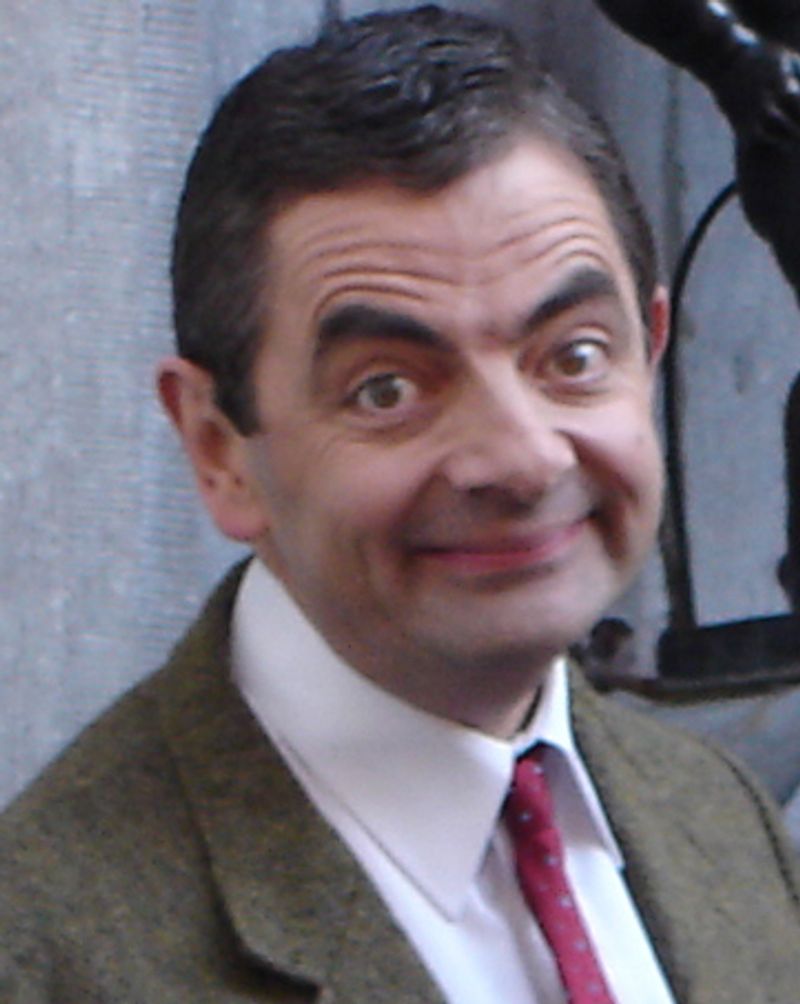
Rowan Atkinson brought Mr. Bean to life in 1990, and the character became a global comedy phenomenon almost instantly. What is remarkable is that Mr. Bean rarely speaks.
His humor comes entirely from physical comedy, bizarre facial expressions, and hilariously bad decision-making in everyday situations.
Whether he is trying to change into his swimsuit on a crowded beach or accidentally destroying a museum exhibit, Bean always manages to make a mess of the simplest tasks. His tiny yellow Mini and his stuffed teddy bear are just as iconic as the man himself.
Mr. Bean has been broadcast in over 200 countries, which speaks to the universal language of physical comedy. You do not need subtitles to understand why this awkward, well-meaning British man is so funny.
His appeal crosses every cultural and language barrier with ease.
3. Rachel Green
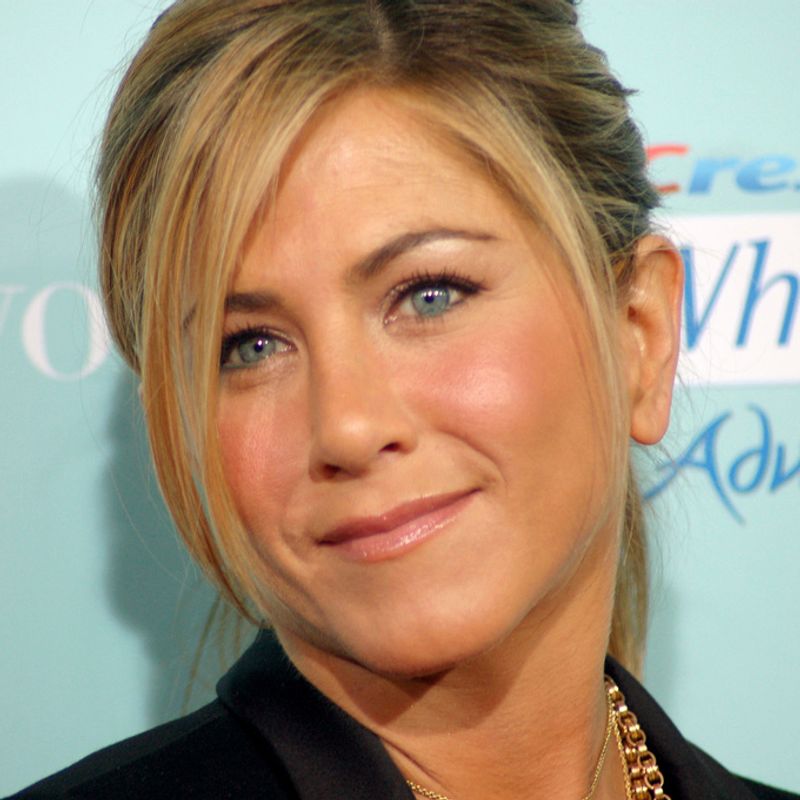
Rachel Green started her “Friends” journey as a spoiled runaway bride and ended it as one of the most beloved TV characters of all time. Her growth over ten seasons, from a girl who had never done her own laundry to a confident fashion executive, felt genuinely earned and deeply satisfying.
Played by Jennifer Aniston, Rachel gave an entire generation of women a style icon. “The Rachel” haircut from the mid-1990s became one of the most requested salon styles in history. That kind of cultural reach is almost unheard of for a fictional character.
Beyond the hair and the fashion, Rachel was funny, warm, and real. Her on-again, off-again romance with Ross Geller kept fans hooked for years.
She proved that a character can grow up on screen and still feel completely authentic throughout the journey.
4. Joey Tribbiani
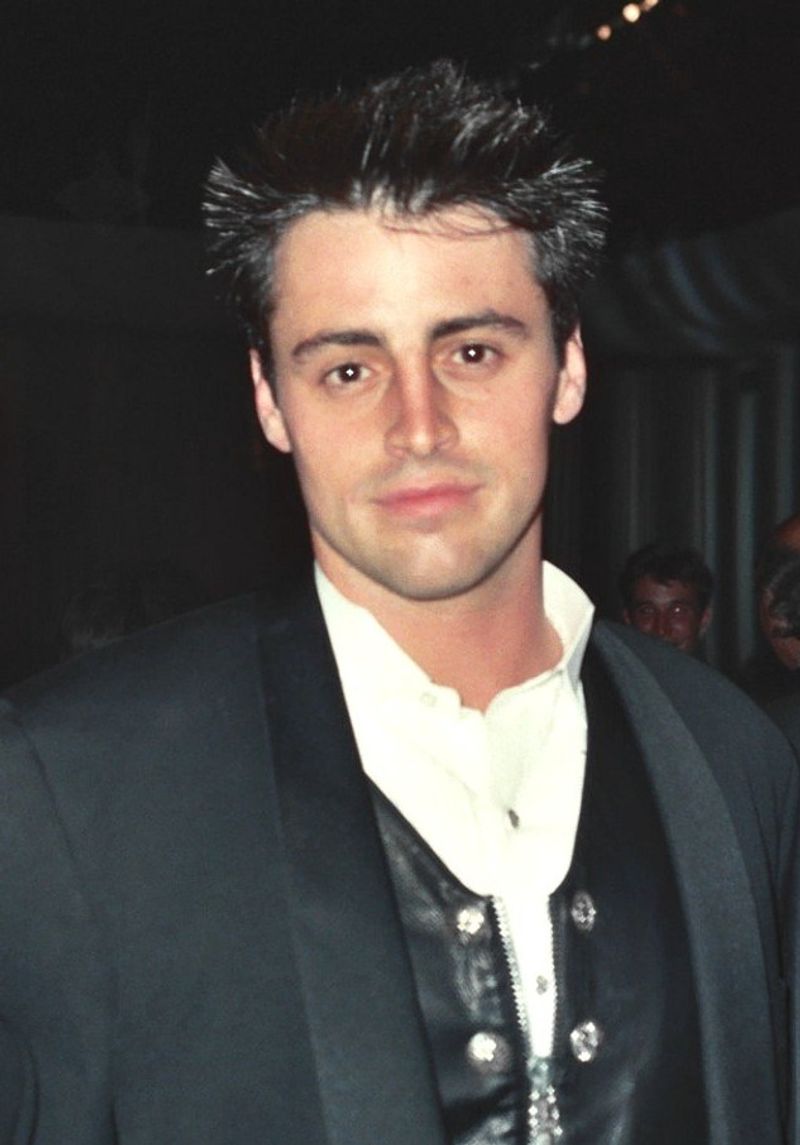
“How you doin’?” Three words. That is all it takes to picture Joey Tribbiani perfectly.
Matt LeBlanc’s portrayal of this lovable, sandwich-obsessed aspiring actor on “Friends” turned what could have been a simple comedic sidekick into one of the show’s most beloved characters.
Joey is not the sharpest person in the group, and the show knows it. But his loyalty, his warmth, and his genuine love for his friends make him impossible not to root for.
He lands the role of Dr. Drake Ramoray on a soap opera and takes his acting career very seriously, even when no one else does.
His relationship with food is practically its own character. “Joey doesn’t share food!” became a fan-favorite quote that still circulates online today. There is something wonderfully uncomplicated about a guy whose biggest priorities are his friends, his food, and his next audition.
5. Sheldon Cooper

Sheldon Cooper redefined what a sitcom genius could look like. Played by Jim Parsons on “The Big Bang Theory,” Sheldon is a theoretical physicist with an eidetic memory, a rigid daily schedule, and absolutely zero patience for social norms.
He is brilliant, socially awkward, and somehow deeply hilarious.
His signature knock, “Knock knock knock, Penny,” became one of the most recognizable running gags in modern TV history. Sheldon has a specific spot on the couch, a rigid bathroom schedule, and a friendship agreement that he makes everyone sign.
The character is exhausting in the best possible way.
Jim Parsons won four Emmy Awards for this role, which says everything about how fully realized Sheldon became as a character. The show ran for 12 seasons and even spawned a prequel series, “Young Sheldon,” proving that one character can carry an entire television universe.
6. Michael Scott
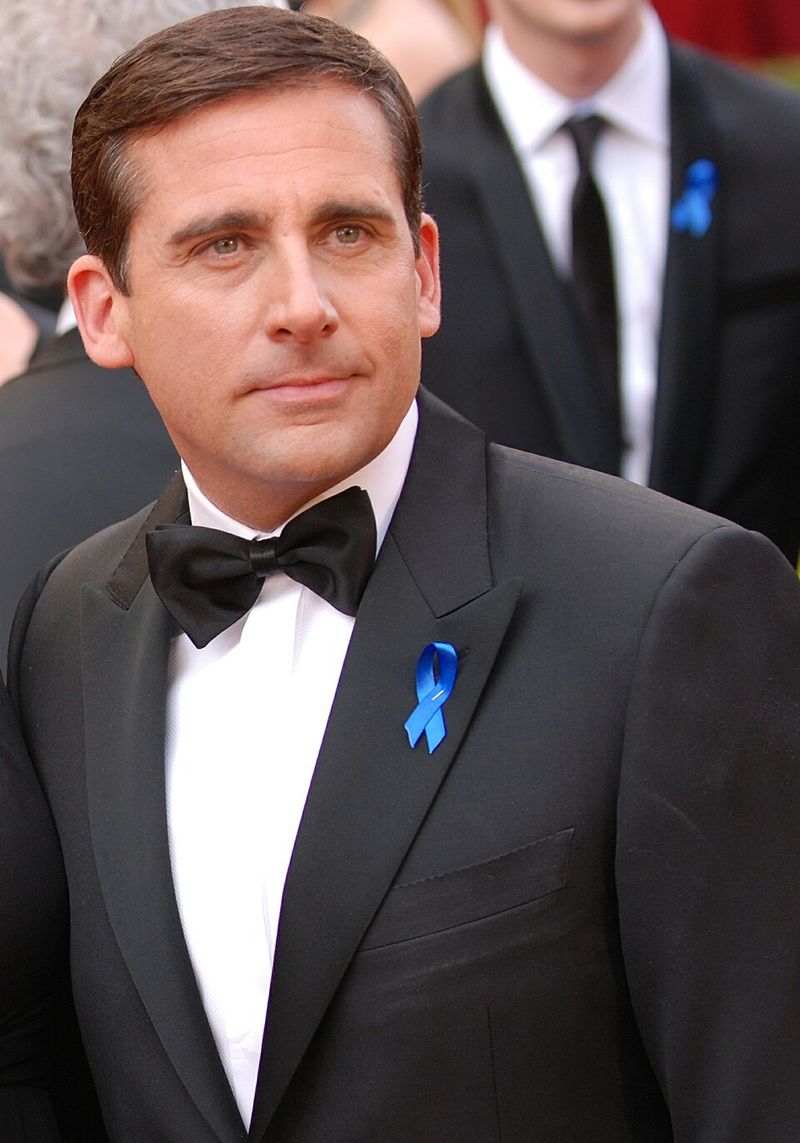
Michael Scott is one of the most uncomfortable characters ever put on television, and that is exactly what makes him so brilliant. Steve Carell played this clueless, desperate-for-approval regional manager on “The Office” with such commitment that you almost forget how genuinely terrible he is at his job.
Michael wants nothing more than to be liked by his employees. He calls himself the “World’s Best Boss,” a mug he bought himself.
His meetings are pointless, his jokes land badly, and his understanding of HR policies is essentially nonexistent.
Yet somehow, over nine seasons, Michael Scott became one of the most quoted characters in TV history. “That’s what she said” became a cultural catchphrase. His farewell episode in Season 7 left fans genuinely emotional.
The character proved that even the most cringe-worthy person can have a real, beating heart underneath all the awkwardness.
7. Chandler Bing
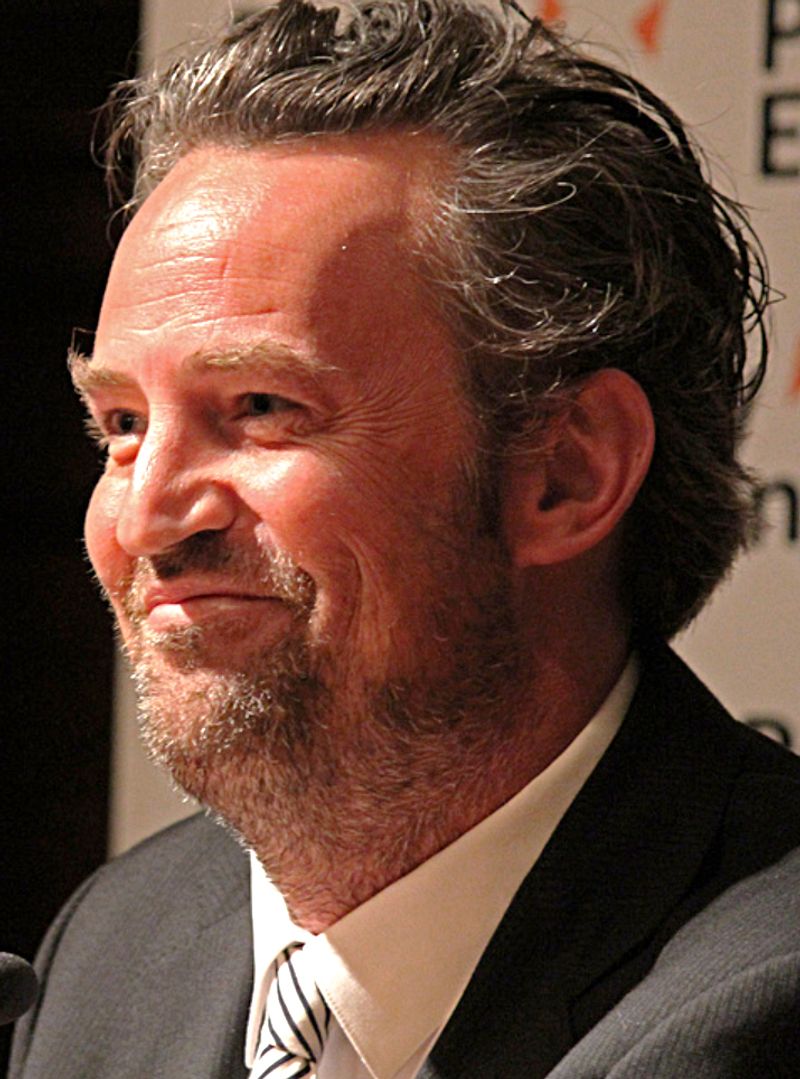
Could Chandler Bing BE any more of a fan favorite? Matthew Perry’s character on “Friends” was the master of self-deprecating humor and awkward sarcasm, and viewers absolutely adored him for it.
Chandler used jokes as a defense mechanism, which made his emotional moments hit even harder when they arrived.
His job was famously mysterious for most of the show’s run. Even his closest friends could never quite explain what he did for a living, a running joke that became one of the series’ most beloved bits.
He worked in statistical analysis and data reconfiguration, for the record.
Chandler’s relationship with Monica gave the show some of its warmest, most grounded storytelling. He went from commitment-phobic joker to devoted husband and father, and the transition felt completely believable.
Matthew Perry passed away in 2023, and the outpouring of grief from fans worldwide showed just how deeply Chandler had touched people.
8. Jerry Seinfeld
Playing a fictionalized version of yourself on television is a tricky move, but Jerry Seinfeld pulled it off brilliantly. On “Seinfeld,” which ran from 1989 to 1998, Jerry played a stand-up comedian navigating the strange, petty, and often hilarious complications of everyday New York City life.
The show was famously described as being “about nothing,” and that was the genius of it. Episodes revolved around parking spots, soup etiquette, and the proper way to eat a candy bar.
Jerry was the calm, observational center of a group of deeply flawed friends.
“Seinfeld” is consistently ranked among the greatest TV shows ever made, and Jerry’s character anchored all of it. His apartment, with the Superman figurine always visible in the background, became one of the most recognizable TV sets in history.
The show changed what a sitcom could be about.
9. George Costanza
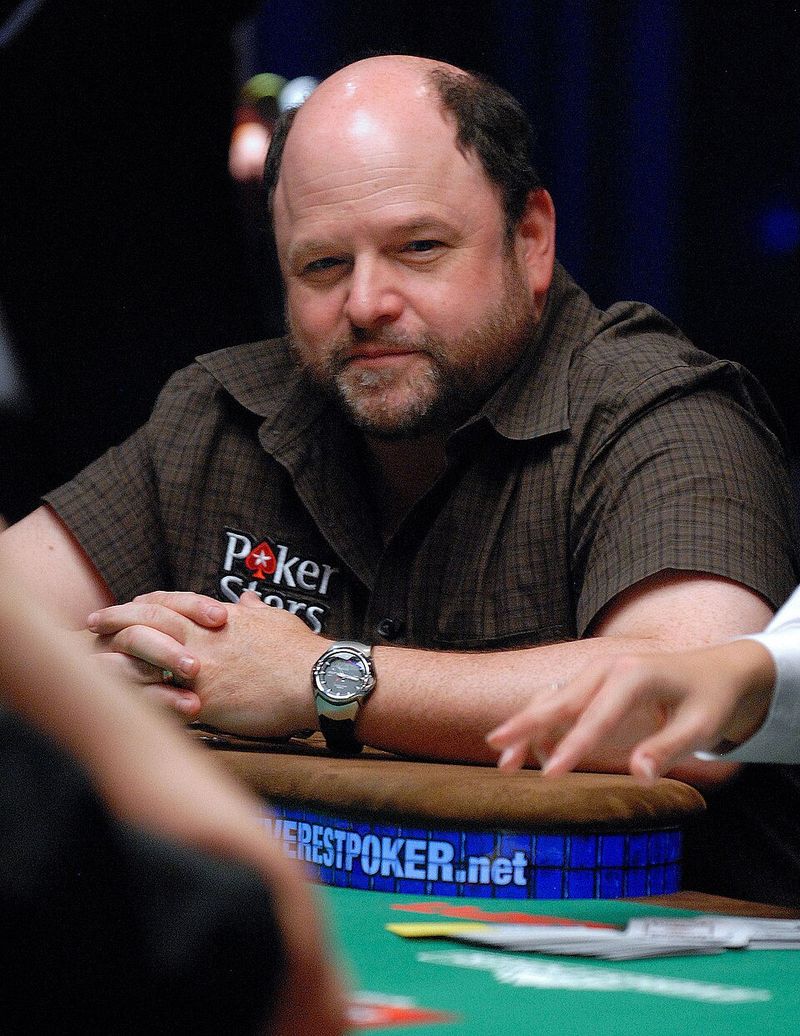
George Costanza is, by nearly every measure, a terrible person. He lies constantly, he is selfish, he panics under pressure, and he has talked himself out of more good situations than most people ever find themselves in.
And yet, Jason Alexander made him one of the funniest characters in TV history.
Based partly on co-creator Larry David, George is the embodiment of neurotic self-sabotage. His relationship disasters, failed careers, and elaborate deceptions formed the backbone of countless “Seinfeld” episodes.
The “Festivus” episode, the marine biologist story, and the famous “opposite” episode are all George classics.
What makes George endure is his honesty. He says out loud the petty, embarrassing thoughts most people keep to themselves.
That raw, uncomfortable truthfulness is what made “Seinfeld” feel so fresh in the 1990s, and it is why George still feels relevant today. He is us, at our worst, and we love him for it.
10. Lucy Ricardo
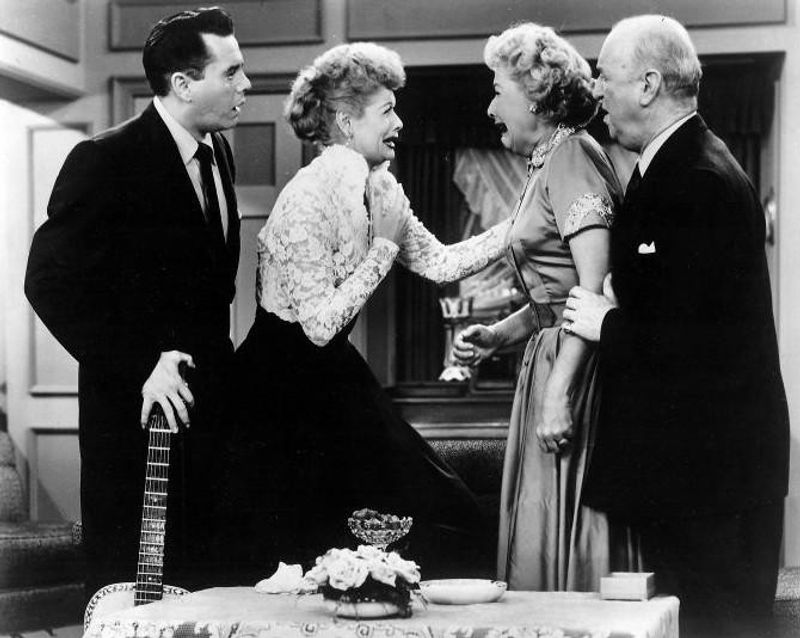
Before there was Rachel or Phoebe or any other beloved TV woman, there was Lucy Ricardo. Lucille Ball’s portrayal of the scheming, endlessly ambitious housewife on “I Love Lucy” set the standard for female comedic characters in television history.
The show premiered in 1951 and never looked back.
Lucy was always hatching some new plan to break into show business, usually with her best friend Ethel by her side. Her schemes almost always collapsed spectacularly, and those collapses were comedy gold.
The chocolate factory episode alone is considered one of the greatest moments in TV history.
Lucille Ball was not just a performer. She was also a producer and a pioneer.
She co-founded Desilu Productions, which later produced both “Star Trek” and “Mission: Impossible.” Lucy Ricardo may be the character, but Lucille Ball was the force behind an entire era of American television.
11. Frasier Crane
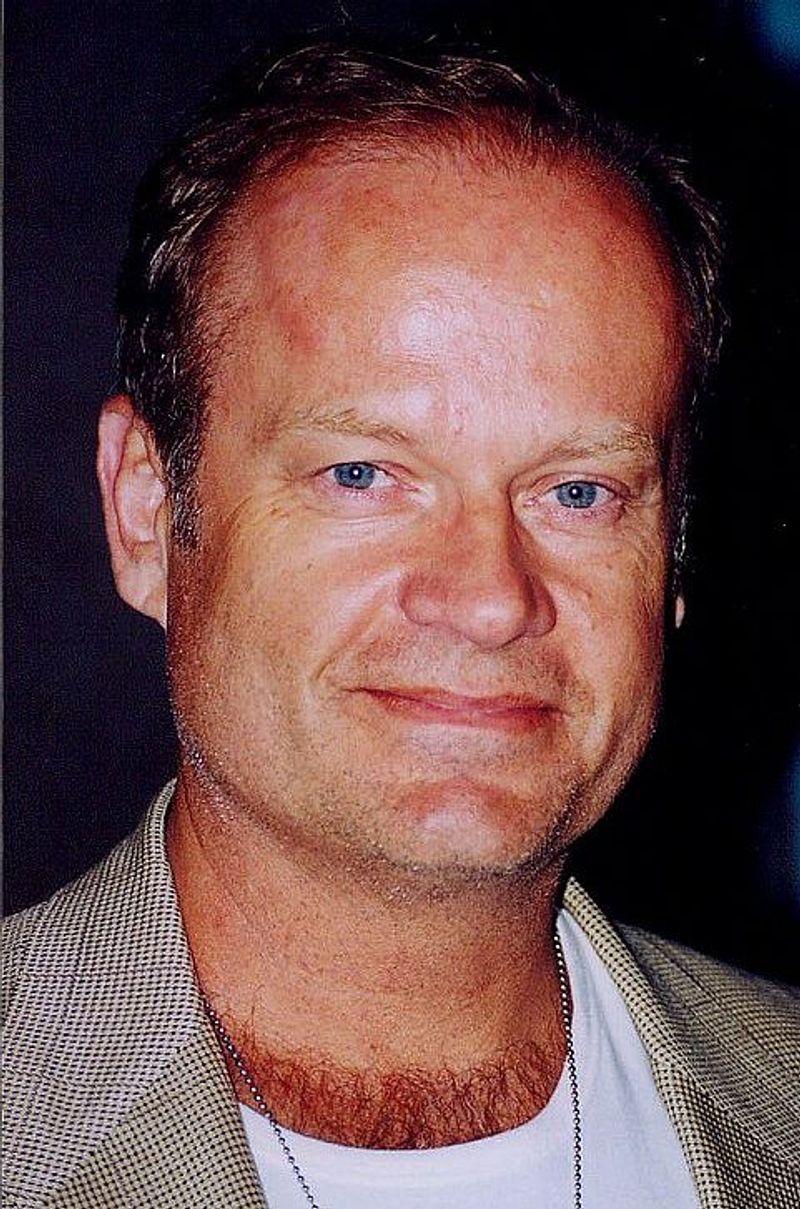
Frasier Crane first appeared as a recurring character on “Cheers” before getting his own spinoff in 1993, and that spinoff ran for 11 seasons and won a record 37 Primetime Emmy Awards. That is not a typo.
Thirty-seven Emmys. Kelsey Grammer’s portrayal of this pompous, well-meaning Seattle psychiatrist is one of the most decorated performances in sitcom history.
Frasier hosts a radio advice show, lives in a stylish apartment with his father and his father’s physical therapist, and constantly clashes with his more grounded brother Niles. The humor often comes from Frasier’s enormous ego bumping up against ordinary life.
What separated “Frasier” from other sitcoms was its sophisticated wit. It referenced opera, fine dining, and classical music, yet never felt elitist.
The warmth of the family relationships kept everything grounded. Frasier Crane proved that a sitcom could be genuinely intelligent and still be wildly popular.
12. Phoebe Buffay

Phoebe Buffay is the wildcard of the “Friends” group, and that is exactly why fans adore her. Lisa Kudrow played this free-spirited, eccentric masseuse with such genuine warmth that Phoebe never felt like a caricature, even when she was singing about her “Smelly Cat” or claiming to channel the spirit of an 82-year-old Belgian woman.
Phoebe had a genuinely difficult backstory. Her mother died by suicide, she was raised on the streets, and she never knew her biological father.
The show balanced these heavy details with her sunny, unshakeable optimism in a way that made her deeply compelling.
“Smelly Cat” became one of the most memorable songs in TV history, which is impressive for a joke song performed on a coffee house stage. Phoebe’s refusal to let the world make her cynical is her defining trait.
She is proof that kindness and weirdness can coexist beautifully.
13. Dwight Schrute
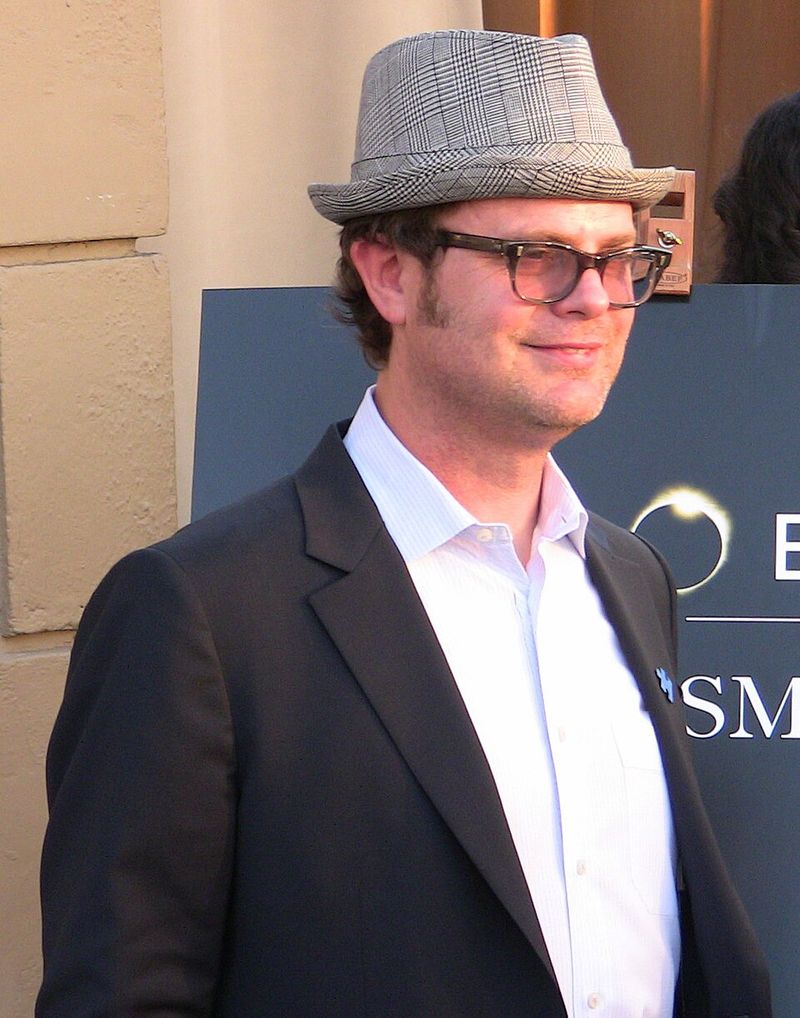
Assistant Regional Manager. Not Assistant TO the Regional Manager.
Dwight Schrute would like you to remember that distinction. Rainn Wilson’s portrayal of this intense, beet-farming, self-defense-obsessed paper salesman on “The Office” turned what could have been a one-note joke into one of television’s most fully realized comic creations.
Dwight is fiercely loyal to Michael Scott, deeply suspicious of everyone else, and absolutely convinced that he is the most capable person in any room. His rivalry with Jim Halpert produced some of the show’s greatest comedic moments, from the stapler-in-Jello prank to elaborate revenge schemes.
What gives Dwight real depth is his genuine competence. He actually is the best salesman at Dunder Mifflin.
His dedication, however misguided, is real. By the series finale, when he finally becomes Regional Manager, it feels genuinely earned.
Dwight Schrute is ridiculous and sincere in equal measure, and that combination is irresistible.
14. Archie Bunker
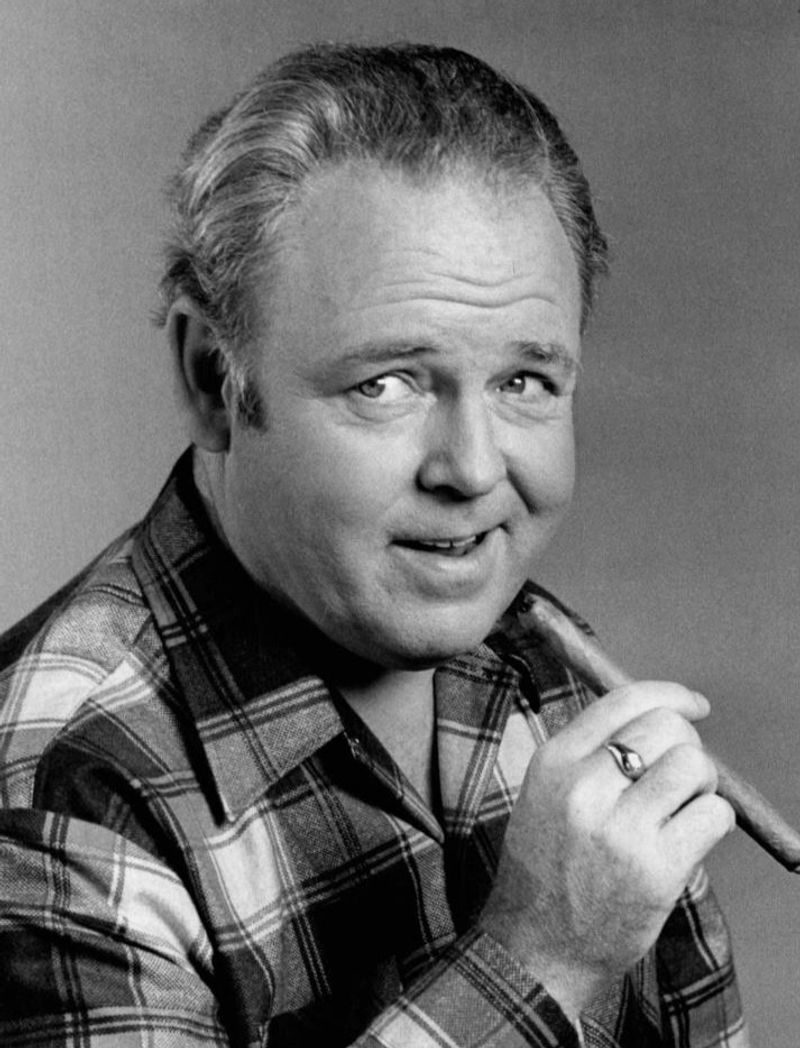
Television in the early 1970s was not ready for Archie Bunker. But “All in the Family” put him on screen anyway, and American TV was never quite the same.
Carroll O’Connor played this blue-collar, loudmouthed, deeply prejudiced Queens dock worker with such skill that the character sparked genuine national conversations about race, gender, and class in America.
The show’s creator, Norman Lear, used Archie’s bigotry not to celebrate it but to expose it to ridicule. Archie was always wrong, always outwitted, and always left looking foolish by the end of an episode.
The humor came at Archie’s expense, not at the expense of the groups he targeted.
Archie Bunker became a cultural landmark because he was honest about an ugliness that TV had previously ignored. His armchair is now in the Smithsonian Institution.
Few sitcom props have earned that kind of recognition, and few characters have mattered as much to American culture.
15. Fonzie
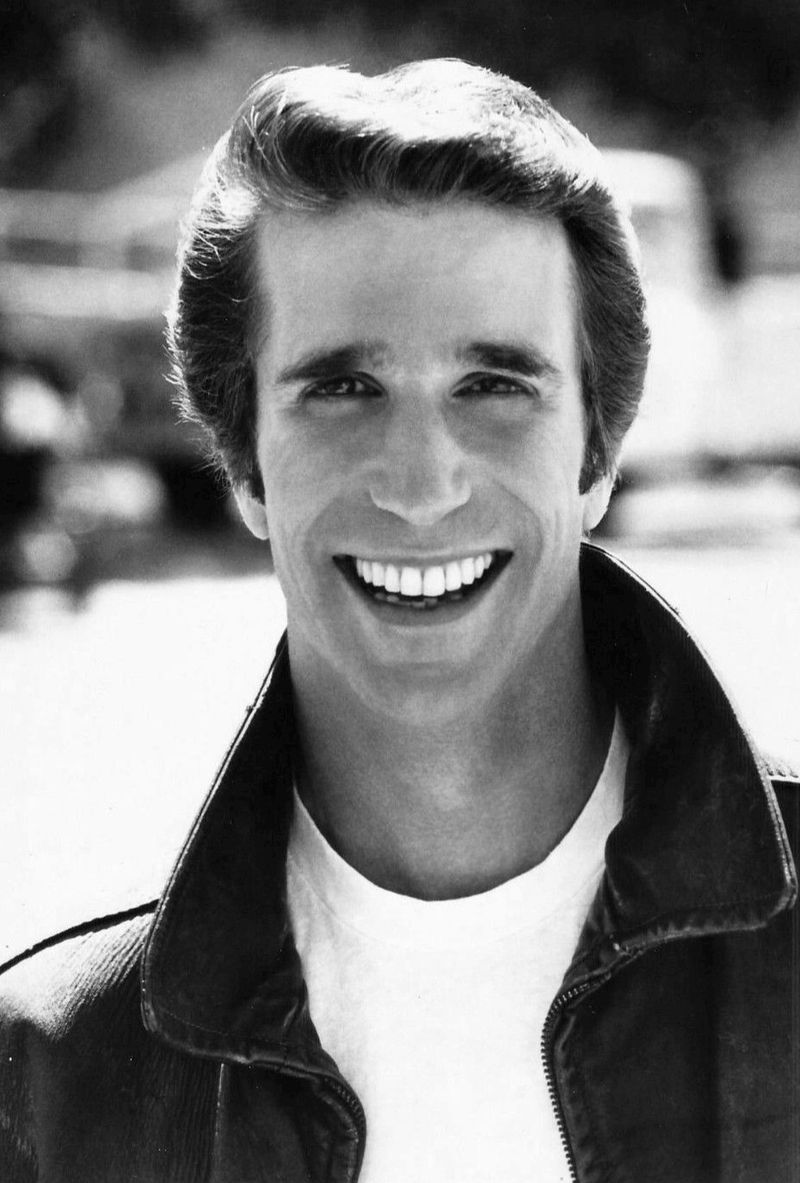
“Ayyyyy!” One syllable, two thumbs up, and an entire generation was sold. Arthur “Fonzie” Fonzarelli from “Happy Days” became one of the defining pop culture figures of the 1970s, even though the show itself was set in the 1950s.
Henry Winkler played this cool, leather-jacketed mechanic with a charisma that completely took over the series.
Fonzie started as a supporting character but became so popular that he was eventually promoted to co-lead. He could fix a jukebox with a single punch, attract any woman in the room, and settle any dispute with a look.
He was the coolest person in any scene he entered.
His leather jacket is now displayed at the Smithsonian Institution, right alongside Archie Bunker’s chair. That is a remarkable legacy for a character who began as a minor role.
Fonzie proved that a secondary character, given the right performer, can become the face of an entire era.
Share this story