There is a place in Arkansas where the ground itself exhales warmth, where water that fell as rain over 4,000 years ago rises back up through ancient rock, steaming and mineral-rich, right in the middle of a living, breathing city. That detail alone stopped me in my tracks the first time I read about it.
Hot Springs National Park is unlike any other national park in the United States, and once you understand what makes it so unusual, you will want to pack your bags immediately. The park sits woven into downtown Hot Springs, Arkansas, so you can grab lunch on a bustling street and then fill a jug directly from a thermal fountain on the sidewalk minutes later.
Grand bathhouses built in the early 1900s line a historic row, mountain trails cut through dense oak forests, and steaming cascades pour down open hillsides in plain sight. Keep reading, because what this park offers goes far deeper than hot water.
America’s First Federal Reservation and Its Remarkable Downtown Setting
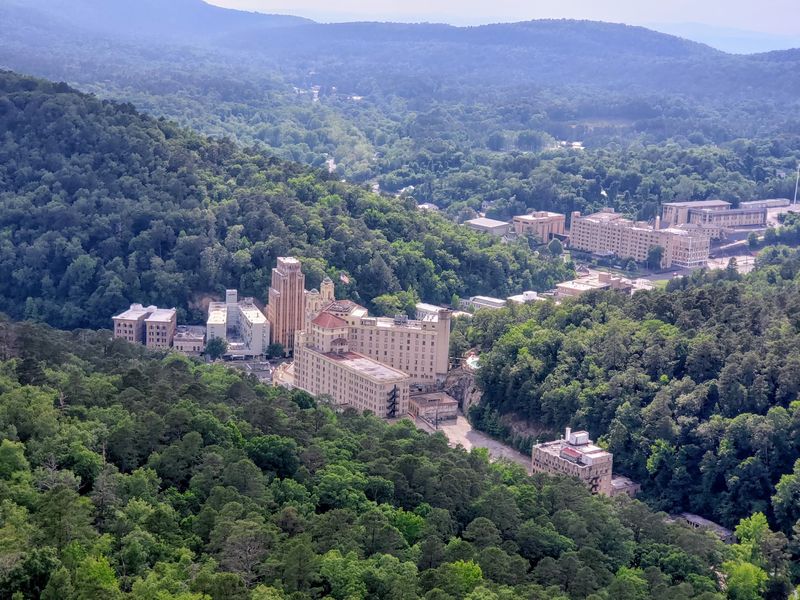
Most national parks greet you with a gate and a long road into the wilderness. Hot Springs National Park hands you a city street instead, and that contrast is genuinely thrilling.
The park is centered at 369 Central Avenue, Hot Springs, AR 71901, where the Fordyce Bathhouse serves as the main Visitor Center. The park sprawls across the forested ridges of the Zigzag Mountains, a sub-range of the Ouachita Mountains, yet its front door opens directly onto a downtown block lined with shops and restaurants.
Established in 1832 as Hot Springs Reservation, it predates Yellowstone National Park by 40 years, making it America’s first federally protected natural resource. That early foresight came from recognizing how extraordinary the 47 thermal springs bubbling up from the ground truly were.
The park is open daily from 5 AM to 10 PM, and there is no admission fee, which makes it one of the most accessible national parks in the country.
The 4,000-Year Journey That Brings Water to the Surface at 143 Degrees
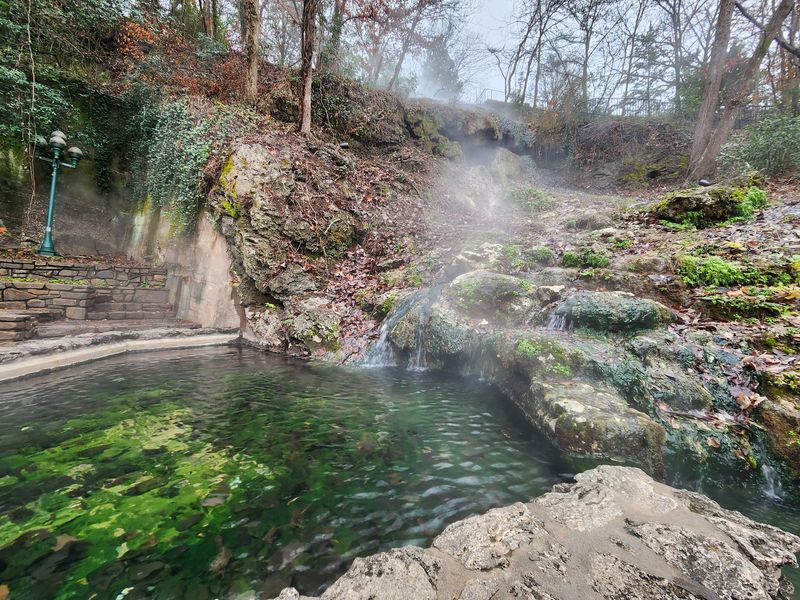
The water you see steaming at Hot Springs National Park did not start its journey yesterday. Every drop began as rainfall roughly 4,000 years ago, during the same era when ancient civilizations were building monuments that still stand today.
After soaking into the earth, the water descends thousands of feet through fractured Hot Springs Sandstone and other ancient rock layers. As it travels deeper, Earth’s natural geothermal gradient heats it steadily, and there is no volcanic hot spot involved.
The process is entirely driven by depth and pressure.
Natural faults and fractures in the Ouachita Mountains then force the superheated water rapidly back toward the surface. By the time it emerges, it arrives at a consistent 143 degrees Fahrenheit, producing the visible steam that gives the park its identity.
The park’s 47 thermal springs collectively deliver around one million gallons of this ancient water every single day, a volume that is hard to wrap your head around until you actually stand next to a cascade and feel the warmth radiating outward.
Bathhouse Row and the Gilded Age Architecture That Still Turns Heads
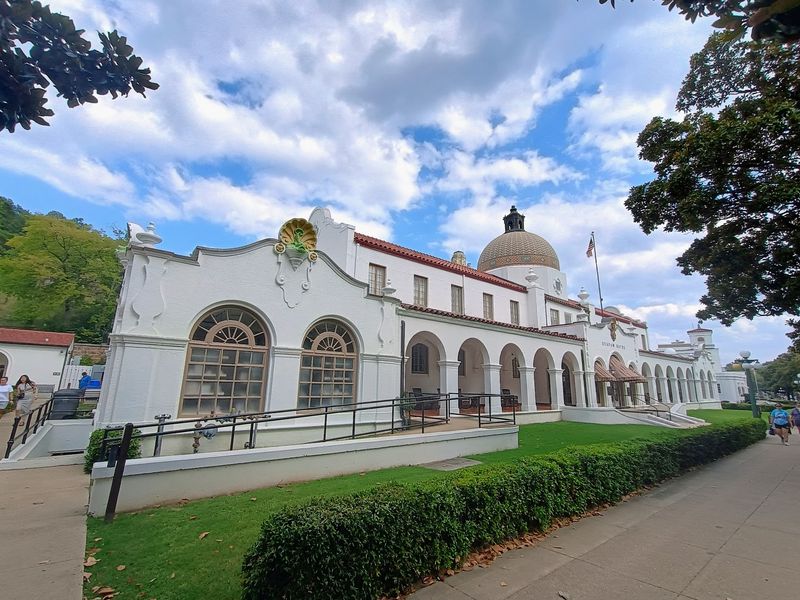
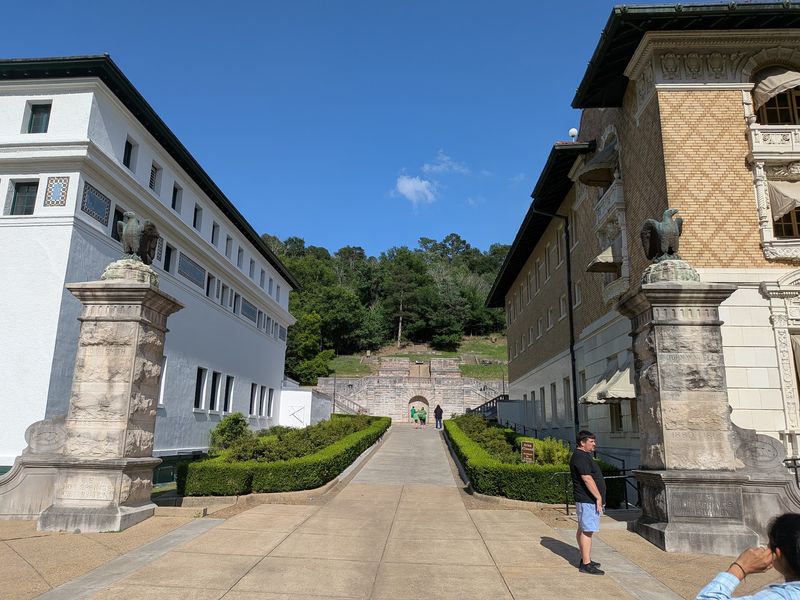
Eight bathhouses built between 1892 and 1923 line the stretch known as Bathhouse Row, and walking past them feels like flipping through an architecture textbook with very good taste.
The buildings range from Spanish Colonial Revival to Neoclassical in style, featuring marble interiors, stained glass windows, and intricate tilework that speak to the ambitions of their era. This was the “Great American Spa” period, when wealthy socialites, baseball legends, and everyday citizens alike made pilgrimages to soak in the thermal waters.
Bathhouse Row was designated a National Historic Landmark District in 1987, preserving not just the buildings but the cultural story they represent. The Fordyce Bathhouse is the crown jewel of the row, now restored and operating as the park’s Visitor Center.
Its three floors and basement contain a gymnasium, therapy rooms, and grand changing areas that visitors can explore freely. The architecture alone is reason enough to spend an afternoon here, even before you factor in the steaming water just outside the front doors.
Soaking in the Thermal Waters at Buckstaff and Quapaw Bathhouses
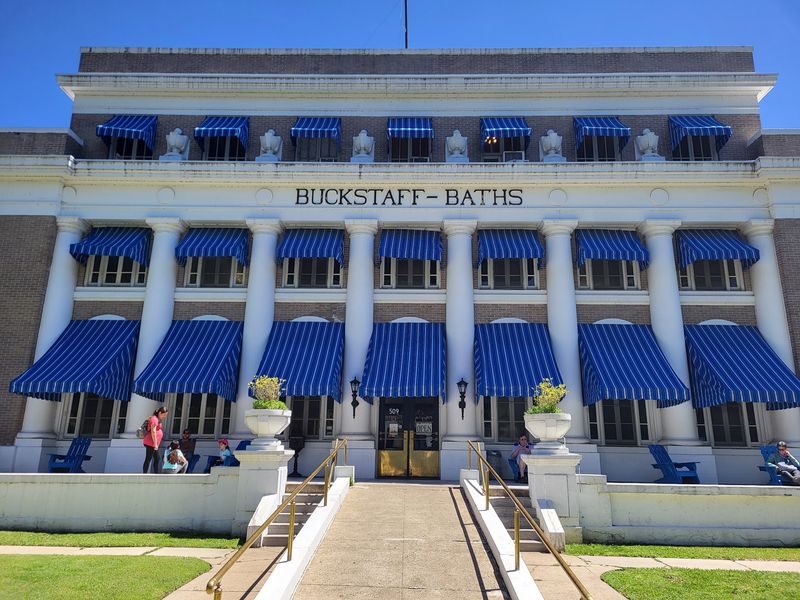
The tradition of soaking in Hot Springs thermal water is centuries old, and two bathhouses on the Row keep that tradition very much alive today.
The Buckstaff Bathhouse, open since 1912, holds the distinction of operating continuously for over a century without a single break. A visit there feels genuinely old-fashioned in the best possible way, with whirlpool mineral baths, hot packs, and a loofah mitt treatment that follows a sequence refined over generations.
Reservations are strongly recommended, especially on weekends.
The Quapaw Bathhouse takes a more contemporary approach, offering Roman-style open thermal pools in four temperature variations, private soaking rooms, and a full menu of massage and spa services. Both options draw from the same ancient thermal source, so the water itself is the constant.
Whether you prefer the vintage ritual at Buckstaff or the modern comfort at Quapaw, emerging from a thermal soak with relaxed muscles and a clear head is a feeling that genuinely justifies the trip on its own.
Free Thermal Water Fountains You Can Fill Your Own Jug From
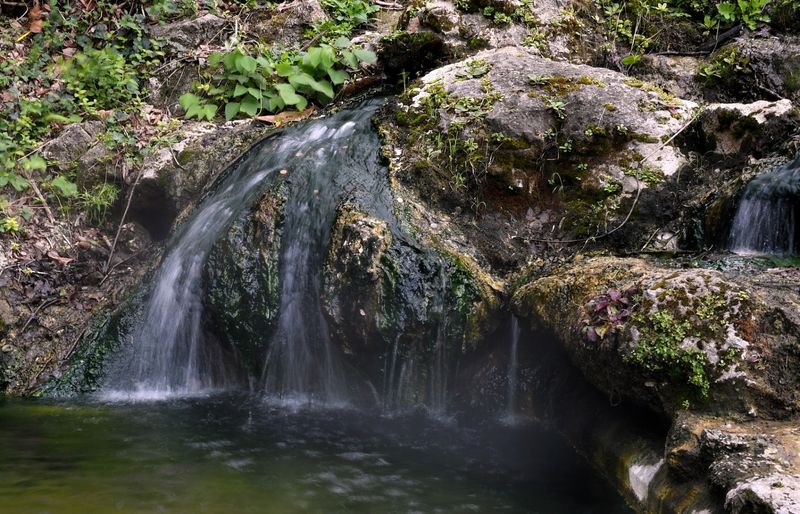
One of the most unexpectedly delightful things about Hot Springs National Park is the row of public water fountains scattered along Bathhouse Row and beyond, where anyone can drink or collect the thermal spring water completely free of charge.
The water emerges at 143 degrees Fahrenheit from the hot spouts, so glass or stainless steel containers are the right call. Bringing plastic jugs to the hot fountain is a mistake you only make once.
However, the Happy Hollow Fountain offers a chilled version of the same spring water, cooled down to a safe temperature for plastic containers and immediate drinking.
The park certifies the water as safe to drink after regular testing by its own water quality laboratory. The mineral content, which includes silica, calcium, bicarbonate, magnesium, and potassium, gives the water a clean, slightly distinct taste that many visitors genuinely enjoy.
Filling up a jug to take home is one of those simple, memorable travel moments that costs nothing and connects you directly to a geological process that has been running for millennia.
The Hot Water Cascade and Display Spring You Can Actually Touch
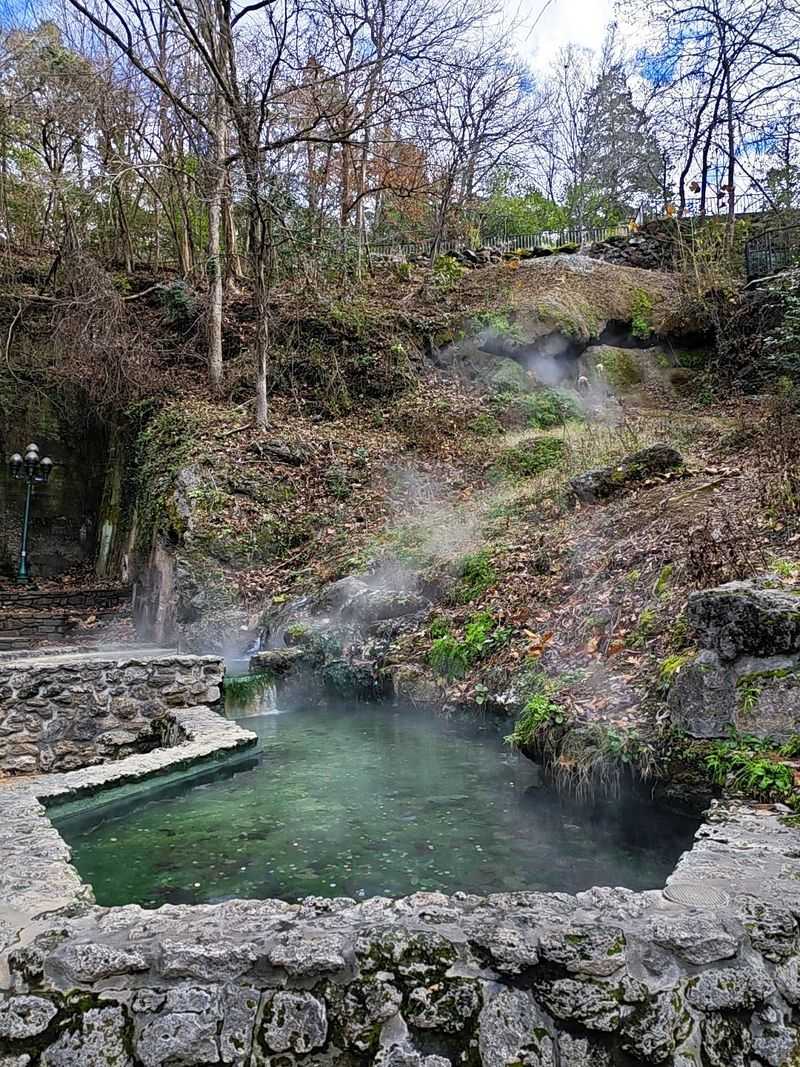
Seeing steam rise from the ground is one thing. Reaching out and touching water that has traveled through the earth for four thousand years is something else entirely, and Hot Springs National Park lets you do exactly that.
The Hot Water Cascade on Arlington Lawn is the largest visible spring in the park, where thermal water pours out of the hillside and tumbles down a steep cliff face into two shallow pools below. The mist it creates on cooler mornings is genuinely dramatic, the kind of scene that makes you stop mid-stride and just stare.
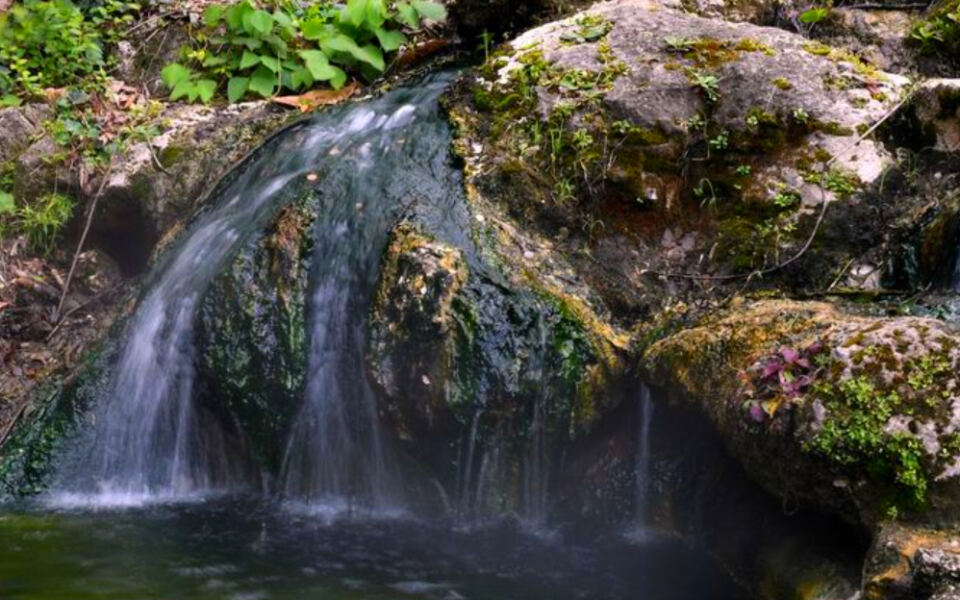
A short distance away, the Display Spring behind the Maurice Bathhouse offers a quieter encounter. Water seeps from a hillside fissure and collects in a shaded pool, edged with mosses and blue-green algae that thrive in the mineral-rich environment.
Both spots allow visitors to touch the water as it cools along its path, and feeling that warmth rising from ancient rock is one of those tactile experiences that no photograph can fully capture. These are the moments the park was made for.
Over 26 Miles of Forest Trails Through the Ouachita Mountains
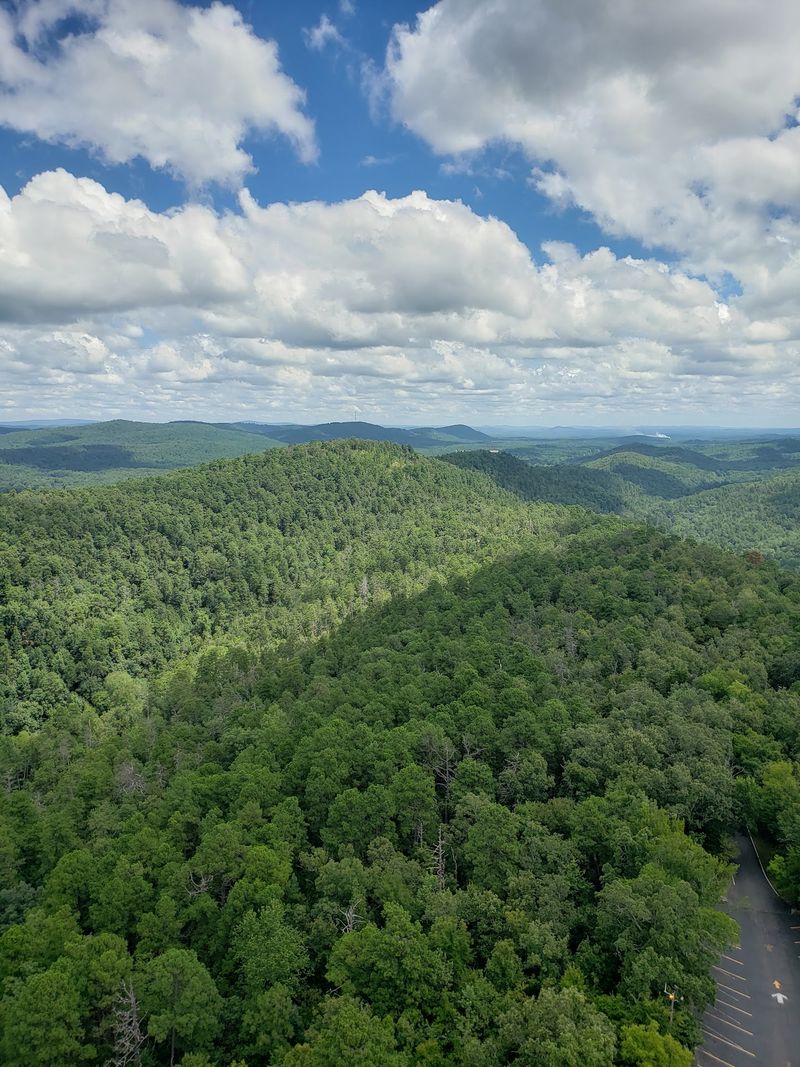
Beyond the historic row of bathhouses, the park opens into a network of over 26 miles of hiking trails that wind through creek valleys, ridge lines, and forested hillsides with surprising elevation gains.
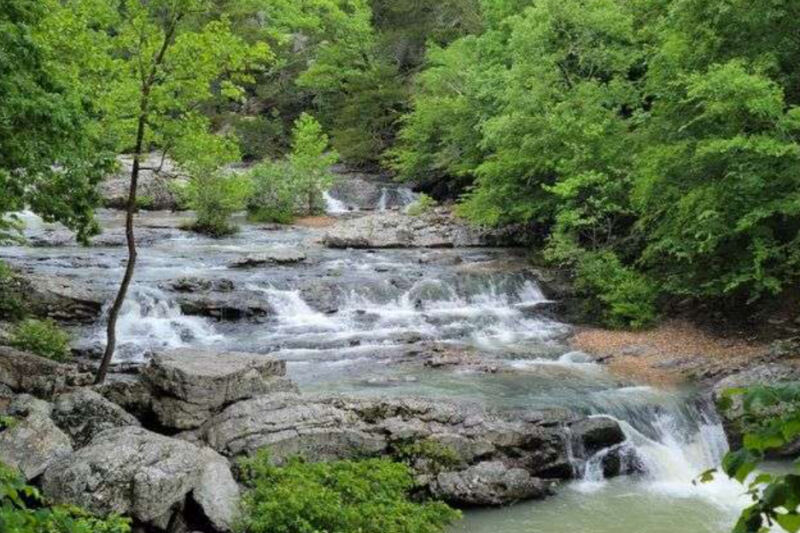
The trails range from easy, paved loops accessible to most visitors to more demanding climbs that push your legs and reward you with sweeping views of the surrounding Ouachita Mountains and the city spread below. The Gulpha Gorge Trail is a favorite for families, following a cool, shaded creek bed with small waterfalls and wading spots that are particularly refreshing in the summer heat.
The Goat Rock Overlook trail delivers one of the best panoramic payoffs in the park, offering unobstructed views of Indian Mountain and the forested ridges rolling outward in every direction. White-tailed deer are a common sight on the quieter trails, especially in the early morning hours.
The trails here do not require a permit or a fee, which means the only investment is your time and a decent pair of shoes. The forest rewards both.
The Grand Promenade, Tufa Rock, and the Secrets Behind the Row
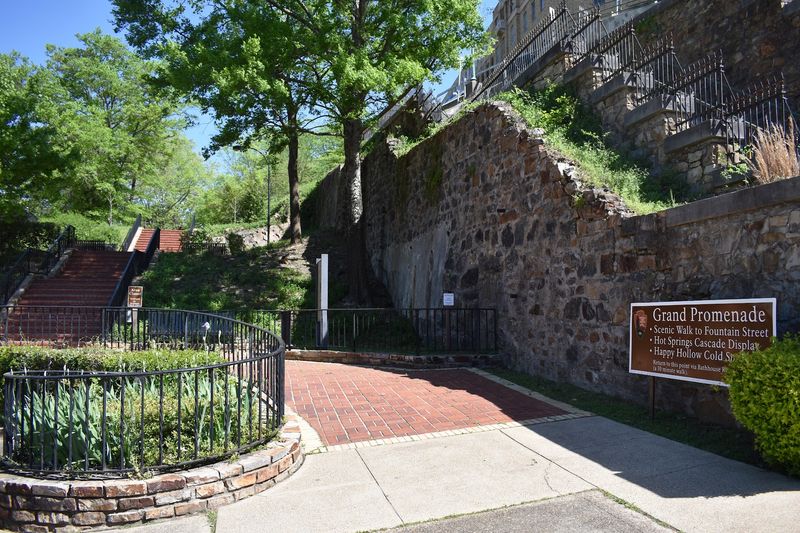
The Grand Promenade is one of those places that earns its name honestly. This brick-paved walking path runs behind Bathhouse Row at an elevated level, offering a quieter, tree-shaded perspective on the historic district below.
Along the promenade, the Fordyce Fountains still shoot steaming water skyward from their hexagonal bases, just as they did when the park was in its glamorous heyday. The Promenade Seep is another curious feature, a spot where thermal water unexpectedly bubbles up through the path itself, a small but vivid reminder that the geology here is active and ongoing.
Keep an eye on the ground and the retaining walls as you walk, and you will notice tufa, a light grey, spongy-looking rock that forms when hot mineral-rich water evaporates and deposits calcium carbonate. The formations build up slowly over time, creating textures that look almost like coral frozen mid-growth.
The Grand Promenade connects several key features of the park in a single relaxed stroll, and it is one of the best free experiences the park has to offer. The brickwork alone is worth a slow walk.
Hot Springs Mountain Tower and the 360-Degree View That Pays Off
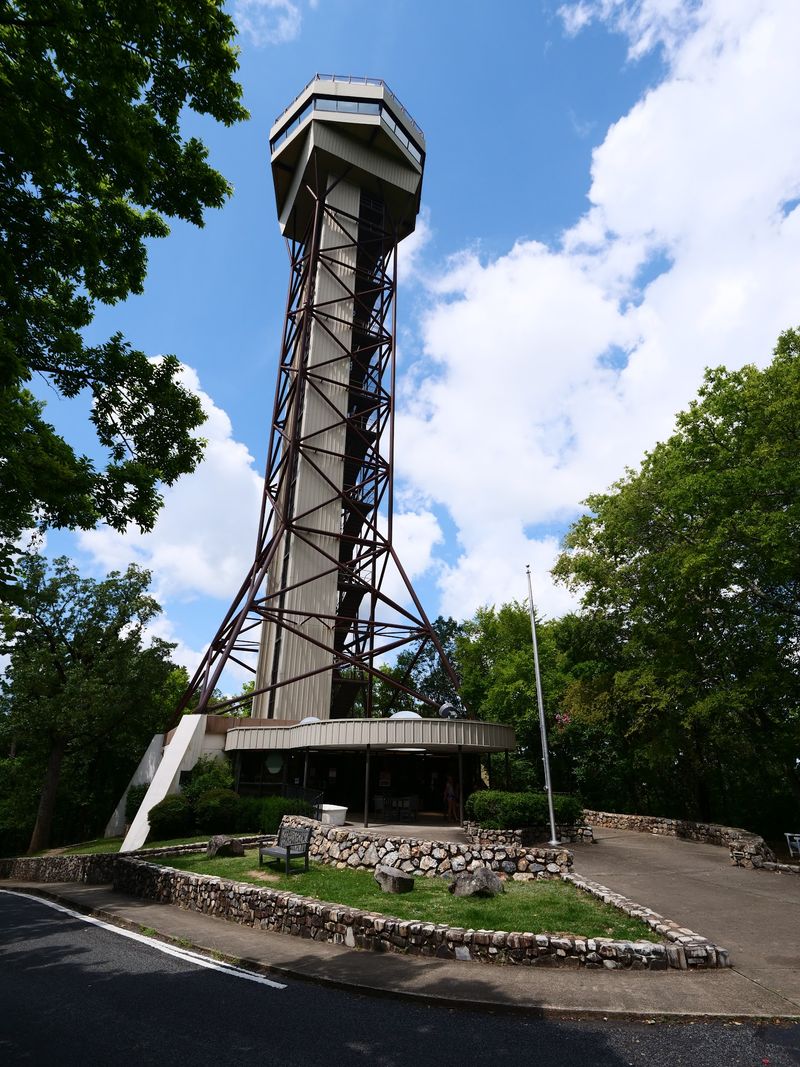
For a perspective on just how beautifully the park and the city coexist, the Hot Springs Mountain Tower delivers in a way that ground-level exploring simply cannot match.
The tower rises above the forested ridgeline of Hot Springs Mountain and offers a full 360-degree view from both an enclosed lower deck and an open upper deck. On a clear day, the Ouachita Mountains roll outward in every direction, and the city of Hot Springs spreads across the valley below in a way that makes the whole park’s geography suddenly click into place.
The admission fee is around 12 dollars per person, which is reasonable for what you get.
For those who prefer a free alternative, a small overlook area near the tower base offers a respectable view of the surrounding area without any cost. The scenic drive up Hot Springs Mountain is itself a worthwhile experience, with several pull-off points along the way.
Spotting deer in the woods along the road as the late afternoon light filters through the oaks is one of those quiet moments that tends to stick with you long after the trip ends.
Best Times to Visit and Practical Tips for Planning Your Trip
Timing a visit to Hot Springs National Park can shape the entire experience, and the good news is that the park genuinely has something worthwhile to offer in every season.
Spring and fall are widely considered the most comfortable windows, with mild temperatures, lower humidity, and manageable crowds. Spring brings wildflowers to the mountain trails, while fall transforms the Ouachita hillsides into a canvas of deep reds, oranges, and golds that make every hike feel more cinematic.
Summer draws the largest crowds and the highest heat, but arriving at the bathhouses around 8 AM helps you beat both.
Winter is underrated here. Temperatures stay milder than much of the country, crowds thin out considerably, and a thermal soak takes on a whole new appeal when there is a chill in the air.
The park is open daily from 5 AM to 10 PM, entry is free, and street parking is available near Bathhouse Row, with a nearby parking garage charging around 2 dollars per hour as a backup. Calling ahead at 501-620-6715 is helpful for confirming bathhouse reservation availability before you arrive.
Share this story