Colorado is full of famous ski towns and busy summer stops, but there are still a few small places that stay out of the spotlight. One of them is Ouray, a tiny town wrapped in steep peaks in the southwestern part of the state.
It has hot springs, waterfalls, old mining history, and views that make people slow down and stare. If you like quiet spots with big scenery, here are seven reasons Ouray keeps a low profile and why it might be worth a look on your next trip.
The Steep Bowl of Peaks Around Town
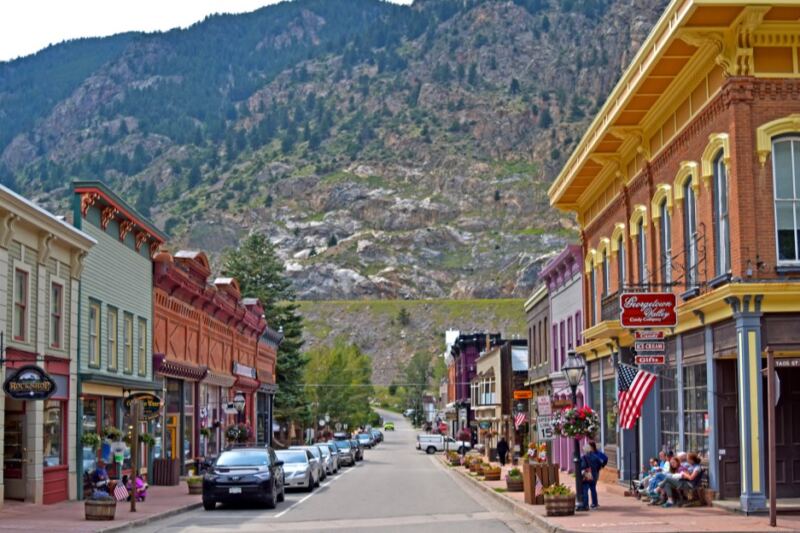
Ouray sits at about 7,800 feet in a remarkably narrow valley surrounded by the San Juan Mountains. The dramatic setting is responsible for the town’s long-used nickname, the “Switzerland of America.” From downtown, steep slopes and rocky ridges dominate the view in almost every direction.
That geography also helps explain why Ouray feels different from sprawling mountain destinations. Main Street remains compact and easy to explore on foot, with historic buildings, restaurants, shops, and lodging concentrated within a relatively small area.
Ouray’s Victorian-era architecture adds another layer to the setting. Many historic structures from the mining era remain part of the streetscape, so walking through town can feel like moving between two attractions at once: a preserved mountain community below and the San Juan peaks above.
Even when you are simply grabbing coffee or walking back to your hotel, the mountains never really disappear from view. For travelers who want dramatic Colorado scenery without staying inside a large ski resort complex, that compactness is a major part of Ouray’s appeal.
Ouray Hot Springs Pool
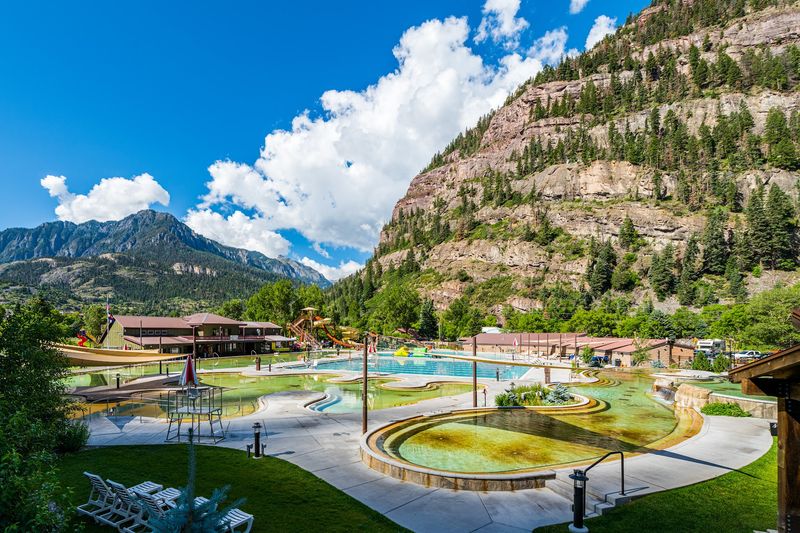
Soaking in warm water beneath the mountains has been part of the Ouray experience for generations. The Ouray Hot Springs Pool uses geothermal water from local springs and offers several different pool areas rather than one enormous soaking basin.
That makes the complex work for different kinds of visitors. Some sections are designed for soaking, while others accommodate swimming, recreation, and families.
Water temperatures vary between the different pools, so visitors can move between warmer and cooler areas depending on what feels comfortable.
The mountain setting is what makes the experience especially memorable. In colder weather, steam can rise from the pools while snow covers the surrounding slopes.
During summer, the same location becomes a place to relax after hiking the trails around town.
Because the facility operates throughout the year, it is not simply a summer attraction. Hours, pool availability, and admission prices can change, however, so checking the city’s current information before arriving is worthwhile.
Box Canyon Falls Park
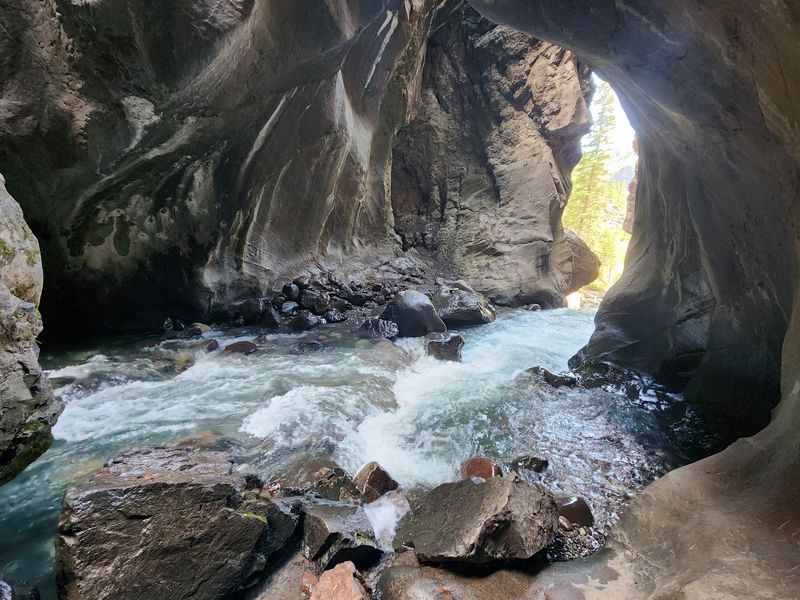
Box Cañon Falls shows just how much scenery is packed into the small area surrounding downtown Ouray. Here, Canyon Creek plunges into a narrow quartzite canyon, creating a powerful waterfall hidden between steep rock walls.
Visitors reach the lower portion of the falls using a walkway that leads into the canyon. The closer you get, the louder the water becomes, and spray can leave parts of the route wet and slippery.
There is more to the park than the lower walkway. Trails and a high bridge provide additional perspectives over the gorge and surrounding mountains.
The Ouray Perimeter Trail also passes through the Box Cañon area, making it possible to incorporate the park into a longer hike around town.
The combination of accessibility and drama is what makes this stop unusual. You do not need to drive deep into the San Juan backcountry to find it.
The canyon sits right on the edge of Ouray, making a substantial waterfall and narrow gorge surprisingly easy to reach.
The Million Dollar Highway
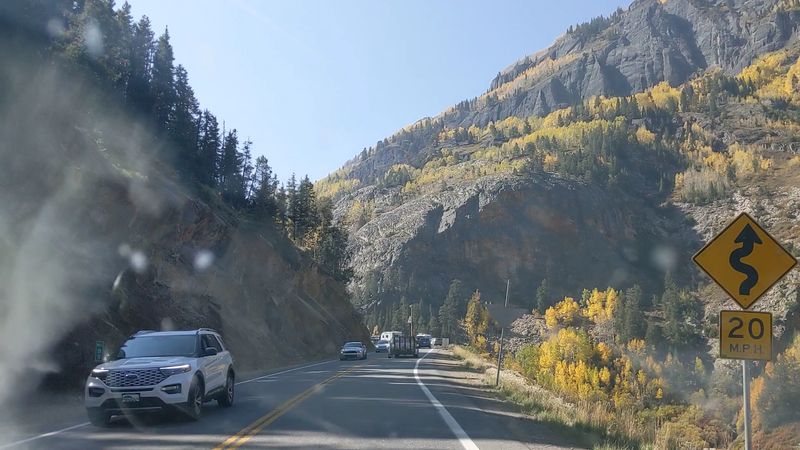
Leaving Ouray toward Silverton on U.S. 550 quickly becomes an attraction of its own. The famous Million Dollar Highway climbs into the San Juan Mountains through terrain that can look more like an alpine expedition than an ordinary highway.
The route passes remnants of the area’s mining past, striking mineral-colored slopes, deep valleys, and viewpoints across some of southwestern Colorado’s most rugged terrain. Red Mountain Pass reaches an elevation of more than 11,000 feet before the highway eventually descends toward Silverton.
The scenery comes with a serious warning. Portions of the highway have steep drop-offs, sharp turns, and limited or absent guardrails.
Drivers unfamiliar with mountain roads should take their time and avoid treating the drive as something to rush through.
Weather is another important consideration. Snow, ice, rockfall, construction, and changing mountain conditions can affect travel, particularly outside summer.
Checking Colorado road conditions before departing is a sensible part of planning this drive.
Ouray County Historical Museum
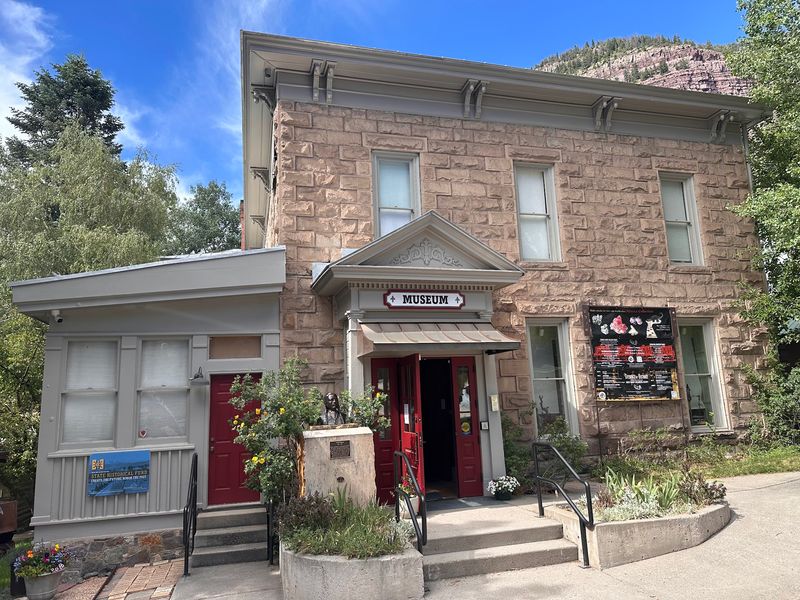
Ouray’s spectacular scenery makes it easy to forget that this community grew because people came into these mountains searching for valuable minerals. The Ouray County Historical Museum helps explain what life was actually like during that period.
The museum occupies the historic St. Joseph’s Miners’ Hospital, a building dating to the late 19th century. Its collections cover mining, transportation, ranching, Native American history, and everyday life in Ouray County.
Visitors can see historic photographs, mining equipment, household objects, period rooms, and other artifacts connected with the people who lived and worked in the region. The hospital setting is itself part of the story.
Spending time here makes many sights outside the museum easier to understand. Old mine structures, mountain roads, historic buildings, and abandoned settlements scattered through the San Juans stop looking like isolated curiosities and become pieces of a much larger mining story.
Because operating schedules can vary seasonally, visitors should confirm current hours before planning a trip around the museum.
The Perimeter Trail
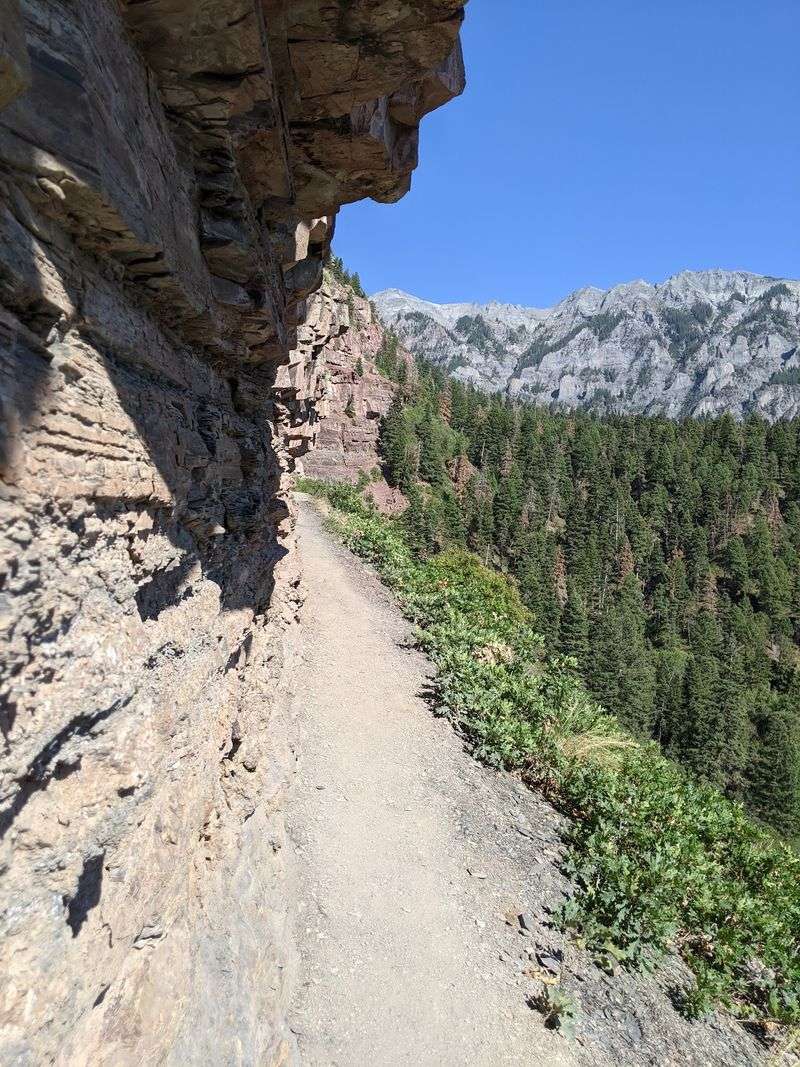
One of Ouray’s best features is that you can start a serious mountain hike without driving miles into the backcountry. The Perimeter Trail circles the town through forests, rocky slopes, creek crossings, waterfalls, bridges, and elevated viewpoints.
The Ouray Trail Group currently lists the complete route at 5.6 miles, with approximately 1,800 feet of elevation gain and loss. Completing the entire loop generally takes four to five hours.
Despite its proximity to town, this should not be mistaken for a flat urban walking path. The route reaches about 8,500 feet at its highest point and includes stairs, steep sections, uneven terrain, and exposed areas.
Good footwear is recommended.
Highlights include four waterfalls, multiple bridges, close-up geological features, and views looking down into Ouray’s compact valley. The trail also passes the Box Cañon area.
Another advantage is flexibility. There are numerous access and exit points, so visitors who do not want to complete the entire loop can tackle individual sections and return to town.
That makes the trail useful for everything from a shorter scenic walk to a half-day hike.
The Ouray Ice Park
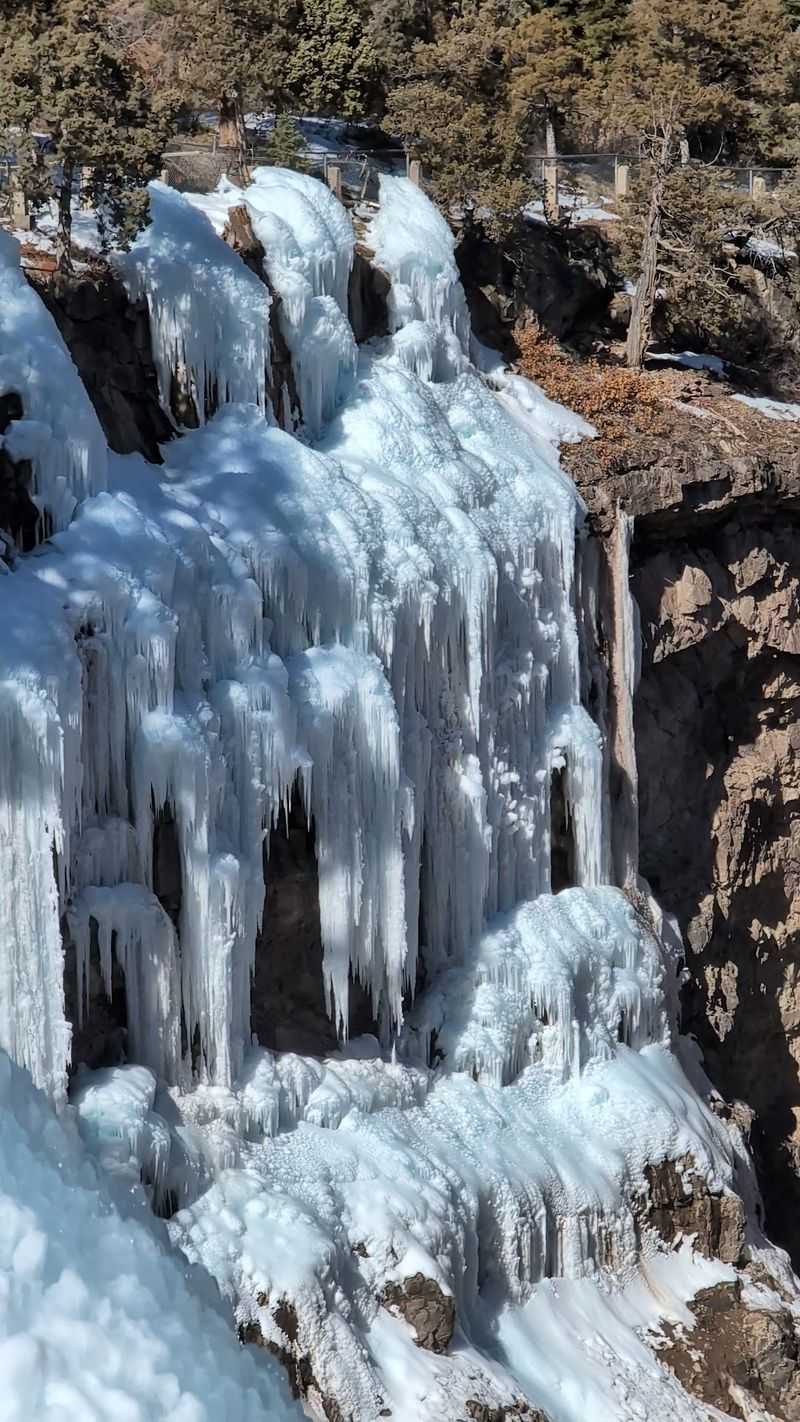
Winter transforms a gorge on the edge of town into something found in few other American communities. The Ouray Ice Park is a climbing area where an extensive system directs water onto canyon walls, allowing cold temperatures to create climbing ice.
The result is a large collection of ice-climbing terrain within walking distance of downtown. The park has become internationally known among climbers and offers routes suited to different ability levels, although proper equipment and climbing knowledge are essential.
One of its most unusual features is that climbers do not pay an entrance fee. The nonprofit organization behind the park relies on memberships, donations, sponsorships, and other support to operate and maintain the facility.
The annual Ouray Ice Festival adds another dimension, bringing climbers and spectators together for competitions, demonstrations, clinics, and other events.
Non-climbers can still experience part of the spectacle from designated viewing areas. Seeing climbers moving up enormous frozen walls while standing only a short distance from town helps explain why Ouray has built such an outsized reputation in the ice-climbing world.
The park is completely dependent on winter weather and ice conditions, so opening dates and accessible areas can vary from season to season.
Share this story