Some places on Oahu ask you to work for the reward, and the payoff here starts before you even reach the sand. A wide sweep of shoreline wraps around a sheltered cove where the water stays calm and the fish gather close enough to greet you in waist-deep shallows.
Getting in takes a reservation, an ID, a short film, and a bit of patience, but people leave planning their next visit anyway. Colorful schools drift by, sea turtles show up when the timing is right, and a lookout at the top delivers a sunset that keeps hikers rooted in place.
There is a fee, a daily cap on how many can enter, and rules that protect the reef for everyone. Curious where all this happens and how to do it right?
Keep reading.
A Cove Carved by a Volcano on Oahu’s Southeast Shore
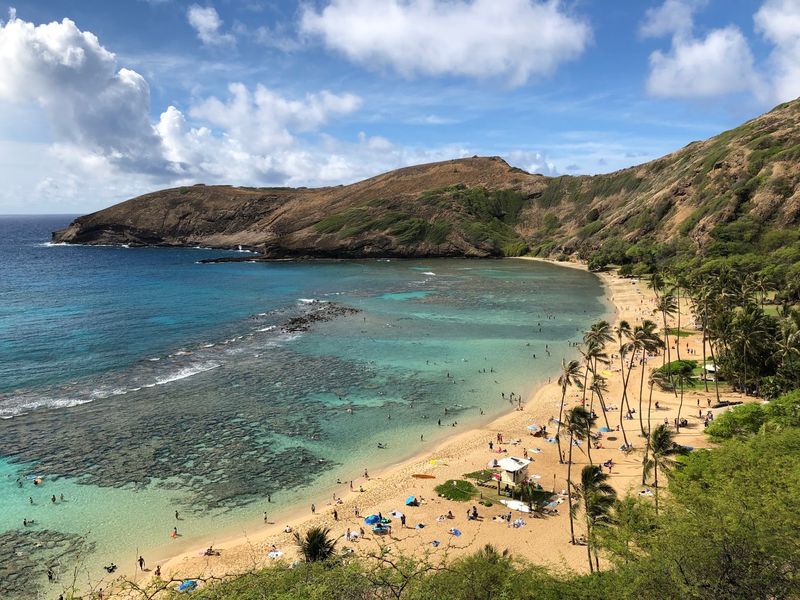
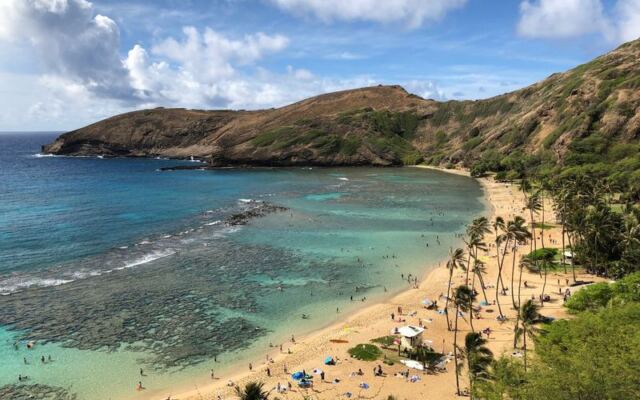
Tucked along the southeastern edge of Oahu, this crescent-shaped bay sits at 7455 Kalanianaole Highway in Honolulu, Hawaii. The address puts it about a fifteen-minute drive from Waikiki, and the road there hugs some of the island’s most dramatic coastline.
The bay itself formed from an old volcanic crater that the ocean eventually broke into, leaving a curved pocket of protected water. That natural shape is exactly why the cove stays so calm compared to the open surf nearby.
Today it operates as a state park and nature preserve, which means the beach, the reef, and the fish all fall under protection rules that shape how you visit. Snorkeling is the headline attraction, drawing more mentions than anything else, but the setting alone earns its reputation.
A sandy beach sits at the bottom of a steep hill, with a coral reef spreading out just offshore. An education center near the entrance sets the tone before you ever touch the water.
Everything about the place points back to that ancient crater, and standing at the rim, you get the full picture of how the land and sea came together here.
Why the Water Reads So Clear and the Reef Stays Sheltered
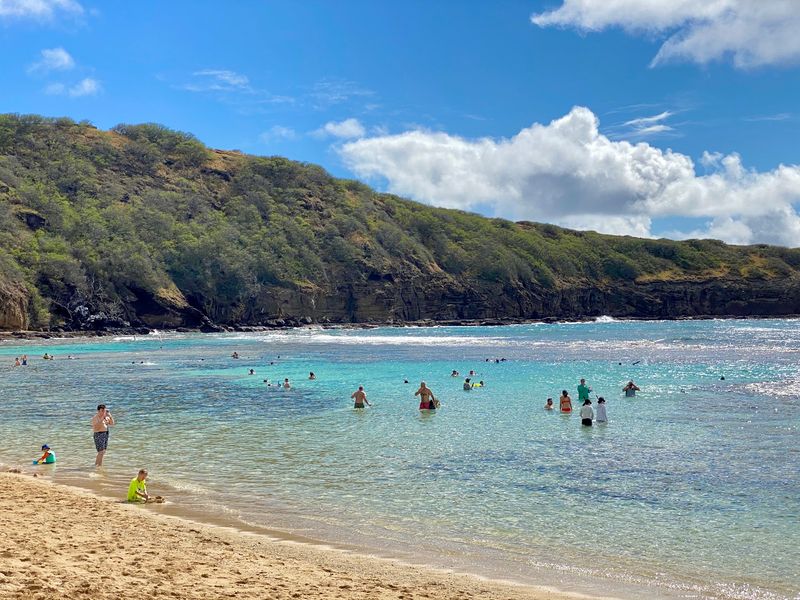
Calm water is the whole story here, and the bay’s curved walls are the reason. Because the crater rim blocks much of the open ocean swell, the shallows inside stay gentle for most of the day.
That protection makes the cove unusually friendly for beginners. People snorkel in water only about four feet deep, sometimes within yards of the beach, and still spot large schools drifting past.
Timing matters more than most first-timers expect. Mornings tend to bring the calmest, clearest conditions, while the water gets stirred up by the evening as activity picks up and the wind shifts.
Some days the surf rolls in rougher than usual, which can turn a planned snorkel into a swim instead. On calmer mornings, the visibility opens up and the fish come in close.
The sheltered layout also explains why the bay works so well for families. Kids and nervous swimmers can wade in near shore rather than pushing out toward the surf break, where the deeper water and stronger current live.
Show up early, check the conditions, and the cove usually rewards you with the smooth, easy water that made it famous in the first place.
Fish, Turtles, and the Living Reef Below the Surface
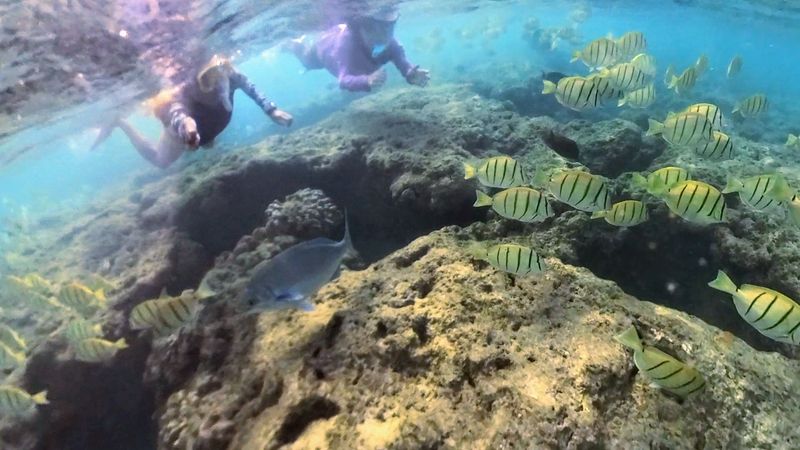
The main event lives underwater, and the cast is generous. Colorful tropical fish gather in the shallows, sometimes in large schools that swim right up near the rocks and coral.
Sea turtles make appearances too, and lucky snorkelers occasionally spot one gliding through. The variety of sea life ranks among the most talked-about features of the whole preserve.
Fish diversity is where the bay really shines. Even on days when the coral looks sparse, the sheer number and mix of fish keep people floating in place far longer than they planned.
Honesty helps here, though. Some who remember the reef from years past notice fewer fish and more bleached coral in the very shallowest spots, and swimming out toward the surf break sometimes reveals more life.
Coral protection is part of the deal, and it comes up often. The rules exist precisely because the reef is fragile and every careless step can set it back.
Watch where you put your feet, keep your distance from the coral, and the bay stays healthy enough to keep drawing schools of fish close to shore for the next visitor.
The Reservation Puzzle Nobody Should Skip
Getting in requires planning, and this trips up more people than the hill does. A reservation is essentially required, and online tickets sell out remarkably fast.
The daily cap is real. Only a limited number of people are allowed in each day, which keeps the bay from becoming a crush and protects the reef, but it also means walk-ups face long odds.
Bring the ID of whoever made the reservation, because the check-in team actually verifies it. Some arrivals have been turned away at the gate simply for missing that detail, which turns an exciting morning into a frustrating one.
There is a standby route for the reservation-less. A set number of standby spots open each day, and early birds who line up before opening often get in, sometimes with an entry time later than their actual admittance.
Arriving early pays off twice. You improve your standby chances and you snag a better beach spot, since the shady patches disappear as the lot fills.
Sort out the reservation and the ID ahead of time, and the rest of the visit unfolds without the drama that catches so many families off guard.
The Orientation Video and the Rules of the Bay
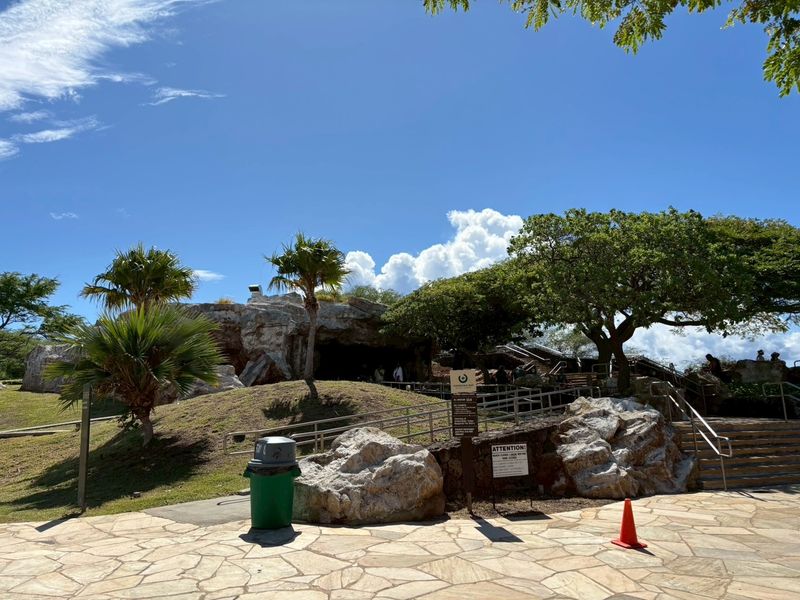
Before anyone touches the sand, a short film sets expectations. Every guest watches a brief video that explains the rules of the bay and shares the backstory of how the crater formed.
The message centers on protecting the reef. Standing on coral, chasing wildlife, and careless behavior all get discouraged, because the whole preserve depends on people treating it gently.
An education center near the entrance backs up the film with exhibits about the park’s wildlife. On busy mornings the flow can feel rushed, and the exhibits sometimes get passed by quickly as lines move along.
The orientation adds a small delay to your entry, and it can feel a bit procedural when several lines stack up. Still, it rarely takes long, and it does its job of getting everyone on the same page.
Reef-safe sunscreen fits right into this ethic. Bringing it, or buying it on-site, is strongly encouraged so the products people wear do not harm the coral they came to see.
Treat the video as part of the experience rather than a hurdle, and you head down to the water already knowing how to keep the bay thriving.
The Long Walk Down and the Trolley That Saves Your Legs
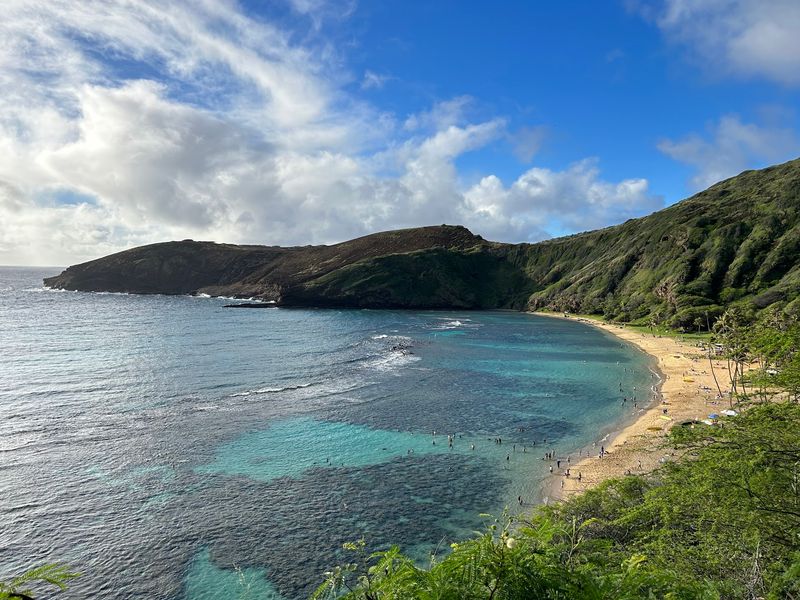
Between the parking lot and the sand sits a steep hill, and how you tackle it is up to you. The walk down is manageable for many, and some skip the ride entirely without much trouble.
For everyone else, a trolley runs up and down the incline. The fee is small, and it spares your legs both the descent and the tougher climb back up at the end of a long day.
The tram becomes especially welcome on the return trip. After hours in the water, that uphill stretch feels a lot steeper than it did in the morning.
Families with young kids, coolers, and beach gear tend to appreciate the lift most. Hauling everything by hand is doable, but the trolley turns it into a non-issue.
Schedules matter at closing time. The last trolley runs after the beach closes, so keep an eye on the clock rather than lingering until the final call.
Whether you stroll or ride, the trip down opens onto the beach and the cove waiting below, and that first full view of the bay makes the hill worth every step.
The Lookout at the Top and a Sunset Worth the Climb
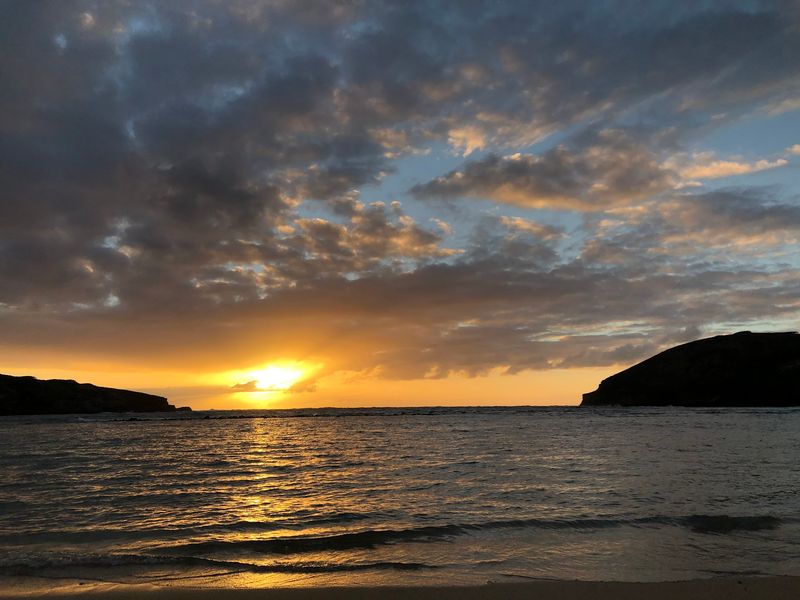
Not everyone comes for the water, and some of the best moments happen up high. The rim above the bay offers sweeping vistas that pull hikers to the top even when they skip the beach.
Sunset from the lookout earns extraordinary praise. People describe finding a genuine sense of peace up there, watching the light fade over the crater and the sea.
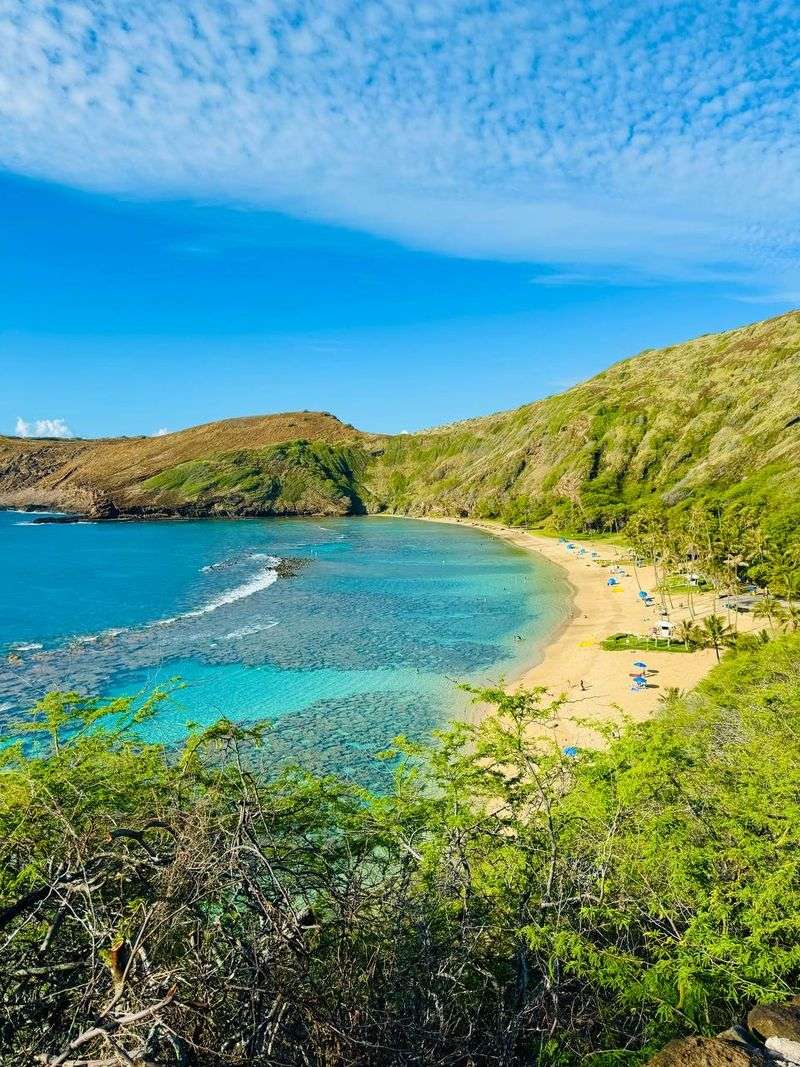
The elevated view frames the whole crescent shape of the bay. From above, you can trace how the crater walls curve around the protected cove, something you cannot fully appreciate from the sand.
A hike to the top makes a fine plan on its own. Even without snorkeling, the panorama rewards the effort and gives a different angle on the preserve entirely.
Timing your visit around the evening light adds a whole second layer to the trip. The bay by day is about fish and water, while the rim at day’s end is about the horizon.
Pause at the overlook before you leave, and the memory that sticks might not be the reef at all, but the view stretching out from that quiet ridge.
What You Will Find on the Beach and What to Pack
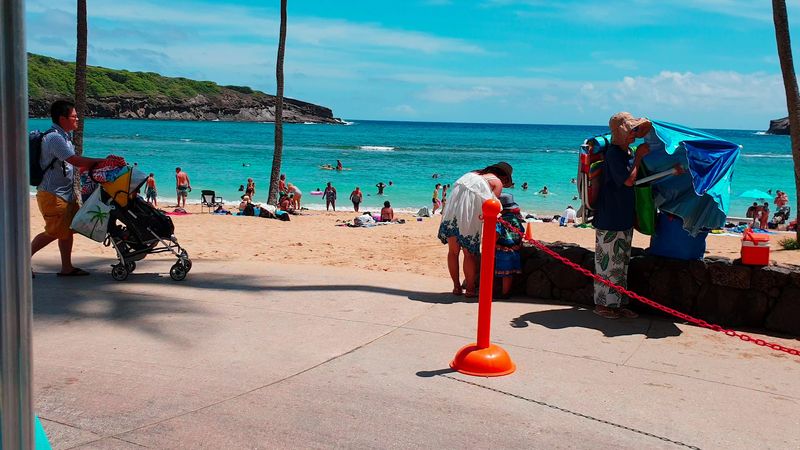
Down at the sand, the practical amenities cover the basics. Restrooms, open shower points, lockers in small and large sizes, and a snack bar all sit near the beach.
Snorkel gear is easy to sort out. You can rent or buy equipment on-site, and lifeguards keep watch over the swimming area, which adds peace of mind for families.
Food is the one thing to plan around. The snack bar exists but stays modest, so packing your own snacks and plenty of water is a smart move for a full day.
Comfort gear pays off too. An umbrella and a mat help enormously, especially since shade grows scarce once the morning crowd settles in.
The facilities lean toward functional rather than fancy. Showers and restrooms do the job without frills, similar to what you would find at a public beach.
One quiet perk: the preserve keeps the atmosphere calm, with no loud music and a family-friendly tone throughout. Pack light but pack smart, and the beach setup handles the rest of a relaxing day by the cove.
Hours, Fees, and Getting There Without Stress
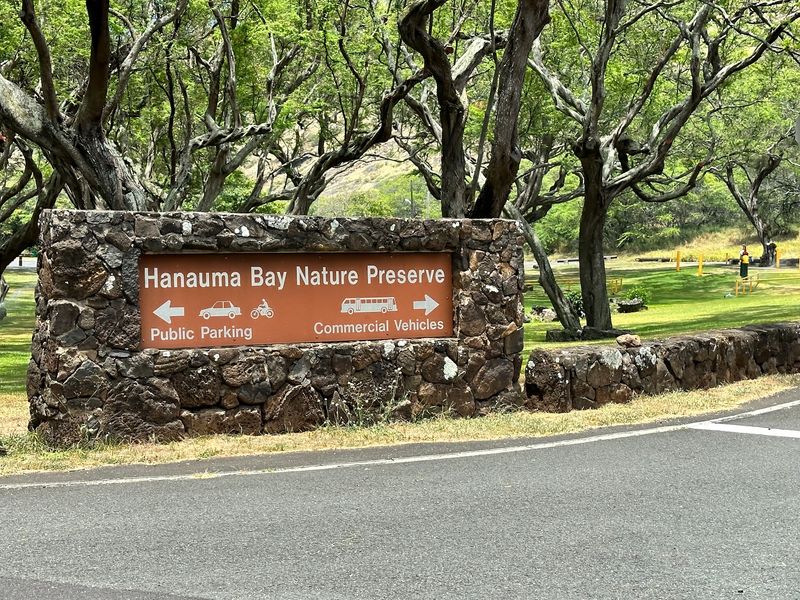
Plan your day around the schedule, because this park keeps specific hours. It opens at 6:45 AM Wednesday through Sunday and closes at 1:30 PM, while Monday and Tuesday it stays closed entirely.
That Tuesday closure catches people off guard, so double-check before you drive out. Showing up on a closed day means no snorkeling at all.
Costs are straightforward. Entry runs $25 per person, parking is a few dollars, and gear rental adds a bit more if you did not bring your own.
Getting there from Waikiki takes roughly fifteen minutes by car, and the drive is short enough to fold into a morning. Private rides and shuttles also serve the route for those without a vehicle.
Arriving early is the single best tip. Parking fills fast, the lot can max out well before mid-morning, and early arrivals grab both entry and the better beach spots.
End-of-day timing runs tight, too, with the beach and shuttle wrapping up in the early afternoon and the car gate closing shortly after. Line up the day, the hours, and the budget in advance, and the logistics fade into the background.
Is the Protected Cove Worth Your Day on Oahu
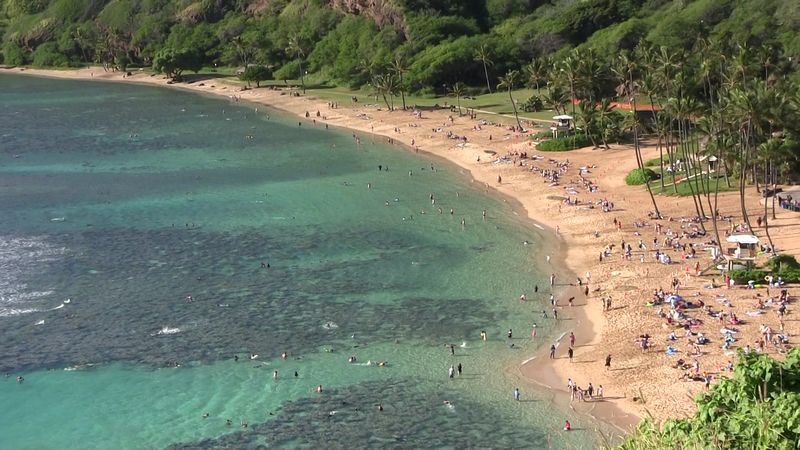
Weighing it all up, the bay lands as one of Oahu’s standout stops, and its 4.6-star standing across more than two thousand opinions backs that up. Most people leave calling it the best snorkeling spot around and already planning a return.
The experience is not flawless, and honesty serves you well. The coral has thinned in places, the lines and check-in can feel procedural, and the $25 entry strikes some as steep for a swim.
Even so, the fish diversity, the calm shallows, and the sheer beauty of the crater keep the reactions overwhelmingly warm. Non-snorkelers rave about it, first-timers find it easy, and families settle in for relaxed, gear-optional days.
The fee funds preservation, which softens the sting for many who care about keeping the reef around. Paying into that cause feels less like a ticket and more like a contribution.
Go early, bring an ID and reef-safe sunscreen, pack snacks, and skip Tuesdays. Do those things, and this protected cove tends to deliver the kind of Hawaii morning people carry home with them.
Share this story