Oklahoma has a way of surprising you when you least expect it, and this is one of those moments that stops you completely in your tracks. Tucked into the eastern edge of a state better known for wide-open plains and Route 66 nostalgia, a breathtaking Hindu temple rises with carved gods, ornate stonework, and a spiritual calm that feels worlds away from anything nearby.
Most people drive past without a second glance, which makes stumbling upon it feel like discovering a hidden treasure. Once you see the intricate entrance and sense the peaceful energy radiating from the grounds, you will absolutely want to know everything about this extraordinary place.
Location and First Impressions at 16943 E 21st Street
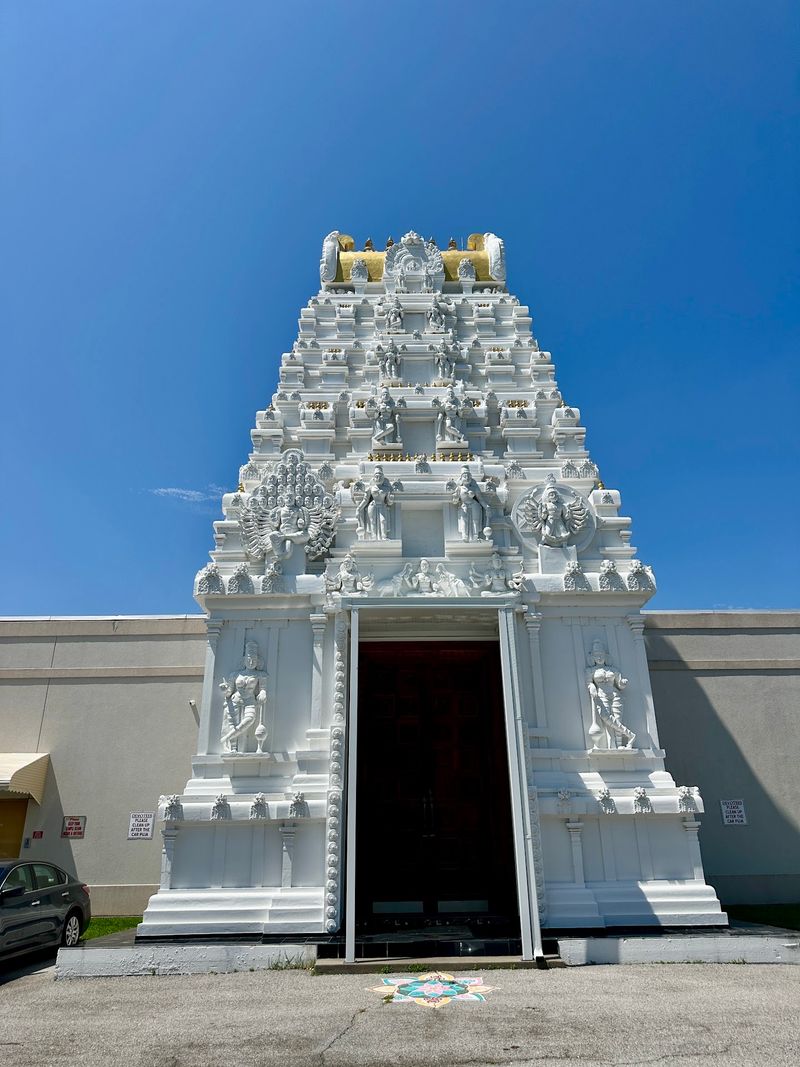
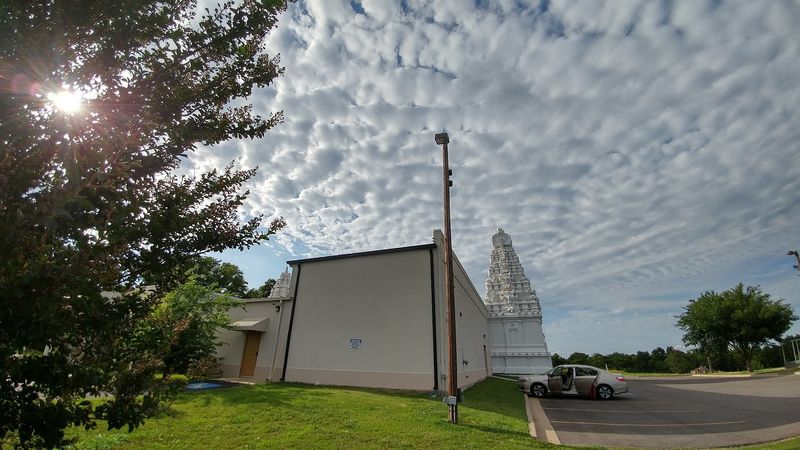
Pulling up to 16943 E 21st Street in Tulsa, Oklahoma, the first reaction most visitors have is pure disbelief. Sitting on a generous stretch of green, open land in the northeastern part of the city, the Hindu Temple of Greater Tulsa announces itself through a striking, elaborately decorated facade that looks like it was lifted straight from South India and set down gently in the Oklahoma plains.
The surrounding property is spacious and well-kept, with wide grassy areas that give the temple room to breathe and be admired from a distance. A large parking lot makes arrival easy, and the grounds feel welcoming from the moment you step out of your car.
There is a small play area for children tucked into the property as well, making it a comfortable visit for families.
Nothing in the surrounding neighborhood quite prepares you for the visual impact of this place. Strip malls and suburban roads give way to something genuinely extraordinary, and that contrast makes the first glimpse feel almost cinematic.
Visitors consistently describe that initial moment of seeing the temple as unexpectedly moving, a feeling that sets the tone for everything that follows inside.
The Story Behind the Temple and Its Community Roots
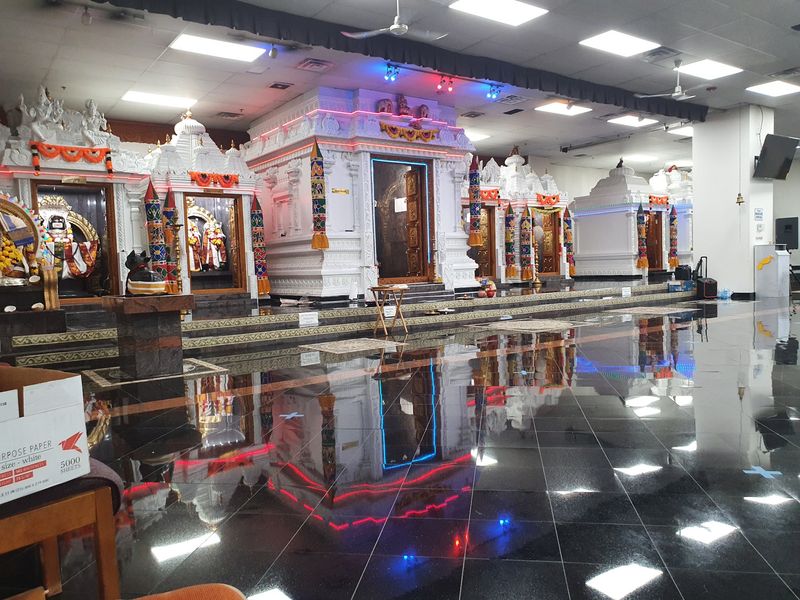
Communities build temples when they are ready to put down roots, and the Hindu community of Tulsa did exactly that with deep intention and collective effort. The Hindu Temple of Greater Tulsa grew out of a shared desire among local Hindu families to have a proper, traditional place of worship in northeastern Oklahoma, a place where culture, spirituality, and identity could all be honored under one roof.
About a decade ago, the temple underwent a significant expansion that brought in representations of nearly all the major Hindu deities. Visitors who have been coming for years note how much it has grown and how thoughtfully the development has been carried out, with ample parking and beautiful landscaping added in phases supported by devoted community members.
Festivals like Diwali have been celebrated here for years, drawing families who return annually to mark the occasion together. That sense of continuity and community pride is woven into the very walls of the building.
The temple is not just a religious structure; it is a living center of South Asian heritage in Oklahoma, one that has been quietly flourishing while most of the city had no idea it existed.
The Ornate Entrance and Its Carved Deity Sculptures
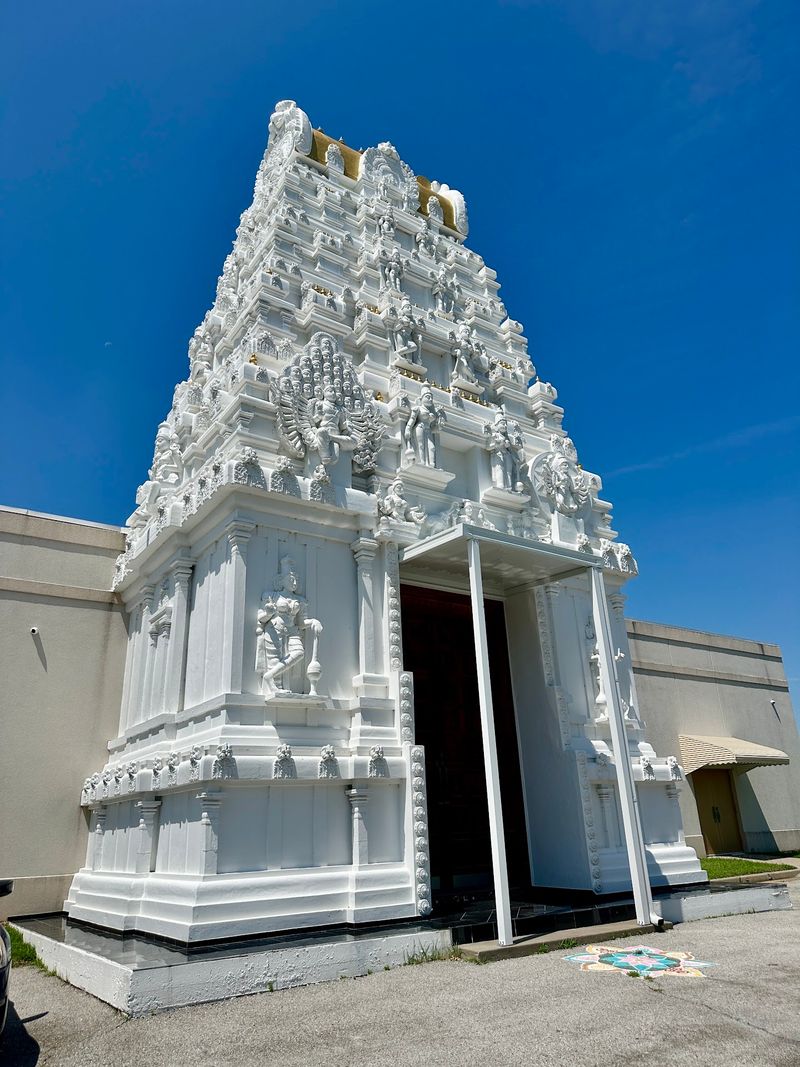
Few architectural features in all of Oklahoma are as jaw-dropping as the entrance to this temple. Covered in rich, layered carvings depicting Hindu gods and goddesses in vivid detail, the front facade operates as both a work of sacred art and a visual invitation to step into a completely different world.
Every figure is rendered with care, from flowing garments to intricate hand gestures that carry specific spiritual meaning.
The door itself is beautiful, framed by decorative motifs that echo classical South Indian temple architecture. Visitors who have only seen the exterior on days when the temple was closed still walk away raving about what they saw, which says a great deal about how much artistry is packed into the outer face of the building alone.
Traditional South Indian temple design places enormous importance on the entrance tower, known as a gopuram, as a way of representing the divine realm opening up to the devotee. Even without knowing that background, most people standing in front of this entrance instinctively slow down and look more carefully.
The details reward attention, and the longer you look, the more you find carved into the stone and plaster above you.
Mahalakshmi as the Prime Deity and the Full Pantheon Inside
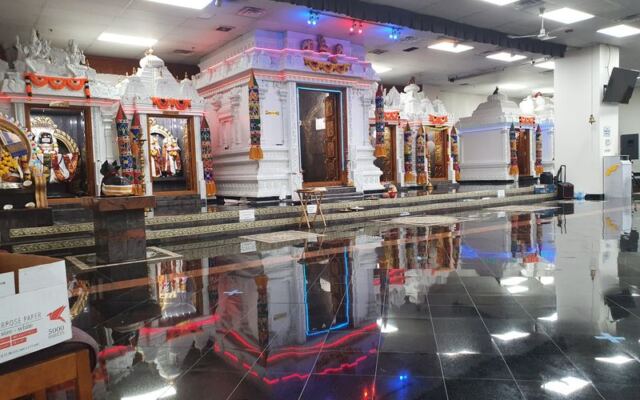
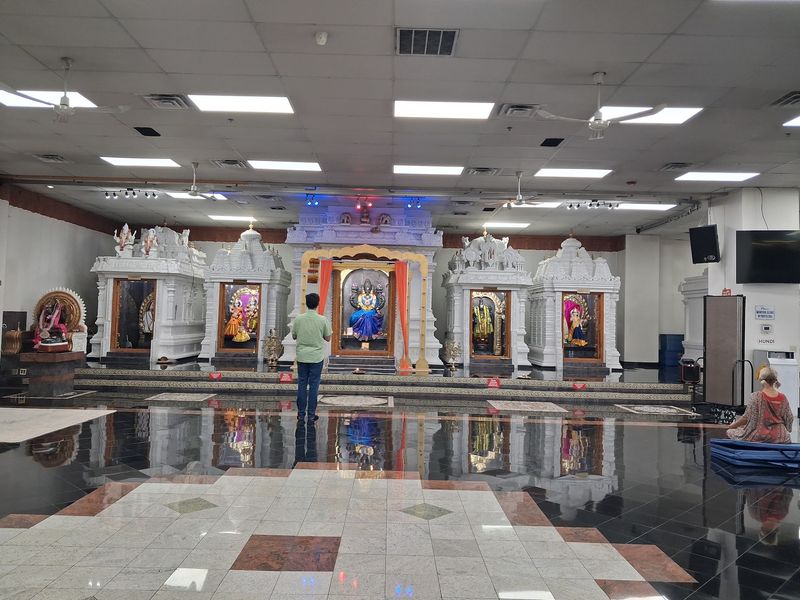
Step through that remarkable entrance and you enter a space that houses representations of nearly the entire Hindu pantheon. The temple is particularly special because it does not focus on just one or two deities, as smaller temples sometimes do.
Instead, it offers shrines to a wide range of gods and goddesses, making it a comprehensive place of worship for Hindus from many different regional traditions across India.
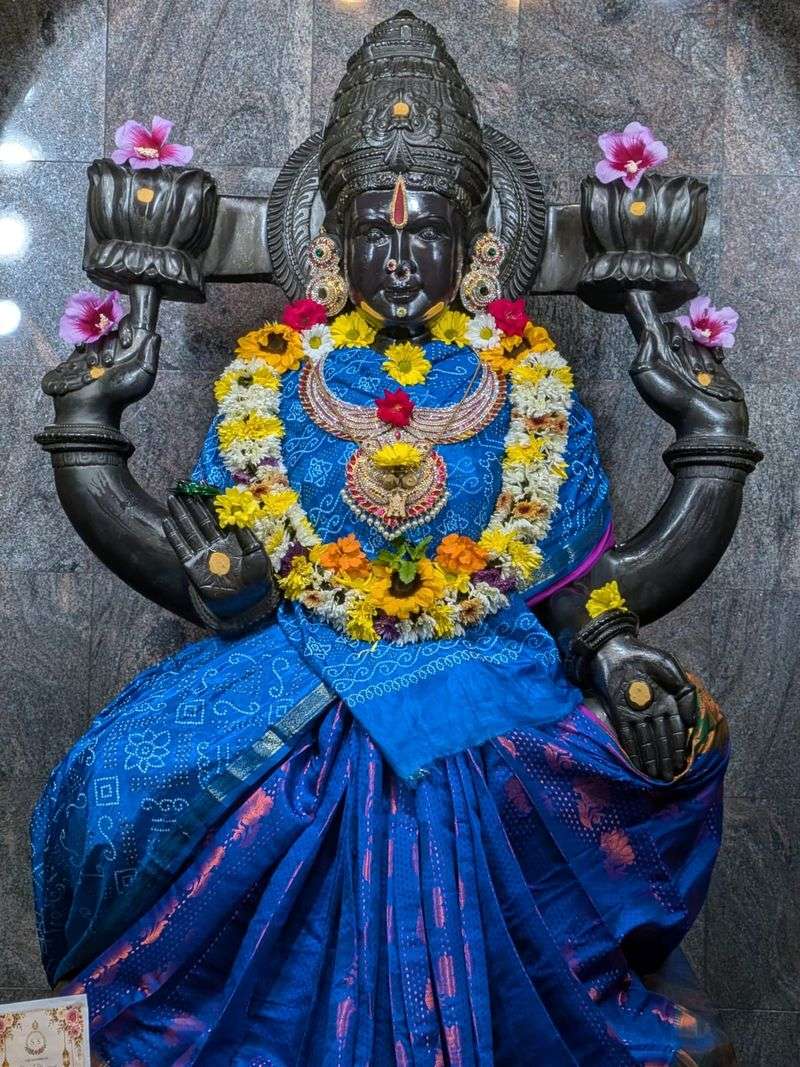
Mahalakshmi holds the position of prime deity here, which means her shrine occupies the central, most honored place within the temple. The goddess of wealth, fortune, and prosperity is dressed spectacularly, with garments and ornaments that change with festivals and auspicious occasions.
Visitors describe the visual experience of seeing her fully adorned as genuinely breathtaking, a treat for the eyes and the spirit alike.
Around her, other deities are presented with equal devotion and care. Each figure is dressed and decorated in ways that reflect the deep aesthetic traditions of Hindu worship.
For anyone curious about South Indian religious culture, walking through this space offers an immersive, respectful introduction that no museum exhibit could quite replicate. The sheer variety of divine representations under one roof is remarkable for a temple of any size, let alone one in Oklahoma.
The Peaceful Atmosphere That Sets This Place Apart
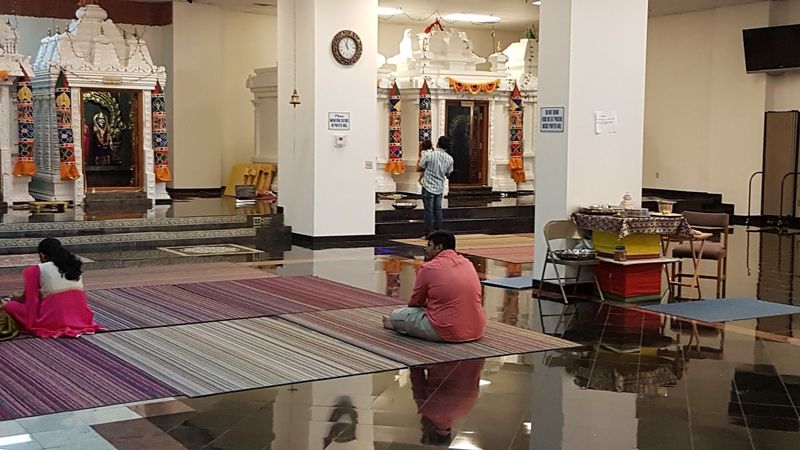
Quiet is not just a feature of this temple; it is practically its personality. Visitors across many years of reviews use the same words again and again: calm, serene, peaceful, spiritual.
Something about the combination of the carefully maintained space, the scent of incense, the soft lighting around the shrines, and the unhurried pace of those who come to pray creates an atmosphere that feels genuinely restorative.
Even people who do not practice Hinduism and visit purely out of curiosity report feeling a noticeable shift in their mood once they are inside. The temple carries a meditative quality that invites you to slow down, breathe, and simply be present.
That is not an accident; it is the result of a community that treats this space with consistent reverence and care.
The grounds outside contribute to this feeling as well. The wide, open grassy property surrounding the building gives the whole site a sense of spaciousness that urban temples often lack.
Whether you sit inside near the shrines or find a quiet spot on the lawn to reflect, the overall effect is the same. Most people leave feeling noticeably lighter than when they arrived, which is perhaps the highest compliment any sacred space can earn.
Classes, Festivals, and Programs That Bring the Community Together
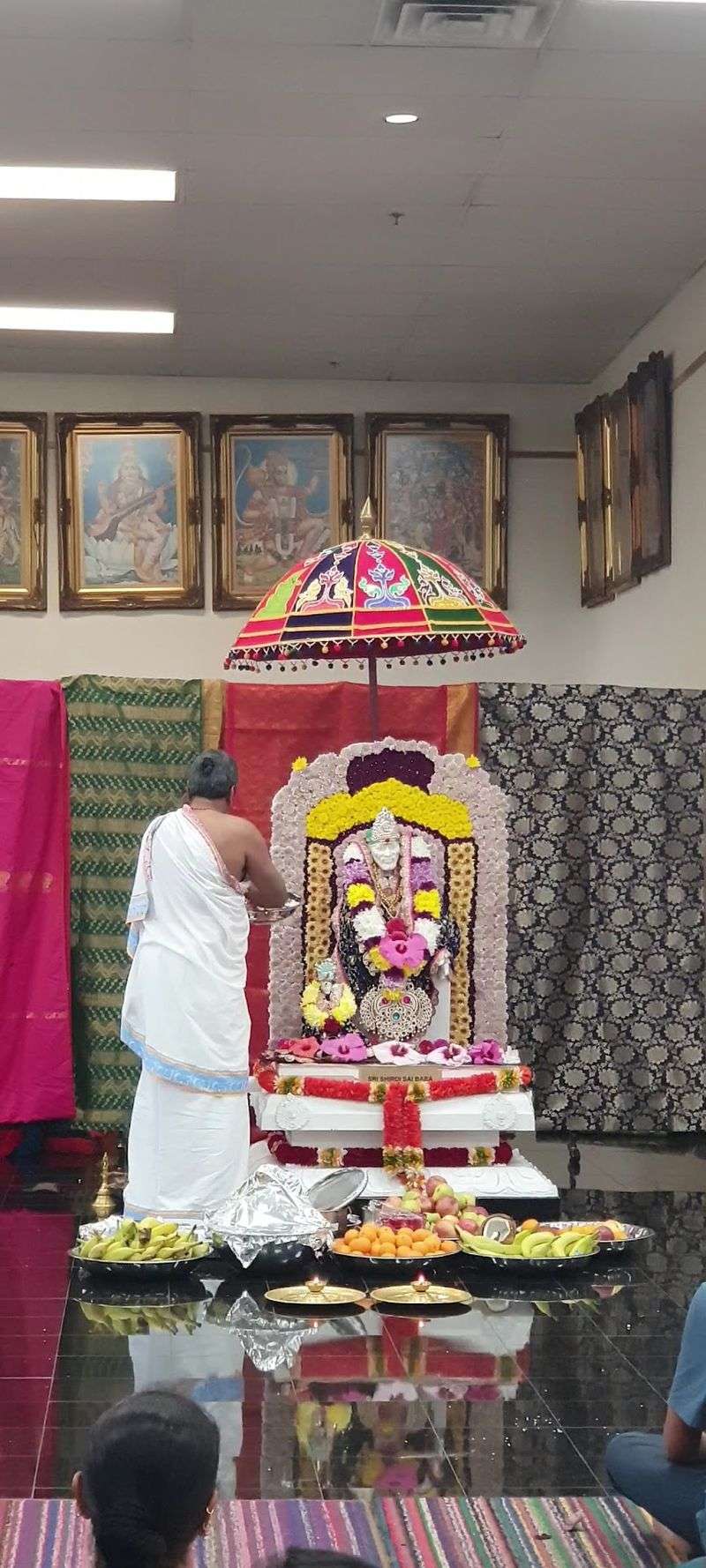
On Sundays, the temple transforms from a quiet sanctuary into a buzzing hub of activity. Kids classes are held regularly, covering subjects like Balavihar, which teaches Hindu values and culture to younger generations, as well as yoga sessions that welcome participants of various ages and backgrounds.
These programs reflect the temple’s role as more than a place of worship; it is a genuine community center for Tulsa’s South Asian families.
Festivals are a major part of life here throughout the year. Diwali celebrations draw large crowds who come to mark the festival of lights together, and the temple has hosted significant religious events like Kumbhabhishekam, a consecration ceremony that holds deep importance in South Indian Hindu tradition.
These occasions bring an energy and color to the space that visitors who have attended describe as genuinely festive and moving.
The pandit, or temple priest, plays a central role in keeping these traditions alive and accessible. Visitors who have interacted with the current pandit note his approachable and friendly manner, which makes the temple feel welcoming even to those who are unfamiliar with Hindu rituals and customs.
That openness is a deliberate part of the temple’s character and one of the reasons it continues to grow its community year after year.
What Archana and Darshan Mean for Visitors to Know
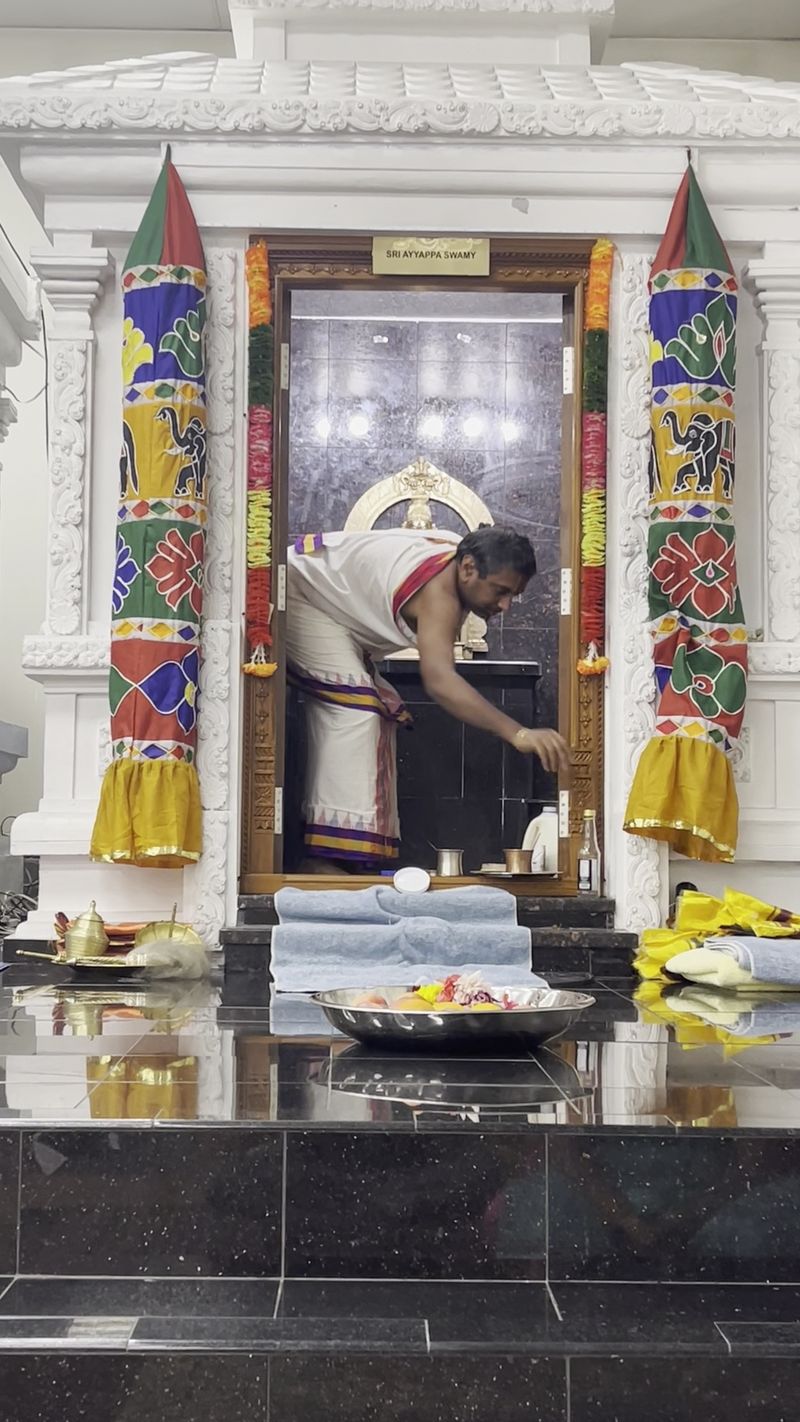
For first-time visitors unfamiliar with Hindu temple customs, a couple of terms are worth knowing before you arrive. Darshan refers to the act of beholding the deity, essentially the experience of standing before a shrine and being in the presence of the divine.
At the Hindu Temple of Greater Tulsa, visitors describe having a very good Darshan, which reflects both the beauty of the shrines and the devotional atmosphere that surrounds them.
Archana is a specific form of prayer service where a priest chants your name and family lineage while offering prayers on your behalf. Tickets for Archana are available at the temple, though at least one visitor has noted that the pricing feels on the higher side compared to other temples they have visited.
That is worth factoring in if you plan to participate in a formal prayer service rather than simply observing or offering your own quiet prayers.
Neither Darshan nor Archana requires you to be Hindu to participate respectfully. The temple is generally open to sincere visitors of all backgrounds who approach the space with appropriate reverence.
Removing shoes before entering the inner sanctum is standard practice, and modest, comfortable clothing is always a good choice when visiting any sacred site of this kind.
Practical Visiting Details – Hours, Contact, and Getting There
Planning your visit is straightforward once you know the schedule. On weekdays, Monday through Friday, the temple is open from 9 to 11 AM and again from 6 to 8:30 PM.
Thursday hours follow the same pattern. Weekends offer more flexibility, with the temple open from 9 AM all the way through to 8 PM on both Saturday and Sunday, making those the easiest days for a leisurely visit without rushing.
One practical tip worth noting is that arriving well before closing time matters, especially in the evening. At least one visitor mentioned arriving around 5:45 PM on a weekday evening and finding the parking lot full and the area quite dark.
Coming during daylight hours, particularly on a Saturday or Sunday morning, tends to make for a more comfortable and fully enjoyable experience on the property.
The temple is located at 16943 E 21st Street in Tulsa, which puts it in the northeastern part of the city. Ample parking is available on the grounds, which have been expanded and improved over the years.
For questions about specific services or upcoming events, the temple can be reached by phone at 918-438-3850, and more information is available at htgt.org. There is no canteen or food service on-site, so plan accordingly before you go.
Why This Temple Deserves a Spot on Your Oklahoma Itinerary
Oklahoma’s best discoveries are often the ones hiding in plain sight, and the Hindu Temple of Greater Tulsa is a perfect example of that idea. Most residents of Tulsa have probably driven past it without a second thought, unaware that behind that ornate facade lies one of the most visually striking and spiritually rich spaces in the entire state.
Curiosity alone is reason enough to make the trip.
For travelers on a road trip through Oklahoma, this temple offers something genuinely different from the usual stops. It is not a museum, not a tourist attraction in the commercial sense, and not a place that markets itself aggressively.
It simply exists, beautifully and quietly, as a living center of faith and culture that happens to be extraordinary to look at and to experience.
Whether you are drawn by the architecture, the spiritual atmosphere, the cultural learning opportunity, or just the sheer surprise of finding something so ornate and unexpected in this corner of the Great Plains, the Hindu Temple of Greater Tulsa delivers. Visitors leave with a sense of having seen something rare and genuine.
That feeling of discovery, of finding something that most people around you do not even know exists, is exactly what the best Oklahoma adventures are made of.
Share this story