Wine has a way of telling stories that no other drink can match. From sun-drenched hillsides in Spain to misty valleys in New Zealand, certain countries have spent centuries perfecting the craft of turning grapes into something truly unforgettable.
A handful of nations have shaped the entire global wine industry through their traditions, unique landscapes, and bold innovations. Whether you are a casual sipper or a serious enthusiast, these 10 countries are the ones every wine lover should know about.
France

If wine were a language, France wrote the dictionary. No country has influenced global winemaking more deeply, and its regions read like a greatest-hits album for grape lovers everywhere.
Bordeaux gave the world its blueprint for Cabernet Sauvignon and Merlot blends, while Burgundy turned Pinot Noir and Chardonnay into legends that winemakers on every continent still chase.
Champagne created the gold standard for sparkling wine using a traditional method that remains the benchmark today. The Rhone Valley adds Syrah and Grenache to France’s already stacked lineup.
Alsace and the Loire Valley round things out with aromatic whites and elegant reds that rarely get the credit they deserve.
French wine labeling leans heavily on geography rather than grape variety, a concept that inspired protected wine systems worldwide. Burgundy’s individual vineyard plots, called climats, are even UNESCO-listed, recognizing centuries of painstaking observation about how soil and sunlight shape flavor.
France does not just make great wine; it defined what great wine means for everyone else.
Italy
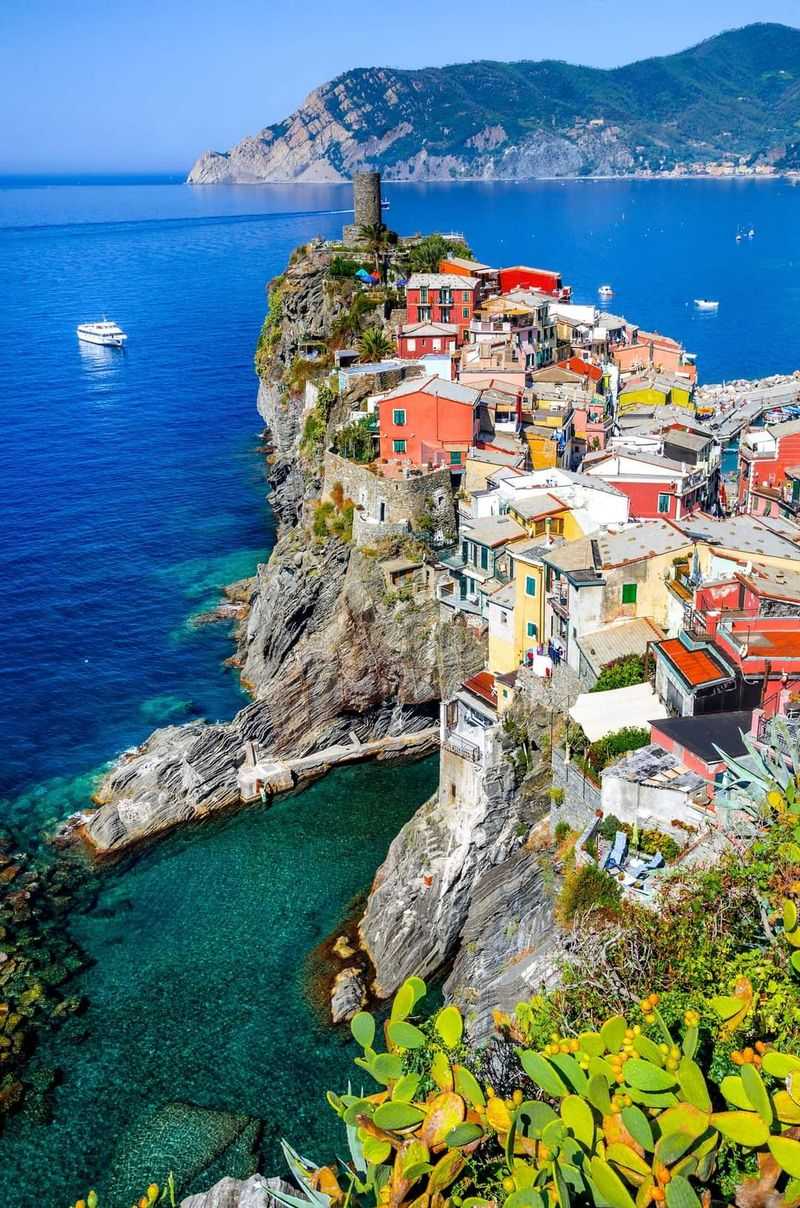
Italy refuses to be pinned down, and that is exactly what makes it so exciting. While France built its reputation around a handful of iconic regions, Italy spreads its wine genius across the entire boot-shaped peninsula.
With more than 500 legally recognized wine styles ranging from DOCG to IGT, the country offers a level of variety that takes years to fully explore.
Tuscany leads with heavyweights like Brunello di Montalcino and Chianti Classico, both built on the Sangiovese grape. Head north to Piedmont and you find Barolo and Barbaresco, two powerful Nebbiolo-based wines often called the Barolos of Italy for their depth and aging potential.
The Veneto contributes rich Amarone and cheerful Prosecco, proving Italy can swing from serious to celebratory without missing a beat.
Sicily has quietly become one of Italy’s most exciting wine frontiers, with volcanic soils around Mount Etna producing wines of remarkable freshness and character. The UNESCO-recognized vineyard landscapes of Langhe-Roero and Monferrato show just how central wine is to northern Italy’s identity.
Every Italian region has something worth opening a bottle for.
Spain

Spain is the country that somehow manages to be both ancient and surprising at the same time. It holds one of the largest vineyard areas in the world, yet many of its wines still feel like hidden discoveries waiting to be made.
With roughly 150 native grape varieties and around 4,100 wineries exporting to 189 countries, Spain’s range is genuinely staggering.
Rioja is the flagship, holding Spain’s oldest Qualified Designation of Origin status and producing Tempranillo-based wines aged in oak barrels that develop layers of vanilla, cherry, and spice. Ribera del Duero takes the same grape in a bolder, more structured direction.
Priorat turns rugged Catalan hillsides into some of Spain’s most powerful and sought-after reds.
Beyond the reds, Albarino from Rias Baixas brings crisp, citrusy whites to the table, and traditional Cava sparkling wine offers impressive quality at prices that rarely break the bank. Even the Canary Islands get involved, growing vines in dramatic volcanic soil that produces wines unlike anything from the mainland.
Spain rewards the curious, and there is always another grape or region worth discovering.
United States

California changed the wine world in a single afternoon. At the 1976 Judgment of Paris, California wines went up against top French bottles in a blind tasting and walked away with top honors in both red and white categories.
The shock waves from that moment pushed American wine onto the global stage and never really let it leave.
Napa Valley became the face of American wine ambition, building a powerhouse reputation for Cabernet Sauvignon and Chardonnay that draws visitors from around the world. Neighboring Sonoma offers a broader range of climates and varieties, giving producers more room to experiment.
Oregon stepped into the spotlight with Willamette Valley Pinot Noir, earning comparisons to Burgundy that the region has more than lived up to.
Washington State quietly built an impressive portfolio of Cabernet Sauvignon, Merlot, Syrah, and Riesling from vineyards east of the Cascade Mountains. Serious winemaking now extends to Texas, Virginia, and New York’s Finger Lakes, among others.
The United States proved that world-class wine does not require centuries of tradition. Sometimes all it takes is ambition, the right land, and a willingness to compete.
Argentina
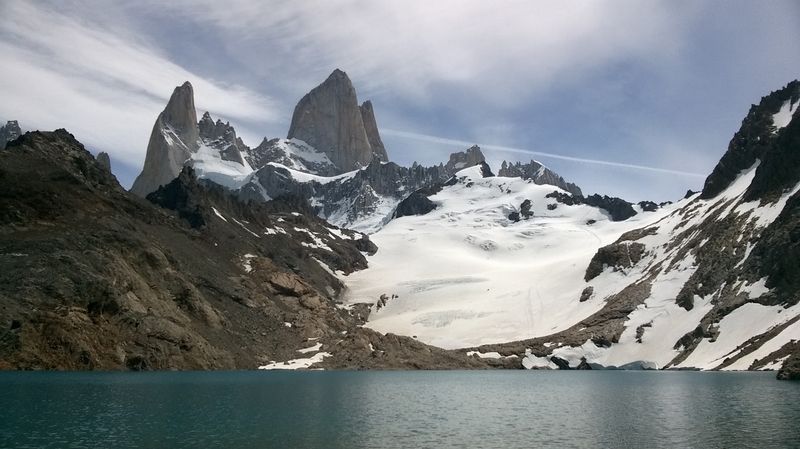
Malbec did not become a global superstar in France, where it originally came from. It became one in Argentina, specifically in the sun-baked, high-altitude vineyards of Mendoza, where the grape found conditions that suited it far better than its homeland ever did.
Argentina now devotes more than 40,000 hectares to Malbec, and Mendoza alone produces over 70% of the country’s total wine output.
The secret weapon here is altitude. Vineyards sitting thousands of meters above sea level get intense sunlight during the day and surprisingly cool temperatures at night.
That dramatic swing between daytime heat and nighttime chill helps grapes build both ripeness and freshness at the same time, a combination that gives Argentine Malbec its signature deep color, plush fruit, and lively acidity.
The Uco Valley has emerged as the premium address within Mendoza, with its higher elevations producing wines of exceptional complexity and elegance. Argentina is not a one-grape country, though.
Cabernet Sauvignon, Bonarda, Chardonnay, and the fragrant white Torrontés from the northern Salta region all contribute to a wine identity that keeps growing more interesting every year.
Chile

Chile has a geography so perfectly designed for wine that it almost seems unfair to everyone else. Sandwiched between the Pacific Ocean and the towering Andes, with the Atacama Desert to the north and Patagonia to the south, Chilean vineyards are naturally isolated from many of the pests and diseases that have plagued winemakers elsewhere for centuries.
Phylloxera, the root louse that devastated European vineyards in the 1800s, largely bypassed Chile entirely.
Maipo, Casablanca, Colchagua, and Maule are among the key wine valleys, each offering a distinct personality shaped by altitude, ocean influence, and soil type. Casablanca leans cool and breezy, making it ideal for crisp Sauvignon Blanc and elegant Chardonnay.
Colchagua turns up the heat and delivers bold, structured reds that have earned serious international attention.
Carmenere is Chile’s signature grape, a variety that spent decades being mistaken for Merlot before scientists correctly identified it in the 1990s. That discovery gave Chile a unique wine identity no other country could claim.
Cabernet Sauvignon remains the volume leader, but Carmenere is the story that makes Chile genuinely one of a kind on the world wine map.
Australia
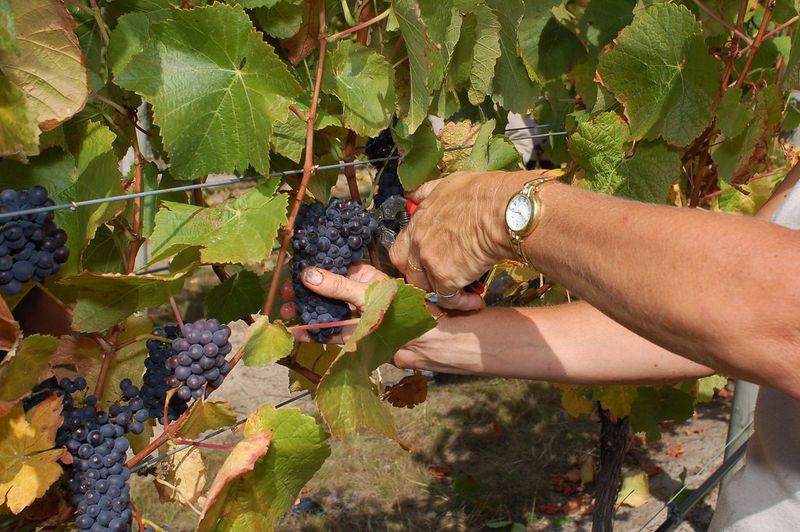
Australia grows wine across a continent, and the sheer range of what comes out of that vast landmass is remarkable. Barossa Valley is perhaps the most iconic stop, home to some of the oldest producing Shiraz vines anywhere on the planet.
These ancient vines, some well over a century old, survived because phylloxera never reached South Australia, making them living pieces of wine history.
Margaret River on the western coast produces Cabernet Sauvignon and Chardonnay that regularly compete with the world’s best. Yarra Valley near Melbourne has built a reputation for elegant Pinot Noir and refined Chardonnay in a cooler climate that feels a world away from Barossa’s warmth.
Hunter Valley, one of Australia’s oldest wine regions, produces a unique style of Semillon that is lean and tart when young but transforms into something extraordinary after a decade in the bottle.
Tasmania has become the cool-climate darling of the Australian wine scene, with the Tamar Valley producing sparkling wines and delicate Pinot Noir that punch well above their weight internationally. Australian producers also led the way in modernizing winemaking technology, particularly temperature-controlled fermentation, helping raise quality standards across the entire industry.
Portugal
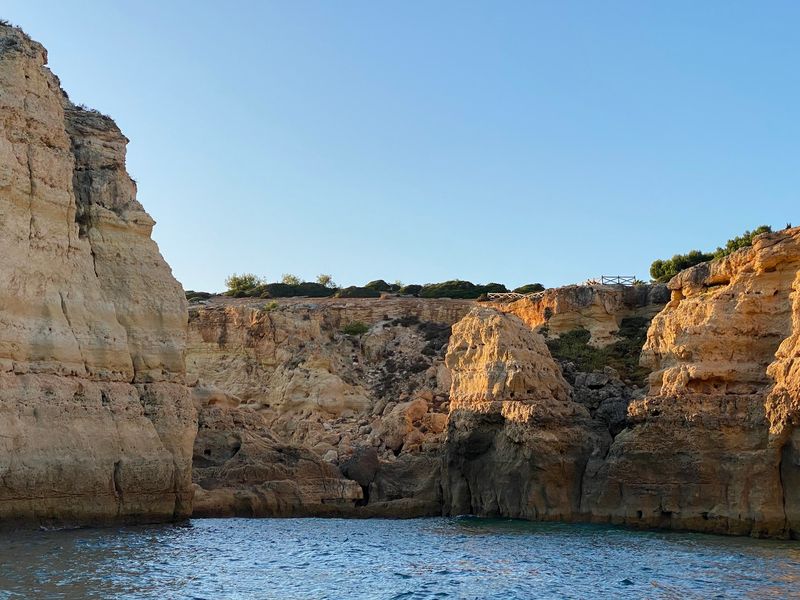
Portugal is the country that wine lovers keep discovering and then immediately wonder why they waited so long. While the rest of the world was planting Cabernet Sauvignon and Chardonnay everywhere, Portugal stayed loyal to its extraordinary collection of indigenous grapes, and that stubbornness turned out to be a stroke of genius.
Grapes like Touriga Nacional, Alvarinho, Arinto, and Baga give Portuguese wine a flavor profile that simply cannot be replicated anywhere else.
The Douro Valley is the crown jewel, with a formally demarcated wine region dating back to 1756, making it one of the oldest in the world. Terraced vineyards cut into dramatic schist slopes produce the grapes for Port, the famous fortified wine that made Portugal famous globally.
Increasingly, those same Douro vineyards are also producing dry reds and whites of serious quality that are finally getting the attention they deserve.
Vinho Verde from the northern Minho region delivers fresh, lightly sparkling whites that are perfect for warm weather. Alentejo in the south produces rich, full-bodied reds from a sun-soaked landscape.
Madeira’s fortified wines are practically indestructible and can age for decades. Portugal offers a wine experience that feels genuinely unlike anywhere else on earth.
Germany
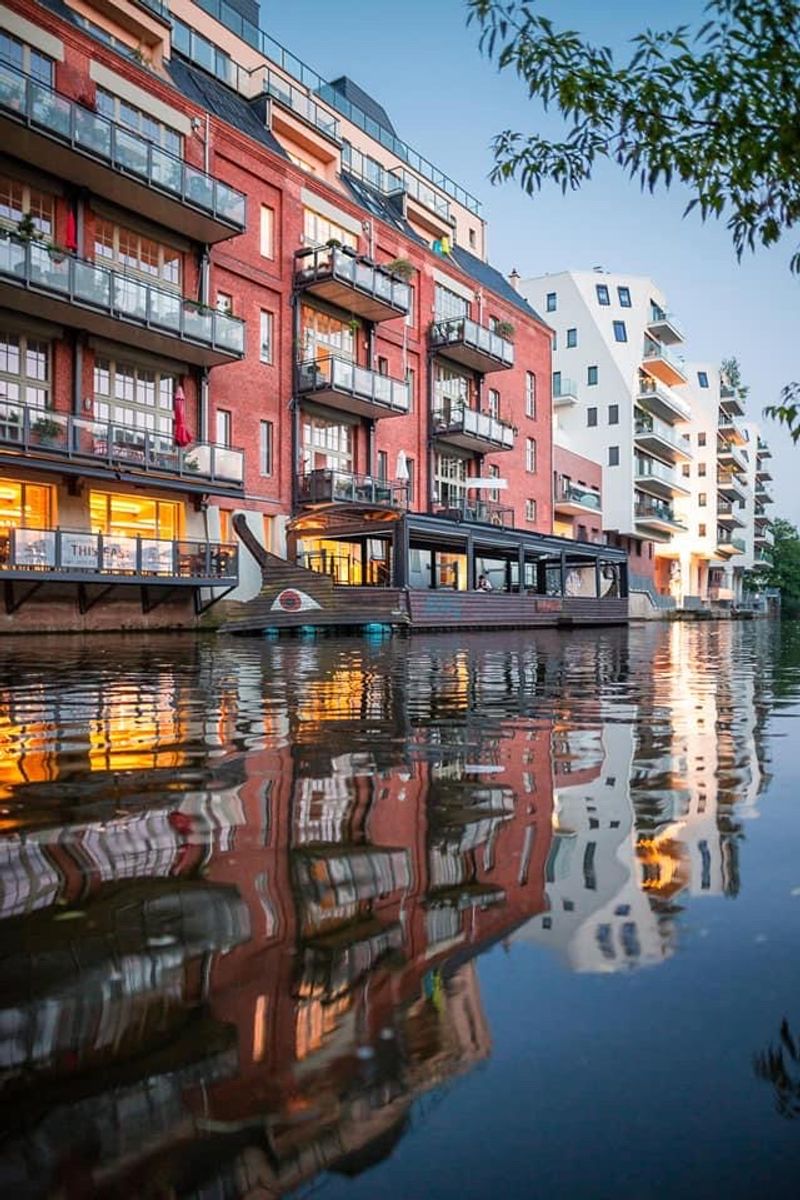
Germany built its wine reputation on one grape, and it chose well. Riesling, grown on some of the steepest and most dramatic vineyard slopes in the world, produces wines of extraordinary aromatic complexity, razor-sharp acidity, and a lifespan that rivals the finest Bordeaux.
A well-made German Riesling can age gracefully for 20, 30, or even 50 years, developing layers of flavor that keep revealing themselves over time.
The Moselle is Germany’s oldest wine region, with viticulture stretching back roughly 2,000 years to the Roman era. South-facing slopes along the river, combined with slate soils that absorb heat during the day and release it at night, allow Riesling to ripen fully even in a relatively cool climate.
The result is wines that balance ripe fruit with a refreshing tartness that makes them incredibly food-friendly.
Rheingau and Rheinhessen are other major Riesling strongholds, while the Pfalz adds Pinot Noir and Pinot Gris to Germany’s portfolio. German wines shatter the myth that great wine requires warm climates and high alcohol.
Some of the most elegant and age-worthy bottles in the world come from these cool northern valleys, proving that patience and precision matter far more than sunshine alone.
New Zealand
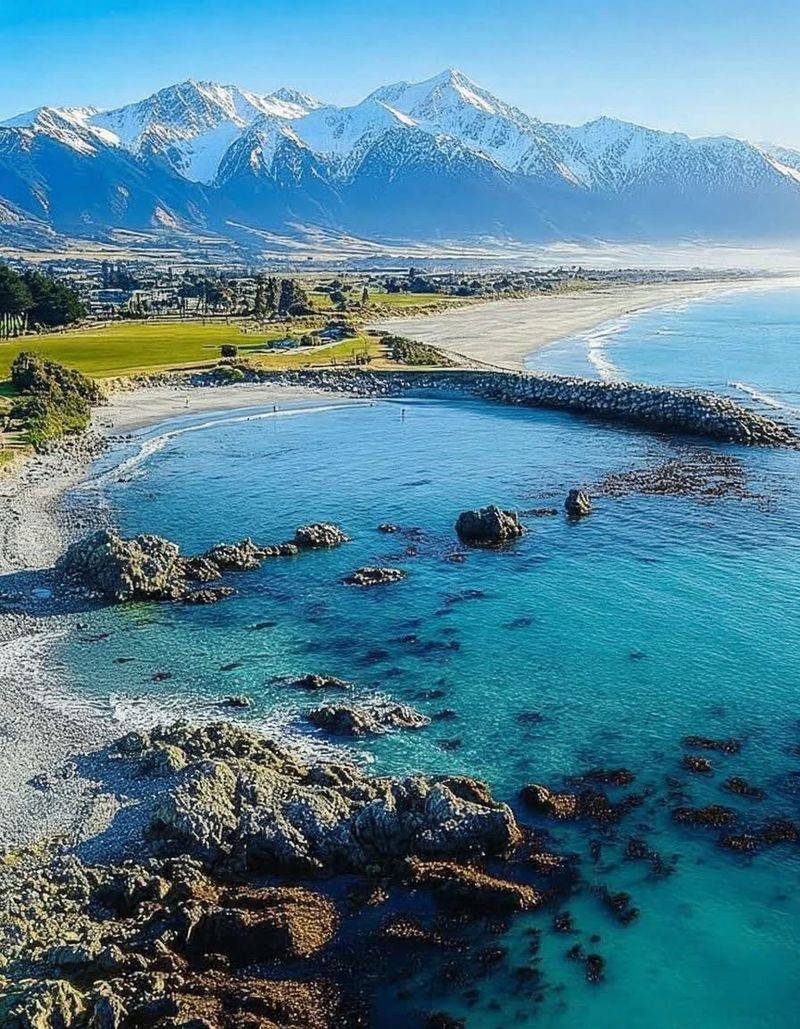
For a country that produces only about 1% of the world’s wine, New Zealand punches with a force that leaves much larger producers looking over their shoulders. Marlborough’s Sauvignon Blanc did not just find a market when it hit the international scene; it created a new flavor category that drinkers had never quite experienced before.
Intensely aromatic, vibrantly citrusy, and bursting with fresh herb character, Marlborough Sauvignon Blanc became one of the most recognizable wine styles on the planet almost overnight.
Central Otago is New Zealand’s other headline act, producing Pinot Noir from one of the world’s southernmost wine regions. The combination of continental climate, high altitude, and schist soils creates a Pinot Noir style that is silky, fragrant, and deeply expressive.
Hawke’s Bay on the North Island adds Chardonnay, Syrah, and Bordeaux-style reds to the national lineup, giving the country a much broader range than its small size might suggest.
Sustainability is not just a marketing talking point in New Zealand. A remarkable 96% of the country’s vineyard area is accredited through Sustainable Winegrowing New Zealand, making it one of the most environmentally responsible wine industries in the world.
Small in scale, enormous in impact, New Zealand earns its place on this list every single vintage.
Share this story