Istanbul is one of those rare cities that genuinely earns every superlative thrown at it. Sitting at the crossroads of Europe and Asia, it packs ancient Roman monuments, towering Ottoman mosques, lively bazaars, and sparkling waterways into one endlessly fascinating place.
Whether you have three days or a full week, the city rewards curiosity at every turn. From 1,500-year-old cathedrals turned mosques to ferry rides across two continents, here are ten experiences that belong on every Istanbul itinerary.
Step Inside Hagia Sophia
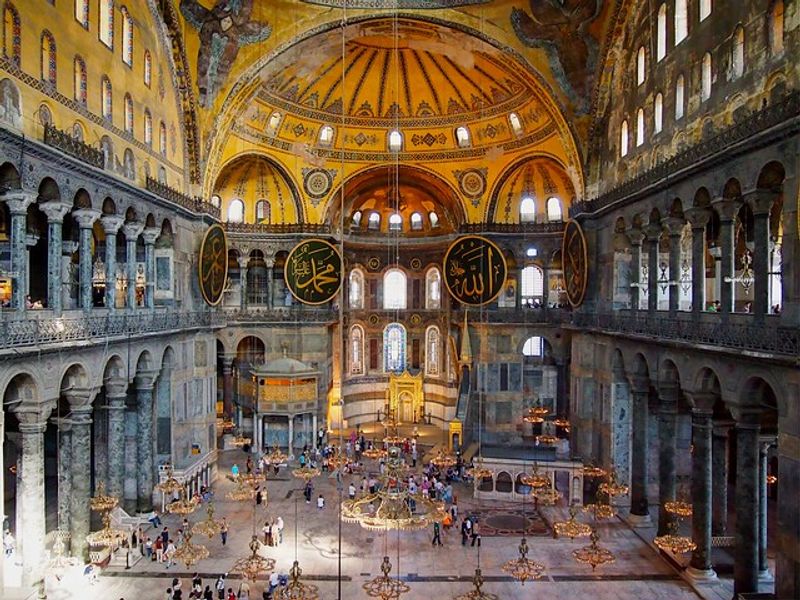
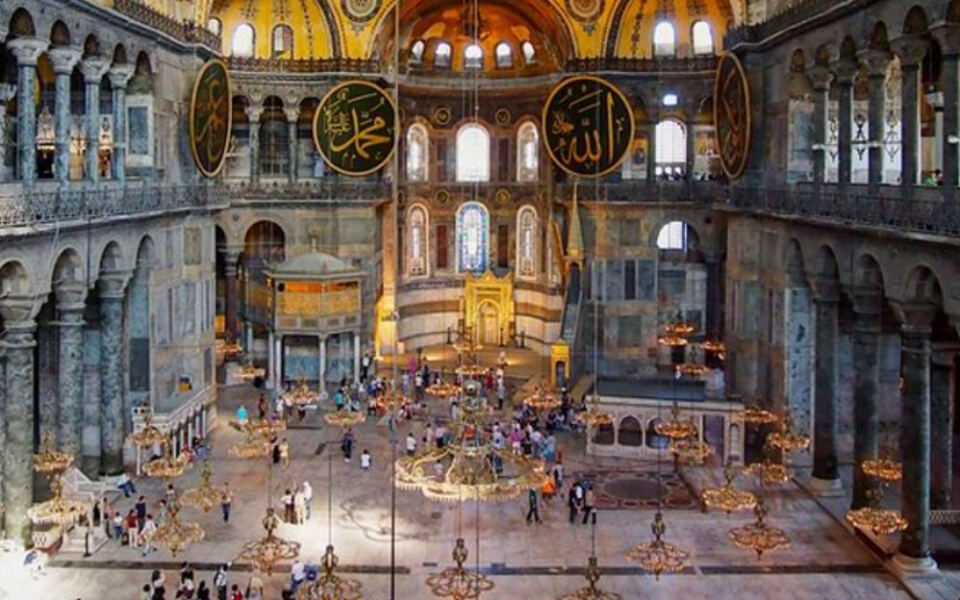
Almost 1,500 years of history are stacked inside a single building, and Hagia Sophia might be the most dramatic proof of that claim anywhere on Earth. Emperor Justinian completed this extraordinary structure in 537 CE as the grandest church in the Christian world.
The sheer size of the central dome still stops visitors in their tracks the moment they walk through the doors.
Over the centuries, the building transformed from a church into a mosque after the Ottoman conquest of 1453, then became a museum in 1935, and returned to mosque status in 2020. Each era left visible marks: Byzantine mosaics share wall space with enormous Ottoman calligraphy medallions.
Marble columns sourced from ancient temples across the Mediterranean prop up the nave.
Visiting requires modest dress, and the space is busiest in late morning. Arriving early or late in the afternoon gives you a calmer experience with better light filtering through the upper windows.
The surrounding Sultanahmet district means you can combine this stop with the Blue Mosque and Topkapi Palace on the same day without much walking at all.
Visit the Blue Mosque
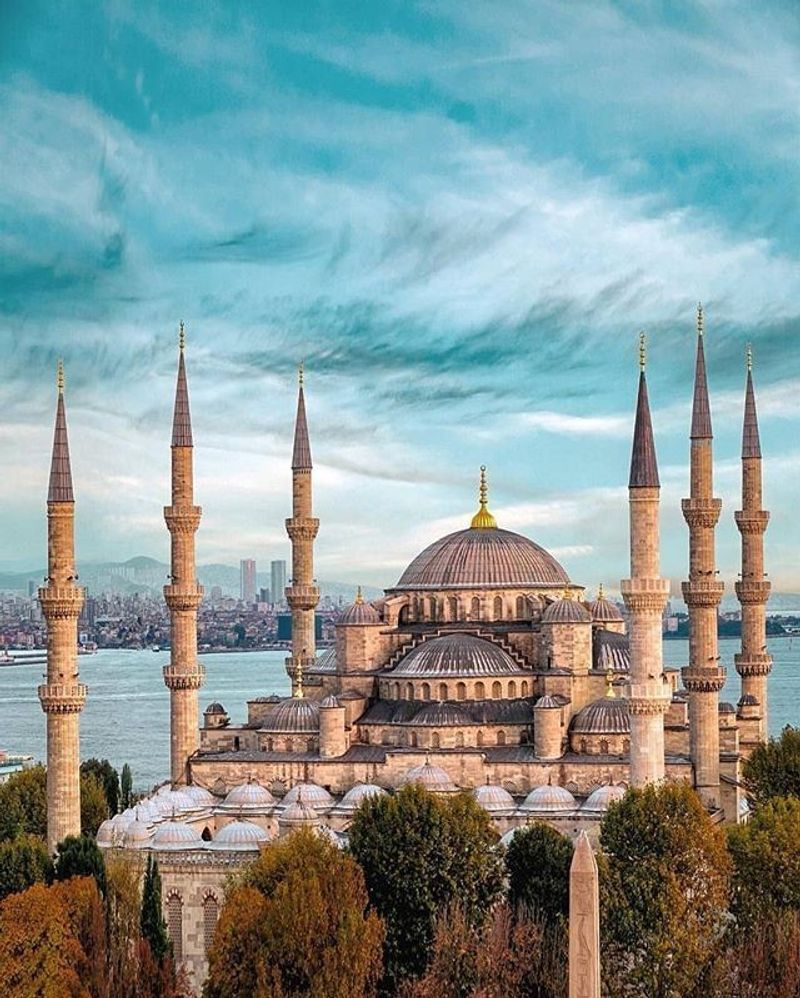
Six minarets and a skyline silhouette that looks almost too perfect to be real greet you as you approach the Sultan Ahmed Mosque. Most visitors know it simply as the Blue Mosque, a nickname earned by the thousands of hand-painted Iznik-style tiles lining the interior walls in deep cobalt and turquoise tones.
The effect inside is quietly breathtaking, especially when afternoon light filters through the stained-glass windows.
Unlike many historic monuments, this mosque is still an active place of worship. That means tourist access pauses during the five daily prayer times, so checking the schedule before your visit saves a frustrating wait at the entrance.
Dress modestly, remove shoes, and the guards will direct you to the correct entrance for non-worshippers.
Standing in Sultanahmet Square between Hagia Sophia and the Blue Mosque offers one of the great urban views in the world. The two buildings represent entirely different architectural eras yet feel like natural neighbors after centuries of sharing the same hilltop.
Grab a bench in the square at golden hour and appreciate how much history fits into one small corner of the city.
Explore Topkapi Palace
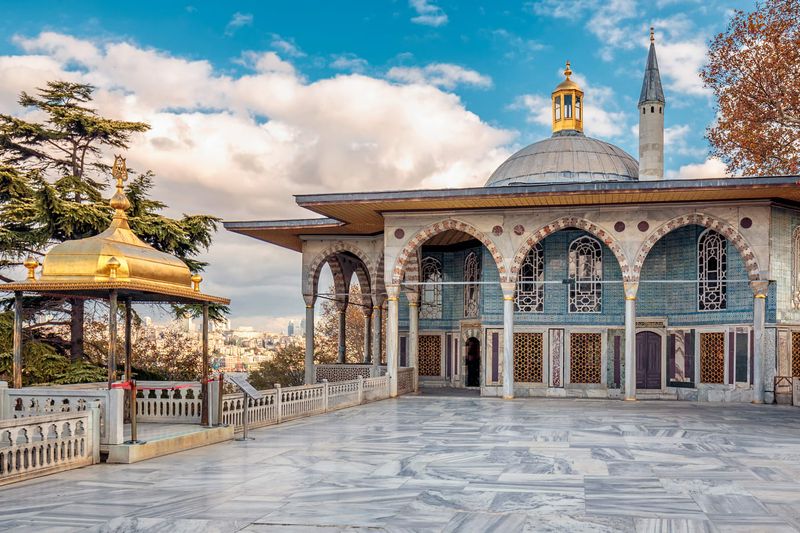
Running an empire apparently required a lot of real estate. Topkapi Palace sprawls across the tip of Istanbul’s historic peninsula in a collection of courtyards, pavilions, gardens, and ceremonial halls that took centuries to accumulate.
Mehmed II began construction after the Ottoman conquest of Constantinople in 1453, and successive sultans kept adding to it for generations.
The Treasury is a highlight for most visitors, displaying jeweled thrones, ceremonial armor, and the famous Topkapi Dagger. The Harem section requires a separate ticket but rewards the extra cost with elaborately tiled rooms and a glimpse into the more private side of imperial life.
Wander slowly because the complex is genuinely large and rushing through it means missing quieter corners with remarkable views over the Bosphorus.
Few royal residences anywhere in the world offer this combination of architectural grandeur and geographic drama. From the palace terraces, you can see the Golden Horn, the Sea of Marmara, and the Asian shore of Istanbul simultaneously.
Comfortable shoes are essential because the uneven stone paths between courtyards add up quickly over the course of a full visit.
Descend Into the Basilica Cistern
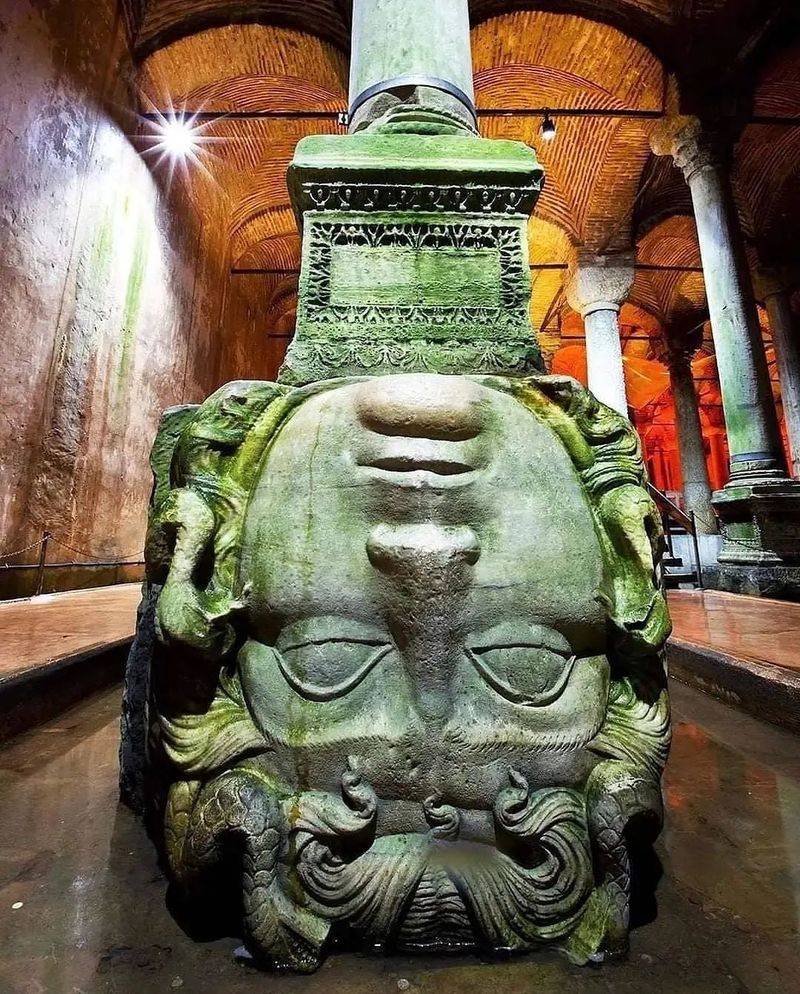
Somewhere under the streets of Sultanahmet, a forest of marble columns stands in silence beneath a vaulted ceiling, their reflections rippling in shallow water below. The Basilica Cistern was built during the reign of Emperor Justinian I in the sixth century to supply water to the imperial palaces and surrounding city.
It held up to 80,000 cubic meters of water at full capacity, which is a genuinely staggering figure for ancient infrastructure.
Two column bases carved with the image of Medusa draw the most attention from visitors. One sits upside down and another on its side, and nobody has definitively explained how they ended up positioned that way.
The mystery adds a layer of intrigue to an already atmospheric underground space.
Modern lighting and a raised walkway make the cistern accessible and surprisingly comfortable to explore. The temperature underground stays cool year-round, which makes it a welcome relief during Istanbul’s hot summers.
Recent restoration work has refreshed parts of the site, and a small cafe area near the exit lets you sit and process what you just saw before heading back above ground into the sunlight.
Get Lost in the Grand Bazaar
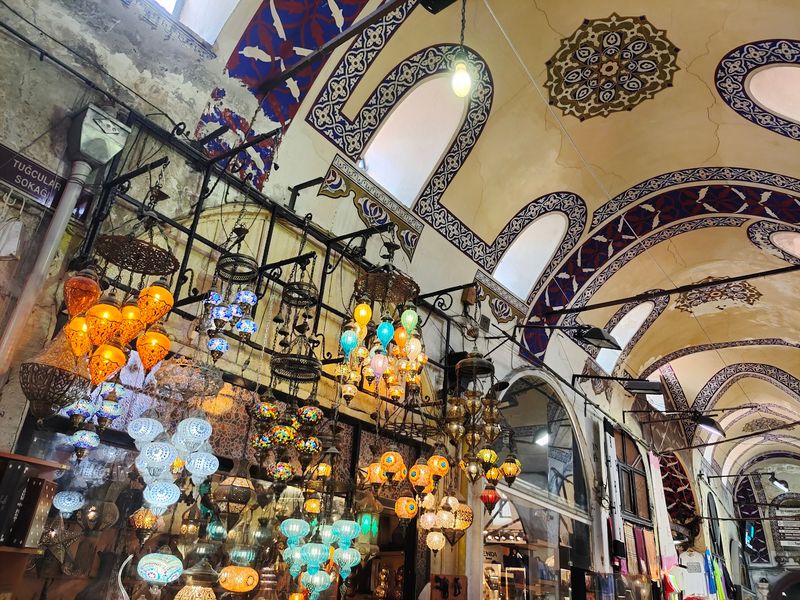
Somewhere around the third wrong turn, you stop trying to navigate and just enjoy where you end up. That is the correct approach to the Grand Bazaar, one of the oldest and largest covered markets in the world.
Its core dates to the 15th century when Mehmed II encouraged a major commercial hub in his newly conquered Ottoman capital, and the place has been busy ever since.
More than 4,000 shops fill 61 covered streets, selling everything from hand-knotted carpets and ceramic tiles to gold jewelry, leather bags, spices, and hand-painted ceramics. Bargaining is common in many stalls, but wandering and window-shopping without buying a single thing is equally acceptable.
The atmosphere and architecture alone justify the visit.
Go on a weekday morning if possible, when crowds are thinner and shopkeepers are more relaxed. Pick a landmark gate as your meeting point if you are traveling with others, because phone signal inside can be unreliable.
The bazaar connects to the nearby Spice Bazaar by a short walk through outdoor market streets, making it easy to combine both into one long, pleasantly chaotic morning.
Cruise the Bosphorus
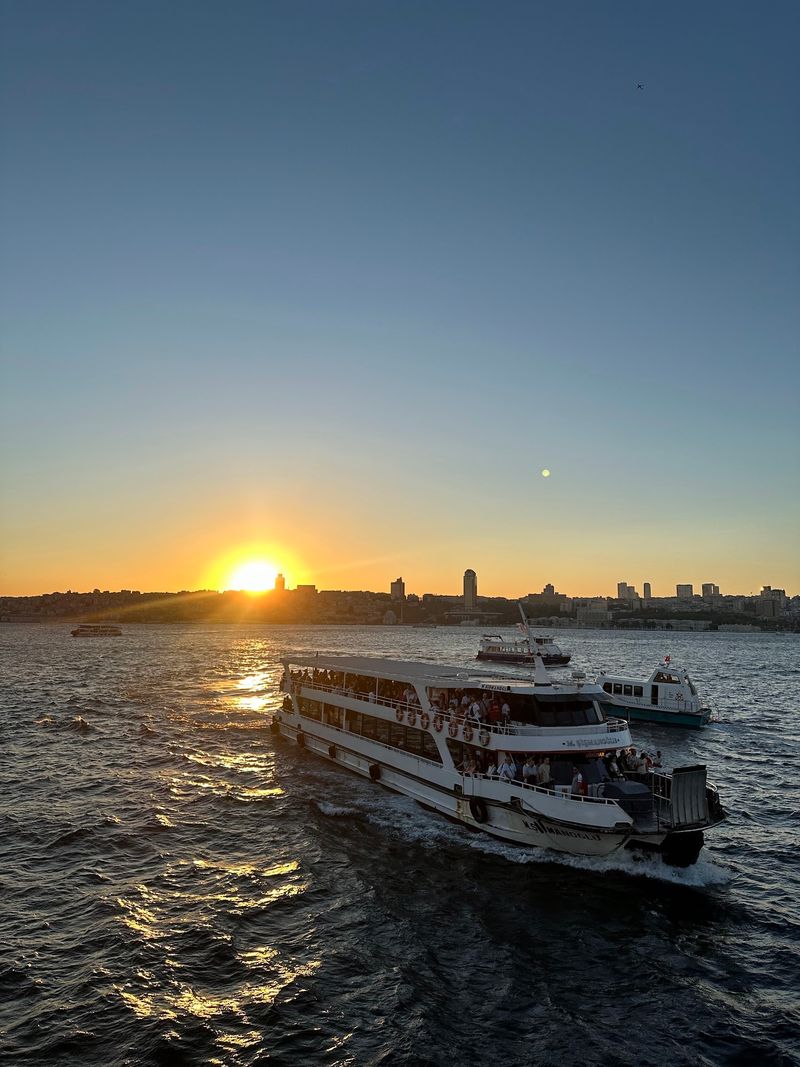
Technically you are sailing between two continents, which is not something most ferry rides can claim. The Bosphorus strait cuts through Istanbul, separating Europe on the west from Asia on the east while connecting the Black Sea to the Sea of Marmara.
From the water, the city reveals a completely different face than what you see from its streets and squares.
Ornate 19th-century waterfront mansions called yalis line the shores, interrupted by mosques, fortresses, and hilltop neighborhoods climbing steeply behind them. Approximately 360 historic waterfront villas survive along the Bosphorus, ranging from modest wooden houses to grand stone palaces.
The two suspension bridges and one tube crossing visible from the water put the strait’s modern importance into perspective alongside all that history.
You do not need an expensive private tour to enjoy this experience. Istanbul’s municipal Sehir Hatlari ferries run regular Bosphorus routes from Eminonu and connect stops including Besiktas, Ortakoy, Uskudar, and Anadolu Kavagi at very reasonable prices.
Grab a glass of cay from the onboard cafe, find a seat on the outer deck, and let Istanbul slide past you for a couple of hours.
See Istanbul From Galata Tower
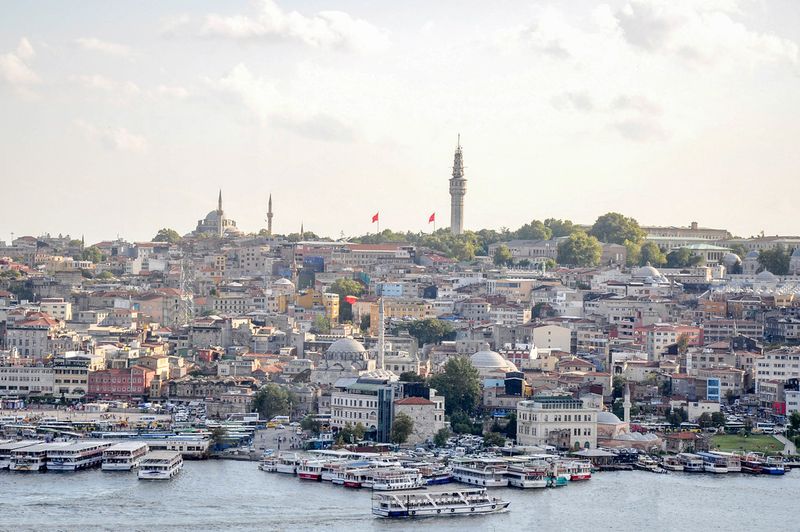
A 14th-century Genoese watchtower has no business being this charming, yet here we are. The Galata Tower has anchored the Beyoglu skyline for centuries, originally built by Genoese traders who controlled this northern bank of the Golden Horn during the Byzantine period.
Today it functions as one of the city’s most rewarding viewpoints and a focal point for one of Istanbul’s most enjoyable walking neighborhoods.
From the observation gallery near the top, the panorama sweeps across the Golden Horn toward Sultanahmet, where the domes and minarets of Hagia Sophia, the Blue Mosque, and the Suleymaniye Mosque cluster together on the historic peninsula. On a clear day, you can spot the Asian shore and trace the Bosphorus as it curves northward.
It is the kind of view that makes the city’s geography suddenly click into place.
The streets surrounding the tower are packed with cafes, bookshops, small restaurants, and independent boutiques. Karakoy and the Galataport waterfront are a short downhill walk away, while Istiklal Avenue stretches uphill toward Taksim Square.
Plan to spend at least a half-day in this area because the neighborhood rewards slow exploration far more than a quick in-and-out visit to the tower alone.
Spend Time Around Suleymaniye Mosque
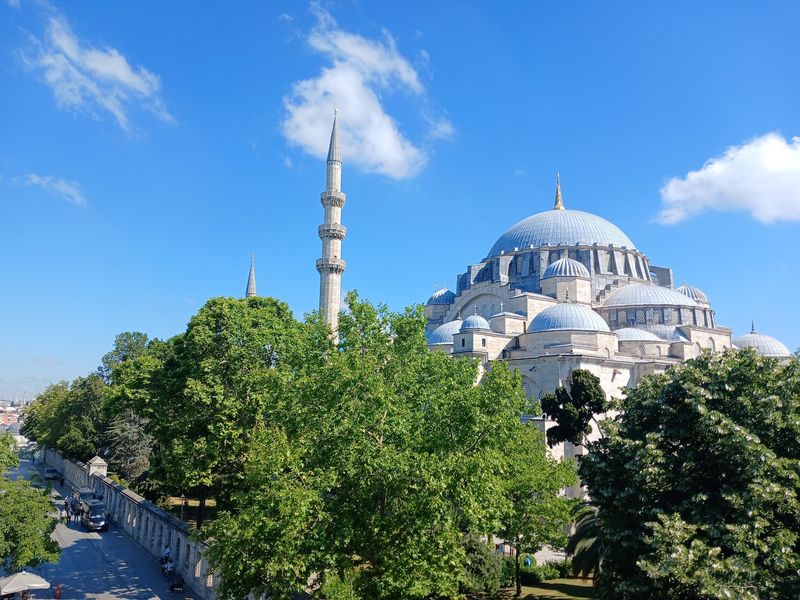
Perched on one of Istanbul’s seven hills, the Suleymaniye Mosque has been anchoring the city’s skyline since 1558. Sultan Suleyman the Magnificent commissioned it, and the legendary Ottoman architect Mimar Sinan designed it at the peak of his career.
The result is a building that feels confident rather than showy, prioritizing proportion and space over decorative excess.
Inside, the prayer hall is enormous and serene, with high windows flooding the space with natural light. The restrained interior palette feels deliberate after the intense tile decoration of the Blue Mosque, and many visitors find it more calming as a result.
Sinan is buried in a small tomb just outside the mosque walls, a modest resting place for someone who shaped Istanbul’s skyline so profoundly.
The surrounding complex includes a courtyard with sweeping views toward the Golden Horn and the Bosphorus beyond. The neighborhood streets around Suleymaniye are less tourist-heavy than Sultanahmet, filled instead with tea houses, bookshops, and local restaurants.
Arriving in the late afternoon catches the light at its best angle across the courtyard, and the walk back downhill toward the waterfront through the old book market street is a genuinely lovely way to end the day.
Wander Through Fener and Balat
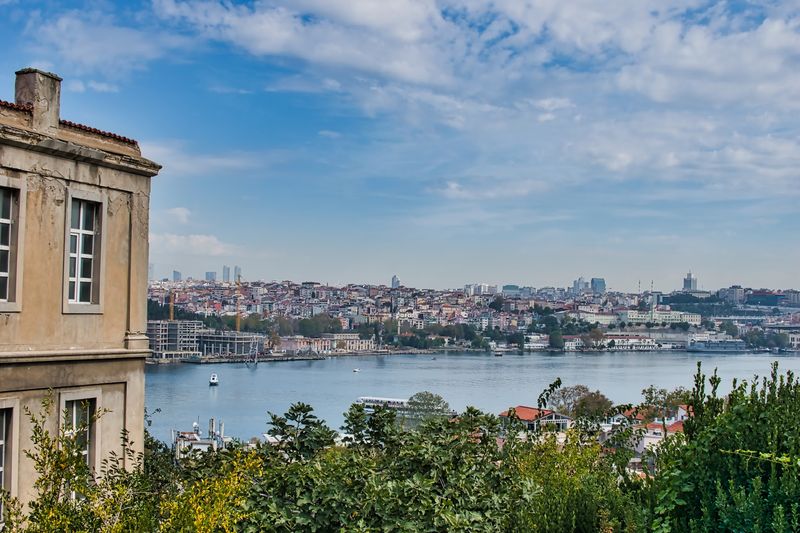
Paint peeling off a wooden facade can tell you more about a city’s history than any museum label. Fener and Balat, two adjacent neighborhoods along the Golden Horn, are living records of Istanbul’s layered past, where Greek Orthodox institutions, Jewish synagogues, Ottoman mosques, and Armenian churches exist within a few streets of each other.
The area developed over centuries as home to several of the city’s non-Muslim communities during the Ottoman period.
Walking here feels genuinely different from the monument-dense experience of Sultanahmet. Steep, narrow lanes wind past colorful but weathered houses, neighborhood bakeries, street cats occupying every sunny step, and small cafes that have turned the area into a mild weekend destination for younger Istanbulites.
The Ecumenical Patriarchate of Constantinople, still the spiritual center of Eastern Orthodox Christianity worldwide, sits quietly in Fener without much fanfare.
Come on a weekend morning when the light is soft and the streets are relatively quiet. Bring cash for small cafes and shops, as card readers are not universal here.
The area pairs well with a Golden Horn ferry ride, which deposits you directly at the neighborhood waterfront and offers a scenic approach that sets the mood perfectly before you start walking uphill.
Take a Ferry to Kadikoy
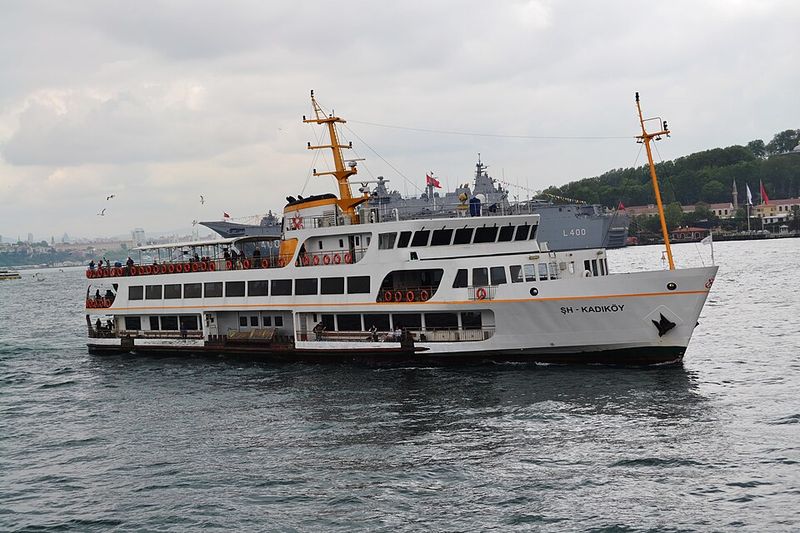
Hopping on a ferry and arriving on a different continent twenty minutes later is the kind of travel moment that genuinely never gets old. Kadikoy sits on Istanbul’s Asian shore, and the public ferry crossing from Eminonu or Besiktas is both the cheapest and most scenic way to get there.
The ride back toward Europe offers one of the best free views of the historic peninsula skyline you will find anywhere.
Kadikoy itself has a completely different energy from the tourist-heavy European side. The neighborhood is known for its food market, where stalls overflow with fresh produce, olives, pickles, spices, and local cheeses.
Surrounding streets are lined with independent restaurants, wine bars, record shops, and bookstores that cater to a young, local crowd rather than tour groups.
Nearby Moda adds a quieter, more residential dimension to the visit, with a pleasant waterfront promenade and neighborhood cafes. The whole area is easy to explore on foot over three or four hours.
Return on the evening ferry as the sun drops behind the European skyline and the city lights begin to reflect off the Bosphorus, because that particular view is the kind of thing Istanbul saves for the end of a long, satisfying day.
Share this story