Some winters are just a few chilly weeks with light frost, but in certain corners of the world, winter is a full-on battle for survival. Temperatures can crash below -40°C, snow can bury entire towns, and the sun can disappear for weeks at a time.
Geography plays a huge role, since landlocked interiors, towering mountains, and Arctic locations all make cold much worse. From Siberia to Scandinavia to the high Alps, these 15 countries have winters that are truly in a league of their own.
Russia
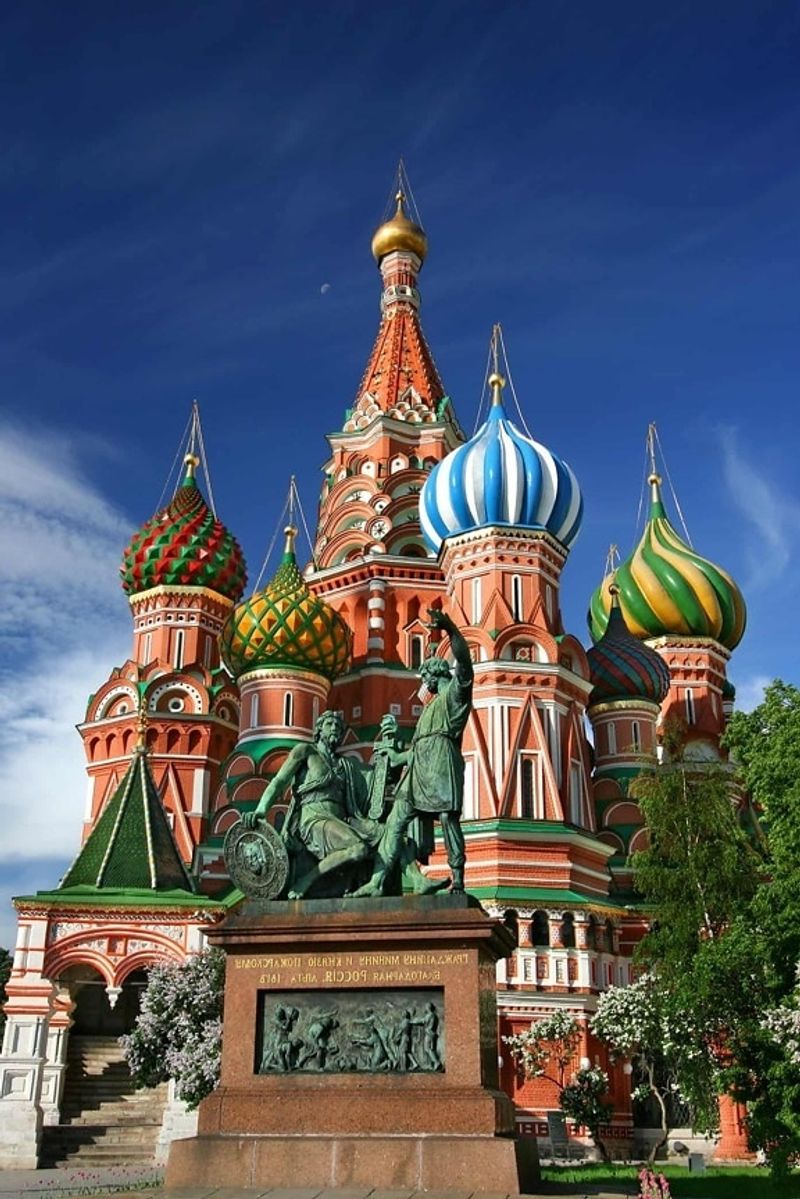
Hold onto your hat, because Russia does not mess around when it comes to cold. Oymyakon, a small village in eastern Siberia, recorded a jaw-dropping -67.7°C on February 6, 1933.
That figure, recognized by the World Meteorological Organization, makes it one of the lowest temperatures ever measured at a permanently inhabited place on Earth.
What makes Oymyakon so extreme? Its valley geography traps cold air, and its location deep inside the Asian continent keeps any warming ocean influence far, far away.
Nearby Verkhoyansk has also hit close to -68°C, giving Russia two legitimate candidates for the title of coldest inhabited spot on the planet.
Winters across Russia vary widely, with Moscow being much milder than Siberia. Still, Siberian residents deal with frozen eyelashes, engines that refuse to start, and ground that never fully thaws.
Life goes on, but it requires serious preparation.
Canada
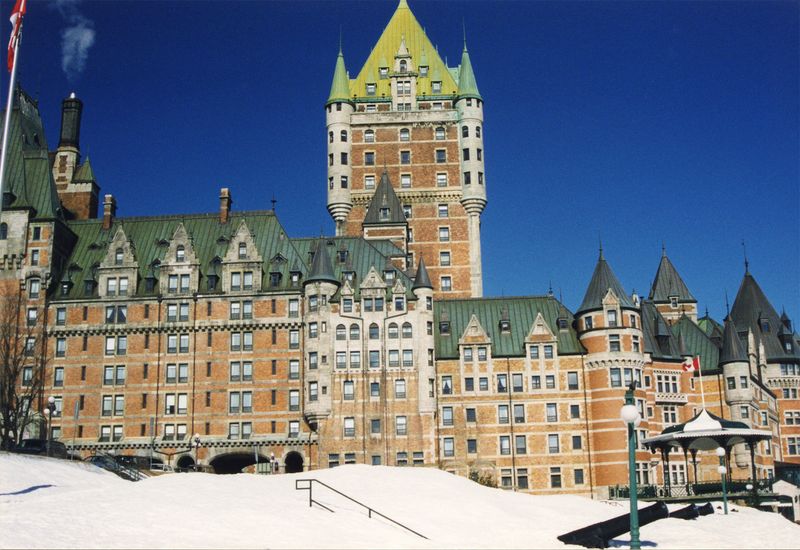
Canada wears its winter reputation like a badge of honor, and the numbers back it up. Snag, a tiny community in Yukon, hit -62.8°C in February 1947, one of the lowest temperatures ever officially recorded in North America.
That record still stands today, cementing Canada’s place among the world’s coldest countries.
Northern communities across Canada face months of darkness, dangerous wind chills, and snow that sticks around well into spring. Environment and Climate Change Canada points out that -30°C with a 40 km/h wind creates a wind chill around -48, cold enough to freeze exposed skin surprisingly fast.
That is not just uncomfortable; it is genuinely dangerous.
Southern cities like Toronto and Vancouver have much gentler winters by comparison. Canada’s enormous size means it holds almost every type of winter climate at once.
From the mild Pacific coast to the Arctic tundra, the country is a masterclass in just how wide a range winter can cover.
Mongolia
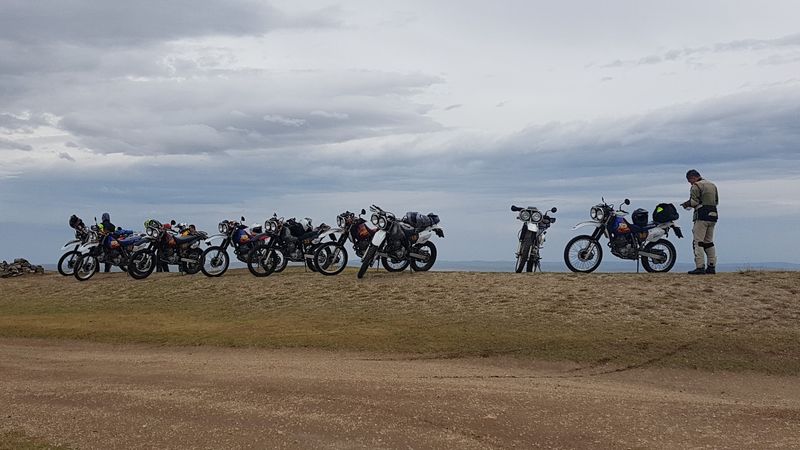
Ulaanbaatar holds a title most capital cities would rather avoid: coldest national capital in the world. January averages hover around -26°C, and the city can see roughly 40 days per year drop below -30°C.
Its recorded minimum has dipped to approximately -49°C, which puts it in some seriously elite cold company.
Mongolia’s harsh winters are shaped by a perfect storm of geography. High elevation, a landlocked position, bone-dry air, and a staggering distance from any ocean all work together to strip heat from the landscape.
There is almost nothing to soften the cold once it arrives.
For rural herders, winter brings the added threat of dzud, a severe weather event where extreme cold and heavy snow make it impossible for livestock to graze. Millions of animals have died during bad dzud years, making winter not just uncomfortable but economically devastating for families across the country.
Mongolia’s winters are tough, and the people who live through them are tougher.
Finland
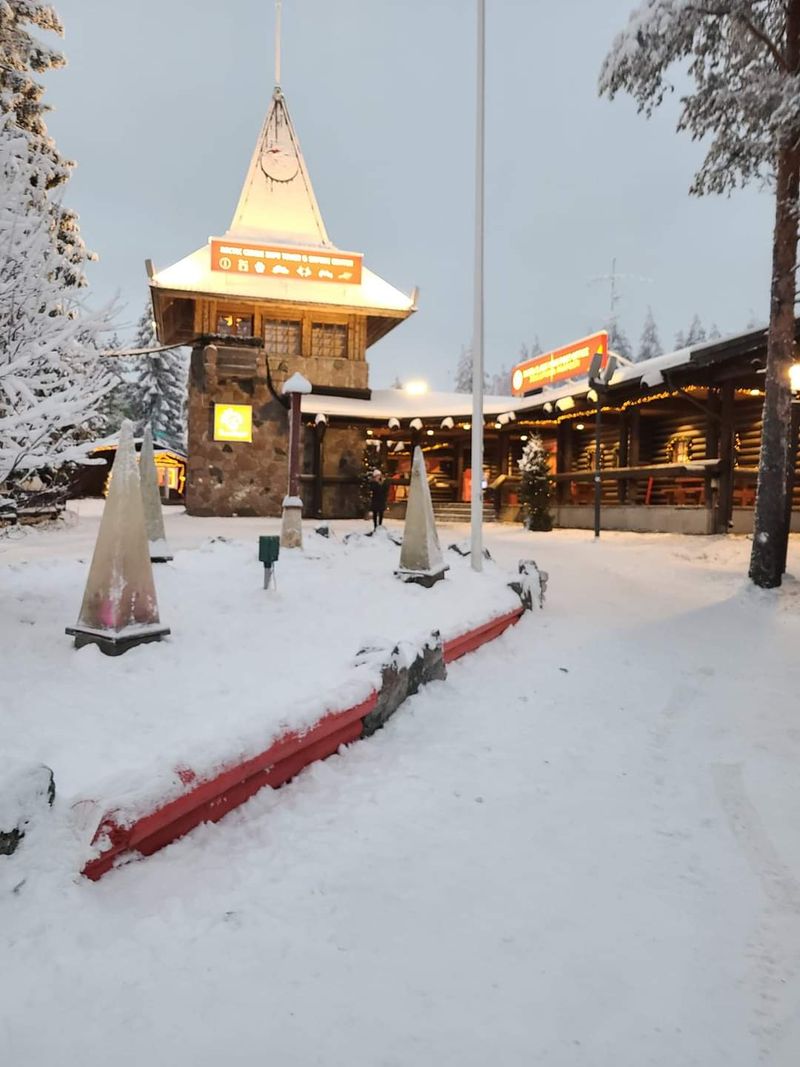
Finland takes winter seriously, and the records prove it. The Finnish Meteorological Institute lists -51.5°C at Pokka, Kittilä, on January 28, 1999, as the country’s all-time low.
Snow depth records are equally impressive, with 190 centimeters measured at Kilpisjärvi in 1997. That is nearly two meters of snow sitting on the ground at once.
Lapland, Finland’s northernmost region, averages around -14°C in winter and can occasionally plunge to -30°C. Above the Arctic Circle, the sun does not rise at all during the darkest weeks of winter, a phenomenon called polar night.
Imagine weeks of near-total darkness combined with bone-chilling cold and heavy snowfall.
Southern Finland near Helsinki is considerably milder, but the country’s dramatic north-south stretch means winter feels completely different depending on where you are. Finns have developed a culture built around surviving and even enjoying winter, from cross-country skiing to ice swimming to cozy sauna sessions.
They do not just endure winter; they have turned it into an art form.
Sweden
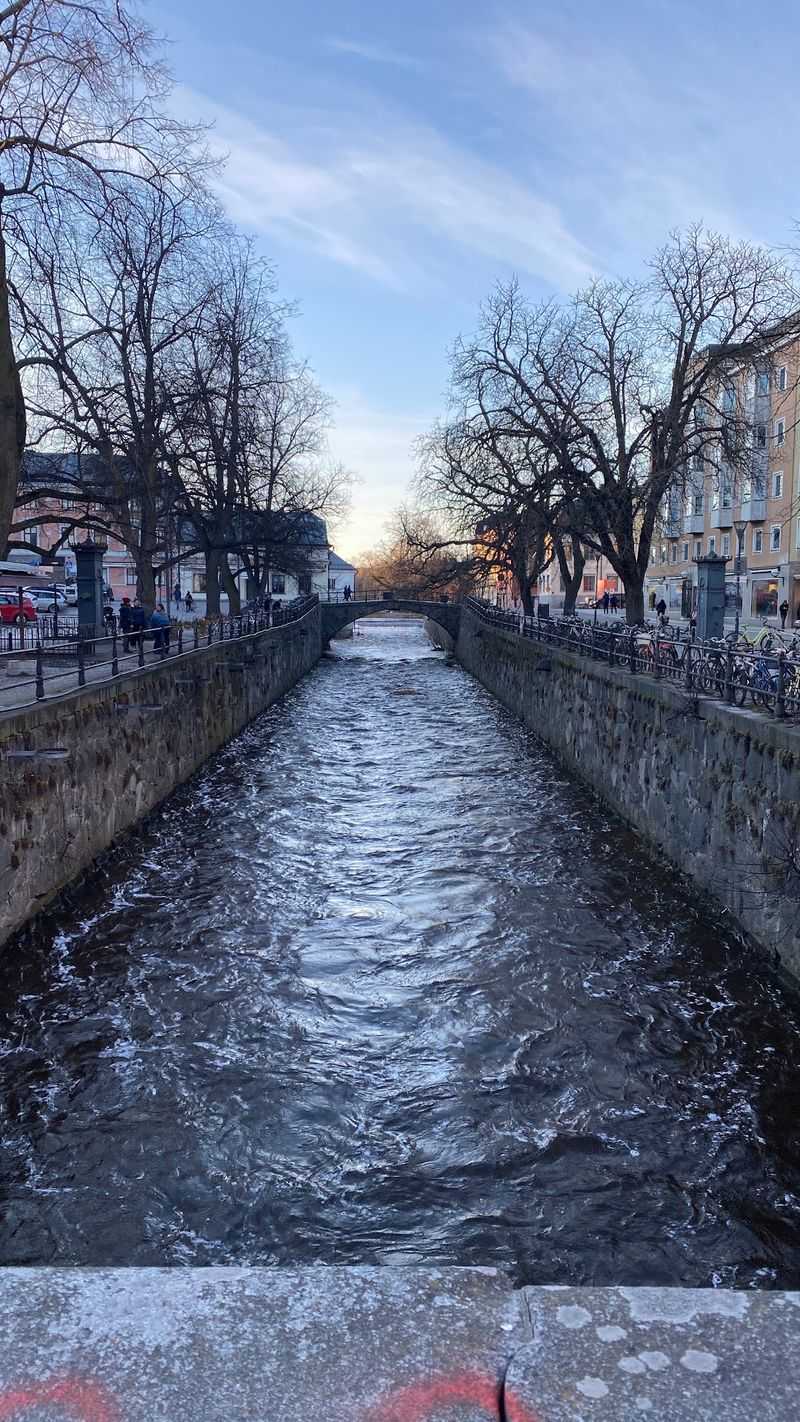
Sweden’s most brutal winters happen far from Stockholm, up in the northern interior where Arctic air settles in and the thermometer sometimes seems to forget how to rise. SMHI, Sweden’s meteorological agency, records -52.6°C at Vuoggatjålme in February 1966 as the lowest temperature ever measured at an official Swedish weather station.
That is cold enough to make your breath freeze before it even leaves your face.
In the Laponia region of Swedish Lapland, winter temperatures can reach around -40°C, according to Visit Sweden. Clear skies and long Arctic nights create perfect conditions for rapid heat loss, sending temperatures plunging overnight.
Frozen lakes, meters of snow, and weeks with barely any sunlight define the season at these latitudes.
Southern Sweden is a different story, with winters that are cold but manageable compared to the far north. The country’s remarkable north-south length means its winter climate is almost unrecognizable from one end to the other.
Still, when Arctic air pushes south, even Stockholm can feel the bite of a genuinely harsh Scandinavian winter.
Norway
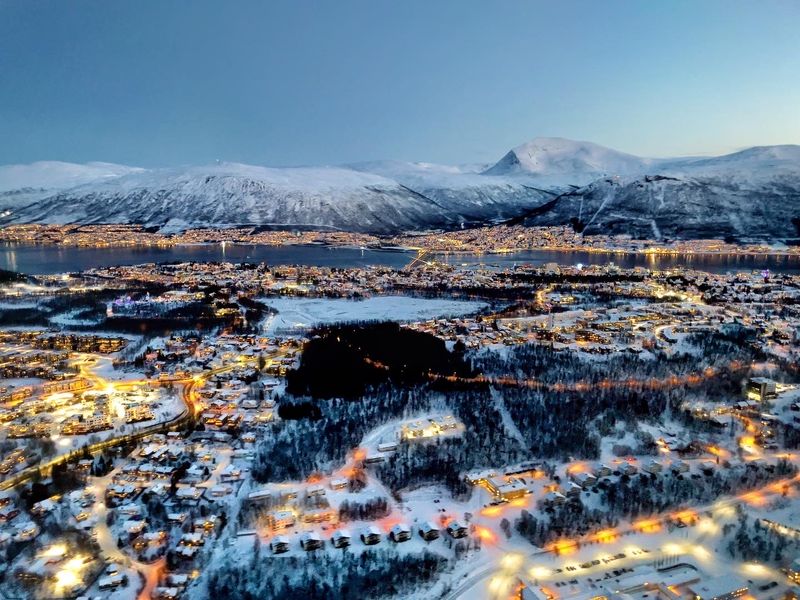
Norway’s coastline has a secret weapon against extreme cold: the Atlantic Ocean. Warm currents keep coastal towns surprisingly mild, which is why a city like Bergen can feel almost balmy compared to the frigid interior.
But venture inland to Finnmark, and the ocean’s influence disappears completely.
The Norwegian Meteorological Institute records -51.4°C at Karasjok on January 1, 1886, as Norway’s lowest temperature. Inland Finnmark regularly sees January averages between -10°C and -15°C, with minimum temperatures across the Finnmarksvidda plateau reaching -40°C to -45°C.
Wind-driven storms along the coast add a different kind of misery to the mix.
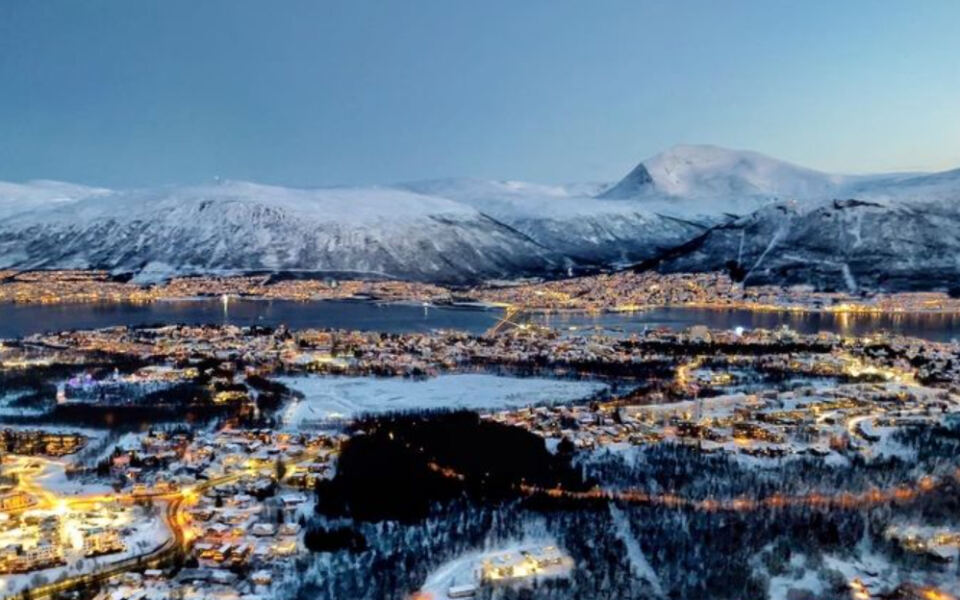
Northern Norway also experiences polar night, when the sun stays below the horizon for weeks. The length of polar night depends on latitude, with the northernmost areas losing the sun for longer than areas just above the Arctic Circle.
Between the darkness, the cold, and the storms, Norway’s winter has plenty of ways to humble even the most seasoned cold-weather veteran.
Kazakhstan
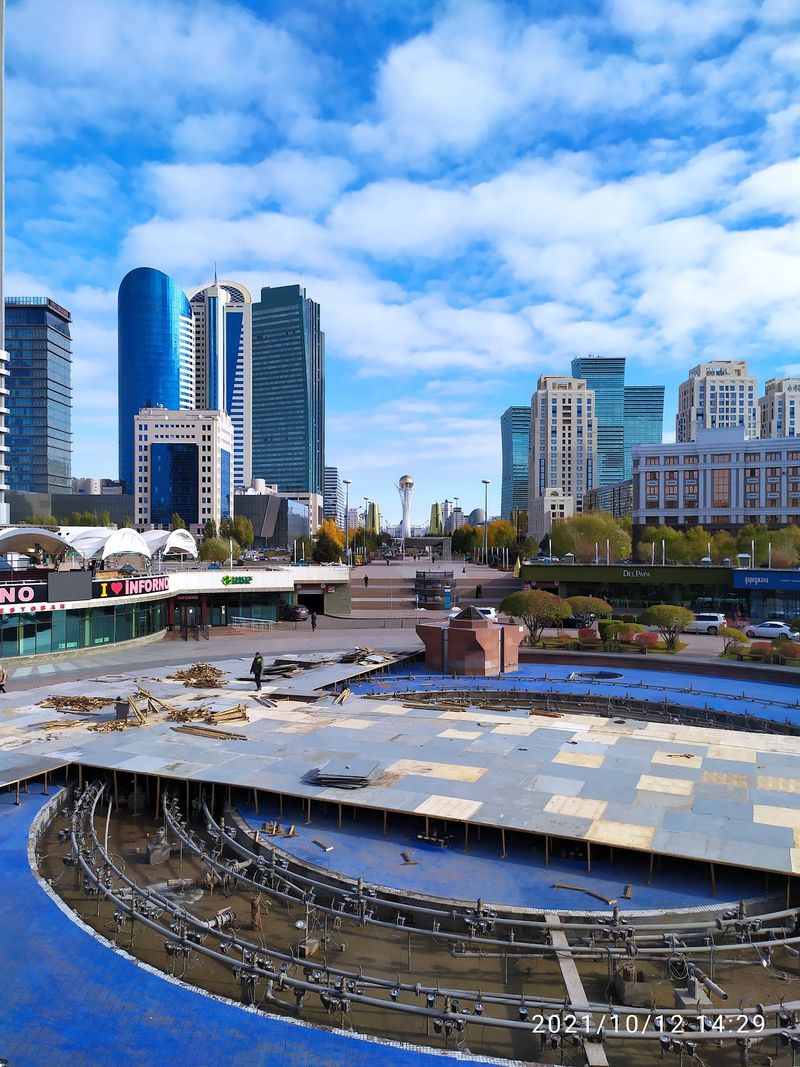
Kazakhstan is a country of dramatic contrasts, and nothing shows that more clearly than the gap between its scorching summers and its bone-chilling winters. Government tourism information notes that Arctic air can push northern temperatures to around -45°C during winter, while the country’s official record low sits at a staggering -57°C at Atbasar in Akmola Region.
Astana, the capital city, is famous for its harsh winters. Sitting on an exposed steppe with little natural protection from the north, the city gets hit hard by Arctic air masses that sweep in unobstructed.
Wind across the flat landscape makes the already low temperatures feel significantly colder, a wind chill effect that catches visitors completely off guard.
Kazakhstan’s enormous size and distance from any ocean means there is no maritime buffer to soften the cold. The country sits almost exactly in the heart of the Asian continent, which is just about the worst possible position for avoiding winter extremes.
Seasonal temperature swings in Kazakhstan are among the largest found anywhere in Central Asia, making it a textbook example of what a truly continental climate can do.
United States
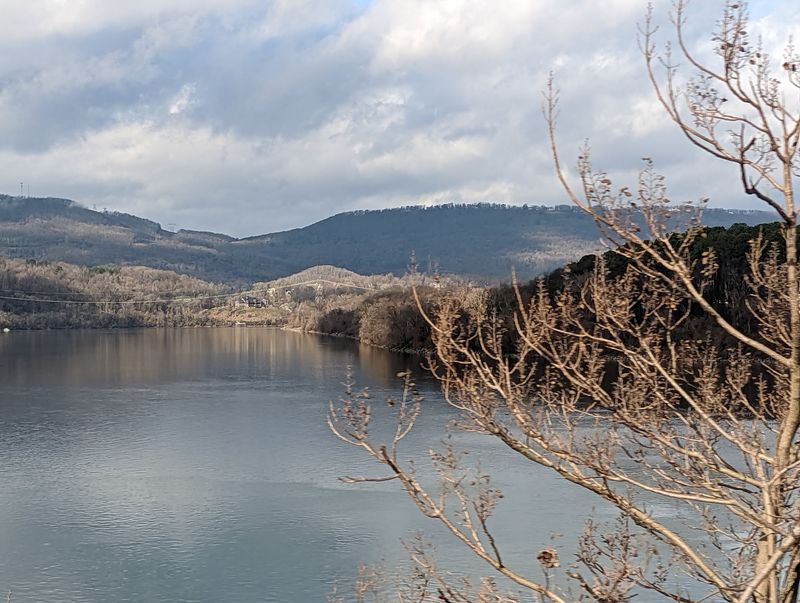
Most people picture snowy New England or icy Chicago when they think of American winters, but Alaska is in a completely different league. NOAA records -80°F, roughly -62.2°C, at Prospect Creek, Alaska, on January 23, 1971, the lowest official temperature ever recorded in U.S. history.
That reading would feel right at home in Siberia.
Other western states have also hit remarkable lows: Montana has recorded -70°F, Wyoming -63°F, and Colorado -61°F. Alaska adds Arctic darkness, months of snow cover, frozen rivers, and severe wind chill on top of those temperatures.
Daily life in remote Alaskan communities during winter requires a level of preparation most people never think about.
Even the lower 48 states are not immune to serious cold snaps. Powerful Arctic outbreaks can occasionally drive subzero temperatures deep into the central United States, affecting millions of people who are far less prepared than Alaskans.
Winter extremes in the U.S. are not just a northern curiosity; they can show up across a surprisingly large portion of the country when conditions align.
Iceland
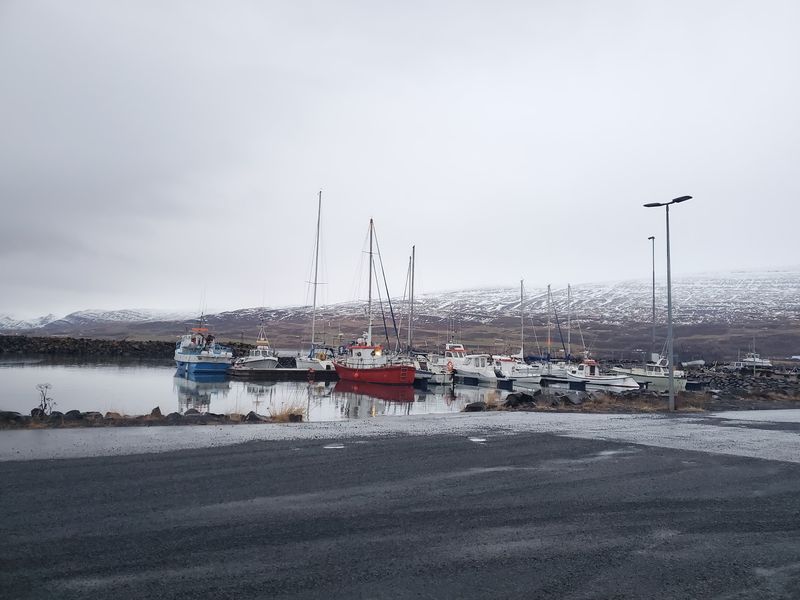
Iceland’s name sounds like a warning, and while the coastal areas near Reykjavik can be surprisingly mild thanks to the Gulf Stream, the island’s interior tells a very different story. The mountainous highlands sit at high elevation, far from coastal warmth, and can experience severe cold, heavy snowfall, and brutal wind simultaneously.
Daylight in Iceland becomes extremely limited around December, with Reykjavik getting only about four to five hours of weak winter sunlight on the shortest days. Further north on the island, the situation is even more dramatic.
Snowstorms and road closures regularly cut off travel through exposed highland regions, even when temperatures are not hitting Siberian lows.
Iceland earns its spot on this list not through record-breaking thermometer readings but through the relentless combination of cold, wind, darkness, Atlantic storms, and rapidly changing conditions. Weather can shift from calm to dangerous in a matter of hours.
Locals joke that if you do not like the weather in Iceland, just wait five minutes, though in winter that next five minutes might actually be worse than the last.
Estonia
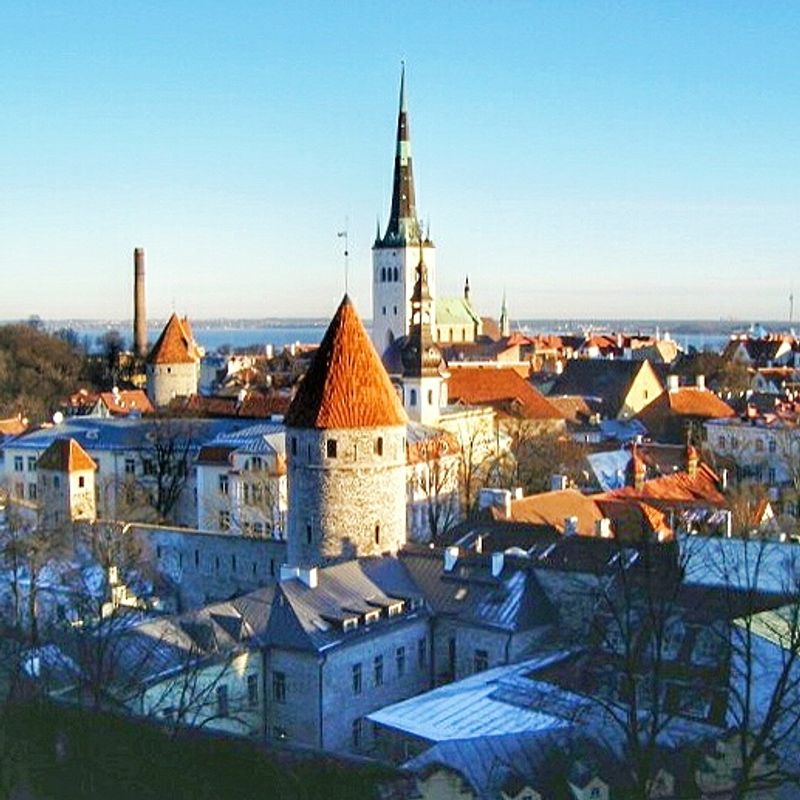
Estonia might be small, but its winter cold records are nothing to take lightly. The Estonian Environment Agency lists a national record of -43.5°C at Jogeva on January 17, 1940.
That is not a freak number from a remote mountain station; Jogeva is a regular town in the country’s agricultural heartland.
Continental cold from the east can push temperatures dramatically lower than Estonia’s Baltic location might suggest. During January 1987, the lowest monthly mean temperature at Narva dropped to -18.1°C, a figure that reflects a prolonged and serious deep freeze rather than just one cold night.
Snowstorms add another layer of difficulty, as December 2010 showed when a major storm produced wind gusts of 22 to 25 meters per second and disrupted road and rail transport across the country.
Estonia’s winters are shaped by a tug-of-war between milder maritime air from the Baltic and brutal continental air pushing in from the east. When the eastern air wins, temperatures fall sharply and stay low for extended periods.
It is the kind of winter that reminds you the Baltic states sit right on the edge of a much harsher climate zone.
Latvia
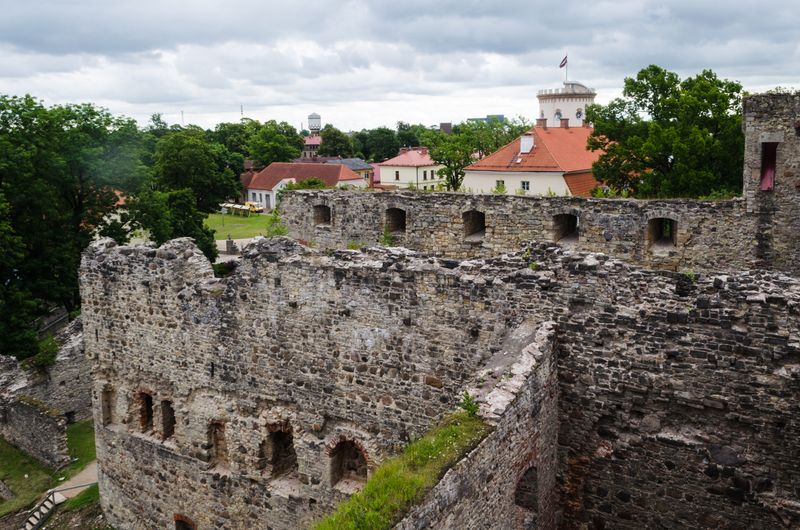
Latvia’s winter records read like a cold weather hall of fame. The Latvian Environment, Geology and Meteorology Centre identifies -43.2°C at Daugavpils on February 8, 1956, as the country’s lowest recorded temperature.
Just days before that, Latvia logged its coldest nationwide average ever, at -30.8°C on January 31, meaning the entire country was simultaneously in a deep freeze.
Snow accumulation can be just as dramatic as the cold. Latvia’s deepest recorded snow cover reached 130 centimeters in 1931, enough to bury a standard doorway.
Eastern Latvia, which sits further from the moderating Baltic Sea, consistently records colder temperatures than the coast, and severe cold can persist well into March in some years.
Modern winters in Latvia are often milder than historical records suggest, but the potential for extreme cold has not gone away. When the right combination of clear skies, calm winds, and a surge of continental air from Russia aligns, temperatures can still fall sharply and stay low for days.
Latvia is a reminder that the Baltic region is not as sheltered from serious winter as its relatively small size might imply.
Lithuania
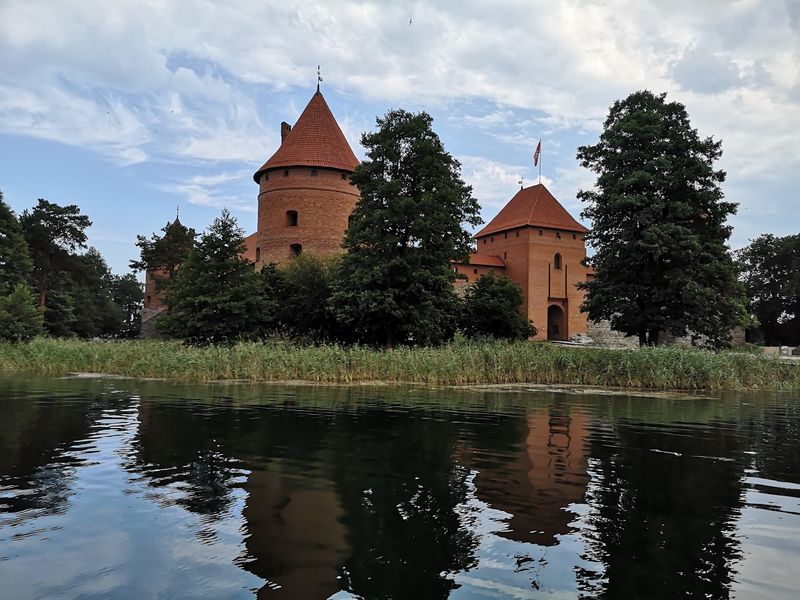
A blizzard that lasts more than three full days sounds like something out of a disaster movie, but Lithuania actually experienced exactly that. In February 1969, a blizzard at Panevezys continued for 78 hours and 25 minutes straight.
That record has stood ever since, and it gives a vivid picture of just how relentless Lithuanian winters can be at their worst.
The country’s official cold record sits at -42.9°C at Utena on February 1, 1956, a figure that places Lithuania firmly in the same category as its Baltic neighbors during extreme events. Ground frost has reached depths of 146 centimeters in exceptional winters, and the deepest measured snow cover hit 94 centimeters.
Both numbers reflect winters where cold truly works its way into the landscape.
Western Lithuania benefits from some softening influence off the Baltic Sea, but inland regions are exposed to much colder continental air sweeping in from eastern Europe and Russia. The contrast between the coast and the interior can be striking during the harshest cold spells.
Lithuania’s winters may not grab global headlines, but the historical records show they are capable of producing some genuinely ferocious conditions.
Switzerland
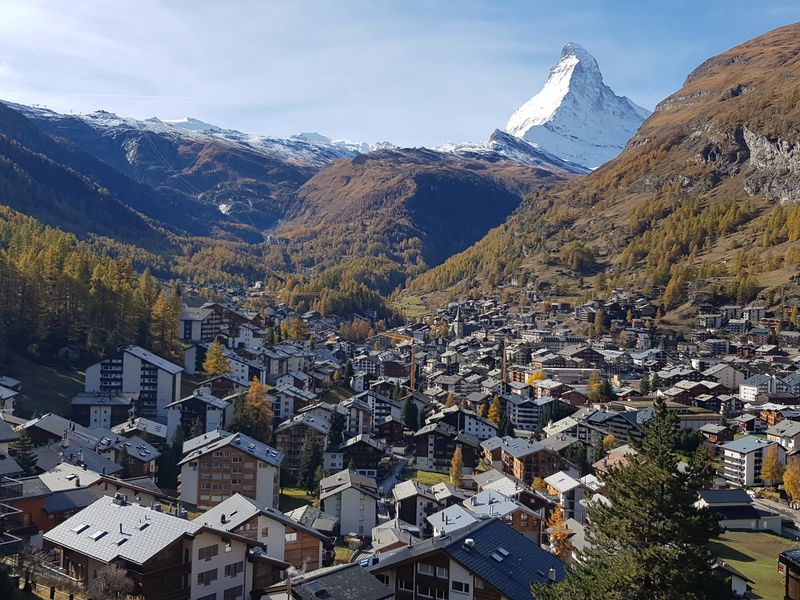
Switzerland might conjure images of chocolate and ski resorts, but one Swiss valley has earned a nickname that tells a colder story. La Brevine, a small high valley in the Jura Mountains, is known locally as the Swiss Siberia, and the name is well deserved.
MeteoSwiss records the national low at -41.8°C there on January 12, 1987.
La Brevine’s extreme cold comes from a process called cold-air pooling. On clear, calm nights, dense chilled air flows down into the low-lying valley and gets trapped there, unable to mix with warmer air above.
The result is temperatures that can plunge far below what surrounding areas experience, sometimes by 10°C or more on the same night.
Up in the Alps, winter is severe for entirely different reasons. Elevation brings prolonged snow, subzero temperatures, and powerful mountain weather systems.
MeteoSwiss identifies the Jungfraujoch station at 3,571 meters as the coldest location in its observation network by average annual temperature, sitting at about -6.7°C year-round. Switzerland proves that extreme winter cold is not just a polar phenomenon; sometimes all you need is the right valley or the right mountain.
Poland
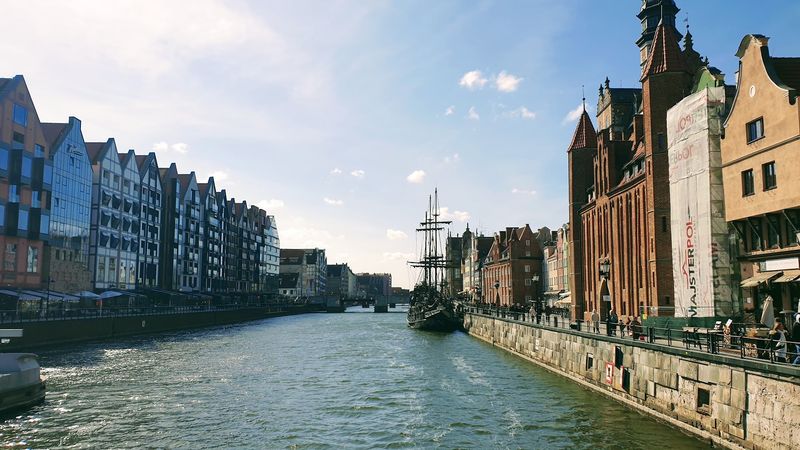
Poland sits in the middle of Europe, which sounds like it should keep it safely away from the worst winter extremes. But when Arctic or Siberian air masses push westward across the continent, Poland’s flat terrain offers almost no resistance.
The national meteorological institute records -41.0°C at Siedlce on January 11, 1940, as Poland’s official cold record, a figure that rivals some Scandinavian readings.
Severe freezes are not purely historical curiosities either. During early February 2026, Suwalki reached -27.7°C, while daytime maximum temperatures in northeastern Poland hovered around -15°C during the coldest stretch.
That kind of prolonged cold, where even the daytime high stays well below freezing, is the type that strains infrastructure, freezes pipes, and makes outdoor work genuinely dangerous.
Mountain regions in the south add heavy snowfall and difficult travel conditions on top of the temperature extremes. Winters have generally trended warmer over recent decades, but strong cold outbreaks can still produce several consecutive days of subzero conditions across large parts of the country.
Poland is a reminder that Central Europe is not immune to the kind of winter that defines life much further east.
Japan
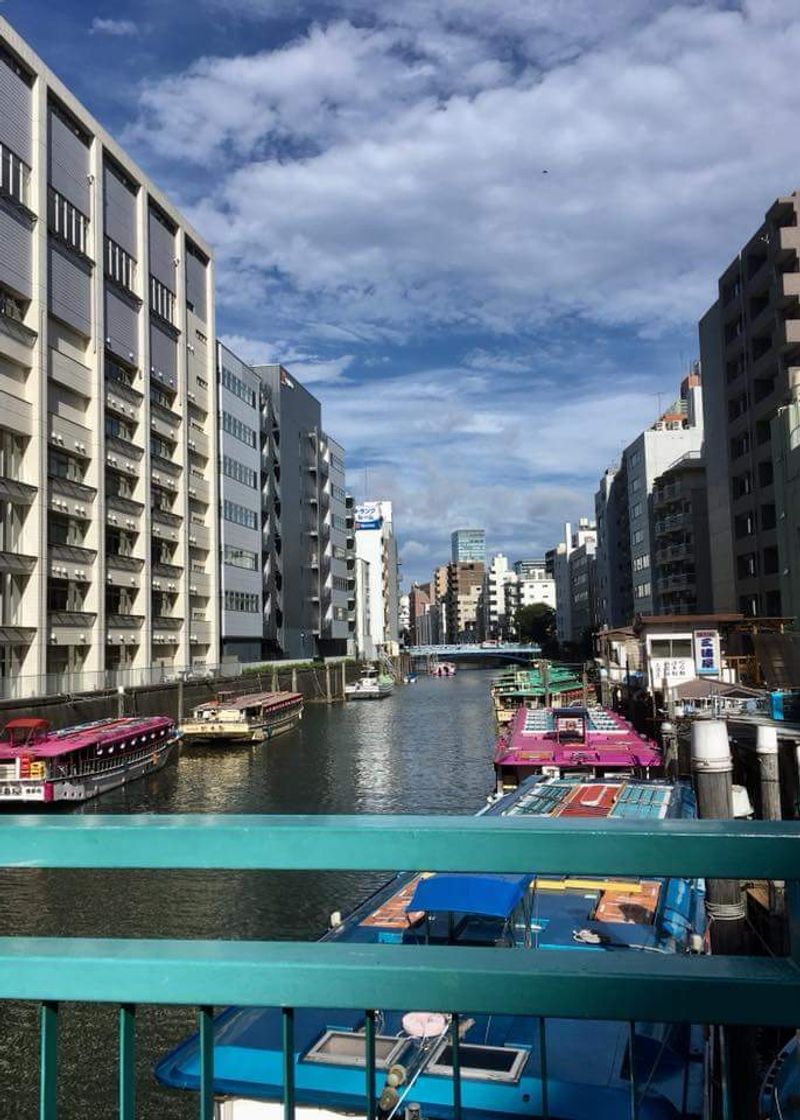
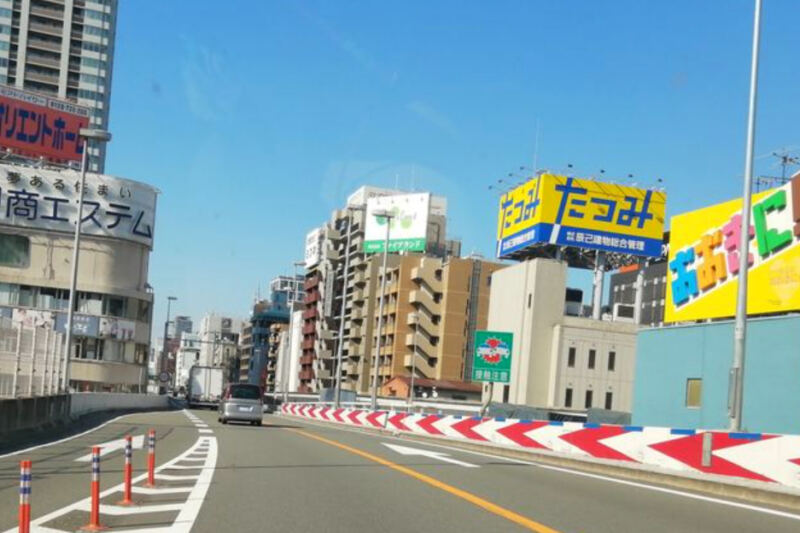
Cherry blossoms and summer humidity get all the attention, but Japan has a winter side that would surprise most outsiders. The Japan Meteorological Agency records -41.0°C at Asahikawa, Hokkaido, on January 25, 1902, the lowest temperature ever measured at an official Japanese meteorological station.
That reading puts Hokkaido in the same temperature range as parts of Scandinavia and Central Asia.
What makes Japan’s winter especially unusual is the combination of intense cold and extraordinary snowfall happening at the same time, sometimes in the same region. Cold Siberian air crosses the Sea of Japan, picks up moisture, and dumps enormous amounts of snow on western and mountainous areas of Honshu and Hokkaido.
Some mountain areas regularly receive among the deepest snow accumulations anywhere on Earth.
Japan therefore faces two very different winter challenges at once. Inland basins on Hokkaido experience rapid temperature drops on clear, calm nights, while coastal and mountain areas on the other side of the country get buried under meters of snow.
Visitors to Sapporo’s famous Snow Festival get a friendly taste of this, but the full force of a Hokkaido winter is something only locals truly understand.
Share this story