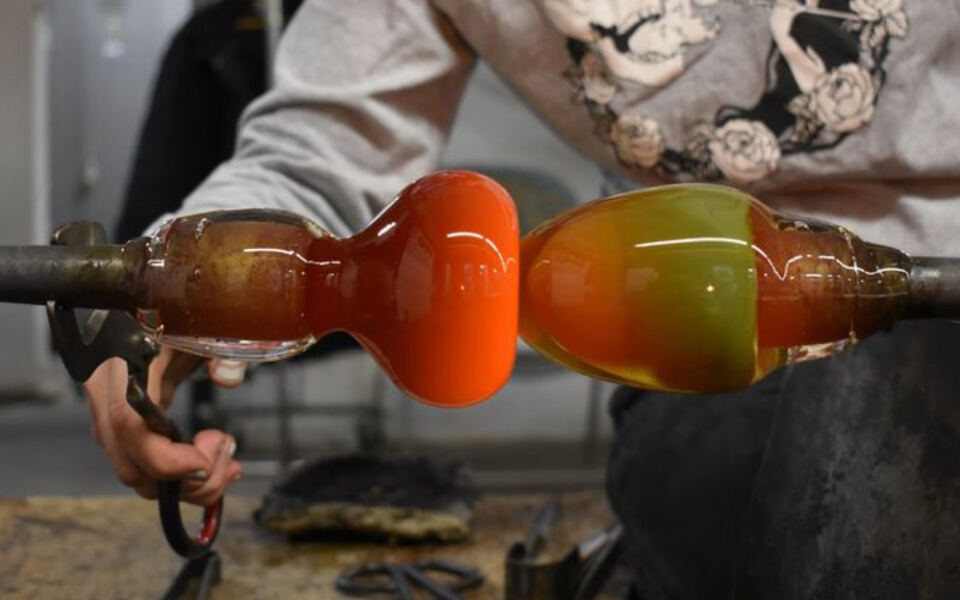
Most people have watched a glassblower at work and assumed it was something only trained artists could ever do. That assumption falls apart the moment you walk into a Minneapolis studio where complete beginners regularly pull glowing molten glass from a furnace and shape it with their own hands.
The heat is real, the tools are real, and the paperweight or flower you create goes home with you. This is the kind of experience that makes people rebook before they even leave the building.
What Foci Minnesota Center for Glass Arts Actually Is

Not every art studio lets a first-timer touch molten glass on their very first visit, but this one is built around exactly that idea. Foci Minnesota Center for Glass Arts, located at 2213 Snelling Ave, Minneapolis, MN 55404, is a nonprofit organization dedicated to making glass arts accessible to the public at every skill level.
The studio operates as both a working art space and an educational center. Classes run for beginners, hobbyists, and more experienced artists who want to sharpen specific techniques.
Beyond the classroom, Foci also maintains a gallery where finished works by glass artists are displayed and sold. The pieces range from small ornaments to large sculptural works.
Walking through the gallery before a class gives you a clear sense of where the craft can take you if you keep coming back.
The Glassblowing Discovery Class for Total Beginners
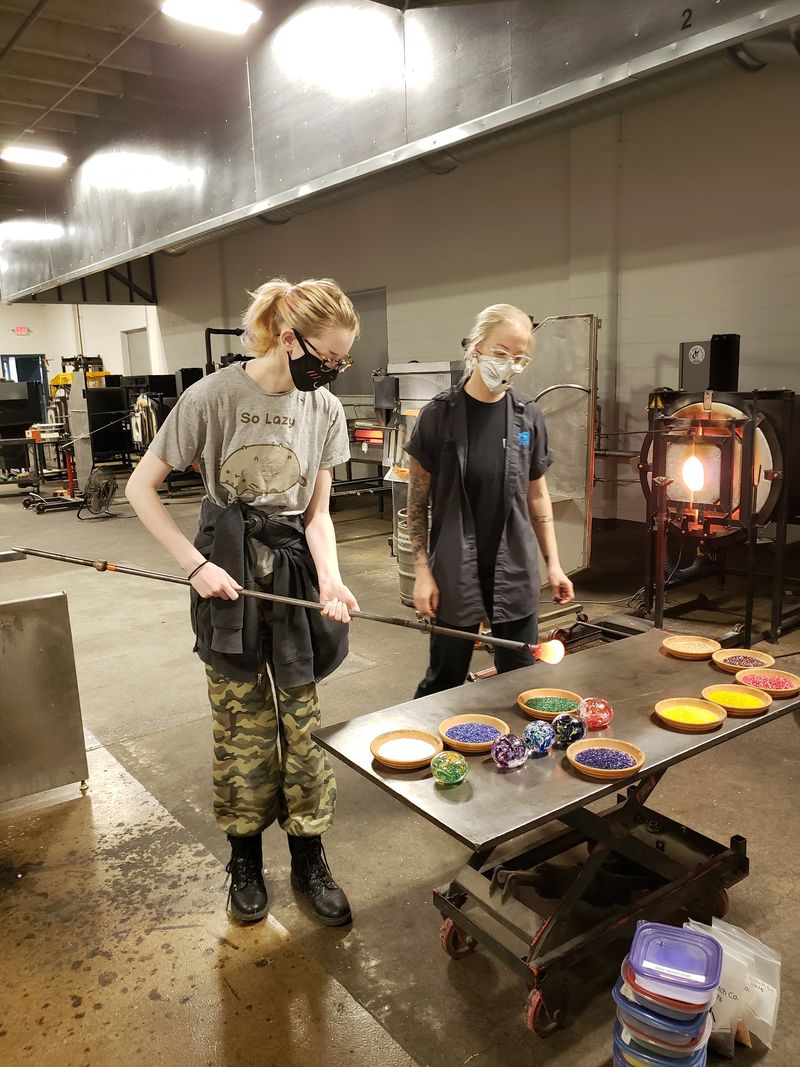
The glassblowing discovery session is where most first-timers start, and it is genuinely more approachable than it sounds. You do not need any prior experience.
Instructors walk participants through each step before anyone touches a tool, so the process feels manageable rather than overwhelming.
The class typically involves making a glass paperweight. Each participant works individually through the steps, with the instructor right there to assist when needed.
The goal is for you to do as much of the process yourself as possible, which makes finishing the piece feel like a real accomplishment.
One thing worth knowing: the hot room is warm, even in Minnesota winters. Short sleeves are a smart choice.
The studio does have air conditioning in the rest of the space, so you will not be uncomfortable the entire time. Your finished piece needs a few days to cool before pickup.
Making a Glass Paperweight With Your Own Hands
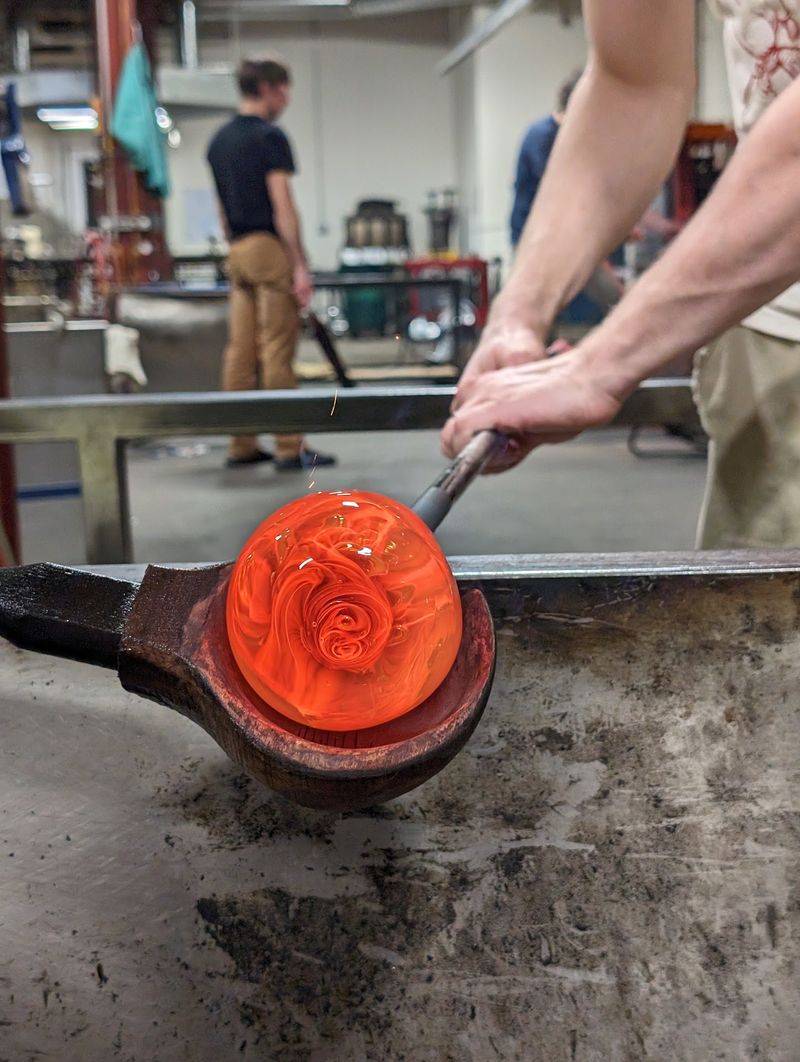
The paperweight class is one of the most popular offerings at the studio, and it is easy to understand why. There is something deeply satisfying about starting with raw molten glass and ending up with a smooth, colorful, solid object you made yourself.
The process involves gathering molten glass on a metal rod, adding color, and shaping the piece through a series of steps the instructor demonstrates first. You get hands-on time at each stage rather than just watching someone else do it.
People often describe the finished paperweight as looking far more polished than they expected, especially given that it was their first attempt. The colors glow when light passes through them.
Many participants end up gifting the piece or displaying it at home as a reminder of the experience. It is a surprisingly meaningful souvenir to walk away with.
The Marble-Making Class That Surprises Everyone
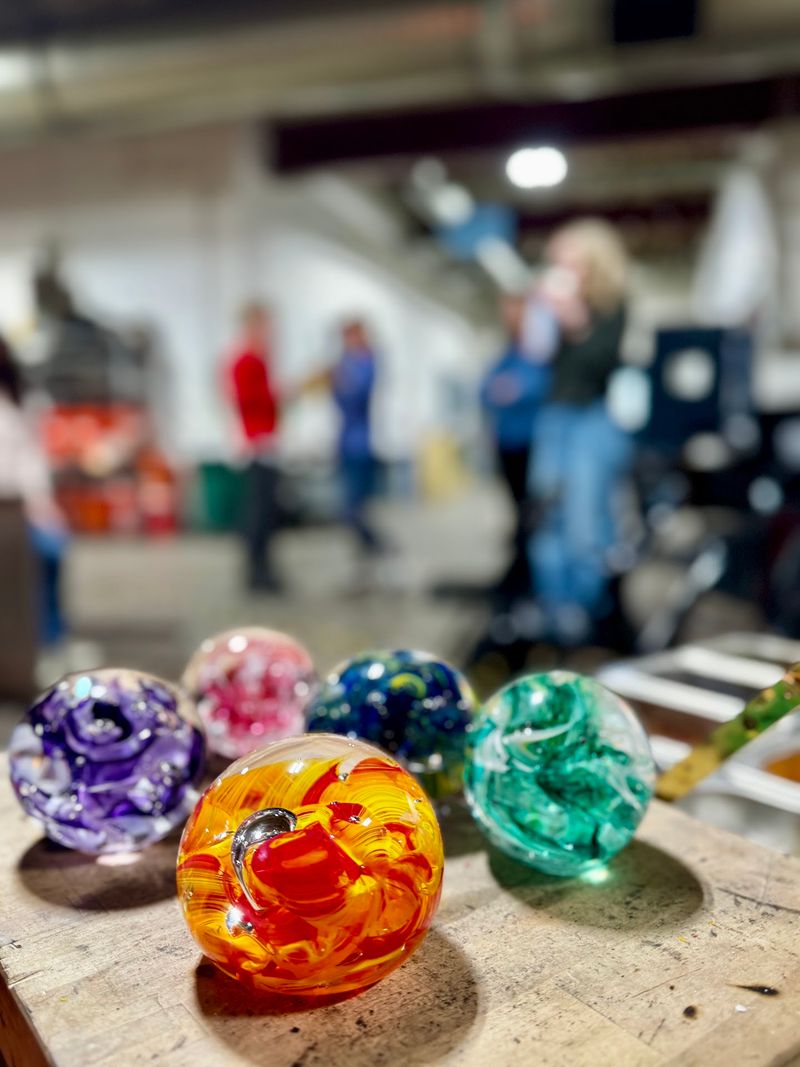
Marble making sounds simple until you realize how much skill goes into producing a perfectly round, swirled glass sphere. The class at Foci breaks the process into individual skills, each one demonstrated and practiced before moving on to the next stage.
What makes this class work well for beginners is the pacing. The instructor builds your confidence step by step rather than throwing everything at you at once.
By the time you are actually making the marble, you have already practiced the movements that go into it.
Parents and kids have taken this class together, which makes it a solid option for a shared activity rather than just a solo outing. The finished marbles are small enough to carry in a pocket but detailed enough to genuinely impress anyone who looks closely.
Each one turns out slightly different, which is part of what makes the whole experience feel personal.
Glass Flower Making and Why It Feels Like Magic
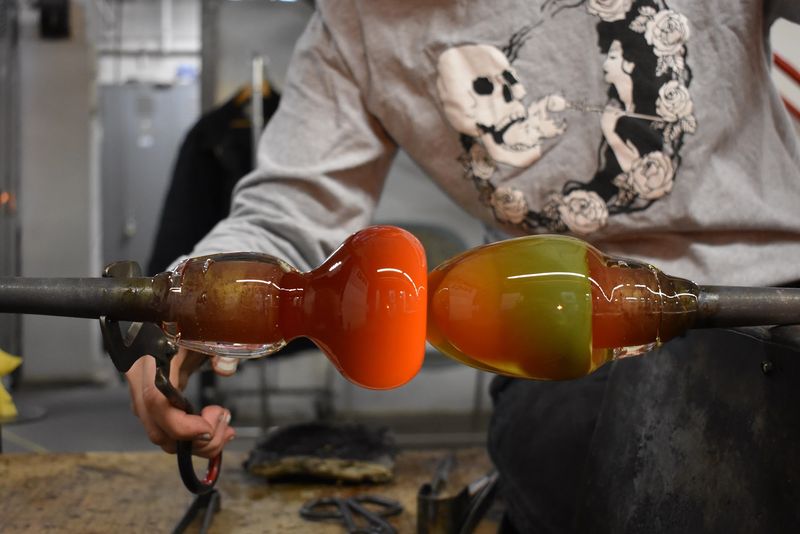
There is a moment in the glass flower class when a flat gather of molten glass suddenly blooms into a petal shape, and it genuinely looks like something that should not be possible with bare tools and steady hands. That moment is why people keep talking about this particular class.
First-timers often arrive a little nervous about working near hot glass, but the instructor explains every step clearly before anyone picks up a tool. The process moves at a pace that feels comfortable rather than rushed, which helps people relax and actually enjoy what they are doing.
The finished flower is a real glass sculpture you can display at home. Some participants book their next class before they even leave the studio.
The flower class works well as a gift experience for someone who appreciates art but has never tried making anything with their hands before.
Glass Fusing as a Different Kind of Creative Experience
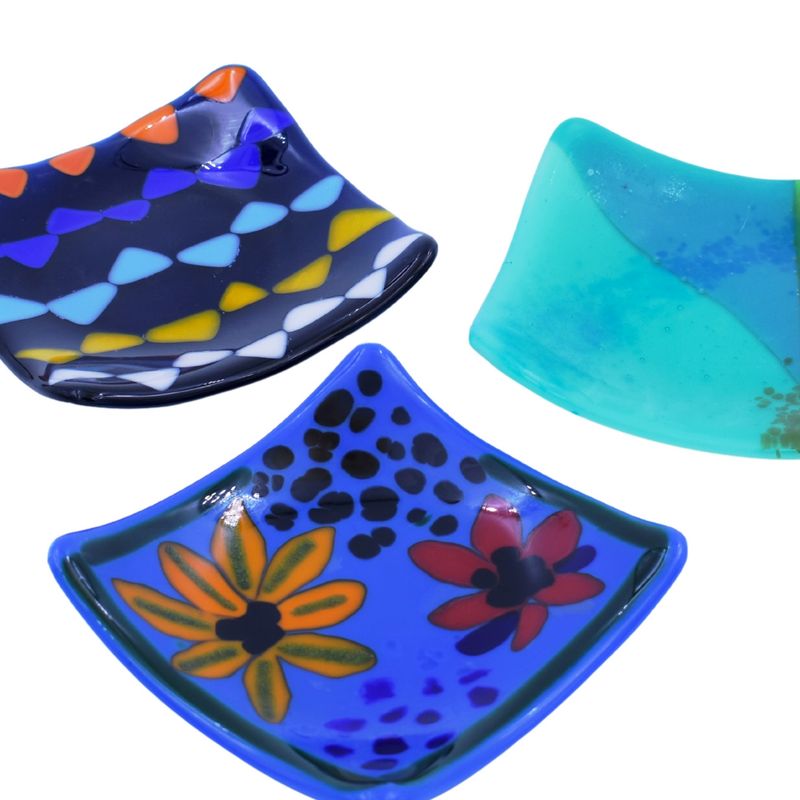
Not every class at the studio involves molten glass and a furnace. The glass fusing discovery class takes a completely different approach, working on a flat surface with glass sheets, frit, and remnants to create a small decorative dish.
Participants learn basic glass cutting techniques and how to layer and adhere different glass materials before the piece goes into a kiln. The instructor shows finished examples to help spark ideas, then steps back and lets everyone work through their own design.
That creative freedom is a big part of what makes the class enjoyable.
Like the hot glass classes, the fused piece needs to be fired and cooled before pickup, so you return a few days later to collect it. The finished dish is roughly four inches square and makes a genuinely beautiful small object.
It is a great starting point for anyone curious about glass arts beyond glassblowing.
The Stained Glass Class and What to Expect
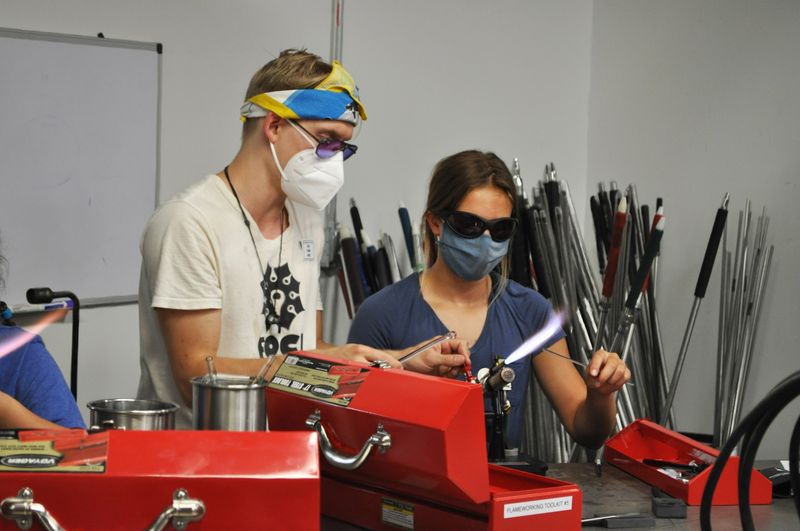
Stained glass has a long history as a craft, and the class at Foci gives participants a real introduction to the techniques behind it. The process involves cutting colored glass, shaping pieces, and assembling them into a finished panel or design.
The class is structured so that beginners can follow along without feeling lost. Instructors explain the tools and techniques clearly, and there is enough guided practice time that participants leave with a solid understanding of the basics rather than just a vague impression of having tried something.
One participant rescheduled after arriving on the wrong date and found the staff genuinely helpful in sorting it out without any extra fees. That kind of flexibility matters when you are planning a class as a special outing or gift.
The stained glass class tends to appeal to people who enjoy detailed, methodical work and want to take home something they spent real time creating.
Free Public Viewing Sessions at the Hot Glass Studio
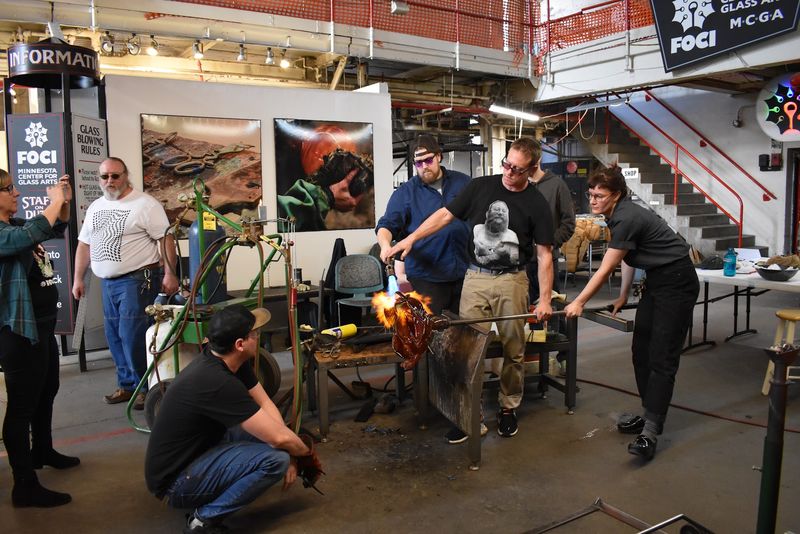
Not everyone is ready to sign up for a class on their first visit, and the studio accounts for that. Foci offers free public viewing sessions where anyone can watch glassblowing demonstrations without paying for a class or making a commitment.
These sessions are a low-pressure way to see how the process actually works before deciding whether to try it yourself. Watching a skilled artist gather molten glass, shape it, and cool it down gives you a much clearer picture of what the classes involve than any description could.
For people who are curious but hesitant, the free viewing sessions often end up being the thing that convinces them to book a class. There is something about seeing the glowing glass up close that makes the whole experience feel real and achievable rather than intimidating.
It is a smart way to ease into the studio environment at your own pace.
Private Party Bookings for Birthdays and Group Events
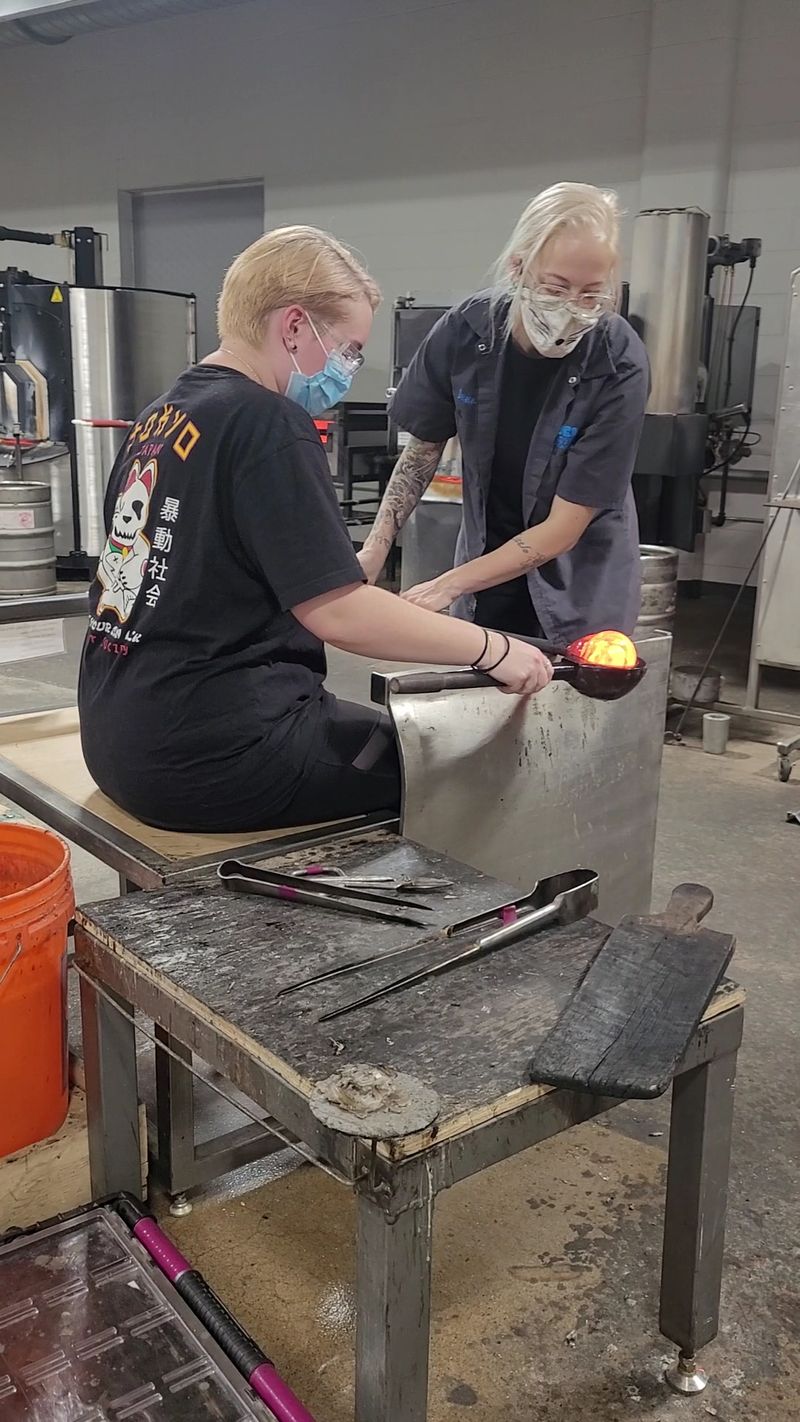
Group experiences at Foci tend to be especially memorable because everyone is learning something genuinely new at the same time. The studio accommodates private parties, which makes it a solid choice for birthdays, corporate outings, or any gathering where you want an activity people will actually talk about afterward.
Private groups receive dedicated instructor time and attention throughout the session. The format allows everyone to move through the process together, which creates a shared experience rather than just parallel individual projects.
One group that came in for a birthday described feeling like they each had the instructor’s full attention during every step. That level of engagement is harder to find in larger public classes.
Booking a private session also means the timing and focus can be tailored to what the group actually wants to make. It is the kind of outing that tends to end with everyone already planning a return visit.
Classes That Work for Kids and Adults Together
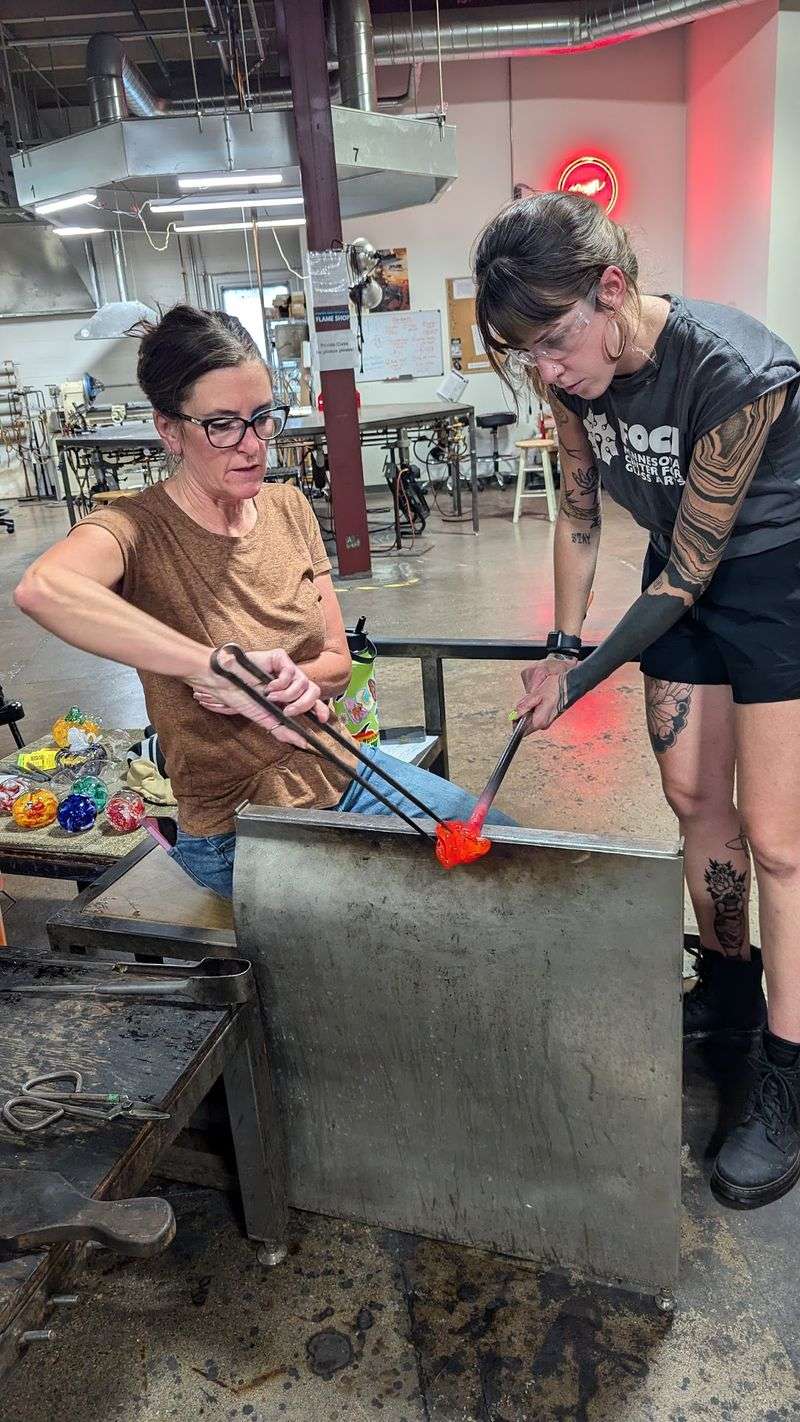
One of the more practical things about the class lineup at Foci is that it genuinely works for mixed-age groups. Parents and kids have taken marble-making and discovery classes together, and the format holds up for both age groups without feeling dumbed down for adults or overwhelming for younger participants.
The studio offers classes for various skill levels and ages, making it easier to find something that fits rather than having to search for a separate kids-only program. An eleven-year-old taking a marble class alongside a parent is not an unusual sight here.
For families looking for an activity that is more hands-on than a museum visit but more structured than open studio time, this fits well. Kids tend to take the finished piece very seriously once they realize they actually made it themselves.
That kind of ownership over a creative project is worth more than most souvenirs.
The Gallery Space Inside the Studio

Before or after a class, the gallery inside the studio is worth a slow walk-through. The space showcases finished works by glass artists, covering a wide range of styles and scales.
Small ornaments sit alongside large sculptural pieces, and many of the works are available for purchase.
The variety on display is genuinely impressive. You get a sense of how many directions the craft can go once someone moves beyond beginner classes.
Some pieces are delicate and decorative, while others are bold and architectural. All of them are handmade.
One visitor described the gallery as feeling like a museum, with the added option of actually buying the pieces you are drawn to. Even if you are not shopping, spending time in the gallery before your class gives you context for what you are about to try.
Seeing finished professional work right before making your own piece adds a layer of motivation that is hard to replicate.
Why People Keep Coming Back to This Studio
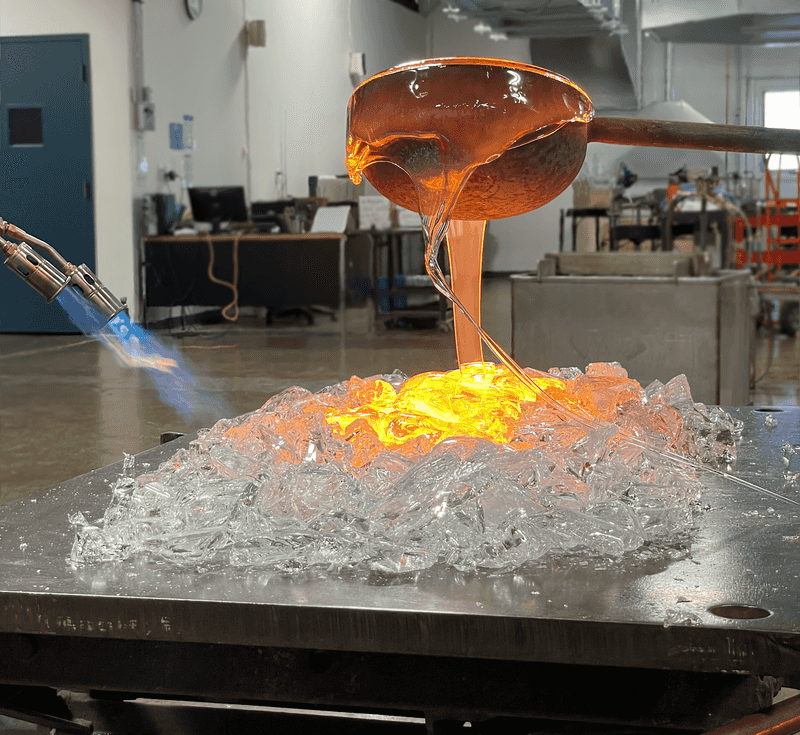
Studios that teach hands-on crafts often struggle to bring people back after the first visit, but Foci seems to have figured out what keeps participants returning. The combination of approachable instruction, genuine creative freedom, and a tangible finished object is a formula that works across different class types and experience levels.
Multiple visitors have taken three or more classes, moving from discovery sessions into more specific techniques like marble making or glass fusing. Each class teaches something new rather than repeating the same experience, which gives people a reason to keep progressing.
The nonprofit structure of the organization also shapes the atmosphere in a noticeable way. The focus is on education and access rather than maximizing class sizes or rushing participants through.
That comes through in how the classes are paced and how much individual attention each person receives. For anyone looking for a creative outlet in Minneapolis, this studio is worth putting at the top of the list.
Share this story