There is a place in the American heartland where a single walk can take you from a tropical rainforest to a serene Japanese landscape, all without ever leaving the city. I had heard about this destination for years before I finally made the trip, and I will be honest: nothing quite prepared me for the scale and beauty of what awaited.
Tucked in St. Louis, Missouri, this garden has been drawing curious visitors since 1859, making it one of the oldest continuously operating botanical gardens in the entire country. What surprised me most was not just the flowers or the famous glass dome, but the layers of history, science, and cultural design woven into every corner of the grounds.
By the time I left, I had already started planning my return visit, and I think you will understand exactly why once you read on.
Where Green Grandeur Meets Midwestern Charm: The Address and Setting
Most botanical gardens feel like a pleasant afternoon outing. Missouri Botanical Garden, at 4344 Shaw Blvd, St. Louis, MO 63110, feels more like an entire world compressed into 79 stunning acres.
The moment I walked through the entrance, the city noise faded behind me and something genuinely different took its place.
Founded in 1859 by British immigrant Henry Shaw, this institution holds the remarkable distinction of being one of the oldest botanical gardens in continuous operation in the United States. It was designated a National Historic Landmark in 1976, a recognition that feels entirely earned once you wander its grounds.
Locals have affectionately called it “Shaw’s Garden” for generations, a nod to the man whose vision transformed his private estate into a public treasure. The garden sits comfortably within a St. Louis neighborhood, yet the moment you pass through its gates, you genuinely forget that a city exists beyond those hedgerows.
That contrast is part of its quiet magic.
The Visionary Behind the Vines
Henry Shaw arrived in St. Louis in 1819 as a young British merchant, built a fortune, and then did something remarkable with it. Rather than keeping his sprawling estate to himself, he spent decades transforming it into a public garden that would outlast him by well over a century.
His travels through Europe, particularly his admiration for grand private estates like Chatsworth in England, sparked the idea that St. Louis deserved something equally magnificent.
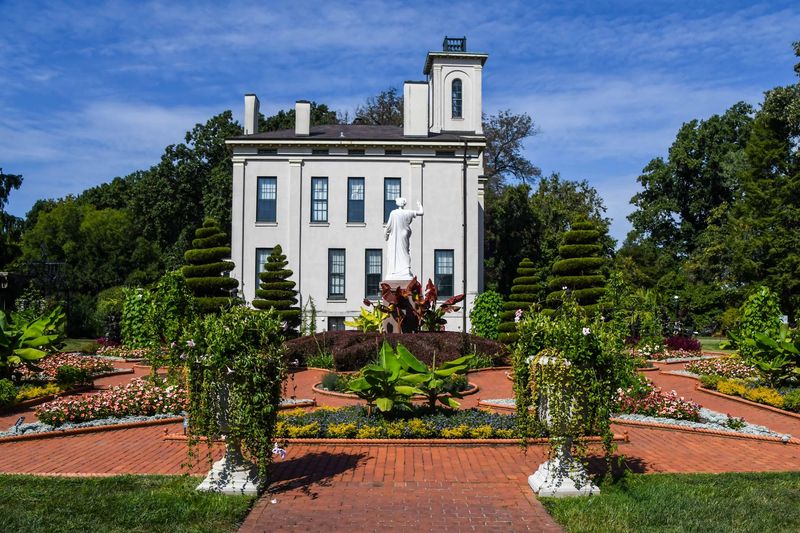
Construction began on the garden in 1855, and the gates opened to the public in 1859. Shaw’s personal residence, known as Tower Grove House, still stands on the grounds today and is open for tours.
In 2024, the house was added to the Underground Railroad Network to Freedom, recognizing a significant 1855 escape by four individuals who fled with assistance from Mary Meachum.
When Shaw passed away in 1889, he left the garden to the public permanently. His mausoleum rests quietly on the property, a fitting tribute to the man whose generosity shaped generations of visitors and scientists alike.
The Glass Giant: Inside the Legendary Climatron Dome
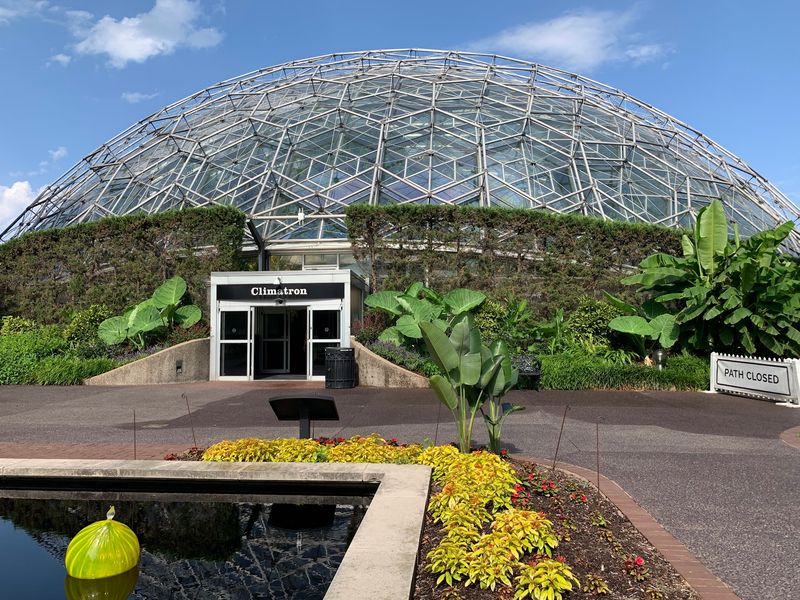
There are buildings you admire from the outside, and then there are buildings that change the way you think about space entirely. The Climatron belongs firmly in the second category.
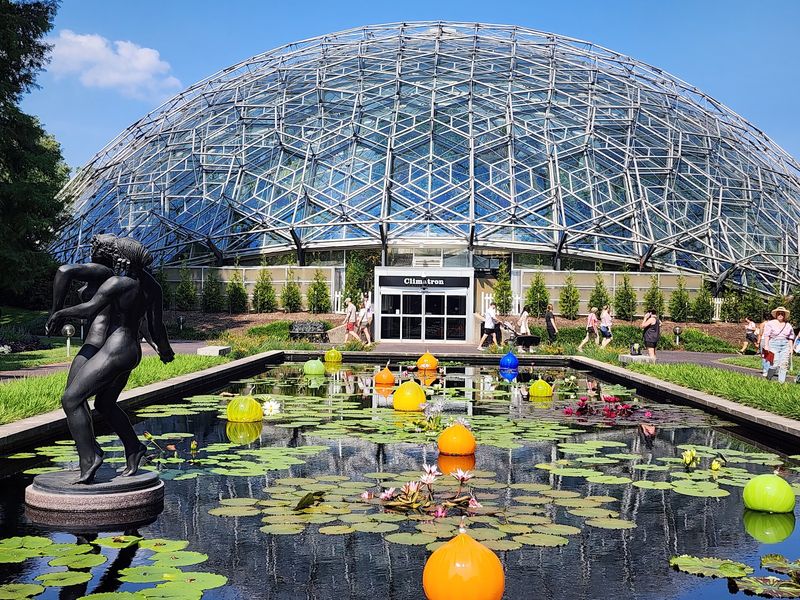
This geodesic dome conservatory opened on October 1, 1960, as the very first geodesic dome ever used as a conservatory, designed by St. Louis architects Murphy and Mackey following principles developed by R. Buckminster Fuller.
Rising 70 feet at its center and spanning 175 feet in diameter, the Climatron encloses more than half an acre with no interior columns whatsoever. The result is an unobstructed tropical rainforest experience maintained at temperatures between 64 and 85 degrees Fahrenheit with 85 percent average humidity.
Over 2,800 plants representing more than 1,400 tropical species thrive inside, including banana, cacao, coffee, and the double coconut, which produces the largest seed in the plant kingdom.
The structure earned the prestigious 1961 Reynolds Award for architectural excellence and was recognized in 1976 as one of the 100 most significant architectural achievements in U.S. history. Honestly, standing beneath that dome with a waterfall rushing nearby, I believed every word of it.
Seiwa-en: The Japanese Strolling Garden That Stops You in Your Tracks
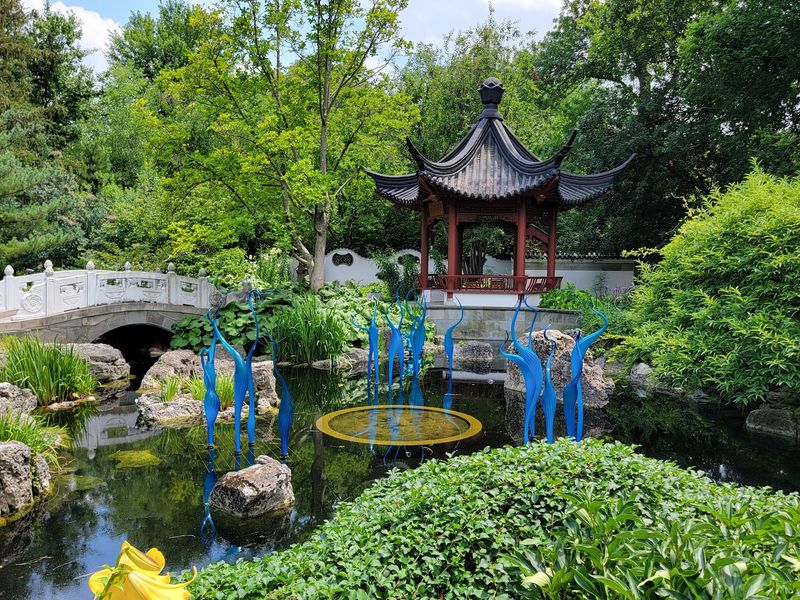
Some parts of this garden ask you to keep moving. Seiwa-en asks you to stop, breathe, and simply be present for a while.
Covering 14 acres, it ranks among the largest traditional Japanese strolling gardens in North America, designed by Koichi Kawana in 1977. Its name translates to “Garden of Pure, Clear Harmony and Peace,” and that promise is delivered without hesitation.
The landscape features graceful flowering cherry and plum trees, vibrant peonies, sacred lotus plants, arching traditional bridges, carefully placed islands, and a four-acre lake where koi glide in slow, deliberate patterns beneath the surface. Every element is positioned with intention, creating an atmosphere where the eye never feels rushed and the mind naturally quiets.
I spent nearly an hour in Seiwa-en without realizing it, which says everything about how well-designed it is. Visiting during cherry blossom season adds another dimension entirely, but even on a plain summer afternoon, the garden carries a stillness that is genuinely rare to find in a public space.
The koi pond alone is worth the trip.
A World Tour Without a Passport: Global Garden Collections
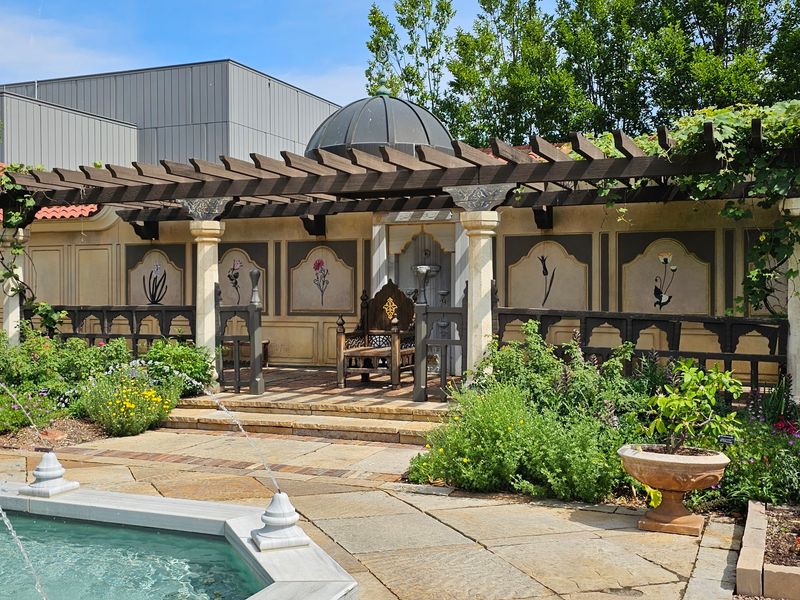
One of the most quietly impressive things about this garden is how many different cultural traditions it holds within a single visit. The English Woodland Garden offers cool, dappled shade beneath mature trees, with bluebells, hostas, azaleas, dogwoods, and trilliums creating a soft, layered understory that feels worlds away from the Midwest.
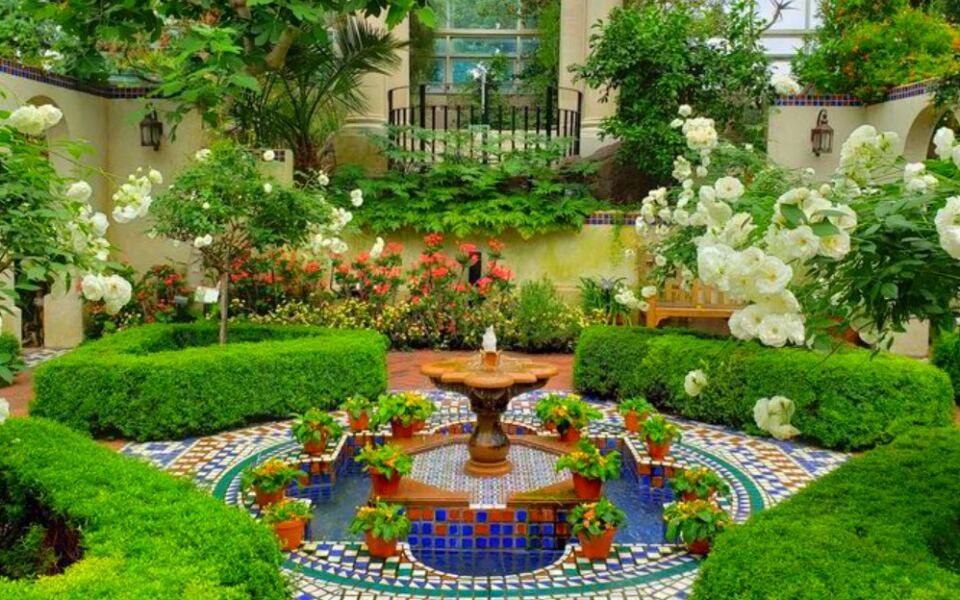
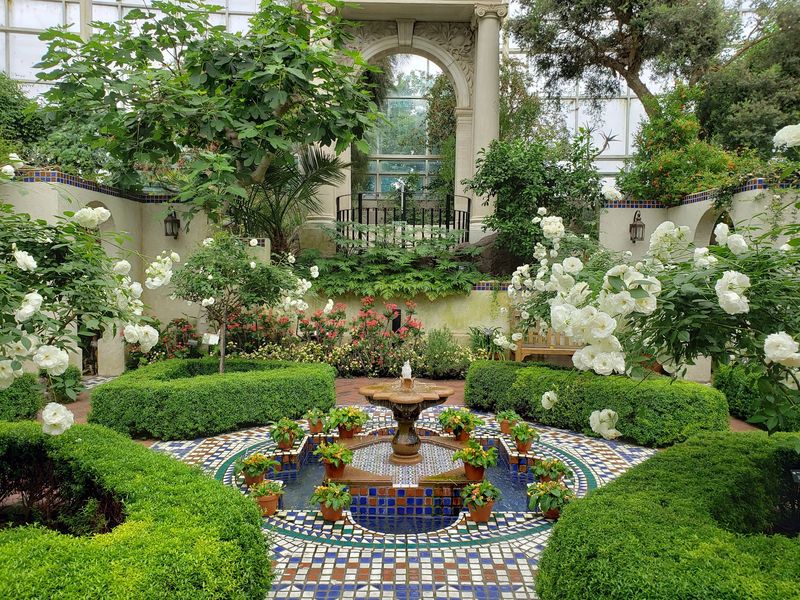
Then there is the Ottoman Garden, a genuinely rare find in any American public space. Enclosed by stucco walls with a central water fountain, it revives gardening traditions of the Ottoman Empire from the 16th through 19th centuries.
Pomegranates, citrus, Turkish tulips, fragrant herbs, and vibrant annuals fill the space with color and historical resonance. Nearby, the Chinese Garden features a marble bridge, a pond with five stones symbolizing China’s sacred mountains, a pavilion with a swooping ceramic tile roof, and white walls punctuated by decorative windows with a dragon ripple motif.
Each of these spaces functions as a self-contained cultural statement, and moving between them creates a sense of discovery that keeps the visit feeling fresh long after you think you have seen everything worth seeing.
More Than Pretty Petals: The Science Powering This Institution
Behind the beauty of every carefully tended bed lies a research operation that operates on a genuinely global scale. The garden’s mission, “To discover and share knowledge about plants and their environment in order to preserve and enrich life,” is not decorative language.
Scientists affiliated with this institution identify approximately 10 percent of all new plant species discovered worldwide each year, a higher rate than any other single organization on the planet.
The Peter H. Raven Library holds 85 percent coverage of all literature ever published on systematic botany and plant taxonomy, including a first edition, first printing of Charles Darwin’s “On the Origin of Species.” The garden’s Herbarium ranks as the second-largest in North America, housing over 7.5 million preserved plant specimens actively used in ongoing research.
Conservation efforts extend across 36 countries, focusing heavily on regions threatened by rapid habitat loss.
What struck me most was realizing that this scientific work happens quietly in the background while visitors stroll peacefully through rose gardens overhead. The two worlds coexist here in a way that feels both natural and extraordinary.
Rare Blooms and Record-Breaking Collections Worth Seeking Out
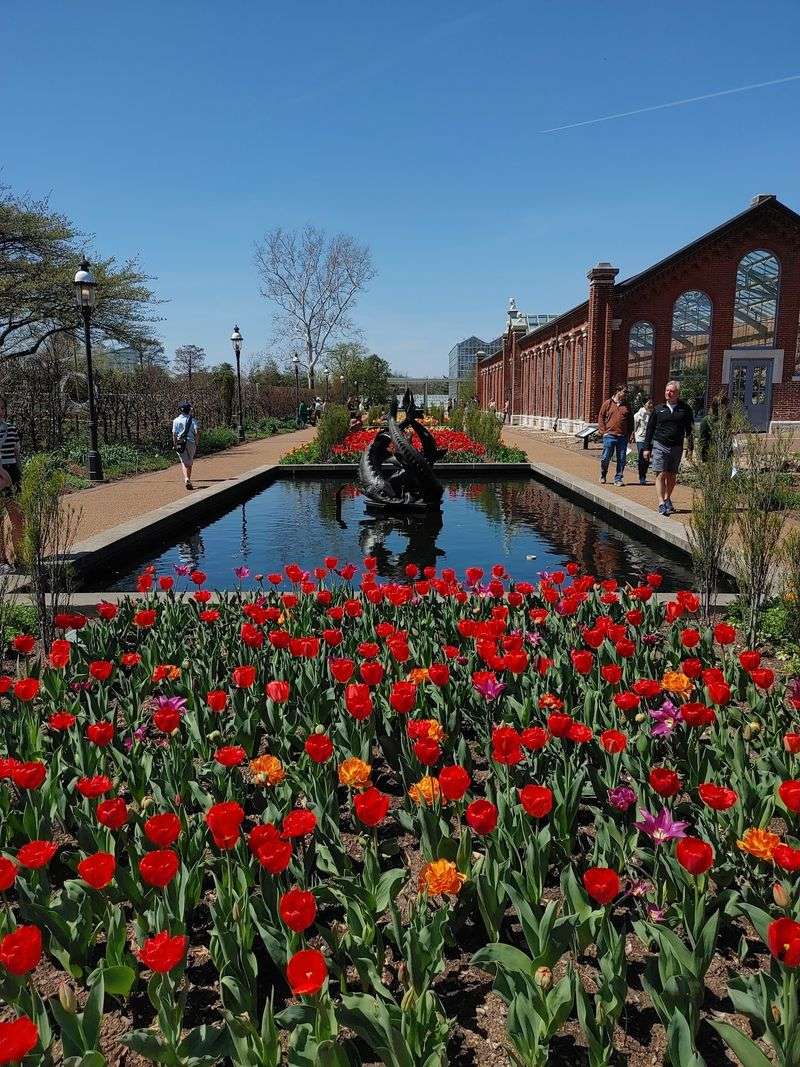
With over 51,000 individual plants on the grounds, this garden has the kind of depth that rewards repeat visits in different seasons. The Alice Hahn Goodman Iris Garden, designed in 1984, houses more than 1,200 iris varieties, including bearded, beardless, Siberian, Louisiana, and species types.
Several of these are Dykes Medal winners, the highest honor from the American Iris Society, and peak bloom runs from late April through early June.
The orchid collection is another standout, featuring nearly 700 unique varieties typically on display from January through March, turning the conservatories into a concentrated showcase of intricate floral engineering. The garden also maintains one of the world’s largest collections of rare and endangered plant species, giving it genuine conservation significance beyond its aesthetic appeal.
One of the more dramatic crowd-pleasers is the Titan Arum, famous for its infrequent and dramatic blooms, which draw crowds whenever it decides to open. Water lilies, azaleas, rhododendrons, magnolias, and peonies round out a living collection that ensures no two visits ever feel quite the same, regardless of when you choose to arrive.
The Children’s Garden and Family-Friendly Features That Make It Click for Everyone
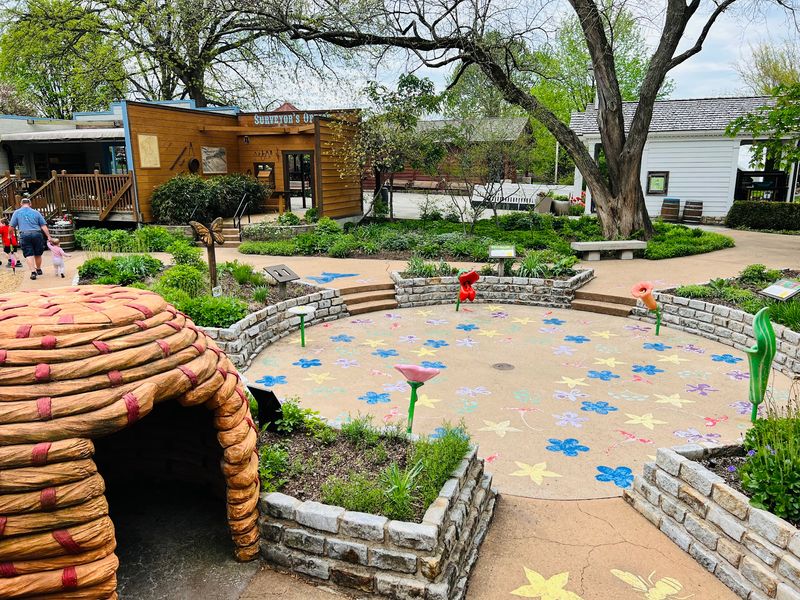
Not every world-class botanical institution manages to feel genuinely welcoming for families with young children. This one does it without sacrificing any of its scientific or aesthetic credibility.
The Doris I. Schnuck Children’s Garden is a seasonal nature-based playground designed specifically for younger visitors, and it earns its reputation as one of the most entertaining corners of the entire property.
Kids can explore a pond with small boats, a refreshing sprayground, climbing structures, a treehouse, and even a limestone cave, all woven into a setting that quietly teaches them about the natural world while they think they are just playing. On hot summer days, children are welcome to wear swimsuits to enjoy the water features, which is a practical detail that parents genuinely appreciate.
For adult gardeners, the Kemper Center for Home Gardening provides practical advice and resources for bringing horticultural ideas home. The garden also runs a robust calendar of educational programs, seasonal events, and summer concerts in the amphitheater, ensuring that every type of visitor finds something worth returning for beyond the flowers themselves.
Sustainability in Action: How the Garden Walks Its Talk
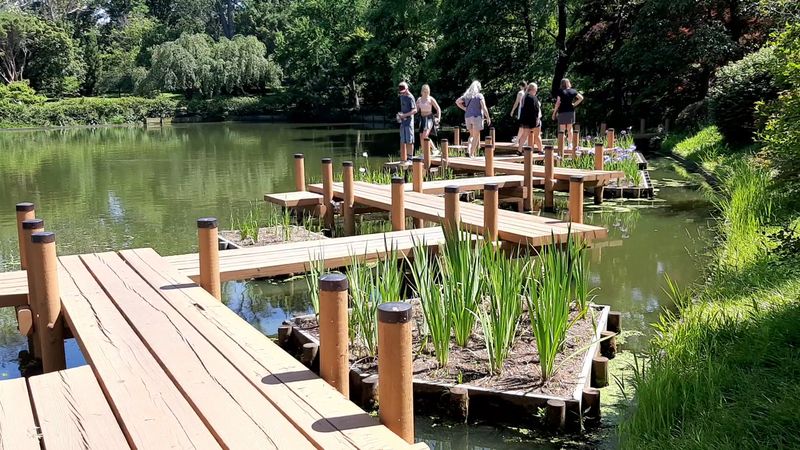
A garden that preaches conservation while ignoring its own environmental footprint would be a contradiction. Missouri Botanical Garden takes its sustainability commitments seriously enough to make them measurable.
The rooftop rainwater collection system at the visitor center harvests over 714,000 gallons of water annually, which is then redirected to water the plants throughout the property.
Green operations extend to energy management, waste reduction, and sustainable building practices across the campus. The Jack C.
Taylor Visitor Center, a 94,000-square-foot facility completed in recent years, was designed with a strong sustainability focus and incorporates layered entry gardens, a glass atrium, and wide views of the horticultural displays that set the tone before visitors even step fully inside.
The terrazzo floors inside the visitor center are hand-inlaid with bark chips, leaves, and stones, connecting the built environment to the natural world in a way that feels intentional rather than decorative. Glass panels embedded with pressed botanicals and sculptural ceiling coffers with floral light fixtures reinforce that same philosophy throughout.
It is architecture that takes its surroundings seriously.
Two Sister Sites That Expand the Experience Beyond the Main Campus
The Missouri Botanical Garden’s reach extends well beyond its primary St. Louis campus, and both of its affiliated sites are worth adding to any itinerary. The Sophia M.
Sachs Butterfly House in Faust Park, Chesterfield, Missouri, is an 8,000-square-foot indoor conservatory where nearly 2,000 tropical butterflies from over 60 species fly freely among 150 different tropical plant species. The “Miracle of Metamorphosis” exhibit lets visitors watch butterflies emerge from their chrysalises in real time, which is the kind of experience that quietly resets your sense of wonder.
Further out, approximately 35 miles from St. Louis in Gray Summit, Missouri, the Shaw Nature Reserve covers a remarkable 2,400 acres. Originally established in 1925 to protect the garden’s plant collection from city smoke pollution, it has grown into a vital research and recreation destination showcasing the diverse ecosystems of the region.
Both sites operate under the same conservation philosophy as the main garden, making them natural extensions of a visit rather than separate experiences.
Seasonal Splendor: Why Every Visit Feels Like the First One
One of the most reliable things this garden delivers is the guarantee that it will look completely different the next time you visit. Spring arrives with an overwhelming wave of tulips, flowering redbuds, cherry blossoms, dogwoods, magnolias, daffodils, and peonies, filling the air with layered fragrances that make every path feel like a discovery.
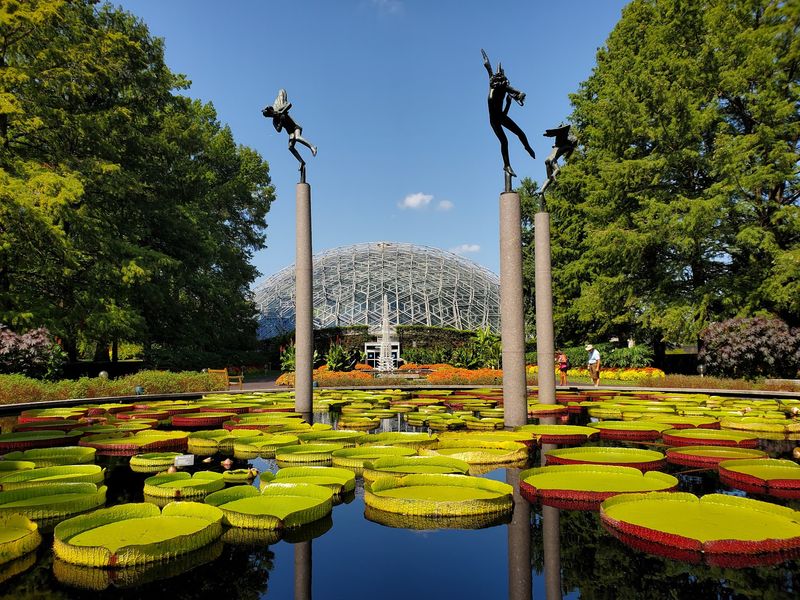
Summer deepens the greens, brings roses to their peak, and opens the water lily ponds into full, dramatic display. Ornamental grasses sway in the warm breeze while the Climatron hums along at its year-round tropical intensity regardless of what is happening outside its glass walls.
Fall transforms the grounds with reds, oranges, and golds, complemented by hearty chrysanthemums, red berries, and the intricate bark patterns of trees whose leaves have dropped to reveal their true structure.
Even winter holds its own quiet appeal here. Thoughtful plantings of winter berries provide unexpected color, and the conservatories offer warm, fragrant refuge on cold days.
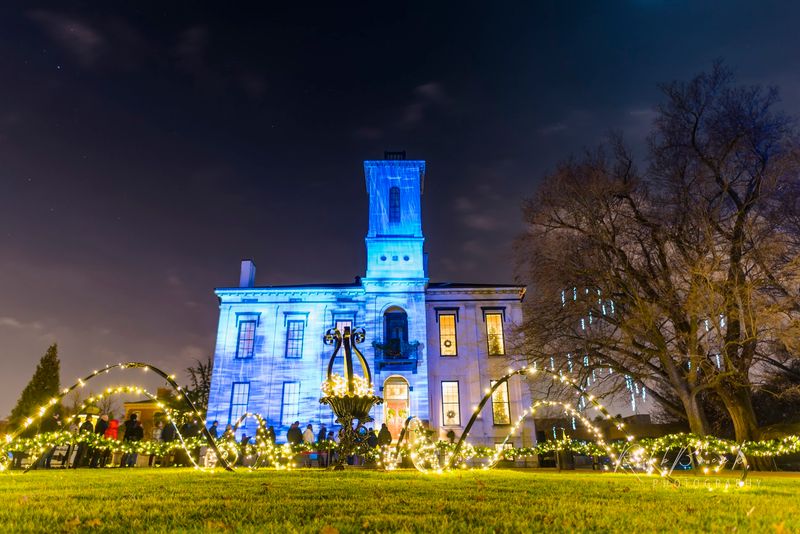
Special evening illumination events during the holiday season draw visitors who want to experience the garden in an entirely different light, literally and figuratively.
Share this story