Catalonia is one of those places that keeps surprising you around every corner. From the buzzing streets of Barcelona to remote Pyrenean valleys filled with Romanesque churches, this region packs centuries of history, culture, and jaw-dropping scenery into one compact corner of northeastern Spain.
Whether you love ancient ruins, whitewashed fishing villages, or mountain hikes with sea views, Catalonia has something worth the trip. These 13 highlights show just how much variety this remarkable region has to offer.
Barcelona
Few cities in the world can claim a skyline as instantly recognizable as Barcelona’s. Antoni Gaudi’s fingerprints are everywhere: the towering spires of the Sagrada Familia, the mosaic-covered terraces of Park Guell, the rippling stone facade of Casa Batllo, and the curvy rooftop of La Pedrera.
Each one feels less like a building and more like a fever dream brought to life in the best possible way.
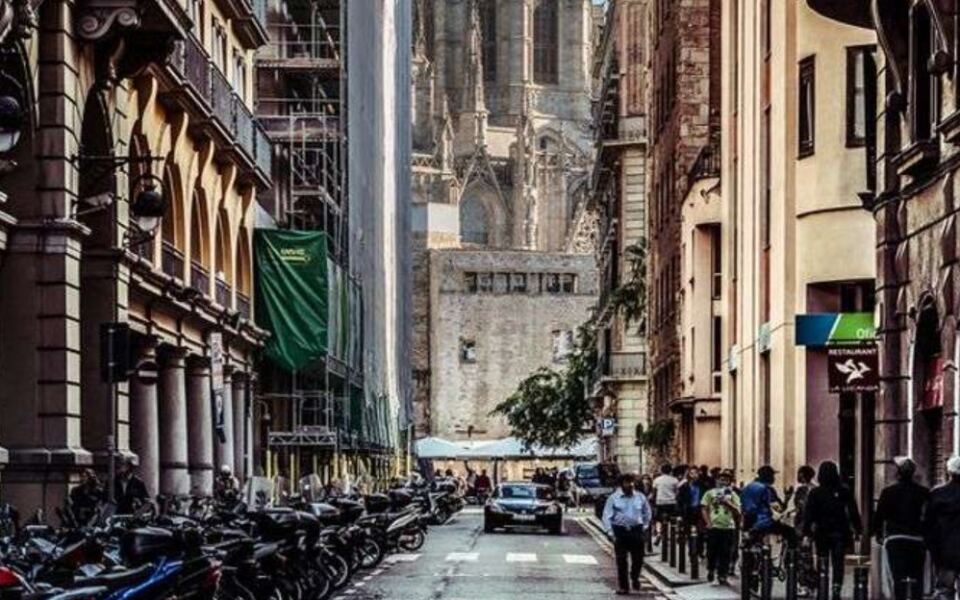
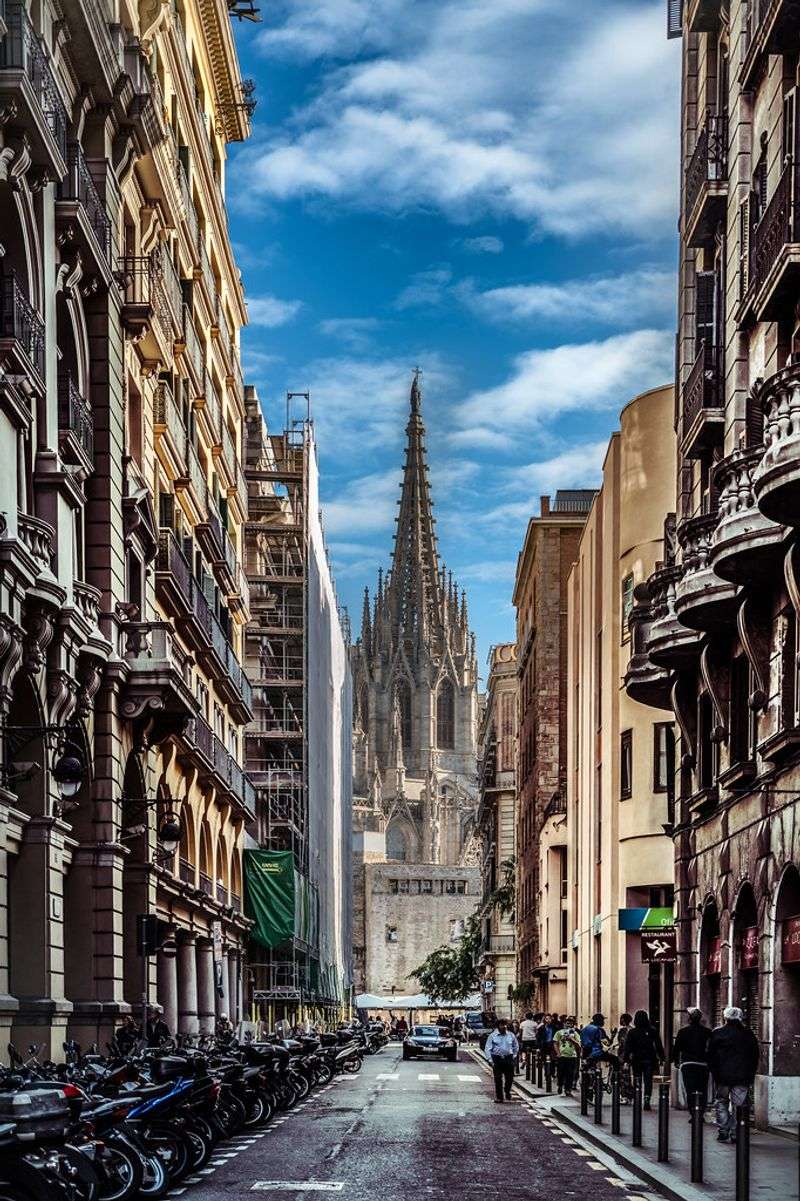
Beyond Gaudi, the Gothic Quarter is a maze of narrow lanes hiding Barcelona Cathedral, fragments of ancient Roman walls, and some seriously good tapas bars. The waterfront adds another dimension entirely, with beaches, seafood restaurants, and the towering Columbus Monument pointing toward the sea.
Barcelona also works brilliantly as a base. Trains and roads fan outward to Montserrat, Girona, the Costa Brava, and wine country, meaning you can spend mornings exploring the city and afternoons in the countryside.
Give yourself at least three or four days here before heading deeper into Catalonia.
Montserrat
The mountain of Montserrat looks like something a sculptor carved in a hurry and then forgot to smooth out. Its rounded, sharply eroded rock formations shoot upward from the surrounding plains in shapes so unusual that locals have given them names like the Elephant and the Mummy.
The whole thing feels slightly surreal, which is probably why it has attracted pilgrims, hikers, and curious visitors for centuries.
At the heart of the mountain sits Santa Maria de Montserrat Abbey, home to La Moreneta, a Romanesque image of the Virgin who serves as Catalonia’s patron saint. The basilica draws enormous crowds, especially on weekends, so arriving early makes a real difference.
The abbey’s boys’ choir, one of the oldest in Europe, performs daily and is well worth timing your visit around.
Getting there is half the fun. A mountain railway or cable car carries visitors up from the base, with funiculars and hiking trails continuing even higher.
The natural park surrounding the monastery offers routes through rock formations with sweeping views across the Catalan countryside. Plan for a full day rather than a rushed morning.
Girona
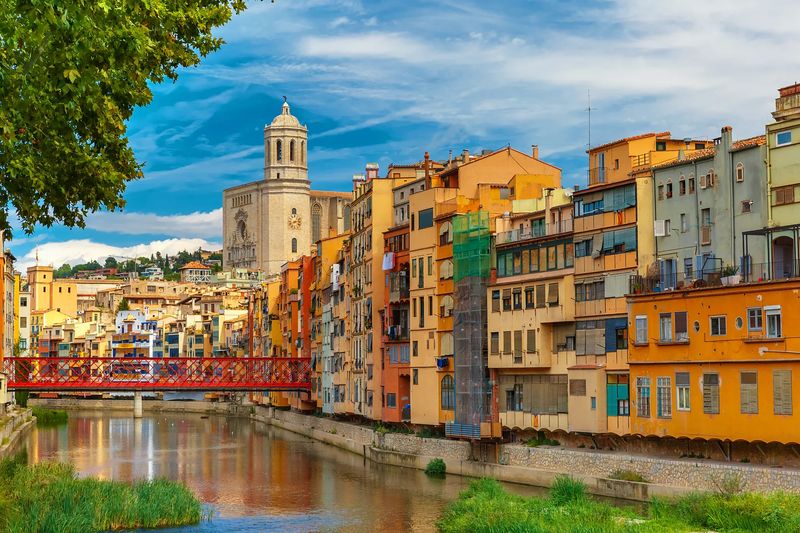
Standing on one of Girona’s pedestrian bridges and looking back at the river is one of those moments that makes you reach for your camera before you even realize it. Brightly painted facades line the Onyar River in shades of yellow, orange, and red, their reflections rippling in the water below.
It is a genuinely beautiful scene that photographs well but looks even better in person.
Behind those colorful frontages lies a historic center packed with layers of history. The Jewish Quarter, known as the Call, preserves a tight network of medieval lanes associated with one of medieval Catalonia’s most significant Jewish communities.
A dedicated museum tells the story clearly and is well worth an hour of your time. Girona Cathedral crowns the upper city, its wide baroque staircase offering great views back over the rooftops.
Girona also punches above its weight for food. The city has produced some of Spain’s most celebrated chefs, and the restaurant scene ranges from Michelin-starred tasting menus to excellent casual spots.
As a base for exploring the Costa Brava and the medieval villages of Emporda, Girona is hard to beat. Budget a full day at minimum.
Besalú
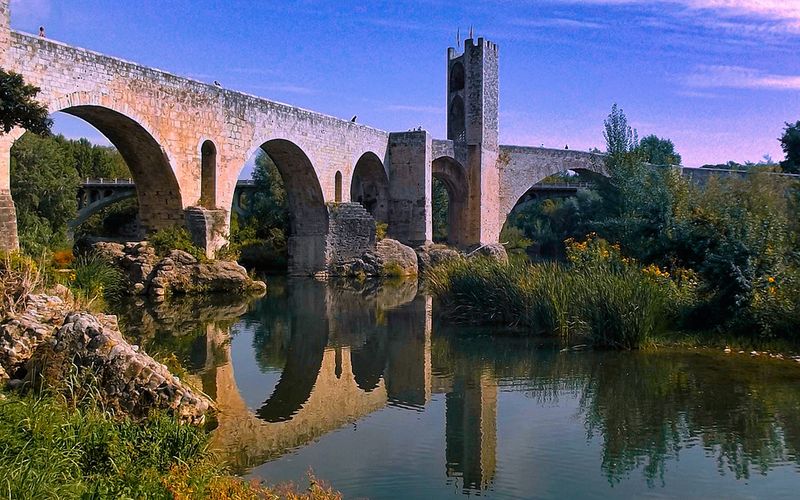
The first glimpse of Besalu’s fortified bridge stops most visitors in their tracks. The medieval stone structure zigzags across the Fluvia River with towers and gates that look borrowed from a fantasy novel, and yet it has stood here since the 12th century doing exactly this job.
Crossing it on foot, with the river below and stone walls ahead, sets the tone for everything that follows inside the town.
Besalu was once the capital of an independent medieval county, which explains why such a compact town contains so much impressive architecture. The Monastery of Sant Pere, the Church of Sant Vicenc, and the remains of a rare medieval Jewish ritual bath called a mikveh all sit within easy walking distance of each other.
Unlike many preserved historic towns, Besalu still functions as an ordinary working community, which keeps it from feeling like an open-air museum.
The surrounding area adds further appeal. The volcanic Garrotxa Natural Park sits just a short drive away, offering beech forests, extinct volcanic cones, and hiking trails that contrast nicely with Besalu’s stone streets.
Combining the two in a single day trip from Girona is genuinely satisfying and completely doable without rushing either stop.
Peratallada and Pals
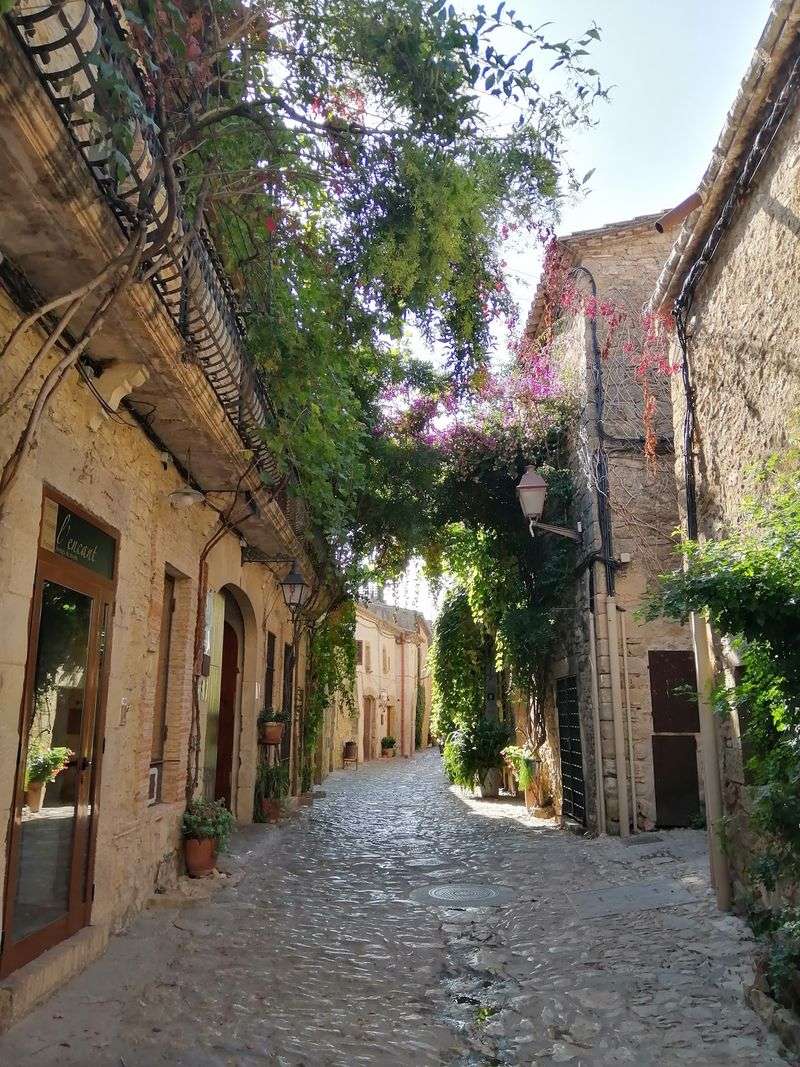
Wandering through Peratallada without a map is not getting lost, it is the whole point. Cobblestone lanes curve between stone walls, archways appear unexpectedly, and the entire village feels like it has been preserved in amber since the Middle Ages.
The name itself translates roughly as carved stone, which gives you a fair idea of what to expect before you even arrive.
Nearby Pals offers a slightly different flavor. Its walled historic quarter climbs a low hill above the surrounding plain, with a Romanesque tower providing the highest viewpoint and views stretching toward the sea on clear days.
Both villages appear on Catalonia’s official list of Charming Villages, and both earn that designation without any argument.
The landscape between them is part of the appeal too. Fields, farmhouses, and low hills roll toward the Mediterranean in a scene that feels genuinely rural rather than packaged for tourists.
Cycling between Peratallada, Pals, and the coast is popular and practical on flat terrain. Add the nearby Emporda marshes and the beach town of Begur and you have enough material for a very comfortable two or three days of slow, satisfying travel in this corner of Catalonia.
Cadaqués
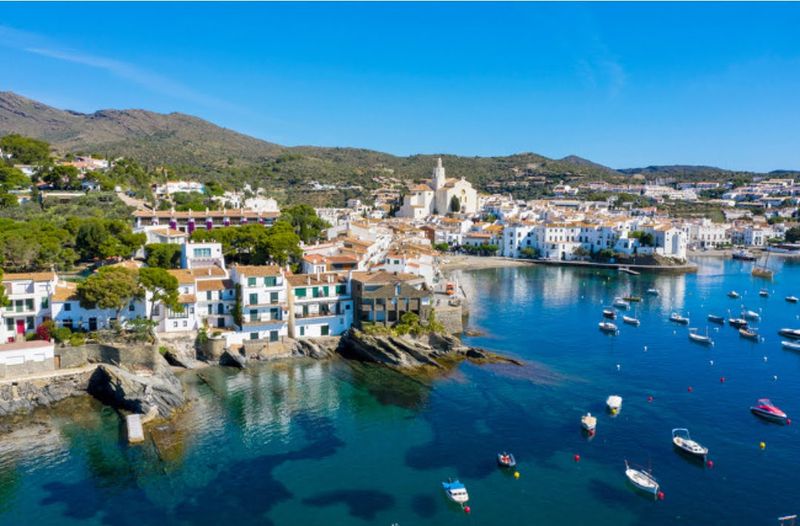
Salvador Dali chose Cadaqués as his home for a reason, and the moment you arrive, that reason becomes obvious. The light here is extraordinary, sharp and clear in a way that makes colors pop and shadows deepen, creating the kind of visual intensity that artists chase their whole careers.
Add whitewashed houses tumbling down to a rocky bay and you have one of the most photogenic towns on the entire Mediterranean coast.
Dali’s house in nearby Portlligat is now a museum offering small-group guided tours through the artist’s famously eccentric living and working spaces. Booking ahead is essential because visitor numbers are tightly controlled.
Even without the museum, wandering Cadaqués itself rewards curiosity, with the parish church above town providing the best views over the bay.
Geographic isolation helped Cadaqués preserve its character. The winding mountain road that connects it to the rest of the Costa Brava limited development for decades, keeping the town smaller and quieter than its neighbors.
The surrounding Cap de Creus Natural Park extends the experience further with coastal trails, hidden coves, and some of the wildest scenery in Catalonia. Staying overnight rather than day-tripping lets you enjoy the town once the crowds thin out.
Cap de Creus Natural Park
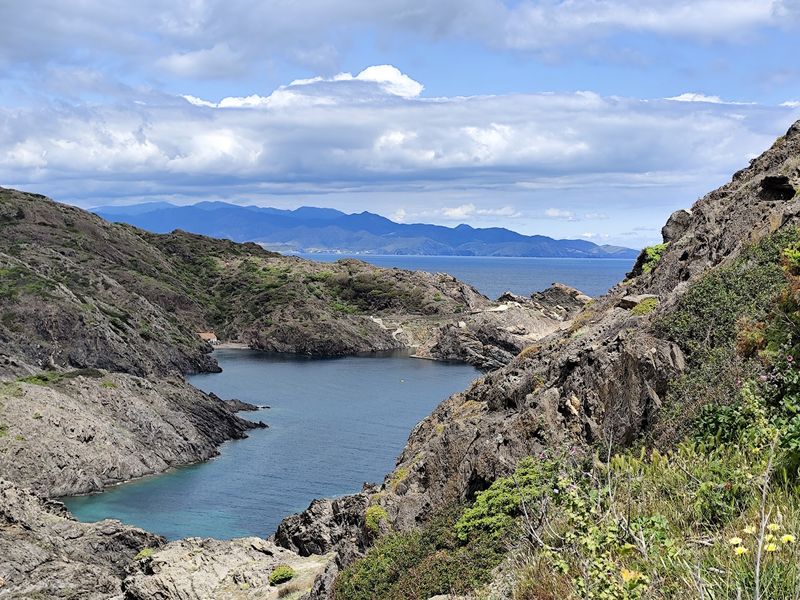
Cap de Creus holds a genuinely impressive geological claim: it marks the exact point where the Pyrenees run out of land and drop into the Mediterranean Sea. Standing at the cape on a clear day, with mountains behind you and open water ahead, makes that fact feel surprisingly emotional.
The landscape here is raw, wind-scoured, and completely unlike the manicured beach resorts found elsewhere along the Spanish coast.
The tramuntana wind shapes almost everything at Cap de Creus. It bends the vegetation sideways, polishes the rock surfaces smooth, and whips the sea into whitecaps even on sunny days.
That same wind is also responsible for the extraordinary clarity of the light, which bounces off pale metamorphic rock and deep-blue water in combinations that feel almost theatrical.
Coastal trails thread between coves, headlands, and inland ridges throughout the park, with routes ranging from easy waterside walks to more demanding ridge hikes. The cape itself is accessible by road and has a lighthouse restaurant with spectacular views.
Birdwatchers come specifically for the migrating species that pass through, while divers appreciate the protected marine environment below the surface. This is Catalonia at its most elemental and least crowded.
Calella de Palafrugell and the Cami de Ronda
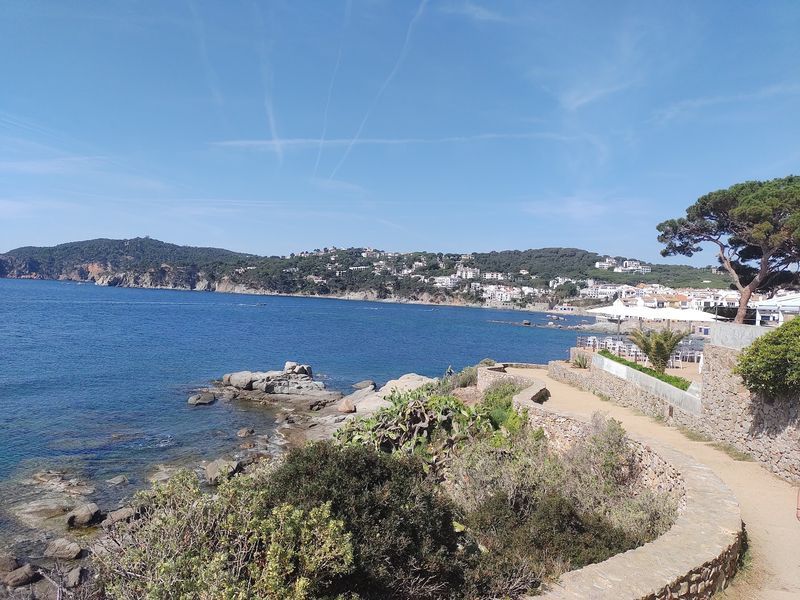
Calella de Palafrugell has managed to stay charming without trying too hard, which is rarer on the Costa Brava than you might think. Whitewashed houses line small beaches, waterfront arches frame the sea, and the pace of life still feels connected to the fishing community that built the place.
In July, traditional habanera songs float across the water during an open-air music festival that has been running for decades.
The Cami de Ronda is the real star for active visitors. This historic coastal path originally served customs officers patrolling for smugglers, but today it links coves, headlands, and fishing settlements in a way that no road can replicate.
Sections around Llafranc and Palamós pass rocky inlets, tiny beaches, and the minuscule fishing settlement of S’Alguer, which looks virtually unchanged from old photographs.
Walking the Cami de Ronda between Calella and Llafranc takes roughly an hour at a relaxed pace, with enough viewpoints to justify stopping frequently. Combining both villages for lunch and an afternoon swim makes a very satisfying day.
Writer Josep Pla, one of Catalonia’s most celebrated literary figures, spent much of his life in this area and wrote about its landscapes with genuine affection. His connection gives the region an extra layer of cultural meaning.
Tossa de Mar
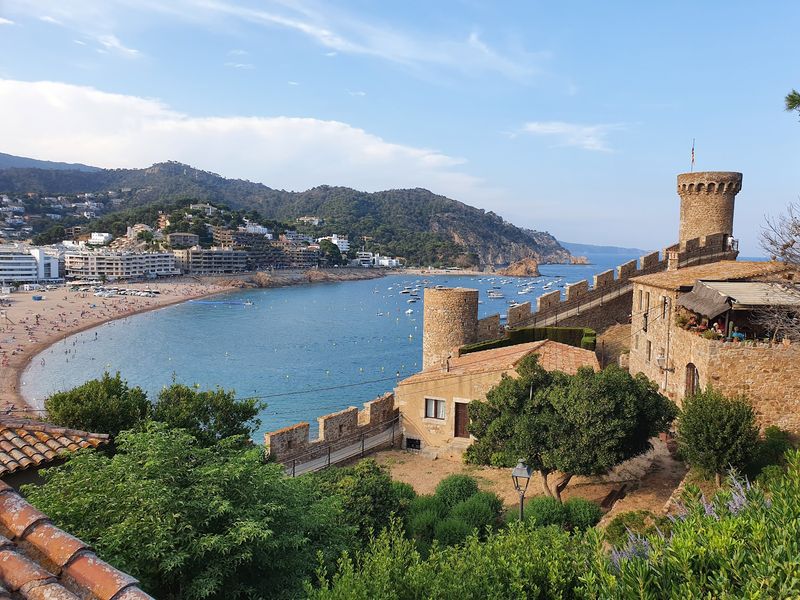
Most Costa Brava towns are known for their beaches. Tossa de Mar is known for its beach and a fortified medieval town sitting directly above it, which is a combination that gives the place a dramatic quality most resort towns simply cannot match.
Looking up from the sand at the Vila Vella’s stone walls and towers while sunbathers spread their towels below is one of those genuinely odd and wonderful contrasts that travel throws at you occasionally.
The Vila Vella itself rewards exploration on foot. Lanes climb through the old quarter past small museums and viewpoints, with the walls offering panoramic views along the coastline in both directions.
Marc Chagall visited Tossa in 1934 and called it Blue Paradise, a description that still fits on a clear summer morning when the sea is calm and the stone glows golden in the light.
Beyond the old town, the surrounding coastline is rugged and varied. Pine-covered headlands, rocky coves, and quieter bays extend north and south of the main beach, with some accessible only by boat or on foot along the Cami de Ronda.
The ferry service connecting Tossa with other Costa Brava towns is a practical and scenic way to move along the coast without backtracking by road.
Tarragona
Not many cities let you eat lunch overlooking a Roman amphitheater that once hosted gladiatorial contests beside the Mediterranean. Tarragona does exactly that, and the casualness with which locals walk past two-thousand-year-old walls on their daily commute says everything about how thoroughly Roman history is woven into the city’s fabric.
Ancient Tarraco was one of the most important cities in the entire Roman Empire’s western territories, and the surviving remains earned UNESCO World Heritage status in 2000.
The archaeological highlights are spread across the city rather than concentrated in one site. The amphitheater, circus, forums, city walls, theater, and necropolis each occupy different neighborhoods, which means exploring them feels like a genuine urban adventure rather than a museum visit.
The walls alone are remarkable, incorporating sections that date back to the Republican period of Roman construction.
Modern Tarragona layers comfortably on top of all this ancient infrastructure. A Gothic cathedral stands at the heart of the old town, beaches line the coastline below the city, and a 19-kilometer stretch of Mediterranean shore extends outward.
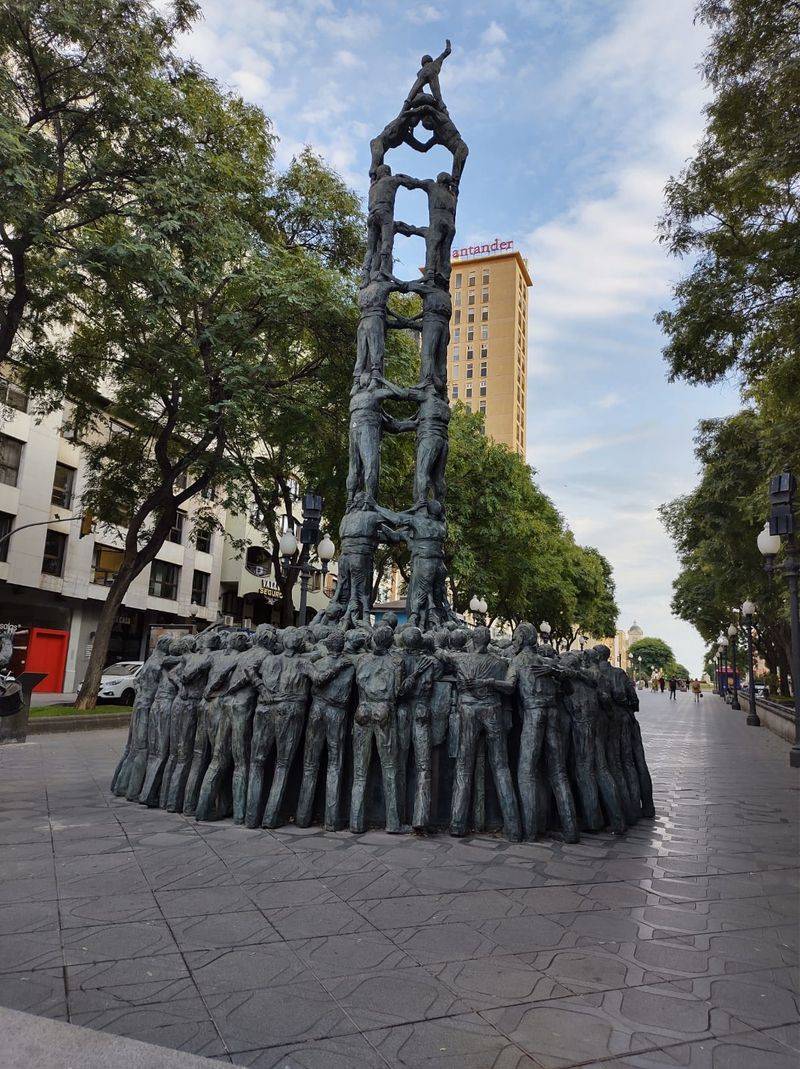
The city’s Castellers tradition, where human tower-building teams compete to construct the tallest human structures, adds a very Catalan cultural dimension to a city that already has more than enough history to fill several days.
Poblet Monastery
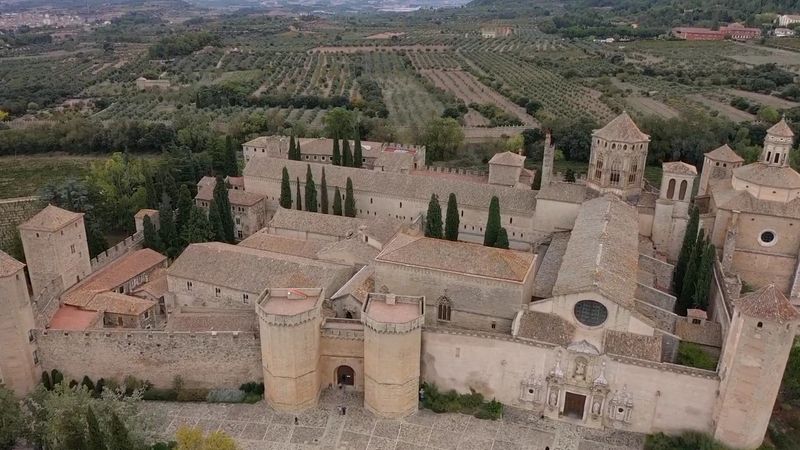
Poblet Monastery has the kind of scale that makes you stop and recalibrate your expectations the moment you see it. Thick defensive walls surround an entire complex of church spaces, cloisters, royal tombs, dormitories, and agricultural buildings, all built in a remarkably consistent Cistercian style that UNESCO has described as one of the most complete and important examples from the 12th through 14th centuries.
Founded in 1150, the abbey became the chosen burial place of the kings of the Crown of Aragon.
The royal tombs are among the most striking features inside. Elaborate stone sarcophagi line the church above the presbytery, creating an atmosphere that feels more dynastic than purely religious.
The monastery’s library and scriptorium were also significant intellectual centers during the medieval period, producing works on history and law that circulated well beyond Catalonia’s borders.
Poblet sits within the Conca de Barbera wine region, which adds a pleasant practical dimension to any visit. The surrounding vineyards produce wines that pair well with a long lunch in one of the nearby villages after a morning tour of the abbey.
Guided tours run regularly and are the best way to access the full interior. Combining Poblet with nearby Santes Creus Monastery makes a rewarding full day in inland Catalonia.
Vall de Boi
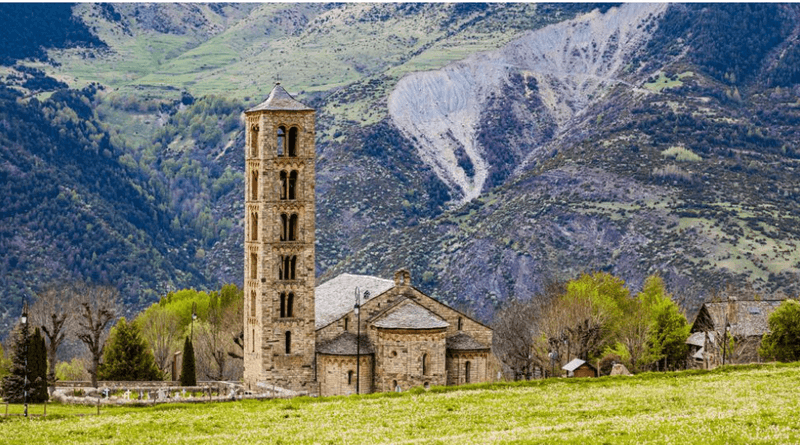
Tucked into the high Catalan Pyrenees, the Vall de Boi contains a concentration of Romanesque churches so remarkable that UNESCO stepped in to protect them as a group. Built primarily during the 11th and 12th centuries, the churches share a consistent Lombard Romanesque style, with slender bell towers rising from stone villages in a way that looks almost impossibly picturesque against the mountain backdrop.
There are nine protected churches in total, each associated with its own small settlement.
The interior paintings originally decorating these churches became some of the most celebrated examples of Catalan Romanesque art. Many originals were removed for safekeeping during the early 20th century and are now displayed in Barcelona’s National Art Museum of Catalonia, where they fill an entire wing.
Reproductions inside several valley churches give visitors a sense of how the interiors once looked, though the originals in Barcelona are genuinely breathtaking.
The valley itself is spectacular in every season. Summer brings wildflower meadows and hiking trails, while winter transforms the surrounding peaks into ski terrain at Boi Taull resort.
The nearby Aiguestortes i Estany de Sant Maurici National Park extends the landscape experience considerably, with glacial lakes, granite peaks, and wildlife that includes brown bears in remote areas. This corner of Catalonia rewards slow, unhurried exploration.
Empuries
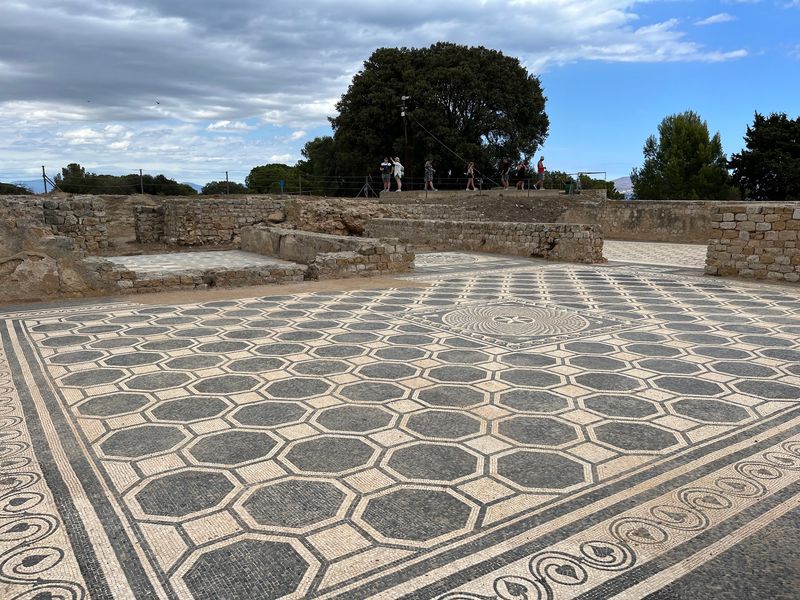
Somewhere between a history lesson and a beach day, Empuries occupies a category entirely its own. This coastal archaeological site holds the remains of both a Greek city, Emporion, and a later Roman settlement, making it the only place on the Iberian Peninsula where you can walk through the ruins of both civilizations side by side.
Greek traders established a commercial presence here around 600 BCE, centuries before Roman legions arrived and built their own considerably larger urban grid nearby.
The contrast between the two cities is genuinely fascinating. The Greek settlement is compact and tightly organized, while the Roman city demonstrates the kind of ambitious urban planning that characterized imperial expansion, with wide streets, public buildings, and elaborate mosaic floors.
Walking between the two sections makes the historical shift from Greek trading post to Roman provincial city feel tangible in a way that textbooks rarely achieve.
Perhaps the most memorable detail at Empuries is its location. The ruins sit directly beside a long sandy beach where modern swimmers enter the same bay once used by ancient merchant ships.
That overlap of ancient and contemporary is quietly extraordinary. The site has a good on-site museum, and combining a morning at the ruins with an afternoon on the beach is one of the most satisfying combinations the Costa Brava has to offer.
Share this story