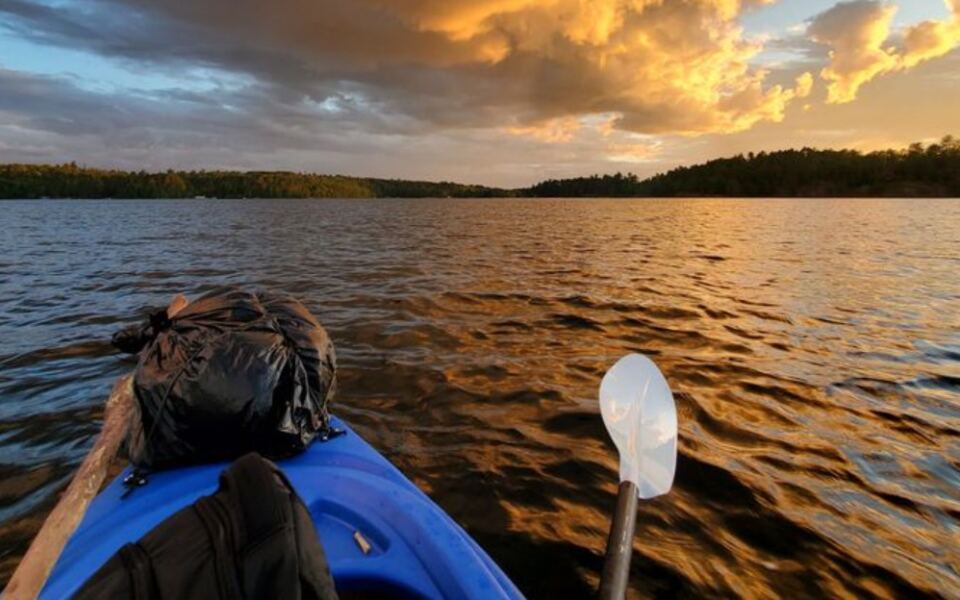
Some lakes are easy to describe. This one is not, because no single sentence captures the way ancient granite boulders rise straight out of crystal-clear water, or how dozens of pine-covered islands scatter across the surface like a puzzle waiting to be explored.
Tucked deep in the northwoods of Minnesota, this lake has drawn paddlers, anglers, campers, and families back year after year, season after season, for generations. What makes it so magnetic is not just its beauty but the sheer variety of experiences packed into one remarkable stretch of wilderness water.
A Lake Unlike Any Other in the Northwoods
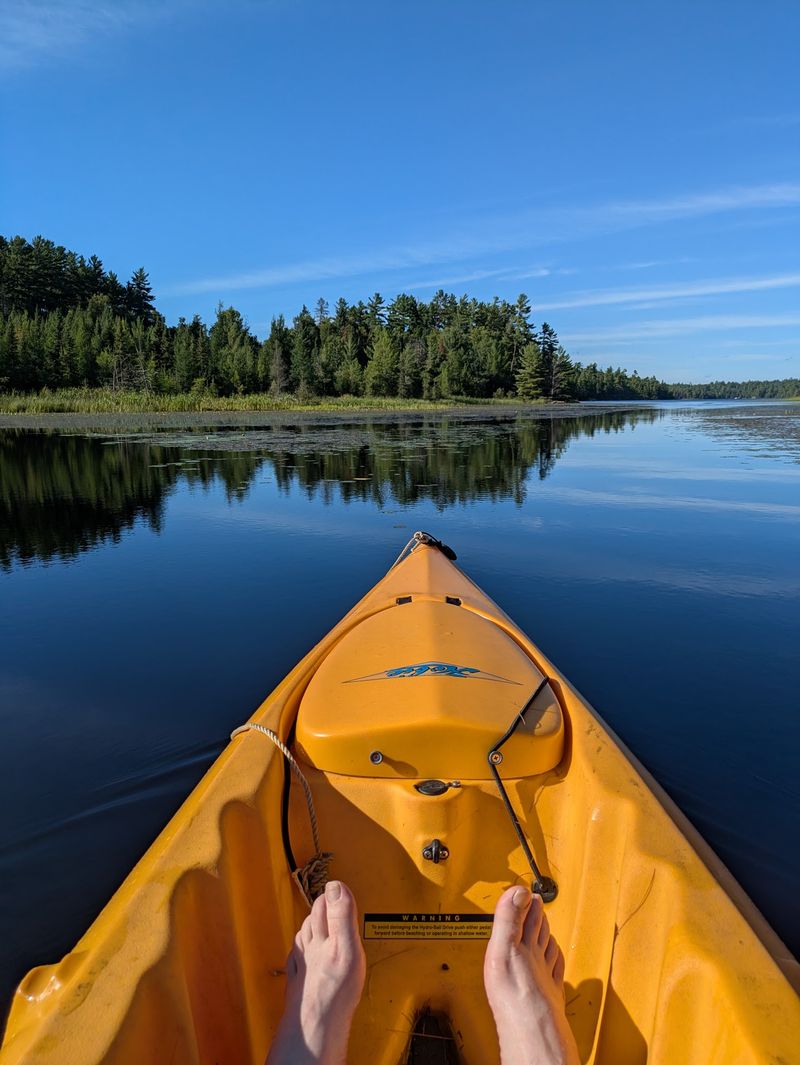
There is a moment when you first see Burntside Lake from above, whether from a map or a high point on shore, and the sheer number of islands stops you cold. This is not your typical Minnesota lake with a smooth oval outline and a boat launch at one end.
Burntside Lake, located near 2769 Van Vac Rd, Ely, MN 55731, is a complex, sprawling body of water with arms, bays, and more islands than most people expect. It sits just outside the boundary of the Boundary Waters Canoe Area Wilderness, making it one of the most accessible yet genuinely wild lakes in the entire region.
The lake covers thousands of acres, and its irregular shape means every paddle or boat ride reveals a new channel, cove, or rocky point. Repeat visitors say they have spent years exploring and still find new corners.
The Islands That Make Burntside Famous
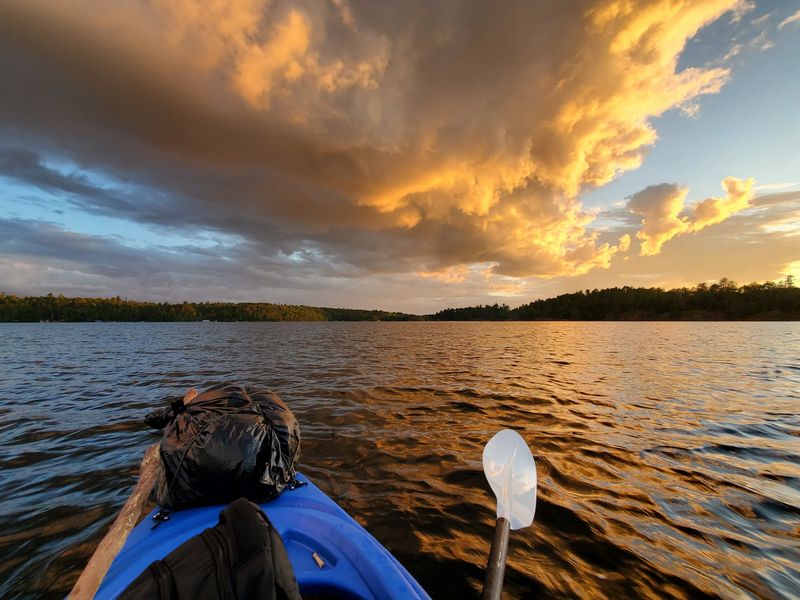
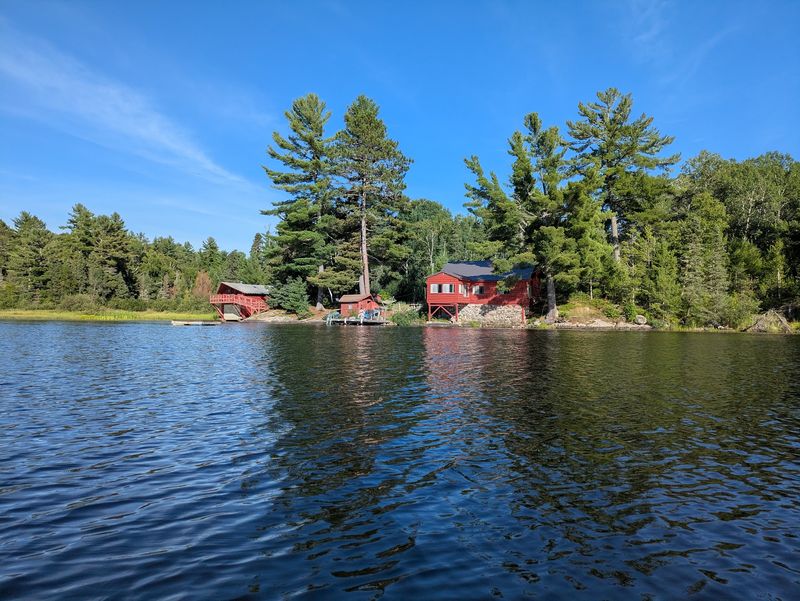
Burntside is known for one thing above almost everything else: its islands. There are hundreds of them scattered across the lake, ranging from tiny granite outcroppings barely large enough to stand on to larger wooded islands with private cabins tucked among the pines.
Some islands are privately owned, and spending time on one feels like having your own wilderness retreat. The experience of paddling between islands, with nothing but bird calls and the sound of your own paddle breaking the water, is something that stays with you long after you leave.
Fishermen love the islands too, because the rocky structure around each one creates perfect habitat for walleye, bass, and northern pike. Whether you are exploring by kayak or drifting in a canoe, the island maze of Burntside gives every visit a slightly different character.
No two trips feel quite the same.
Granite Shorelines That Tell an Ancient Story
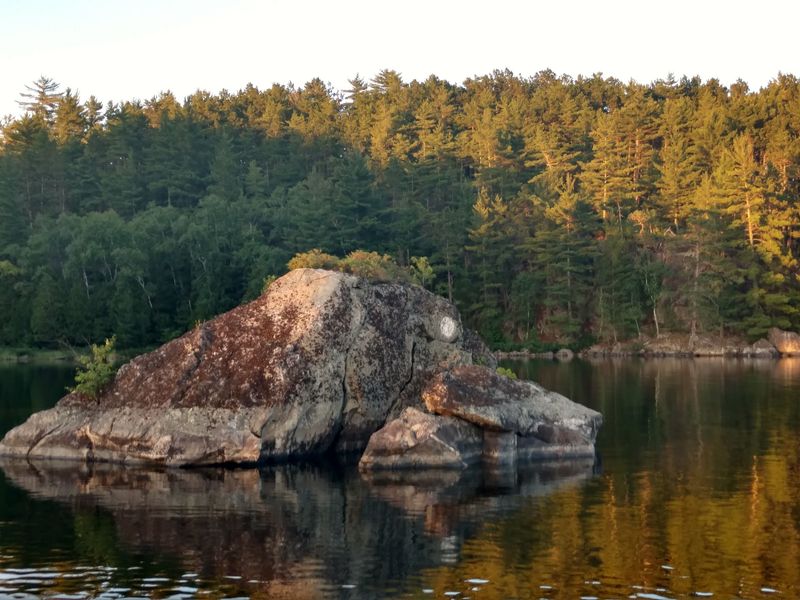
The granite that lines Burntside Lake is not just pretty to look at. It is genuinely old, part of the Canadian Shield, some of the most ancient exposed rock on Earth.
Glaciers carved and polished these boulders thousands of years ago, and the results are dramatic.
Along many stretches of shore, flat granite ledges slope directly into the water, creating natural diving platforms and sunbathing spots that no landscape architect could improve on. The rock comes in shades of pink, gray, and rust, and on sunny days it radiates warmth that makes sitting on it feel like a reward after a long paddle.
One reviewer described diving off a cliff into the clear water as splashing clearly into bliss, and that description is hard to argue with. The combination of warm granite and cold, clear water is one of Burntside’s most memorable sensory experiences, one that brings people back every summer.
Water So Clear It Almost Does Not Look Real
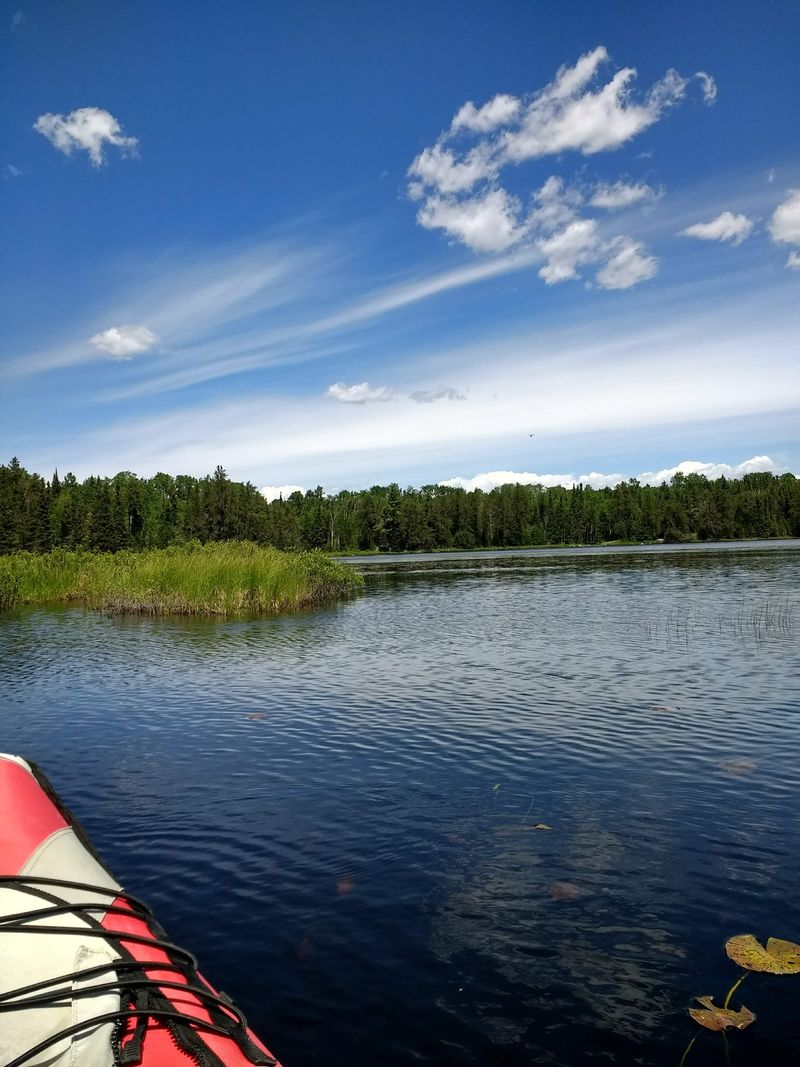
People who visit Burntside for the first time often stop and stare at the water for a moment before doing anything else. The clarity is genuinely striking.
You can see the rocky bottom several feet down, and the water has a blue-green quality that feels more like a northern Canadian lake than a typical Midwest swimming hole.
That clarity comes from the granite bedrock basin and the relatively low levels of development around much of the shoreline. The lake has stayed remarkably clean compared to many Minnesota lakes that have faced increased algae and runoff issues over the decades.
Kayakers who paddle along the shallower bays near the islands can watch the bottom scroll beneath them like a slow-moving film. It is the kind of water that makes you want to cup your hands and drink it, and in many parts of the lake, the water quality supports that impulse comfortably.
Paddling the Bays and Arms of the Lake
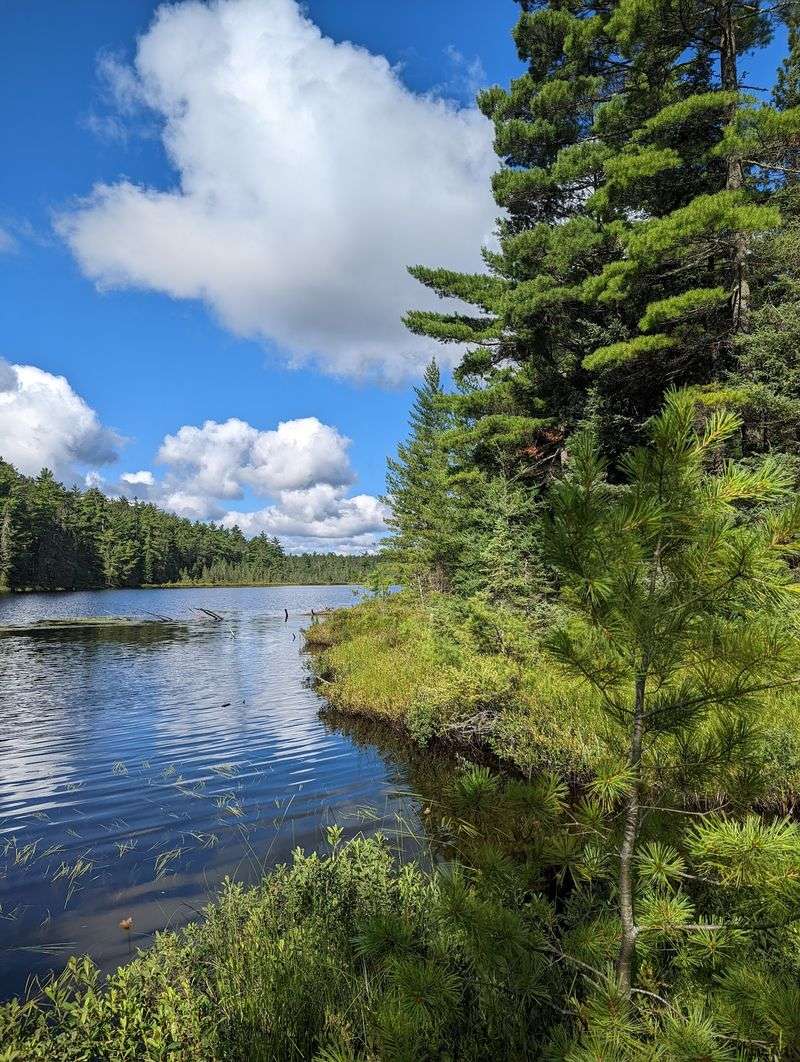
Burntside is not a lake you conquer in a single afternoon. Its arms and bays extend in multiple directions, and the North Arm alone offers miles of paddling through scenery that shifts from open water to intimate rock-lined channels.
Each section of the lake has its own mood.
The public boat launch is easy to find and well-maintained, giving kayakers and canoeists a solid starting point. From there, the possibilities branch out quickly.
You can hug the main shoreline, thread between islands, or push deeper into the quieter arms where motorboat traffic drops off and the silence becomes almost tangible.
Portaging off the lake is also possible, connecting Burntside to the broader paddling network of the region. For those who want to extend a trip, Burntside serves as a comfortable entry point into longer wilderness routes without requiring the full BWCA permit process for day use.
Fishing a Lake Built for Anglers
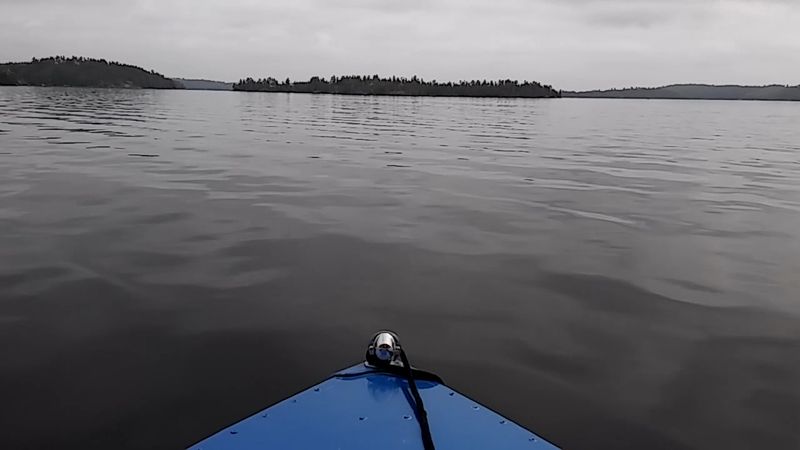
Burntside has a reputation among serious anglers in northern Minnesota, and it is well-earned. The rocky structure created by all those islands and granite points provides exactly the kind of habitat that walleye, largemouth and smallmouth bass, and northern pike prefer.
The lake is deep in places, adding another layer of variety for those who know how to read water.
Early mornings on Burntside are something special for fishing. The lake surface goes glassy before the wind picks up, and you can work the rocky edges of islands with a quiet efficiency that feels more like meditation than sport.
The bite near submerged granite shelves can be surprisingly productive.
Even anglers who describe the fishing as so-so on a given day tend to admit that the exploring more than makes up for it. Finding a new cove, watching an osprey work the shallows, or drifting past a beaver lodge counts as its own kind of reward on this lake.
The North Arm Trails and Wildflower Surprises
Not everything worth seeing at Burntside happens on the water. The North Arm Trails offer a land-based perspective on the same dramatic landscape, winding through boreal forest past granite boulders and along ridgelines with views over the lake.
The terrain is rugged in a satisfying way, the kind that makes your legs work without punishing them.
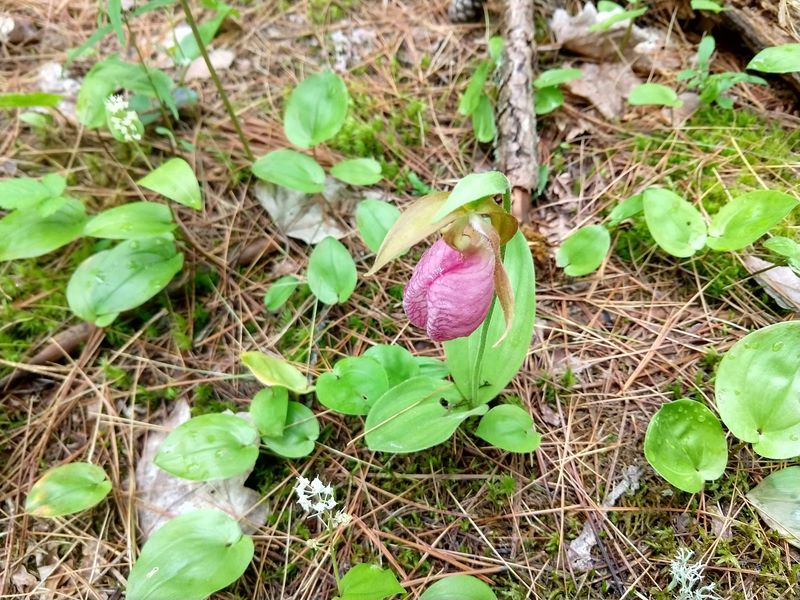
In late spring and early summer, lady’s slipper orchids bloom along sections of the trail. These are Minnesota’s state flower, and finding them growing wild among the granite and pine roots feels like a genuine discovery every time.
They are delicate and surprisingly vivid against the dark forest floor.
The combination of wildflowers and ancient rock along the North Arm Trails is one of those details that visitors mention long after the trip ends. It is the kind of thing that makes you pull out your phone for a photo and then put it away because the real thing is simply better.
Winter on Burntside Is a Different World
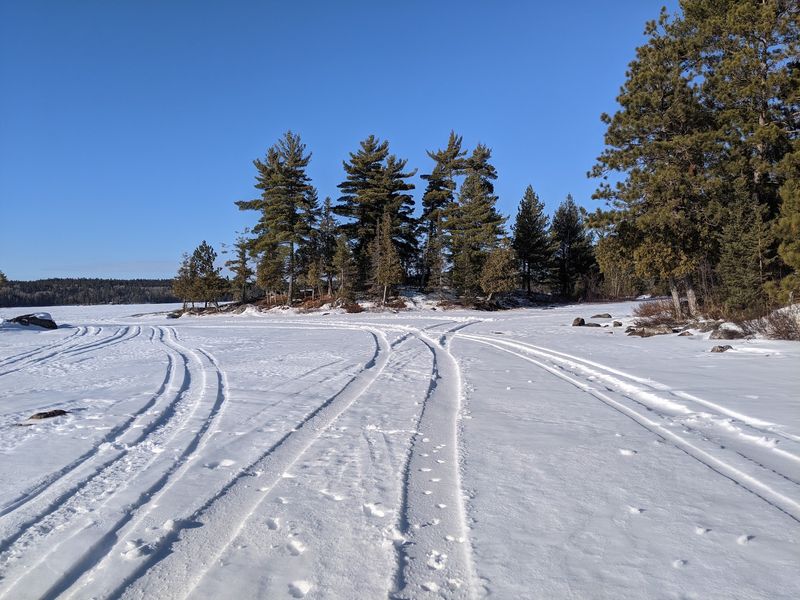
Most people think of Burntside as a summer destination, but those who have seen it in January know the lake transforms into something equally compelling when the temperature drops. The islands take on a different character under snow, their pine boughs weighted down and silent, and the frozen surface opens up miles of cross-country skiing and snowshoeing routes.
Camp Du Nord, a historic camp on the lake, welcomes winter visitors and offers a combination of comfortable lodging and access to the surrounding wilderness that makes a cold-weather visit genuinely appealing rather than just adventurous in theory. The boreal forest adjacent to the Boundary Waters Canoe Area Wilderness looks its most dramatic in winter, when the evergreens stand out sharply against white snow and gray sky.
People who have visited Burntside in every season consistently say winter holds its own against summer. The quiet is deeper, the scenery starker, and the sense of having the northwoods mostly to yourself is hard to find anywhere else in Minnesota.
Summer Camps With Decades of History
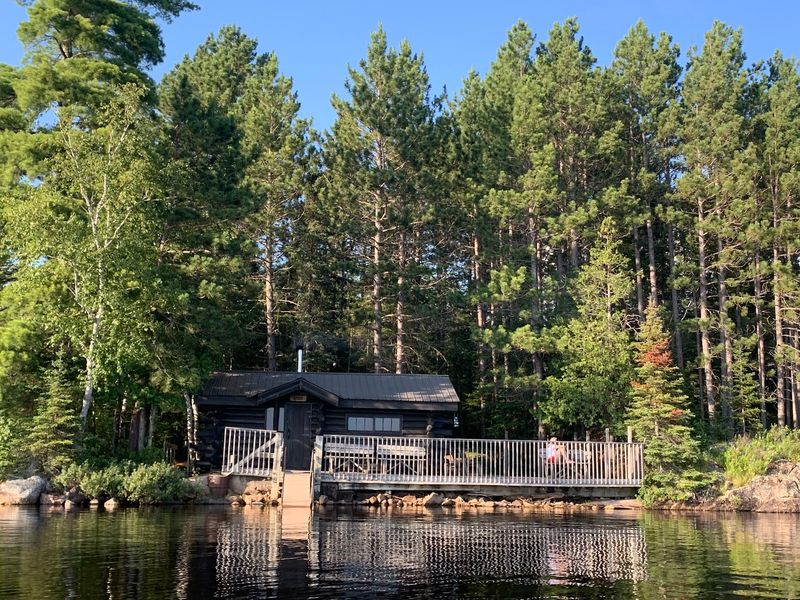
Burntside Lake has been home to summer camps for generations, and that tradition runs deep in the local culture around Ely. Camps like Widjiwagen have brought school groups and young campers to the lake for decades, offering programming focused on outdoor skills, teamwork, and genuine wilderness experience.
The camps are not the polished resort kind. They are the real kind, with canoe instruction on open water, campfire cooking, and the kind of self-reliance lessons that stick with kids long after they return home.
Former campers consistently describe their time on Burntside as one of the highlights of their childhood years.
The presence of these camps has shaped the culture around the lake in lasting ways. Many adults who now bring their own families to Burntside first arrived as campers themselves.
The lake has a way of creating loyalty that spans generations, which is perhaps the most honest measure of a place’s staying power.
Wild Blueberries and the Small Discoveries Along the Shore
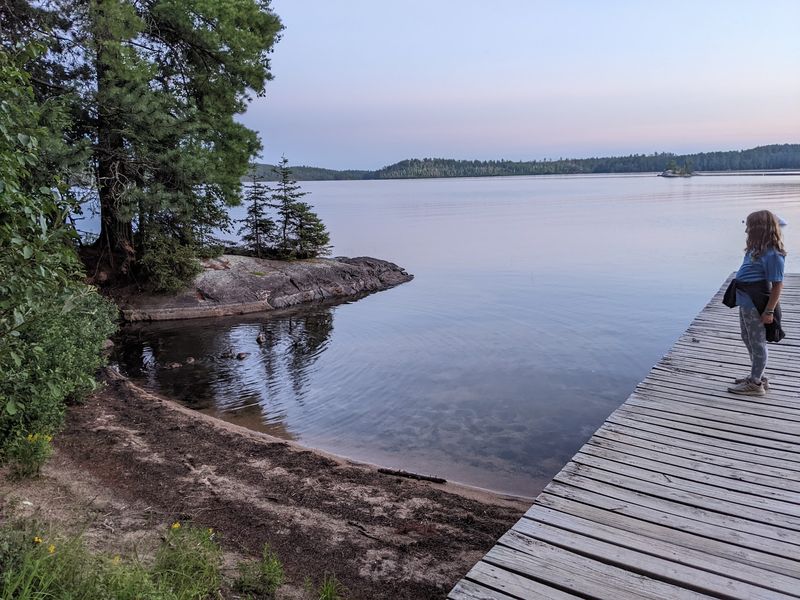
One of the quieter pleasures of spending time on Burntside is the small, unexpected things you find when you slow down. Wild blueberries grow along rocky outcroppings near the shore, and in late summer the patches can be generous enough to fill a container in a short time.
Picking them while standing on warm granite with a view of the lake is a very specific kind of contentment.
The shoreline also rewards careful observation in other ways. Great blue herons stand motionless in the shallows near the islands.
Loons call across the water in the early morning and at dusk. Bald eagles are a common sight, circling above the tree line or perched on dead snags near the water’s edge.
These small encounters are the ones that tend to surface in conversation years later. Not the big dramatic moments, but the quiet afternoon you floated near a blueberry patch and listened to a loon while the sun moved slowly across the granite.
What Makes Burntside Different From Other Minnesota Lakes
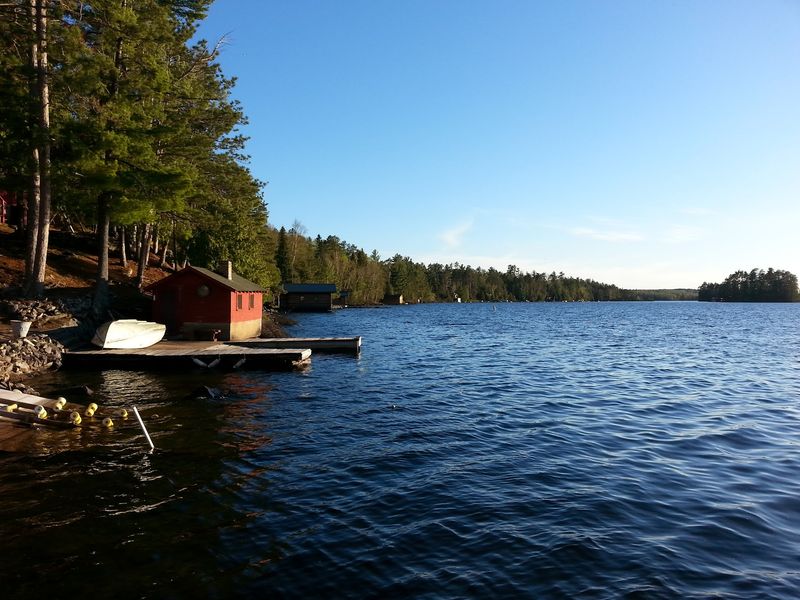
Minnesota has more than ten thousand lakes, and plenty of them are beautiful. What sets Burntside apart is the combination of features that rarely appear together in the same place.
The island density, the granite shoreline, the water clarity, and the proximity to the Boundary Waters all stack up to create something genuinely distinctive.
Most Minnesota lakes have soft, sandy shores and gradual drop-offs. Burntside has cliff edges, submerged boulders, and deep cold water that stays clear through the summer.
That geological difference changes the entire feel of being on the water. It is more rugged, more dramatic, and more visually interesting than the typical northwoods lake experience.
The lake also benefits from relatively limited development along portions of its shoreline, which preserves the sense of wild space. When you paddle far enough from the launch, the sounds of the modern world fade out completely, and what remains is the kind of quiet that people drive hours to find.
Planning Your Visit to Burntside Lake
Getting to Burntside Lake is straightforward from Ely, which is itself a well-established base for northwoods travel. The public boat launch provides easy water access for kayaks, canoes, and motorboats, and the surrounding area has enough lodging, outfitters, and local services to support trips of any length.
Summer is the peak season, with the warmest water temperatures and the longest days for paddling. Late spring brings the lady’s slipper blooms along the trails.
Fall turns the birch and maple around the lake into shades of gold and orange that frame the dark evergreens beautifully. Winter opens up the ice and the ski trails for a completely different experience.
Whenever you go, bring layers. Northern Minnesota weather shifts quickly, and the lake creates its own microclimate that can feel cooler than inland areas.
A dry bag for your gear, a good map of the lake’s arms and islands, and an open schedule will serve you well.
Share this story