Most people chasing affordable healthcare end up searching the coasts or the Sun Belt, never thinking to look at a mid-sized city sitting quietly along the Mississippi River in central Minnesota. But the numbers tell a story worth paying attention to.
St. Cloud consistently ranks among the most affordable places in the country for medical care, with healthcare costs running roughly 12% below the national average. That kind of savings adds up fast, and it turns out the affordability does not stop at the doctor’s office.
A City That Quietly Rewrites the Healthcare Affordability Conversation
Healthcare affordability is one of the biggest financial pressures American families face right now, and most people assume you have to make major sacrifices to find relief. St. Cloud, Minnesota flips that assumption on its head.
Sitting in Stearns County along the Mississippi River, this city of nearly 69,000 people has built a reputation for delivering quality medical care at prices that consistently fall around 12% below the national average.
CentraCare Health, the region’s primary healthcare system, operates multiple facilities across the area and has long been recognized for accessible, community-centered care. The lower cost of living in central Minnesota plays a significant role, keeping overhead costs lower for providers and passing those savings directly to patients.
What makes St. Cloud stand out is that the savings are real and measurable, not just marketing language on a city tourism brochure.
Where Exactly St. Cloud Sits and Why Location Matters

St. Cloud, Minnesota sits about 65 miles northwest of Minneapolis along the Mississippi River, placing it in a sweet spot between rural tranquility and urban accessibility. The city serves as the county seat of Stearns County, though its boundaries also stretch into Benton and Sherburne counties.
That geographic position matters more than most people realize. Residents get access to major Twin Cities medical specialists when needed, while still benefiting from the lower cost structure of a mid-sized regional city.
You are not sacrificing access for affordability here.
The Mississippi River runs directly through the city, giving St. Cloud a natural backdrop that feels more scenic than you might expect from a place known for practical advantages. The combination of location, infrastructure, and cost efficiency is a big reason why families and retirees are taking a closer look at this part of Minnesota.
How the Cost of Living Amplifies the Healthcare Savings
Healthcare savings mean more when the rest of your budget is not being stretched thin. St. Cloud’s overall cost of living runs noticeably below the national average, which means the healthcare discount does not exist in isolation.
Housing costs in the city are significantly lower than in Minneapolis or any major metro area, and everyday expenses like groceries and utilities follow a similar pattern.
Median home prices in St. Cloud remain accessible compared to much of Minnesota, making it a realistic option for families who want to own rather than rent indefinitely. That combination of lower housing costs and reduced medical expenses creates a compounding financial advantage that is hard to find in most American cities.
For retirees on fixed incomes especially, this kind of environment can make a meaningful difference in long-term financial stability without requiring a move to a completely unfamiliar region of the country.
CentraCare Health and the Medical Infrastructure Behind the Numbers
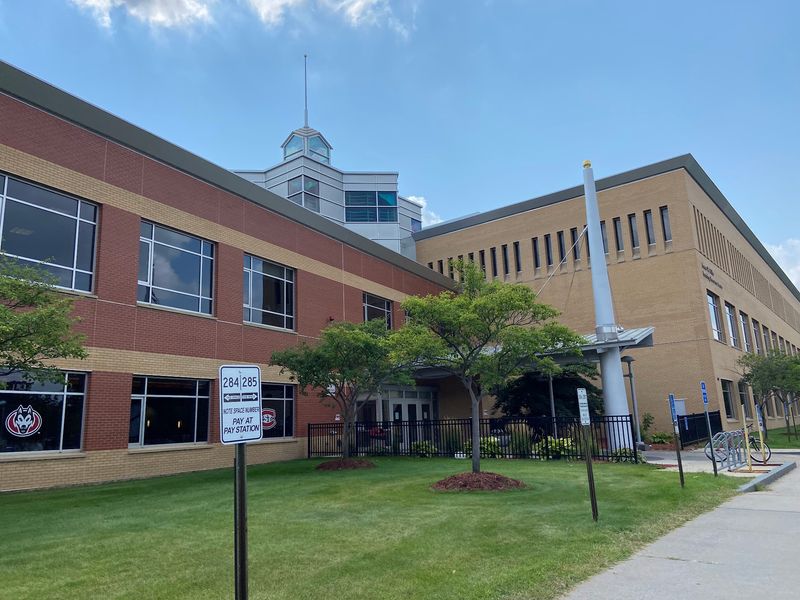
The backbone of St. Cloud’s healthcare system is CentraCare Health, a regional nonprofit health system that has served central Minnesota for decades. CentraCare operates St. Cloud Hospital, one of the largest hospitals in Greater Minnesota, along with a network of clinics, specialty centers, and long-term care facilities spread across the region.
St. Cloud Hospital is a Level II Trauma Center, which means residents have access to serious emergency and surgical care without traveling to the Twin Cities. That level of capability in a city this size is genuinely uncommon and reflects years of deliberate investment in regional healthcare infrastructure.
The nonprofit structure of CentraCare also aligns its priorities more closely with community health outcomes than with maximizing profit margins. That orientation tends to support more transparent pricing and a stronger focus on preventive care, both of which contribute to the overall affordability picture residents experience.
The University Presence That Shapes the City’s Character
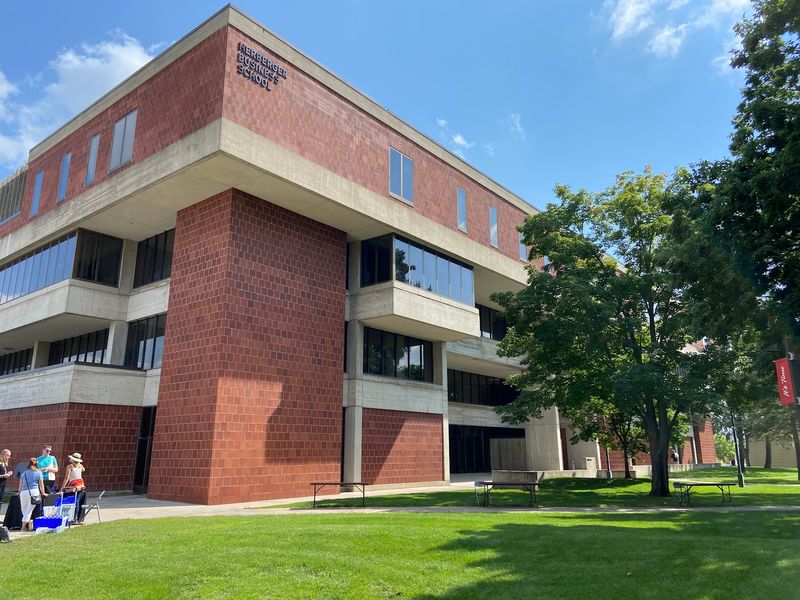
St. Cloud State University sits near the Mississippi River and brings a consistent energy to the city that keeps it from feeling stagnant. With thousands of students enrolled across a wide range of programs, the university influences everything from local business activity to cultural events and community services.
The presence of a large university also supports healthcare affordability in indirect ways. SCSU contributes to a younger, more active population that uses preventive care services more regularly, and the university’s own health programs create a pipeline of trained local healthcare workers.
That local workforce helps keep staffing costs manageable for regional providers.
Beyond economics, the university gives St. Cloud a lively arts and events calendar, a variety of dining options, and a population that trends younger than many comparably sized Midwestern cities. The academic atmosphere adds a layer of intellectual curiosity to everyday life here that residents genuinely appreciate.
Outdoor Life Along the Mississippi and Beyond
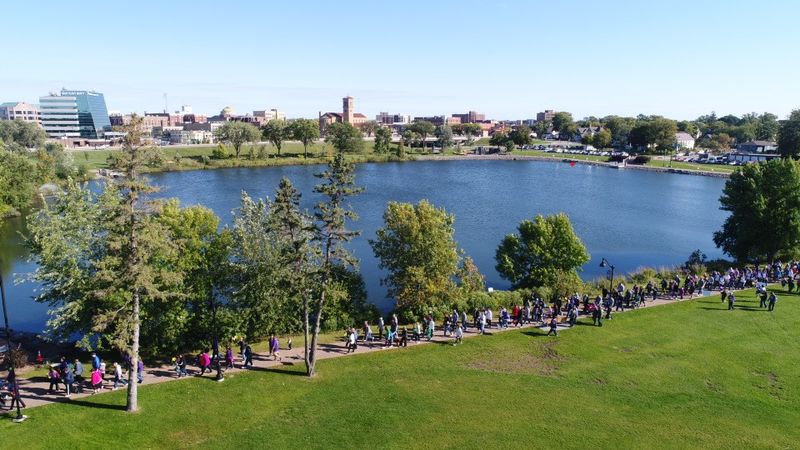
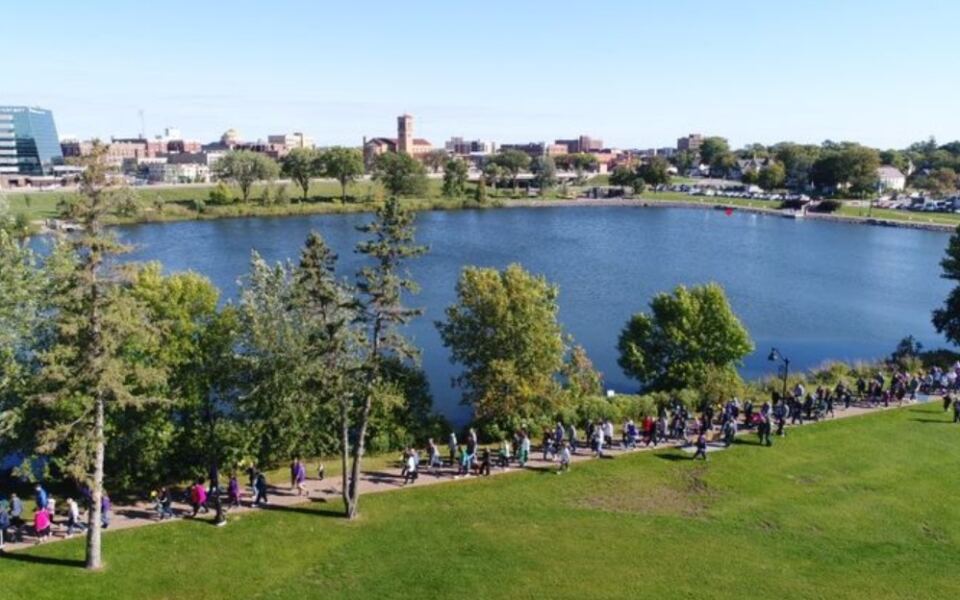
One thing that surprises first-time visitors to St. Cloud is how much outdoor activity the area supports. The Mississippi River runs through the heart of the city, and a network of riverside trails gives residents easy access to walking, cycling, and nature watching without driving far from home.
Riverside Park and the surrounding greenway areas offer quiet spots to spend an afternoon, and the river itself draws kayakers and anglers throughout the warmer months. The city maintains a solid parks system that makes outdoor recreation a regular part of daily life rather than a weekend-only luxury.
Within a short drive, residents can reach several Minnesota state parks and lakes that expand the outdoor options considerably. That accessibility to nature is part of what makes St. Cloud feel livable in a way that goes beyond the financial advantages.
Good health is not just about doctor visits, and this city seems to understand that.
A Downtown That Has Been Quietly Rebuilding Itself
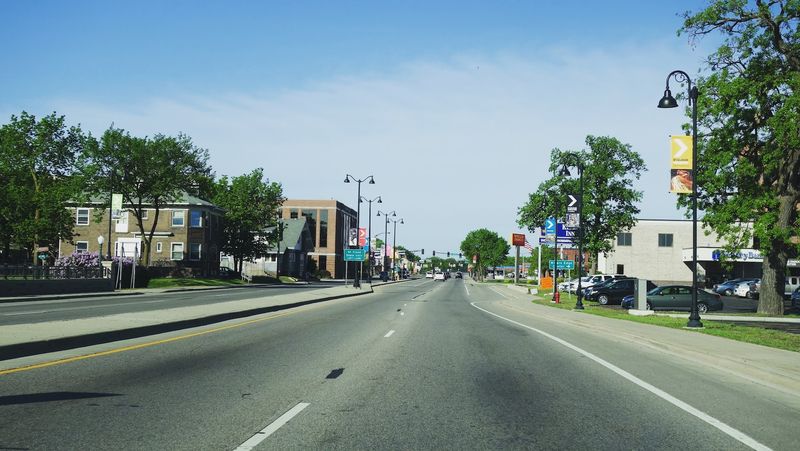
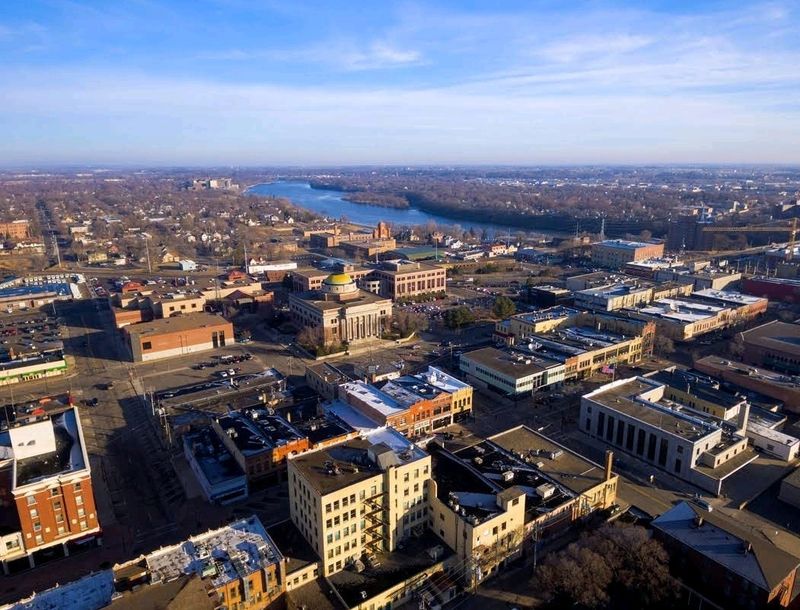
Downtown St. Cloud has been going through a steady, low-key revitalization over the past several years. The area has attracted local restaurants, specialty shops, and community gathering spaces that give it a more walkable and inviting feel than many people expect from a city this size in central Minnesota.
The historic granite buildings that give parts of downtown their distinctive look reflect St. Cloud’s past as a major granite quarrying center. The city was once known as the Granite City, and traces of that industrial heritage still show up in the architecture and public spaces throughout the downtown core.
Local farmers markets, community festivals, and cultural events fill the calendar during warmer months and bring residents together in ways that strengthen the sense of community. That social fabric matters for overall wellbeing, and St. Cloud’s downtown revival is making it easier for residents to feel connected to the place they call home.
The Granite City Heritage That Still Shapes Local Identity
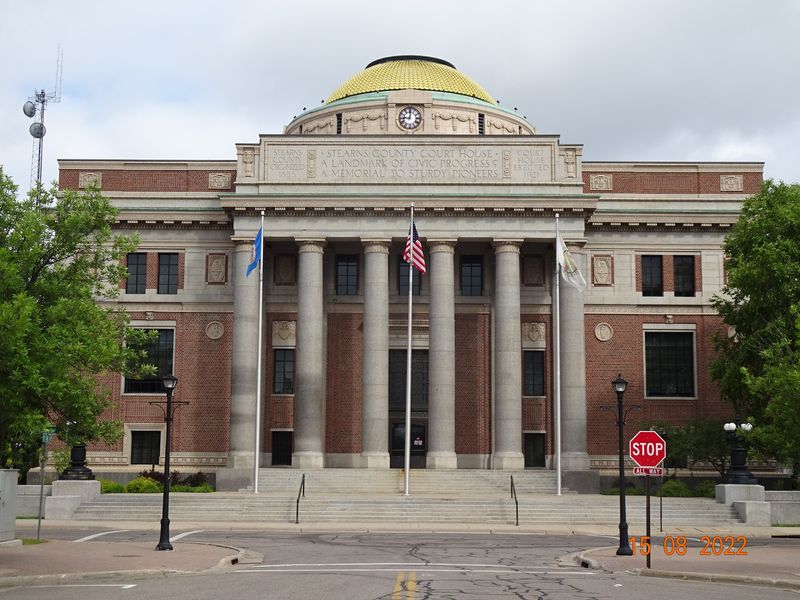
St. Cloud earned the nickname Granite City because of its deep history in granite quarrying and production. The area around St. Cloud contains some of the richest granite deposits in the United States, and for much of the late 19th and early 20th centuries, the city was a major supplier of granite used in monuments, buildings, and infrastructure across the country.
That industrial history left a lasting mark on local identity. Granite shows up in public monuments, building facades, and even sidewalk details throughout the city.
Residents take a quiet pride in that heritage, and it connects modern St. Cloud to a working-class, industrious past that feels authentic rather than manufactured for tourism.
Understanding where a place comes from helps explain why it develops the way it does. St. Cloud’s granite roots reflect a community built on practical skills and durable craftsmanship, values that still seem to influence how the city approaches everything from infrastructure to healthcare investment.
Why Retirees Are Paying Closer Attention to St. Cloud
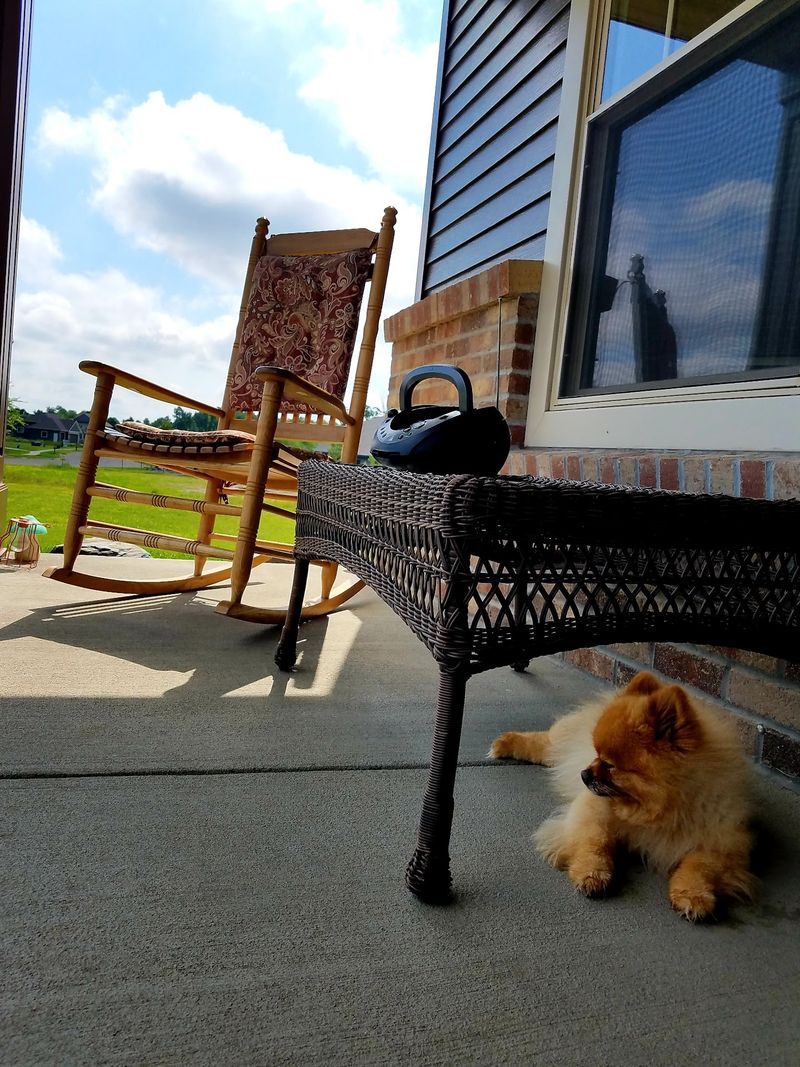
Retirement planning increasingly involves a serious look at healthcare costs, and St. Cloud is appearing on more radar screens as a result. The combination of below-average medical costs, accessible hospital infrastructure, and a lower overall cost of living creates conditions that work particularly well for people on fixed incomes.
Minnesota as a state also has a strong reputation for overall health outcomes and quality of life rankings, and St. Cloud benefits from that statewide context. Retirees moving here are not giving up quality for affordability.
They are finding that both can coexist in the same place.
The city’s size is also a factor. At nearly 69,000 residents, St. Cloud is large enough to offer real amenities, including shopping, dining, arts, and medical specialty care, without the congestion, noise, and expense of a major metro area.
That balance is genuinely difficult to find, and more retirees are starting to notice it.
Cultural Diversity That Adds Depth to Everyday Life

St. Cloud has become one of the more culturally diverse cities in Minnesota over the past two decades. A significant Somali immigrant community has established itself in the city, alongside other East African and international populations that have added new restaurants, businesses, and cultural perspectives to everyday life.
That diversity has not always been without tension, but the community has worked through challenges and continues to evolve. Local organizations, schools, and healthcare providers have invested in language access and culturally responsive services that benefit residents from many different backgrounds.
From a healthcare standpoint, that investment in culturally competent care is meaningful. Patients who can communicate clearly with their providers and feel respected in clinical settings tend to use preventive care more consistently, which supports better outcomes across the whole community.
St. Cloud’s diversity is not just a demographic fact. It actively shapes how the city delivers services and builds its future.
What Visiting or Moving to St. Cloud Actually Feels Like
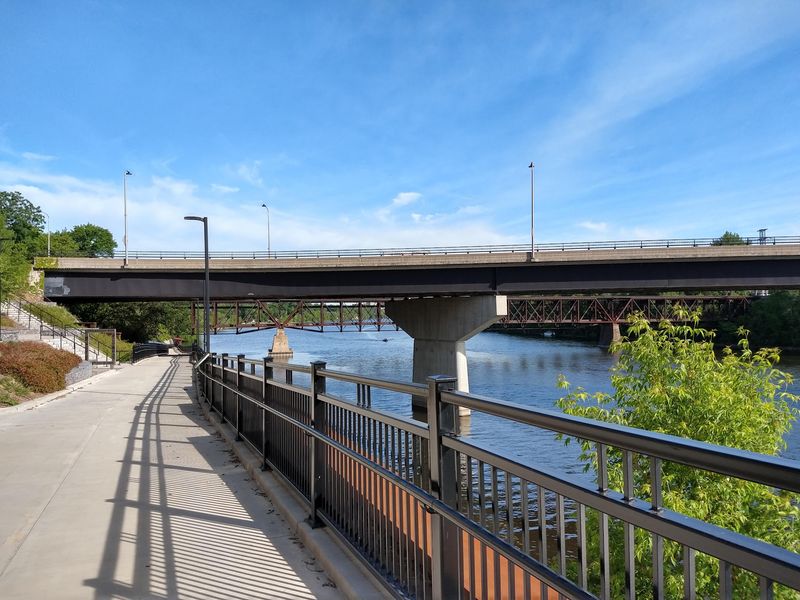
Spending time in St. Cloud feels different from what most people expect before they arrive. The pace is relaxed without being sleepy, and the city has enough going on that you rarely feel like you are missing out by not being in a larger metro area.
People are generally friendly in a genuinely Midwestern way, not performatively so.
The winters are real, as they are everywhere in Minnesota, and that is worth acknowledging honestly. Cold temperatures and snow are part of life here from November through March.
But residents have built a culture around staying active year-round, and the city’s infrastructure handles winter conditions competently.
For anyone seriously considering a move driven by healthcare costs and overall affordability, St. Cloud rewards a visit. Spend a weekend exploring the riverfront trails, checking out downtown, and getting a feel for the neighborhoods.
The numbers make a strong case on paper, but the place itself makes an even stronger one in person.
Share this story