Illinois holds secrets that most people drive right past without a second glance. Tucked inside old farmhouses, historic mills, and quiet museums across the state are the real stories of ordinary families who took extraordinary risks to shelter freedom seekers on their journey north.
These seven sites are living proof that courage showed up in the most unexpected places, and every one of them is worth the trip.
1. Owen Lovejoy House, Princeton, IL
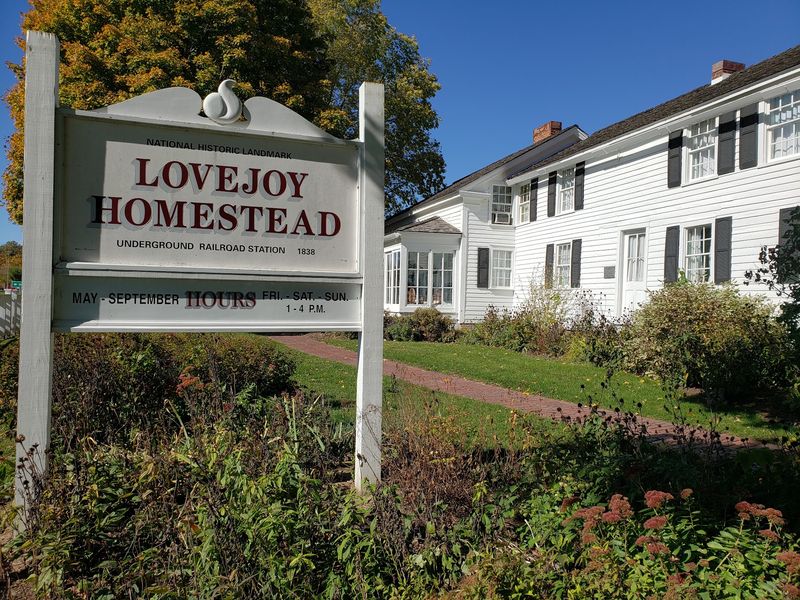
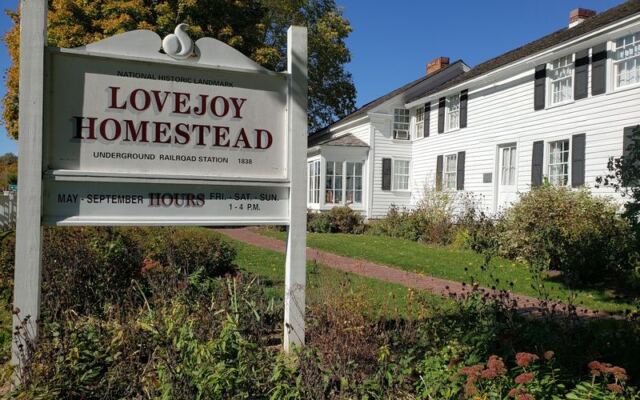
Few abolitionists in Illinois carried the fire of Owen Lovejoy with as much public boldness and private risk. The Princeton homestead where he and his family lived was not a passive waystation but an active shelter, where freedom seekers were concealed and cared for before continuing their journey north.
Lovejoy was a Congregationalist minister and congressman who made no secret of his beliefs, yet still managed to protect those who passed through his doors.
Guided tours run Friday through Sunday from 1:00 PM to 4:00 PM, giving families a close look at the objects and spaces that tell this remarkable story. The home is considered a must-visit for anyone curious about Illinois abolitionism.
Children are welcome, and the tour format makes the history accessible without feeling like a lecture.
The site sits along E Peru St in Princeton and is a genuinely moving place to spend an afternoon.
2. Quincy Underground Railroad Museum: Dr Richard Eells House, Quincy, IL
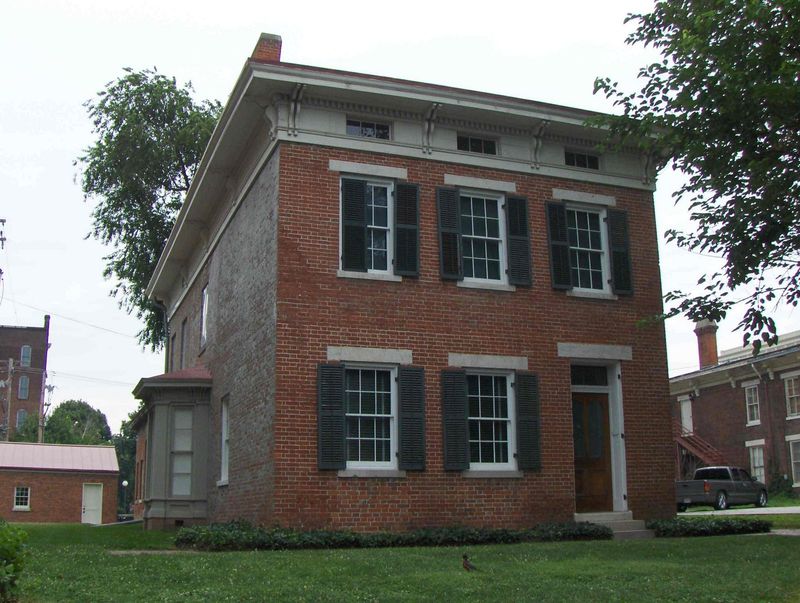
Built in 1835, the Dr. Richard Eells House earned its reputation long before it became a museum. Eells and his family used this Quincy home to shelter freedom seekers who had just crossed the Mississippi River, one of the most dangerous legs of any northward journey.
The house still stands at 415 Jersey St and has been carefully restored to reflect that era.
Visitors can tour the interior and hear the full story of how this riverside household quietly defied federal law to protect human freedom. The museum is open Saturdays from 1:00 PM to 4:00 PM, so planning ahead is essential since it is the only public visiting day each week.
A gender-neutral restroom is available on site.
For families and history enthusiasts willing to make the drive to western Illinois, the Eells House delivers an experience that feels genuinely rare and historically grounding.
3. Lombard Historical Society – Sheldon Peck Homestead, Lombard, IL
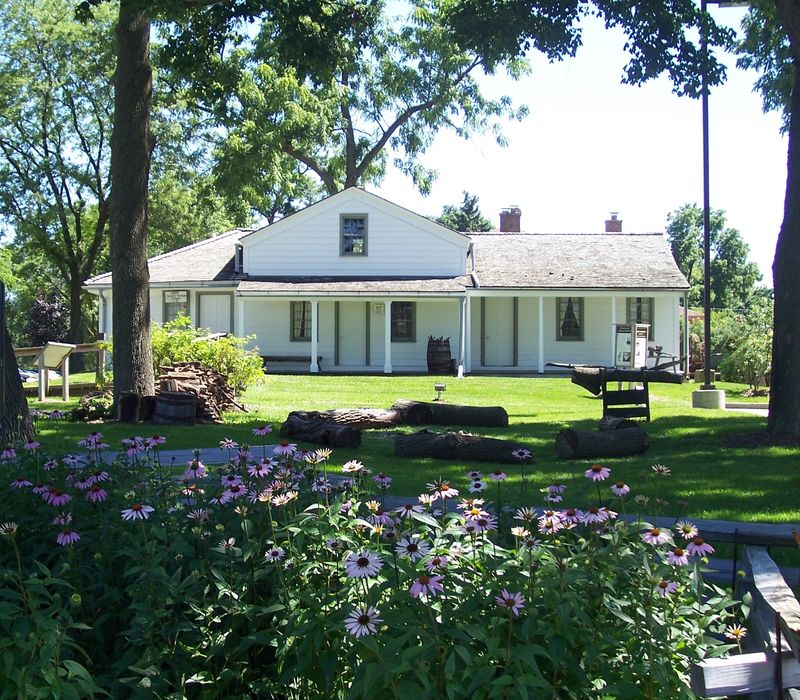
Sheldon Peck was a folk portrait artist by trade and a radical abolitionist by conviction, and his 1839 homestead in Lombard reflects both sides of that identity. Registered on the National Park Network to Freedom as a verified Underground Railroad stop, the property stands as one of the Chicago suburbs’ most quietly significant historic landmarks.
Peck and his family hosted freedom seekers on their farm, feeding and sheltering people as they moved toward safety.
The Lombard Historical Society now manages the site at 355 E Parkside Ave, offering tours Tuesday, Thursday, and Saturday from noon to 4:00 PM. A gift shop, gender-neutral restroom, and on-site parking make the visit comfortable for all ages.
Children are especially welcome, and the guided format works well for school-age visitors curious about local history.
Finding a National Register site this close to Chicago that still tells such a personal story is genuinely surprising.
4. Graue Mill & Museum, Oak Brook, IL
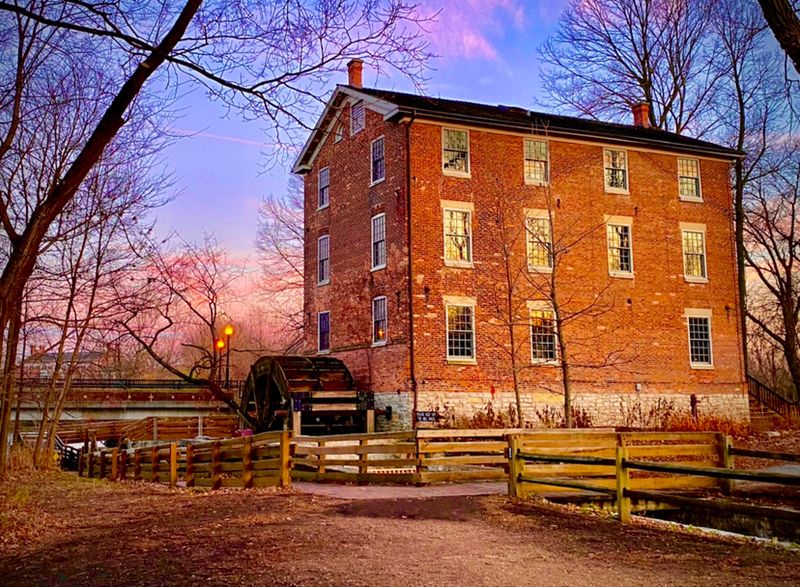
Water-powered gristmills are rare enough on their own, but Graue Mill in Oak Brook carries a second layer of history that sets it completely apart. Frederick Graue and his family hid freedom seekers in the mill’s basement while the wheel kept turning above, grinding grain for local farmers.
That combination of everyday commerce and quiet resistance makes this Salt Creek landmark unlike anything else on this list.
Open Wednesday through Sunday from 10:00 AM to 4:00 PM, the three-story mill features floor-by-floor exhibits, a heritage grain garden outside, handmade bricks, and the original white oak timbers. Staff walk visitors through both the milling process and the Underground Railroad history with real enthusiasm.
Active military discounts are available, and free parking is on site.
The walking trails through the surrounding preserve add a peaceful outdoor element that makes Graue Mill a full afternoon destination rather than a quick stop.
5. Woodlawn Farm, Jacksonville, IL
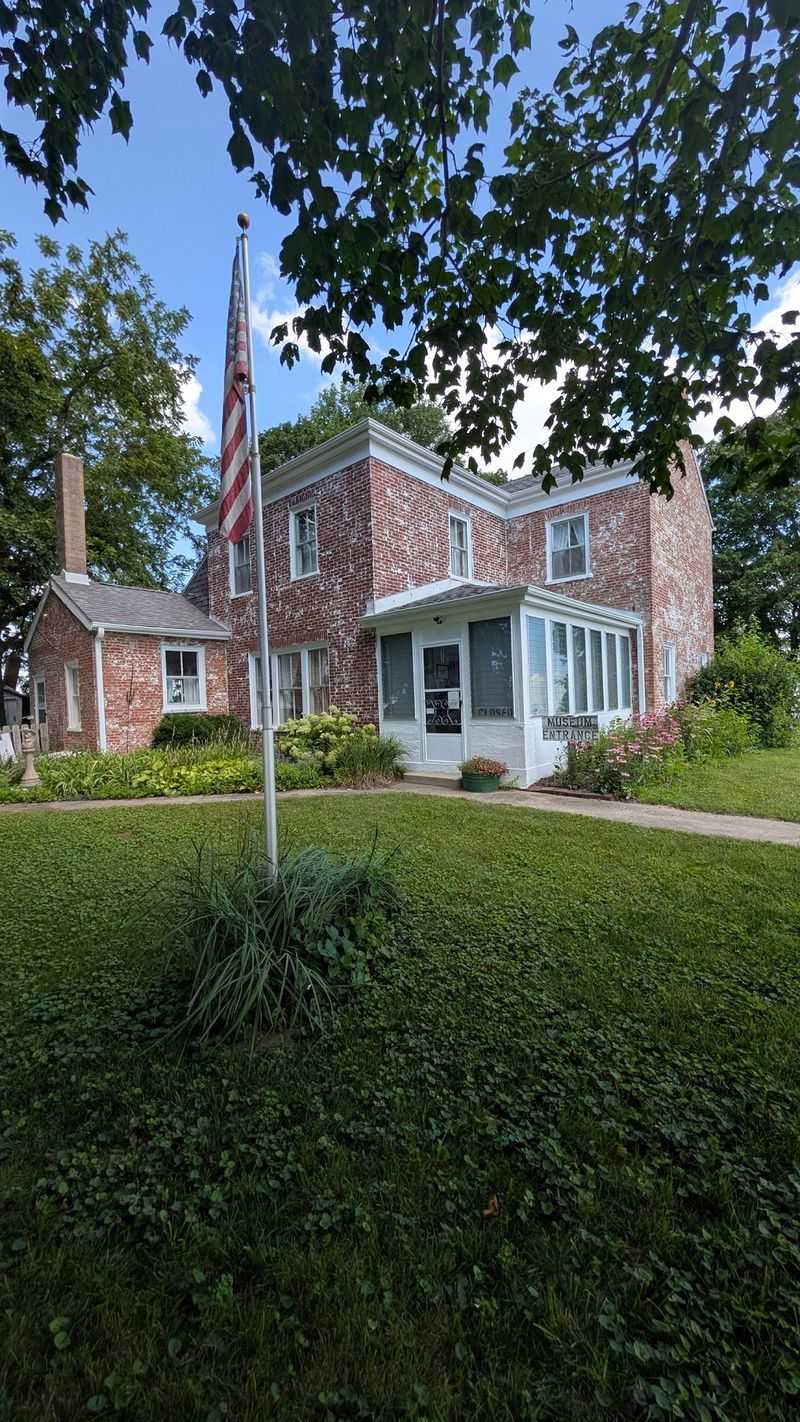
Morgan County does not always make the short list of Illinois history destinations, but Woodlawn Farm in Jacksonville quietly deserves that recognition. The property traces back to the 1840s, when the Huffaker family used their home and farm outbuildings to feed, conceal, and move freedom seekers along toward the next safe stop.
The land itself carries that weight in a way that feels tangible when you walk the grounds.
Tours are available on site, and getting tickets in advance is strongly recommended since scheduling fills quickly. On-site parking and restroom facilities are provided, and the site is considered family-friendly and good for children.
The farm’s website at woodlawnfarm.com has current scheduling details worth checking before you make the trip out to Gierke Lane.
For visitors who appreciate agricultural history layered with deep moral courage, Woodlawn Farm offers a perspective on the Underground Railroad that is rooted in rural Illinois life and genuinely hard to find elsewhere.
6. Byron Museum Theatre, Byron, IL
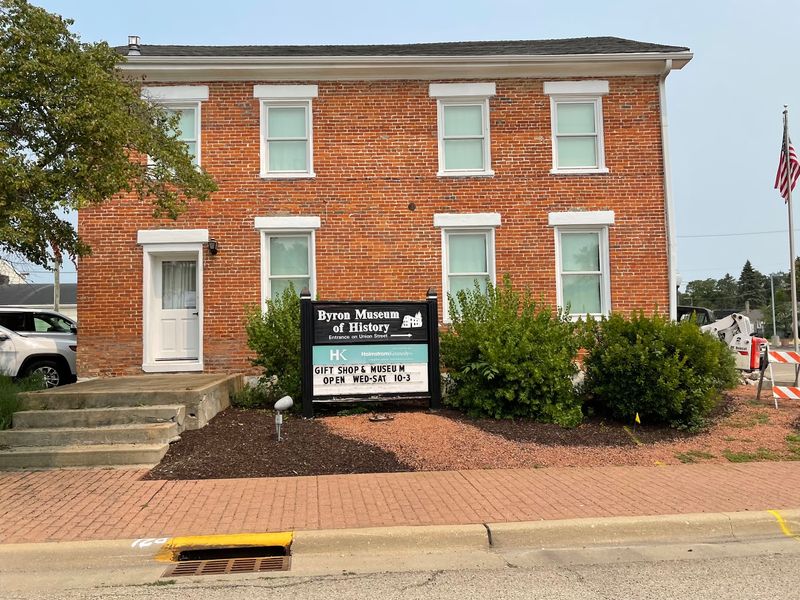
Byron is a small river town in northern Illinois that most travelers pass through without stopping, and that is exactly why this museum surprises people. The Byron Museum Theatre has been serving the surrounding region since 1990, and its Underground Railroad programming stands out as one of the more immersive local history experiences in the state.
Presentations walk visitors through how Byron functioned as a station on the freedom network, with exhibits that fill in the regional context.
The highlight of the campus is the historic Lucius Read House, where Read and his family maintained a secret station sheltering people heading toward Rockford and Chicago. Open Wednesday through Saturday from 10:00 AM to 3:00 PM, the museum also offers a cafe, gift shop, and free admission.
School and private group tours can be arranged in advance.
Located at 110 N Union St, this is a low-key gem that rewards curious visitors who make the detour off the main route.
7. Jersey County Historical Society, Jerseyville, IL
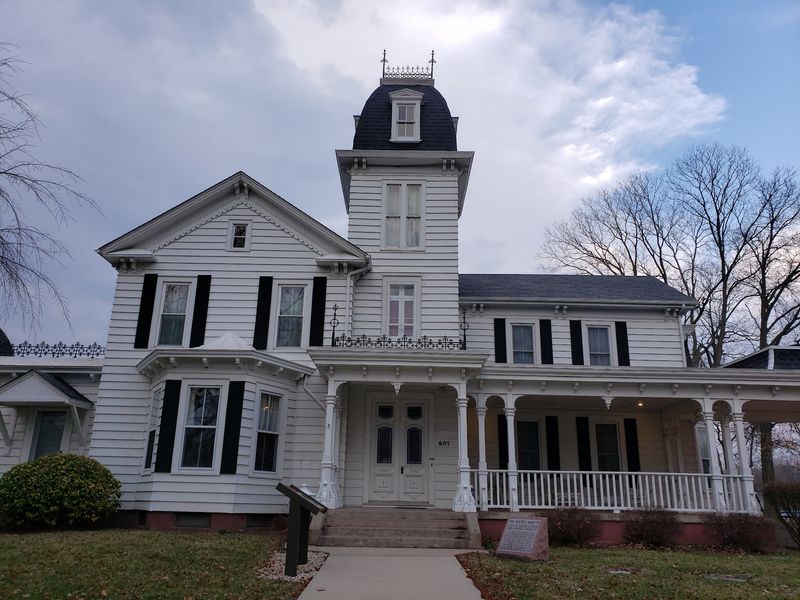
Jerseyville sits in the bluffs country of southwestern Illinois, not far from where the Illinois River meets the Mississippi, and the Jersey County Historical Society preserves a corner of that landscape’s complicated past. The campus is home to the Cheney Mansion, a property with a hidden false cellar where freedom seekers were concealed as they moved through the region.
That architectural detail alone makes it one of the more tangible Underground Railroad stories in the state.
The society focuses on local 19th-century abolition history alongside genealogy resources, making it a layered destination for researchers and casual visitors alike. Staff are knowledgeable and genuinely engaged with the material they share.
The site is open Thursday from 1:00 PM to 4:00 PM and Friday through Saturday from 10:00 AM to 4:00 PM, with a gift shop and tours available on site.
For anyone tracing family or regional history through southwestern Illinois, this is a stop that consistently delivers more than expected.
Share this story