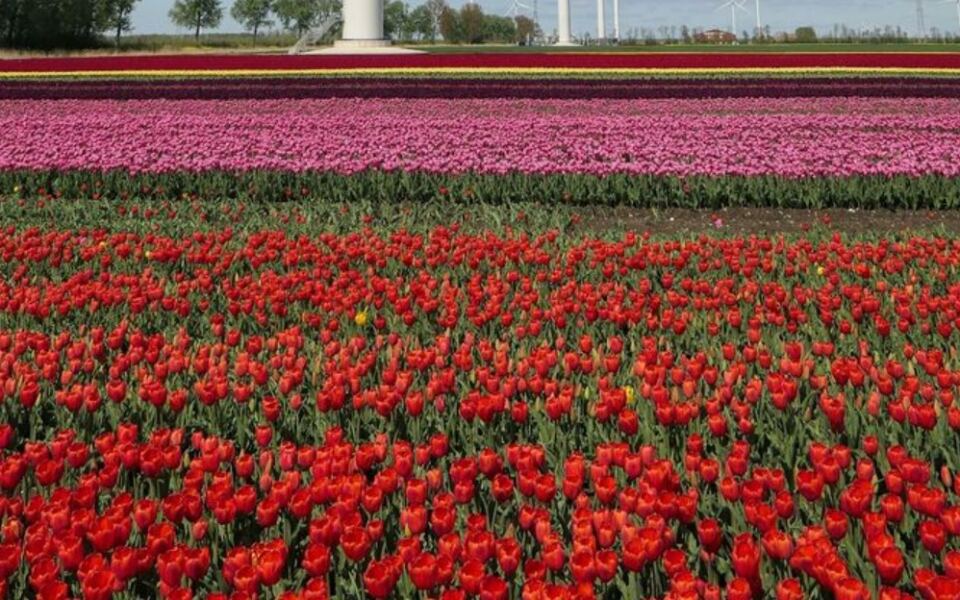
Every spring, the Dutch countryside turns into a patchwork of red, yellow, pink, and purple. Millions of tulips bloom across the country, usually from early April to early May.
Some spots are famous gardens, while others are open fields you can admire from a road or bike path. Here are twelve places where you can see the colors for yourself.
1. Keukenhof Gardens – Lisse
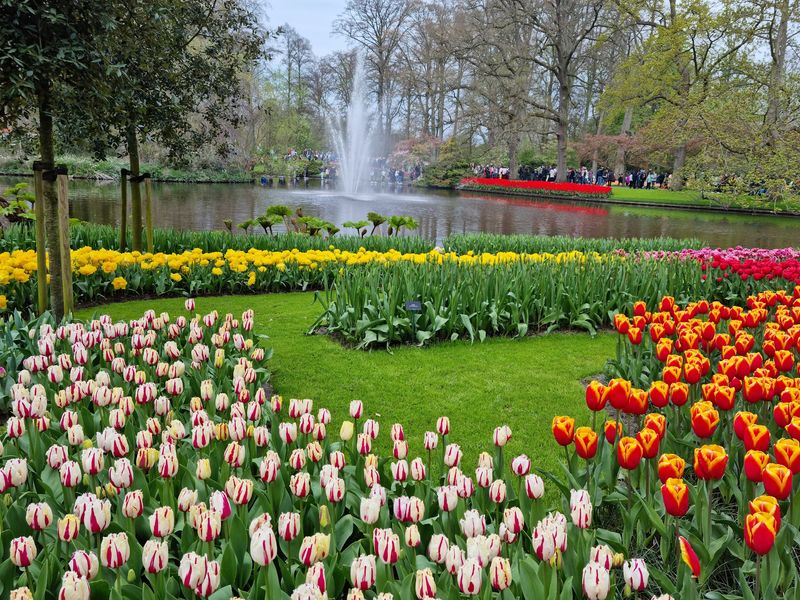
Few places show off spring bulbs the way Keukenhof does. Set on about 32 hectares in Lisse, the park plants roughly seven million bulbs each year, and the display is designed by Dutch growers.
The garden opens for about eight weeks, usually from late March to mid May. Peak tulip color often arrives in mid April, though weather can shift the timing.
Buying tickets online ahead of time can save you a long wait at the gate.
Arrive early in the morning for fewer crowds and softer light for photos. Wear comfortable shoes, since the paths are long and you will want to wander.
Indoor pavilions show cut flowers and orchids, which helps if it rains.
Keukenhof is a garden, not a working field, so it is the easiest place to see many tulip types in one trip.
2. Bollenstreek Flower Fields – Lisse and Hillegom
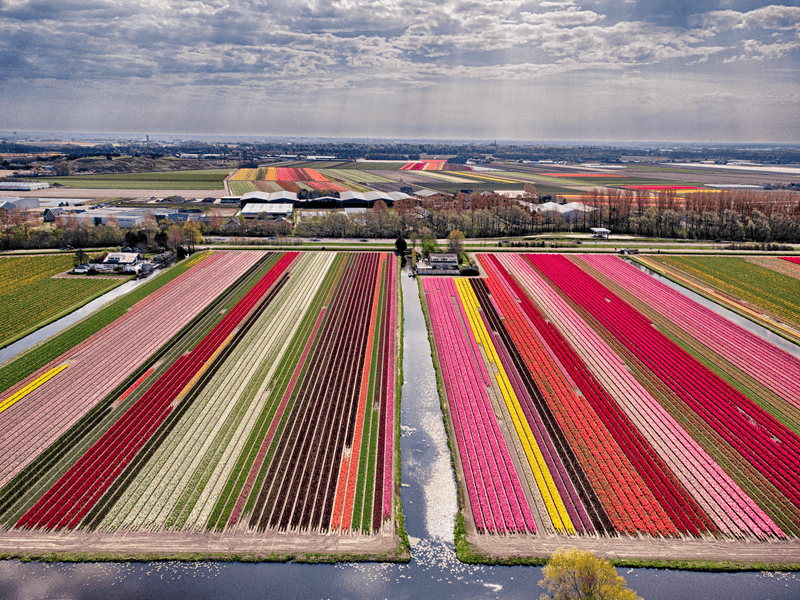
Picture long stripes of color running toward the horizon like a giant painted blanket. That is the Bollenstreek, the Dutch bulb region, which stretches between Lisse and Hillegom and is the heart of tulip farming.
Growers here have worked the sandy soil for more than a century. The ground drains well, which bulbs love, and the nearby sea keeps the air mild.
The best way to enjoy the area is by bicycle. Rental shops in Lisse offer bikes, and signposted routes lead past fields, farm stands, and small villages.
Always stay on the paths and out of the rows, because trampled flowers hurt the farmers’ crops.
Fields are planted in rotation, so colors change from year to year. Ask at the local tourist office for a map of where blooms are strongest that week.
3. Noordwijkerhout Tulip Fields – Noordwijkerhout
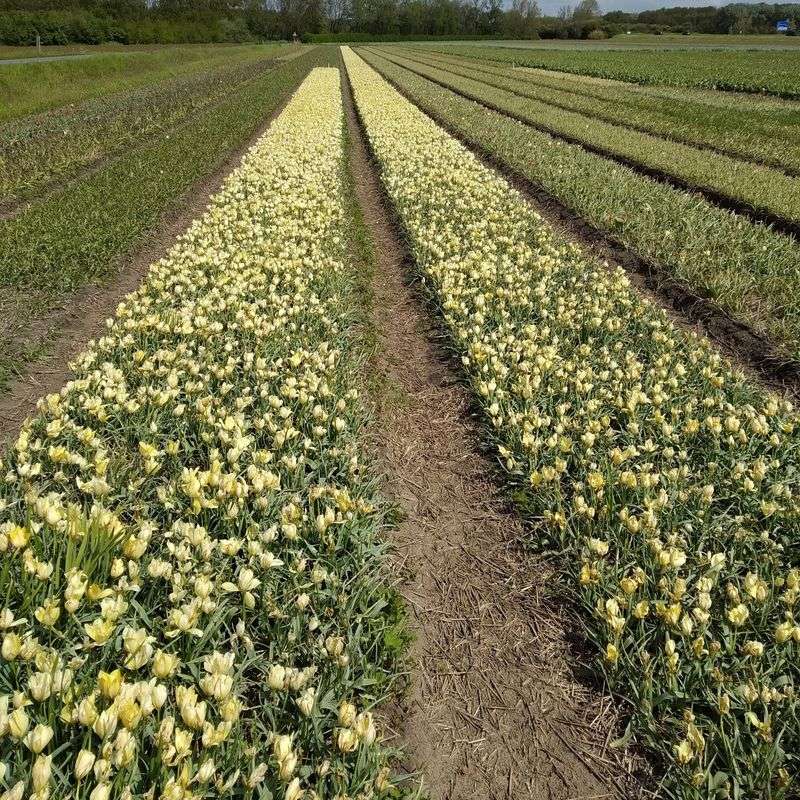
Close to the North Sea coast, Noordwijkerhout offers a quieter side of tulip season. Smaller crowds make it a good choice if Keukenhof feels too busy.
The town sits right beside the bulb fields, so you can walk from a parking spot straight to the edge of a bloom. Roadside paths are flat, which makes them friendly for families and casual cyclists.
Many visitors combine the fields with a trip to the beach at Noordwijk, only a short ride away. After a morning among the flowers, a stroll along the dunes is a nice change of scenery.
Remember that these are private farms. Take photos from the edge, skip the picking, and never step between the rows.
Some growers sell bunches at small stands, which is a polite way to bring a few tulips home.
4. Hillegom Flower Fields – Hillegom
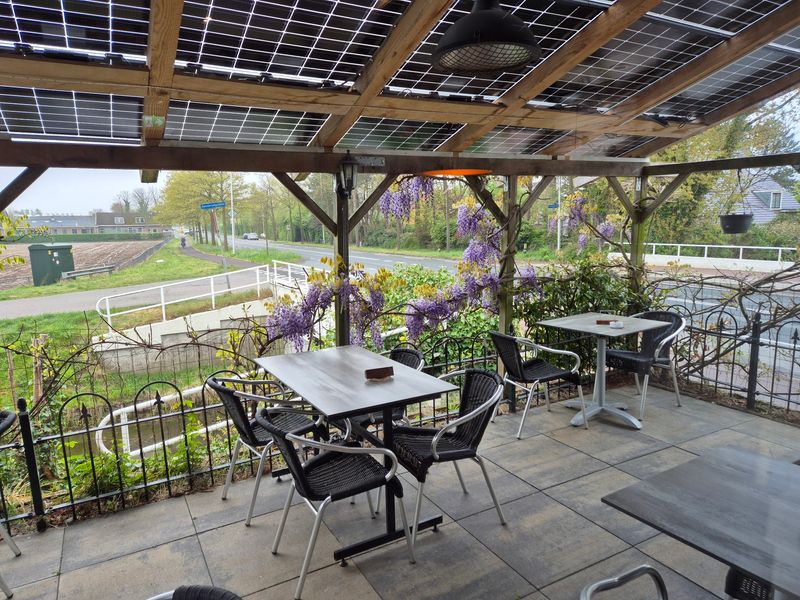
Hillegom has been tied to flower growing since the 1800s, and the town still wears that history well. Fields wrap around its edges, so a short walk from the center can lead to a sea of blooms.
Spring visitors often start at the train station, which connects to Haarlem and Leiden. From there, a bike ride of ten or fifteen minutes reaches the first fields.
Look for hyacinths and daffodils too, since they bloom a bit earlier than tulips. In late March and early April, the air near the hyacinth rows smells wonderfully sweet.
Local cafes serve coffee and pastries, which makes a nice break between photo stops. Weekdays are calmer than weekends, so plan a midweek visit if you can.
Bring a light jacket, because spring winds can feel cool even on sunny days.
5. De Zilk Tulip Fields – De Zilk
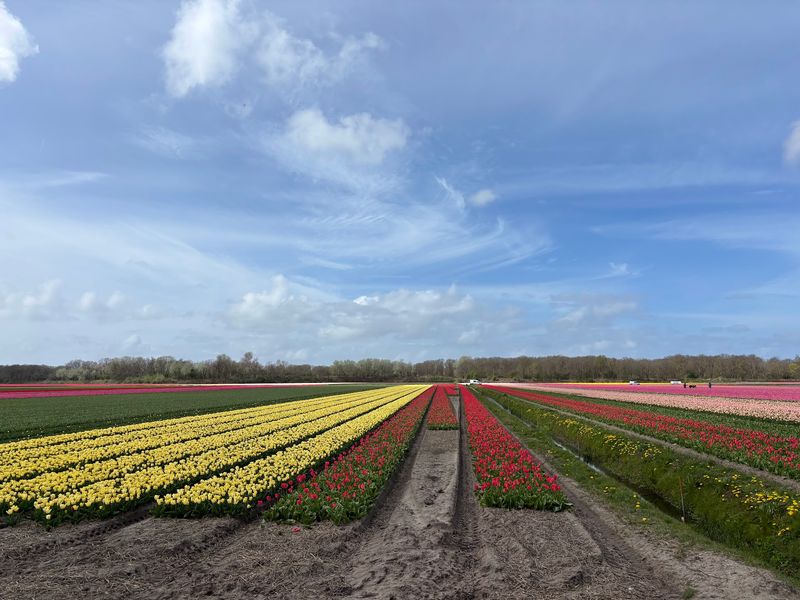
Tucked between Noordwijk and Haarlem, De Zilk is a small village with big color. It lies near the coastal dunes, so the fields here come with a view of rolling sand hills behind the flowers.
Because the village is small, the roads are calm. That makes it a pleasant spot for a slow bike ride or a quiet drive with plenty of places to pull over safely.
Fun fact: the area sits inside a nature region where dunes and farmland meet. After seeing the tulips, you can walk into the dune reserve nearby and spot birds and rabbits.
Visit in the morning when the light is gentle and the paths are quieter. Bring water and a small snack, since shops are few.
Check local bloom reports online, because tulip timing can change from week to week.
6. Vogelenzang Flower Fields – Vogelenzang
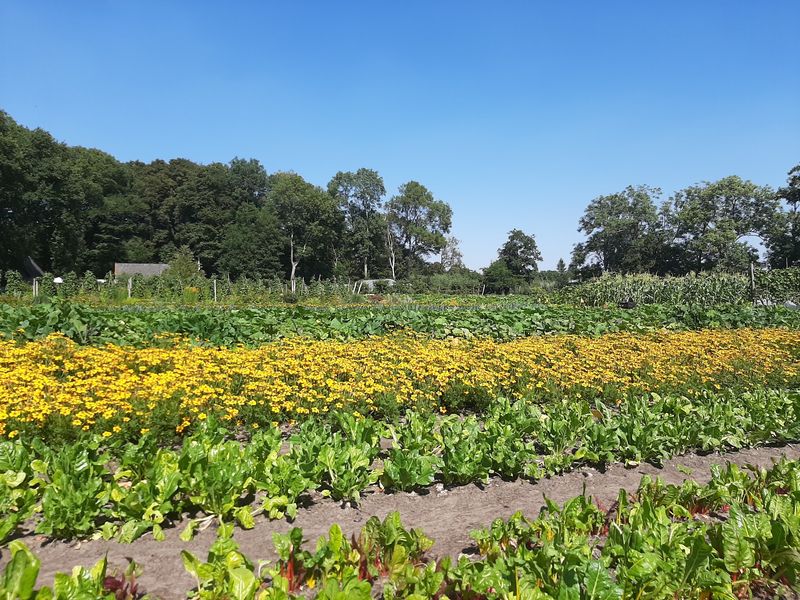
Here is a tip many travelers miss: Vogelenzang sits just a few minutes from Haarlem, yet it feels like a peaceful country escape. Its name means bird song, and on a spring morning that fits well.
The village is surrounded by bulb fields and old country estates. Cycling lanes link it with Bennebroek and Hillegom, so you can build a loop of your own.
Several flower farms in the area welcome visitors with small shops. You can pick up bulbs to plant at home in autumn, which keeps the memory of the trip alive in your garden.
The area is popular with locals, so expect friendly cyclists rather than big tour crowds. Pack a picnic and look for a bench near a field edge.
Remember to leave the flowers untouched so growers can harvest them.
7. Noordoostpolder Tulip Fields – Emmeloord, Flevoland
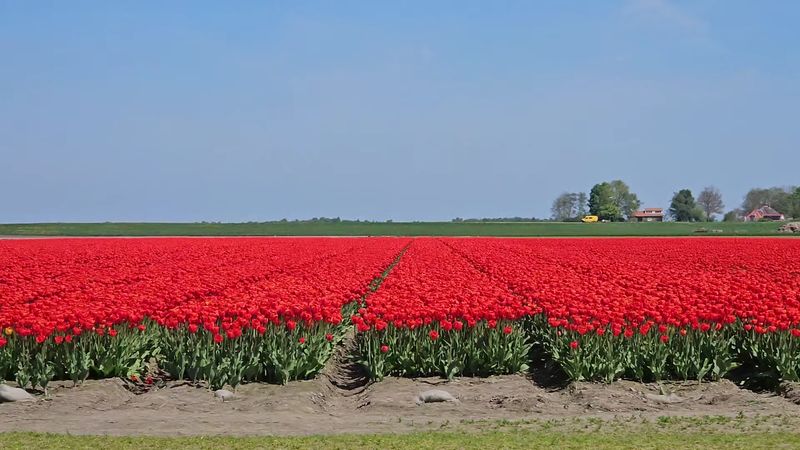
Land that was once under the sea now grows some of the most striking tulip fields in the country. The Noordoostpolder, around Emmeloord, was reclaimed from water in the 1940s, and its wide, flat farms are perfect for large flower plots.
Because the fields are so big, the colors look bold from a distance. Even a short drive reveals huge blocks of red, pink, and yellow.
Emmeloord is a handy base, with shops, restaurants, and a famous water tower in the center. From there, country roads lead out to the fields in just a few minutes.
This area is less crowded than the Bollenstreek, so you can often stop for photos in peace. Check bloom updates in mid April, and bring a windproof layer, since the open land lets the breeze blow freely.
8. Tulpenroute Flevoland – Dronten and Lelystad
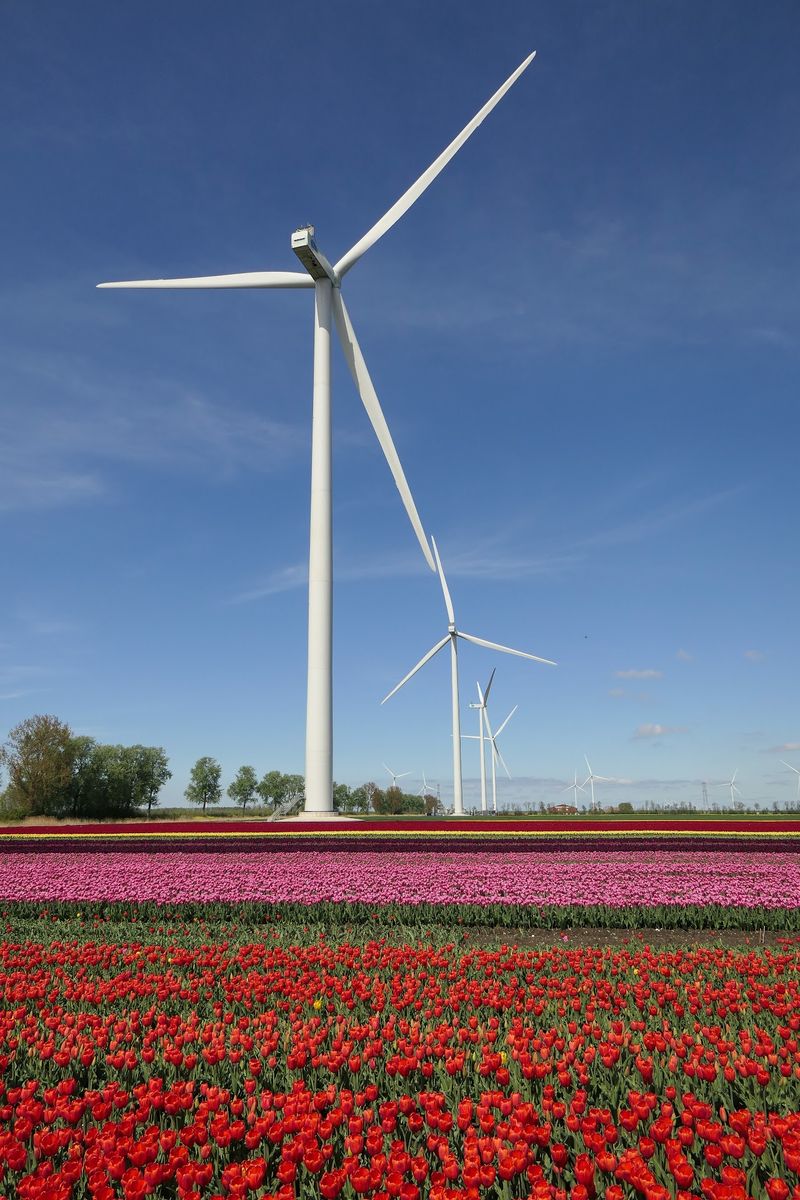
Following a marked route takes the guesswork out of flower hunting. The Tulpenroute in Flevoland guides visitors past blooming fields around Dronten and Lelystad, with signs that point the way.
You can follow it by car, but cycling gives you more time to stop and look. Routes are flat and range from short loops to longer rides of around 50 kilometers.
The tourism office usually publishes a map and a list of fields in bloom each spring. Some farms add small events, such as flower stands or food trucks, during the peak weeks.
Quick tip: tulip fields here are often planted in large blocks, so the best photos come from a bit of distance. Bring a zoom lens or just use your phone camera on zoom.
Respect farm signs and keep to public paths at all times.
9. Goeree-Overflakkee Tulip Fields – Middelharnis, South Holland
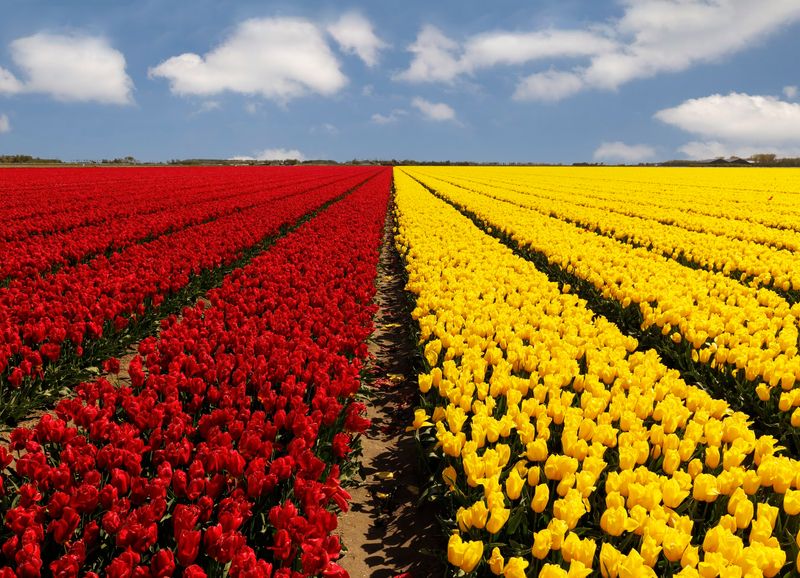
Not every tulip trip needs to start in the north. On the island of Goeree-Overflakkee in South Holland, farms around Middelharnis create vivid fields away from the busiest tourist routes.
The island has a relaxed pace. Roads are quiet, villages are small, and the sea air keeps the weather fresh.
Visitors often pair the flowers with a stop at the harbor in Middelharnis, where fishing boats and cafes give a taste of island life. Beaches along the coast are close, so you can end the day with a walk by the water.
Getting there takes a bit of planning, since the island is reached by road bridges and bus links. Driving or cycling is easiest.
Check local tourism pages for bloom dates, and carry a rain jacket, because coastal showers can arrive quickly in spring.
10. Anna Paulowna Flower Fields – Anna Paulowna, North Holland
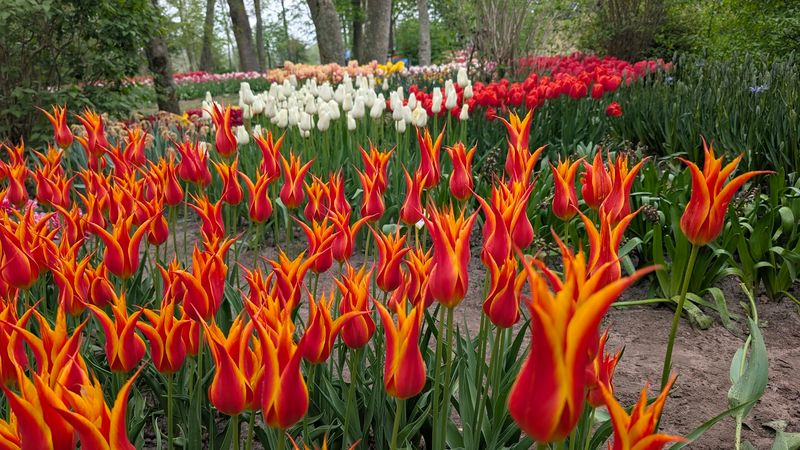
Anna Paulowna is named after a Russian princess who became queen of the Netherlands, and today the town is a leading bulb-growing area in the north. Its fields stretch across a polder, which is land won from water.
Each spring, the Bloemendagen flower days often take place here, with decorated displays and open farms. Dates change yearly, so check the local calendar before you go.
The roads are flat and quiet, making them a good match for cycling. A loop from the town center can pass fields, small canals, and traditional farmhouses.
Many growers sell bulbs and cut flowers from roadside stalls. Cash is helpful, since some stands are small.
Take your time, enjoy the countryside, and remember that every tulip row is part of a farmer’s living.
11. Julianadorp Tulip Fields – Julianadorp, North Holland
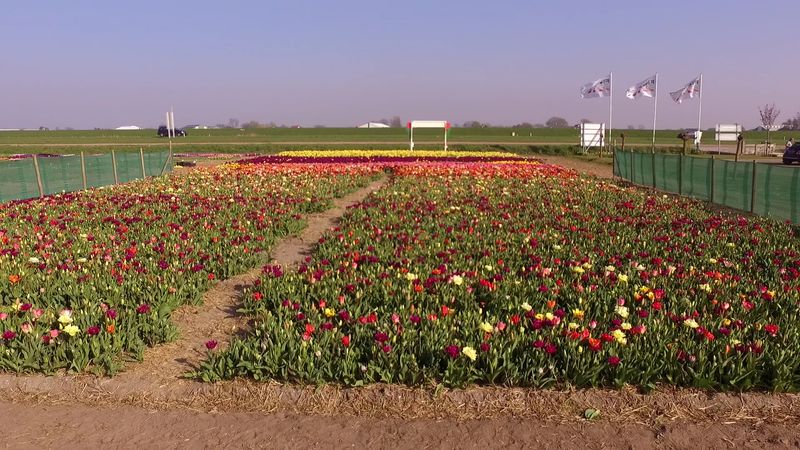
Close to the northern tip of North Holland, Julianadorp mixes seaside charm with flower fields. It lies near Den Helder, so the tulips share the landscape with wide skies and salty air.
The village has long been tied to bulb farming. Fields sit on the edges of town, making it easy to spot colors from the road.
Cyclists enjoy the area because paths link the fields to the beach at Julianadorp aan Zee. You can pedal past tulips in the morning and watch waves in the afternoon.
The north tends to bloom a little later than the south, so it can be a smart stop if you arrive near the end of April. Bring layers, since coastal wind can feel cooler than the forecast.
As always, view flowers from the path and leave the rows alone.
12. Breezand Flower Fields – Breezand, North Holland
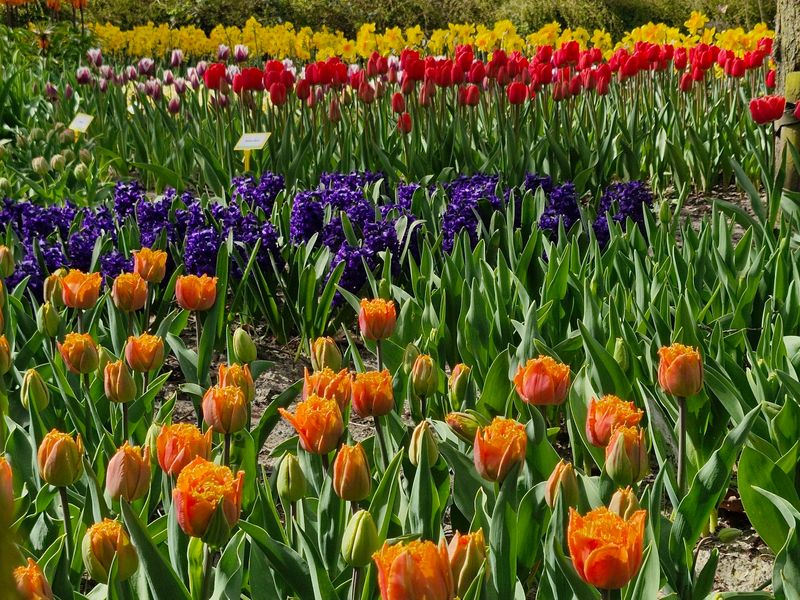
Breezand may be small, but it plays a big role in Dutch tulip history. The village is part of a major bulb-growing area in the north, and its farms supply flowers across Europe.
Spring visitors find plenty of open fields close to the road, with few crowds. That makes it a relaxed place to slow down and enjoy the view.
Plan a ride along the quiet lanes between Breezand, Anna Paulowna, and Julianadorp. Together, they form a handy flower circuit that fills a full day without much backtracking.
Bring snacks and water, because services are limited in smaller villages. Tulip colors often peak in late April here, so mid to late spring is the sweet spot.
If you spot a farmer at work, a friendly wave goes a long way, and it is a reminder that these beautiful fields are real working farms.
Share this story