Some places in Oregon look ordinary from the sidewalk until you step inside and realize you have wandered straight into another century. Tucked along a quiet street in a coastal town most travelers only pass through, this grand old home hides tall windows, hand-carved woodwork, and rooms frozen in the late 1800s.
It is the kind of spot locals treasure and rush-hour tourists somehow miss. If you love slowing down and imagining life from long ago, you are about to discover something genuinely unforgettable.
A Grand Landmark Hiding in Plain Sight in Astoria
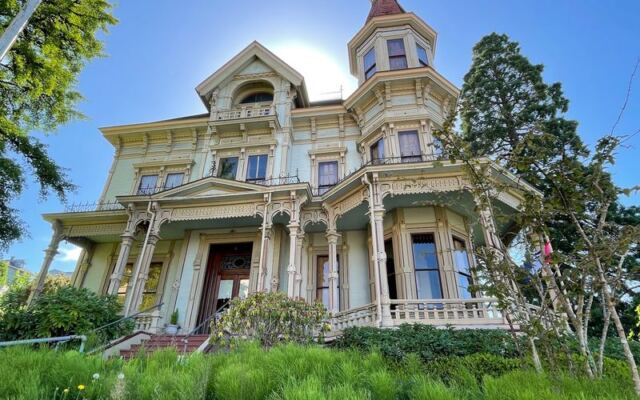
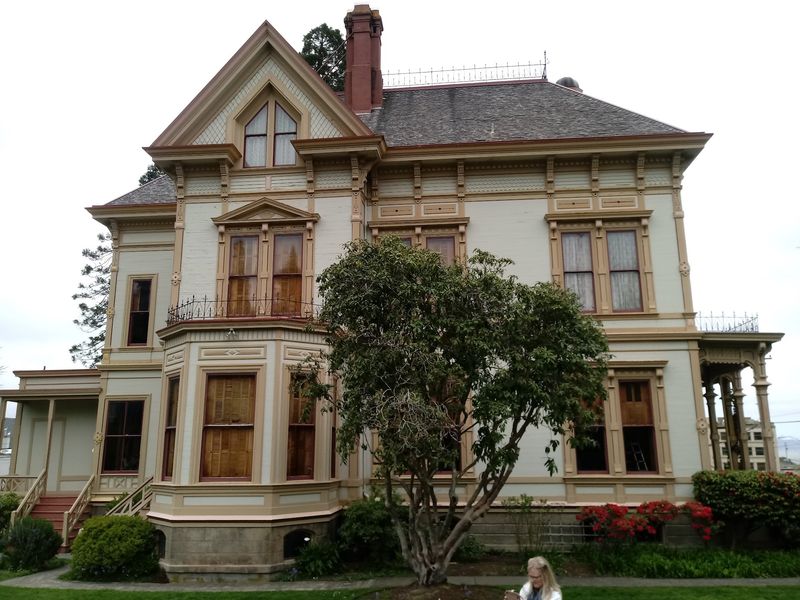
Sitting quietly at 714 Exchange Street in Astoria, this ornate Victorian mansion feels like a secret that somehow survived. Most folks racing toward the coast never think to stop, which makes finding it feel like a personal victory.
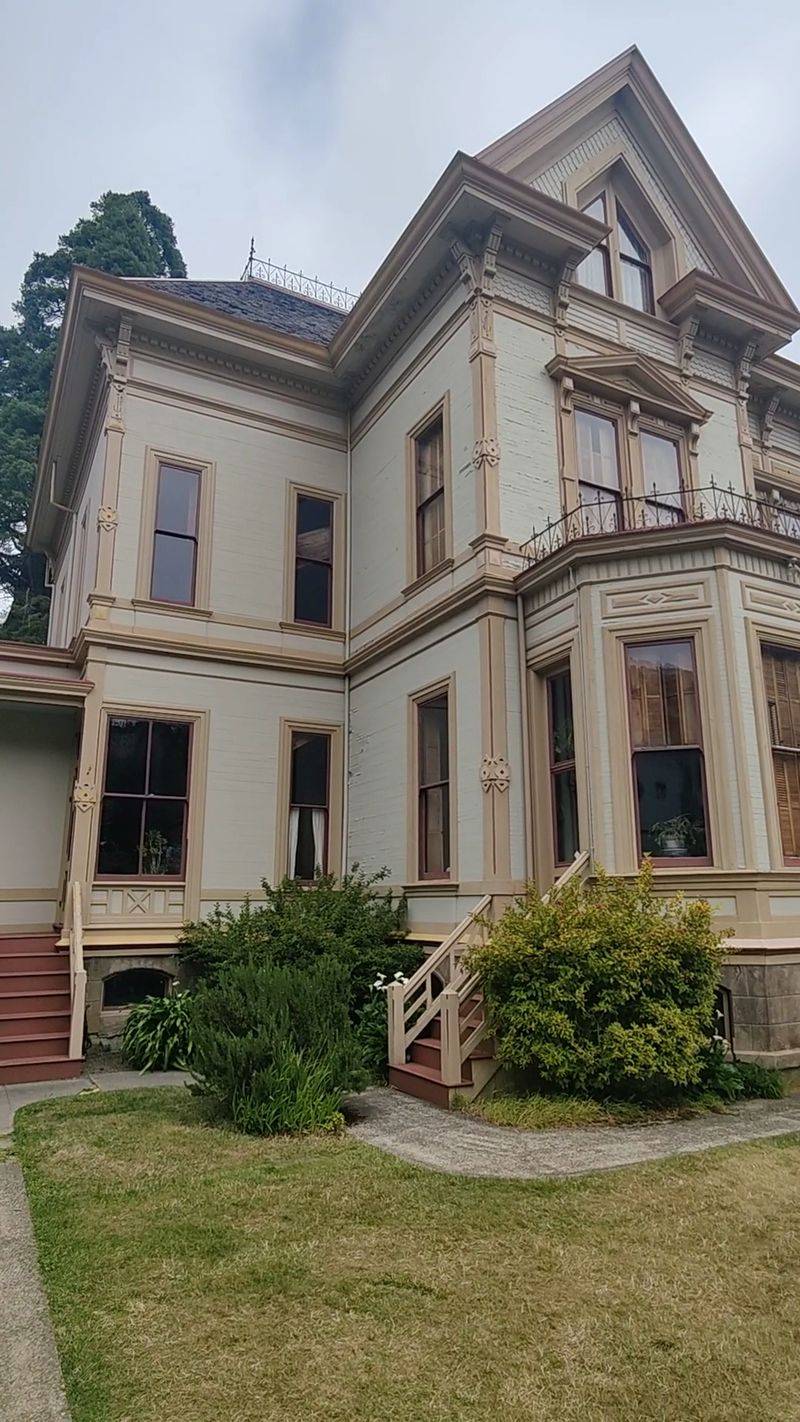
Built in 1885, the home spreads across more than 11,000 square feet and commands an entire city block. Its Queen Anne styling and towering profile set it apart from anything else in the neighborhood.
Run today as a museum by the local historical society, the house welcomes anyone curious about how life once looked in this corner of the Pacific Northwest. Visitors often mention how surprised they are that such a treasure sits so casually in a working port town.
For an in-the-know Oregonian, it is exactly the kind of low-key gem worth the detour.
The Sea Captain Who Became Oregon’s First Millionaire
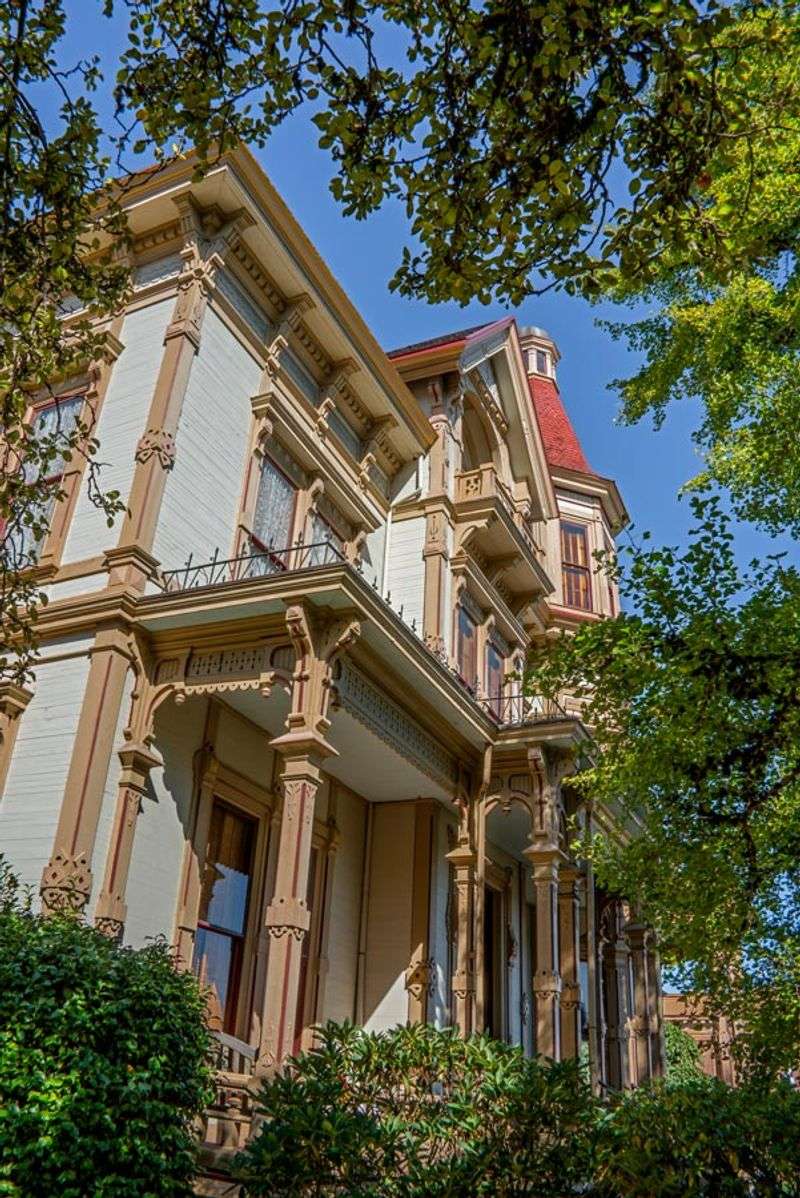
Behind every remarkable house is a person with an even more remarkable story, and George Flavel fits the bill perfectly. A sea captain who guided ships across the treacherous mouth of the Columbia River, he turned his skill and business sense into a fortune.
Regarded as Oregon’s first millionaire, Flavel built this mansion as a testament to just how far ambition and know-how could carry a man in the young Pacific Northwest.
History buffs who tour the home walk away with a real sense of the family’s influence on Astoria’s growth. The self-guided displays trace his contributions to the town and region in ways that feel personal rather than dusty.
Learning about the family who once filled these rooms adds a warm, human layer to every ornate detail you spot along the way.
The Four-Story Octagonal Tower That Steals the Skyline
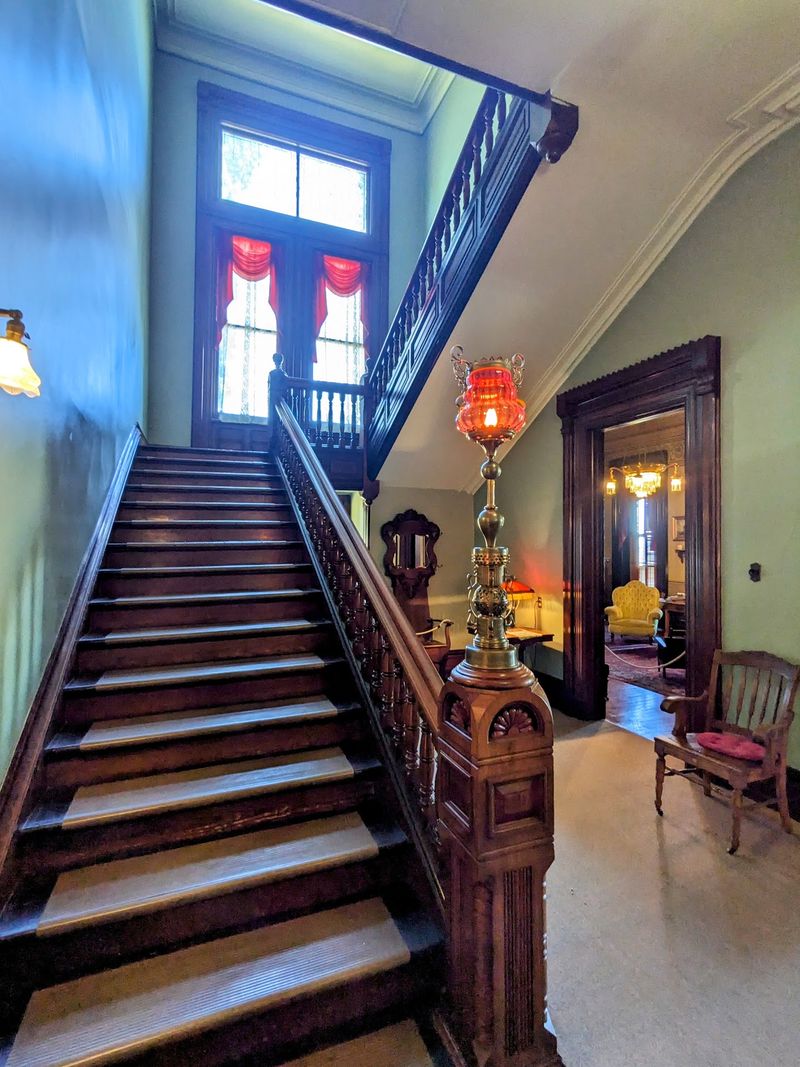
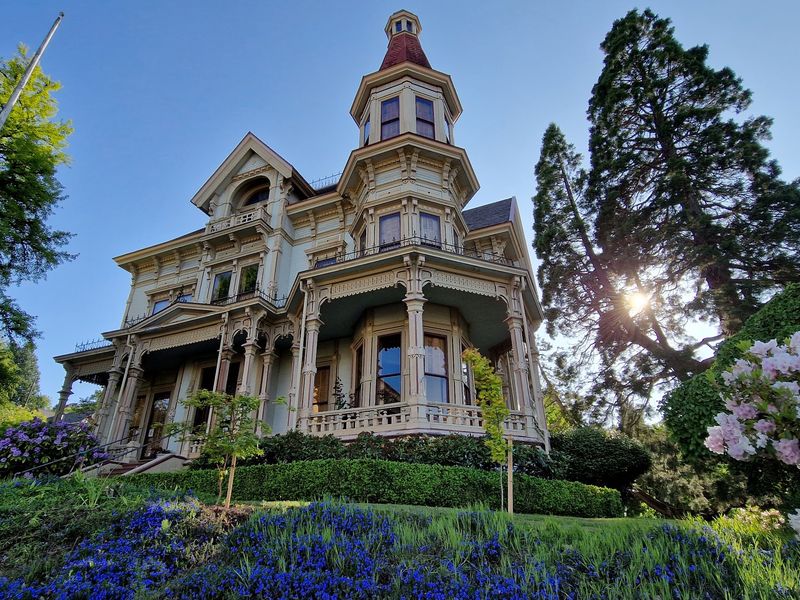
Look up when you approach, and the mansion’s crowning feature grabs your attention instantly. Rising four full stories, the octagonal tower gives the home its unmistakable silhouette against the Astoria sky.
Towers like this were a proud statement in the Victorian era, signaling wealth, taste, and a bit of showmanship. From certain angles, it looks like something straight out of a storybook, and photographers can’t seem to resist it.
The tower isn’t just for looks either, adding light and grandeur to the home’s overall design. It pairs beautifully with the steep rooflines and decorative trim that define the Queen Anne style.
Standing beneath it, you get a real feel for why this place turned heads back in 1885 and continues to do so for anyone lucky enough to wander by today.
Woodwork and Details That Reward a Slow Look
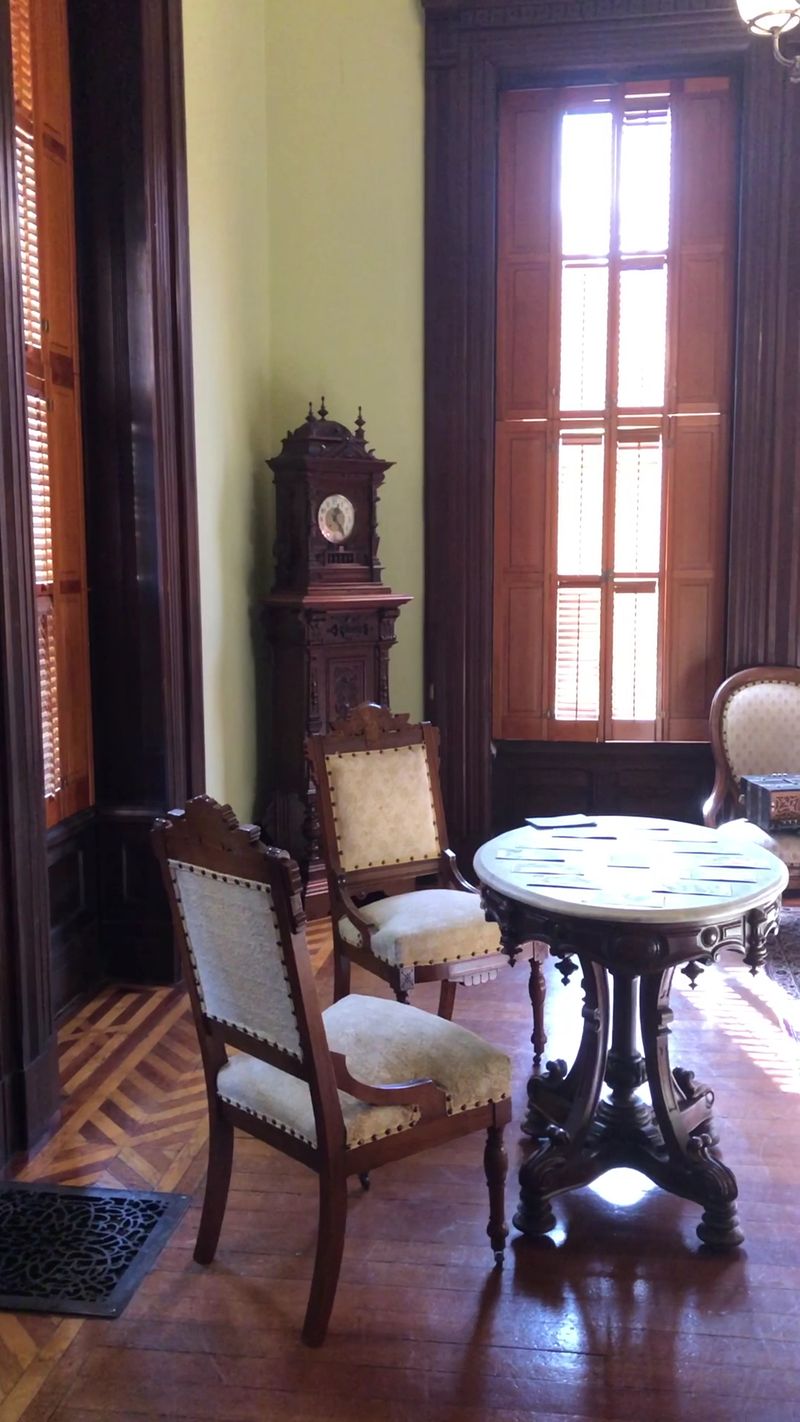
Craftsmanship is where this house truly shows off, and you’ll notice it the moment you step through the door. The woodwork throughout draws steady praise from visitors who appreciate fine handiwork.
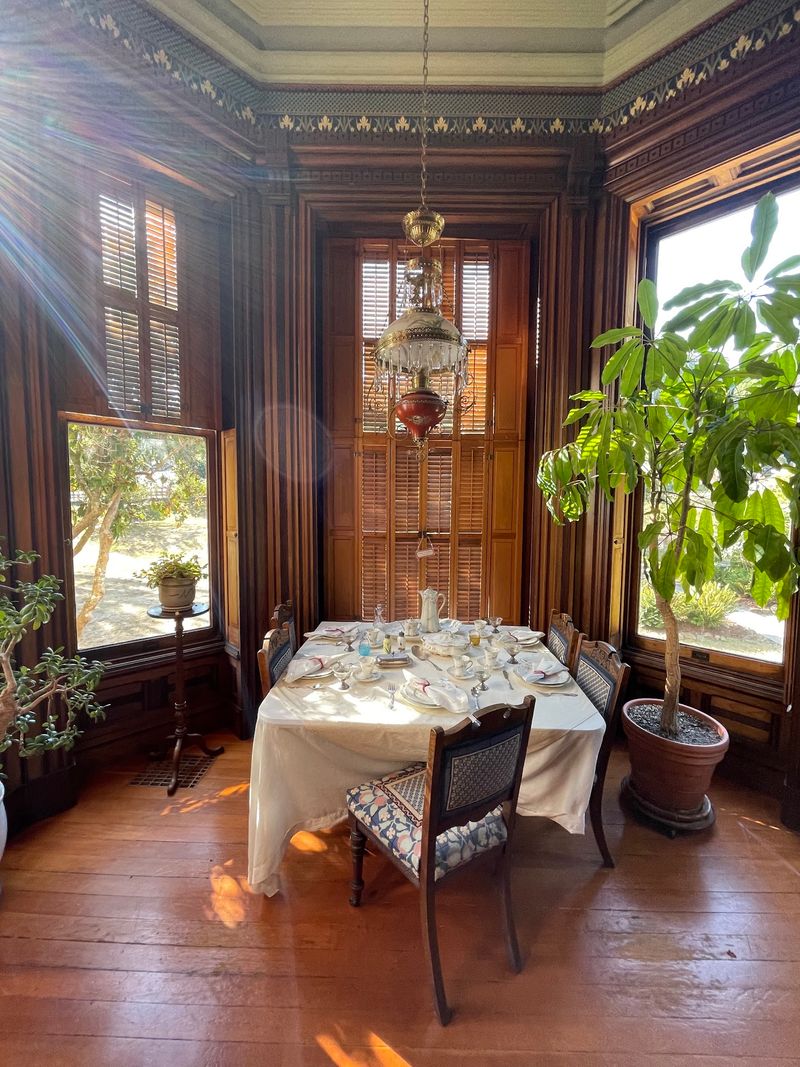
Tall doors, soaring windows, and detailed trim reflect an era when skilled artisans poured hours into every surface. Fireplaces anchor several rooms, each one decorated with care that modern homes rarely match.
People who love architecture find themselves lingering, tracing the carvings and marveling at how well everything has held up. The intricate details, as many describe them, feel almost incredible given the home’s age.
Slowing down is the whole point here. Rush through, and you’ll miss the little flourishes that make the place special.
Give it time, and the craftsmanship rewards you with something new around nearly every corner and doorway.
Rooms Furnished to Feel Genuinely Lived In
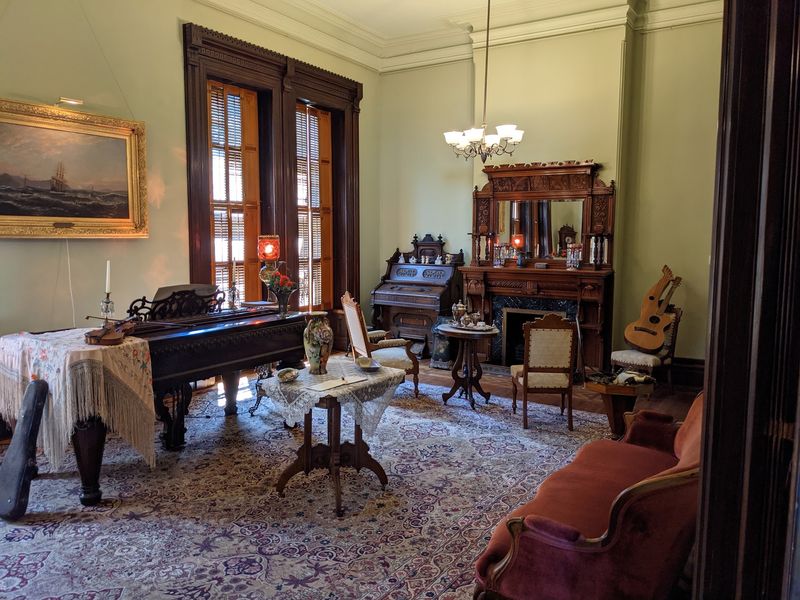
Step into any room and it feels less like a museum and more like the family just stepped out for a moment. Each space is carefully arranged to reflect life in the late 1800s, right down to the smallest touches.
Some of the furnishings are actual Flavel family pieces, which adds a layer of authenticity you can genuinely feel. One guest even joked the interior is so well kept it could be rented out today.
Every room holds something worth studying, from the arrangement of chairs to the objects resting on side tables. Visitors traveling with kids often mention how the little ones stayed engaged too.
Wandering through these thoughtfully staged spaces, you start imagining daily routines, quiet mornings, and evenings spent by the fire. That vivid sense of the past is exactly what makes the visit stick.
The Music Room, Kitchen, and Surprising Bathrooms
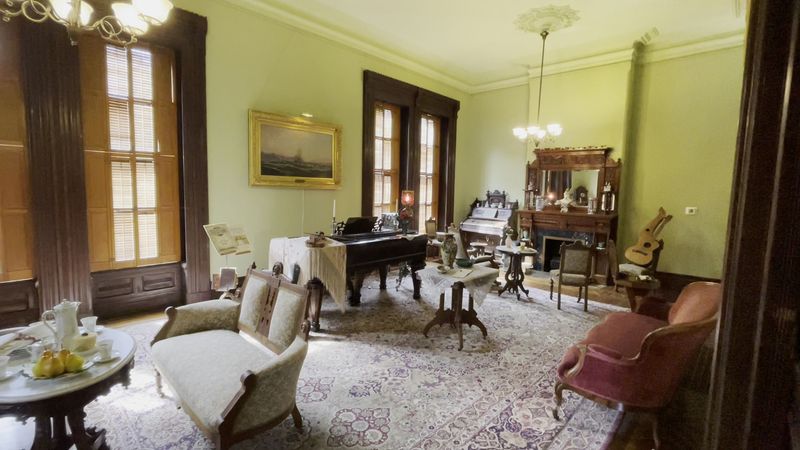
Certain corners of the house win visitors over in unexpected ways. The music room, with its period instruments, offers a charming glimpse into how families once entertained themselves before screens existed.
Down in the kitchen, a firewood cooking stove hints at the daily labor behind every meal. It’s a humble reminder that even a millionaire’s home ran on hard work and warmth from a fire.
Oddly enough, the bathrooms are a crowd favorite too. Guests are often delighted to explore the era’s washing and plumbing setups, which feel both quaint and clever by today’s standards.
Being able to peek into these everyday spaces makes history feel real rather than distant. Together they paint a fuller picture of what living here truly involved, and that mix of grandeur and practicality keeps the tour endlessly interesting.
Formal Gardens and a Magnificent Old Tree
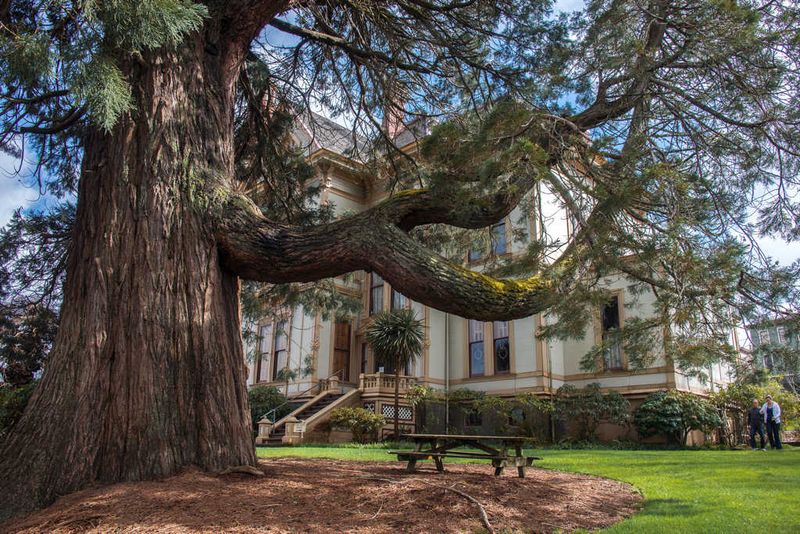
The magic doesn’t stop at the front door. Surrounding the mansion, restored formal gardens invite you to stroll, breathe, and take in the setting the way the Flavels once did.
Occupying a full city block, the grounds give the home plenty of room to shine. Guests appreciate being able to wander the exterior at their own pace, camera in hand.
One standout is a huge tree anchoring the northwest corner, which longtime admirers call absolutely magnificent. It’s the kind of living landmark that has watched over the property for generations.
Spring wildflowers and mild coastal days make the gardens especially lovely, while crisp fall visits bring their own cozy charm. However you time it, the outdoor spaces add a peaceful, unhurried finish to the whole experience, perfect for slowing down away from busier Oregon stops.
A Self-Guided Tour You Explore at Your Own Pace
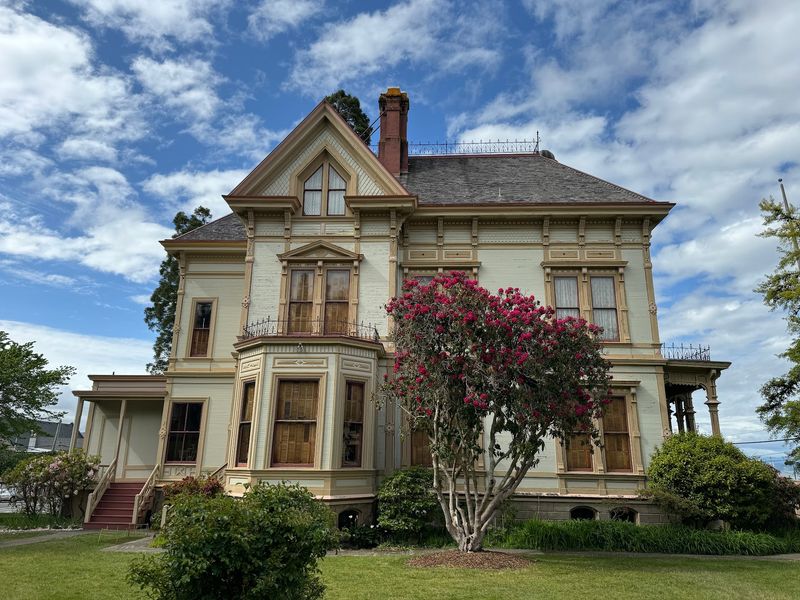
Freedom is one of the best parts of visiting here. The self-guided format lets you roam room to room without anyone rushing you along, which regulars mention again and again.
Detailed labels throughout explain the house, its furnishings, and the people who lived within these walls. If you’ve never toured a Victorian-era home before, there’s a genuine wealth of things to learn.
Many guests love that they could check out everything from the grounds to the bathrooms entirely on their own. That sense of discovery, exploring at your own rhythm, is what makes the tour feel so personal.
Staff and volunteers remain on hand to answer questions, striking a nice balance between independence and support. Whether you breeze through in half an hour or linger far longer, the pace is completely yours to set.
The Carriage House and Its Must-Watch Intro Video
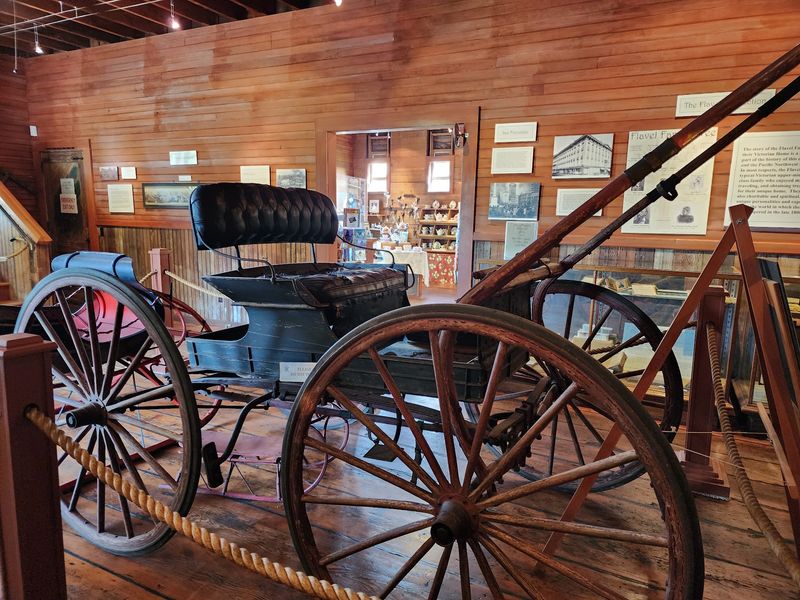
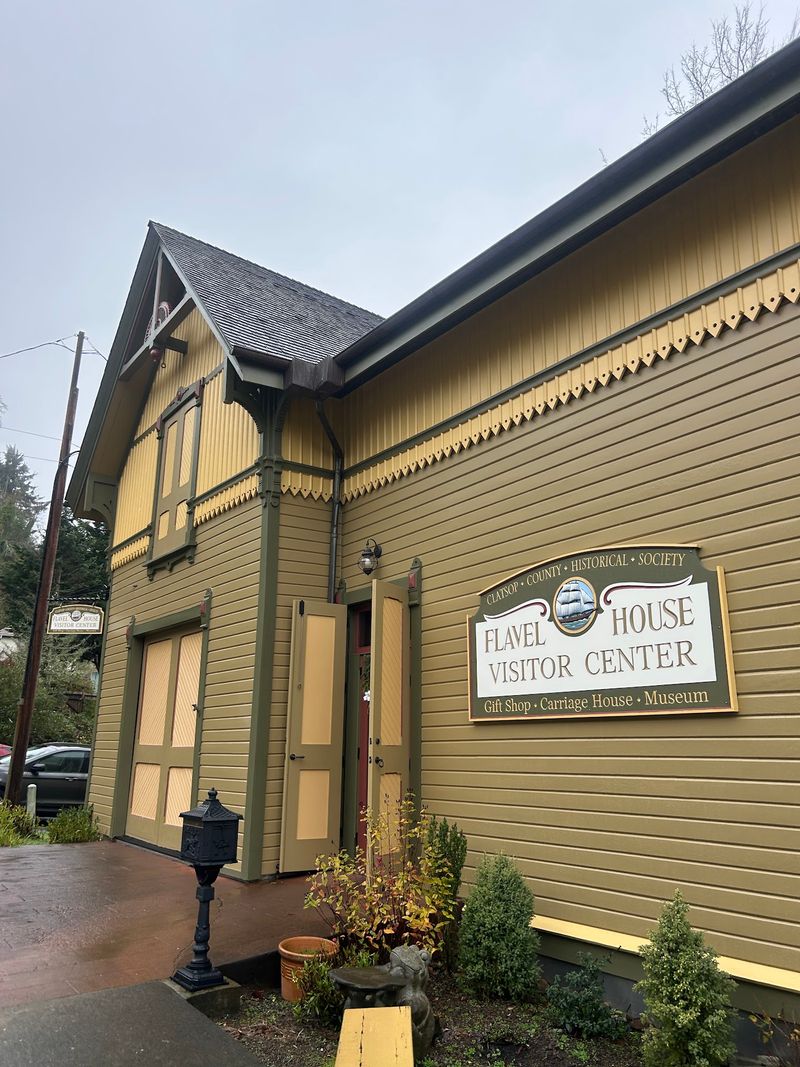
Your visit actually begins in the carriage house, a spot too many people breeze past. Grab your tickets here, then settle in for the short introductory video before heading to the main home.
The film runs about ten minutes and packs in background that really sets the stage. Guests who watch it first say it deepens everything they see afterward, immersing them in the family’s story.
Skipping it means missing helpful context, so it’s worth the few minutes. Think of it as the key that unlocks the rest of the experience.
The carriage house itself carries its own historic character, giving you a warm-up before the grand reveal next door. Starting here, video and all, turns a simple house tour into a fuller journey through Astoria’s past that clicks into place beautifully.
The Goonies Connection Fans Love to Chase
Movie fans, this one’s for you. Astoria has long been a magnet for lovers of a certain beloved 1980s adventure film, and this historic home lands squarely on many fans’ must-see lists.
Plenty of visitors mention the Goonies connection when talking about their trip, weaving the museum into a bigger tour of the town’s famous filming spots.
The coastal setting, foggy mornings, and old homes all give Astoria that same nostalgic feel that made the movie so memorable. Wandering these streets, it’s easy to see why filmmakers fell for the place.
Even if you’re here purely for history, the pop-culture layer adds a fun bonus. Pairing the mansion with a self-made film tour makes for a full, playful day, especially for families hunting down every recognizable corner of this quirky Oregon port town.
The Rescue Story That Almost Never Happened
Here’s a twist that surprises nearly everyone: this beloved landmark almost vanished. Back in the 1940s, hardly anyone wanted the aging mansion, and the family reportedly struggled to give it away.
At one low point, the city nearly cleared the property to make room for a parking lot. Imagine losing all that history to a stretch of pavement.
Thankfully, the local historical society stepped in and took on the enormous task of restoration. Their work returned the home to its original condition, and visitors today credit them with a truly magnificent job.
Knowing how close it came to disappearing makes standing inside feel even more meaningful. Every preserved detail represents a rescue mission that succeeded against the odds.
It’s a quiet reminder that the treasures we cherish often survive only because someone cared enough to fight for them.
Hours, Tickets, Parking, and Getting There
Planning your visit is refreshingly simple. The museum opens daily from 10 AM to 4 PM, so you’ve got a full week of chances to swing by.
Admission runs affordably, with one guest recalling adult tickets around six dollars, an easy yes for the experience you get. If you visit the Astoria Column first, ask about the parking pass that may include complimentary museum tickets, though it’s smart to confirm current details ahead.
Street parking sits right nearby, and regulars note there’s usually plenty of it, and it’s free. One small heads-up: some visitors found the ticket location a short walk from the house itself, so factor that in.
Bathrooms on site are well kept and open to the public. You can reach the museum at 503-325-2203 or check astoriamuseums.org for the latest before you head out.
Why This Quiet Astoria Gem Earns the Detour
By the time you leave, the appeal is obvious. This is one of those uncrowded Oregon spots that rewards travelers willing to slow down and look closely.
History lovers, architecture fans, and anyone charmed by Victorian-era craftsmanship consistently call it a must-see. Families find plenty to enjoy too, making it an easy stop for mixed-age groups.
The combination of a fascinating founding story, beautifully preserved rooms, and that unmistakable tower creates something genuinely memorable. Add friendly staff and a peaceful pace, and it’s no wonder people return again and again.
Fall’s cozy light and winter’s coastal fog only add to the mood, and off-peak visits mean even fewer crowds. If you’re the kind of Oregonian who loves finding treasures tourists overlook, this one belongs high on your list.
Go quietly, and enjoy having it nearly to yourself.
Share this story