Minnesota is home to some surprisingly creative small towns that punch well above their weight when it comes to art, culture, and local character. From lakeside galleries to historic main streets lined with murals, the state has quietly built a reputation as a haven for artists, makers, and curious travelers.
These towns are not just pretty backdrops; they are living, breathing communities where creativity is woven into everyday life. This list covers ten standout destinations across Minnesota where the art scene is very much the main attraction, and every visit feels like discovering something genuinely worth talking about.
1. Grand Marais
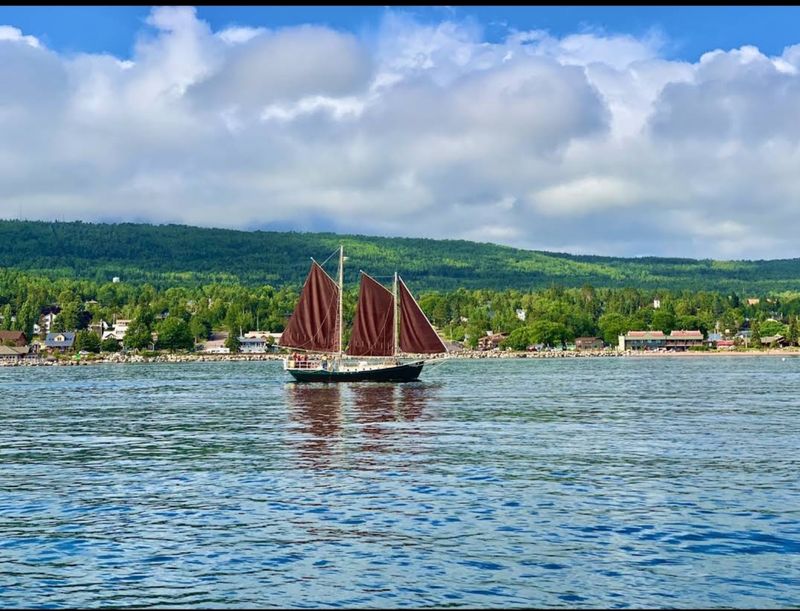
Perched on the rocky shore of Lake Superior, Grand Marais has long attracted painters, photographers, and printmakers who come for the dramatic scenery and stay for the community. The town is home to the Grand Marais Art Colony, one of the oldest art colonies in the Midwest, which has been running workshops and exhibitions since 1947.
Local galleries line the compact downtown, showcasing everything from oil paintings to handcrafted jewelry. The annual Fisherman’s Picnic festival adds a festive, community-centered energy to an already lively town.
Artists here are not isolated figures working alone; they participate in open studio events and public art projects that keep the creative culture visible and accessible. Grand Marais is a place where art is not a weekend hobby but a full-time conversation happening in every corner of town.
2. Lanesboro
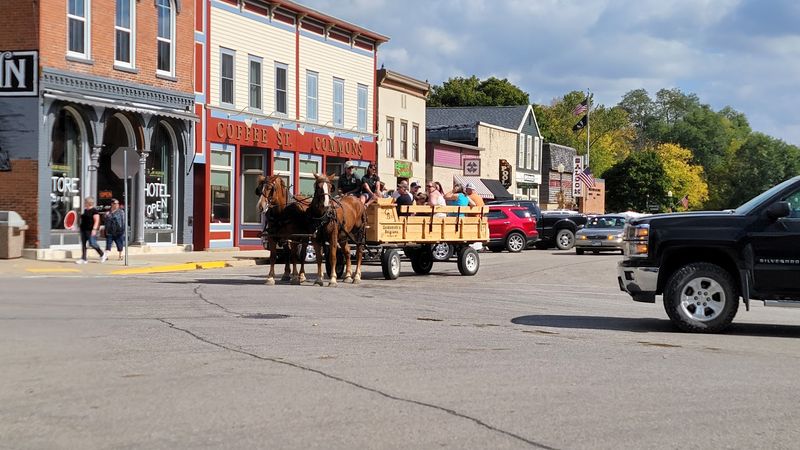
Lanesboro has fewer than 800 residents, but its cultural output rivals towns ten times its size. This small bluff-country town in southeastern Minnesota is best known for Commonweal Theatre, a professional repertory company that produces a full season of plays each year, drawing audiences from across the region.
The town also supports a thriving visual arts community, with galleries, pottery studios, and sculptor workshops tucked between historic limestone storefronts. The Root River State Trail, which runs right through town, brings cyclists and hikers who often linger longer than planned once they discover the local arts scene.
Lanesboro has a knack for turning first-time visitors into regulars. Its combination of live theater, handcrafted goods, and genuinely welcoming locals makes it one of the most culturally rich small towns in the entire state.
3. Red Wing
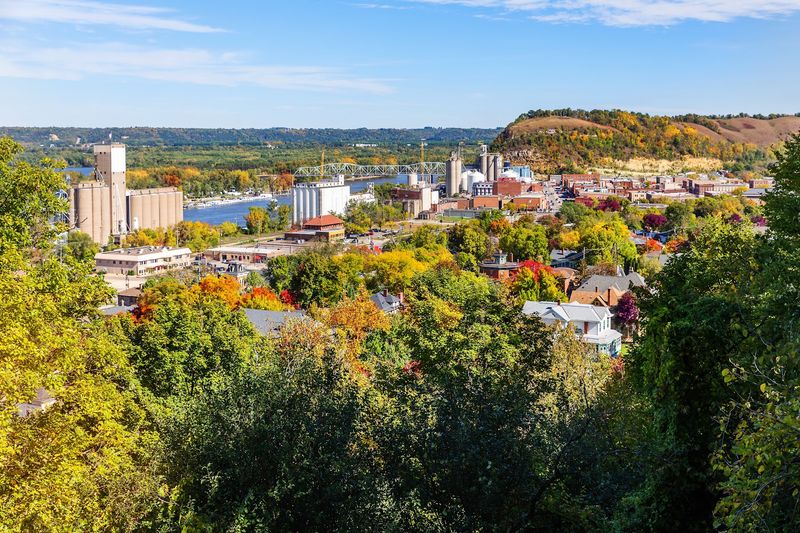
Red Wing is the kind of town where history and creativity are practically inseparable. Famous worldwide for its stoneware pottery, the city has built an arts identity that stretches back to the late 1800s when Red Wing Stoneware became a household name across the country.
The Sheldon Theatre, a beautifully restored Carnegie-era opera house, anchors the downtown arts scene with concerts, performances, and visual art exhibitions throughout the year. The Red Wing Arts Association maintains a gallery and supports local artists with regular programming and community events.
Visitors can tour the Red Wing Pottery Salesroom, browse antique shops stocked with original pieces, and explore the dramatic Mississippi River bluffs that have inspired generations of landscape artists. Red Wing rewards slow exploration, offering layer after layer of artistic history to anyone willing to wander its well-preserved streets.
4. Stillwater
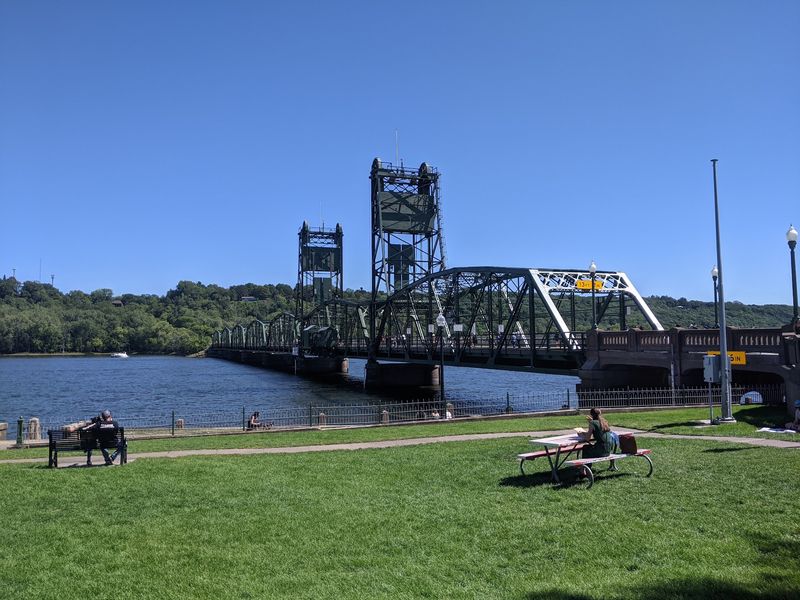
Known as the birthplace of Minnesota, Stillwater has been reinventing itself as a creative destination for decades. The city sits along the St. Croix River and is lined with Victorian-era buildings that now house independent bookshops, art studios, and boutique galleries.
Loome Theological Booksellers, one of the largest used bookstores in the country, draws literary travelers from hundreds of miles away. The downtown also hosts regular arts events, including the Lumberjack Days festival and a rotating series of public art installations.
Local artists have claimed many of the historic storefronts as working studios, making it easy to watch the creative process firsthand. Stillwater’s blend of architectural beauty, literary culture, and active visual arts scene gives it a layered character that rewards multiple visits.
Each trip tends to reveal a gallery or studio that somehow escaped notice the last time around.
5. Northfield
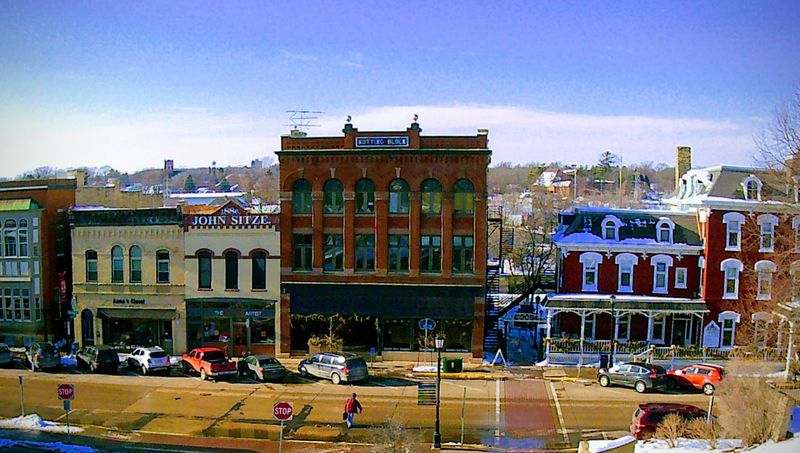
Two colleges, one river, and a legendary bank robbery walk into a small town, and the result is Northfield. Home to both Carleton College and St. Olaf College, this Rice County city has an arts scene energized by thousands of students, faculty, and visiting artists who cycle through each academic year.
The Flaten Art Museum at St. Olaf and the Perlman Teaching Museum at Carleton both offer rotating exhibitions that are open to the public at no charge. The downtown is compact and walkable, with independent shops, live music venues, and a farmers market that regularly features local artisans.
The Cannon River Watershed Partnership has supported public art projects that bring color and creativity to outdoor spaces throughout the community. Northfield manages to feel simultaneously like a college town, a historic river city, and a working artists’ community all at once.
6. Ely
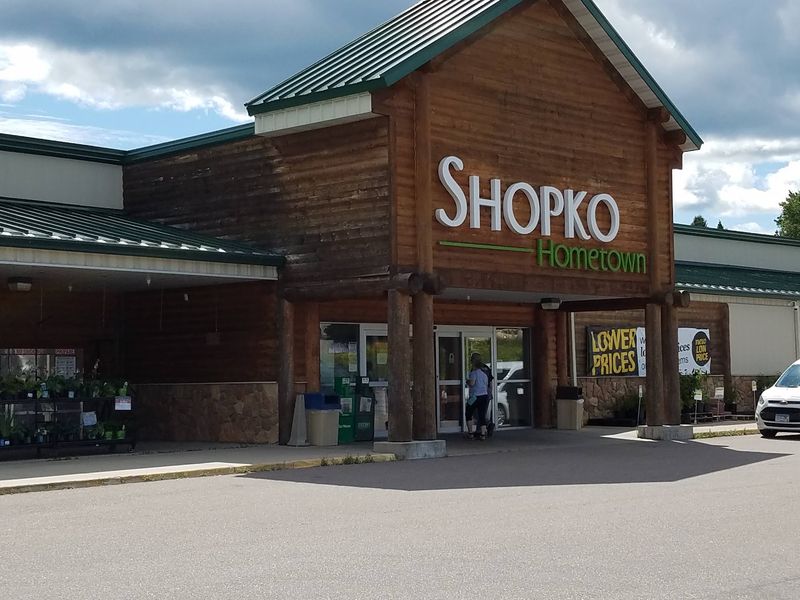
Most people know Ely as the gateway to the Boundary Waters Canoe Area Wilderness, but the town itself has developed a surprisingly robust arts community built around its connection to the natural world. Local artists here tend to specialize in wildlife painting, nature photography, and woodcraft inspired directly by the boreal forests and lakes that surround the town.
The International Wolf Center doubles as a cultural institution, hosting educational programs and art exhibitions focused on wilderness conservation. The Dorothy Molter Museum preserves the story of a remarkable figure in northern Minnesota history and inspires local storytelling traditions.
Ely’s main street features several galleries and studios where artists work with materials sourced from the surrounding landscape. The creative community here is tightly connected to the environment in a way that makes the artwork feel genuinely rooted in place rather than imported from somewhere else.
7. New Ulm
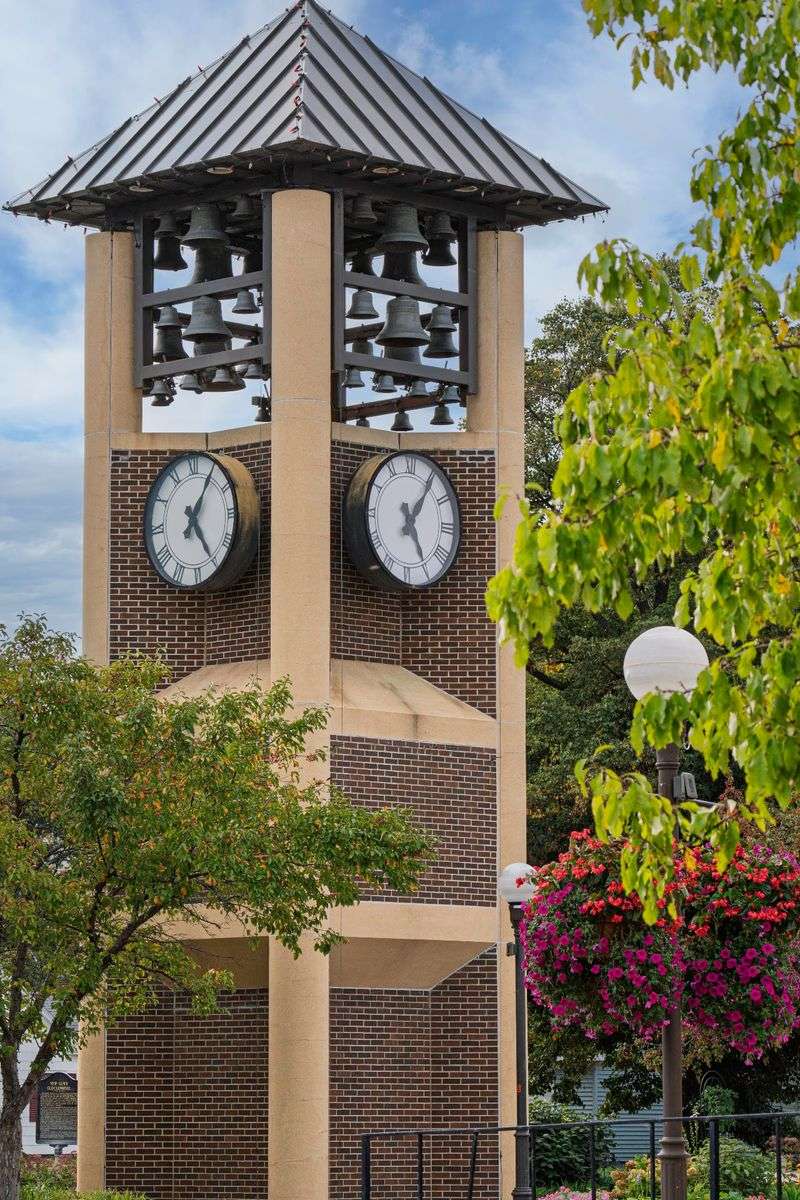
New Ulm is one of the most visually distinctive small towns in Minnesota, largely because its German immigrant founders built it to look like a piece of Bavaria transplanted to the Minnesota River Valley. The architecture alone draws visitors who come to photograph the ornate storefronts, the Hermann Monument on a hilltop above town, and the famous Glockenspiel, a free-standing carillon clock tower with animated figurines.
The town takes its cultural heritage seriously, supporting the New Ulm Arts Council, which organizes exhibitions, public murals, and community arts education programs throughout the year. The Brown County Historical Society Museum is a well-curated institution that uses art and artifacts to tell the story of the region’s complex history.
Local artisans produce work that reflects the town’s German roots, from hand-painted ceramics to traditional woodcarving. New Ulm is a living museum with a genuinely active creative community.
8. Fergus Falls
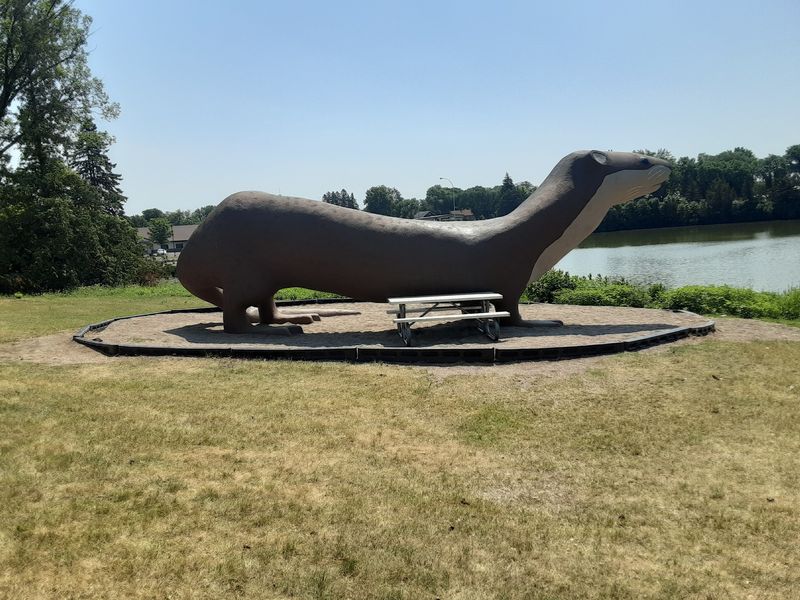
Fergus Falls made international headlines when the former Kirkbride-style state hospital campus was converted into a stunning mixed-use development called the Otter Tail County Human Services campus, preserving one of the most architecturally significant buildings in the state. That project put the city on the map for architecture and preservation enthusiasts, and it sparked a broader conversation about creativity and community investment.
The downtown arts scene has grown steadily alongside that renewed civic pride. The Rourke Art Museum, one of the region’s most respected institutions, presents contemporary and regional art in a well-maintained gallery space that draws serious collectors and casual visitors alike.
Public murals created by local and visiting artists decorate several blocks of the downtown corridor. Fergus Falls has a scrappy, forward-thinking creative energy that feels less like a polished destination and more like a community genuinely figuring out what it wants to become.
9. Winona
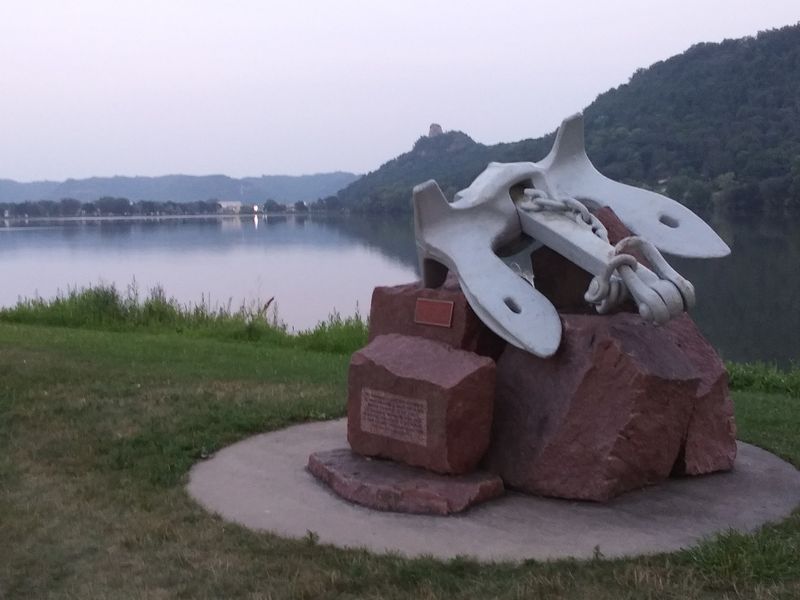
Winona sits between dramatic limestone bluffs and the Mississippi River, and its geography has always attracted people who appreciate beauty in its most straightforward form. The city is home to the Minnesota Marine Art Museum, a nationally recognized institution with an impressive permanent collection that includes works by Monet, Picasso, and Winslow Homer.
Winona is also known as the Stained Glass Capital of the United States, a title it has earned through the concentration of stained glass studios that have operated here for well over a century. The Winona Arts Center supports local emerging artists with studio space, exhibitions, and community programming.
Saint Mary’s University and Winona State University both contribute to a steady flow of creative energy through student exhibitions, performances, and public events. For a city of roughly 25,000 people, Winona punches remarkably high in terms of cultural institutions and artistic output.
10. Bemidji
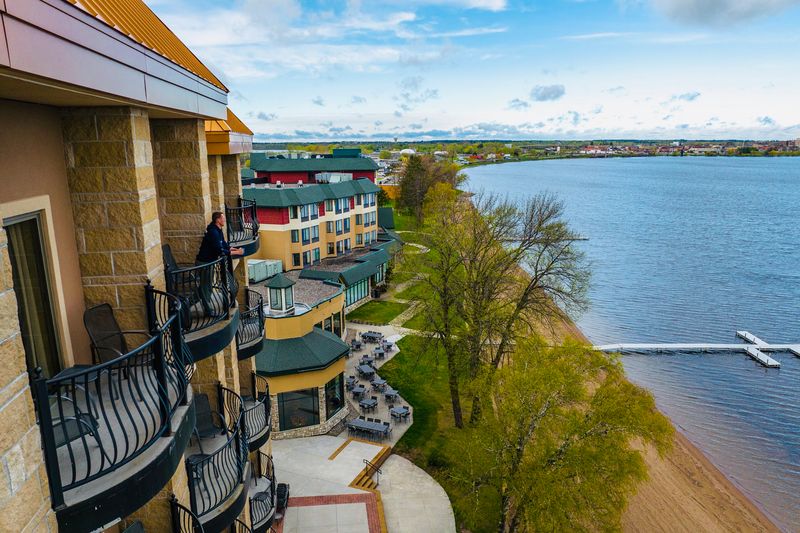
Bemidji has a legitimate claim to being the most culturally layered small city in northern Minnesota. It is home to Bemidji State University, which brings a consistent stream of arts programming, theater productions, and student exhibitions to the community throughout the year.
The Watermark Art Center is the city’s primary visual arts hub, hosting rotating exhibitions, art classes, and community events in a welcoming space steps from the shore of Lake Bemidji. The city also has deep ties to Ojibwe cultural traditions, and local artists working in beadwork, birch bark basketry, and textile arts contribute an important dimension to the regional creative scene.
The famous Paul Bunyan and Babe the Blue Ox statues on the lakefront have become iconic symbols that speak to the town’s playful relationship with its own mythology. Bemidji earns its place on any serious list of Minnesota’s most creatively alive communities.
Share this story