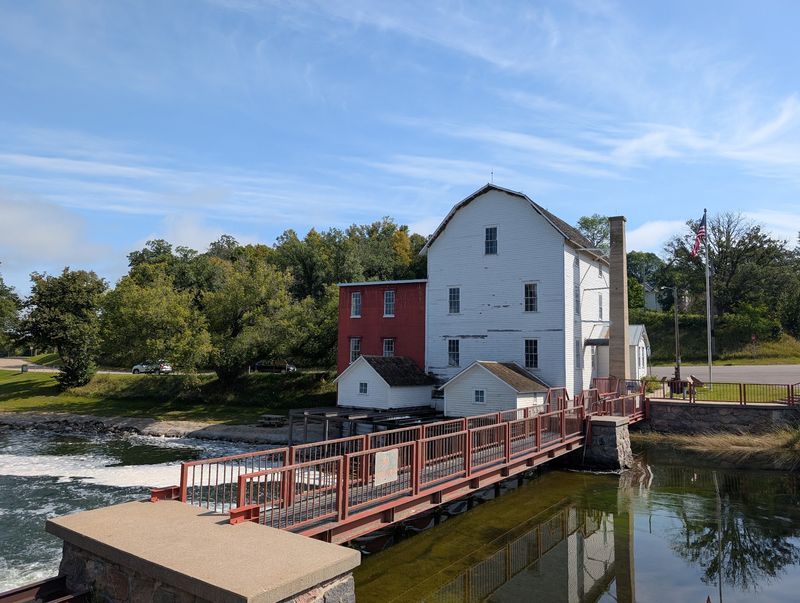
There is a four-story flour mill standing along a quiet Minnesota river that most people have never heard of, and it has been there since 1889. The wooden gears, stone grinding wheels, and belt-driven machinery inside are still in place, exactly where workers left them more than a century ago.
The mill sits beside a dam, a footbridge, and a stretch of clear river water that looks almost too peaceful to be real. Once you know this place exists, it is very hard not to start planning a visit.
A Mill That Time Forgot
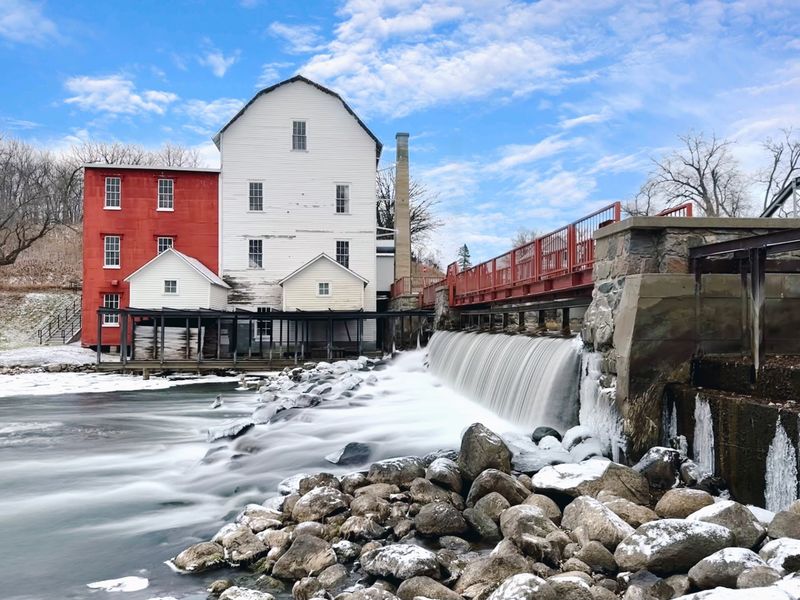
Most old buildings get torn down or turned into something unrecognizable. The Phelps Mill at Phelps Mill Park, located at 29035 Co Hwy 45, Underwood, Minnesota, took a different path entirely.
Built in 1889, this four-story wooden structure still holds its original milling equipment inside. The gears, belts, chutes, and grinding stones have not been cleared away or replaced with museum replicas.
What you see is what workers actually used when this mill was a functioning business.
That level of authenticity is genuinely rare. Many historic sites preserve the shell of a building while removing everything inside.
Here, walking through the mill feels less like a museum visit and more like stepping into a moment that never quite ended. The mill opens seasonally, so checking ahead before visiting is a smart move.
The Otter Tail River Setting
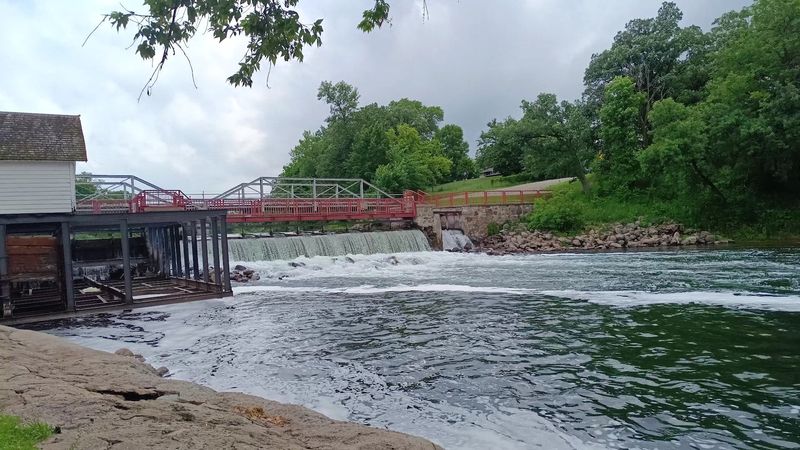
The river is the first thing that grabs your attention when you pull into the park. The Otter Tail River runs directly beside the mill, clear and calm in most stretches, with a small dam that creates a gentle rush of moving water nearby.
On a warm afternoon, the combination of the old wooden mill, the sound of water moving over the dam, and the tree-lined banks creates a setting that feels completely removed from everyday life. Families spread out blankets on the grass.
Anglers cast lines from the bank. A few people just sit and watch the water move.
The river also offers a kayak launch point, making this a practical stop for paddlers exploring the Otter Tail River corridor. Whether you are there for five minutes or two hours, the river has a way of slowing everything down.
Four Floors of Original Machinery
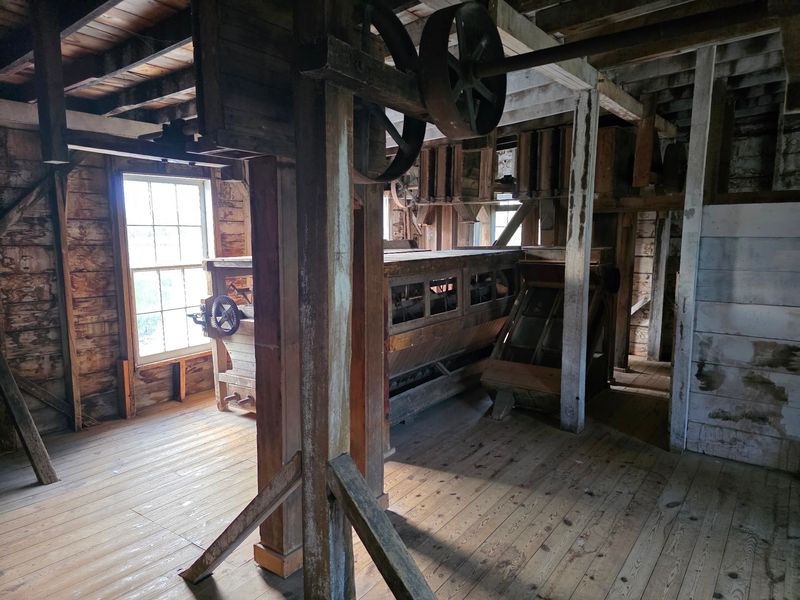
Not many historic mills let you wander freely through all four floors, but that is exactly what visitors can do here. Each level of the mill holds different pieces of the original milling operation, from the grain intake areas to the grinding stones to the finishing equipment near the top.
The machinery is old in the best possible way. Thick wooden beams support belt-driven systems that once ran continuously.
Chutes and hoppers are still positioned exactly where they were used. Reading the informational displays posted throughout the mill helps connect each piece of equipment to its specific role in turning raw grain into flour.
One thing worth knowing before heading up: the staircases are steep and narrow, built long before modern safety codes existed. Comfortable shoes and a steady hand on the railing make the climb much more enjoyable.
Every floor rewards the effort.
The Dam and the Footbridge
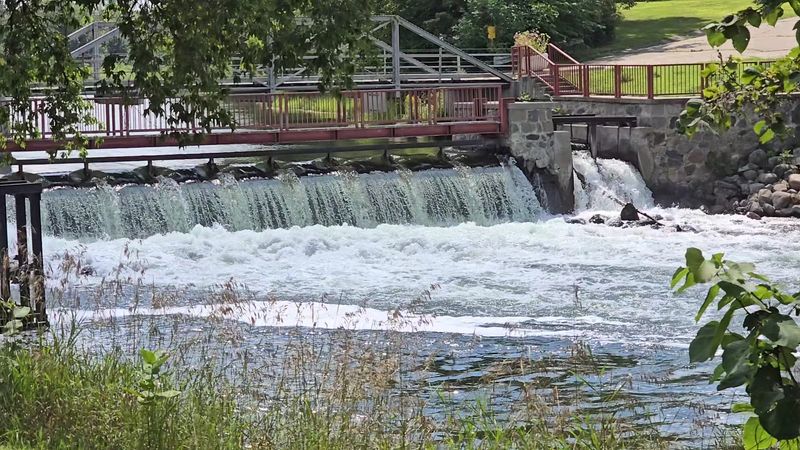
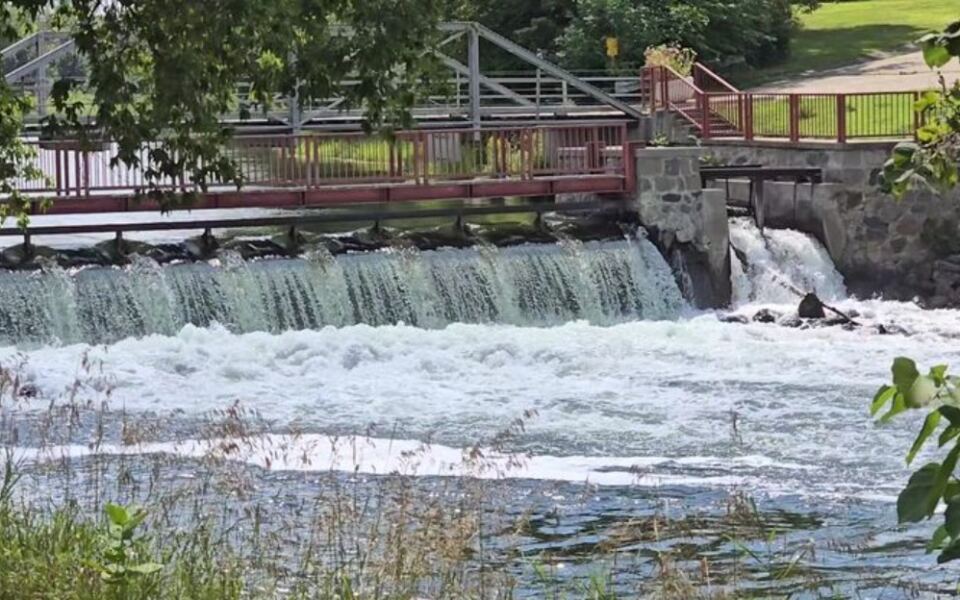
Just outside the mill, a dam stretches across the Otter Tail River, creating a small but impressive drop of water that powered the mill’s grinding operations for decades. Standing near the dam, you can actually feel the energy of the moving water and understand why this spot was chosen for a mill in the first place.
A footbridge connects both sides of the riverbank, giving visitors an easy way to cross and take in the view from the middle of the water. The perspective from the bridge is one of the best photo spots in the entire park, with the mill on one side and the tree-lined river on the other.
On hot summer days, some visitors climb down to the rocks near the dam to cool off and enjoy the mist. The area around the dam also tends to attract fishing activity, especially near the moving water.
Completely Free to Visit
There is no entry fee at Phelps Mill Park. Parking is free, walking through the park is free, and touring the mill during open hours costs nothing.
For a historic site with this much to offer, that is a genuinely pleasant surprise.
Otter Tail County maintains the park, and the level of upkeep shows. The grounds are clean, the bathrooms are well maintained, and the mill itself is carefully preserved.
Several visitors have specifically mentioned how spotless the restroom facilities are, which might sound like a small detail but matters a lot on a long road trip.
The park is open daily from 6 AM to 10 PM, giving visitors plenty of time to arrive, explore, eat a picnic lunch, and still make it back to the car before dark. Free, clean, and well-kept is a combination that is harder to find than it sounds.
Fishing Along the River
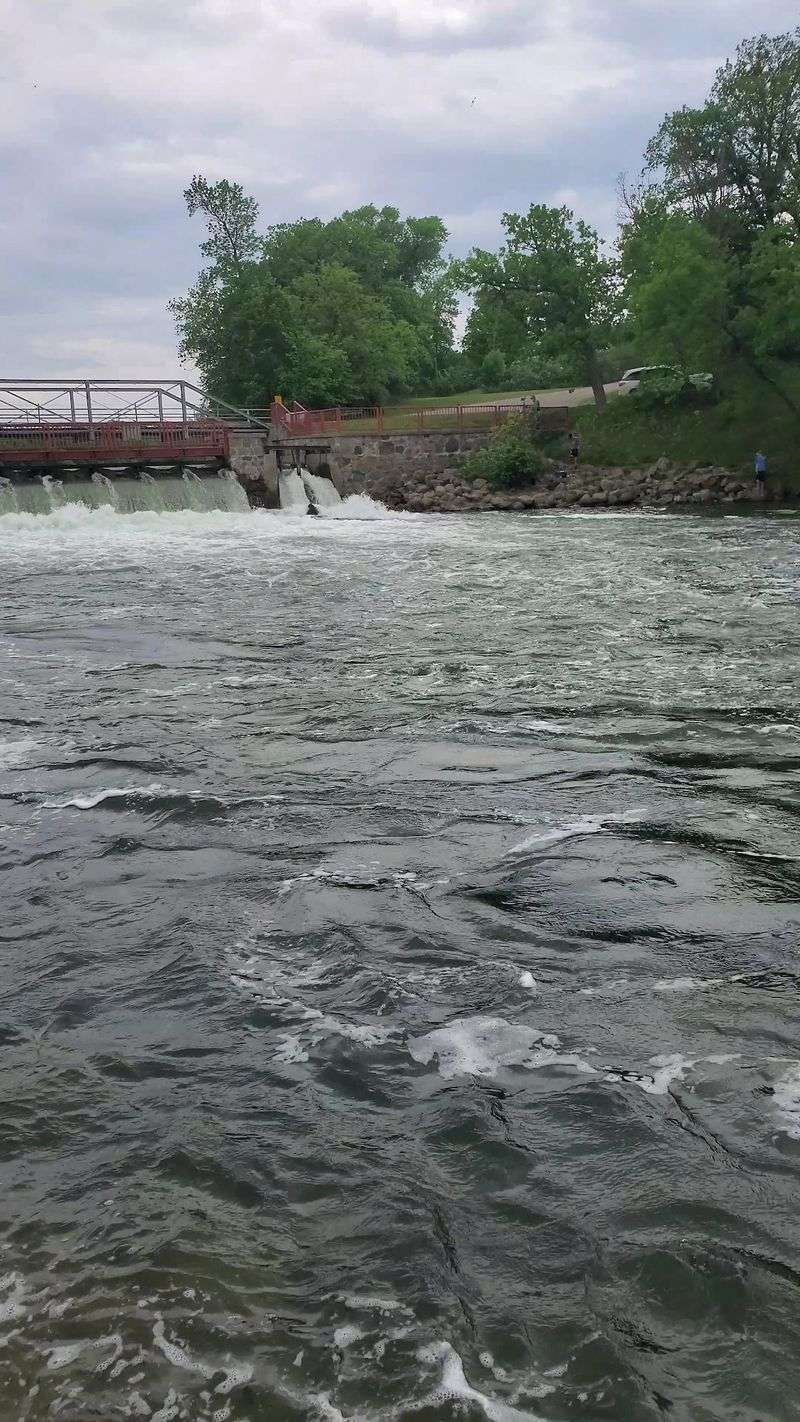
Fishing is one of the most popular activities at Phelps Mill Park, and it is easy to see why. The Otter Tail River offers accessible bank fishing throughout the park, with the area near the dam being a particularly active spot for catching fish.
On any given warm afternoon, you will likely spot multiple anglers spread along the riverbank with lines in the water. The river runs clear enough to watch fish moving below the surface in some sections, which makes the experience feel more rewarding even when nothing is biting.
The park does not have a formal boat ramp, but the kayak launch gives paddlers a way to get on the water and access stretches of the river beyond the park boundaries. For shore fishing, the grassy banks provide plenty of comfortable spots to set up and spend a few quiet hours by the water.
Picnic Areas and Green Space
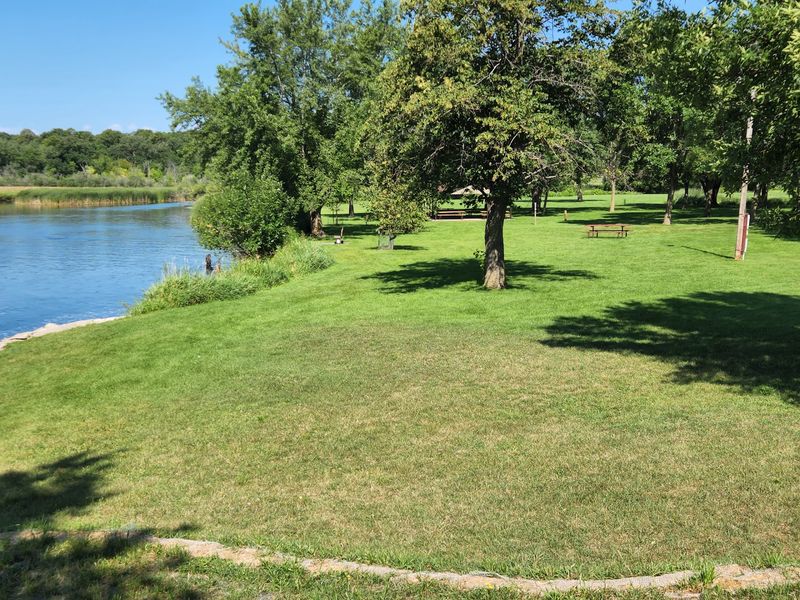
The park surrounding the mill is genuinely pleasant for spending an afternoon outdoors. Picnic tables are scattered throughout the grounds, many of them positioned under trees that provide shade on hot summer days.
Covered picnic shelters give families a spot to gather even when the weather is not fully cooperating.
The open green space around the mill is well suited for kids to run around while adults relax nearby. There is also a playground on the grounds, making this a practical stop for families traveling through the area with young children who need a break from the car.
The atmosphere on a weekday can be surprisingly quiet. Some visitors have arrived to find the entire park to themselves, which makes the experience feel almost private.
On weekends during summer, more families tend to show up, but the park is large enough that it rarely feels crowded.
The Annual Phelps Mill Festival

Every summer, Phelps Mill Park transforms into the site of a two-day outdoor festival held on the second weekend of July. The Phelps Mill Festival draws artists, craft vendors, food sellers, and live entertainment to the park grounds, turning the quiet riverside setting into a lively community event.
The festival has a strong local following, with visitors coming specifically for the handmade art, unique craft items, and the kind of food that only shows up at outdoor events. The Lions Club pork chops on a stick have developed something of a following among festival regulars.
A tractor trolley shuttle helps move visitors around the grounds comfortably.
The historic mill remains open during the festival, so first-time visitors can combine the art fair experience with a tour of the building. The setting along the Otter Tail River gives the festival a backdrop that larger city events simply cannot replicate.
History Written on the Walls
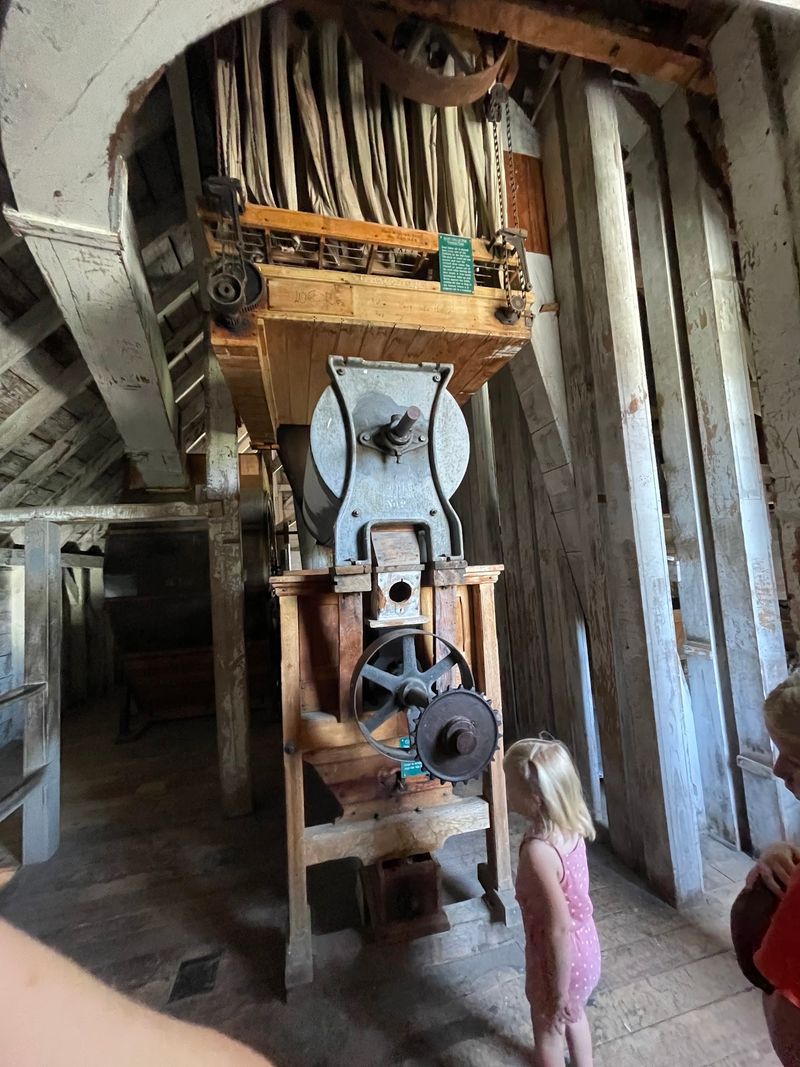
The mill is not just a building to walk through. Informational displays posted throughout the interior explain the history of the milling operation, how each piece of equipment worked, and what daily life looked like for the people who ran the mill in the late 1800s.
Reading through the displays while standing next to the actual machinery they describe makes the history feel connected and real. You are not reading about something that happened somewhere else.
You are reading about events that took place in the exact room where you are standing.
The mill also functions as a free museum in this sense, offering educational content without requiring admission. For families with curious kids, or for anyone who enjoys understanding how things worked before electricity took over, the combination of original equipment and clear historical explanation makes each floor genuinely interesting rather than just visually impressive.
Kayaking and River Access
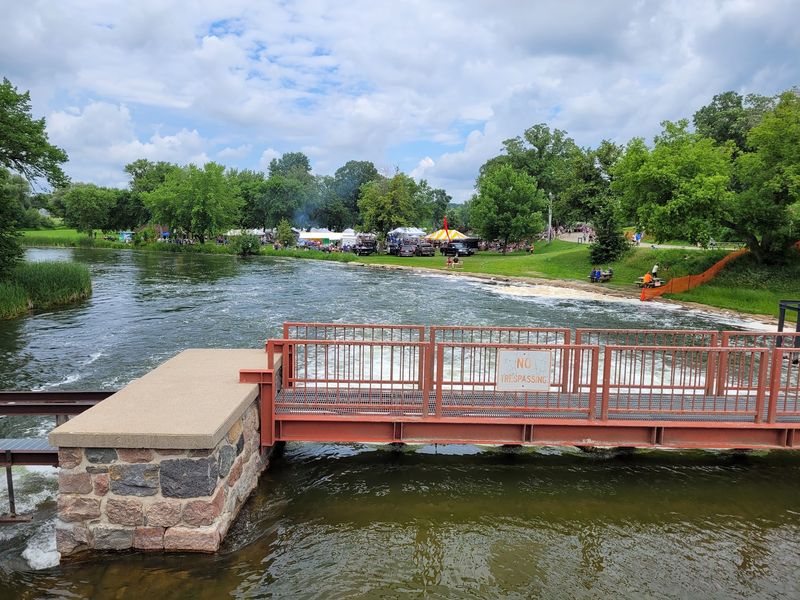
Paddlers exploring the Otter Tail River have a practical reason to add Phelps Mill Park to their route. The park includes a kayak launch that provides easy river access, and a portage route around the dam allows paddlers to continue downstream without having to carry their boats far.
The Otter Tail River is known for being a pleasant paddling destination in this part of Minnesota, with calm stretches and scenic banks that make for an enjoyable day on the water. Putting in at the park gives kayakers a clear starting point with parking available nearby.
Even visitors who are not paddling tend to enjoy watching kayakers navigate the water near the dam. The combination of moving water, the old mill structure, and the tree-lined banks creates a scene that photographs well from the footbridge above.
River access here is one of the park’s more practical and underappreciated features.
Winter Visits at the Mill
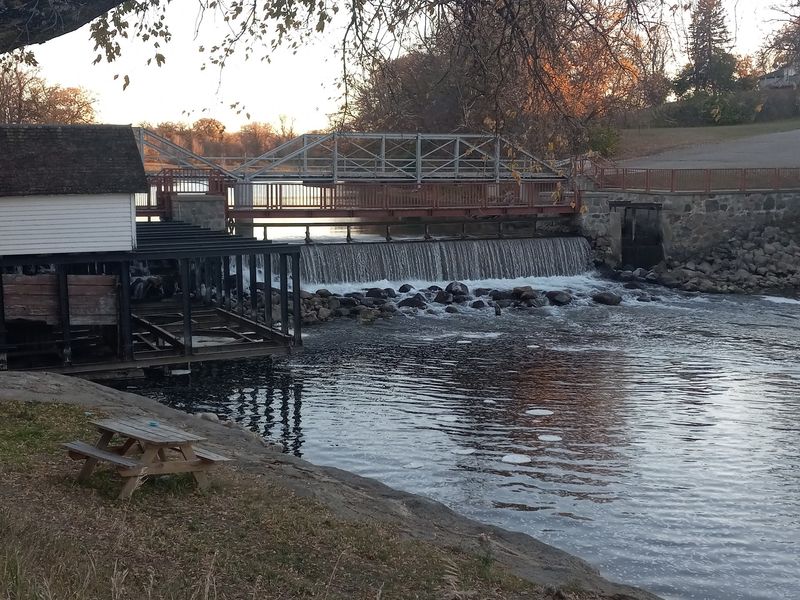
Most people visit Phelps Mill Park in summer, but the park does not disappear when the weather turns cold. The grounds remain accessible during winter, and the mill building takes on a completely different character when surrounded by snow and bare trees.
Walking the grounds in winter is a quieter experience. The river slows, the crowds are gone, and the old mill stands against a gray sky in a way that feels almost cinematic.
Some visitors make a point of stopping in winter specifically because the solitude makes the historic atmosphere even more noticeable.
The mill itself may not be open for interior tours during the off-season, so checking with Otter Tail County ahead of time is worth the effort. But even from the outside, the building and river setting offer enough visual interest to justify a stop during a winter drive through the area.
Planning Your Visit to the Park
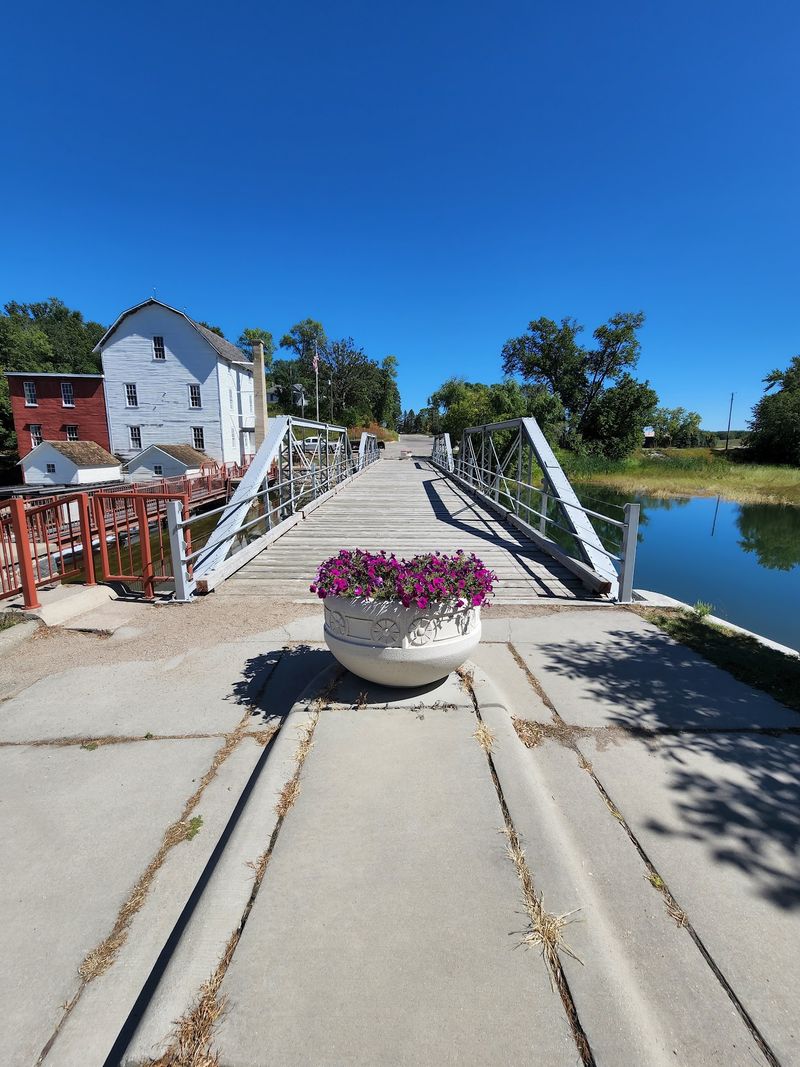
Getting to Phelps Mill Park is straightforward. The park sits at 29035 Co Hwy 45 in Underwood, Minnesota, and the grounds are open daily from 6 AM to 10 PM.
Parking is free and available directly at the site.
The mill itself opens seasonally, typically starting around May 1st, so visiting during the warmer months gives you the best chance of accessing all four floors. Wearing comfortable, closed-toe shoes is a practical choice given the steep interior staircases.
One accessibility note worth mentioning: the park currently has limited handicap access, though Otter Tail County has announced plans to improve accessibility in a future phase of development. For most visitors, the combination of the historic mill, river scenery, fishing spots, picnic areas, and free admission makes this one of the more rewarding stops in the region.
Coming once tends to turn into coming back every summer.
Share this story