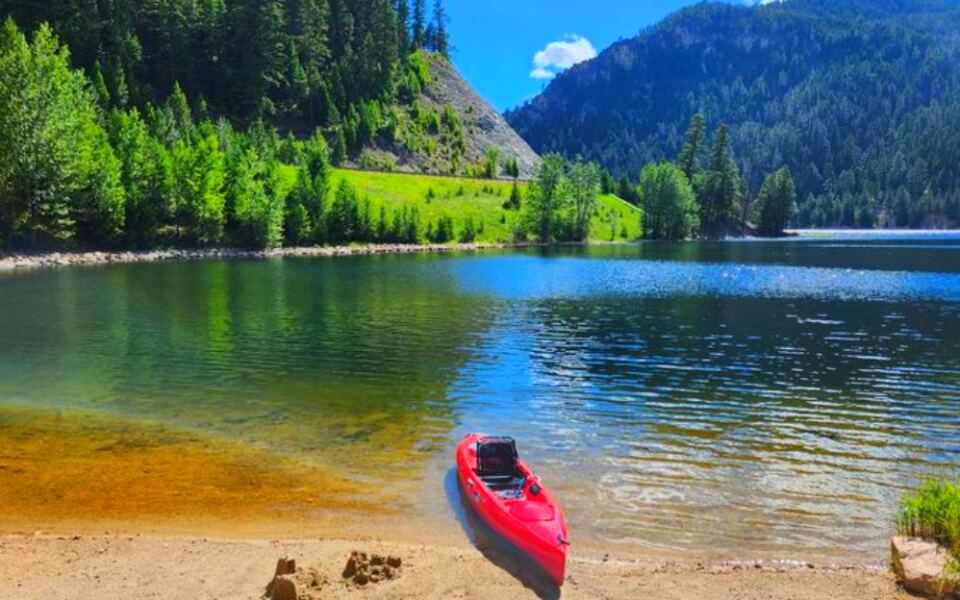
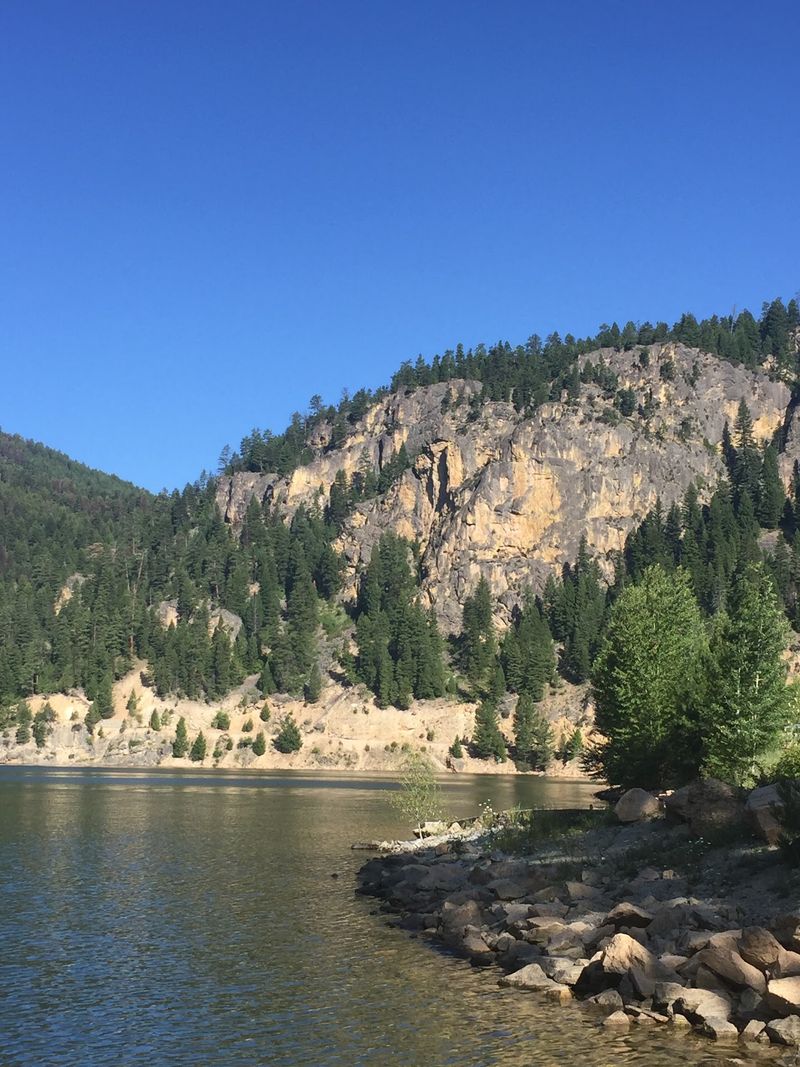
There is a place in Montana where the cliffs look like someone took a giant paintbrush and dragged it across the rock face in green, yellow, and orange. The reservoir below those cliffs stretches wide and calm, cradling reflections of pine-covered peaks that seem almost too perfect to be real.
I had driven past plenty of breathtaking Montana scenery before, but nothing quite prepared me for the moment this particular valley opened up and revealed its full hand. What surprised me most was not just the beauty of the water or the mountains surrounding it, but the layered story behind how this place came to exist and why it has kept drawing people back for generations.
From anglers casting lines for cutthroat trout to families setting up camp under skies so dark the Milky Way feels close enough to touch, this park offers something genuinely rare. Keep reading, because every section of this article reveals a different reason why this corner of Montana deserves a spot on your travel list.
A Canvas of Colored Cliffs and a Mountain Setting Worth the Drive
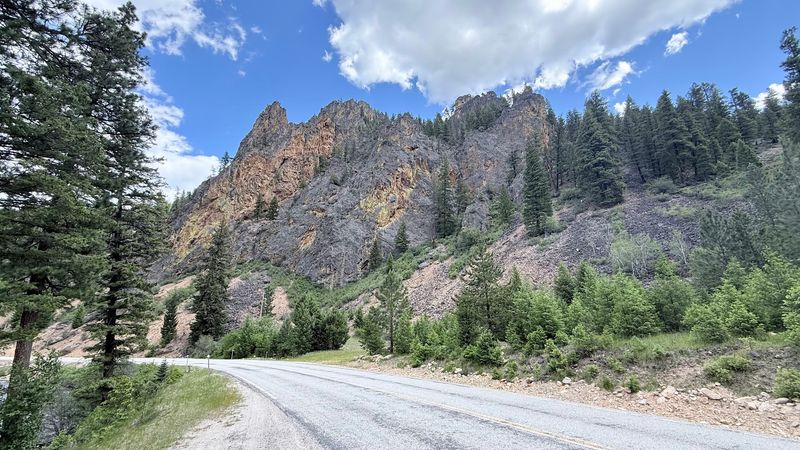
The name alone should give you a hint about what makes this park so visually distinctive. Painted Rocks State Park sits at 8809 W Fork Rd, Darby, MT 59829, tucked into Ravalli County within the Bitterroot Mountains.
The drive along West Fork Road is a slow reveal, each mile adding more drama to the landscape until the reservoir finally comes into view.
The cliffs lining the road are coated in vivid lichens, those hardy organisms that paint granite and rhyolite faces in shades of green, yellow, and orange. The effect is striking in any season, but especially vivid after rainfall when the colors deepen and almost glow.
Some accounts also point to ancient Native American pictographs on nearby rocks, adding a human layer to the geological story.
The park sits at roughly 4,700 feet in elevation, so the air carries that crisp mountain sharpness that makes every breath feel earned. At just 23 acres, the park is compact, but its connection to the surrounding Bitterroot National Forest makes the whole area feel expansive and wild.
How a Dam Built in 1939 Became a Beloved Recreation Destination
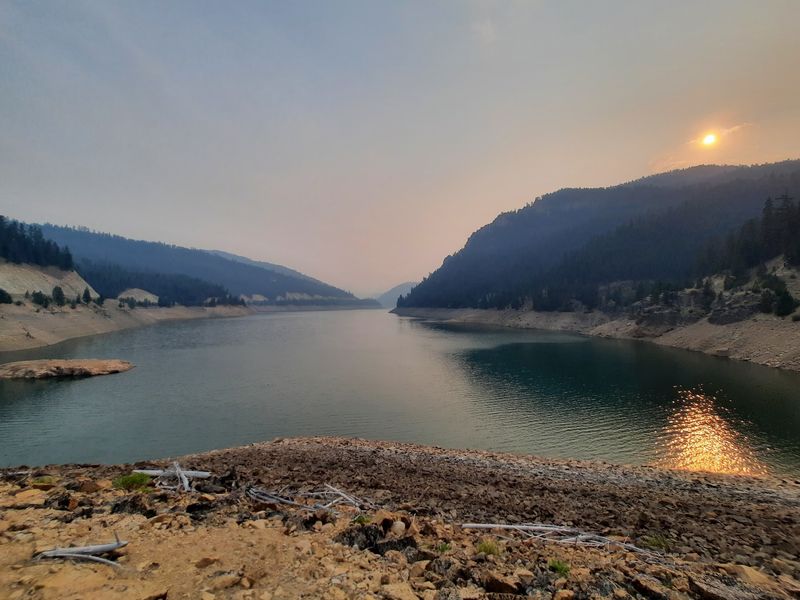
Long before the park had its current name or its campgrounds, the story of this place began with an engineering project. In 1939, the Montana Water Conservation Board started construction on Painted Rocks Dam, a structure that stretches 800 feet wide and stands 143 feet tall.
The goal was practical: store water for irrigation, livestock, and domestic use throughout the Bitterroot Valley.
The resulting reservoir holds up to 45,000 acre-feet of water and covers about 565 acres when full. For two decades it served primarily agricultural purposes, quietly filling and draining with the seasons.
Then in 1963, the area officially became Painted Rocks State Park, opening its gates to the public and beginning a new chapter.
The name itself has an interesting origin. A ranger named Sam Billings is credited with renaming the lake after noticing how dramatically the surrounding rocks appeared to be painted by nature.
That simple observation gave the park an identity that has stuck for over sixty years, drawing curious visitors who want to see those colorful cliffs for themselves.
Trout, Casts, and the Quiet Thrill of Fishing a Mountain Reservoir
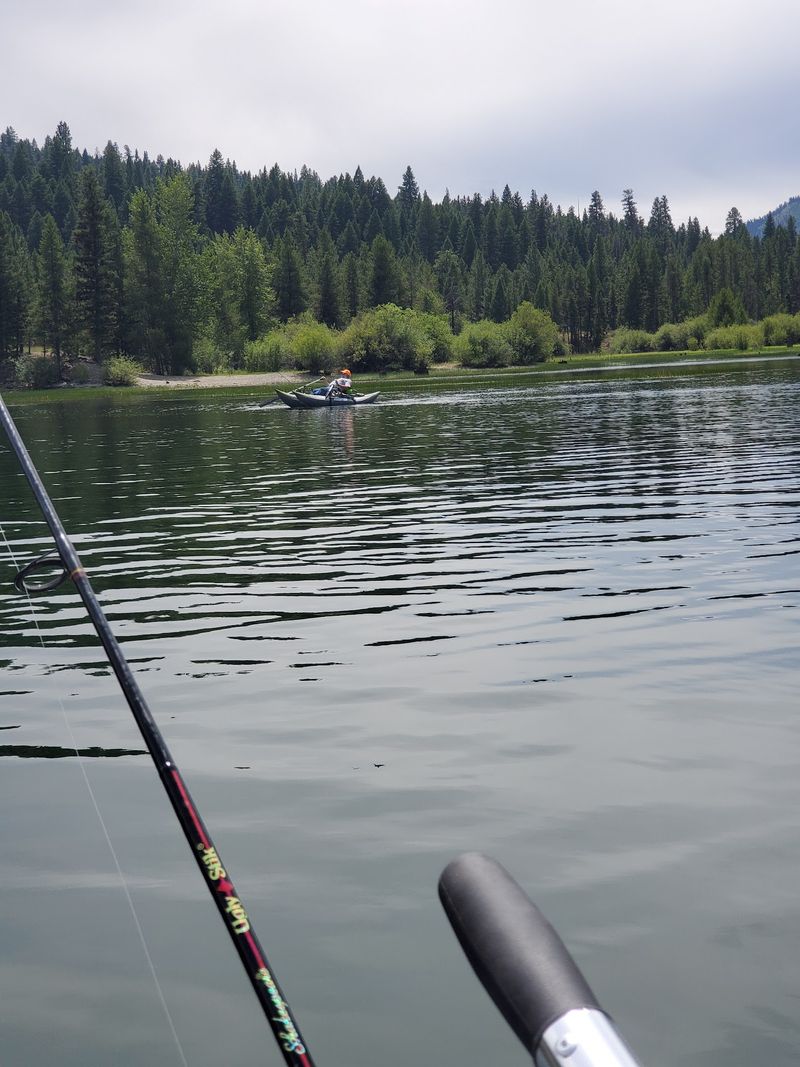
Few things match the satisfaction of pulling a trout from a cold, clear mountain reservoir, and Painted Rocks delivers that experience with enthusiasm. The lake holds cutthroat, rainbow, and brook trout, along with native bull trout and mountain whitefish, giving anglers a genuinely varied catch depending on the day and the method.
Trolling is a popular approach here, and fly fishing along the West Fork of the Bitterroot River, which flows from the reservoir outlet, draws serious enthusiasts from across the region. That stretch of river, from the outlet down to its junction with the main Bitterroot, is well regarded for its quality fishing and relatively uncrowded banks.
A practical note worth keeping in mind: water levels in the reservoir typically drop after August 1st as irrigation draws begin pulling water downstream. This affects fish behavior and bank access, so late spring and early summer tend to offer the most consistent conditions.
Always check current Montana Fish, Wildlife and Parks regulations before you cast, as special rules can apply to protect bull trout populations in the watershed.
Paddleboards, Kayaks, and the Open Water Waiting for You
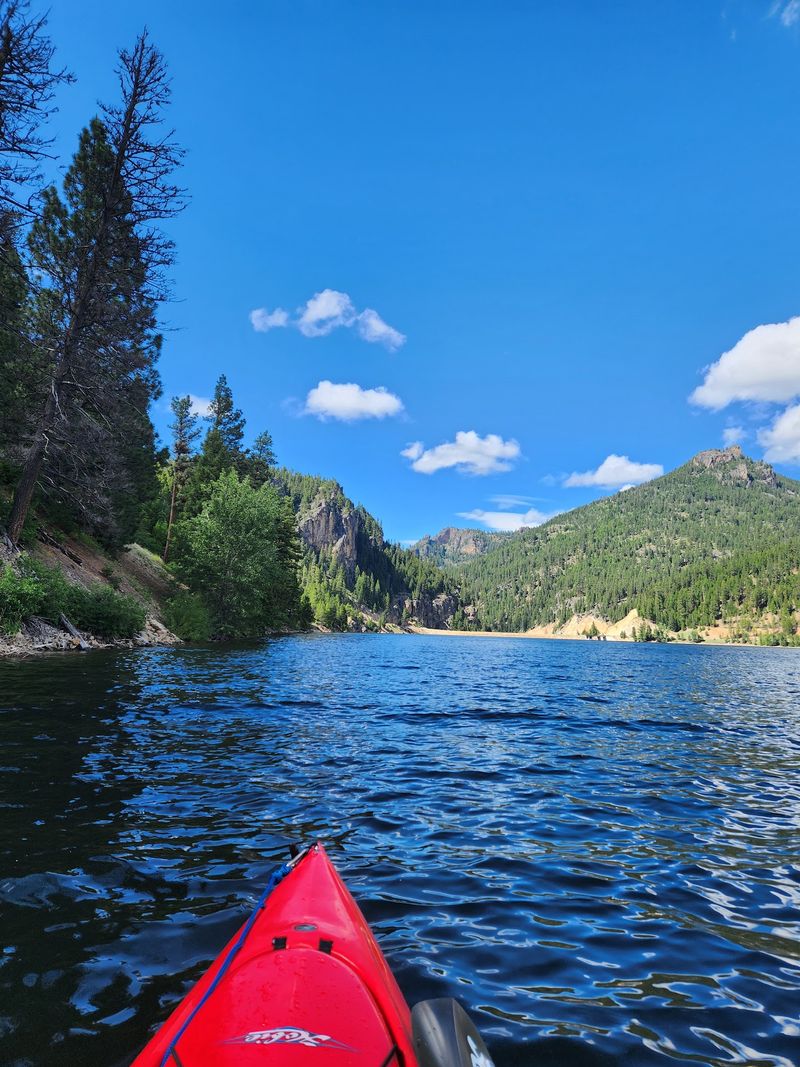
The reservoir’s wide, open surface is an open invitation for anyone who owns a paddle or can rent one. On a calm summer morning, the water at Painted Rocks sits glassy and still, reflecting the pine-covered ridgelines above in a mirror that makes the whole scene feel doubled in beauty.
Kayakers tend to hug the quieter coves, while paddleboarders cruise the center lanes with mountain views stretching in every direction.
The park provides a boat ramp and dock, making it straightforward to launch motorized vessels as well. Ski boats and fishing boats are common sights during peak summer weekends.
One practical detail to plan around: afternoon winds can pick up with surprising force, so morning hours are generally calmer and safer for smaller watercraft.
After August 1st, dropping water levels can make the main boat ramp difficult for trailer launches, and the nearby Forest Service Little Boulder launch becomes the better option for larger rigs. Hand launching a kayak or canoe remains easy even at lower levels, so paddlers tend to have the most flexibility regardless of the season.
The water runs cold, so a wetsuit is worth considering even in July.
Camping in the Pines: What to Expect at the Campground
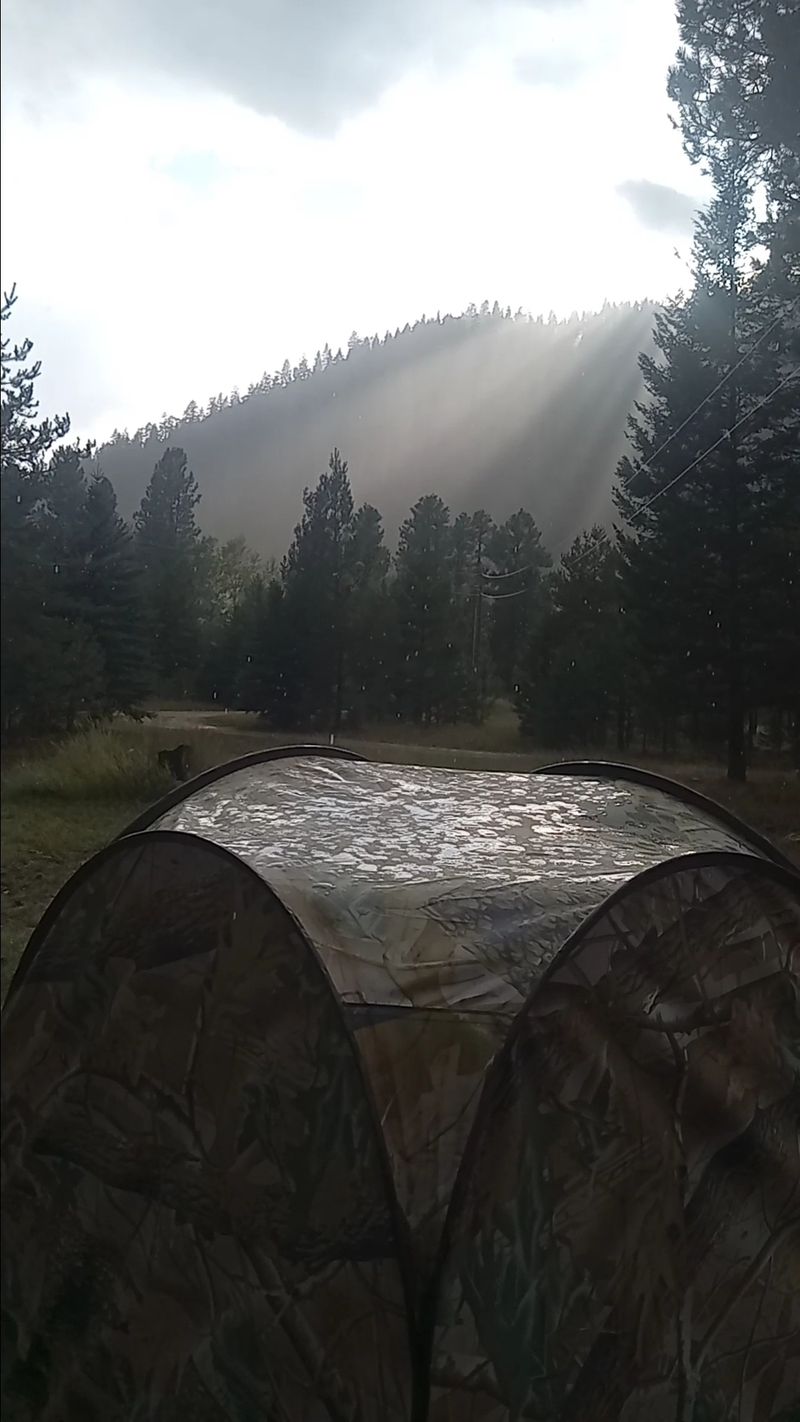
Settling into a campsite here feels like the forest has agreed to let you borrow a small corner of itself for a night or two. The campground offers 25 sites nestled within a western pine forest, each equipped with a picnic table and fire ring.
Six of those sites are reservable in advance, which is a smart move for anyone planning a Thursday through Sunday visit between Memorial Day and Labor Day.
Most sites accommodate RVs and trailers up to 25 feet, and a couple of spots stretch the limit to 35 feet for larger rigs. The campground is well maintained and consistently described as clean by visitors, with camp hosts on site during the season who know the surrounding area well and are genuinely helpful.
The primitive nature of the park means no potable water is available on site, so packing your own drinking supply is non-negotiable. Vault toilets are provided throughout the campground.
The park also follows a pack-in, pack-out policy for trash, and because bears are active in this area, proper food storage is required. Bear-resistant storage options are available if your vehicle is not hard-sided.
Wildlife Watching: What Roams, Soars, and Swims Around the Park
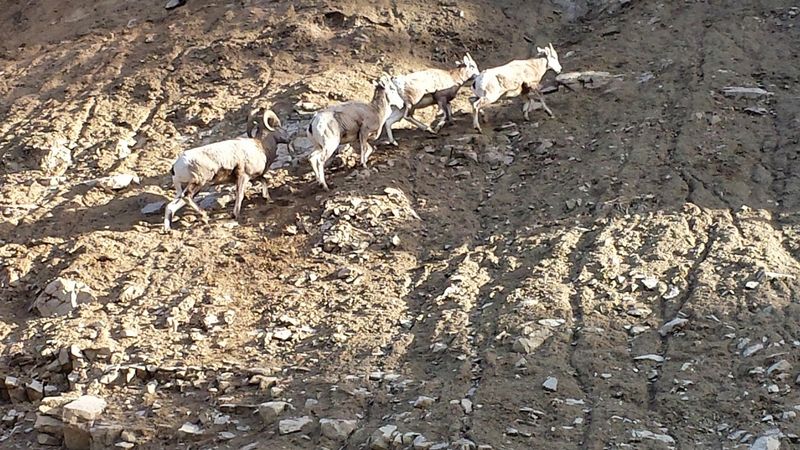
The remote setting of this park functions as a natural magnet for wildlife, and a slow morning walk along the reservoir’s edge can produce sightings that rival anything in a nature documentary. Elk are a common presence in the surrounding forest, often spotted grazing in meadows during the early hours.
Mule deer and white-tailed deer appear regularly, and black bear and moose sightings, while less frequent, are far from rare.
The 1980s brought successful reintroduction programs for both bighorn sheep and peregrine falcons to the Bitterroot region, meaning a scan of the rocky outcrops above the reservoir could reward you with a glimpse of either. Ospreys are a near-daily presence over the water, diving with precision for trout.
Great blue herons stand motionless along the shore with the patience of seasoned anglers, and bald eagles make regular appearances overhead.
During spring and autumn migrations, the reservoir becomes a resting point for various waterfowl, including loons, which have been spotted by cyclists and campers staying multiple nights. Birdwatchers will want to bring binoculars regardless of the season, because the variety of species passing through or residing here makes every visit a different experience.
The Best Times to Visit and What Each Season Actually Offers
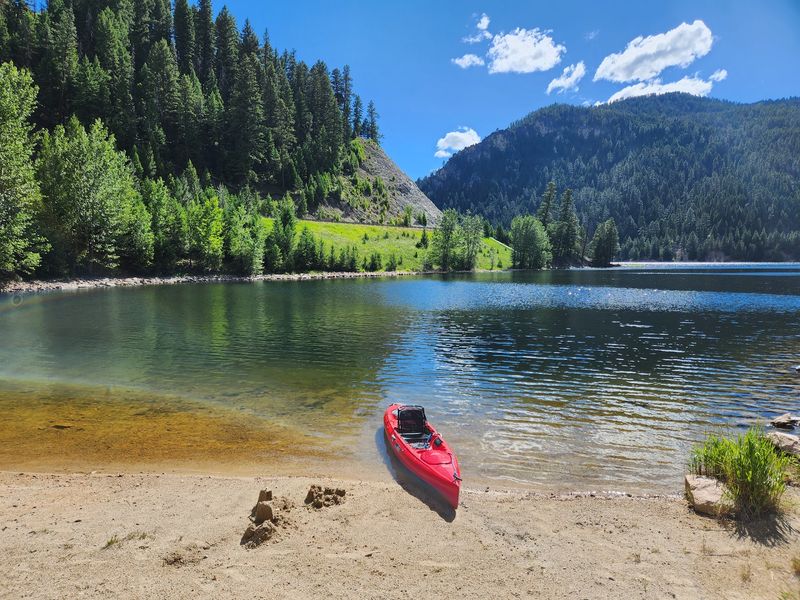
Planning a visit to Painted Rocks around the right season can transform a good trip into a great one. Summer, from June through early August, brings the warmest temperatures and the highest water levels, making it ideal for boating, swimming, and camping.
Daytime highs typically settle in the mid-70s to low-80s Fahrenheit, with long daylight hours that stretch outdoor time well into the evening.
Spring arrivals get the benefit of full reservoir levels and the return of migratory birds, plus noticeably fewer crowds than the summer peak. The fishing is often excellent in late spring when trout are active and the water is cold and clear.
Autumn offers a quieter, cooler atmosphere with good fishing conditions and the chance to see the reservoir at unusual low levels, which some visitors find fascinating in its own right.
Winter converts the park into a hushed, snow-covered retreat. The reservoir can freeze solid enough for ice fishing, and the surrounding forest becomes accessible for snowshoeing and cross-country skiing.
The park is open 24 hours year-round, so access is never blocked by a gate or schedule. Road conditions in winter should always be checked before heading out on West Fork Road.
Hiking and Backcountry Access Through the Bitterroot National Forest
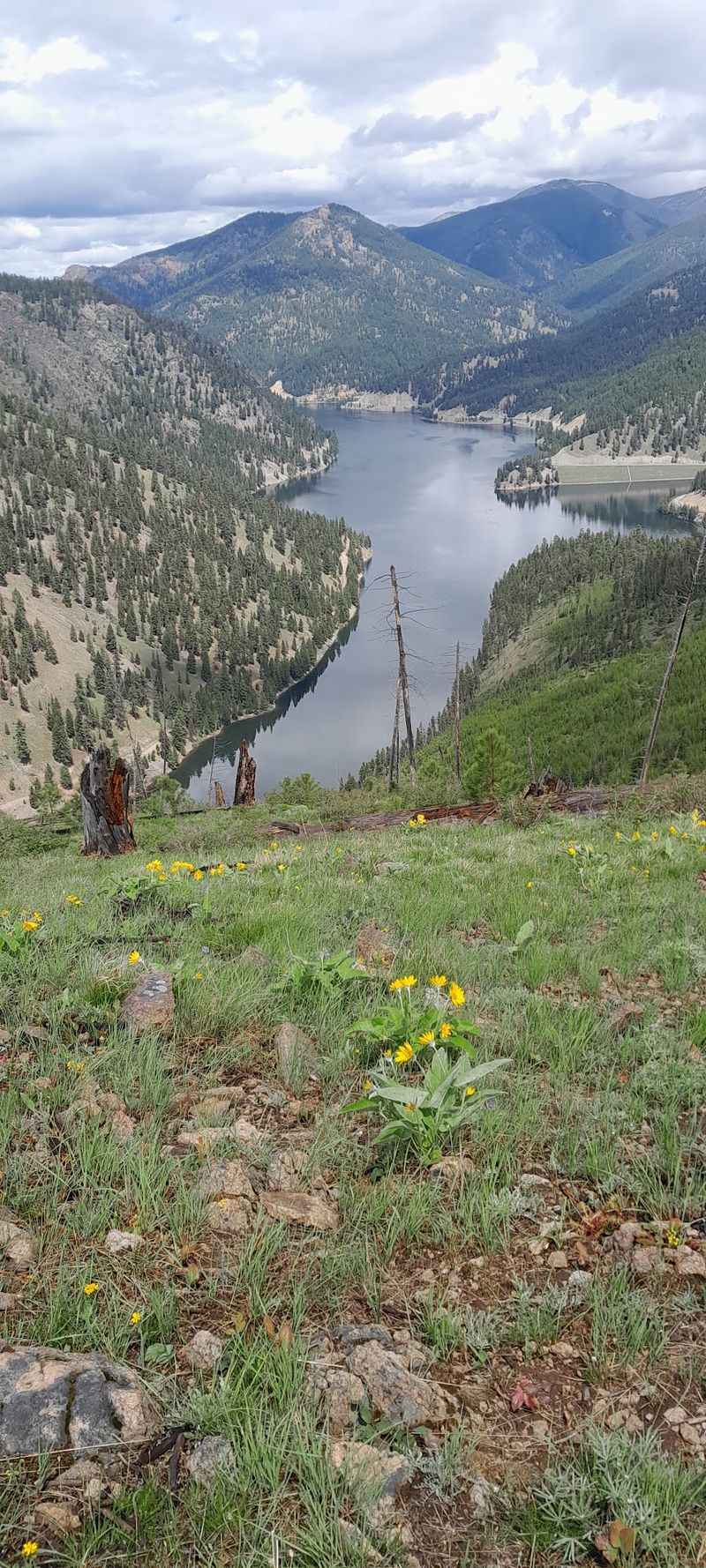
The park’s compact footprint of 23 acres does not limit the hiking options available to visitors, because Painted Rocks sits directly against the Bitterroot National Forest, which offers an enormous amount of trail access just beyond the park boundaries. Multiple trailheads near the reservoir provide entry points into forested terrain with varying levels of difficulty, from gentle shoreline walks to more demanding mountain routes.
Day hikes in the area tend to reward with reservoir overlooks and dense pine canopy that filters afternoon light into something almost cinematic. The terrain is rocky in places and the elevation gains can be noticeable, particularly for visitors coming from lower altitudes.
Off-highway vehicle riders will also find some approved trails in the surrounding national forest, though the steep and rocky character of many routes makes them better suited to experienced riders.
West Fork Road itself offers excellent scenic driving and can be enjoyed by cyclists willing to put in the miles for mountain views. The road is paved all the way to the park, which makes it more accessible than many similar destinations in Montana.
Winter brings snowshoers and cross-country skiers to the same trails that hikers use in warmer months, extending the outdoor calendar well beyond the summer season.
The Salish Heritage and Deep Human History of the West Fork Valley
The land around Painted Rocks Reservoir carries human stories that stretch back far longer than any dam or state park designation. For millennia, the West Fork Valley served as an integral part of the homeland of the Salish people, who relied on its forests, rivers, and meadows for sustenance and cultural practice.
Bitterroot, huckleberries, serviceberries, and trout were all central to life in this valley long before European contact.
The early 1800s brought a significant shift when fur trappers began moving through the region. By the 1820s, the West Fork had become an active corridor for both American and British fur trading companies, transforming the valley into a commercial thoroughfare that connected distant markets through one of Montana’s most rugged landscapes.
These layered histories sit quietly beneath the surface of every hike and every campfire.
Visitors who cycle or drive further up West Fork Road beyond the park can find additional historical points of interest, including the oldest standing building associated with the U.S. Forest Service and a large bison farm that has become a notable landmark in the valley.
Understanding this deeper context makes a visit to Painted Rocks feel less like a simple recreation trip and more like a genuine encounter with the long arc of human presence in Montana.
Fees, Facilities, and Everything Practical Before You Pack the Car
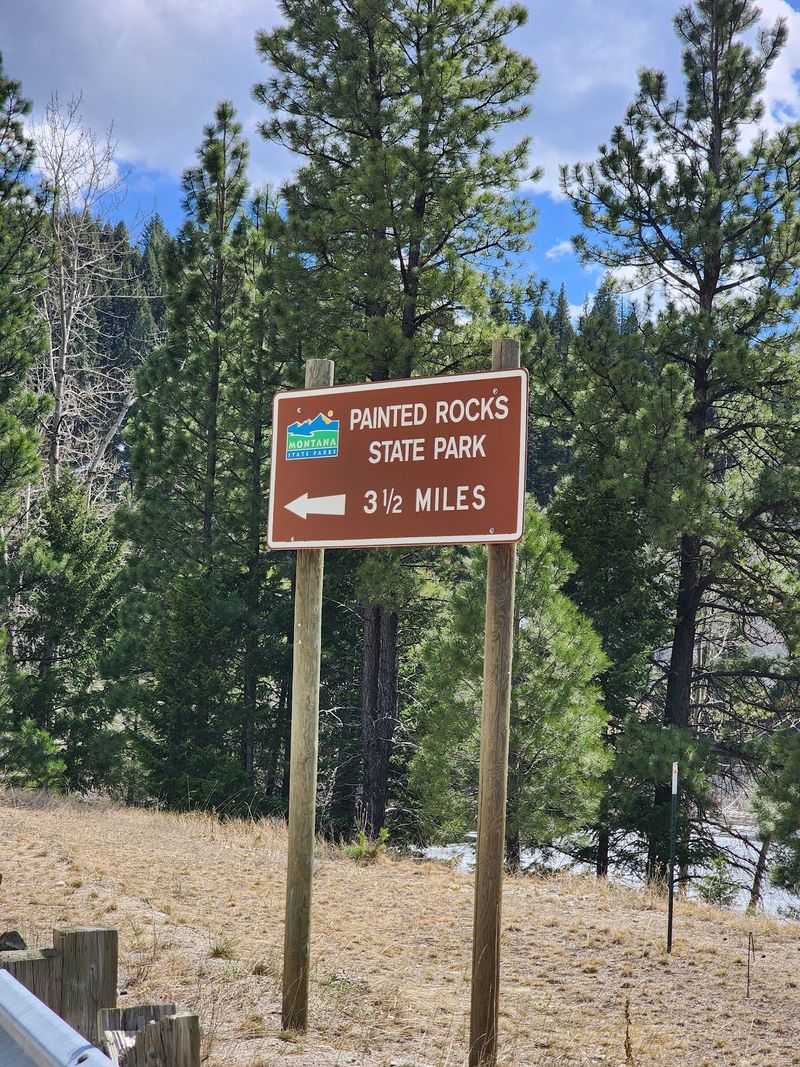
Getting the logistics right before heading to a remote park makes the actual visit far more enjoyable. Painted Rocks State Park is open 24 hours a day, every day of the year, with no locked gate or staffed entrance booth.
Montana residents who paid the state parks fee through their vehicle registration are exempt from the day-use fee. Non-residents pay a $5.00 day-use fee, which contributes directly to park maintenance and conservation.
Overnight camping fees apply separately, and reservations for six of the 25 sites can be made in advance through the Montana Fish, Wildlife and Parks system, which is strongly recommended for peak summer weekends. The park phone number is +1 406-273-4253, and the official website at stateparks.mt.gov/painted-rocks carries current fee schedules and reservation availability.
No potable water is available on site, and all trash must leave with you under the pack-in, pack-out policy. Vault toilets are the only restroom facilities.
The nearest town with fuel, groceries, and services is Darby, located about 22 miles northeast along West Fork Road. Stocking up before you make the turn onto Route 473 is a straightforward habit that prevents the kind of inconvenience that can derail an otherwise perfect Montana getaway.
Share this story