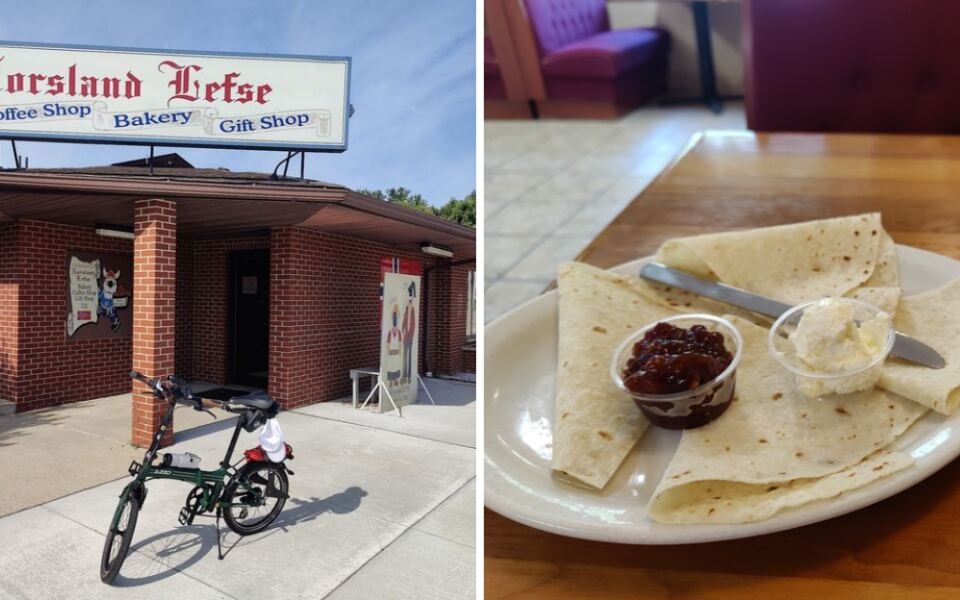
Somewhere in the bluff country of southeastern Minnesota, a small bakery has been quietly rolling out one of Scandinavia’s most beloved foods for over four decades. Most Americans have never heard of lefse, a soft, thin flatbread made from potatoes that has been a staple at Norwegian holiday tables for generations.
But at this little spot in Rushford, lefse is not just a seasonal treat. It is made fresh, sold daily, wrapped around savory fillings, and shipped across the country to people who grew up eating it at grandma’s table.
What started in 1983 as a small operation rooted in Norwegian-American heritage has grown into something that food lovers, road-trippers, and heritage seekers make special detours to visit. The story behind this place is more interesting than you might expect.
What Norsland Lefse Actually Is and Why It Matters
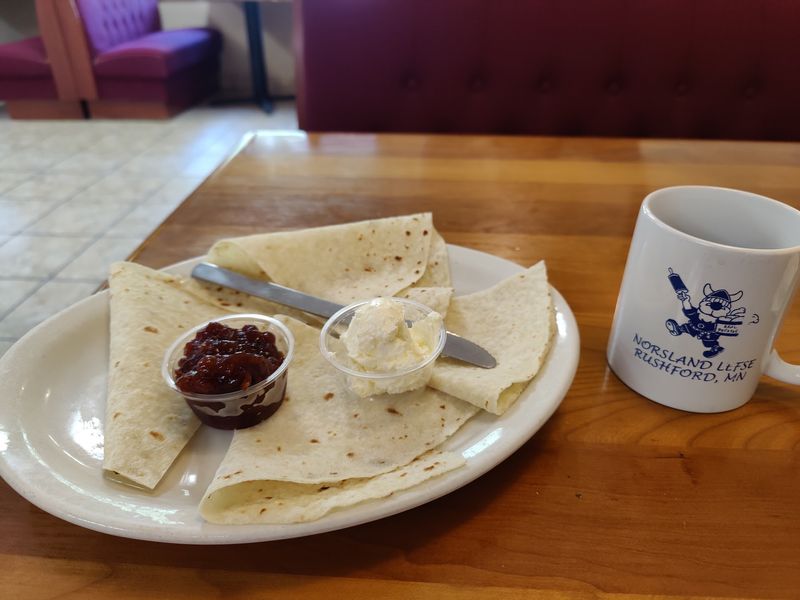
Most people outside the upper Midwest have no idea what lefse is, and that is exactly what makes Norsland Lefse such a surprising discovery. Lefse is a traditional Norwegian flatbread made primarily from potatoes, flour, butter, and cream.
The dough is rolled out into thin, round sheets and cooked on a flat griddle until soft and lightly spotted.
Unlike a tortilla, lefse has a delicate, pillowy texture and a mild flavor that works beautifully with both sweet and savory toppings. Norwegian families have passed down lefse recipes for centuries, and it remains deeply tied to holiday traditions, especially around Christmas.
Norsland Lefse, located at 210 W Jessie St, Rushford, Minnesota, has been keeping this tradition alive since 1983. The bakery produces lefse in a working production space that visitors can actually watch, making the whole experience feel genuinely hands-on and real.
The Small Town Setting That Makes the Visit Feel Special
Rushford sits tucked into the Root River valley in Fillmore County, a part of Minnesota known for its dramatic bluffs and winding rivers. The town itself is small and quiet, the kind of place where a locally owned bakery can anchor an entire community’s identity for decades.
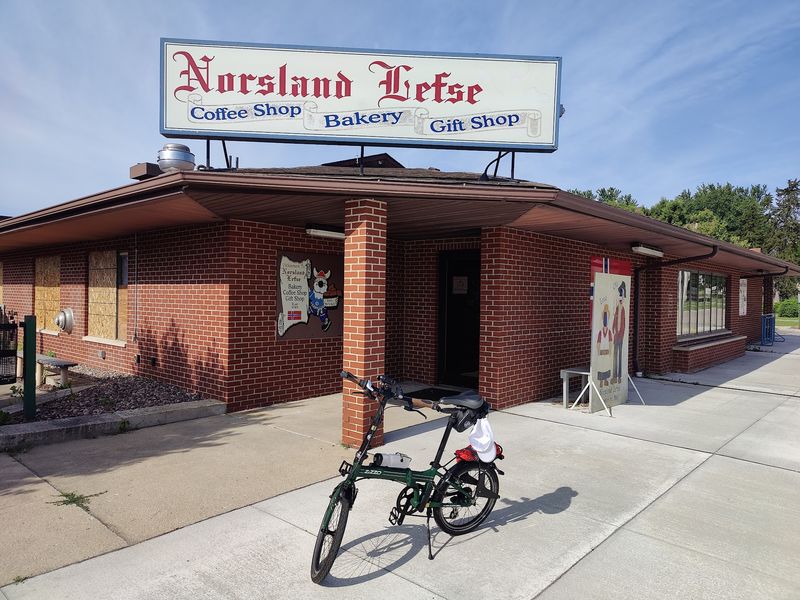
Pulling up to Norsland Lefse on West Jessie Street, you immediately notice how unpretentious the whole operation is. There is no flashy signage or trendy branding.
The building is modest, practical, and entirely focused on what happens inside.
That simplicity is part of the appeal. Visitors who make the drive through the river valley bluffs arrive expecting a specialty food stop and leave with a much richer sense of place.
The surrounding scenery of southeastern Minnesota adds a layer of natural beauty to the trip that makes the detour feel completely worthwhile even before you walk through the door.
Watching Lefse Being Made Right in Front of You
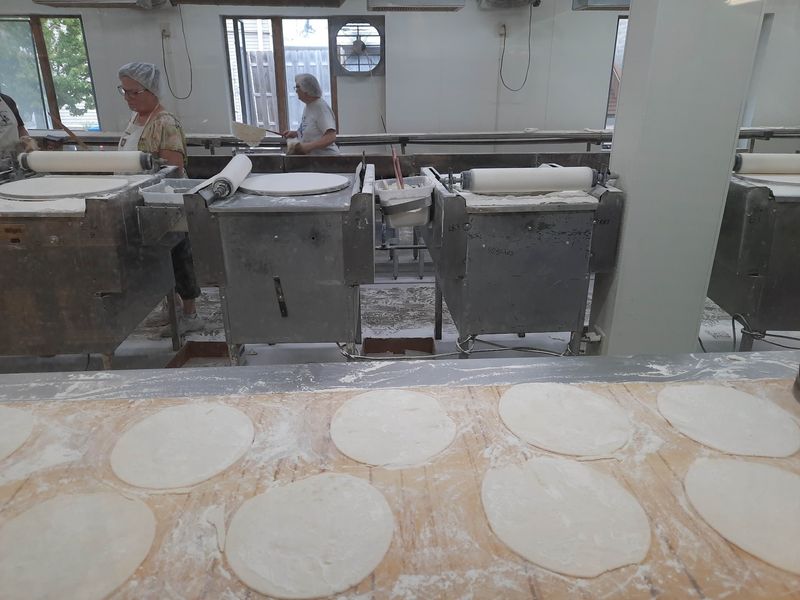
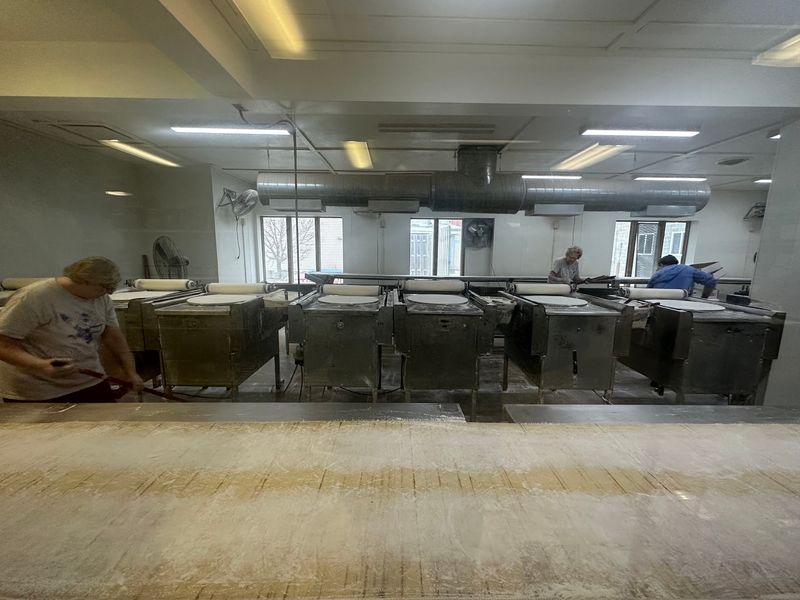
One of the things that separates Norsland from a typical bakery is the chance to watch lefse being made from scratch during production hours. The process is surprisingly physical and skillful.
Workers roll the potato-based dough into paper-thin rounds using a grooved rolling pin, then transfer each delicate sheet onto a hot griddle with a long wooden stick.
The rounds cook quickly, developing the soft texture and faint golden spots that lefse is known for. Watching it happen in real time gives you a completely different appreciation for how much technique goes into each batch.
It looks simple from a distance, but the thinness required and the speed needed to handle the fragile dough without tearing it takes real practice.
Visitors who arrive during production hours often describe it as the highlight of the stop, even more memorable than the eating, which is saying something given how good the lefse tastes.
The Breakfast Uffda Wrap That Surprises First-Timers
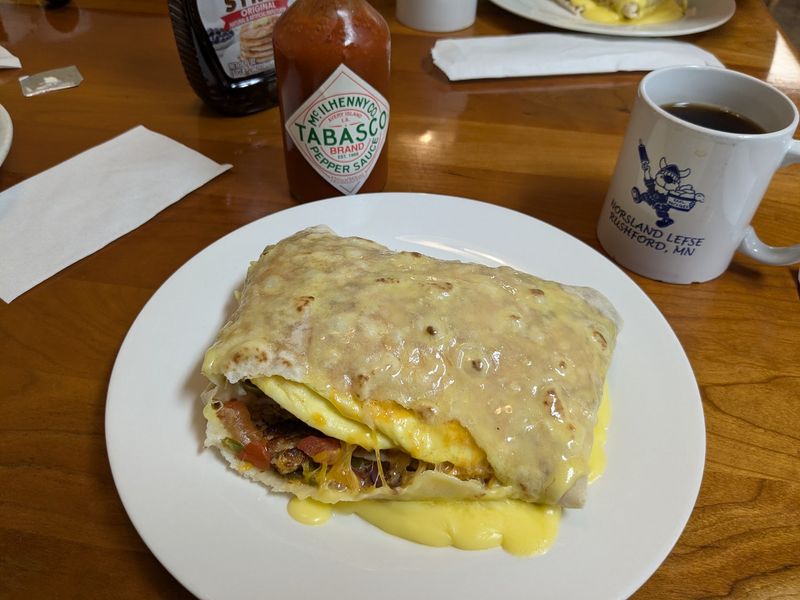
The word “uffda” is a classic Norwegian-American expression of surprise or mild exasperation, and it turns out to be the perfect name for one of Norsland’s most talked-about menu items. The Breakfast Uffda wrap uses lefse in place of a tortilla, filling it with eggs, bacon, and hollandaise sauce into something hearty enough to fuel a full morning of exploring the bluff country.
First-time visitors who are skeptical about lefse as a wrap base tend to become converts after one bite. The soft, slightly earthy flatbread holds everything together while adding a flavor that no flour tortilla could replicate.
The portion size is generous, and many visitors find it easily shareable.
For anyone who has only ever eaten lefse the traditional way with butter and sugar, the savory wrap format is genuinely eye-opening. It shows just how versatile this old-world flatbread can be in a modern cafe setting.
Savory Lunch Wraps That Prove Lefse Goes Beyond Dessert
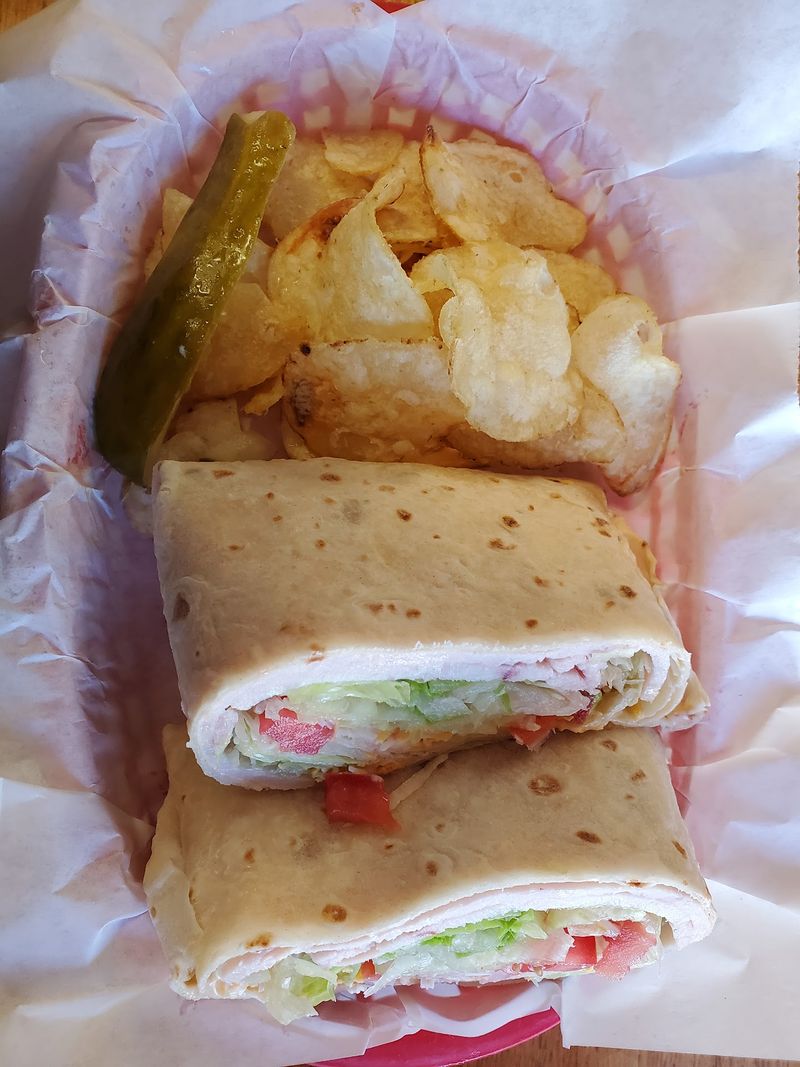
Beyond breakfast, Norsland’s lunch menu continues the theme of using lefse as a base for wraps that feel familiar yet completely different from anything you would find at a chain restaurant. Cold wraps featuring ham and turkey with chipotle mayo and slivers of red onion bring a subtle kick that balances nicely against the mild flatbread.
The combinations are simple by design. There is no attempt to overcomplicate things with trendy ingredients or elaborate presentations.
The focus stays on the lefse itself, letting the quality of the flatbread carry each dish rather than burying it under heavy sauces.
For visitors who are curious but uncertain about Norwegian food traditions, the lunch wraps are an approachable entry point. You are essentially eating a sandwich wrap, just one made with something far more interesting than standard bread.
That accessibility is a big reason why the cafe attracts food lovers well beyond the Norwegian-American community.
Lefse Pizza and Other Creative Takes on a Classic
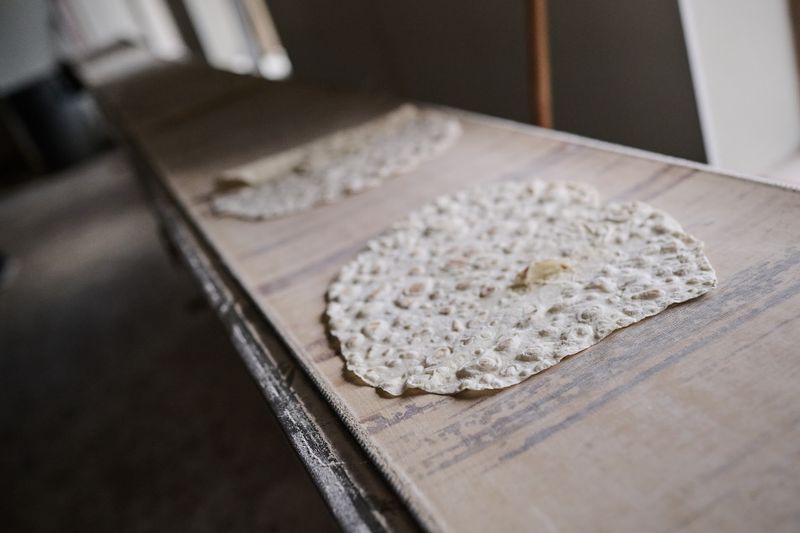
Not every item on the menu at Norsland stays strictly traditional, and that is part of what keeps repeat visitors coming back. Lefse pizza is one of those unexpected menu additions that sounds unusual until you actually try it.
The thin, flexible flatbread works surprisingly well as a pizza base, creating a lighter and more delicate version of something most people eat every week.
The texture of baked lefse under toppings is different from any standard pizza crust. It crisps slightly at the edges while staying tender in the center, giving each slice a character that stands completely on its own.
Visitors who order it on a whim often describe it as one of the more pleasant surprises of the meal.
That spirit of quiet experimentation reflects something genuine about the place. Norsland is not trying to be a trendy restaurant.
It is just exploring what a truly exceptional flatbread can do when you get creative with it.
Traditional Sweet Lefse the Way Norwegians Have Always Eaten It
For purists, nothing competes with lefse eaten the old-fashioned way. At Norsland, you can order lefse with classic toppings like butter, sugar, and lingonberry jam, keeping the experience as close to a Norwegian grandmother’s kitchen as you are likely to find anywhere in the United States outside of someone’s actual home.
Lingonberry jam brings a tart brightness that cuts through the richness of the butter beautifully. The combination sounds simple, but the quality of the lefse itself makes all the difference.
When the flatbread is fresh, properly thin, and cooked with care, even a minimal topping becomes something memorable.
Many visitors who grew up eating lefse at holiday gatherings say that Norsland’s version comes closer to their family recipe than anything they have found commercially. That is a meaningful compliment in a food tradition where personal memory and heritage are deeply intertwined with every single bite.
The Gift Shop Full of Norwegian-American Treasures
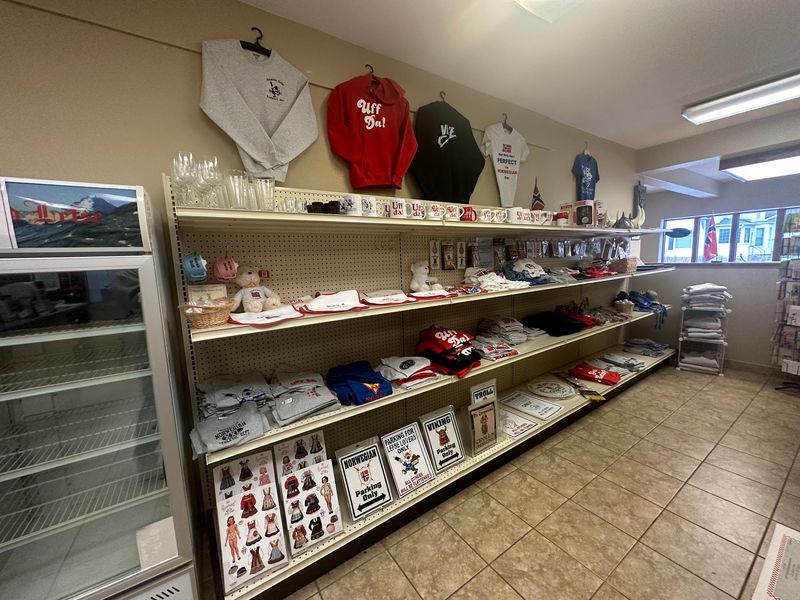
Beyond the cafe and production area, Norsland has a gift shop that leans fully into Norwegian-American culture with a cheerful, unpretentious energy. Uff Da merchandise, Scandinavian-themed items, and regional specialty foods fill the shelves, making it easy to spend more time browsing than you originally planned.
Unusual jams like dandelion and corn cob varieties catch the eye of visitors who have never seen them before. Packaged lefse is available to take home or ship, and baked goods from the case near the front make excellent road snacks for the drive back through the river valley.
The scones in particular earn consistent praise from visitors who grab them on the way out.
The gift shop feels like a natural extension of the whole experience rather than an afterthought. Everything in it connects back to the cultural identity that Norsland has been building since 1983, giving visitors something tangible to carry home beyond just a full stomach.
Shipping Lefse Across the Country to Loyal Customers
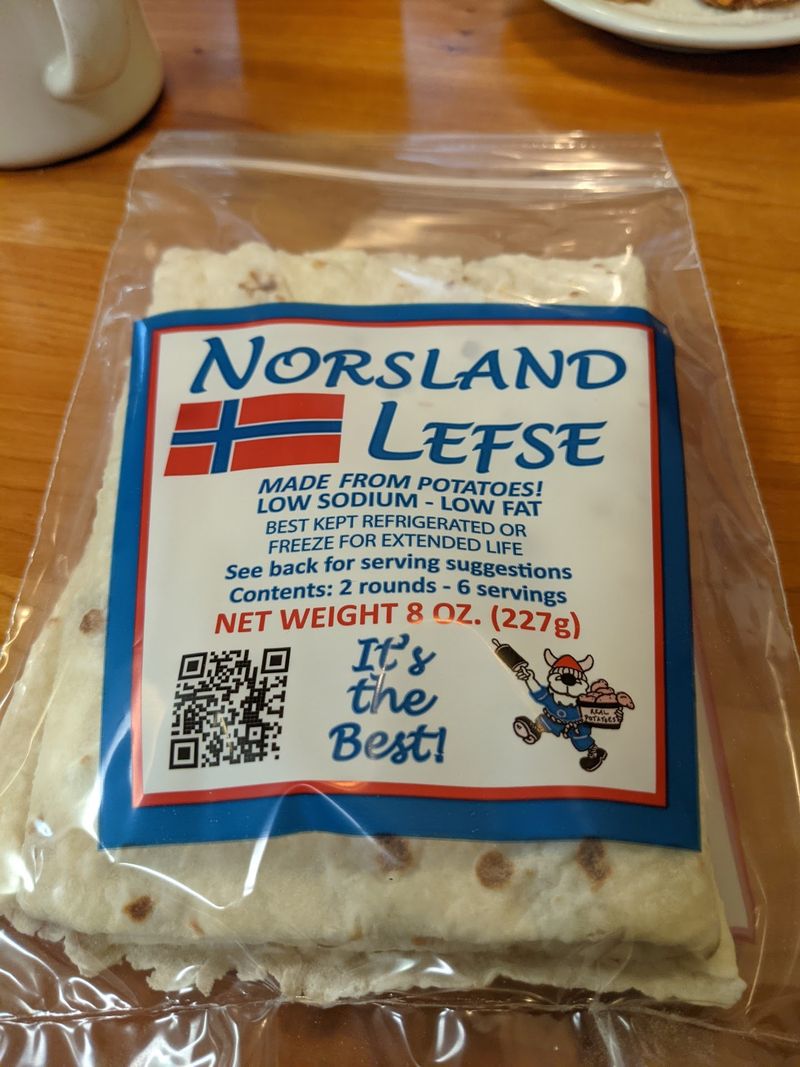
Norsland Lefse does not limit itself to walk-in customers. The bakery ships its products across the country, bringing fresh lefse to Norwegian-Americans living far from the upper Midwest who grew up eating it and cannot easily find it locally.
Orders have made their way to Texas, California, and beyond, arriving in good condition and ready to enjoy.
Shipping a product as delicate as lefse comes with real logistical challenges. The flatbread is thin and fragile, and how it is packaged matters enormously.
When orders arrive properly handled, customers describe the lefse as fresh and close to what they remember from home.
The mail-order business reflects just how strong the demand is for authentic lefse outside of Scandinavian-American communities in the Midwest. For many customers, ordering from Norsland is not a convenience purchase.
It is a way of maintaining a connection to cultural heritage across hundreds of miles and many years of family tradition.
The Norwegian Heritage Behind Every Batch
Lefse has been part of Norwegian culture for centuries, originally developed as a practical way to use leftover potatoes in a country where food preservation and resourcefulness were essential. When Norwegian immigrants settled across Minnesota, Wisconsin, and the Dakotas in the 1800s, they brought the recipe with them.
It became woven into the fabric of Scandinavian-American family life, especially around the holidays.
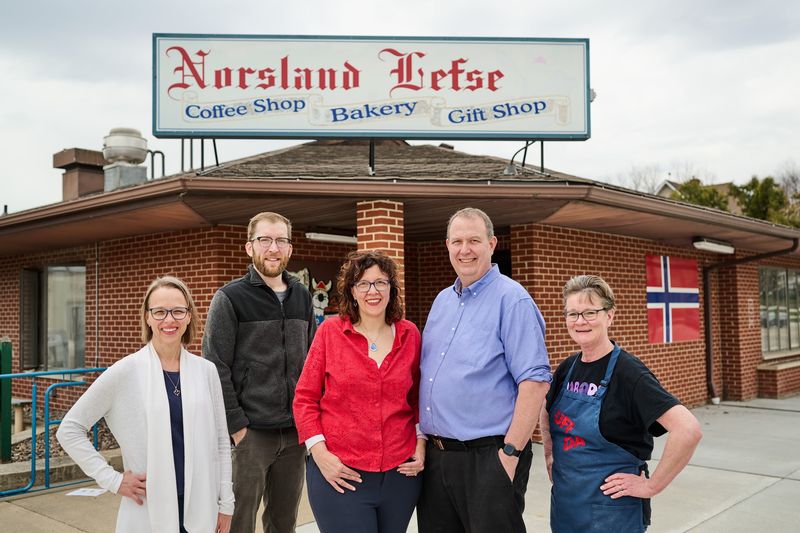
Norsland was founded in 1983 with the specific goal of keeping that tradition alive in a commercial but authentic form. The bakery did not try to modernize lefse into something unrecognizable.
It stayed faithful to the process, the ingredients, and the cultural meaning behind the food.
Staff members share the history of Norsland and lefse with visiting groups, turning a lunch stop into something genuinely educational. That storytelling dimension adds real depth to the experience and helps visitors understand why this small bakery carries more cultural weight than its modest size might suggest.
Hours, Timing, and Tips for Planning Your Visit
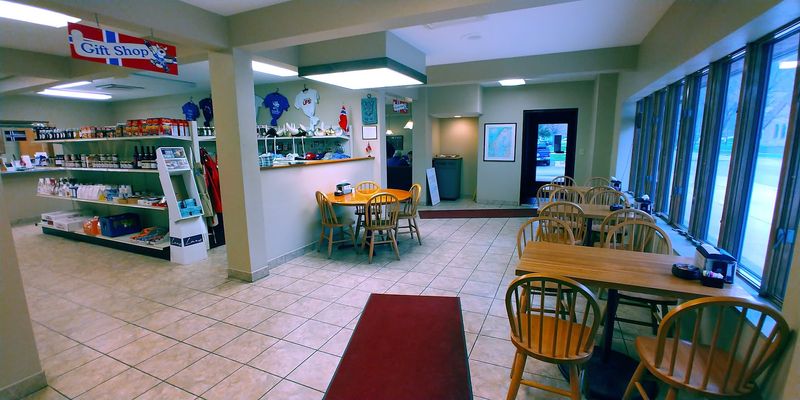
Norsland Lefse keeps limited hours, and knowing them before you make the drive is genuinely important. The bakery is open Monday through Friday from 9 AM to 1 PM and is closed on weekends.
Those short windows mean timing your visit carefully is essential, especially if you are traveling from more than an hour away.
Arriving earlier in the morning gives you the best chance of catching active lefse production and the freshest selection in the cafe and display case. Later arrivals closer to the 1 PM closing time may find a reduced selection, and the kitchen winds down earlier than the official closing time suggests.
The bakery is located at 210 W Jessie St in Rushford, Minnesota, and the surrounding area offers scenic drives along the Root River that make the trip worth extending into a half-day outing. Weekday visits during the spring and fall tend to offer a particularly pleasant experience given the natural beauty of the bluff country roads.
Why This Tiny Bakery Keeps Drawing People Back Year After Year
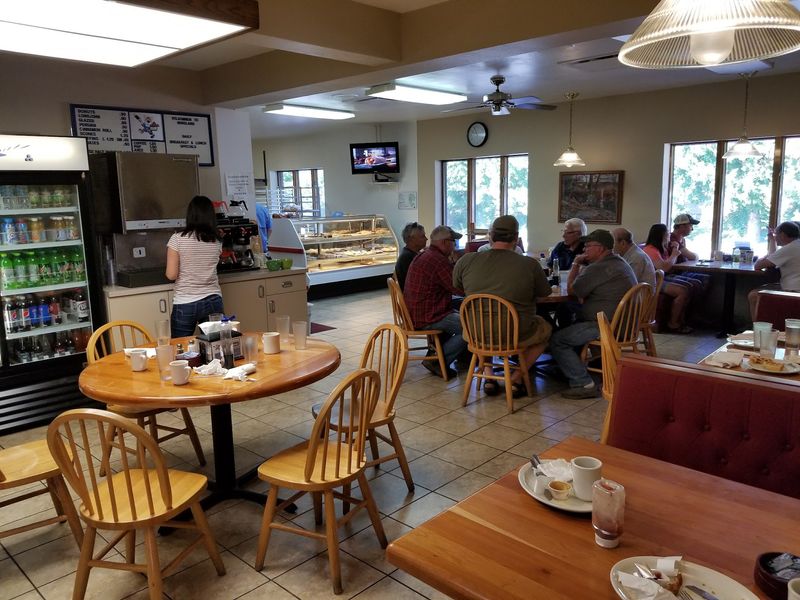
There is something about Norsland Lefse that is hard to fully explain until you have been there. The food is genuinely good, the heritage is real, and the production process is fascinating to watch.
But the thing that seems to bring people back repeatedly is the feeling that this place actually means something beyond just a meal.
Visitors traveling from California describe it as a vacation destination. People who grew up eating lefse in Norwegian-American households drive nearly 40 miles out of their way just to pick up a fresh batch.
Church groups stop in for lunch and leave with a history lesson they did not expect.
Norsland has been doing exactly what it set out to do in 1983, making authentic lefse and sharing Norwegian-American food culture with anyone curious enough to walk through the door. In a food world full of trends and reinvention, that kind of quiet consistency is genuinely rare and worth celebrating.
Share this story