America is home to an almost ridiculous number of lakes. Some states have thousands of them, and a few have so many that counting them all requires a serious commitment from state agencies and a very large spreadsheet.
Lakes shape local culture, drive outdoor recreation, and define entire regions in ways that coastlines and mountain ranges sometimes cannot. The tricky part is that not every state defines a lake the same way.
Some count only bodies of water above a certain size, while others include smaller ponds and reservoirs in their totals. That means comparisons are not always apples to apples, but the states on this list stand out no matter how you slice the numbers.
From a state with over three million lakes to one where a few hundred managed fishing waters still make a real splash, here is a look at the 15 U.S. states with the most documented lakes, ranked.
1. Alaska, More Than 3 Million Lakes
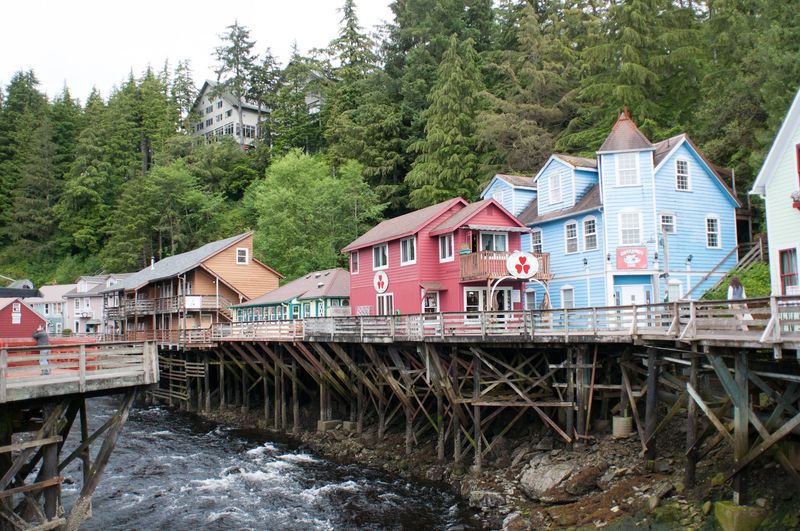
No other state on this list even comes close to competing with Alaska, which sits in a category entirely its own with more than 3 million lakes documented across its vast terrain.
Most of these waters are tucked into remote tundra, wetlands, and glacial landscapes that few travelers ever reach. Only about 3,197 of them have official names, which puts the sheer scale of the unnamed wilderness into perspective.
Iliamna Lake is the crown jewel, covering more than 1,000 square miles and ranking as the second-largest freshwater lake located entirely within the United States. It also serves as a critical nursery for the world’s largest sockeye salmon run.
Reaching most of Alaska’s lakes requires a boat or small aircraft, which only adds to their legendary appeal.
2. Wisconsin, About 15,000 Lakes
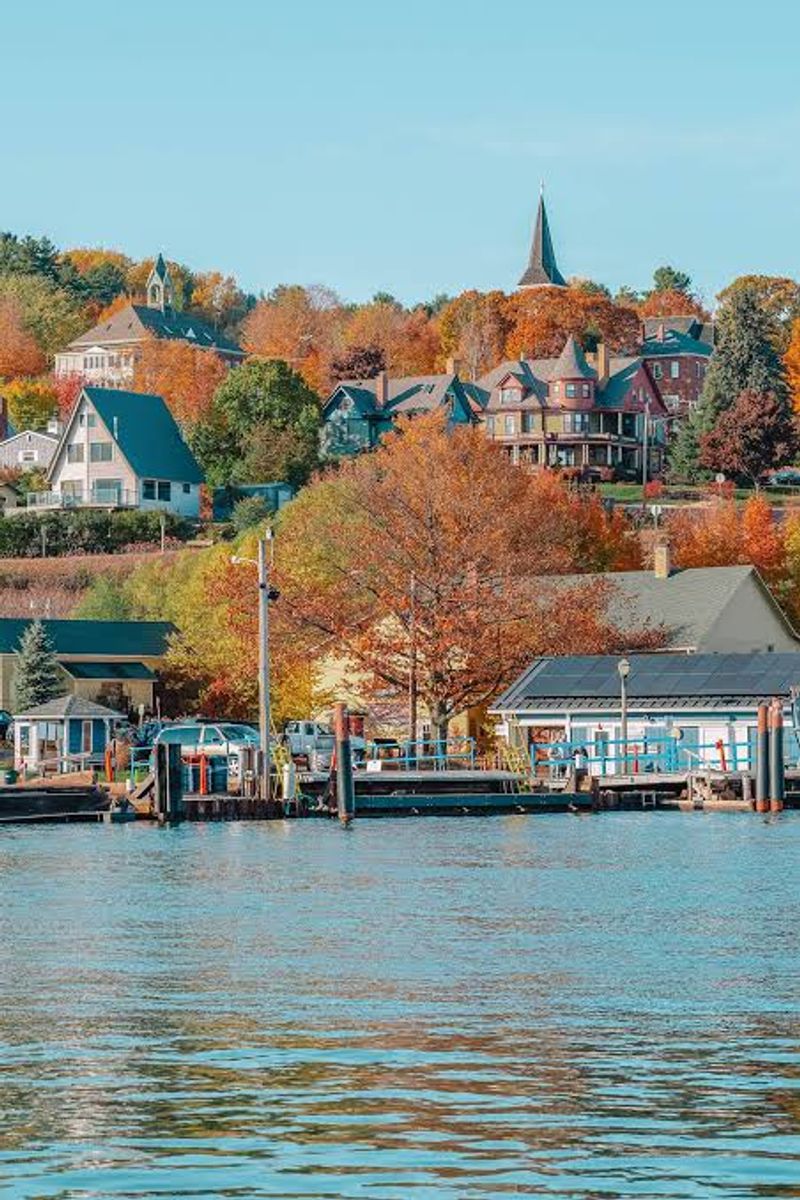
Wisconsin has built an entire cultural identity around its roughly 15,000 lakes, a number that its Department of Natural Resources calculates using a broader definition than some neighboring states apply.
That distinction matters when comparing Wisconsin to Minnesota, its longtime friendly rival in the lake-counting competition. Wisconsin’s method includes smaller water bodies, which inflates the total but also reflects the genuine abundance of water woven into the landscape.
Lake Winnebago anchors the southern part of lake country, while the Northwoods region up north is packed with waterfront cottages, fishing boats, and supper clubs that have been drawing summer visitors for generations. There is a wonderfully unhurried rhythm to a Wisconsin lake weekend, particularly when the only real agenda involves a dock, a tackle box, and absolutely nowhere urgent to be.
3. Minnesota, 11,842 Lakes of 10 Acres or Larger
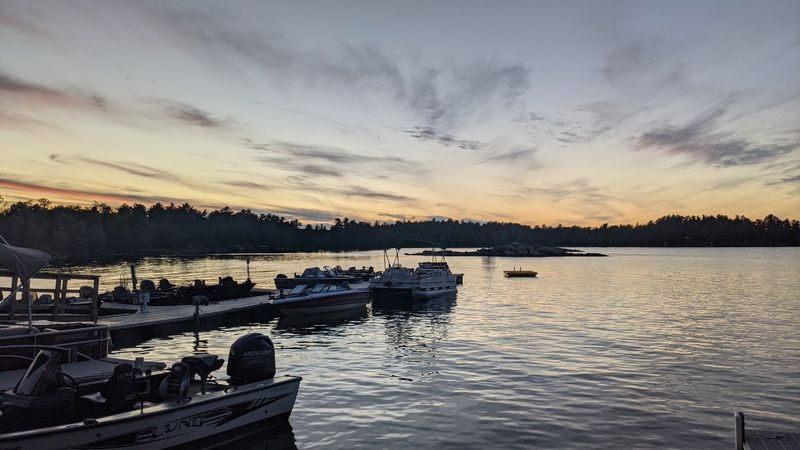
Minnesota’s famous nickname promises 10,000 lakes, but the Minnesota Department of Natural Resources has confirmed the actual count is 11,842 lakes measuring at least 10 acres each. The state undersold itself, which is honestly a rare move.
These lakes range from small forest-ringed retreats to massive waters like Red Lake, which covers more than 400 square miles. Boating, fishing, cabin weekends, and lake vacations are not just hobbies here.
They are practically institutions passed down through families like prized recipes.
Northern Minnesota is especially compelling, where lakes appear between long stretches of pine and birch forest and can make an ordinary road trip feel like a journey into genuine wilderness. The landscape there has a quiet consistency that keeps people coming back year after year.
4. Michigan, 10,899 Inland Lakes of 5 Acres or Larger
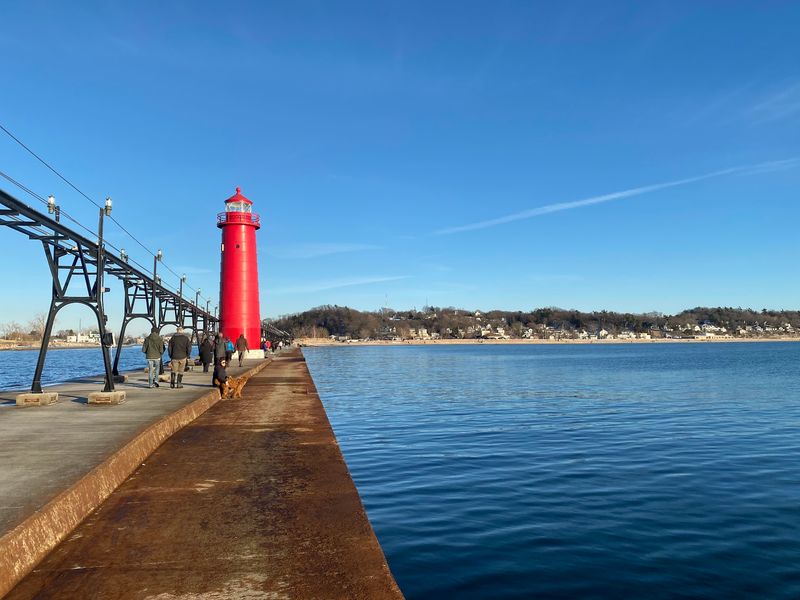
Michigan’s Department of Natural Resources counts 10,899 inland lakes of at least five acres, and that figure does not even touch the state’s remarkable relationship with four of the five Great Lakes surrounding its two peninsulas.
The result is a state where water is almost always within reach. Inland lakes offer everything from lively resort areas surrounded by vacation homes to quiet northern waters edged by dense forest.
The Great Lakes then add an entirely different dimension, with expansive beaches, towering sand dunes, historic lighthouses, and horizons that stretch far enough to make you forget you are looking at freshwater. Few states can match Michigan for the sheer range of ways a traveler can experience lakes, from a small inland fishing hole to a Great Lakes shoreline that rivals any ocean beach for drama and scale.
5. New York, More Than 7,500 Lakes and Ponds
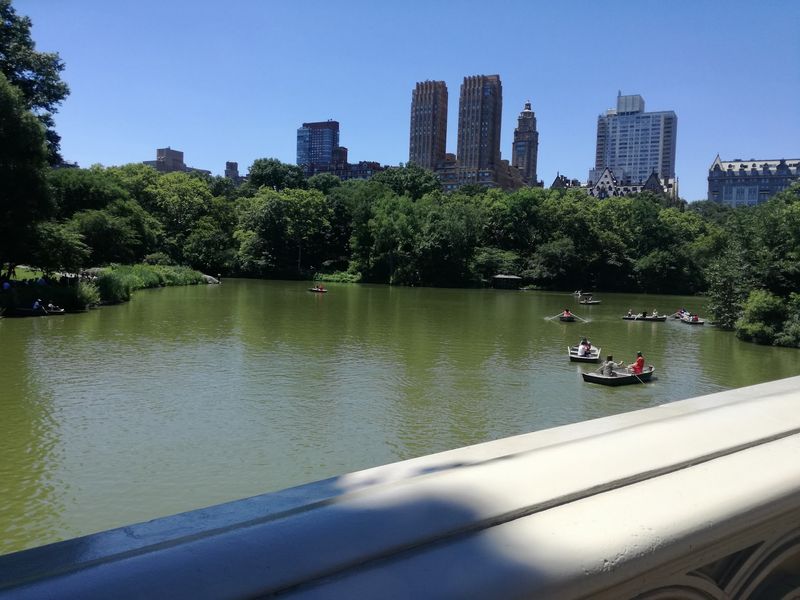
New York State officially records more than 7,500 lakes, ponds, and reservoirs, a number that tends to surprise travelers who associate the state mainly with its famous city and not its vast rural interior.
The Adirondacks alone contain an extraordinary patchwork of lakes and ponds, and the Finger Lakes carve out some of the most recognizable scenery in the entire Northeast. Lake George, Lake Placid, and Chautauqua Lake have each anchored their own traditions of summer travel stretching back well over a century.
Roughly four percent of the state’s listed lakes are man-made reservoirs, but the natural lakes are the real draw. Add approximately 70,000 miles of rivers and streams to the picture, and New York’s watery side becomes much harder to overlook for anyone planning a trip beyond the city limits.
6. Florida, About 7,700 Lakes Larger Than 10 Acres
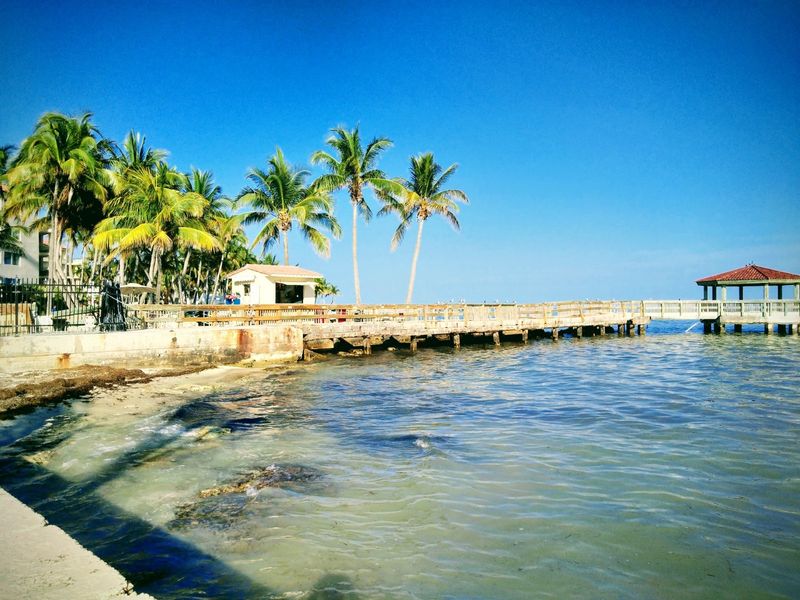
Florida’s Department of State reports approximately 7,700 lakes larger than 10 acres, which is a genuinely impressive number for a state that most people picture as beaches, theme parks, and ocean views.
These lakes have a character completely different from their northern counterparts. Cypress trees, subtropical vegetation, wading birds, and alligators give Florida’s lakes a distinctly Southern personality that rewards patient observers.
Lake Okeechobee dominates the map at roughly 730 square miles, making it the largest lake in Florida and the largest freshwater lake in the southeastern United States. Despite that enormous surface area, it averages only about nine feet deep, and its opposite shore is too far away to see from the water’s edge.
The name Okeechobee comes from the Seminole language and translates simply to “big water,” which is about as accurate as a name can get.
7. Maine, About 6,000 Lakes and Ponds
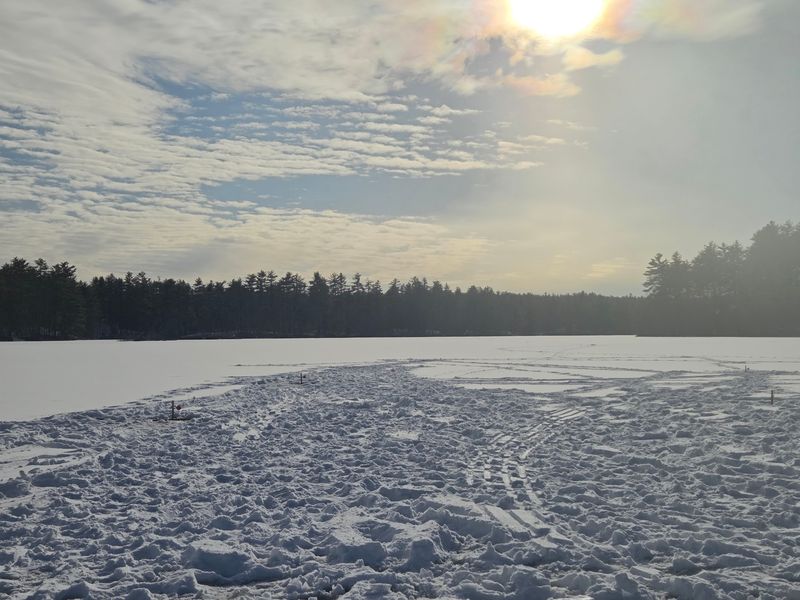
Maine’s state agencies commonly cite around 6,000 lakes and ponds, a remarkable concentration of freshwater packed into a state that most visitors know primarily for its rocky Atlantic coastline.
Moosehead Lake is the undisputed headliner, covering about 118 square miles and stretching roughly 40 miles long. Its outline on a map is said to resemble a moose’s head, and it features more than 80 islands, with Sugar Island being the largest.
The lake is also the source of the Kennebec River.
Beyond Moosehead, the classic Maine interior image comes into focus quickly: wooden docks, canoes, loons calling across still water, and cabins tucked among evergreens. For travelers chasing a genuinely old-school summer escape free of crowds and noise, Maine’s inland lake country delivers that experience more reliably than almost anywhere else in New England.
8. Colorado, More Than 4,000 Lakes and Reservoirs
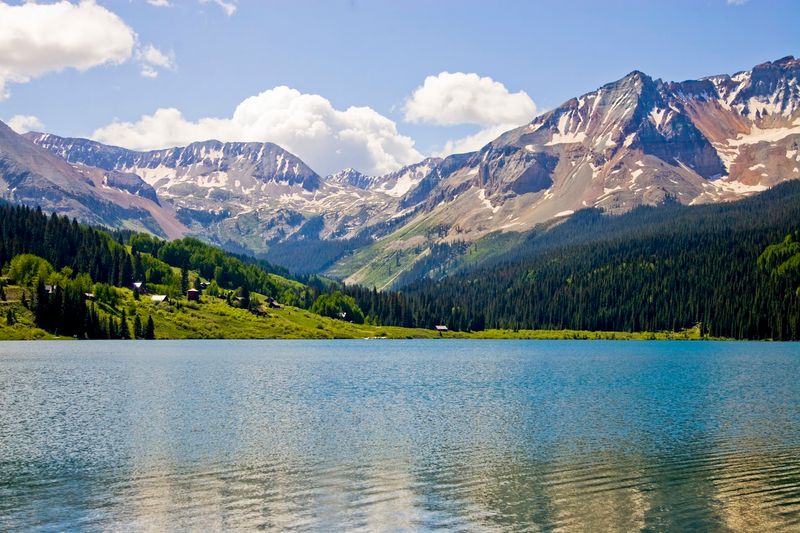
Colorado surprises a lot of first-time visitors by having more than 4,000 lakes and reservoirs scattered across a landscape most people associate with ski slopes and mountain trails rather than water.
Many of these are small alpine lakes tucked high in the Rockies, formed by glacial activity and sitting at elevations that make the surrounding scenery feel almost theatrical. Grand Lake offers a more accessible option for families and casual visitors, while remote alpine tarns reward hikers willing to put in serious mileage on the trail.
The elevation is what sets Colorado’s lake experience apart from most other states. A trail can wind through dense forest and then open suddenly onto a stretch of intensely blue water set beneath snow-dusted peaks, a transition that never gets old no matter how many times a seasoned hiker has seen it.
Colorado’s mountain lakes tend to stick in the memory.
9. Massachusetts, More Than 3,000 Lakes and Ponds
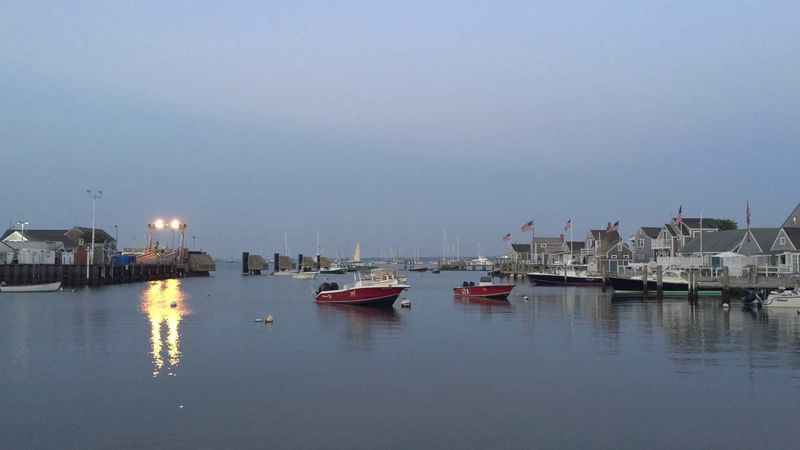
Massachusetts packs more than 3,000 lakes and ponds into a state small enough to drive across in a few hours, which makes its freshwater density genuinely impressive by any measure.
Cape Cod is dotted with kettle ponds, bowl-shaped lakes formed thousands of years ago when glaciers retreated and left behind chunks of ice that eventually melted into depressions in the sandy landscape. Central and western Massachusetts offer wooded lakes that feel surprisingly secluded given how densely populated the state is overall.
Walden Pond carries the greatest literary fame thanks to Henry David Thoreau, but it represents only a tiny slice of a much larger freshwater picture. Visitors who venture beyond the usual coastal destinations often find that Massachusetts has a quieter, more introspective side best experienced from a canoe or a lakeside trail somewhere in the forested interior.
10. Montana, More Than 3,000 Lakes
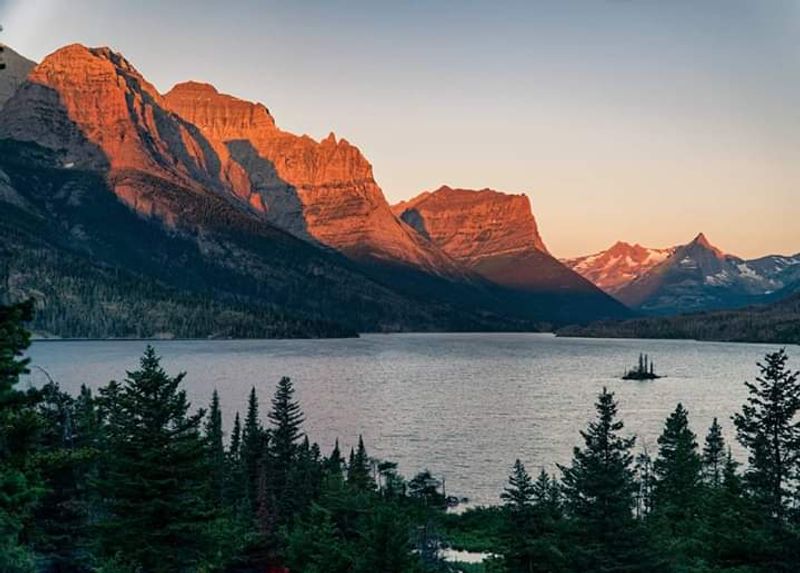
Montana’s governor has cited more than 3,000 lakes across the state, waters that serve recreation, wildlife habitat, and water storage in roughly equal measure across a landscape that rarely does anything on a small scale.
Flathead Lake is the standout, stretching approximately 30 miles long and 16 miles wide and covering 197 square miles of northwestern Montana. It ranks as the largest natural freshwater lake by surface area in the western United States outside of Alaska and is widely considered one of the cleanest lakes anywhere in the world, with its water fully replenishing every two to three years through snowmelt and glacial runoff.
Glacier National Park and surrounding wilderness areas add more clear mountain lakes to the collection, each framed by some of the most dramatic peaks in the country. Even smaller Montana waters tend to look enormous when the surrounding scenery provides that much context.
11. California, About 3,000 Lakes
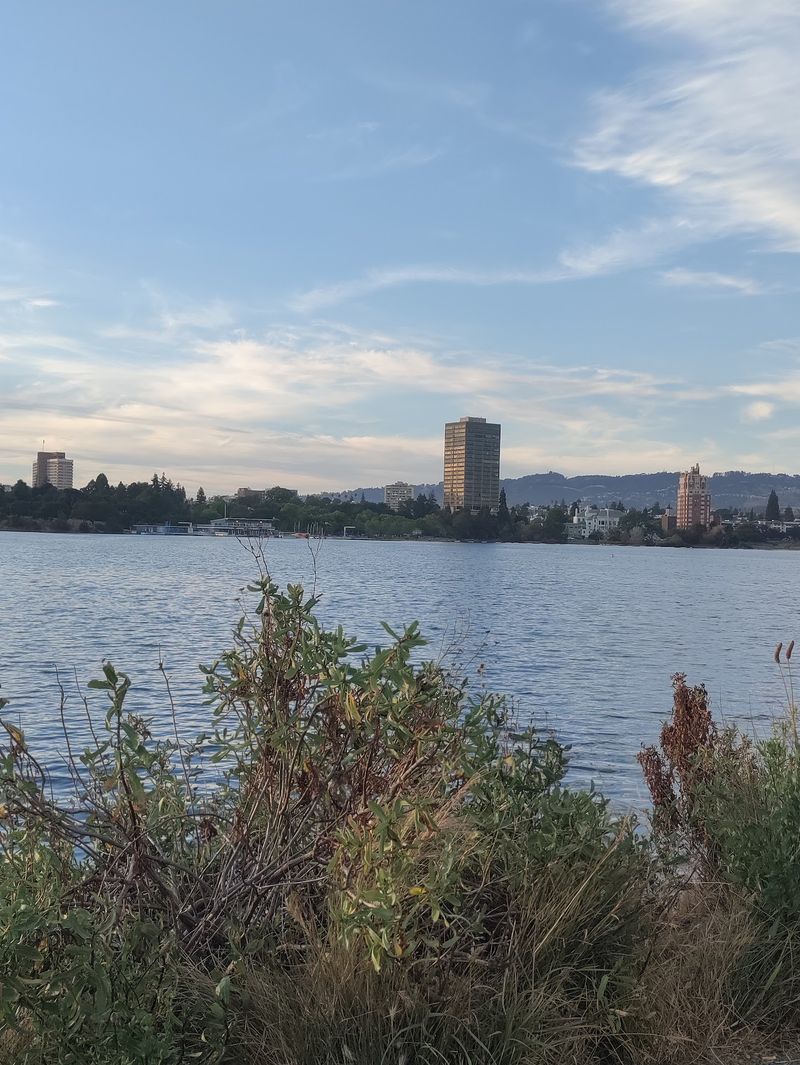
California’s State Water Resources Control Board estimates approximately 3,000 lakes across the state, but the raw number undersells what is actually on offer here. The variety of these aquatic environments is what really sets California apart.
Lake Tahoe straddles the California-Nevada border and regularly steals the spotlight. It ranks as the largest alpine lake in North America and the second-deepest lake in the United States, plunging to a maximum depth of 1,645 feet.
Its water is 99.994 percent pure, and visibility can reach 75 feet below the surface on a clear day.
Beyond Tahoe, California offers enormous reservoirs, volcanic lakes, high Sierra Nevada alpine waters, and desert lakes that look completely out of place in the surrounding landscape. A lake trip here can shift from granite peaks to volcanic terrain to high desert scenery in a surprisingly short drive, which keeps things interesting.
12. Idaho, More Than 2,000 Lakes
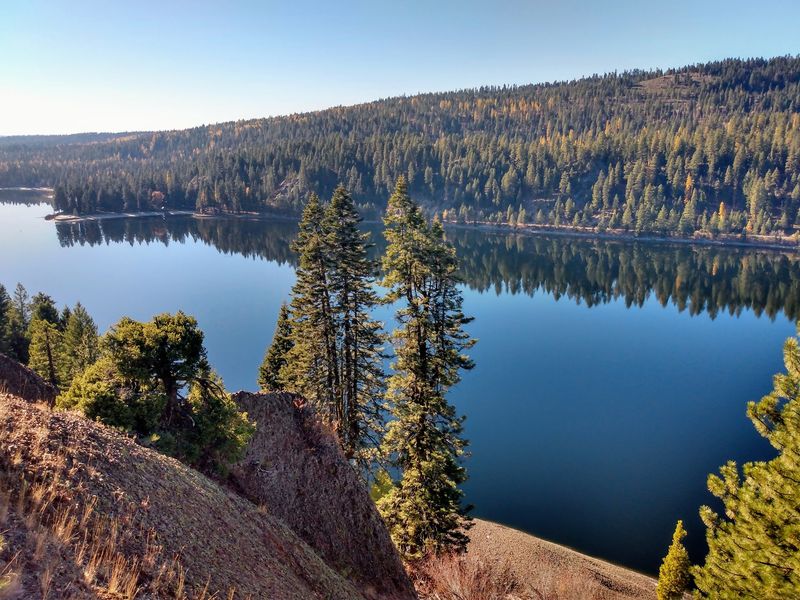
Idaho does not always get the lake-country credit it deserves, but with more than 2,000 lakes concentrated largely in mountainous regions shaped by ancient glacial activity, the state makes a very strong case for itself.
Lake Pend Oreille is the clear standout, covering approximately 148 square miles and reaching extraordinary depths that have made it a useful testing ground for the U.S. Navy’s acoustic research programs over the years.
The lake’s combination of size and depth gives it a presence that feels closer to a Great Lake than a typical mountain water body.
Farther into the mountains, smaller alpine lakes offer a quieter side of Idaho’s freshwater landscape, often reached by trails winding through dense forest and beneath rugged ridgelines. The scenery in Idaho’s lake country is genuinely competitive with Minnesota and Maine, even if the state rarely gets mentioned in the same breath.
13. Oregon, About 1,400 Named Lakes
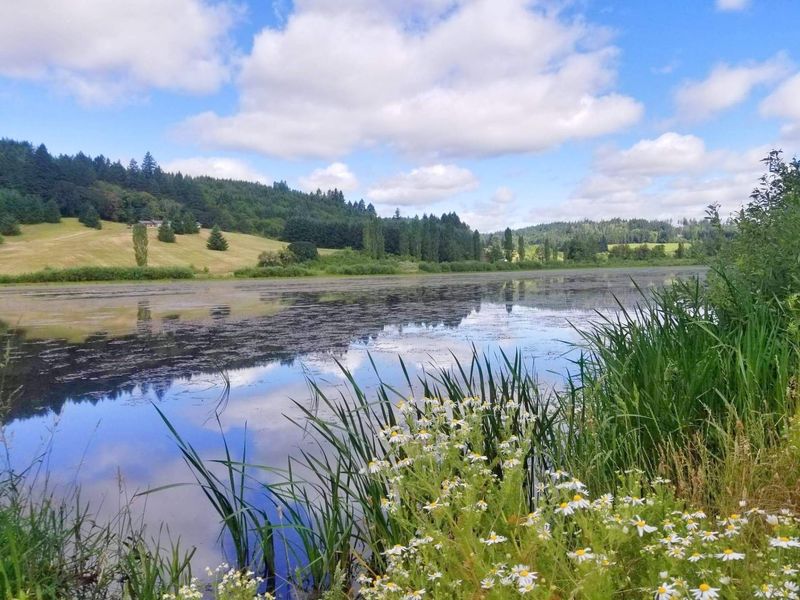
Oregon has approximately 1,400 named lakes plus thousands of additional ponds and reservoirs, but one of them so thoroughly dominates the conversation that the others rarely get a fair hearing.
Crater Lake is the deepest lake in the United States, reaching 1,949 feet at its maximum depth. It formed around 7,700 years ago after the collapse of Mount Mazama volcano.
No rivers flow in or out. The lake is replenished entirely by rain and snowfall, which contributes to its extraordinary clarity, with visibility measurements reaching up to 134 feet.
A full-sized tree nicknamed the “Old Man of the Lake” has been floating upright in its waters for more than a century.
Beyond Crater Lake, Oregon’s Cascades, high desert, and forested interior contain plenty of other memorable waters worth seeking out. The state’s diverse geography means a lake trip can shift from snowcapped peaks to volcanic terrain in a surprisingly short drive.
14. New Hampshire, Approximately 1,000 Lakes and Ponds
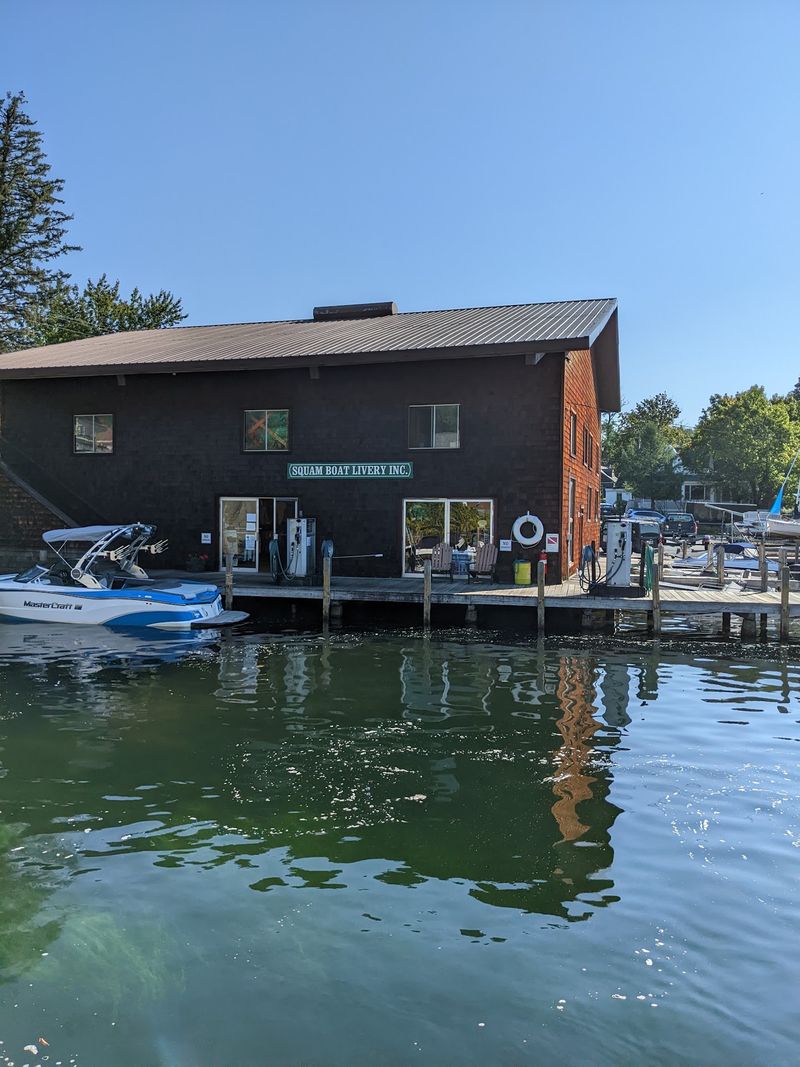
New Hampshire may be compact in size, but it fits approximately 1,000 lakes and ponds inside its borders with the efficiency of a state that knows exactly how to make the most of its geography.
Lake Winnipesaukee reigns as the largest lake in the state and the second largest in all of New England. It stretches up to 27 miles long, contains at least 264 islands, and reaches maximum depths of around 213 feet.
Its Native American name translates to “Smile of the Great Spirit” or “Beautiful Water in a High Place,” both of which feel accurate on a clear summer afternoon.
Smaller lakes throughout the state offer a more intimate version of the same New England experience, especially in autumn when surrounding forests shift to red, orange, and gold. Lake cottages have been a cornerstone of New Hampshire’s vacation culture for generations, and that tradition shows no signs of fading.
15. North Dakota, More Than 440 Managed Fishing Waters
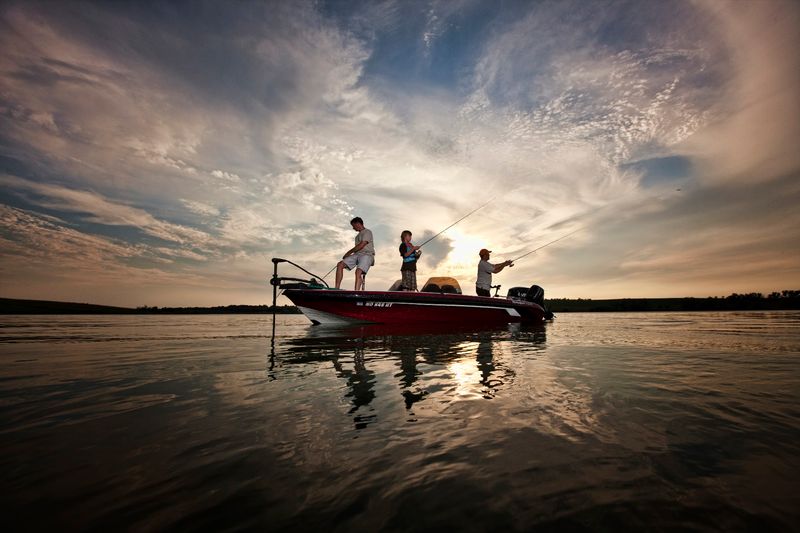
North Dakota is the hardest state on this list to rank directly because its lake numbers shift considerably depending on the definition being used. The North Dakota Game and Fish Department lists more than 440 fishing waters with public access and active fisheries management.
Devils Lake is the best-known destination and the largest natural lake in the state. As a closed-basin lake with no natural outlet, its water levels have fluctuated dramatically over time.
Native Americans historically called it “Spirit Water” due to its brackish mineral content. Today it is celebrated as the Perch Capital of the World and ranks among the top five fishing lakes in the country for walleye, northern pike, and white bass.
Lake Sakakawea provides a completely different experience on a vast Missouri River reservoir with more than 1,300 miles of shoreline. Together, these two waters anchor a surprisingly strong lake recreation identity for a state that rarely appears on the typical lake-country radar.
Share this story