Some of the most fascinating history in Massachusetts hides behind old brick walls and towering smokestacks that most people drive right past. These towns built the machines, spun the cloth, and made the paper that helped launch America’s Industrial Revolution, and the proof still stands in weathered granite and rows of factory windows.
If you love spotting stories that most folks overlook so close to home, this list is for you. Walking these streets feels like flipping through a history book you can actually touch.
Here are 11 mill towns that once ran the country’s factories and still carry that hard-earned character today.
1. Lowell, Massachusetts
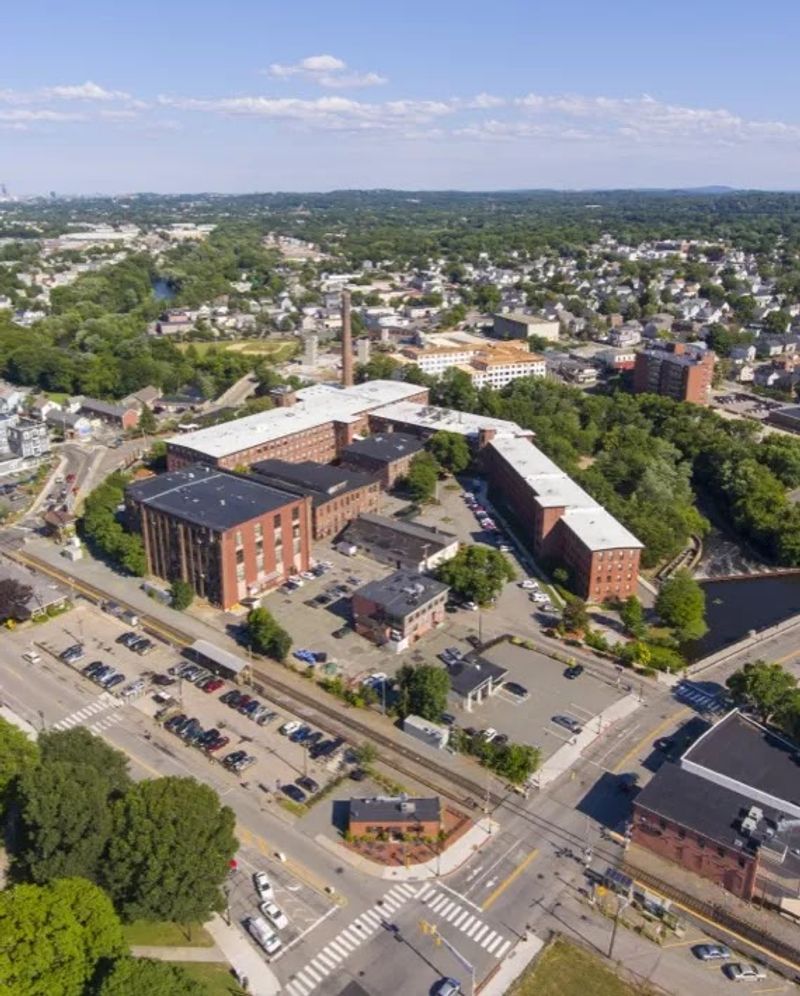
Often called the birthplace of the American Industrial Revolution, this Merrimack River city was built on purpose. Planners laid it out as the country’s first major planned industrial mill community, complete with a network of power canals.
Miles of water-powered cotton mills once turned this into the premier textile center of the 19th century. The scale of it all is still visible today.
Multi-story red-brick complexes, historic smokestacks, and operating canal gatehouses line the waterways. You can trace how the Pawtucket Canal fed the machinery that clothed a growing nation.
What sets this town apart is how completely the industrial bones survived. The mills were not knocked down and forgotten, they became the backdrop for the whole city.
For anyone curious about where American manufacturing really began, this is the place to start.
2. Lawrence, Massachusetts
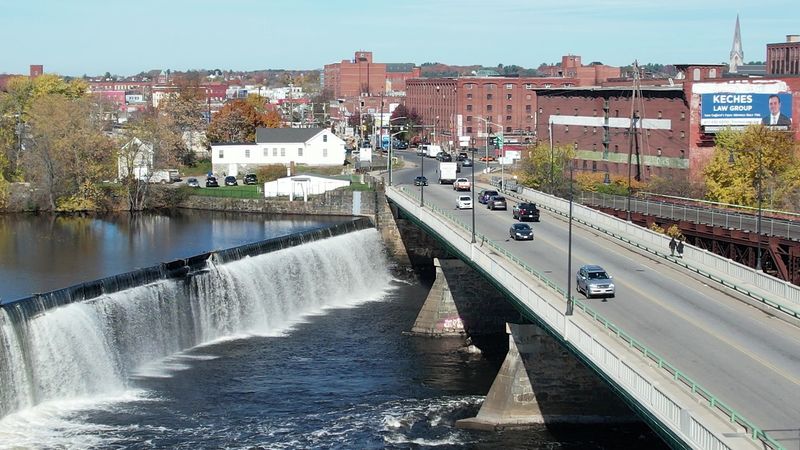
Rising from the 1840s as another planned textile city, this place made its mark on wool rather than cotton. Builders anchored the whole operation to the Great Stone Dam across the Merrimack River.
The dam harnessed the water that powered mammoth facilities, including the Ayer and Wood Worsted Mills. Woolen and worsted cloth poured out of these factories and helped clothe the country.
The industrial skyline here still stops you in your tracks. Soaring brick factory walls and mill towers rise over working-class urban streets that have kept their gritty character.
What makes this town different from its river neighbors is its focus on wool production at a truly enormous scale. The buildings were designed to hold rows upon rows of machinery.
Walk the streets and you get a real sense of a city built almost entirely around its mills.
3. Holyoke, Massachusetts
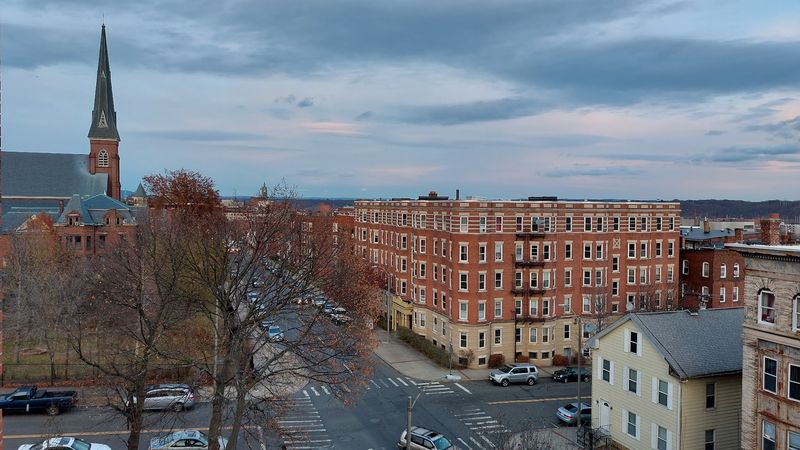
Nicknamed the Paper City, this planned industrial community was designed around something clever. Engineers built a three-tiered canal system fed by the Connecticut River to squeeze power from the same water over and over.
At its peak in the late 19th and early 20th centuries, the town produced most of the nation’s writing paper. Silk textiles rolled out of its factories too.
The downtown grid still shows the plan clearly. Heavy brick paper mills, hydro-turbines, and canal infrastructure line the streets in an orderly pattern that reflects careful engineering.
What separates this town from the cotton and wool cities is its paper legacy. The canals were the whole point, a stacked water system unlike anything else in the region.
For fans of clever old engineering, the layered canals here are worth studying up close.
4. Fall River, Massachusetts
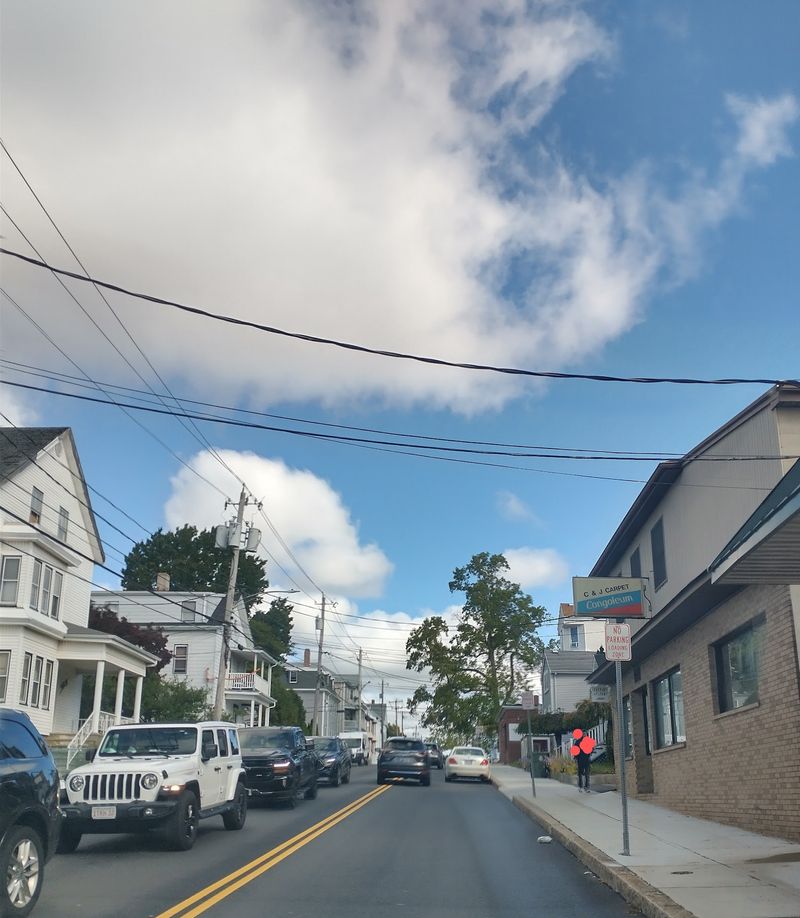
Granite is the story here, and it shows in every direction. The steep, fast-flowing Quequechan River powered a manufacturing city that once led the entire United States in cotton cloth.
By the late 19th century, more than 100 textile mills were running at the same time. That kind of concentration made this one of the busiest cotton centers in the country.
Instead of the red brick you see elsewhere, the mills here were built from imposing native granite blocks. Towering granite smokestacks still rise across the city.
The dark, solid stone gives the whole place a look you will not find in the other mill towns. It feels sturdy and permanent.
If you want to see how a river’s steep drop was turned into industrial muscle, this granite city makes the case in stone.
5. New Bedford, Massachusetts
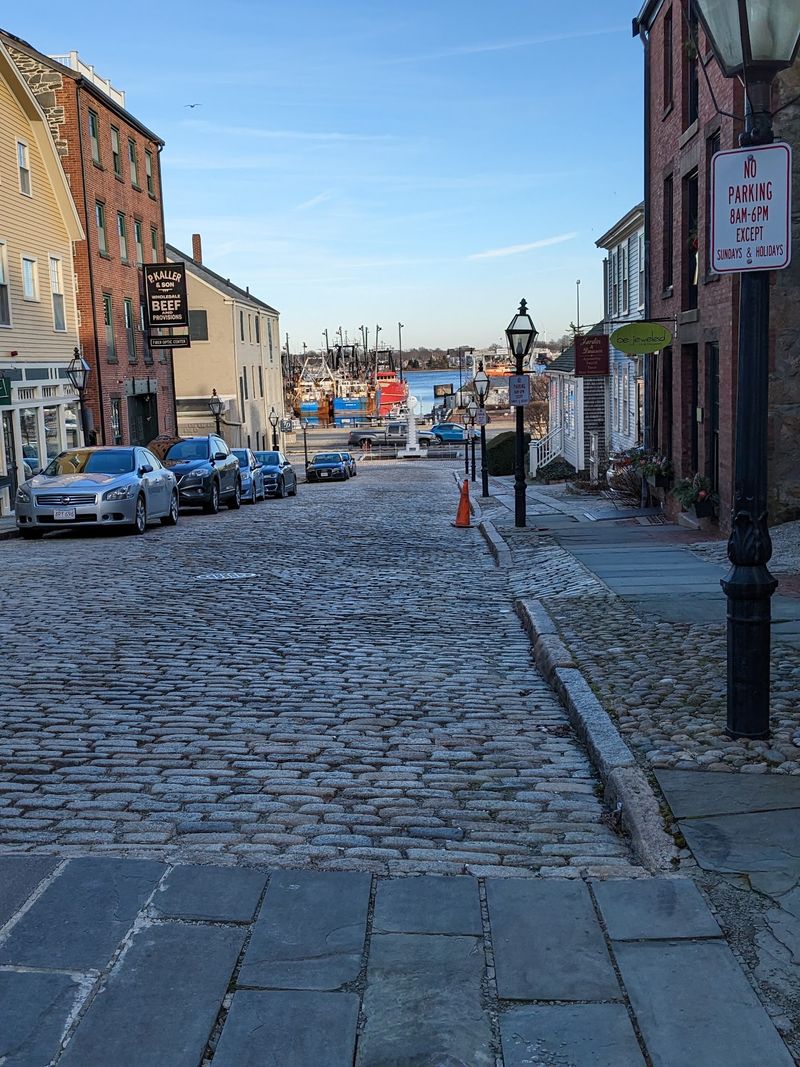
Before the mills, this seaport made its fortune on whaling. When that trade faded, the city reinvented itself into one of the nation’s premier textile manufacturing centers.
Fine cotton goods and yarn came out of dozens of sprawling multi-acre mill complexes along the Acushnet River. The scale of the transition was remarkable for a city that started at sea.
Monumental red-brick factory complexes still stand across town. The working waterfront kept its industrial infrastructure too, so you get both worlds in one place.
What makes this town unique is that double history. It powered two very different industries, first the ships and then the spindles.
Wander the waterfront and the old mill districts, and you can piece together how a whaling port became a cotton powerhouse without losing its salty, hardworking edge.
6. North Adams, Massachusetts
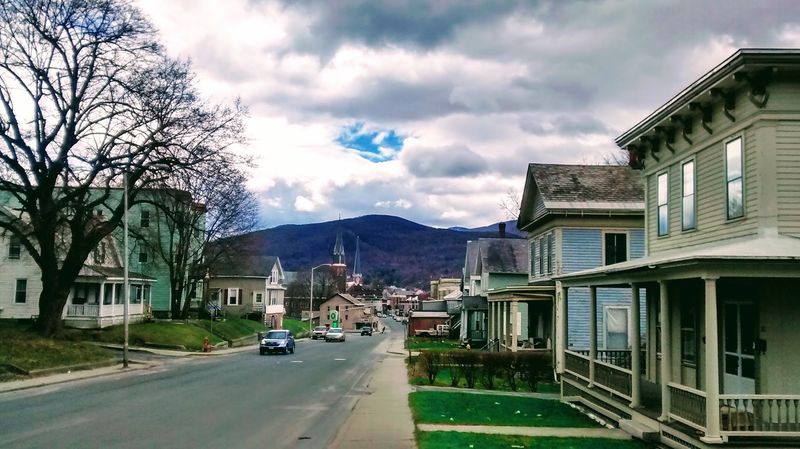
Tucked into the Northern Berkshires, this mountain town ran its factories along the Hoosic River. The setting alone makes it stand out from the flatter river cities on this list.
Heavy textile printing and electric component manufacturing happened here at complexes like Arnold Print Works. The hills funneled everything into a tight industrial core.
The centerpiece is a 26-building interconnected 19th-century brick factory campus. Steep hillside factory housing climbs the slopes, and old industrial rail yards cut through town.
That mountain geography gives the place a look no other mill town can match. Factories and worker homes stack up the hillsides instead of spreading across a plain.
For a mill-town visit with real scenery around it, this Berkshire town pairs rugged industrial history with mountain views you will not get anywhere else on the list.
7. Fitchburg, Massachusetts
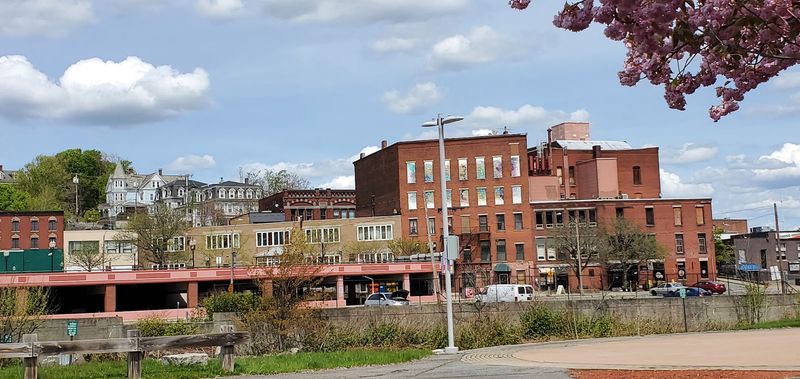
Machinery was king in this central Massachusetts manufacturing center. The waterpower of the Nashua River drove an industrial core that did a little of everything.
Heavy machinery, paper, textiles, and saw manufacturing all came out of the factories here. That wide range set the town apart from the single-product mill cities.
Multi-level brick riverfront mills still line the water. Foundry buildings and a rugged industrial character give the place a hardworking, no-frills feel.
What makes this town interesting is its variety. Instead of betting everything on cotton or paper, it built a mix of industries powered by the same river.
The riverfront mills and old foundries tell that story block by block. If you like your history broad and hands-on, this is a mill town that made all sorts of things and still looks the part today.
8. Chicopee, Massachusetts
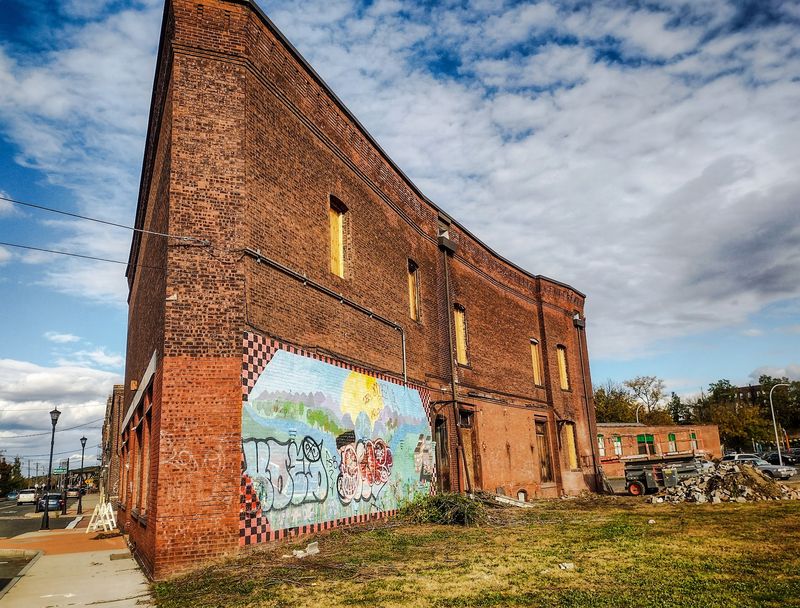
Two rivers shaped this industrial hub, the Chicopee and the Connecticut. That double water supply gave the town plenty of power for a surprising mix of products.
Cotton textiles, firearms, bronze statuary, and industrial machinery all came out of places like the Ames Manufacturing Company and Chicopee Mills. Bronze artwork alongside cloth and machines is a rare combination.
The red-brick mill yards are still here, along with brick canals and former industrial worker housing. The layout shows how tightly the town wrapped itself around its factories.
What makes this stop different is that unusual product list. Few mill towns can claim they made both fine cloth and cast bronze statues.
For anyone who likes their industrial history with a twist, the mix of art and manufacturing here makes this riverfront town a genuinely unexpected find.
9. Haverhill, Massachusetts
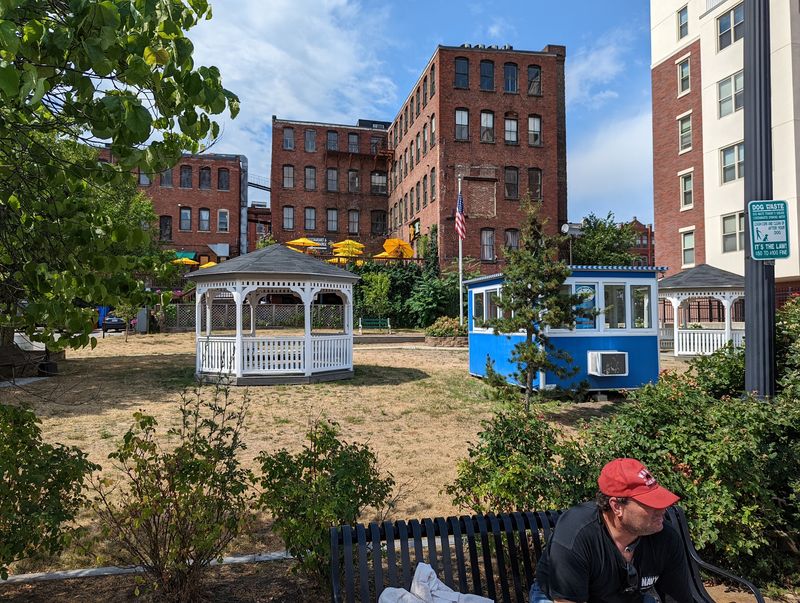
Shoes made this city famous, and the nickname says it all. Known as the Queen Slipper City, this Merrimack River town built its fortune on footwear rather than cloth.
At the peak of the Industrial Revolution, it produced roughly one-tenth of all the shoes made in the United States. That is an incredible share for a single city.
The evidence still stands in vast shoe factory brick warehouse blocks. Heavy industrial architecture and riverside rail corridors run through the old manufacturing districts.
What sets this town apart from every other stop is its product. While its neighbors spun thread and pressed paper, this city cranked out shoes by the millions.
Stroll the old factory blocks and you can picture the workshops that once shod a huge slice of the country. It is a mill town with a footprint all its own.
10. Taunton, Massachusetts
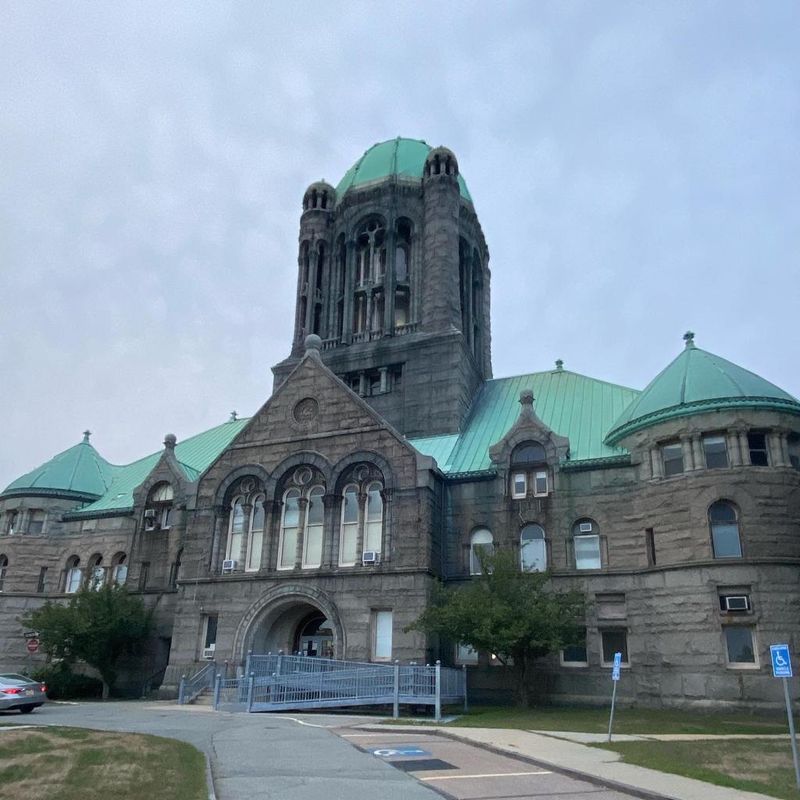
Silver gave this city its shine and its nickname. Known as the Silver City, this Taunton River town built a reputation on silverware and ironwork.
The factories here turned out silverware, steam locomotives, stoves, and textiles. That range from delicate silver goods to massive locomotives shows just how versatile the town’s industry was.
Legacy red-brick iron foundry structures still stand around the city. Silversmithing plants and textile mills round out the historic industrial landscape.
What makes this town memorable is the contrast in what it made. Fine silver on one hand, heavy iron locomotives on the other, all from the same busy river city.
For visitors chasing industrial history with a bit of polish, the silver legacy here adds something the pure textile towns cannot. The Silver City earned its name honestly, and the old foundries and plants still prove it.
11. Clinton, Massachusetts
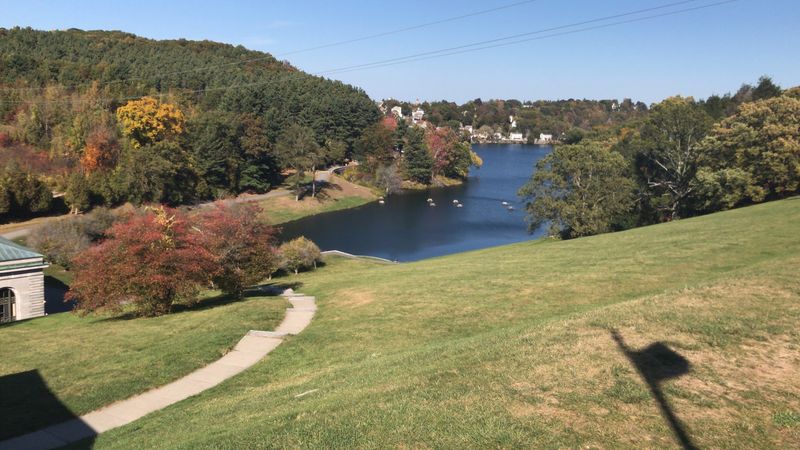
Carpet changed everything in this central Massachusetts mill town. Sitting along the South Branch of the Nashua River, it helped revolutionize power loom weaving.
The Lancaster Mills and the Bigelow Carpet Company pushed carpet manufacturing forward here. That focus on woven floor coverings set the town apart from the clothmakers on this list.
The massive brick Lancaster Mills complex still defines the landscape. Mill worker tenements and industrial dam infrastructure fill out the classic mill-town look.
What makes this stop worth a visit is its role in advancing loom technology. The carpet trade here was not just busy, it was inventive.
Compact and full of character, this town rounds out the list with a specialty all its own. If you have driven past it without a second glance, the Lancaster Mills complex is a good reason to slow down and look again.
Share this story