In 1959, American radio was changing fast. Rock and roll shared the charts with teenage love songs, country storytelling, and catchy instrumentals.
Elvis Presley was serving in the Army, Bobby Darin was becoming a household name, and young performers like Ritchie Valens were making records that would be remembered for generations.
Teenagers spent their allowance on 45-rpm singles, watched American Bandstand, and followed the Billboard Hot 100 to see which songs were climbing. Some of the year’s biggest hits came from established stars, while others introduced newcomers who would leave a lasting mark on music.
From the Everly Brothers’ unforgettable harmonies to the Coasters’ playful storytelling, these songs helped define 1959. But how many can you still remember from the first few notes?
1. Smoke Gets in Your Eyes by The Platters
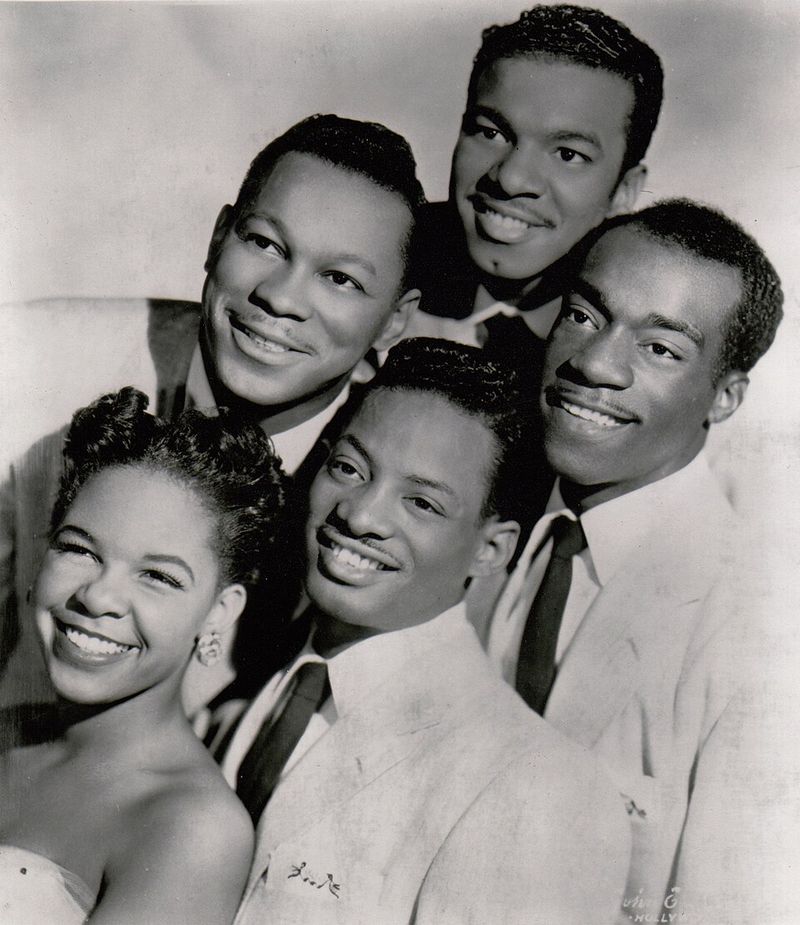
Few songs can claim a 25-year head start on fame. Jerome Kern and Otto Harbach wrote this one for the 1933 Broadway musical Roberta, and Paul Whiteman’s orchestra took it to the top in 1934.
The Platters gave it new life in 1958 for their album Remember When. Tony Williams sang lead with a smooth tenor, and the bridge borrowed ideas from Ravel’s Bolero.
The single hit No. 1 in January 1959 and stayed three weeks. It also reached No. 3 on the rhythm and blues chart.
Not everyone cheered at first. Kern’s widow disliked the new version and threatened legal action, then dropped it once she saw how large the royalty checks would be.
The title reportedly comes from a Russian proverb about a heart on fire. The recording later entered the Grammy Hall of Fame in 2019.
2. Stagger Lee by Lloyd Price
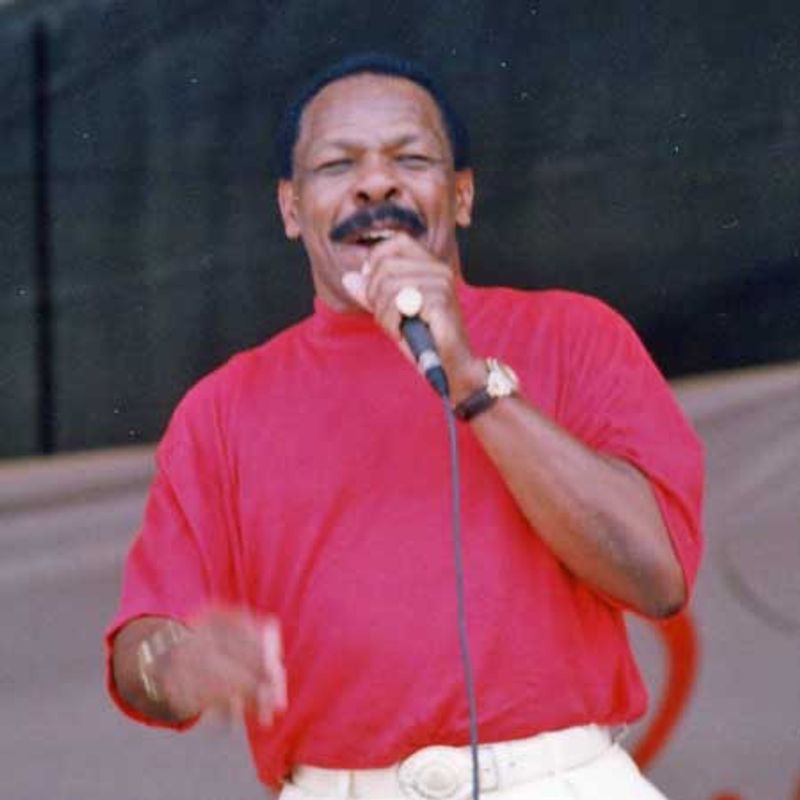
Folk songs often travel for decades before landing on the radio. Lloyd Price took an old American ballad that had circulated since the 1890s and gave it a fast New Orleans beat.
His version features loud horns, a driving rhythm, and a crowd-style chorus. It reached No. 1 in February 1959 and held the spot for four weeks.
The song also topped the R&B chart and sold more than a million copies.
Television was a different story. Dick Clark asked for a cleaner version for American Bandstand, so Price recorded new lyrics where the two men simply argue and make up.
That quick fix let him keep promoting the record on national TV. Rolling Stone later placed it on its list of the 500 greatest songs, proof that the rewrite never hurt its reputation.
3. Venus by Frankie Avalon
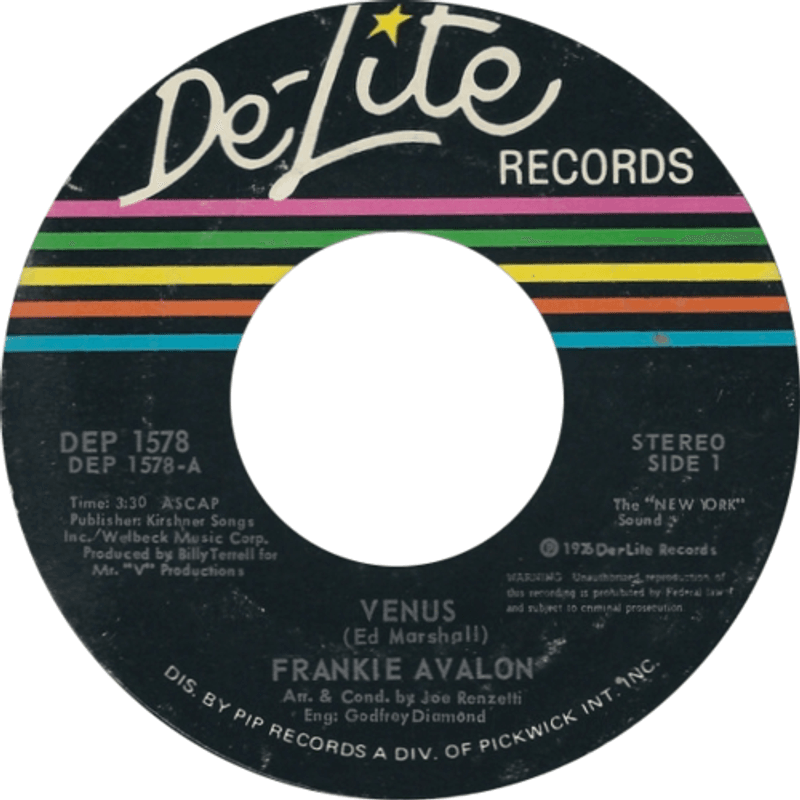
Philadelphia produced a remarkable number of teen idols, and an 18-year-old former trumpet prodigy led the pack in spring 1959.
Frankie Avalon’s Venus reached No. 1 in March and stayed five weeks. Billboard later ranked it the fourth biggest song of the year.
Writer Ed Marshall built the lyrics around a simple request. A young man asks the Roman goddess of love to send him the perfect girl.
Producers Bob Marcucci and Peter De Angelis dropped the saxophones from Avalon’s earlier records. They added bells, chimes, and female backing singers, letting him use his full voice.
The single sold over a million copies. Avalon later starred in beach party films with Annette Funicello and played Teen Angel in Grease in 1978.
He even cut a disco version in 1976, which topped the Easy Listening chart.
4. Donna by Ritchie Valens
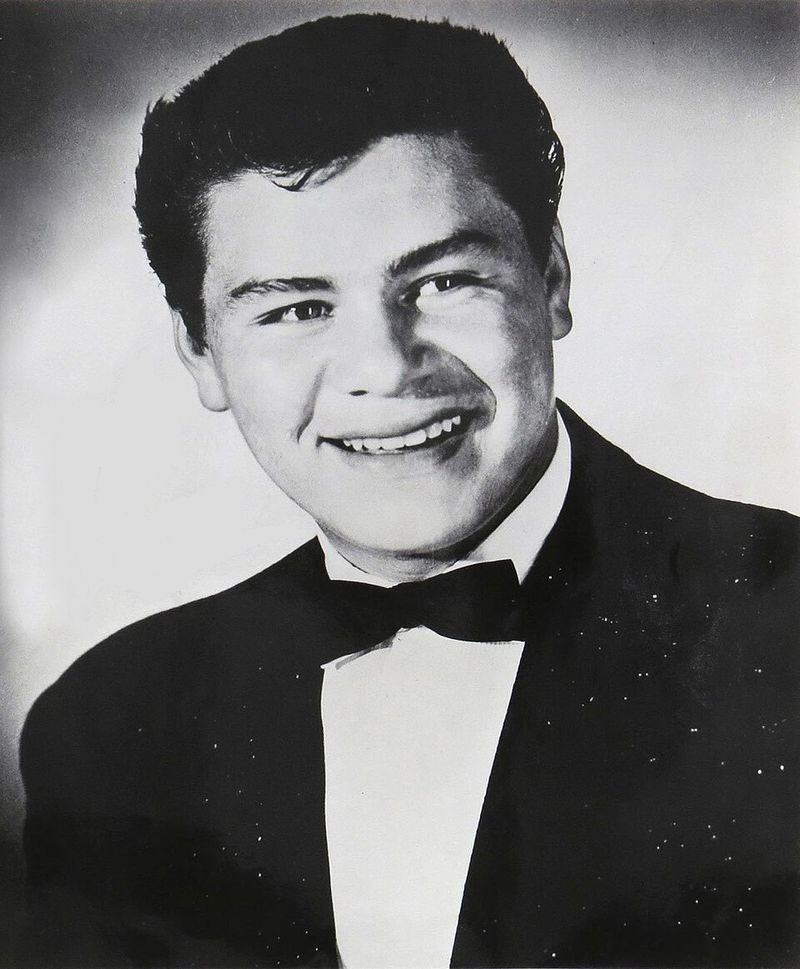
Ritchie Valens was just 17 when he recorded one of 1959’s most memorable love songs. He wrote Donna for his high school sweetheart, Donna Ludwig, turning a teenage romance into a record that would outlive him by decades.
The song reached No. 2 on the Billboard Hot 100 in early 1959, held back from the top spot by The Chipmunk Song. Its gentle ballad style showed a different side of Valens from the energetic La Bamba, which appeared on the same single.
Valens recorded both songs in 1958 under producer Bob Keane. His career was moving quickly, with television appearances and a national tour already underway.
Tragically, he died in a plane crash on February 3, 1959, alongside Buddy Holly and J.P. Richardson, known as the Big Bopper.
He was only 17, but Donna remains one of the era’s defining teenage love songs.
5. Charlie Brown by The Coasters
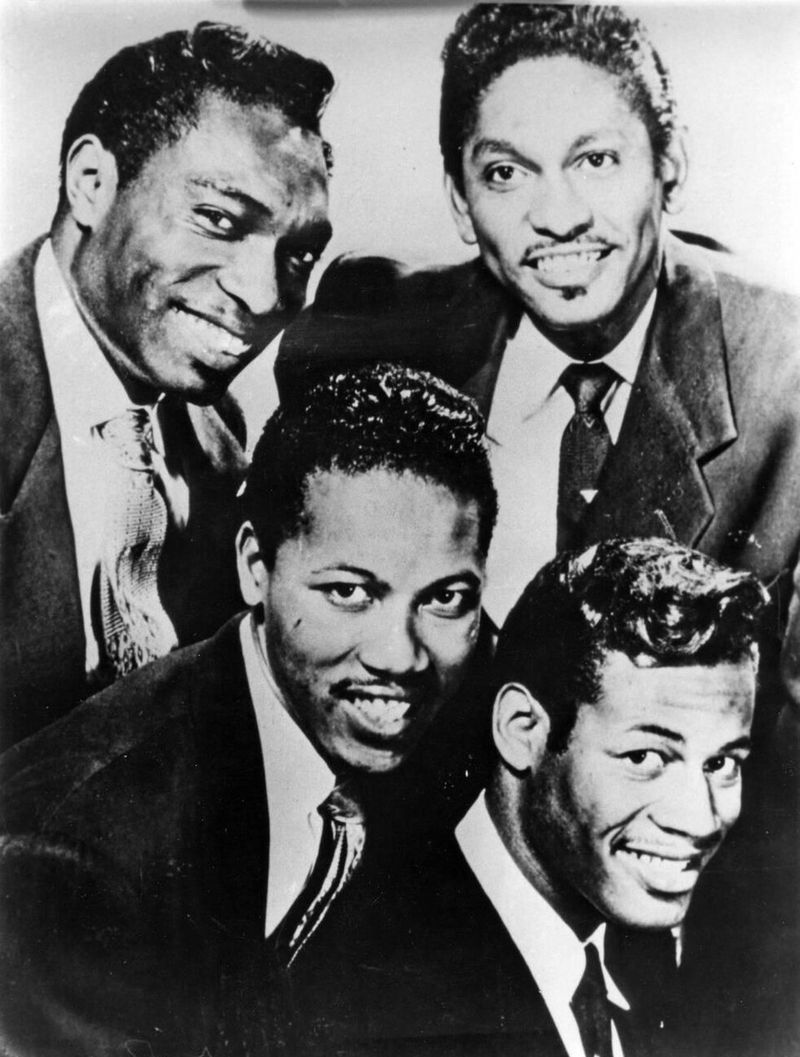
Long before Charlie Brown became a familiar name through Peanuts television specials, the Coasters had a hit about a mischievous schoolboy who couldn’t stay out of trouble.
Songwriters Jerry Leiber and Mike Stoller created this humorous rock and roll number, filling it with classroom complaints, practical jokes, and a teacher who keeps demanding to know why Charlie Brown is always causing problems.
Released in 1959, Charlie Brown reached No. 2 on the Billboard Hot 100 and No. 2 on the R&B chart. It became one of the group’s biggest hits, following earlier successes such as Yakety Yak and Searchin’.
King Curtis played the memorable tenor saxophone solo, while the group’s exaggerated vocal delivery gave the record its comic personality.
The Coasters were masters of turning everyday teenage situations into musical stories. Charlie Brown captured the rebellious humor of late-1950s youth culture without taking itself too seriously.
6. (Till) I Kissed You by The Everly Brothers
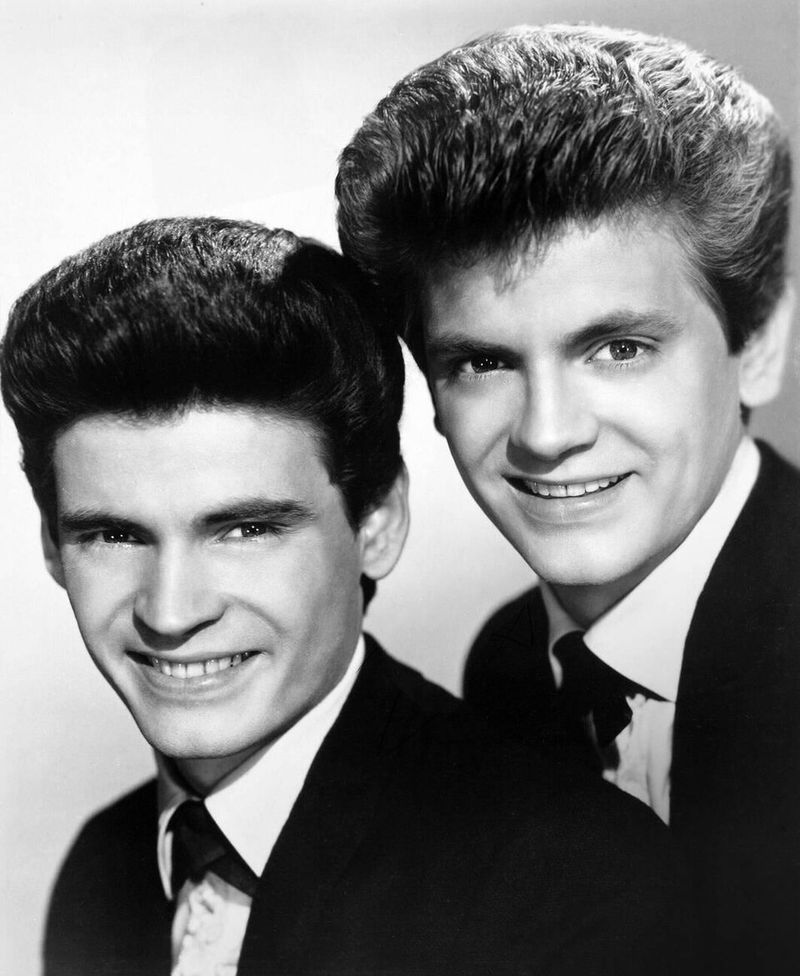
Don Everly wrote this song after meeting a girl during the brothers’ Australian tour. What began as a personal experience became another major hit for one of the most successful vocal duos of the 1950s.
Released in 1959, (Till) I Kissed You reached No. 4 on the Billboard Hot 100 and No. 8 on the country chart. It also became a No. 2 hit in the United Kingdom.
The song stands out because Don wrote it himself. Many earlier Everly Brothers hits, including Bye Bye Love and Wake Up Little Susie, came from the songwriting team of Felice and Boudleaux Bryant.
Their close harmonies helped bridge country music and rock and roll, influencing generations of musicians. The Beatles, Simon and Garfunkel, and countless other performers later acknowledged the brothers’ importance.
7. The Battle of New Orleans by Johnny Horton
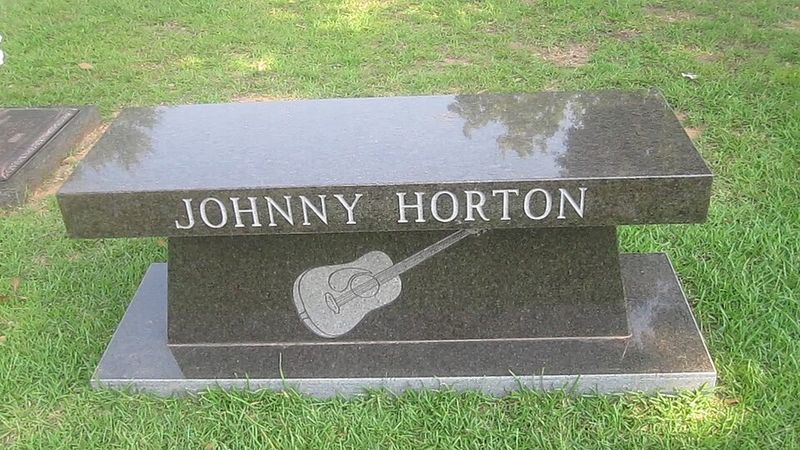
An Arkansas school principal wrote 1959’s biggest song as a history lesson. Jimmy Driftwood created it in 1936 to help students remember the War of 1812.
He set his words to an old fiddle tune called The 8th of January, the date of the 1815 battle.
Johnny Horton recorded it in Nashville and turned it into a lively country march. The lyrics stretch the truth for laughs, including a cannon loaded with an alligator.
It hit No. 1 in June and stayed six weeks. It also led the country chart for ten weeks, and Billboard named it the top song of the year.
For British Commonwealth markets, Horton recorded a tactful alternate version that changed some lyrics.
The song won Grammys for Best Country and Western Performance and Song of the Year.
8. Lonely Boy by Paul Anka
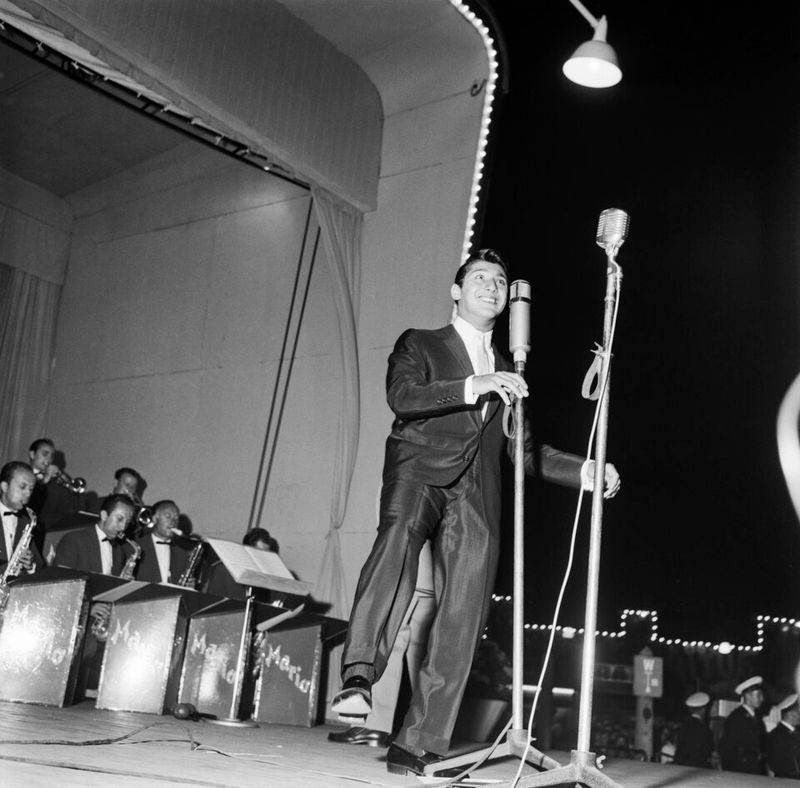
Plenty of teen idols sang other people’s songs, but Paul Anka wrote his own. The Canadian singer was only 15 when Diana made him a star in 1957.
Lonely Boy became his first No. 1 on the Hot 100. It reached the top in July 1959 and remained there four weeks.
Anka recorded it in August 1958 with Don Costa’s orchestra in New York. The label held it until May 1959.
The lyrics describe a young man who has everything except someone to share it with. Anka also sang it in the film Girls Town that October.
His pen kept working for decades. He wrote the English lyrics for Frank Sinatra’s My Way and composed Tom Jones’s She’s a Lady.
A 1962 Canadian documentary about him even borrowed the song’s title.
9. A Big Hunk o’ Love by Elvis Presley
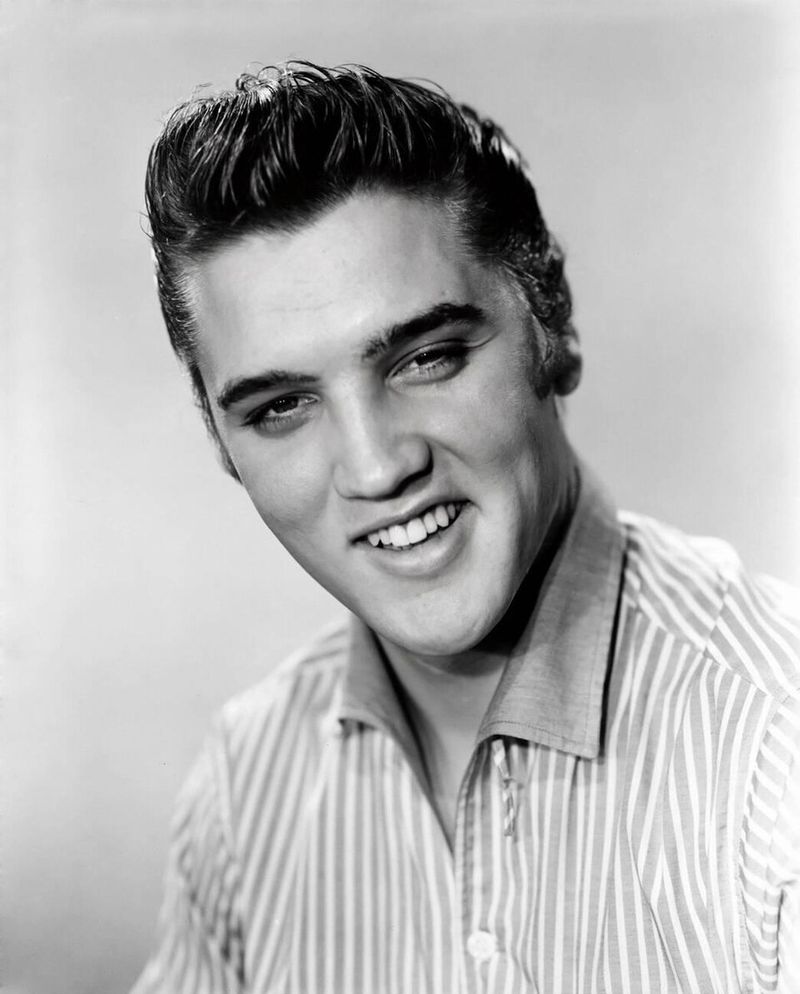
Being stationed overseas did not keep the King off the charts. Elvis Presley recorded this song during a two-day Army leave on June 10, 1958, at RCA Studio B in Nashville.
It was his only recording session during his entire military service.
The lineup looked different that day. Guitarist Scotty Moore and bassist Bill Black were absent, so Hank Garland played lead guitar and Floyd Cramer handled piano.
D.J. Fontana stayed on drums, and the Jordanaires sang backup.
The final release combined takes three and four.
RCA Victor released stored recordings to keep fans happy while Elvis served in West Germany. A Big Hunk o’ Love reached No. 1 in August 1959 for two weeks.
It became his 12th American chart-topper and his only one during his time in uniform.
10. Sleep Walk by Santo & Johnny
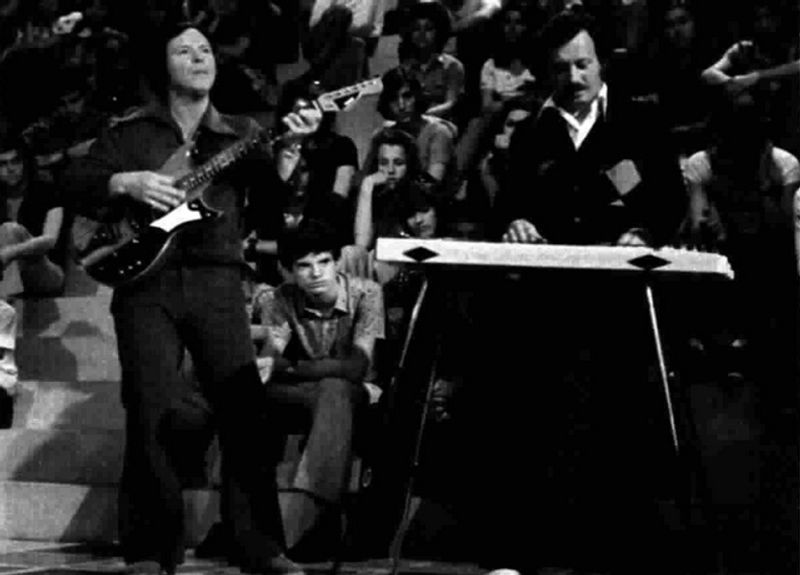
Insomnia rarely pays off, but it did for two Brooklyn brothers. Santo and Johnny Farina could not sleep after a gig, so they started recording ideas late at night.
That session grew into one of the most famous steel guitar tunes ever made.
Their father had encouraged them to learn steel guitar, an instrument seldom heard in rock at the time. Santo played a triple-neck Fender Stringmaster on the final track, and their uncle Mike Dee played drums.
Sleep Walk reached No. 1 in September 1959 for two weeks. It was the last instrumental to top the chart in the 1950s.
Its slow pace made it a favorite for slow dances. Filmmakers later used it in La Bamba and 12 Monkeys.
The Brian Setzer Orchestra won a Grammy for its 1997 cover.
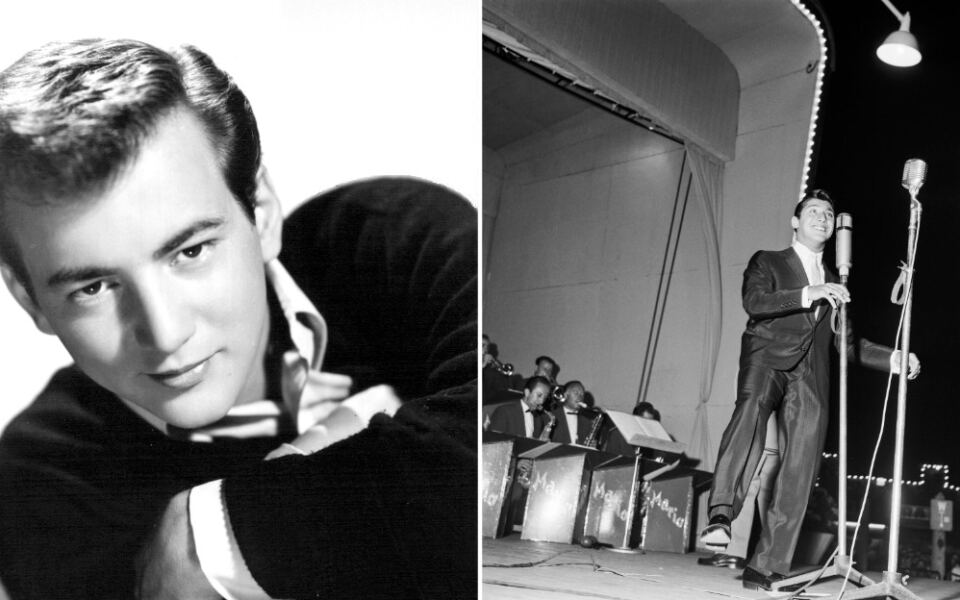
11. Mack the Knife by Bobby Darin
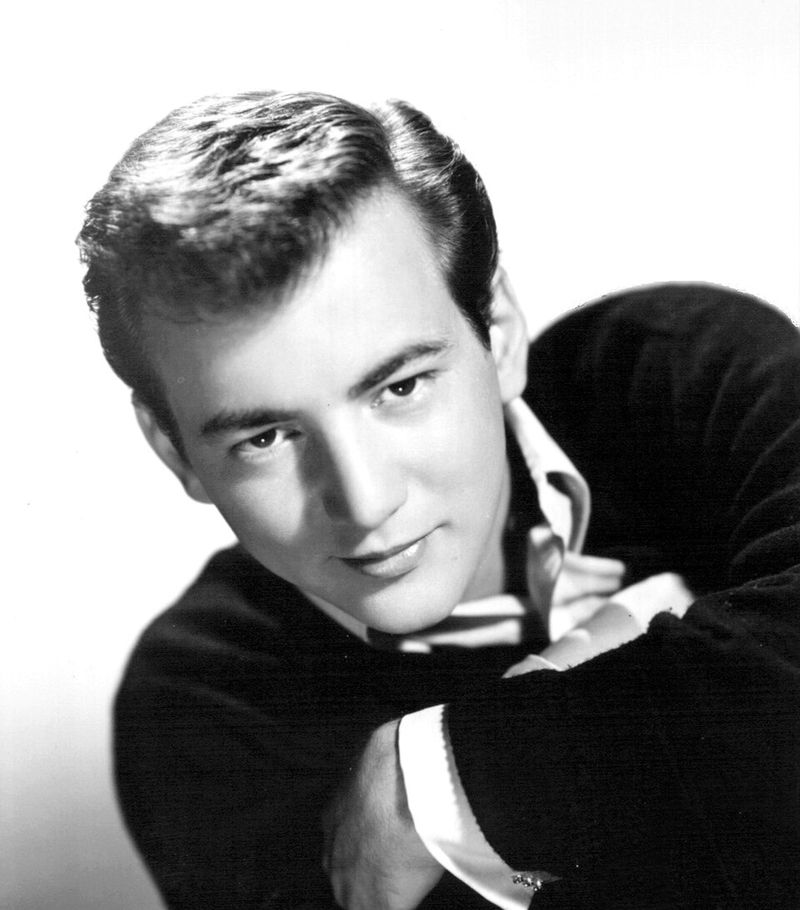
Bobby Darin almost kept his biggest hit off the radio. He worried that a swing number would hurt his teen idol image.
Atlantic Records chief Ahmet Ertegun pushed for a single release anyway, and the gamble paid off.
The song came from The Threepenny Opera, a 1928 German stage work by Kurt Weill and Bertolt Brecht. Louis Armstrong had already scored a hit with an English version in 1956.
Darin recorded his take on December 19, 1958, for the album That’s All. Arranger Richard Wess built a big-band sound, with each verse rising in key.
The single spent nine weeks at No. 1 in late 1959. It won Grammys for Record of the Year and Best New Artist.
That success moved Darin into adult venues, and the Library of Congress added the recording to its registry in 2016.
12. Why by Frankie Avalon
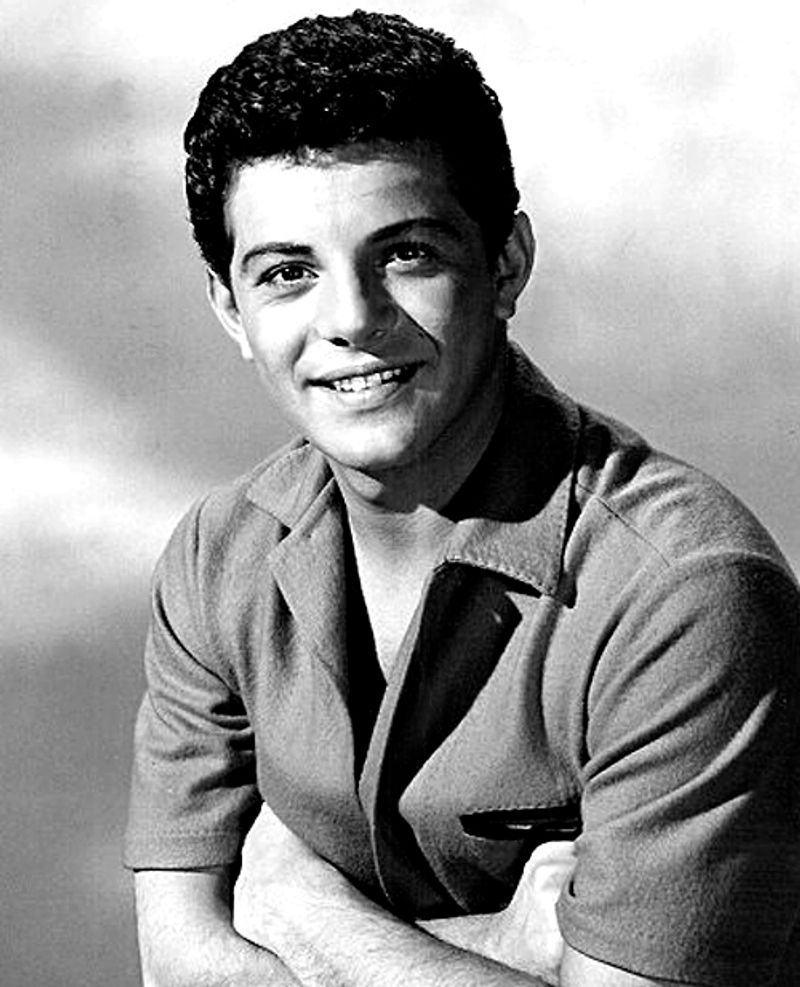
Talk about perfect timing. Frankie Avalon’s Why reached No. 1 the week of December 28, 1959, and stayed into January 1960.
That made it the last chart-topper of the 1950s and the first of the 1960s.
Bob Marcucci and Peter De Angelis, the same team behind Venus, wrote and produced it. The melody draws on an Italian song.
An uncredited female singer, possibly Fran Lori, sings the opening lines back to Avalon. He answers with a simple promise of love.
Avalon himself thought the tune was nice but doubted it would top the chart. He barely promoted it because he was busy filming a movie in Texas.
Acting soon took over his schedule. Why became his final Top 10 single, closing his run as one of the decade’s leading teen idols.
Share this story