New Jersey has a funny way of hiding unforgettable places in plain sight. A regular Newark outing can suddenly turn into the kind of architectural surprise that makes a person stop checking the clock and start paying attention.
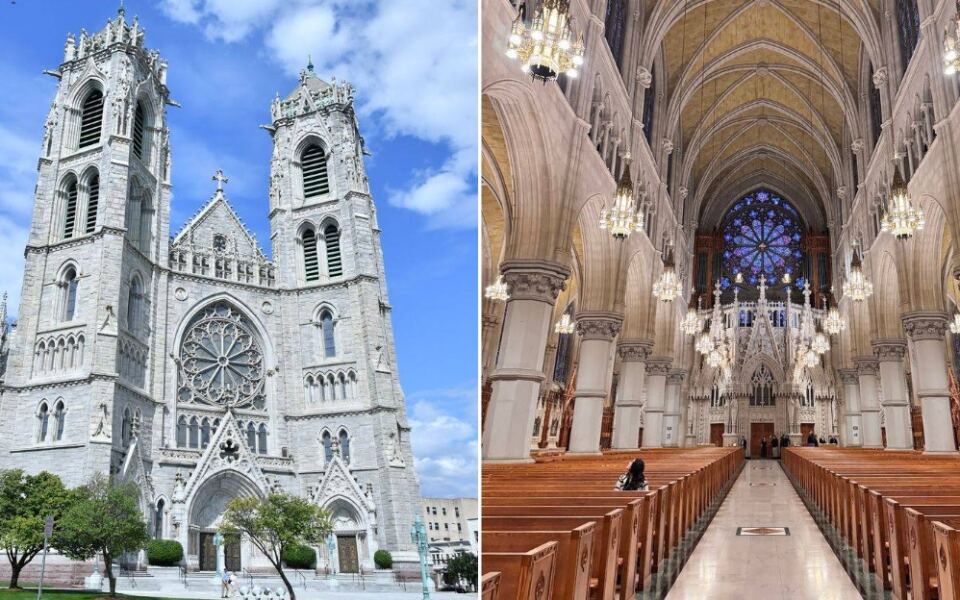
The place at the center of this story is not a museum, not a mansion, and not some far-off landmark across an ocean. It is a working Catholic cathedral in Newark, and its French Gothic Revival design gives the city one of its most dramatic and pride-worthy places to visit.
A Cathedral On Ridge Street
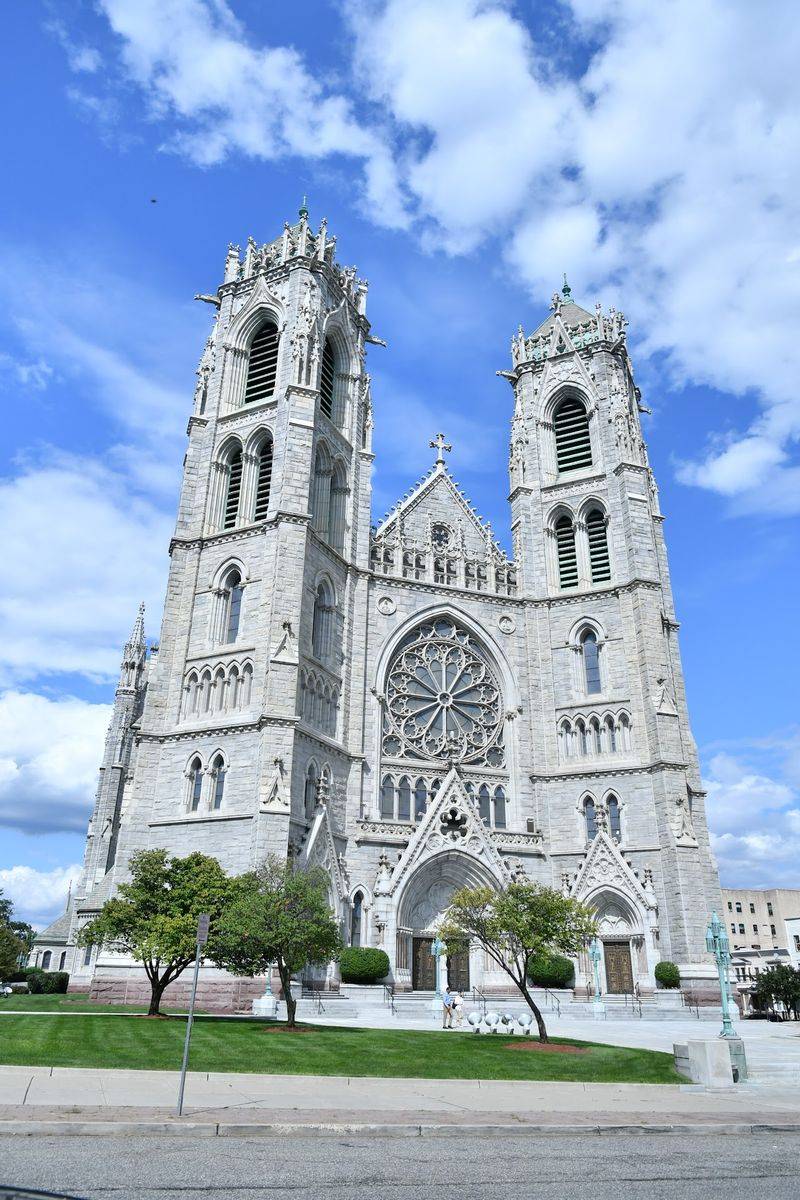
The address tells the story quickly: Cathedral Basilica of the Sacred Heart, 89 Ridge St, Newark, NJ 07104, United States. It is a Catholic cathedral in Newark, New Jersey, and it stands close to Branch Brook Park, giving this corner of the city a landmark with serious presence.
Rather than feeling like a quick stop between errands, the building asks for a slower pace. Its scale, towers, stonework, and formal design make it one of those New Jersey places that can surprise even people who think they already know Newark well.
The cathedral is also a minor basilica and serves as the Catholic cathedral of the Newark Archdiocese. That means it is not only an architectural destination, but also an active house of worship with regular services and a clear place in local religious life.
French Gothic Revival In Newark
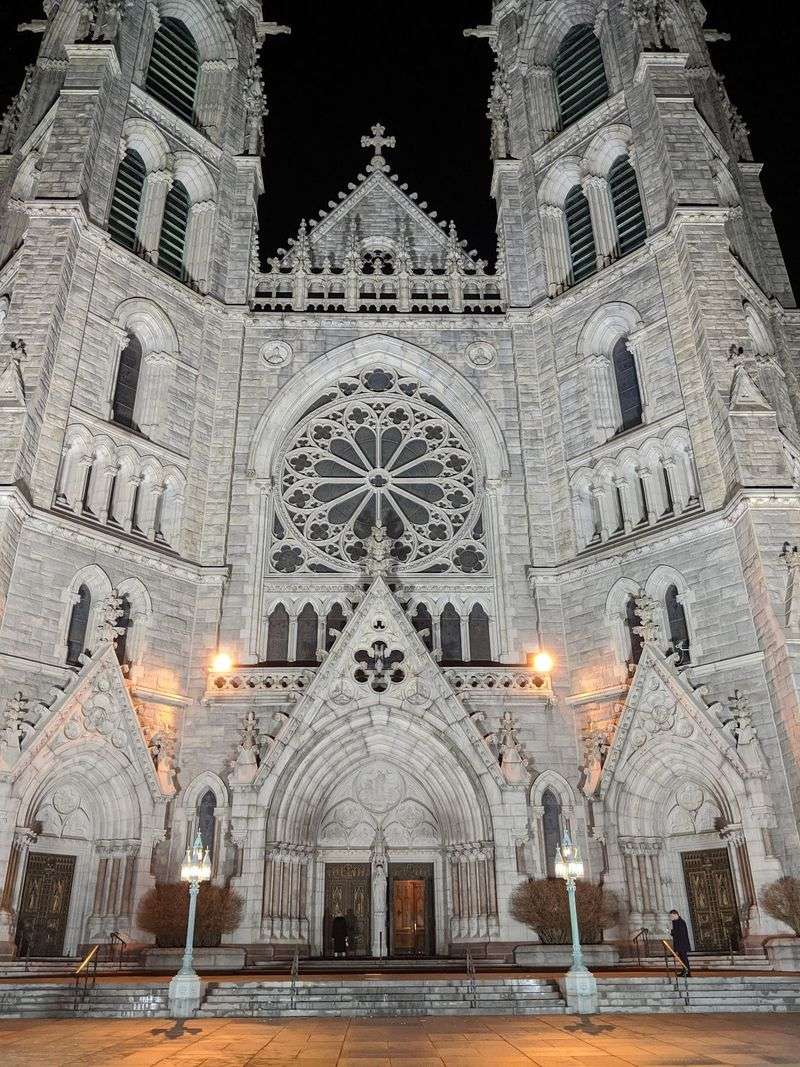
A little architectural drama can go a long way, and Newark gets a large helping here. The cathedral is described as French Gothic Revival, a style known for height, pointed arches, detailed stonework, and a design language that feels strongly connected to historic European cathedrals.
People often compare the building to grand churches abroad, which explains why the headline practically writes itself. The surprise is not that New Jersey has historic architecture, but that something this formal and expansive rises right in Newark.
Outside, the structure leans into vertical lines and careful detail rather than plain bulk. Ornamental doors, stone carvings, and copper elements add to the impression that the building rewards anyone who pauses long enough to study it.
For New Jersey residents, that is the fun part: the state does not need to borrow grandeur from somewhere else.
A Neighbor To Branch Brook Park
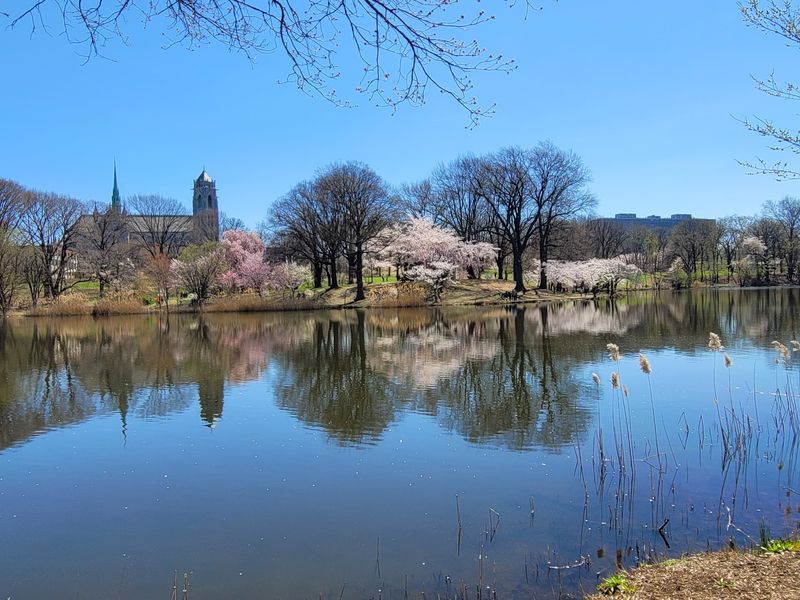
Branch Brook Park gives the cathedral an especially strong setting. The building sits directly adjacent to the park, so a visit can feel like a two-part Newark outing rather than a single indoor stop.
That pairing matters because it helps the cathedral fit into a day trip. Someone can come for the architecture, linger near the grounds, and still be close to one of Newark’s best-known public spaces.
The area also gives photographers a clear advantage. People often come for exterior pictures, and the cathedral and nearby park create a natural combination for anyone hoping to capture Newark at its most distinctive.
No extra storyline is needed. A major Gothic Revival cathedral beside a major city park is already enough to make the location feel unusual, practical, and very New Jersey at the same time.
Towers, Stonework, And Copper Details
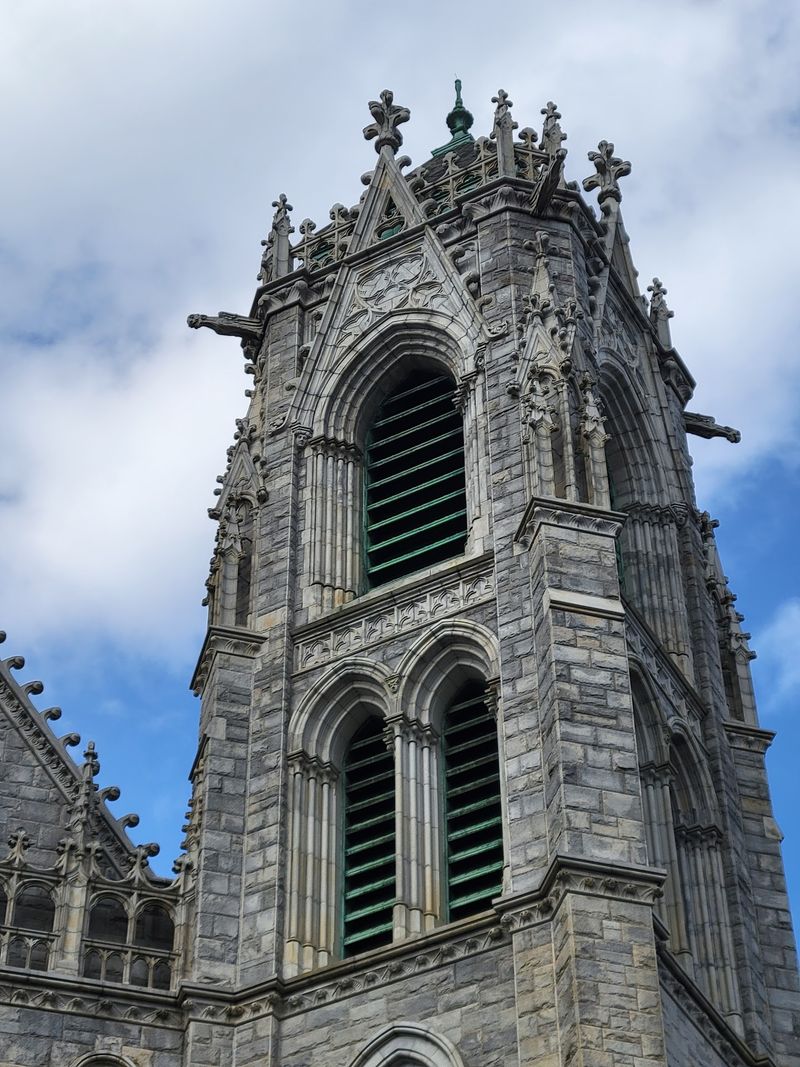
Look past the big silhouette and the smaller details start doing their own quiet show-off routine. The cathedral exterior includes detailed stonework, ornamental doors, and copper features that have developed the green finish often seen on aged copper.
Some copper drains have been replaced more recently, so the outside can show copper in different stages of weathering. That small contrast gives architecture fans something specific to notice beyond the usual tower photos.
The building’s exterior is also strong enough to satisfy people who only have time for a short stop. Even without going inside, the facade, spires, and decorative pieces make the cathedral feel worth a pause.
Newark has many layers, and this is one of the most photogenic ones. The stone and copper details give the building character up close, not just from across the street.
Stained Glass Across The Nave
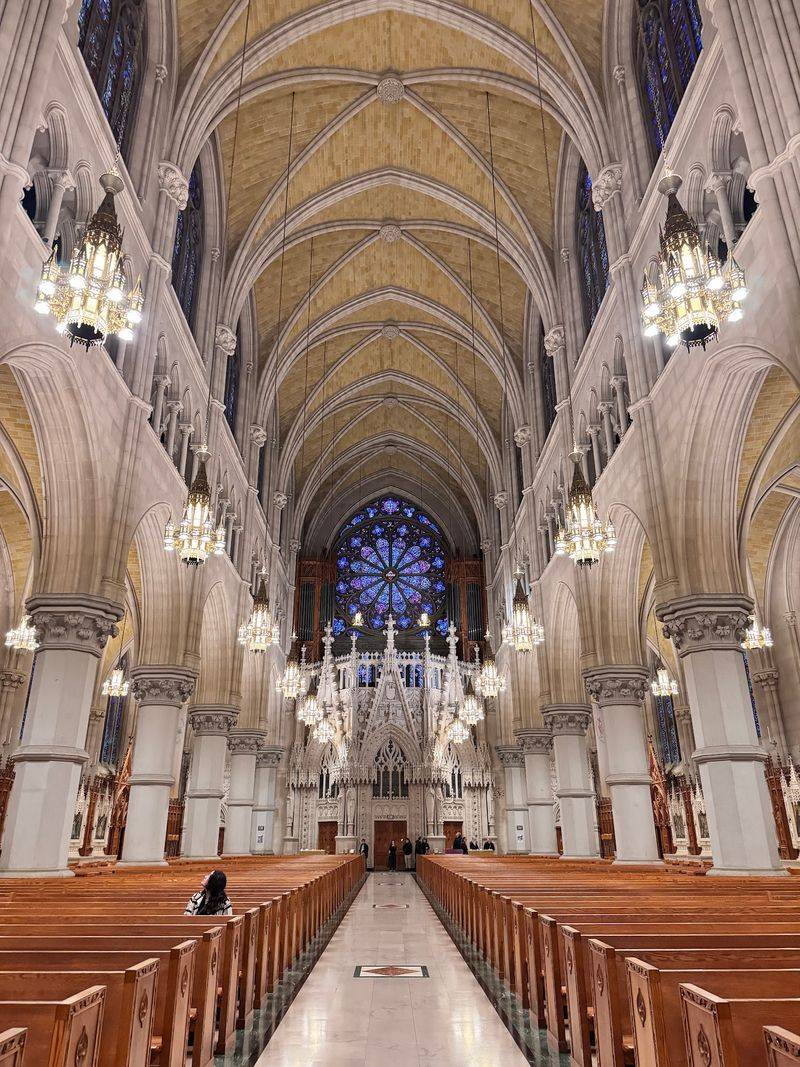
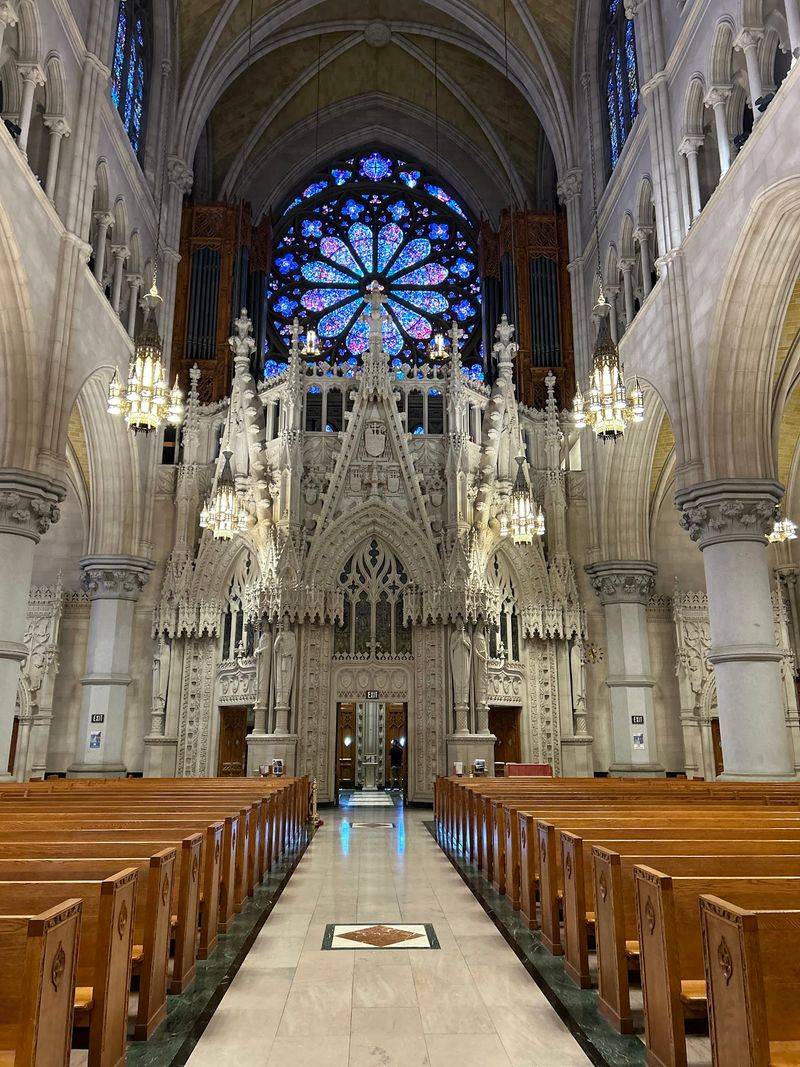
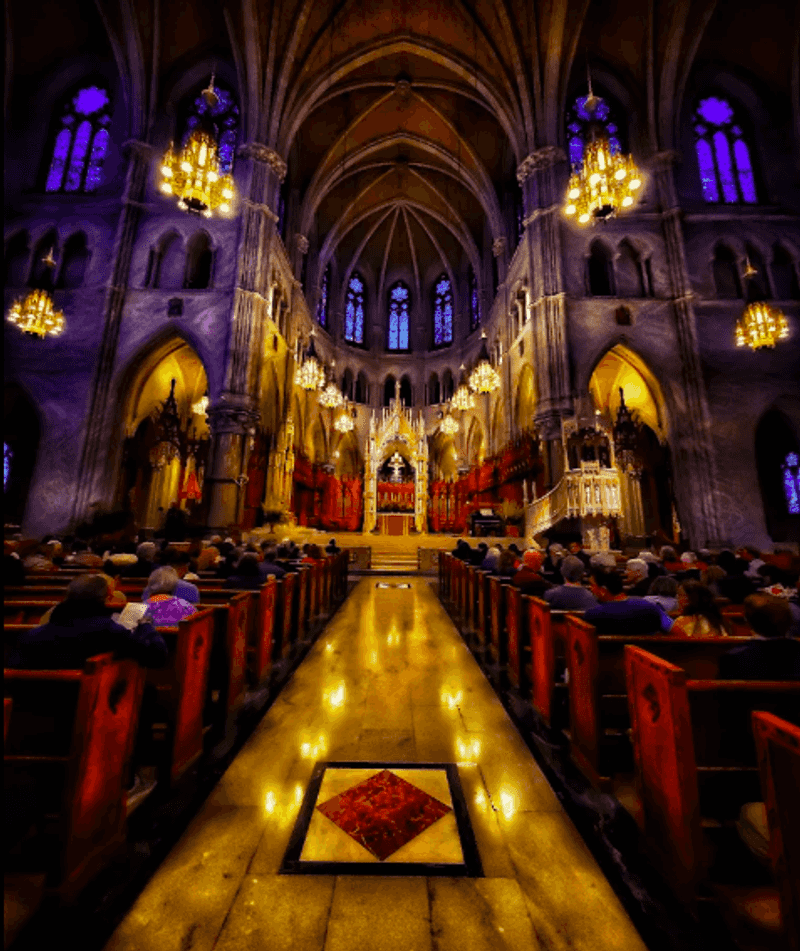
Inside, the stained glass becomes one of the cathedral’s defining features. People regularly mention the many windows, and they are a major reason the interior draws attention from architecture lovers as well as worshippers.
The windows are part of a broader interior filled with craftsmanship. Marble altars, carved wood, mosaics, and high vaulted ceilings all contribute to the sense that the building was designed to be studied slowly.
Nothing about the space feels casual in its construction. The details point to the kind of careful work that gives large churches their staying power, especially when each section has something different to examine.
For a New Jersey day trip, that makes the cathedral more than a quick checkmark. It becomes a place where the walls, windows, and ceiling all compete politely for attention.
The Largest Schantz Pipe Organ
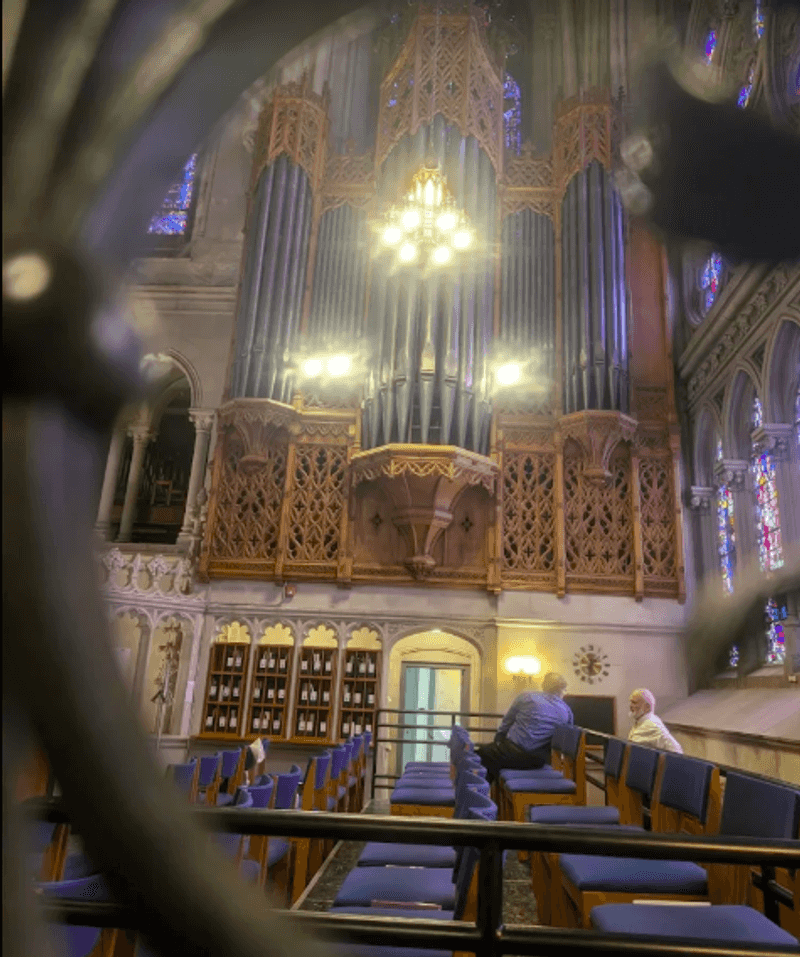
Here is a fact with built-in bragging rights: the cathedral houses the largest pipe organ ever built by Schantz Organ Co. That detail alone gives music-minded readers a reason to pay attention before they even reach the nave.
The organ is part of the cathedral’s identity, although much of it is not highly visible from below. People who explore the choir loft area may get a better sense of the pipes than those who only look from the main floor.
Organ and choir performances are often described as a major part of the experience, especially because the cathedral’s interior was made for large-scale sound. The setting gives sacred music a formal stage without needing extra decoration.
Even for those who come mainly for architecture, the organ adds another layer. It turns the building from a visual landmark into a living cultural space.
Mosaics, Marble, And A Chapel Beyond The Apse
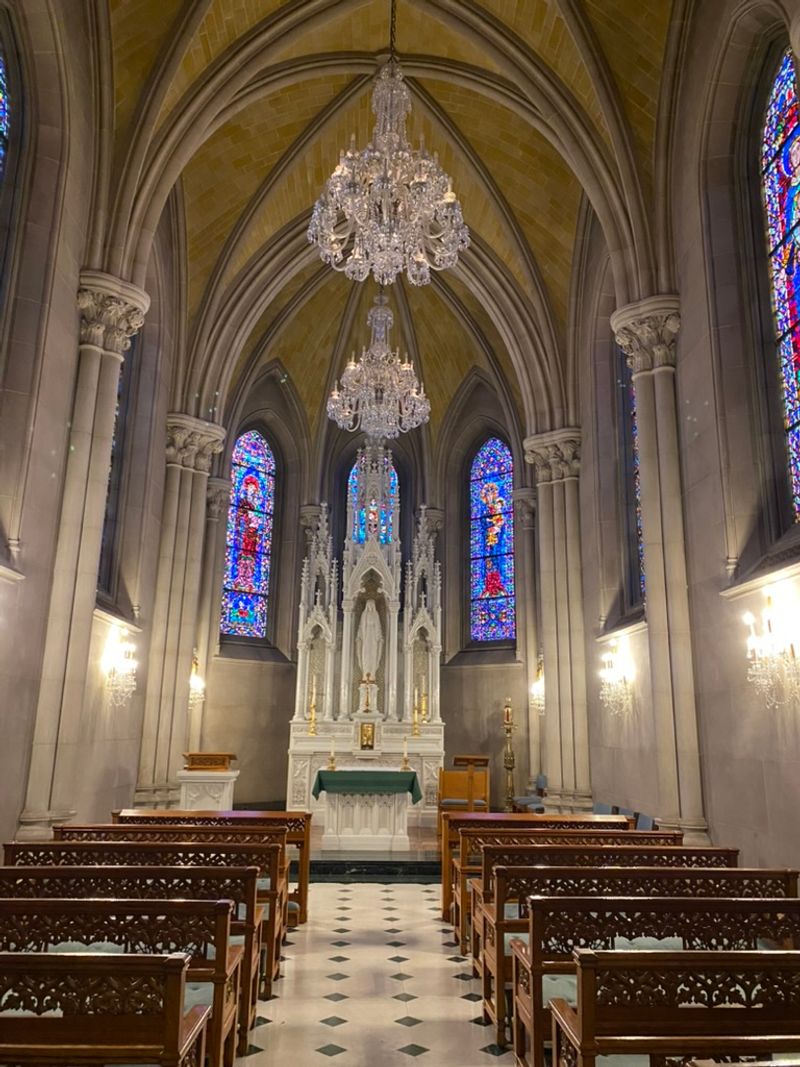
Grand buildings can sometimes blur together, but the cathedral gives detail seekers plenty of places to land. Mosaics, marble work, carved wood, and the Stations of the Cross are all noted parts of the interior.
The chapel behind the apse is another feature people point out after spending time inside. It adds a tucked-away dimension to a building already known for its scale, making the visit feel less like one single viewpoint and more like a sequence of discoveries.
The marble altars and ornamental elements reinforce the cathedral’s role as a working sacred space. Each feature belongs to the building’s purpose, not just its postcard appeal.
That balance keeps the place grounded. It is impressive, yes, but the artistry is tied to worship, tradition, and Newark’s own religious history rather than empty spectacle.
Masses In English And Spanish
Sunday here is not just about sightseeing. The cathedral is an active Catholic place of worship, and people mention attending Mass in both English and Spanish.
That detail says a lot about Newark. The building may look connected to medieval Europe, but its present-day life belongs firmly to a diverse New Jersey city with living traditions and active congregations.
Attending a service can be especially meaningful for those who want to experience the cathedral as it is used, not only as it is admired. Of course, anyone visiting should be respectful of worshippers, posted guidance, and the purpose of the space.
The architecture may draw people through the door, but the regular rhythm of services keeps the cathedral from feeling frozen in time. It is historic in style, yet fully part of Newark’s current story.
A Calm Stop For Architecture Lovers
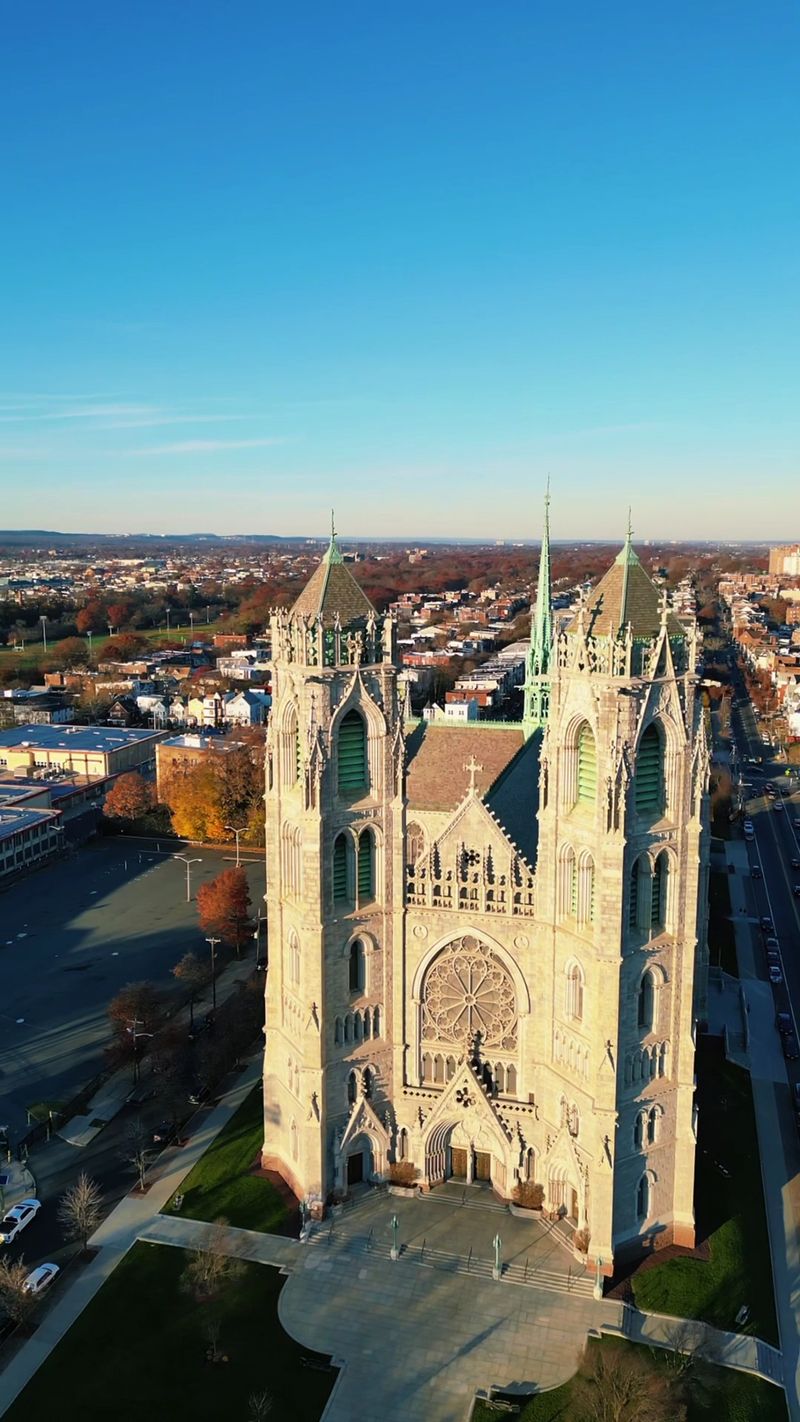
Not every memorable New Jersey outing needs a packed schedule. The cathedral suits people who like architecture, history, sacred spaces, photography, or simply a pause that feels different from the rest of the city.
The building works well for solo visitors, couples, families with older children, and local day-trippers who enjoy places with clear character. It is also a strong option for people who want an indoor destination that still feels connected to a walkable city setting.
Photography is commonly allowed inside and outside after entry procedures are followed, according to shared visitor guidance. That makes it useful for anyone documenting Newark’s landmarks, though respectful behavior matters in an active worship space.
The best mindset is unhurried curiosity. Come for the towers, stay for the craftsmanship, and leave with a stronger answer to anyone who underestimates Newark.
Free Entry And The Side Door Routine
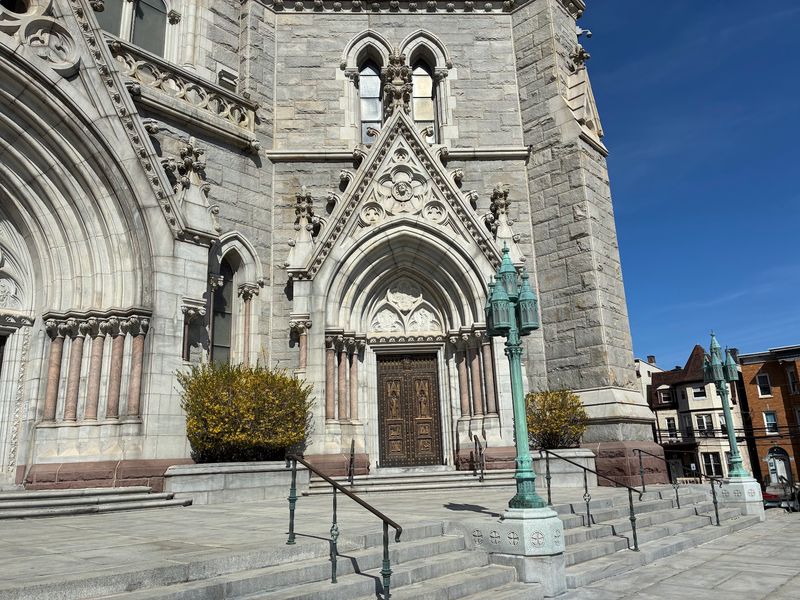
Practical details make the visit easier, and the biggest one is welcome: entry is described as free, with no ticket purchase needed. People commonly mention entering through a side door by the rectory gift shop, near a small entrance with a green awning.
After arrival, guests may need to sign in before entering. That small step is simple, but it helps to know in advance so nobody wanders around the front wondering which grand door is the everyday entrance.
Parking is the catch that deserves attention. The cathedral does not have on-site parking noted in the shared guidance, so people use street parking, including parallel parking nearby when available.
Arriving early can make the outing smoother, especially on busier days or when a service is scheduled. A little planning keeps the cathedral visit from becoming a curbside puzzle.
Hours, Access, And A Soft Newark Verdict
Current listed hours give visitors several windows during the week. The cathedral is open Thursday and Friday from 9 AM to 12 PM and 1 PM to 7 PM, Saturday from 9 AM to 5 PM, Sunday from 9 AM to 2 PM, Monday from 9 AM to 12:30 PM and 1:30 PM to 5 PM, and Tuesday and Wednesday from 9 AM to 12 PM and 1 PM to 7 PM.
Accessibility notes from shared experiences mention a small elevator to the bathrooms and elevator access for those unable to climb stairs to certain areas. As always, checking the official website before going is a smart move, since services or events can affect access.
The soft verdict is easy: Newark has a cathedral that makes New Jersey feel bigger than its usual stereotypes. For locals and short-hop travelers, it is a rare free stop with history, scale, and civic pride under one roof.
Share this story