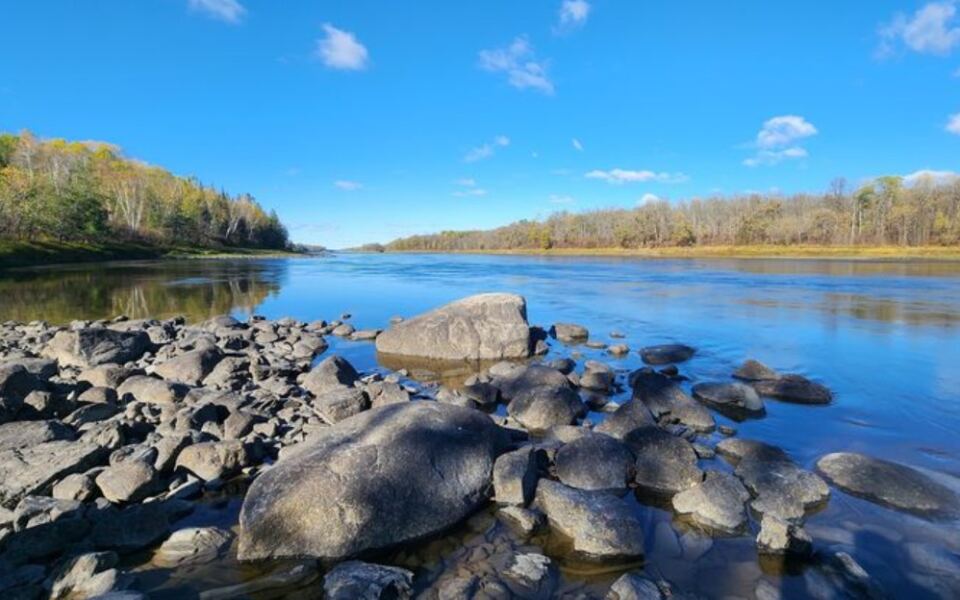
There is a spot in northern Minnesota where you can stand on American soil, listen to river rapids rushing past, and look directly across the water into Canada. No passport required.
No border crossing needed. Just a quiet riverbank, a wide sky, and the kind of stillness that makes you realize how far you are from the noise of everyday life.
This tiny state park packs a surprising amount of wonder into a very small footprint, and most Minnesotans have never even heard of it.
What Makes Franz Jevne State Park So Unique
Most state parks compete on size. Franz Jevne State Park in Birchdale, Minnesota, located along MN-11 in Birchdale, MN 56629, takes a completely different approach.
It is widely recognized as one of the smallest state parks in Minnesota, yet that small footprint is exactly what gives it character.
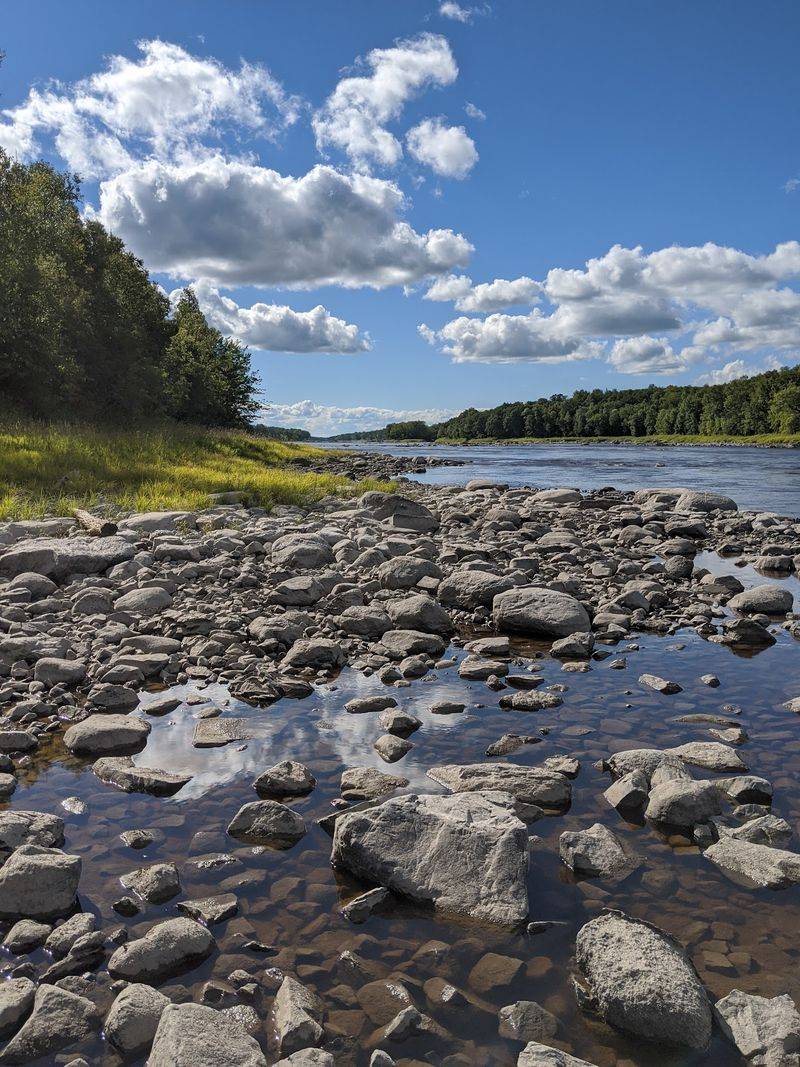
Rather than sprawling trails and packed parking lots, you get something rarer: actual quiet. The kind where you can hear the Rainy River moving over rapids without straining your ears.
What truly sets this park apart is its position directly on the international border. Standing at the riverbank, you are looking across at Canada.
No signage, no fanfare, just water separating two countries. That geographical quirk alone makes Franz Jevne worth the drive up into the northern edge of the state, far from the tourist crowds that fill more well-known parks.
The Rainy River: A Natural Border You Can Actually See
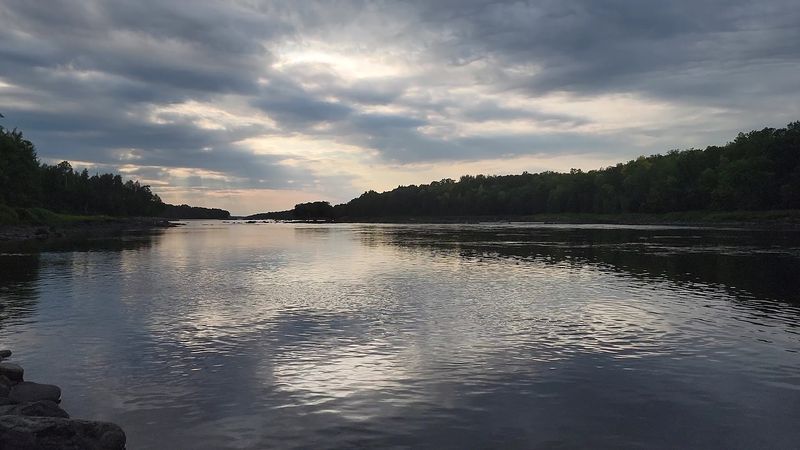
The Rainy River forms the natural boundary between Minnesota and Ontario, Canada, and at Franz Jevne, you are right on top of it. The river is wide enough to feel significant but close enough that the Canadian tree line looks almost touchable from the bank.
Visitors often comment that the view is as much Canada as it is the United States. That is not an exaggeration.
The opposite shore is clearly visible, and on calm days the reflection of the Canadian forest stretches across the water in a way that makes the whole scene feel almost unreal.
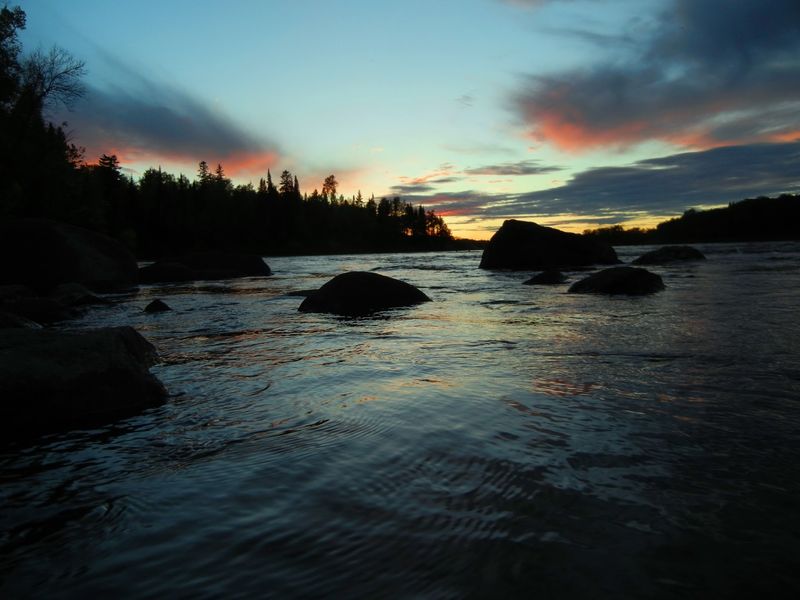
The river also produces audible rapids near the park, which adds a constant, soothing background sound to the experience. Whether you are sitting at a picnic table or walking the riverside trail, the river is always part of the atmosphere here.
Sacred Burial Mounds Along the Riverbank
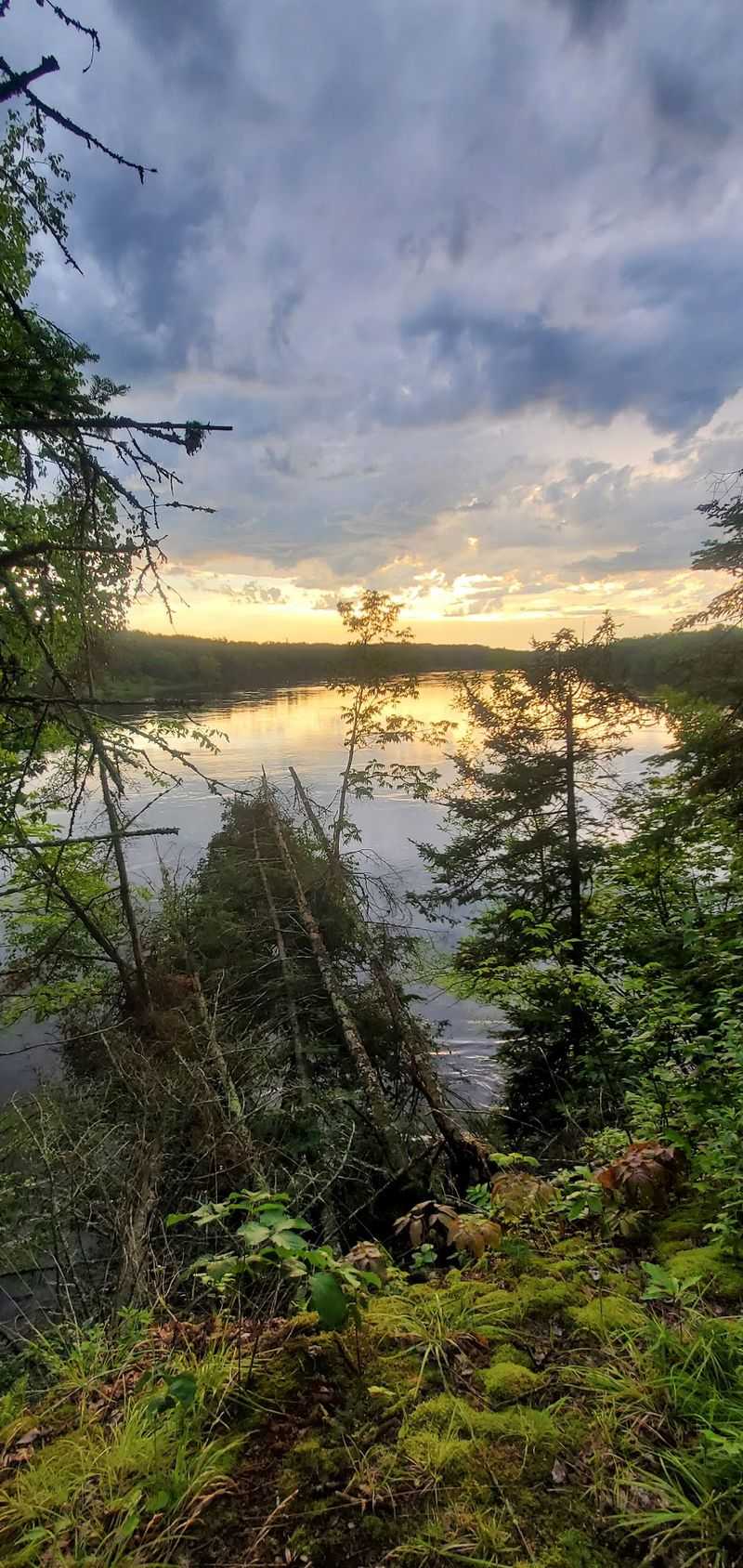
One of the most historically significant and often overlooked features of this park is the presence of Native American burial mounds along the river. These sacred sites sit quietly within the park boundaries, a reminder that this land carries deep cultural meaning that stretches back far longer than any state park designation.
Visitors who take time to learn about these mounds often describe the experience as humbling. The river, the mounds, and the surrounding forest together create a sense of place that goes well beyond ordinary park scenery.
The mounds are a reason to slow down and be respectful while exploring. This is not just a pretty riverside stop.
It is a location with layers of history that deserve acknowledgment. Knowing they are there changes how you experience the walk along the bank in a meaningful way.
Camping at the Edge of the Country
Camping here is genuinely different from most Minnesota state park experiences. The campsites are small, close to nature, and covered in lush green moss that makes tent pads feel surprisingly soft underfoot.
There are only a handful of sites, which means the campground never feels crowded.
Two electric sites are available for those who need a little power, but most of the appeal here is the rustic simplicity. Falling asleep to the sound of river rapids with no highway noise, no barking dogs, and no crowds nearby is something that regular campers here clearly treasure.
The campground is also remarkably clean and well-maintained considering how remote it feels. Rangers check in regularly, which keeps things orderly without disrupting the peaceful atmosphere.
If you want a camping experience that feels genuinely away from it all, this park delivers without requiring a long backcountry hike.
What to Know Before You Pack the Car
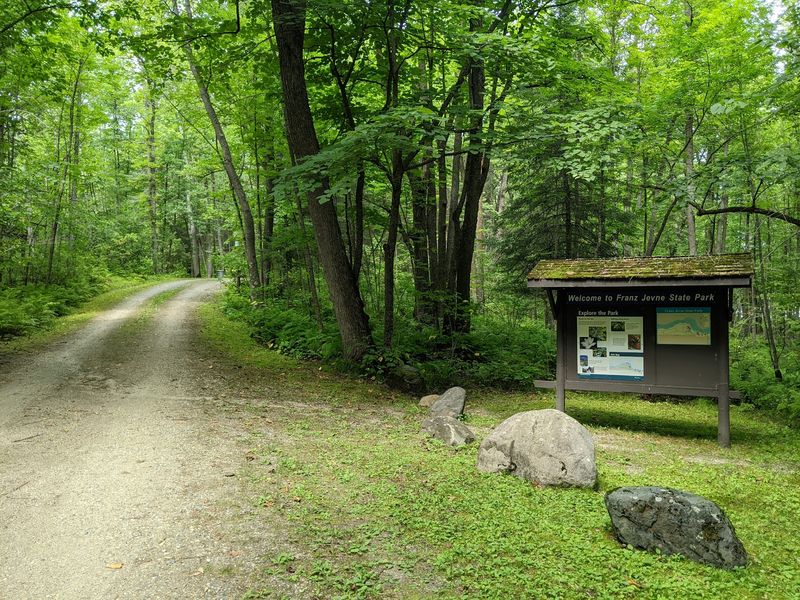
A few practical details matter a lot before you visit this park. The most important one: bring your own water.
The park’s water supply has not been reliably functional, and visitors who have arrived without enough drinking water have found themselves in an uncomfortable situation miles from the nearest town.
The park operates on a self-check-in basis with no ranger station on site. Restroom facilities are pit toilets rather than flush toilets, and there are no showers.
For some visitors this is a dealbreaker, but for others it is exactly the kind of stripped-down experience they are looking for.
Roads and campsites can be tight, so large RVs and trailers may find maneuvering difficult. The park suits smaller setups and tent campers best.
Going in with the right expectations makes all the difference between a frustrating trip and a genuinely peaceful one.
Hiking the Riverside Trail
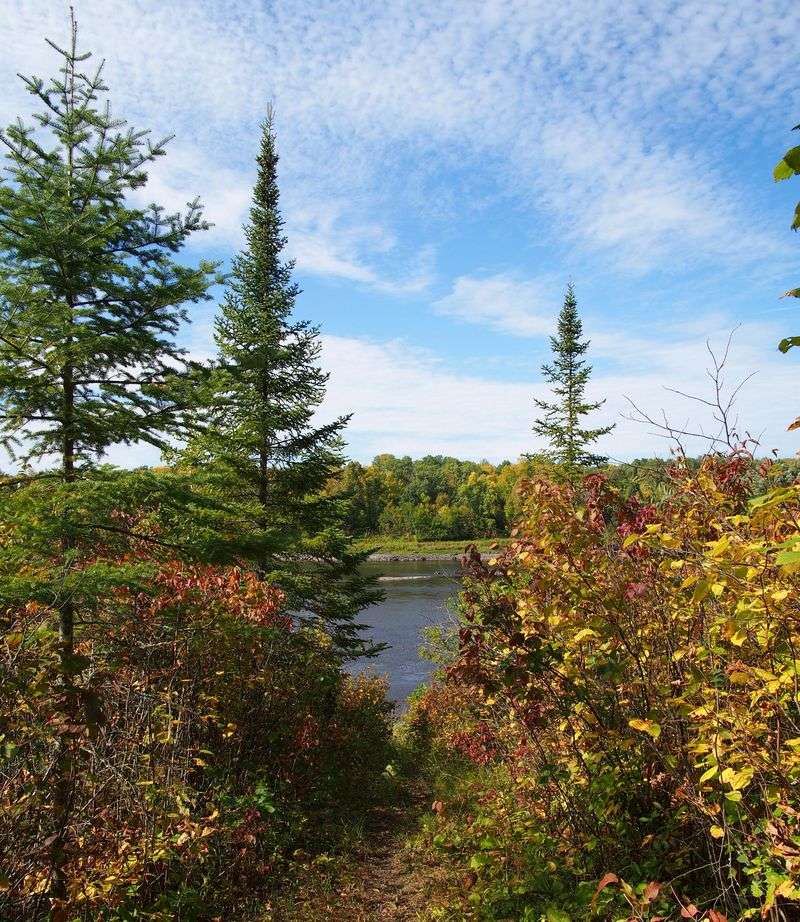
The trails at Franz Jevne are grass-covered paths rather than paved or groomed surfaces, which suits the park’s rustic personality perfectly. They follow the riverside closely, giving walkers consistent views of the Rainy River and the Canadian shore throughout the hike.
One quirk worth knowing: part of the trail for the Minnesota Hiking Club stamp route passes directly through the campground, which can feel a little awkward if campers are set up nearby. It is not a dealbreaker, just something to be aware of so you are not caught off guard walking through someone’s campsite.
The trails are best enjoyed at a slow pace. There are mushrooms scattered through the forest floor in late summer and fall, ravens overhead, and occasional pelicans visible along the river.
The experience rewards those who pay attention to small details rather than those chasing mileage.
Pelicans on the Rainy River
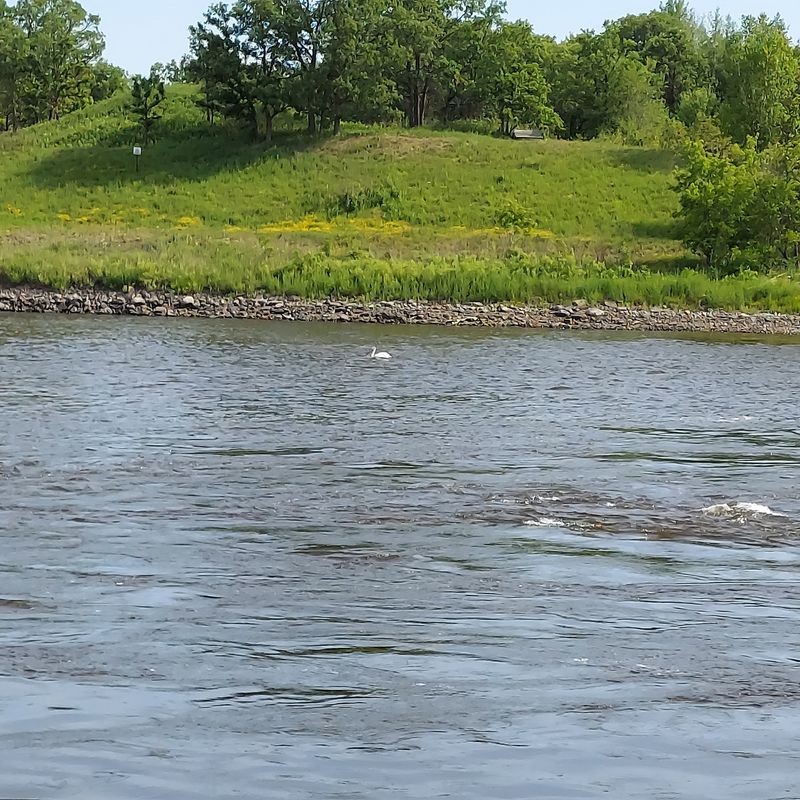
Most people do not associate pelicans with northern Minnesota, which makes spotting them here a genuine surprise. American white pelicans are known to appear along the Rainy River near the park, and seeing one glide over the water against a backdrop of Canadian forest is a moment that sticks with you.
These birds are large, unmistakable, and oddly graceful for their size. They tend to appear without warning, so keeping an eye on the river while walking the trail pays off more often than you might expect.
Ravens are also common in the area, often heard before they are seen. The combination of large birds, rushing river, and the international border view creates a wildlife-watching experience that punches well above the park’s size.
You do not need a massive park to have memorable nature encounters. Franz Jevne proves that point consistently.
The Picnic Area Overlooking the Rapids
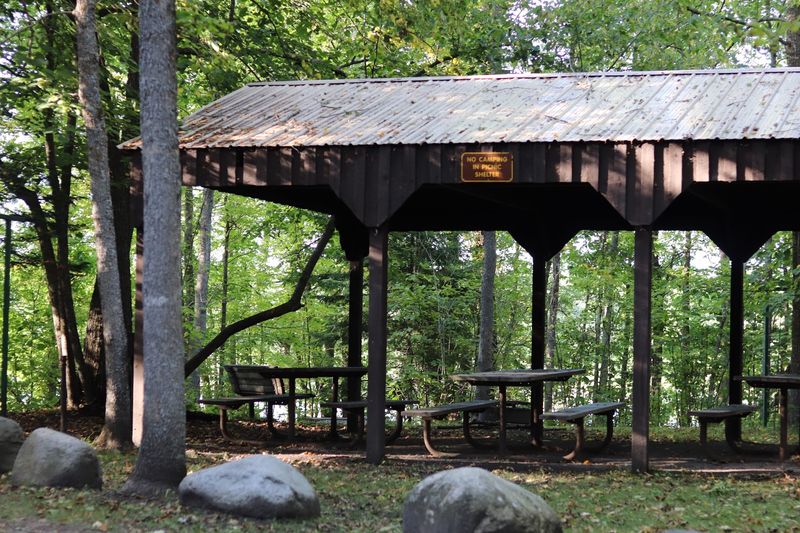
One of the most pleasant spots in the entire park is the picnic area positioned above the river rapids. A covered shelter with several tables sits there, giving visitors a front-row seat to the moving water below and the Canadian shoreline beyond.
The sound of the rapids creates a natural soundtrack that makes even a simple lunch feel like an event. On a clear day, the view stretches across the river with enough detail to see the tree line on the opposite bank in full color, especially during fall foliage season.
This picnic area is worth visiting even if you are not camping. It is the kind of spot where you sit down for what you plan to be twenty minutes and end up staying for two hours.
The combination of sound, view, and fresh air has that effect on people who take the time to settle in.
Fall Colors Along the Northern Border
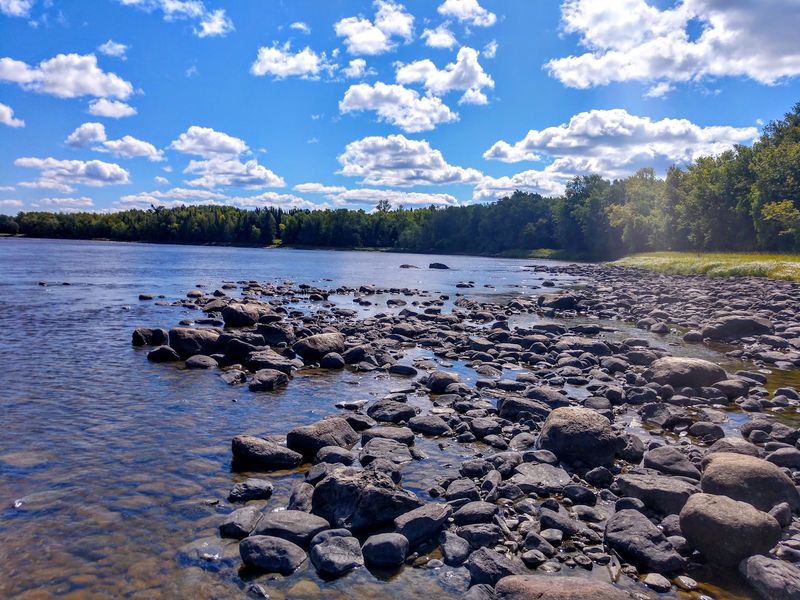
Autumn is a spectacular time to visit this part of Minnesota. The drive along MN-11 toward the park passes through stretches of forest that turn vivid shades of orange, red, and gold as September and October arrive.
By the time you reach the park, the color is everywhere.
The riverside trail becomes especially beautiful during peak fall foliage because the trees overhang the path and the river reflects the colors back upward. Mushrooms appear in greater numbers along the forest floor during this season, adding small bursts of texture and color to the ground beneath the trees.
MEA weekend in October draws a noticeable number of campers to the park, suggesting that locals already know about the fall appeal here. Getting a campsite during peak color season may require planning ahead, even at a park this small and relatively unknown to wider audiences.
Boat Access and Fishing on the Rainy River
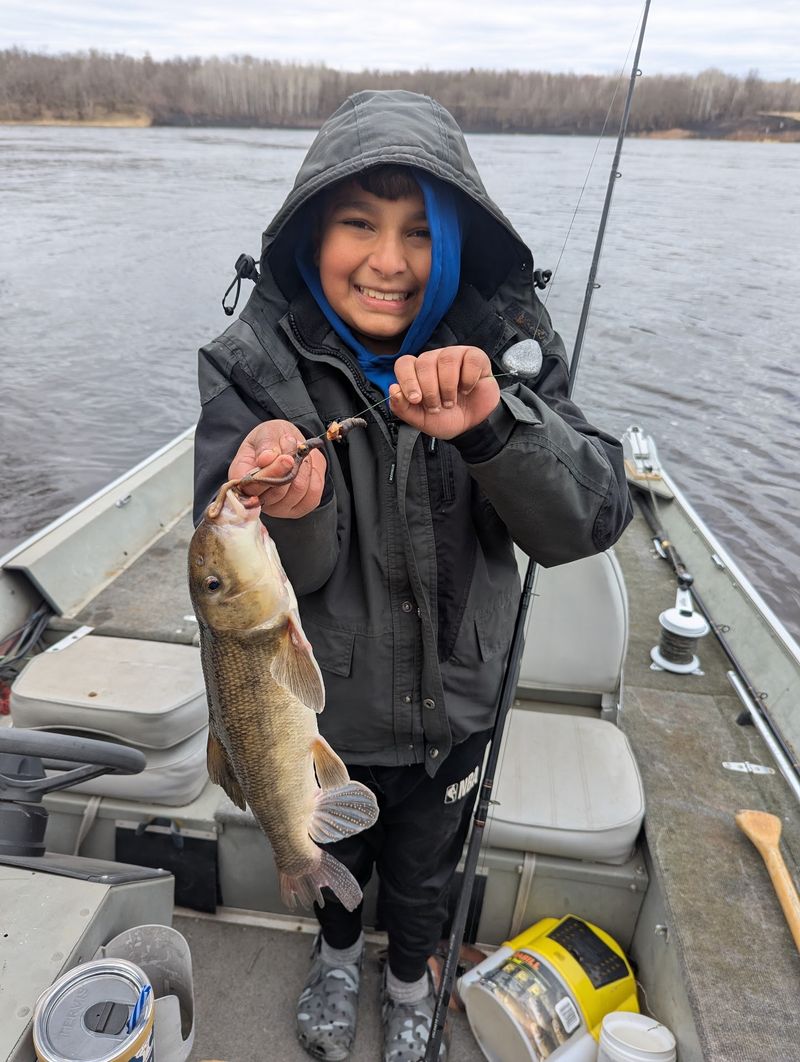
Fishing is a major draw for many of the visitors who make the trip out to this remote corner of Minnesota. The park includes boat access to the Rainy River, which is a productive fishing river known for walleye, sauger, and other species that attract anglers from across the region.
The boat launch is simple and functional rather than elaborate, fitting the overall character of the park. Fishermen often use this access point as a base for longer stretches on the river, and the campground makes it easy to stay multiple nights without having to pack up and relocate.
Bait stores can be found within reasonable driving distance, though planning ahead is smart given how rural the surrounding area is. The fishing experience here pairs naturally with the quiet camping, making Franz Jevne a practical destination for those who want to combine outdoor recreation with genuine solitude.
Stargazing Far From City Lights
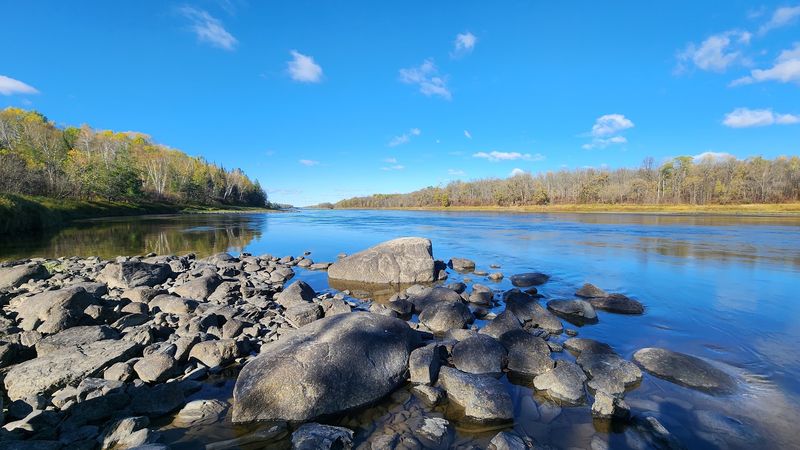
Remote locations in northern Minnesota have a natural advantage when it comes to night skies, and Franz Jevne is no exception. Far from the light pollution of any major city, the park offers the kind of stargazing that most people only experience once or twice in their lives.
Campers who have spent nights here describe the stars as incredible, with the Milky Way visible on clear nights in a way that simply does not happen anywhere near urban areas. The river adds a reflective surface that doubles the effect, especially on calm nights when the water is still.
Bringing a reclining camp chair and spending an hour after dark just looking up is one of the simplest and most rewarding things you can do here. No equipment required, no special timing needed.
Just clear skies and a location remote enough to let the stars do what they do best.
Swimming and Kayaking on the River
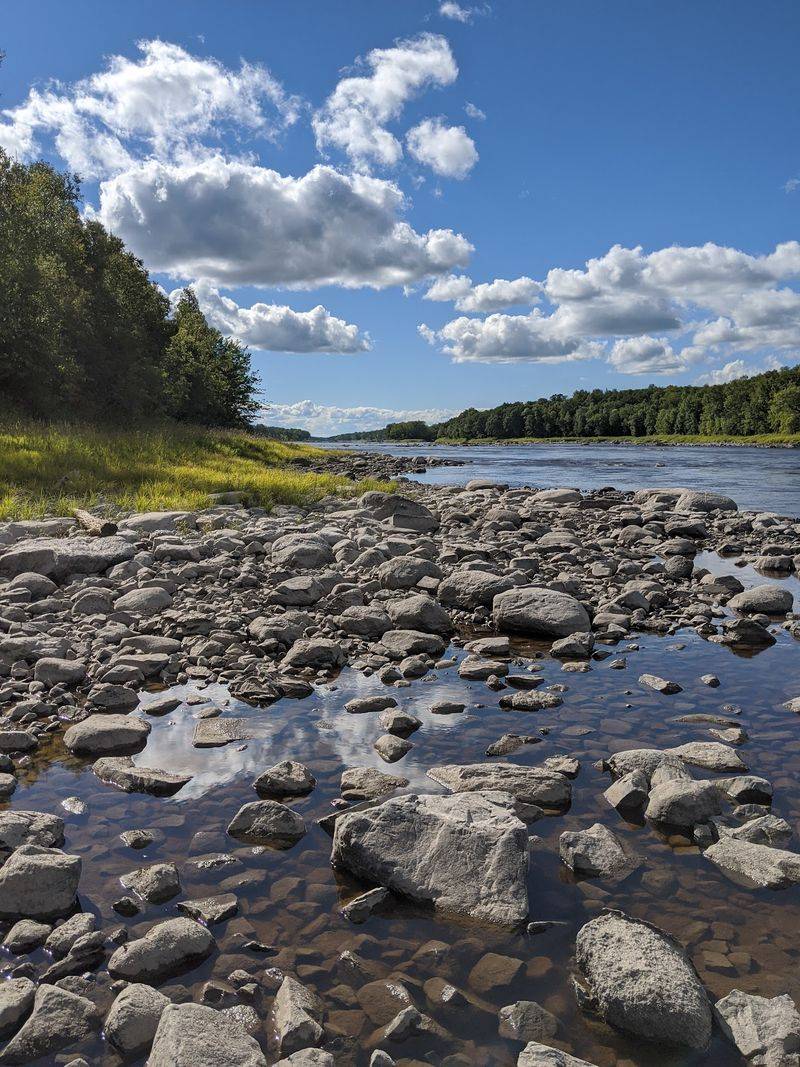
Beyond fishing and hiking, the river itself offers recreational opportunities that visitors sometimes overlook. There are spots along the Rainy River near the park suitable for swimming and kayaking, giving the visit a more active dimension if you want it.
Kayaking along the border river is a genuinely unusual experience. Paddling with Canada on one side and Minnesota on the other puts the geography of the park into a whole new perspective.
The river moves at a manageable pace in calmer sections, making it accessible for paddlers who are not looking for whitewater challenges.
Swimming access depends on water levels and conditions, so checking in advance is a good idea. The park is not set up as a formal swimming destination, but the river is right there and the appeal is obvious on a warm summer afternoon when the water looks clear and inviting.
The Quiet That Only Remote Parks Deliver
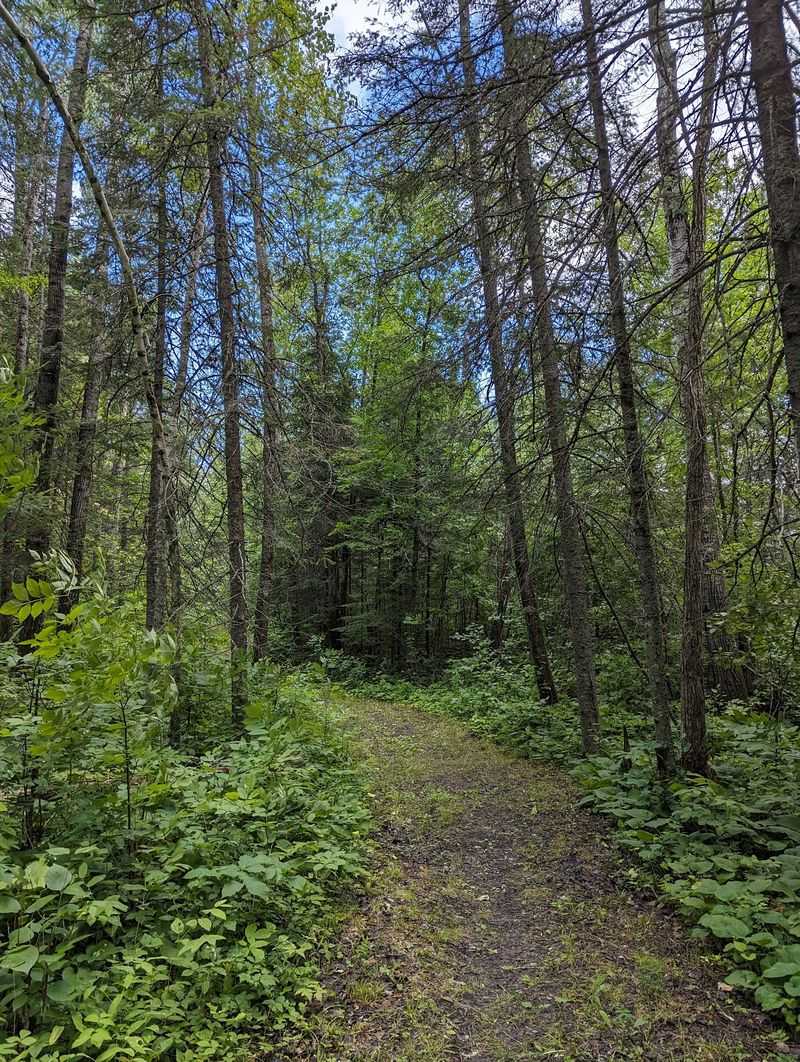
There is a specific kind of quiet that only exists far from population centers, and Franz Jevne has it in abundance. No highway noise bleeds in.
No distant sirens. The dominant sounds are wind in the trees, water over rocks, and whatever birds happen to be passing through that day.
That quality of silence is something people increasingly seek out and increasingly struggle to find. At this park, it is not a selling point that needs to be advertised.
It is simply the default state of being there. Visitors who arrive expecting a busy, amenity-rich park leave disappointed.
Visitors who arrive looking for genuine stillness leave wanting to come back.
The park is particularly peaceful on weekdays when campsite numbers drop significantly. If your schedule allows a mid-week visit, the experience becomes even more private and unhurried, which amplifies everything that makes the location worth the long drive north.
How to Get There and What to Bring
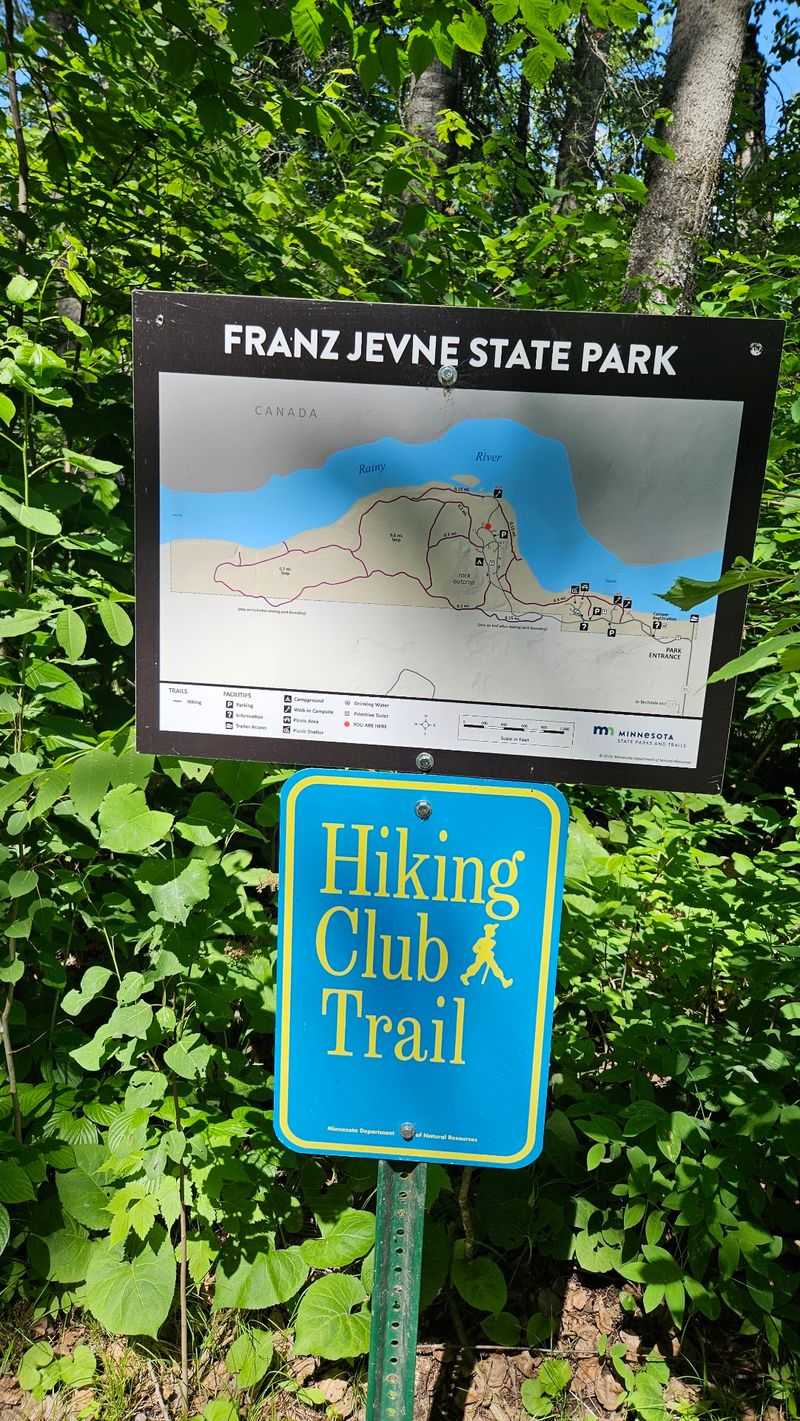
Franz Jevne State Park sits along MN-11 in the small community of Birchdale, deep in Koochiching County near the Canadian border. The drive itself is part of the experience.
MN-11 cuts through boreal forest and passes through small towns that give you a real sense of how far north you have traveled.
The nearest services are limited, so arriving fully prepared matters more here than at parks closer to urban areas. Pack enough food and water for your entire stay.
Bring insect repellent, especially in summer, when mosquitoes are active. A first aid kit and a paper map are practical additions given the remote location and limited cell service.
Cash or a check may be needed for the self-pay station at the entrance. Reviewing the Minnesota DNR website before your trip gives you current campsite availability and any updates on facilities, which can change seasonally at a park this size.
Why This Tiny Park Deserves a Spot on Your Minnesota List
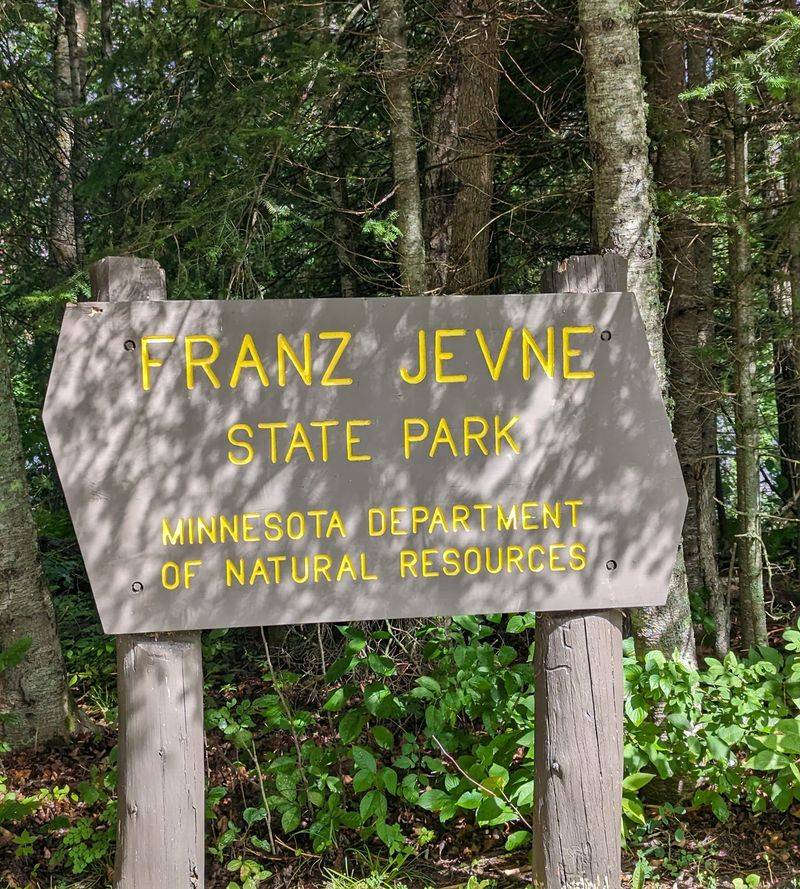
Franz Jevne does not try to be everything to everyone, and that restraint is actually its greatest strength. It offers a specific experience: a quiet, beautiful, historically layered spot on the international border where the river, the wildlife, and the remoteness combine into something genuinely memorable.
Parks like this one tend to get overshadowed by larger, more developed destinations. But the visitors who find their way here often become loyal repeat visitors, drawn back by the rapids, the Canada view, the stars, and the simple pleasure of a campsite covered in soft green moss.
If you are working through Minnesota’s state park passport program or just looking for a park that feels nothing like the ones near the city, this is a strong candidate. The drive is long, the amenities are minimal, and the reward is exactly the kind of experience that is hard to find anywhere else in the state.
Share this story