Somewhere out on the sagebrush plains of eastern Oregon sits a building most travelers zip right past without knowing what they’re missing. It looks like a plain old barn from the road, but step inside and you’re standing in a piece of Old West history that took real genius to build.
Fellow Oregonians, this is the kind of quiet, out-of-the-way stop that turns an ordinary road trip into a story you’ll tell for years. Bring your curiosity and a full tank of gas.
A Circle of History on the High Desert Plains
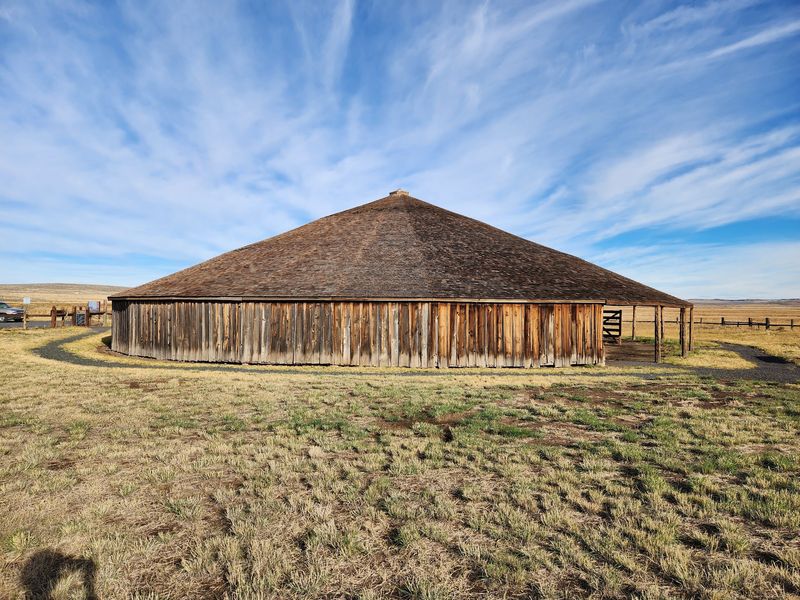
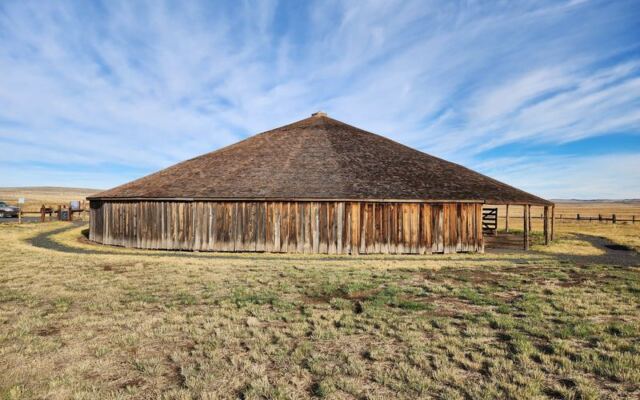
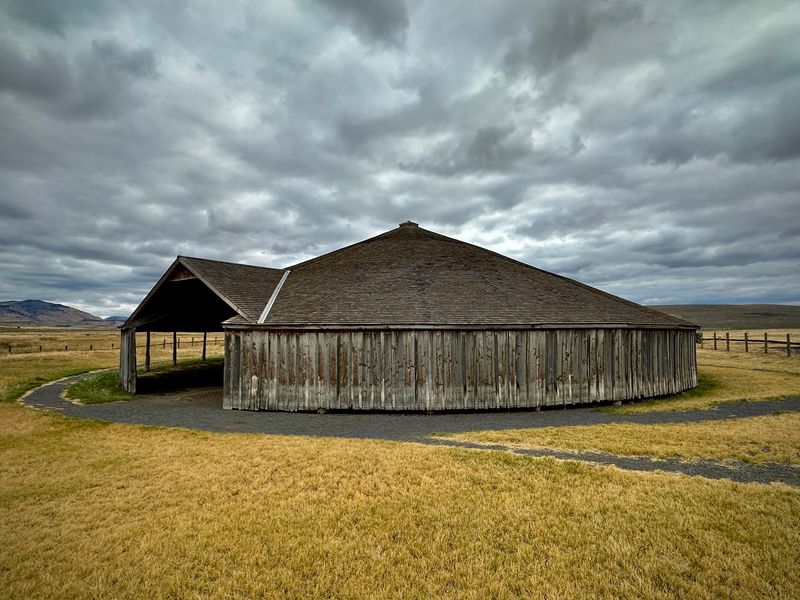
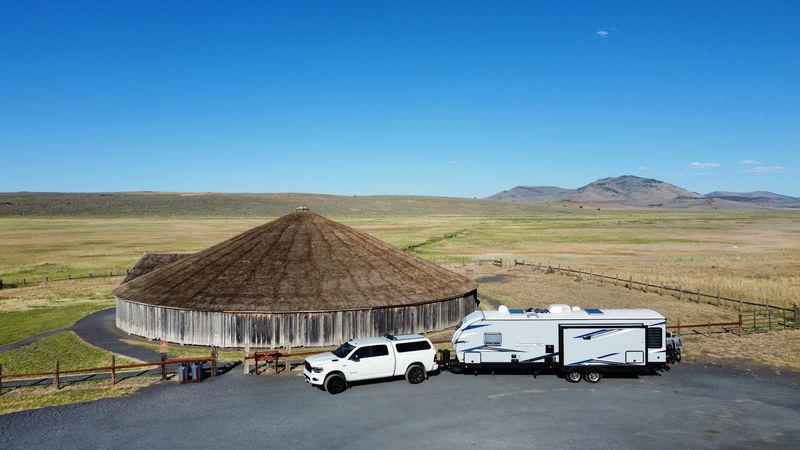
Way out near the tiny community of Diamond, Oregon, in the sagebrush country south of Burns, a round wooden giant rises from the flat high-desert floor. You can spot it from a long way off as you rumble up the gravel road, growing larger against the endless horizon.
Officially the Pete French Round Barn State Heritage Site, it earns its title as a genuine relic from Oregon’s early cattle days. Built in the 1880s, it’s the last surviving round barn of its kind out here, wonderfully preserved after well over a century.
Visitors often admit their first thought was, well, it’s just a barn. Then they walk inside and understand why folks drive so far to see it.
The setting alone, quiet and wide open, rewards anyone willing to leave the main highway behind.
The Cattle Baron Behind the Beams
Picture a man who once controlled somewhere between 160,000 and 200,000 acres of Oregon rangeland. That was Peter French, the ambitious cattle king whose empire once stretched across this corner of the state.
His story runs from rags to riches, and it’s every bit as dramatic as the western movies. French was controversial and dynamic, feared by some and genuinely loved by the hands who worked for him.
He clashed with small settlers over water rights and land claims during a turbulent chapter of frontier life.
The interpretive signs on site walk you through his rise and his complicated legacy. Regulars suggest reading up on him before you go, because knowing the man behind the barn transforms the whole visit.
What seems like a simple structure suddenly carries the weight of a sprawling, tangled Oregon saga.
Engineering Built to Beat Brutal Winters
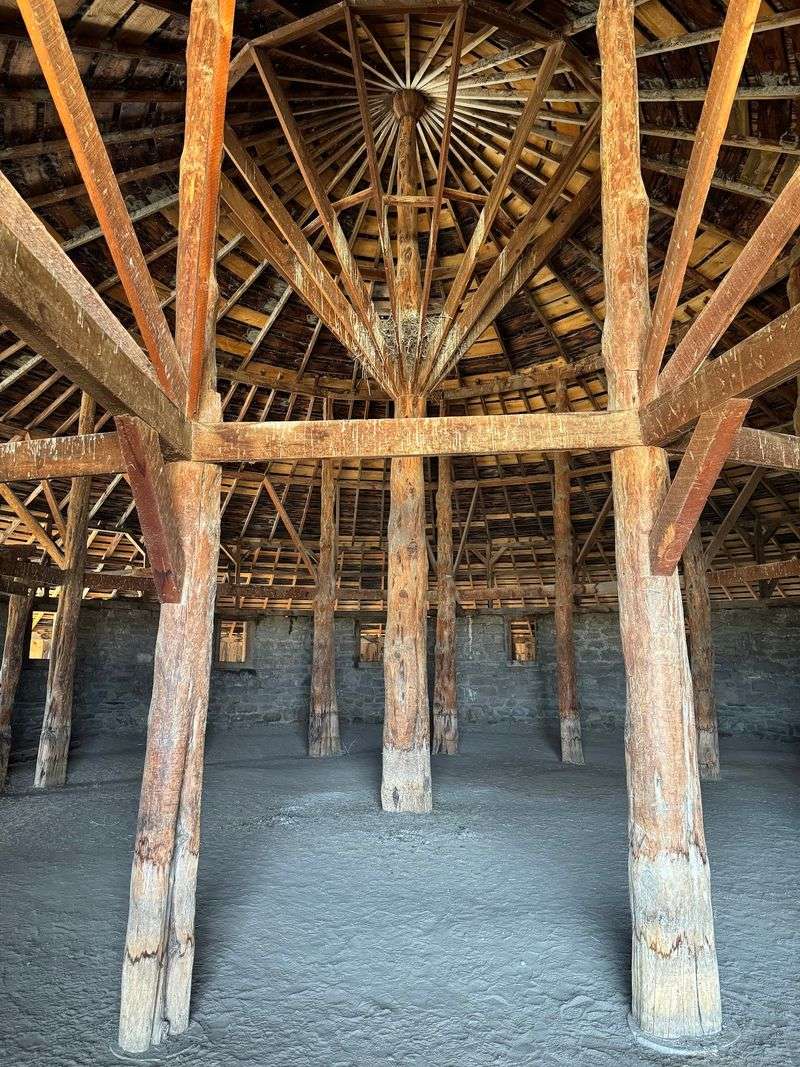
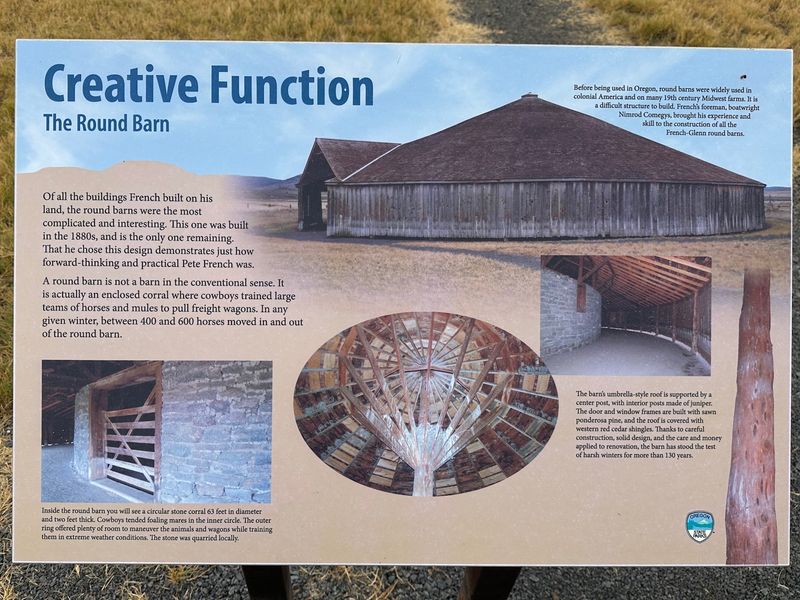
Here’s where the cleverness hits you. French didn’t build a round barn just to be different, he built it to solve a real problem: Oregon’s long, bone-chilling winters made outdoor work nearly impossible.
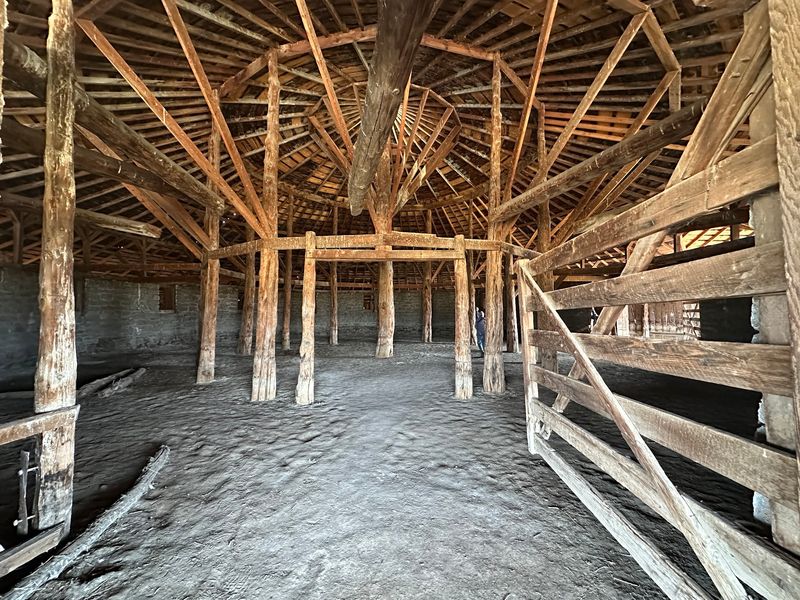
The answer was an indoor circular corral, a covered arena more than a traditional barn. Cowboys walked horses and mule teams around the inner ring, training them to pull heavy freight wagons while sheltered from the weather.
The innermost circle was set aside to care for foaling mares.
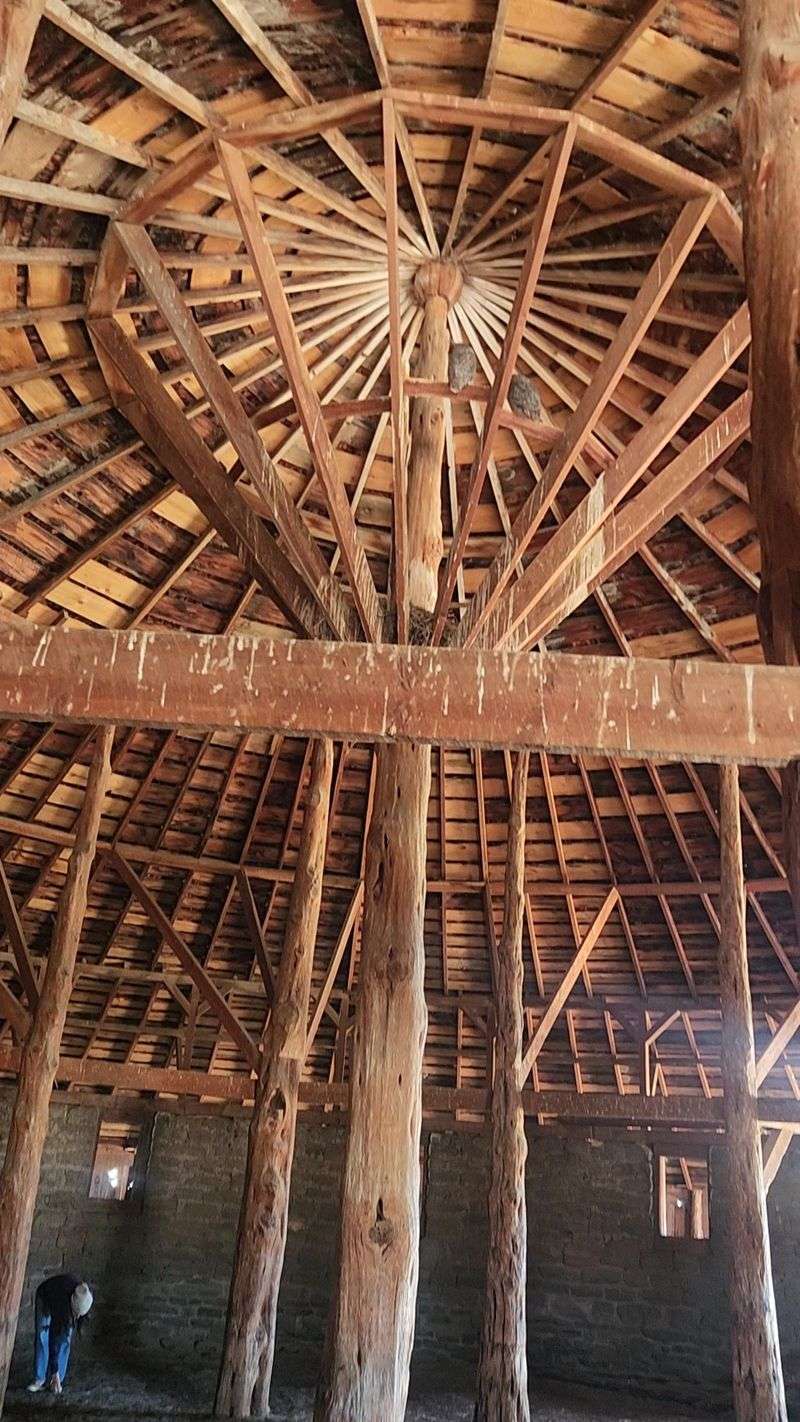
Standing inside the 100-foot ring, you can almost hear the echo of hooves circling that endless track. Visitors call it an ingenious, genuine engineering marvel, and they marvel that anyone pulled it off more than a century ago.
Trying to build something like this today would be a challenge, let alone back then with hand tools and horse power.
Stone Walls and Juniper Timbers
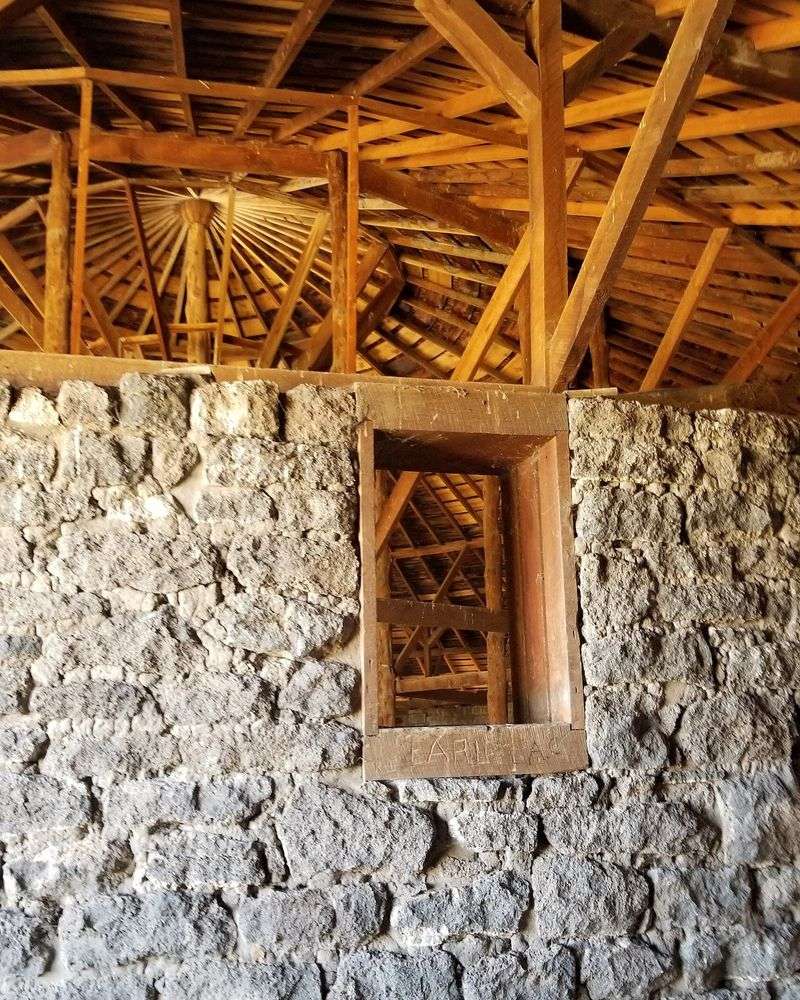
Run your eyes along the walls and you’ll notice the barn tells its story through texture. Stacked stone forms the base, while sturdy juniper beams frame the soaring roof, all showing honest patina from a century of sun, wind, and cold.
Photographers especially love wandering the perimeter, spotting little details and rough-hewn craftsmanship at every turn. The architecture draws admiration from nearly everyone who stops, and it’s one of the most mentioned reasons people say the detour pays off.
A heads-up worth remembering: the interior stays fairly dark, so a tripod helps if you’re serious about capturing those moody, textured shots. Some panels look a bit weathered these days, but many folks feel that lived-in wear only adds to the authentic, time-worn character.
It feels real, not restored to a shine, and that honesty is part of the charm.
The Owls That Rule the Rafters
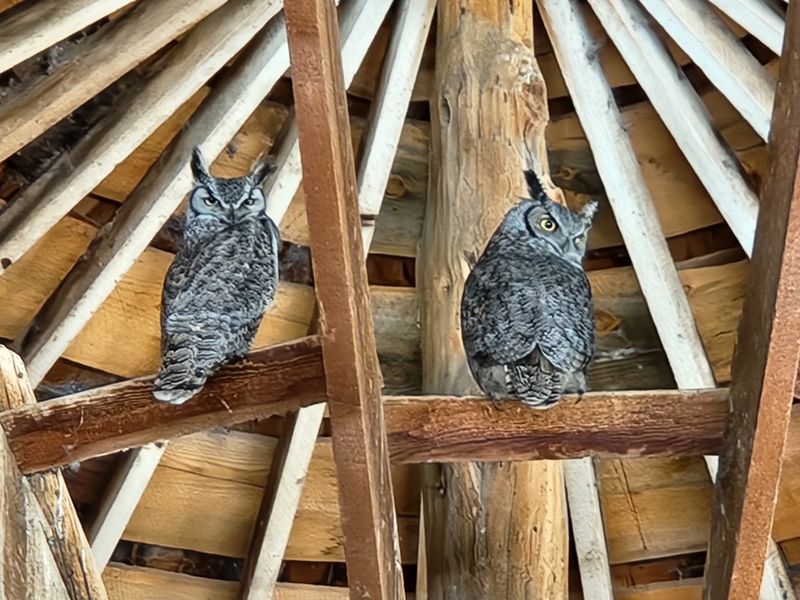
Look up while you’re inside and you might catch a pair of eyes staring right back. The barn’s most famous residents are its owls, who have claimed the high rafters as their own private kingdom.
Visitors frequently spot a large nest tucked up in the beams, sometimes finding tiny bones on the ground below from the critters the owls feast on. The little ones have a habit of peeking out and scolding anyone who wanders too close, which delights bird lovers to no end.
Do give these feathered locals their space, as they can get protective of their territory. For folks who enjoy wildlife alongside history, the resident owls turn a quick stop into an unexpected nature encounter.
It’s a two-for-one: frontier heritage and a genuine high-desert bird show, all under one round roof.
The Little Visitor Center That Surprises Everyone
Don’t judge the small building near the barn by its plain exterior. It looks like nothing much from outside, yet step in and there’s a whole world of local lore waiting.
The gift shop and visitor center stocks ranching histories, regional books, knives, jackets, and Steens Mountain souvenirs, plus a few snacks and a real restroom, a genuine treat this far out. Prices run a touch high, which is understandable given how remote it is.
What truly wins people over, though, are the folks who run it. Guests rave about staff like Marty, who answered every question with warmth and shared insider tips on things to see across the region.
One kind note from regulars: if you use the facilities, buy something small in return. It keeps this little outpost going for the next curious traveler.
Who Will Love This Detour Most
Honestly, if you love traveling off the beaten path, this stop practically has your name on it. History buffs get the biggest thrill, soaking up the frontier drama and the ingenious design.
Photographers find endless textures to frame, birdwatchers get the owls, and anyone craving authentic high-desert quiet will feel right at home. More often than not, you’ll have the place nearly to yourself, since crowds simply don’t make it out this far.
Families enjoy it too, especially the surprisingly rich stories tucked inside the visitor center. There’s a slightly spooky, atmospheric mood to the old structure that older kids find fun.
Even Oregonians who think they’ve seen every barn come away impressed. It’s the sort of secret spot that rewards the curious and leaves the hurried tourists none the wiser.
Planning the Gravel-Road Journey
Good news for the budget-minded: admission is free, and the site stays open year-round, weather permitting. That last part matters, because seasonal flooding has occasionally kept the actual barn off-limits, so it’s smart to check ahead.
Getting there means a gravel-road jaunt near Diamond, out in the Malheur country south of Burns. Parking is plentiful once you arrive, and there’s room to stretch your legs.
For questions or current conditions, the Oregon State Parks line at 800-551-6949 can help, and their website lists the details. The visitor center keeps its own hours and isn’t always open, so timing your trip midday gives you the best shot at catching it.
Watch your step outside, too, since hidden holes dot the grass around the barn and can easily twist an unwary ankle.
Why the Last Round Barn Still Earns the Miles
Some places stay with you long after the dust settles on your tires, and this weathered giant is one of them. It’s the last of its kind, a rare survivor from a vanished chapter of Oregon’s cattle era.
Between the clever engineering, the larger-than-life story of Pete French, the resident owls, and the friendly keepers of the little visitor center, the whole experience punches far above its humble first impression. Folks consistently call it well worth the detour, even the ones who arrived expecting just another barn.
Tie it into a Malheur Refuge birding trip, a Steens Mountain loop, or a lazy spring road trip when the desert wakes up. However you get there, treat it gently, because history this genuine deserves care.
Go quietly, look closely, and you’ll leave feeling like you’re in on a real Oregon secret.
Share this story