Our planet is full of places that seem too strange, too colorful, or too dramatic to be real. From glowing caves in New Zealand to white gypsum dunes in New Mexico, some natural landscapes genuinely look like they were pulled from a science fiction film.
These spots exist right here on Earth, and most of them are open to visitors right now. Whether you are planning a road trip or just love discovering places you never knew existed, this list will give you 14 seriously mind-bending destinations to add to your travel radar.
Some are close to home, and some require a passport, but every single one of them is worth knowing about.
Grand Prismatic Spring, Yellowstone National Park, Wyoming
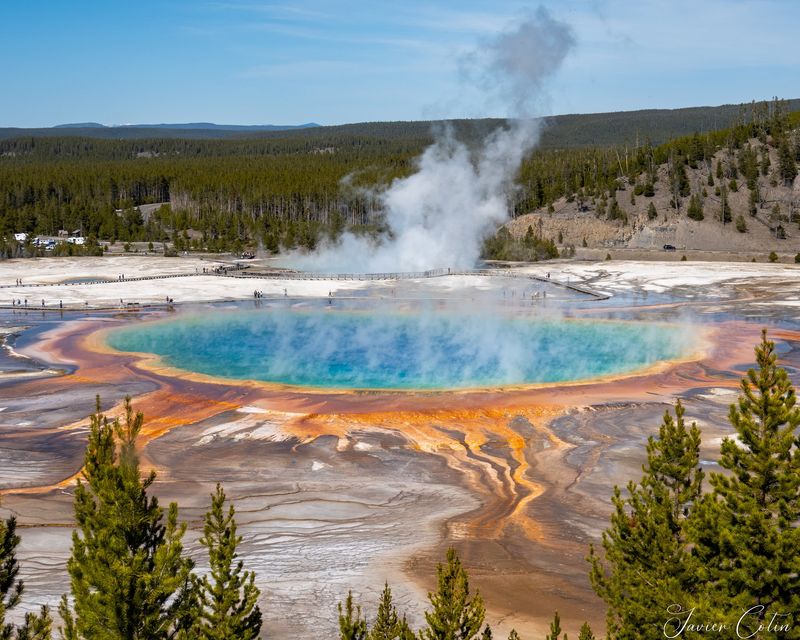
No photograph fully prepares you for seeing the Grand Prismatic Spring up close. Yellowstone’s largest hot spring measures roughly 200 to 330 feet across, making it larger than a football field, and its colors are not painted on.
The vivid rings of yellow, orange, brown, and green come entirely from heat-loving microorganisms called thermophiles that thrive in the scalding water.
The brilliant blue center is too hot for most life, which is why it stays that deep, clear color. As water cools toward the edges, different communities of microbes move in and create those striking color bands.
The effect from ground level is impressive, but the Midway Geyser Basin overlook gives you the full picture.
Steam rising off the surface adds to the otherworldly atmosphere, especially in cooler months. The overlook trail is short, paved, and accessible.
Yellowstone’s Midway Geyser Basin remains open to visitors year-round.
White Sands National Park, New Mexico
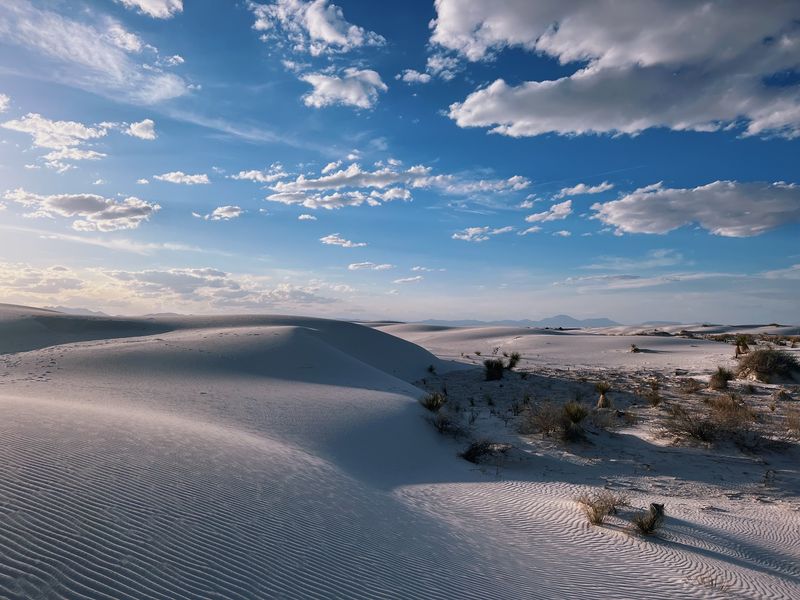
Most deserts are tan or brown. White Sands looks like someone replaced all the sand with powdered sugar and forgot to tell anyone.
The dunes here are made of gypsum, a soft mineral that does not absorb heat the way regular quartz sand does, which means the ground stays cool enough to walk barefoot even on a sunny day.
The park covers more than 275 square miles in southern New Mexico and protects the world’s largest gypsum dune field. Under a clear blue sky, the white dunes create a contrast that genuinely does not look like anything else in North America.
Sledding down the dunes on plastic discs is a popular and completely real activity here.
The park is open daily, though temporary closures can happen because of nearby White Sands Missile Range testing operations. Checking the park’s website before you visit is always a smart move.
Wadi Rum, Jordan
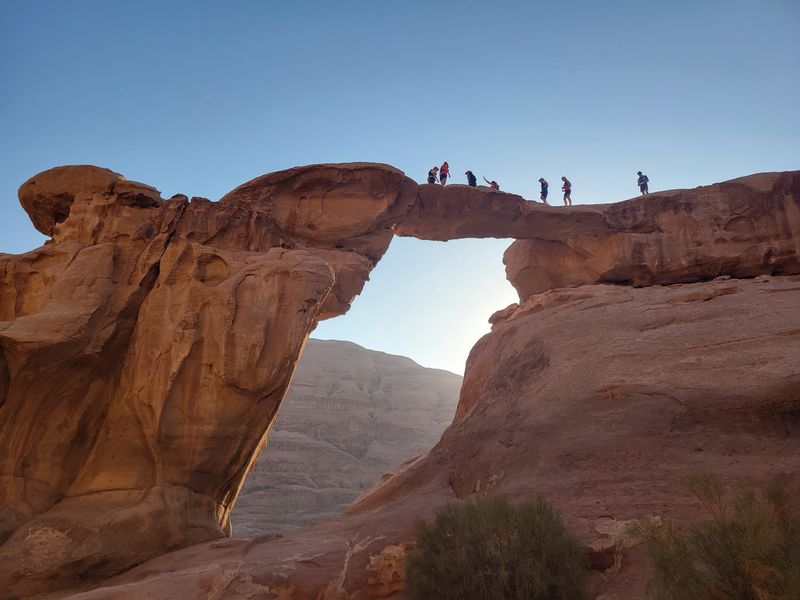
Wadi Rum earned its nickname, the Valley of the Moon, because the landscape barely looks like it belongs on this planet. Enormous sandstone and granite cliffs rise hundreds of meters from a flat red sand floor, and the silence in between is the kind that actually feels physical.
It is not hard to understand why filmmakers have used this location to stand in for Mars and other fictional worlds.
The protected desert area in southern Jordan is accessible around the clock, and most visitors explore it through guided 4×4 tours, camel rides, or multi-day desert camps. Sleeping under the stars here, with no city lights for miles, is an experience that is difficult to replicate anywhere else.
Temperatures can swing dramatically between day and night, so packing layers is practical no matter what time of year you visit. Jordan’s tourism infrastructure around Wadi Rum is well established and visitor-friendly.
Lencois Maranhenses National Park, Maranhao, Brazil
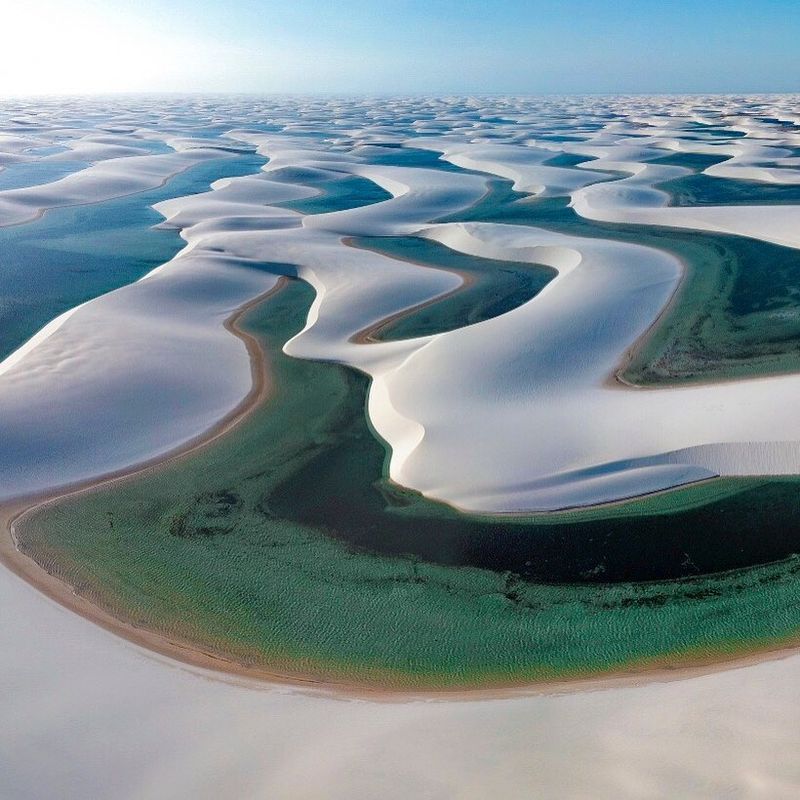
From the air, Lencois Maranhenses looks like a white desert that somehow flooded. That description is more accurate than it sounds.
The park protects a vast field of brilliant white sand dunes in northeastern Brazil, but unlike a conventional desert, the region receives significant rainfall each year.
Between roughly January and June, rainwater collects in the low-lying valleys between dunes and creates thousands of freshwater lagoons ranging from pale turquoise to deep blue. The combination of white sand and vivid water creates a landscape that photographers consistently struggle to make look believable.
Fish actually survive in some of the lagoons, carried in by birds or arriving through underground connections to nearby rivers.
Brazil’s ICMBio confirms the national park is open to visitors year-round, though the lagoons are most impressive from about May through September when water levels are highest. The towns of Barreirinhas and Santo Amaro serve as common entry points.
Bryce Canyon National Park, Utah
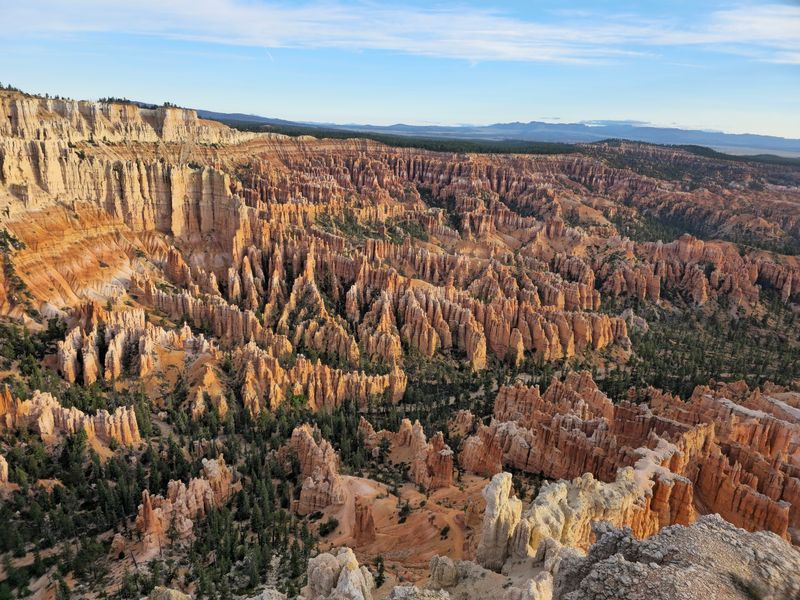
Bryce Canyon is not technically a canyon at all. It is a series of natural amphitheaters carved into the edge of the Paunsaugunt Plateau, and what fills those amphitheaters is one of the most unusual collections of rock formations on Earth.
The hoodoos here number in the thousands, rising in tight clusters of orange, pink, and cream-colored spires that can reach heights of 200 feet.
Walking among them at ground level on trails like Queens Garden or Navajo Loop puts you inside a landscape that feels genuinely surreal. The narrow passages between hoodoos, combined with the towers rising on all sides, create the impression of moving through the ruins of some enormous ancient city built by no one recognizable.
Bryce Canyon sits at high elevation, which means snow is possible even in spring and fall, and winter visits produce their own kind of striking scenery. The park is open 24 hours a day, year-round.
Waitomo Glowworm Caves, New Zealand
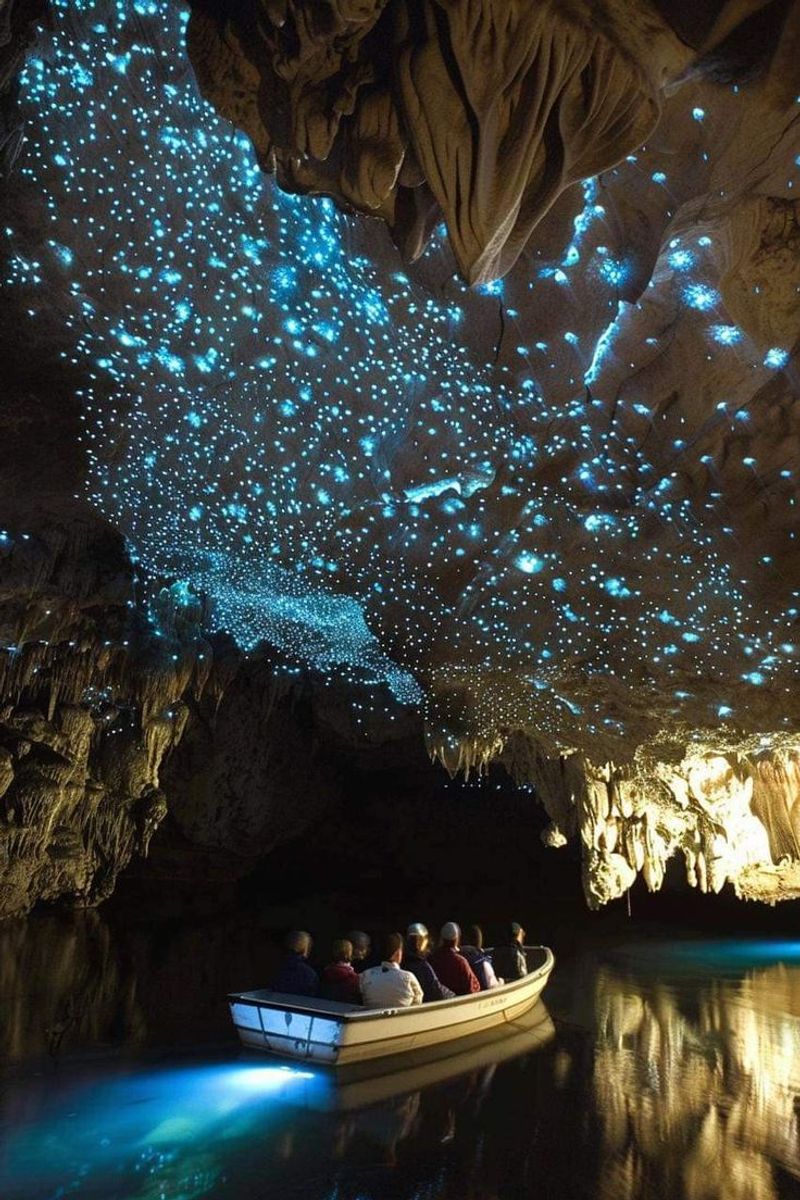
Lying on your back in a flat-bottomed boat while someone quietly pulls you through a dark cave using a rope attached to the ceiling is not a typical travel experience. At Waitomo, it is the main event.
Above you, thousands of Arachnocampa luminosa, a glowworm species found only in New Zealand, cover the cave ceiling in points of blue-green light.
The effect genuinely resembles drifting beneath a clear night sky, except you are underground, surrounded by limestone, and the stars are alive. The glowworms produce their light to attract prey, which makes the ceiling’s beauty a very efficient hunting strategy.
Waitomo’s official tours run daily, and the caves have been welcoming visitors since the late 1800s. Different tour options range from the classic boat ride to more adventurous experiences involving abseiling and black-water rafting through the cave system.
Booking ahead is strongly recommended, especially during peak travel months.
Craters of the Moon National Monument and Preserve, Idaho
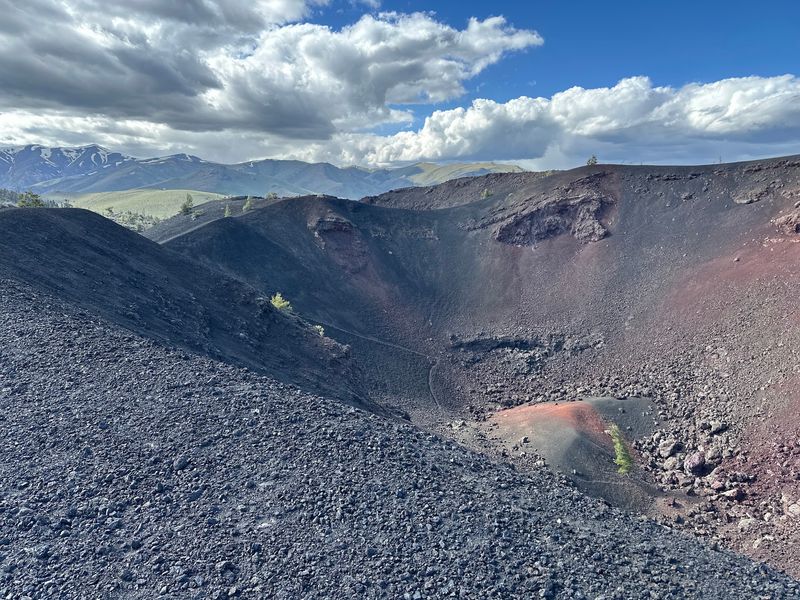
Standing in the middle of Craters of the Moon feels less like standing in Idaho and more like standing somewhere that should not be capable of supporting human life. Black lava fields stretch across the high desert plain, broken up by cinder cones, lava tubes, and volcanic craters that formed from eruptions along the Great Rift over thousands of years.
The most recent volcanic activity here occurred roughly 2,000 years ago, which is geologically very recent. Some of the lava tubes are large enough to walk through, and the monument’s cave area offers a genuinely rare underground experience.
The terrain looks barren from a distance, but the park actually supports a surprising variety of plant and animal life adapted to volcanic soil.
The monument and preserve together cover more than 750,000 acres, making it one of the largest protected volcanic landscapes in the lower 48 states. The visitor center and facilities are currently operating, and the monument remains open to the public.
Pamukkale Travertines, Denizli, Turkiye
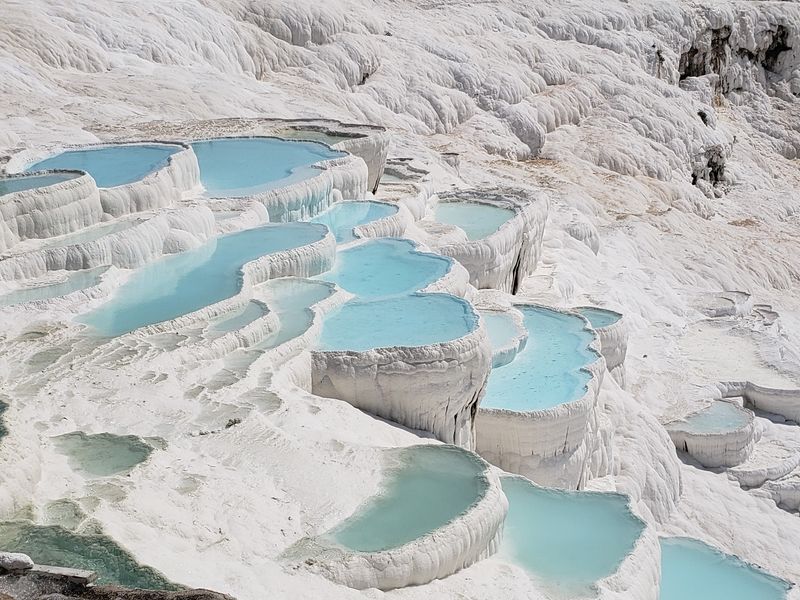
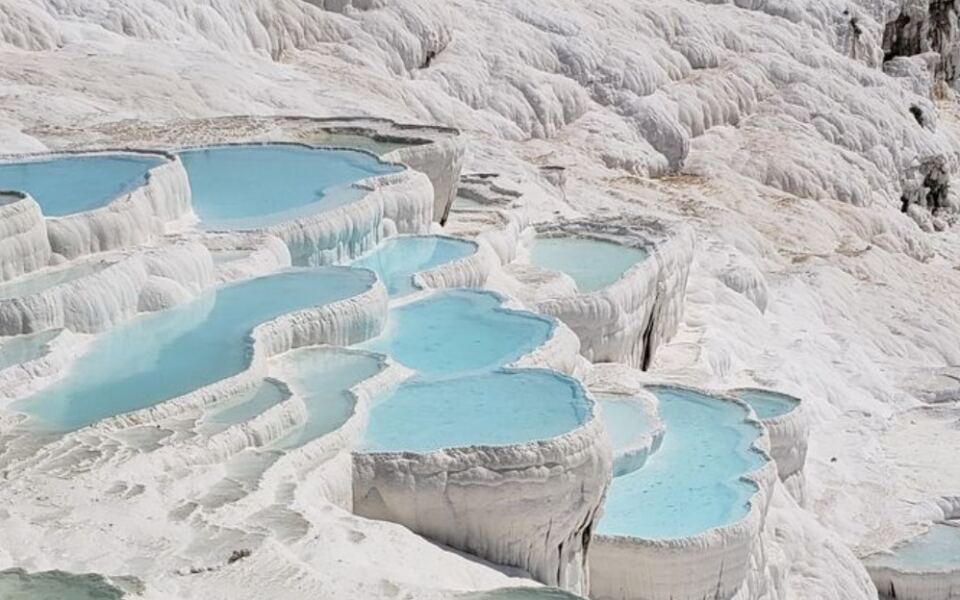
The name Pamukkale translates to Cotton Castle in Turkish, and the name fits. White calcium-rich terraces cascade down the hillside in sweeping, frozen-looking formations that were created over thousands of years by thermal water flowing down from natural hot springs above.
The result is a landscape of brilliant white mineral pools that visitors can actually wade through in designated areas.
Perched at the top of the terraces are the ruins of Hierapolis, an ancient Roman spa city that was built here specifically because of the thermal waters. The combination of the archaeological site and the geological formations makes Pamukkale one of the more layered destinations on this list.
Turkiye’s official museum and cultural heritage service currently lists the Hierapolis-Pamukkale site as open every day. Visitors are required to remove shoes before walking on the terraces to protect the formations.
The site sits near the city of Denizli in southwestern Turkey and is reachable by public transport or tour.
Badlands National Park, South Dakota
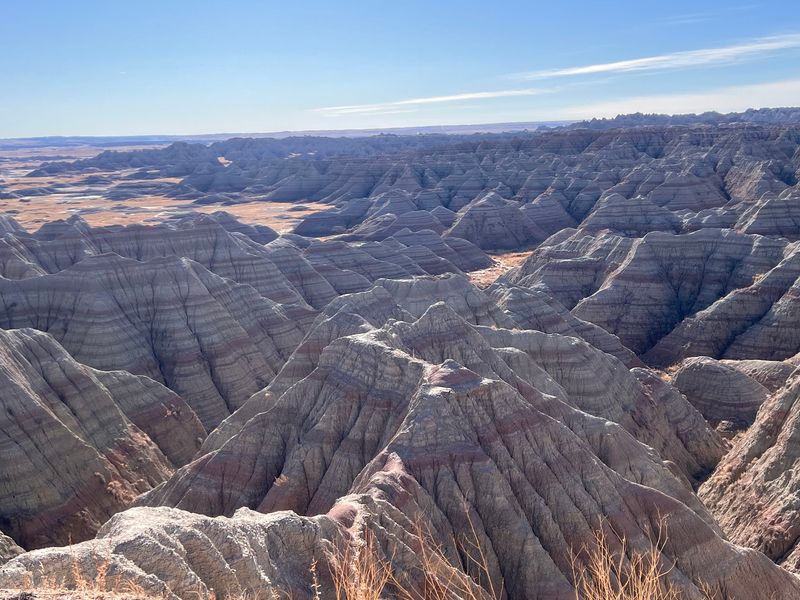
Few landscapes in the American Midwest are as visually jarring as the Badlands. Sharp ridges and eroded pinnacles rise from flat prairie grassland without much warning, and the layered rock tells a geological story that goes back tens of millions of years.
Fossil beds here have produced some of the richest collections of prehistoric mammal remains ever found in North America.
The rock layers themselves shift color depending on the time of day and the angle of light. Pale gray formations can pick up red and gold tones at sunrise and sunset, and the effect on a stormy afternoon is something else entirely.
Bison, bighorn sheep, prairie dogs, and pronghorn all live within the park boundaries, adding wildlife to the already dramatic scenery.
Badlands National Park is open 24 hours a day throughout the year, though weather-related closures can occur. The Ben Reifel Visitor Center provides exhibits and orientation for first-time visitors planning to explore the loop road or the trails.
Giant’s Causeway, County Antrim, Northern Ireland
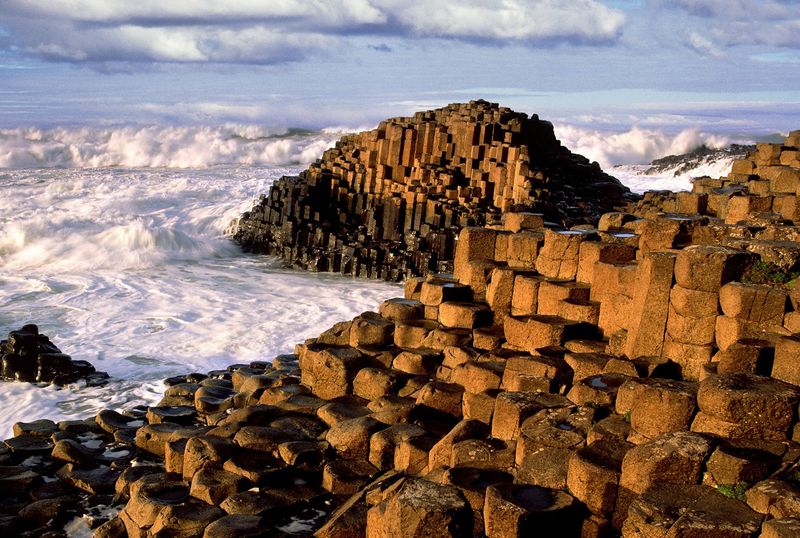
Around 40,000 interlocking basalt columns line the coastline at Giant’s Causeway, and the most striking thing about them is how geometric they look. Many of the columns form near-perfect hexagonal shapes, which is a natural result of how basalt lava cools and contracts.
The regularity of the pattern is so precise that it is easy to understand why ancient people credited the whole thing to a giant named Finn McCool.
The site sits along the Antrim coast in Northern Ireland and has been a UNESCO World Heritage Site since 1986. The columns range in height from a few inches to nearly 40 feet in some cliff sections, and the coastal setting adds dramatic wave action and sea views to the already unusual geology.
The causeway itself is accessible from dawn to dusk, and the National Trust visitor center operates on scheduled hours. Parking and a shuttle service are available for visitors who prefer not to walk the full trail from the center to the shore.
Great Sand Dunes National Park and Preserve, Colorado
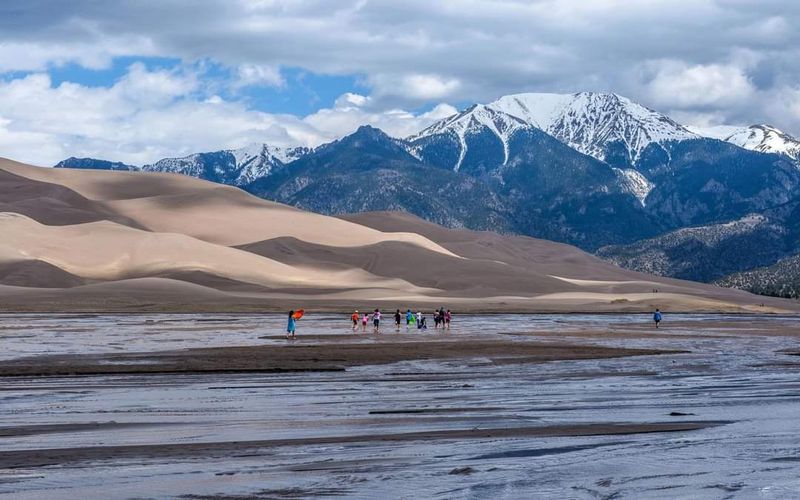
The Great Sand Dunes make no geographic sense at first glance, and that is part of what makes them so striking. North America’s tallest dunes rise to heights of over 750 feet in the San Luis Valley of southern Colorado, with the snowcapped Sangre de Cristo Mountains forming the backdrop directly behind them.
The combination of enormous sand ridges and alpine peaks in a single frame is genuinely difficult to process.
During late spring and early summer, Medano Creek flows along the eastern edge of the dune field, creating a shallow, fast-moving stream that visitors can wade through. The creek, the dunes, the grasslands, and the mountains all exist within the same view, which is part of why this park tends to produce such memorable photographs.
No off-road vehicles are needed to reach the main dune field. The park is open 24 hours a day, seven days a week, year-round, with a visitor center available for orientation and exhibits.
Painted Hills, Oregon
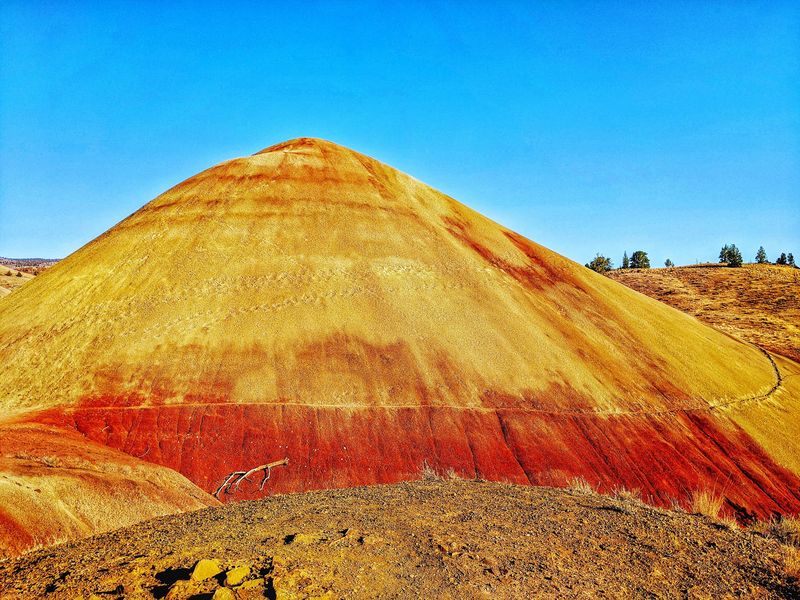
The Painted Hills unit of John Day Fossil Beds National Monument in central Oregon is one of those places that looks digitally altered in every photograph, but is entirely real. Rounded hills are banded in distinct layers of red, gold, black, and orange, created by ancient volcanic ash and clay deposits that formed over millions of years under very different climate conditions than exist today.
Rainfall and changing light have a noticeable effect on the colors. After rain, the clay-rich layers darken and intensify, and the hillsides can look almost luminous in the right conditions.
The overlook trail and the Painted Hills rim trail are both short and accessible, making the views reachable for most visitors without a difficult hike.
The Painted Hills area reopened following nearby fire activity in 2026, and NPS confirms that outdoor trails and overlooks at the monument are currently open. The nearest services and accommodations are in the town of Mitchell, Oregon.
Petrified Forest National Park, Arizona
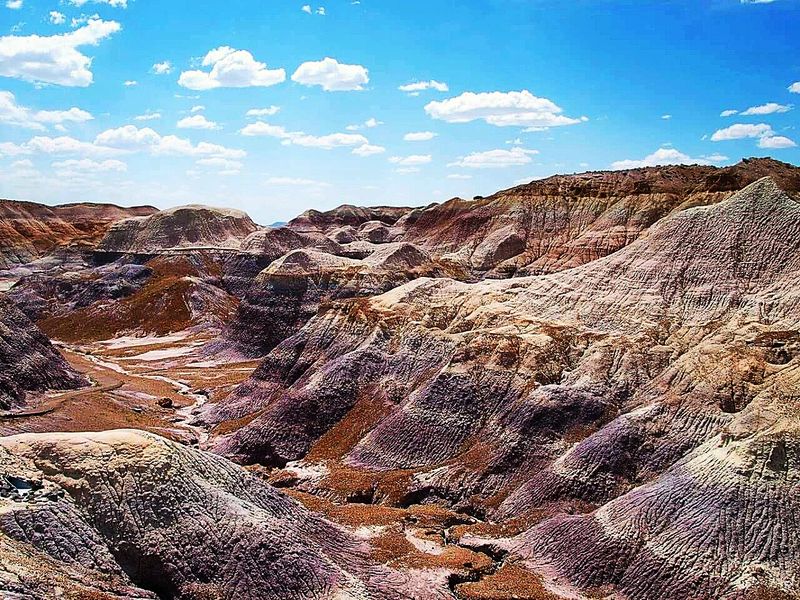
Trees that turned into stone over 200 million years ago lie scattered across a desert of striped badlands in northeastern Arizona, and the colors inside those ancient logs are genuinely unexpected. Silica replaced the original wood cell by cell over geological time, and minerals like iron oxide and manganese introduced shades of red, purple, yellow, blue, and brown into the fossilized material.
The park also protects a section of the Chinle Formation, a geologic layer known for its richly colored badlands terrain. Hiking into the backcountry here gives you an almost unobstructed view of a landscape that has changed very little in human terms.
Petrified wood collecting is strictly prohibited, which is worth knowing before you pick anything up.
The park is currently open daily from 8 a.m. to 5 p.m. and operates year-round except on Thanksgiving and Christmas. Route 66 history intersects with the park’s story, adding a cultural layer to the prehistoric one.
Uluru, Uluru-Kata Tjuta National Park, Australia
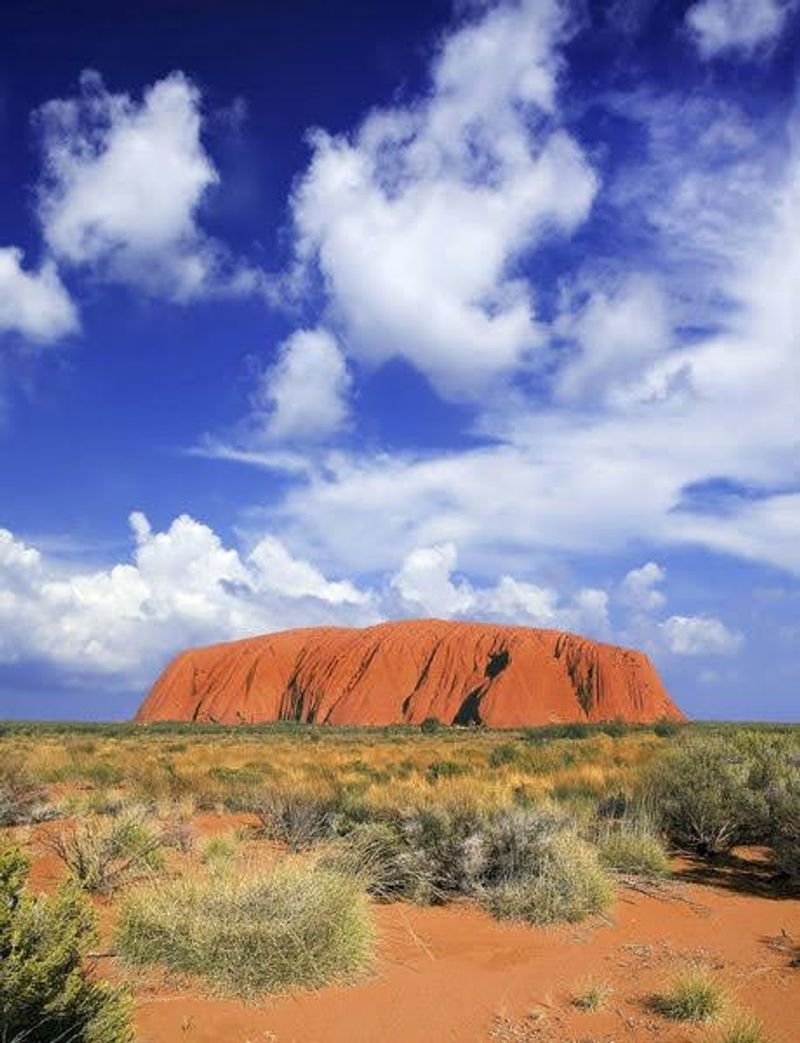
Uluru does not ease into the landscape. The sandstone monolith rises 1,142 feet above the surrounding flat red plain in Australia’s Northern Territory, and it is visible from miles away.
What makes it particularly striking is how much it changes throughout the day as sunlight moves across the surface, shifting from deep brown to orange, red, and briefly to a glowing purple-red near sunset.
For the Anangu people, Uluru is a deeply sacred site with cultural significance that goes back tens of thousands of years. Climbing the rock is no longer permitted, a decision made out of respect for Anangu wishes and formally implemented in 2019.
Walking trails around the base of the rock cover about 10.6 kilometers and provide close-up views of waterholes, rock art, and the varied surface textures of the formation.
The national park continues to welcome visitors, and the surrounding desert landscape includes the equally striking Kata Tjuta rock formations nearby.
Share this story