Most people spend their weekends scrolling, streaming, or catching up on chores. But there is a place in Minnesota where men trade all of that for three full days of silence, prayer, and reflection in a peaceful natural setting.
No phones buzzing, no small talk, no distractions pulling you in every direction. What happens when you finally get quiet enough to hear your own thoughts?
The answer might surprise you, and it keeps people coming back year after year.
What This Retreat Actually Asks You To Do
Most people hear the word “silent” and immediately feel a little nervous. Three days without talking sounds extreme at first, but the structure of this retreat makes the experience far more manageable than you might expect.
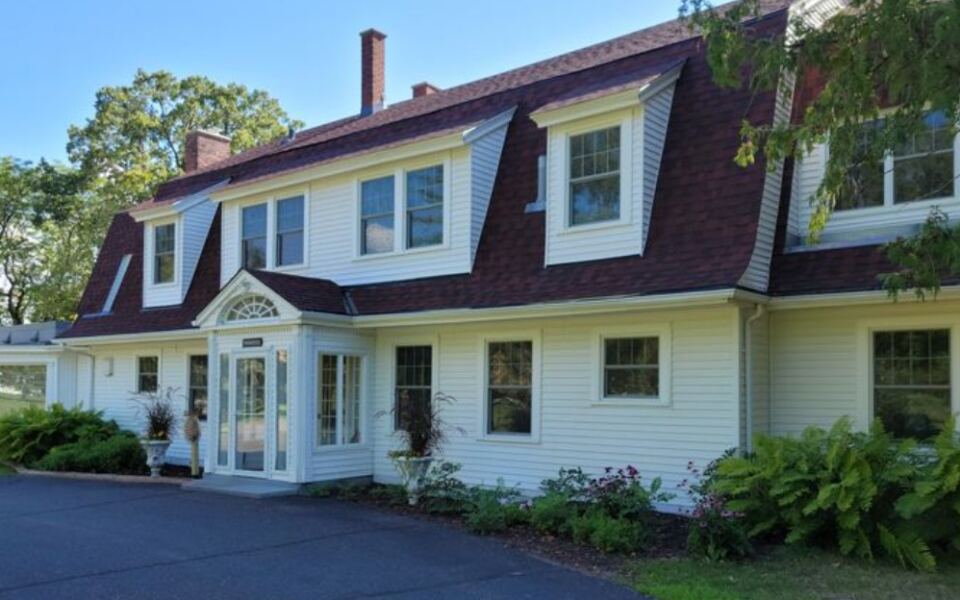
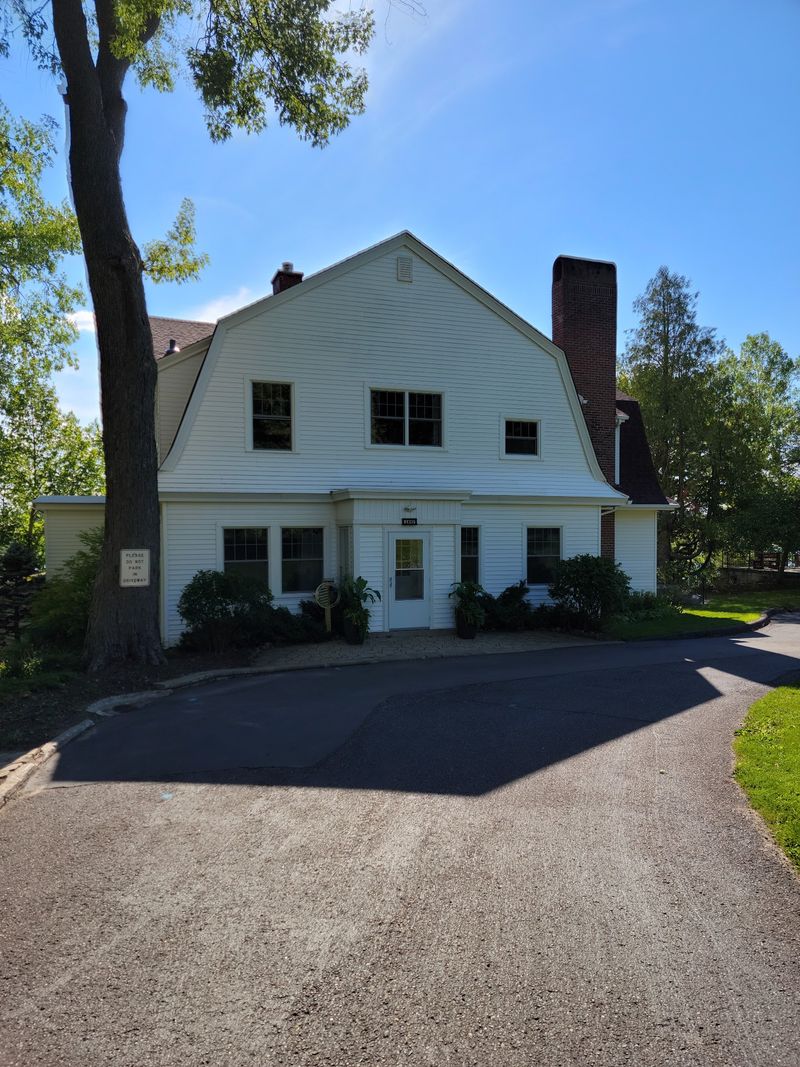
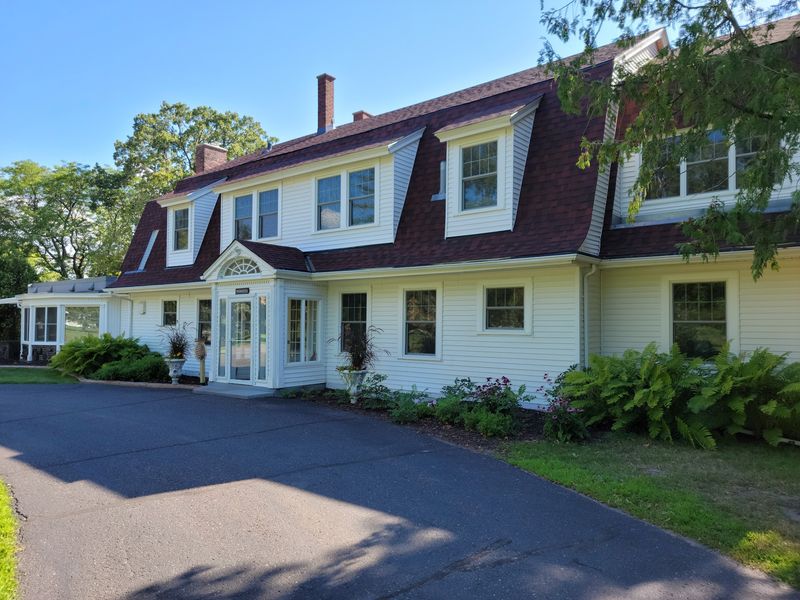
The Jesuit Retreat House, located at 8243 Demontreville Trail N, Lake Elmo, Minnesota 55042, invites men to spend a long weekend from Thursday evening through Sunday night in guided silence. The silence is not punishment.
It is the whole point.
Instead of filling every moment with noise, retreatants spend their time in study, reflection, and prayer. Talks from Jesuit priests guide the days, giving participants something meaningful to sit with between sessions.
Many men who felt hesitant before arriving describe the days as going by surprisingly fast once they settle into the rhythm.
The Jesuit Tradition Behind The Experience
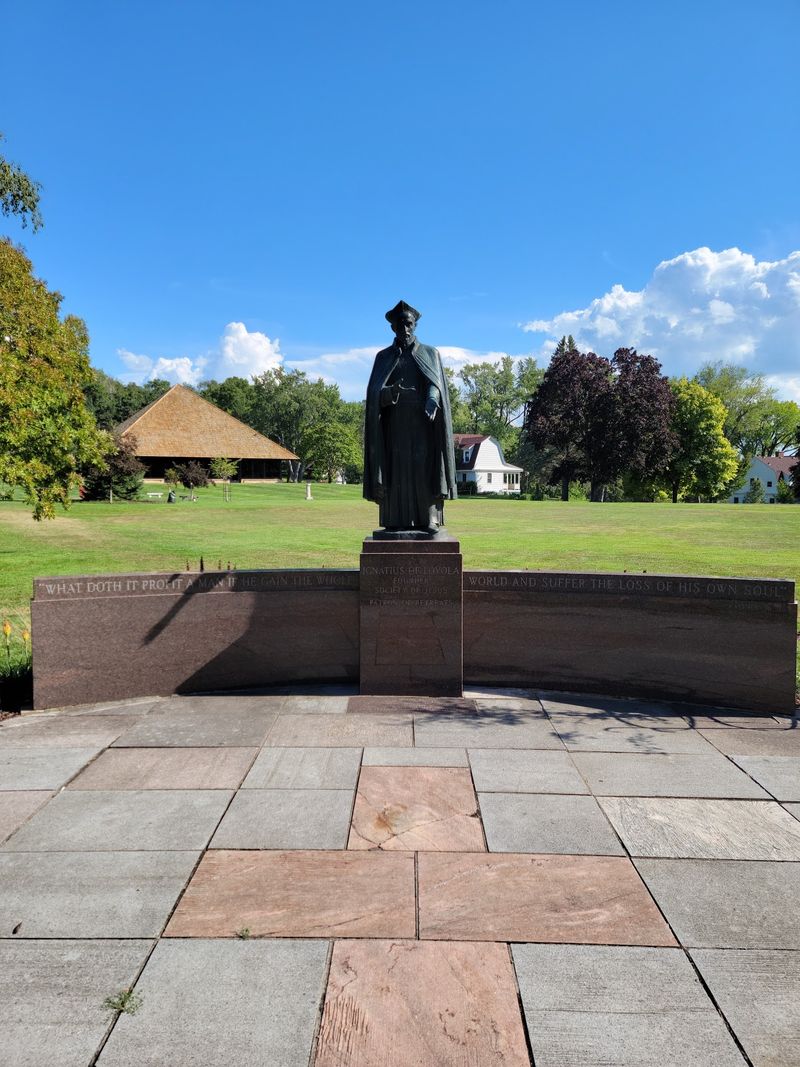
The Society of Jesus, commonly known as the Jesuits, has a centuries-old tradition of offering spiritual retreats rooted in the Spiritual Exercises developed by St. Ignatius of Loyola. These exercises were designed to help a person examine their life, deepen their relationship with God, and return to daily living with greater clarity and purpose.
That tradition is very much alive at Demontreville. The Jesuit priests who lead the retreat are described by those who attend as well-educated and deeply experienced in guiding men through this kind of inward journey.
The retreat is not just about religious obligation. It is about slowing down long enough to figure out what actually matters.
Men from various faith backgrounds have attended over the years, with a portion of retreatants coming from outside the Catholic tradition. All are welcome to participate fully in the experience.
The Setting That Makes Silence Feel Natural
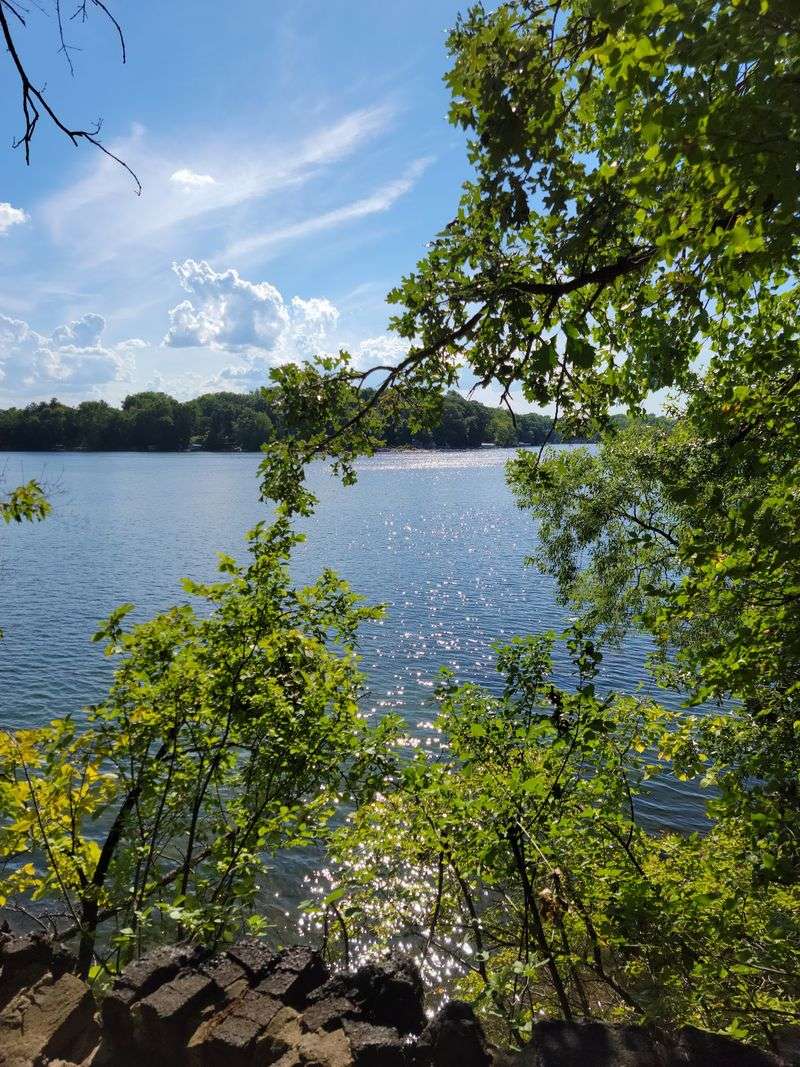
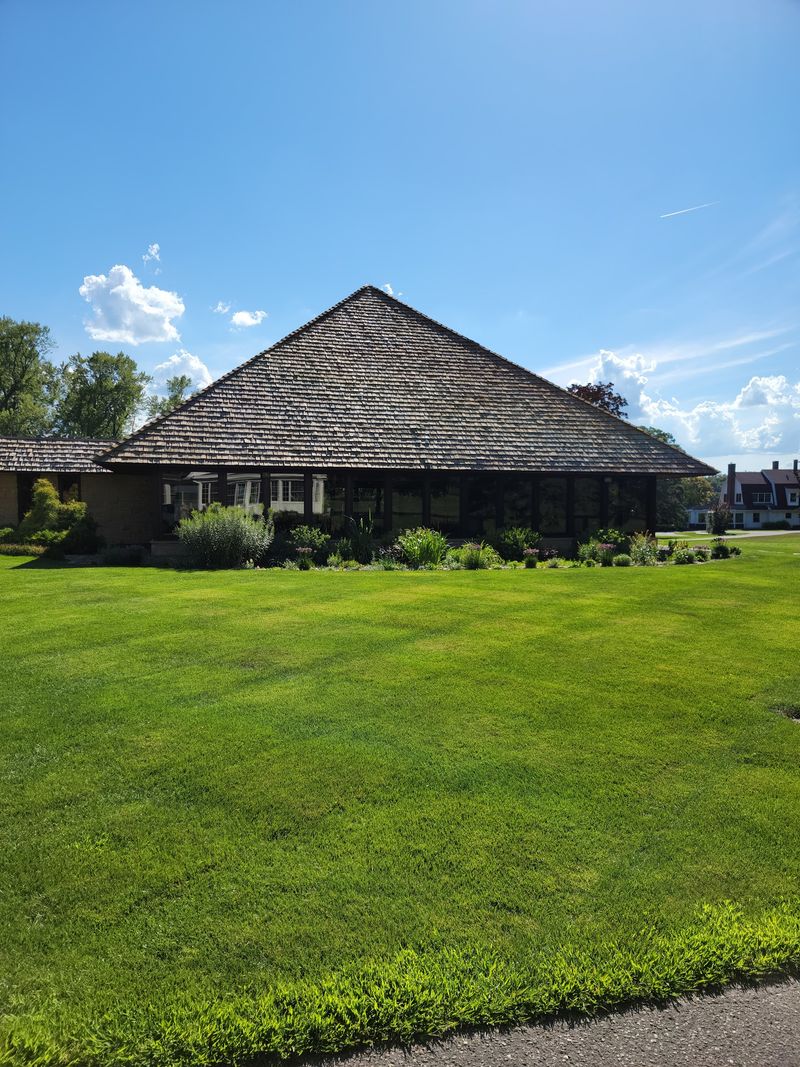
There is something about the land around Lake Elmo that makes going quiet feel less like a rule and more like a natural response. The grounds surrounding the retreat house offer exactly the kind of environment where the mind starts to slow down on its own.
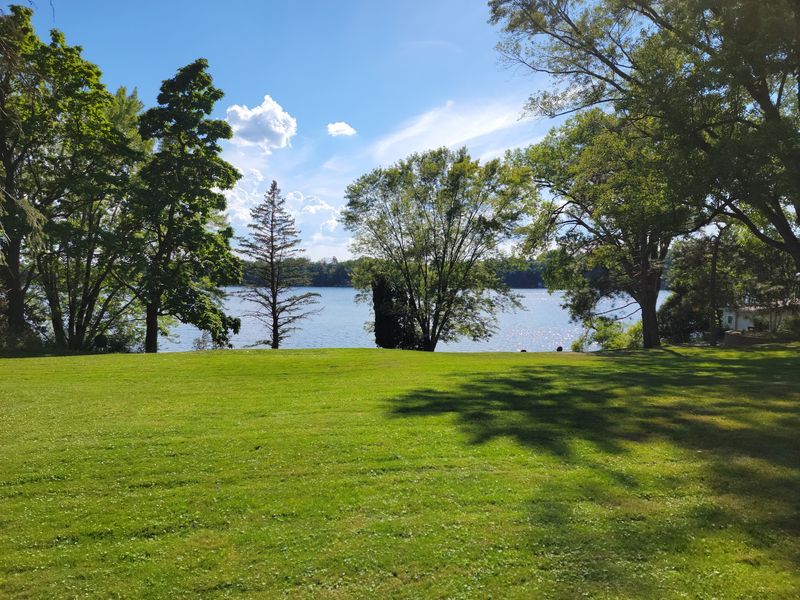
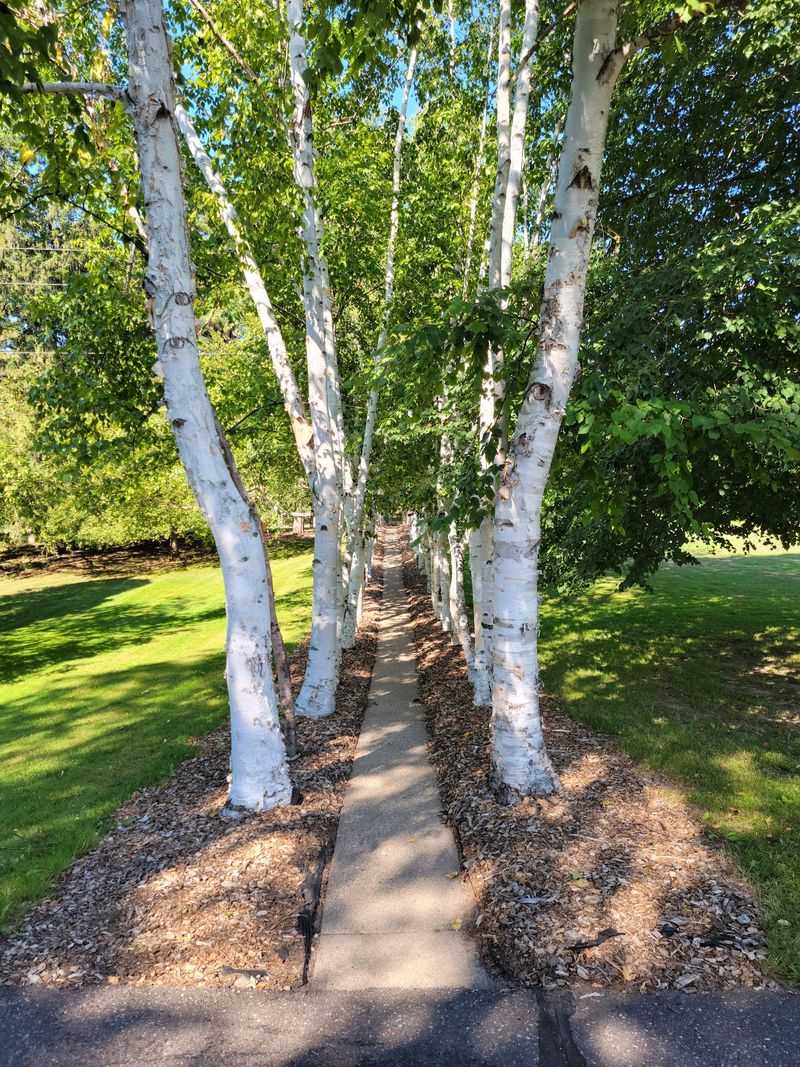
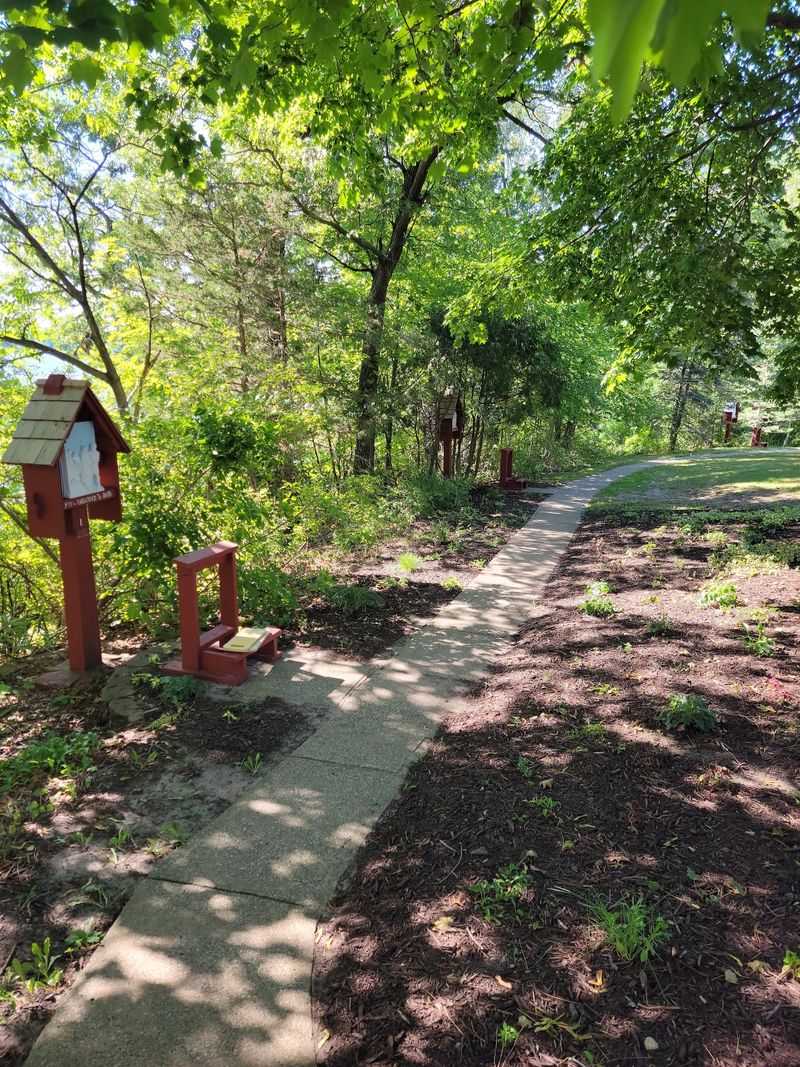
Trees, open sky, and the kind of stillness you simply cannot manufacture in a city create the backdrop for everything that happens during the three days. Walking the grounds between sessions becomes its own form of meditation for many retreatants.
One visitor described the location as second to none, and that sentiment comes up repeatedly among those who have attended. The setting does a lot of the work before the first talk even begins.
When your surroundings are this calm, the idea of filling the air with chatter starts to feel unnecessary pretty quickly.
What The Schedule Actually Looks Like
People often wonder what you actually do for three days when you are not allowed to talk. The schedule at Demontreville fills the time in a way that feels purposeful rather than idle.
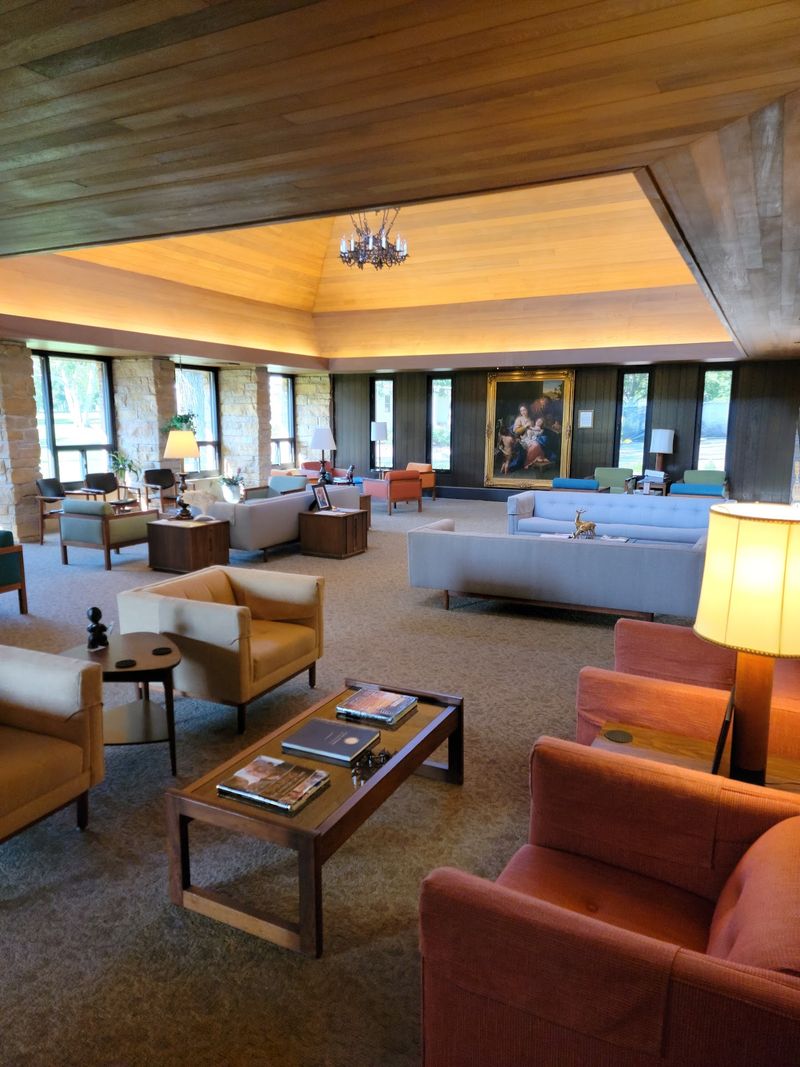
Talks from Jesuit priests anchor the days, offering themes for personal reflection between sessions. Time is built in for quiet walks, journaling, personal prayer, and simply sitting with whatever comes up during that kind of uninterrupted stillness.
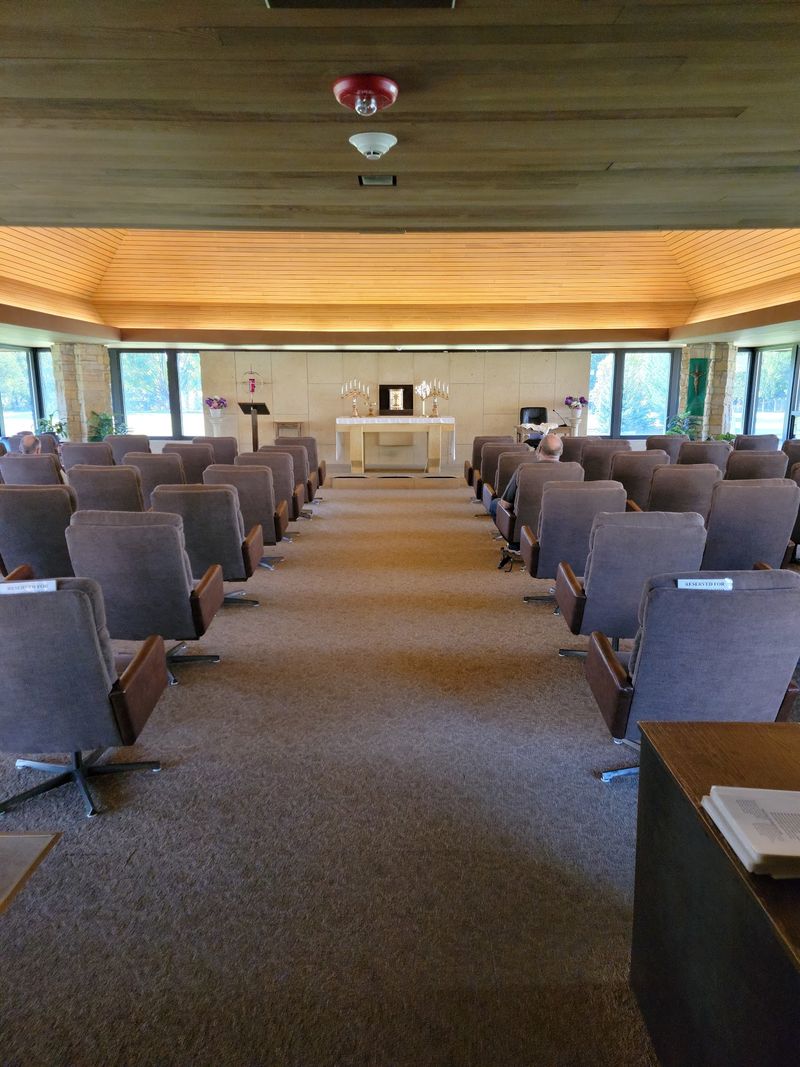
The chapel provides a comfortable gathering space, and the seating there has been noted as genuinely comfortable rather than the austere wooden pews some might expect.
Rooms are described as sparse but clean and more than adequate for the purpose. The goal is not luxury.
It is simplicity. Stripping away the extras helps retreatants focus on what the weekend is actually for, and most find they do not miss the extras at all.
Who Attends And Why They Keep Coming Back
One of the most striking things about Demontreville is the loyalty it inspires. Some men have attended the same annual retreat for 20, 29, even 35 consecutive years.
That kind of repeat attendance does not happen by accident.
The retreat draws men from different walks of life and different faith backgrounds. About ten percent of attendees have historically come from outside the Catholic tradition, and all are welcome to participate fully.
The shared experience of silence creates a kind of quiet camaraderie among the group of typically 50 to 70 men who attend each weekend.
Men describe returning because the retreat helps them reconnect with what matters most, whether that is their faith, their family, their work, or simply a clearer sense of themselves. One long-time attendee calls it his favorite weekend of the year, which says a great deal about what three days of silence can actually do.
The Role Of Journaling In The Experience
Journaling is not required at Demontreville, but many long-time attendees have made it a central part of their annual retreat practice. The combination of silence and structured reflection creates ideal conditions for putting thoughts on paper.
One retreatant who has attended for over two decades described reading through his old journals before each new retreat to trace where he has been on his life’s journey. That kind of year-over-year reflection turns a single weekend into something much larger.
It becomes a record of personal growth, changing priorities, and recurring questions that get a little clearer each time.
Writing during a silent retreat has a different quality than journaling at home. Without the usual interruptions, thoughts tend to go deeper and stay there longer.
Many men leave Demontreville with pages filled in ways they did not expect when they arrived Thursday evening with a blank notebook.
The Chapel At The Heart Of The Retreat
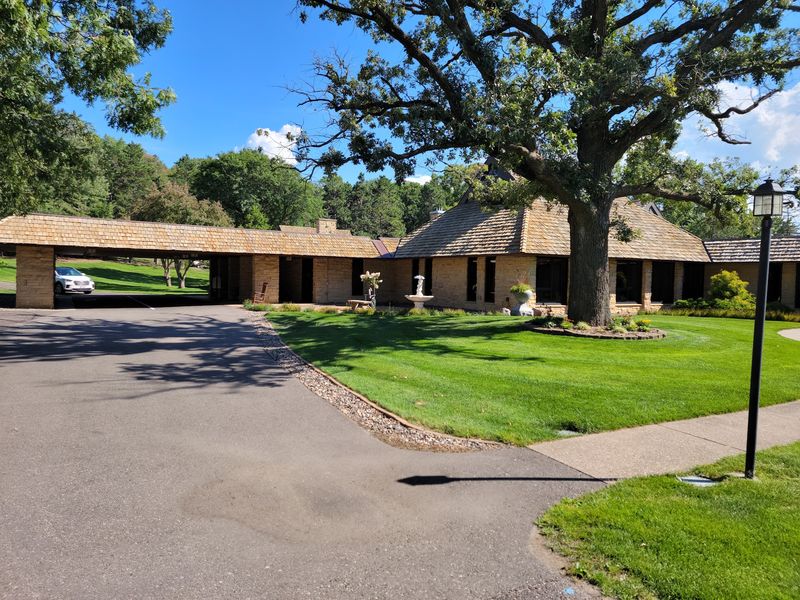
At the center of the Demontreville property sits the chapel, which serves as the gathering point for Mass, talks, and personal prayer throughout the three days. Those who have attended describe the chapel as comfortable and well-suited to extended time in quiet reflection.
Mass is offered during the retreat, and the liturgy becomes part of the larger rhythm of the weekend. The chapel is not grand or ornate in the way some historic churches are, but its simplicity feels appropriate for the purpose.
A space designed for stillness does not need to compete for attention.
Many retreatants find themselves returning to the chapel multiple times throughout each day, not just for scheduled gatherings but simply to sit. When the rest of the world is quiet and the room around you is designed for exactly this kind of pause, spending time there becomes the most natural thing imaginable.
Stepping Away From The Internet For A Weekend
One detail that comes up repeatedly among retreatants is the option to disconnect from the internet entirely during the three days. For many men, this turns out to be one of the most valuable parts of the whole experience.
The retreat does not enforce a total digital blackout, but the culture and environment make putting the phone away feel like the obvious choice. When everyone around you is practicing silence and the setting outside your window is all trees and open sky, the pull of a notification feed loses most of its grip.
Men who initially worried about being unreachable for a weekend often describe that disconnection as a relief rather than a hardship. The mental quiet that comes from stepping away from screens for 72 hours is something most people in modern life rarely experience.
Many retreatants say it is the longest they have gone without checking a device in years.
What The Pay-What-You-Can Model Means For Visitors
Demontreville operates on a contribution model that removes a financial barrier many people associate with retreat experiences. There is no set fee and no suggested donation.
Retreatants contribute what they can afford, and that is the end of it.
This approach reflects something central to the Jesuit mission, which has historically prioritized accessibility in spiritual ministry. A man who cannot afford a premium retreat fee is not turned away or made to feel like a second-tier participant.
Everyone who attends is there for the same reason and receives the same experience.
For those who have the means to contribute generously, doing so helps support future retreats for others. The model has sustained Demontreville for decades and is part of why men from genuinely different economic backgrounds sit together in the same chapel each year.
It is a straightforward approach that works, and long-time attendees often speak about it with real appreciation.
How First-Timers Typically Feel Before And After
Hesitation before a first silent retreat is completely normal. The idea of spending three days without speaking to anyone sounds uncomfortable to most people who have never tried it, and many first-timers arrive at Demontreville with a fair amount of uncertainty about what they have signed up for.
That hesitation tends to dissolve fairly quickly once the retreat gets underway. The structure of the days gives people something to focus on, and the silence starts to feel less like restriction and more like relief as the hours pass.
Men who expected to feel restless often describe a surprising sense of calm settling in by the end of the first full day.
By Sunday evening, the most common reaction among first-timers is some version of the same thought: “I wish I had done this sooner.” That feeling is what brings many of them back the following year, and the year after that.
Planning Your Own Visit To Demontreville
The Jesuit Retreat House at Demontreville operates primarily as a men’s retreat center, and weekend retreats run on a scheduled basis throughout the year. Office hours run Monday through Friday from 8:30 AM to 4:30 PM, making those the best times to reach out and ask about upcoming retreat dates.
The website at demontrevilleretreat.com is the most reliable place to find current retreat schedules and registration information. Planning ahead is wise, since retreats fill up and many attendees reserve their spots well in advance, particularly those who have been coming for years.
The surrounding Lake Elmo area offers additional reasons to linger before or after a retreat weekend. The region has parks, trails, and open land that complement the reflective spirit of a Demontreville visit.
Whether you are a first-timer or someone who has been making this trip for decades, the experience tends to leave you already thinking about the next one.
Share this story