Fall might just be the travel world’s best-kept secret. As summer fades, cities across Europe shed their crowded, sweltering peak-season persona and reveal something far more enjoyable: cooler air, golden light, and noticeably thinner queues.
Whether you are chasing medieval architecture, thermal baths, or plates of food that cost less than a cinema ticket back home, autumn delivers the goods without the summer price tag. These 15 city breaks have been chosen because they balance what a trip actually costs against the sheer volume of history, food, culture, and atmosphere you get in return.
Krakow, Poland
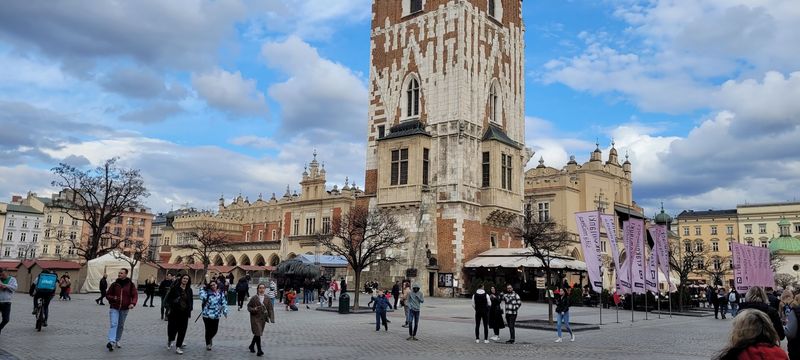
Few cities on the continent pack this much medieval drama into a single walkable square mile. Krakow’s Main Market Square is one of the largest in Europe, and simply standing in the middle of it at dusk costs absolutely nothing.
Budget Your Trip puts average daily spending at around $81 per person, making it one of the most affordable capital-level experiences on this list.
October temperatures hover around 55 degrees Fahrenheit, which is just cool enough to make long walking days genuinely comfortable. The Planty belt, a green ring of parkland that replaced the old city walls, turns into a corridor of autumn color perfect for a morning stroll.
Wawel Castle, Kazimierz district, and the Old Town are all within easy walking distance of each other.
Eating well here does not require a large food budget. Local milk bars, known as bar mleczny, serve hearty Polish comfort food for just a few dollars a plate.
Pierogi, borscht, and slow-braised meats taste even better when the air outside has a proper autumn chill to it.
Belgrade, Serbia
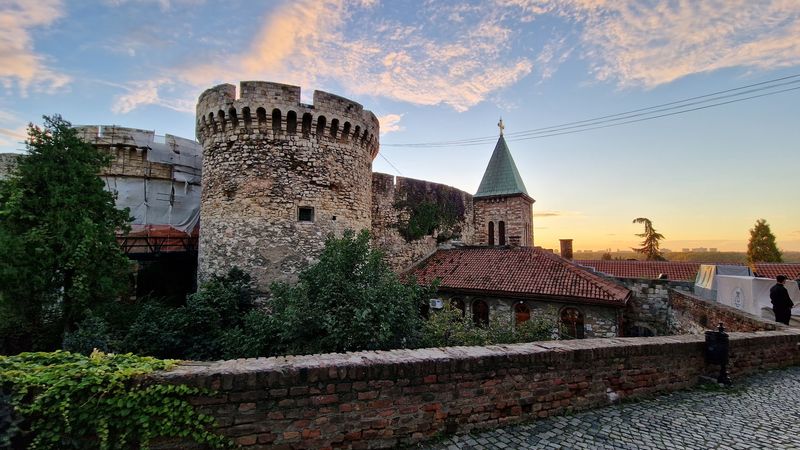
Belgrade runs on a different financial frequency from most European capitals, and travelers who discover this tend to come back. Current traveler data puts average daily spending at roughly $56 per person, which is low enough to feel almost suspicious until you actually arrive and realize the prices are real.
The fortress at Kalemegdan sits at the meeting point of the Sava and Danube rivers, and the complex carries layers of Roman, Ottoman, and Habsburg history without charging a single entry fee. Fall temperatures make the extensive hilltop park far more pleasant to explore than the blazing summer months, and the views across both rivers are genuinely spectacular.
Belgrade’s café culture is another reason the city punches above its weight. Locals treat coffee as a social event lasting hours rather than minutes, and sitting at a riverside terrace with a strong espresso costs almost nothing.
The restaurant scene is equally good value, with grilled meats, local cheeses, and rakija-based cocktails available at prices that will make most Western European travelers do a double take.
Sofia, Bulgaria
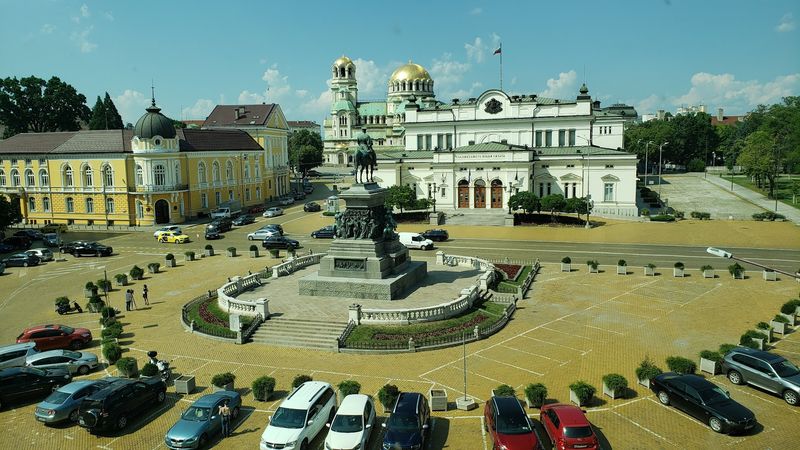
Sofia has a secret that most travelers overlook: you can spend a morning exploring one of the most impressive cathedrals in Eastern Europe, hop on public transit for less than a dollar, and be hiking on a mountain by early afternoon. Budget Your Trip estimates typical spending at around $84 per person per day, with local transportation averaging only about $9.
The Alexander Nevsky Cathedral covers roughly 34,100 square feet and can hold approximately 10,000 people. Its gold-plated dome is visible from across the city, and the interior is free to visit.
Nearby, the city center offers Roman ruins, Ottoman mosques, and Soviet-era monuments all within a short walk of each other.
Vitosha Mountain rises dramatically just outside the city limits, with its highest peak reaching 7,513 feet. Public buses connect central Sofia to several trailheads, making a half-day hike entirely possible without a rental car or taxi.
In October, the mountain forests shift through amber and red, creating a backdrop that turns any afternoon walk into something genuinely memorable.
Sarajevo, Bosnia and Herzegovina
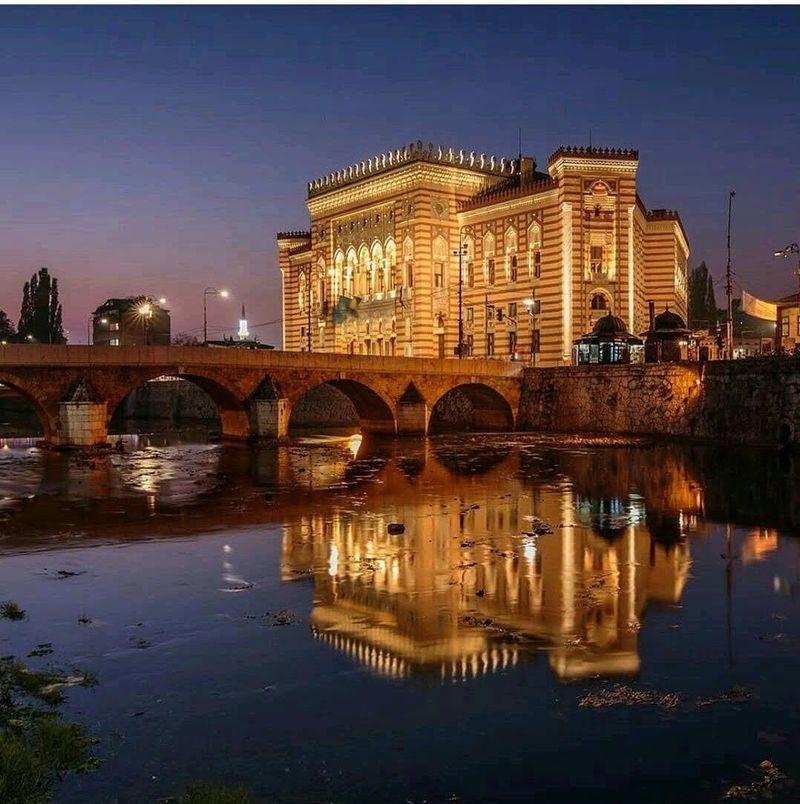
Sarajevo is the kind of city that stops travelers mid-stride. Turn one corner and you are in an Ottoman market lane; turn another and you are facing a Austro-Hungarian civic building; walk a little further and 20th-century history arrives with full force.
All of this fits into a compact valley that is genuinely easy to navigate on foot.
Current traveler data estimates an average daily trip cost of roughly $100 per person, including about $59 for accommodation and less than $8 for local transportation. That figure includes staying somewhere comfortable and eating at proper restaurants rather than surviving on street food alone.
Autumn suits Sarajevo’s geography particularly well. The surrounding hills turn vivid shades of orange and yellow, framing the valley city in a way that summer’s green canopy simply cannot match.
Sarajevo’s tourism organization recommends walking Titova and Ferhadija streets during the season, when the mix of architectural styles and autumn color creates one of the more photogenic urban streetscapes in the Balkans. A weekend here feels full without ever feeling rushed.
Ljubljana, Slovenia
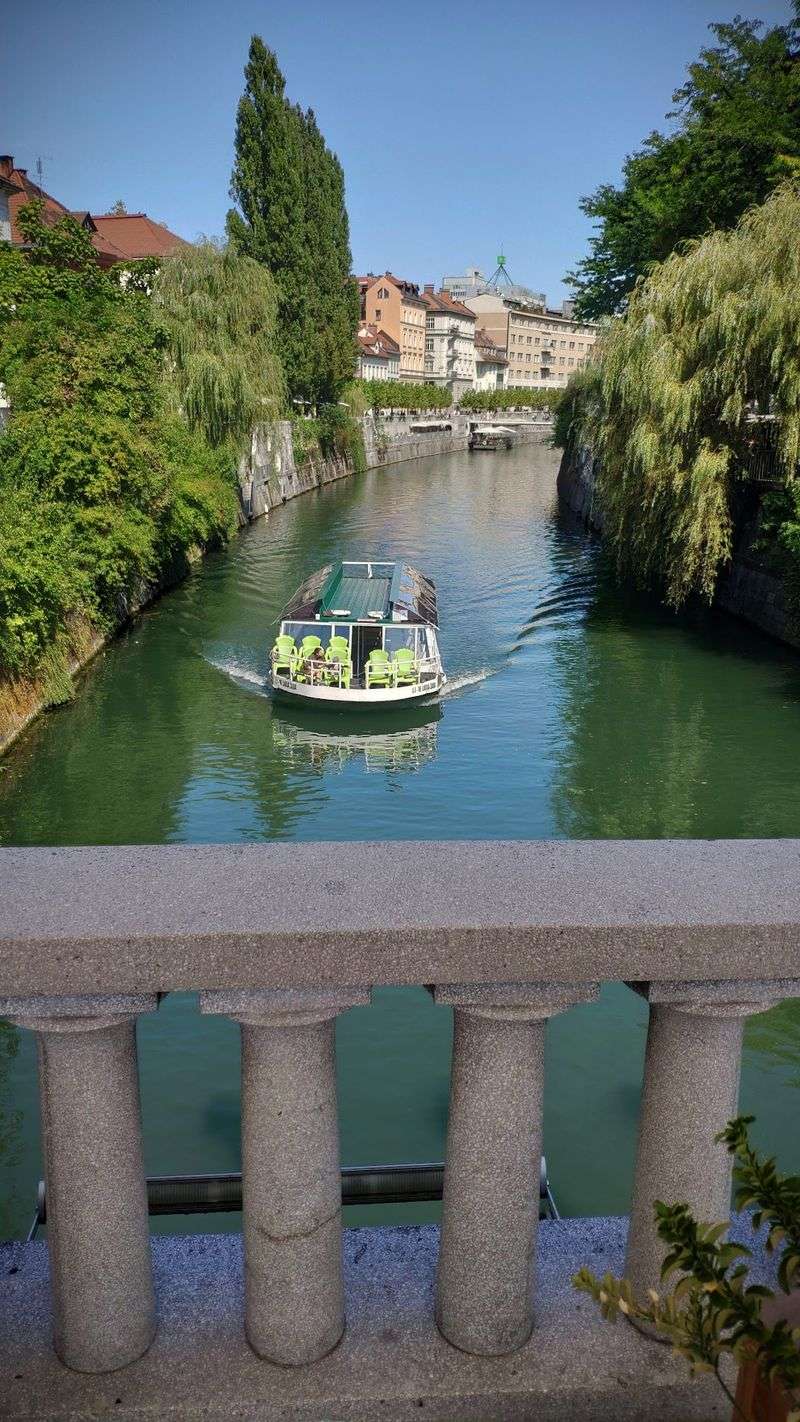
Ljubljana may be one of Europe’s smallest capitals, but it has a personality several times its size. The historic center is compact enough to cover in a relaxed morning, yet layered enough that you keep finding new corners on the second and third pass.
A typical traveler currently spends about $114 per day, according to Budget Your Trip’s visitor-cost data.
September brings a noticeable drop in summer crowds while the weather stays cooperative. The Open Kitchen food market runs on Fridays through the end of October when conditions allow, offering local dishes, craft drinks, and Slovenian street food in a lively outdoor setting.
Tivoli Park, Ljubljana Castle hill, and the Ljubljanica riverbanks all deliver excellent autumn color without requiring a day trip outside the city.
Travelers planning to visit several paid attractions should look at the Ljubljana Card, which covers more than 30 attractions, public buses, a river cruise, and a guided city tour. Even without it, a surprising amount of the city’s appeal is completely free.
Sitting at a riverside café with a glass of local wine while watching the castle hill glow in evening light is, frankly, hard to put a price on.
Budapest, Hungary
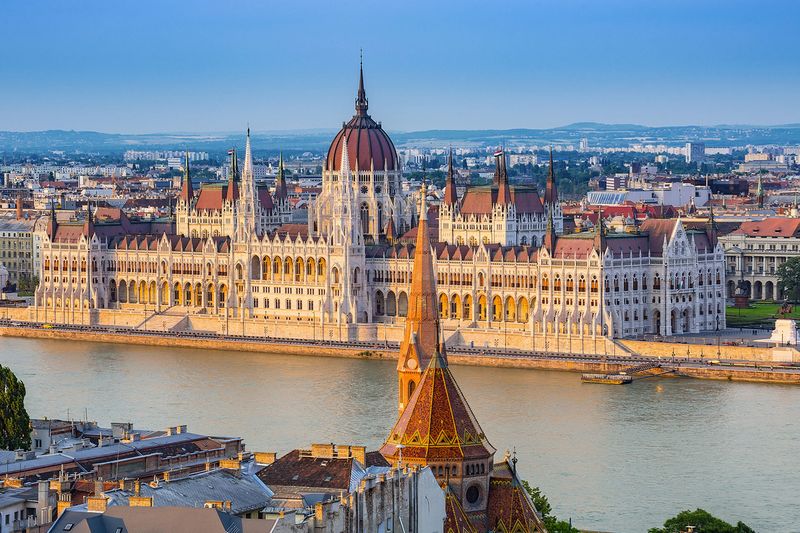
Budapest is the kind of city that makes travelers feel slightly smug for choosing it. Thermal baths, grand riverside architecture, ruin bars, and one of Central Europe’s most dramatic skylines all share the same postcode, and you can access most of it without spending a fortune.
Current traveler spending averages about $128 to $131 per person per day, with local transportation averaging roughly $12.
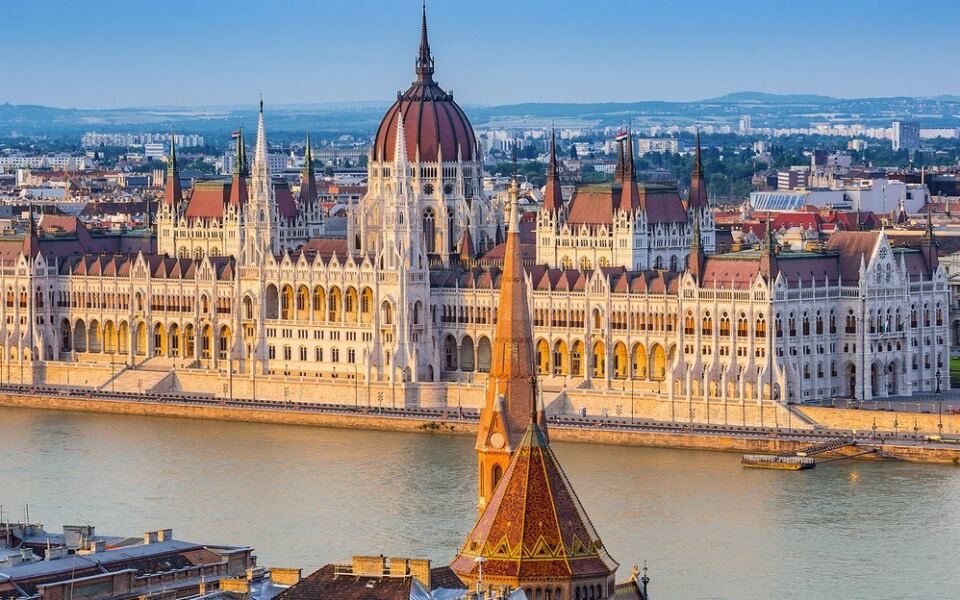
The 100-hectare City Park alone contains enough to fill half a day: Heroes’ Square, Vajdahunyad Castle, and Szechenyi Thermal Bath all sit within walking distance of each other. Along the Danube, Parliament, Castle Hill, and several landmark bridges can be admired without paying any admission.
Fall lighting turns the riverside into something that genuinely looks like a postcard.
Budapest’s city card bundles public transportation with museum access and other services, which works well for visitors planning a packed itinerary. The local food scene adds another layer of value, with hearty Hungarian dishes like goulash and chimney cake available at prices well below what similar comfort food costs in Western Europe.
October weekend temperatures are typically mild enough for long outdoor evenings.
Prague, Czech Republic
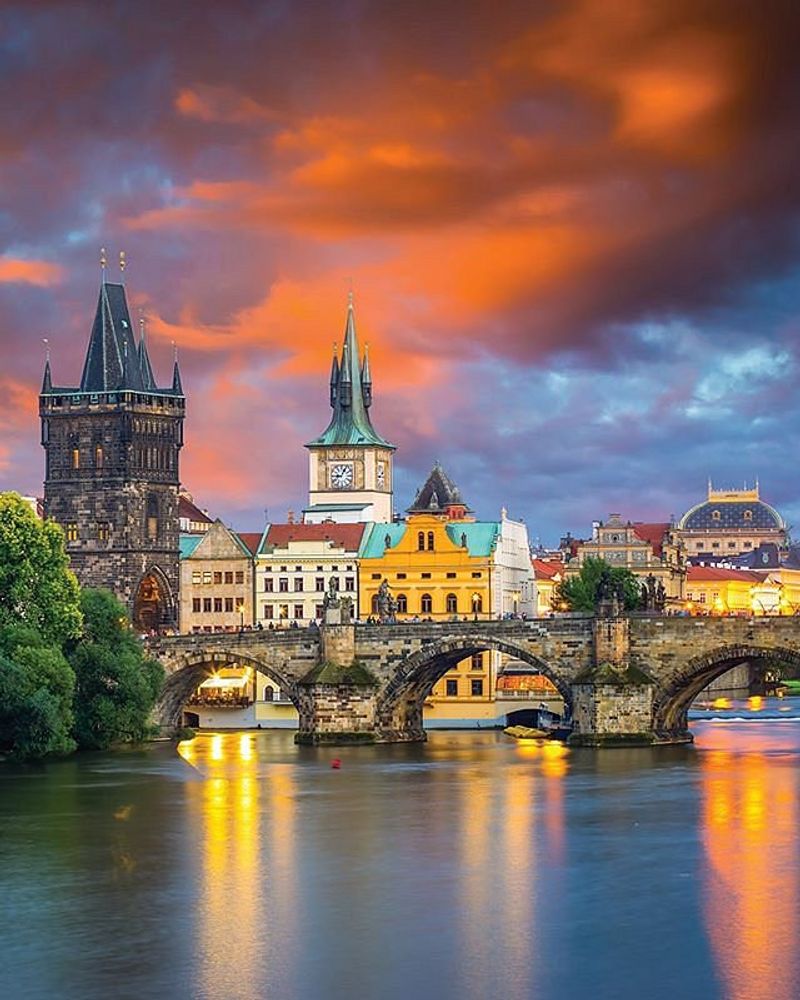
Prague has graduated from bargain-basement status, but it has not lost its ability to deliver extraordinary value when you know how to approach it. Typical visitor spending currently averages around $145 to $147 per person per day, which covers accommodation, food, attractions, and local transportation in a city where the scenery is genuinely world-class.
The fall cultural calendar is one of Prague’s underrated selling points. Prague City Tourism lists October 2026 events including Designblok from October 6 through 11 and Signal Festival from October 15 through 18, alongside film, architecture, and food events that keep the city lively well past the summer tourist season.
Many of the most recognizable views, including Charles Bridge, Old Town streets, and the Vltava riverfront, cost nothing to enjoy.
Green space makes up more than half of Prague’s total area, including Letna, Stromovka, and Petrin hill, all of which turn spectacular shades of amber and rust in October. A cable car ride up Petrin and a walk back down through the orchards and vineyards is one of the city’s most enjoyable half-days and costs almost nothing.
Prague rewards slow exploration far more than it rewards rushing.
Tallinn, Estonia
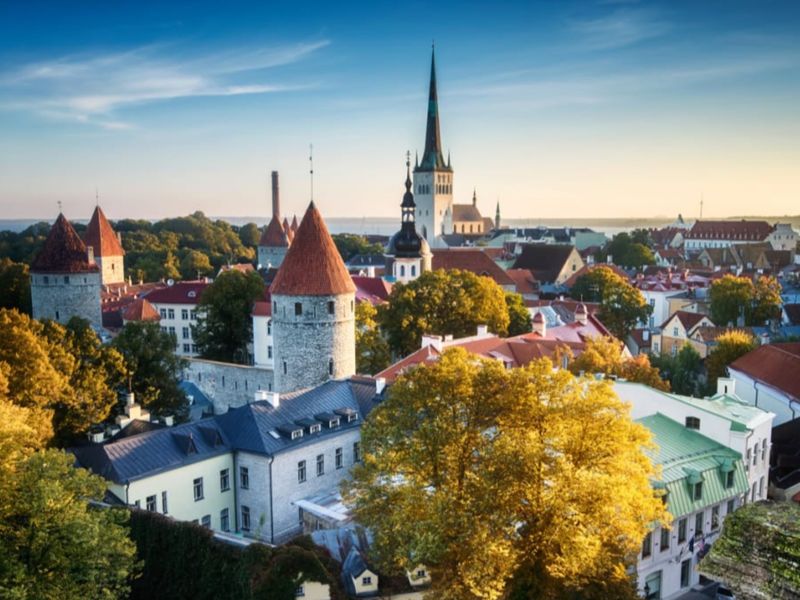
Walking into Tallinn’s Old Town feels like stepping onto a film set where someone forgot to add any modern distractions. The medieval walls, towers, and cobblestone lanes are remarkably intact, and the whole area is compact enough to cover thoroughly without breaking a sweat.
Budget Your Trip currently places average visitor spending at about $140 per person per day.
Fall shifts the city’s atmosphere in appealing ways. Visit Tallinn promotes autumn around its museums, restaurants, nightlife, and cultural events, with the 2026 calendar including Autumn Jazz and September events in Kadriorg Park.
The UNESCO-listed Old Town can be explored largely on foot, while the nearby Kalamaja neighborhood offers a more local, creative side of the city that pairs well with an afternoon wander.
The Tallinn Card includes public transportation plus admission to more than 50 museums and attractions, making it genuinely useful for anyone planning a full few days of sightseeing. Outside the ticketed sites, the city’s hilltop viewpoints, particularly Toompea, offer sweeping panoramas over terracotta rooftops and Baltic coastline that cost nothing at all.
Autumn mist rolling across those rooftops is, by most accounts, quietly spectacular.
Bratislava, Slovakia
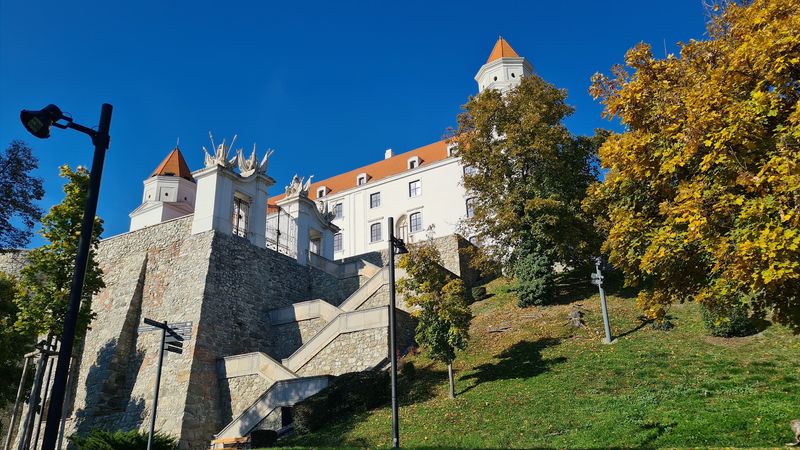
Bratislava gets underestimated constantly, which is arguably its greatest asset. Visitors expecting a miniature version of neighboring Vienna or Budapest are usually surprised to find a city with its own distinct personality, a compact historic center that is genuinely pleasant to walk around, and a wine region that begins practically at the city limits.
Budget Your Trip estimates typical spending at about $180 per person per day, though travelers who choose modest lodging and local restaurants can come in well below that average. The historic center, Bratislava Castle, and the Danube riverfront are all walkable from each other, keeping transportation costs minimal.
That matters when you are trying to control a short-trip budget.
September and October often bring mild autumn conditions, and this period coincides with wine harvest events in the nearby Small Carpathians. Traditional roast-goose dinners are another seasonal custom worth seeking out at local restaurants.
Visit Bratislava specifically highlights September through November as a time when the region’s wine culture and harvest traditions add something genuinely local to the experience. For a two or three-day break, the combination of city history and countryside flavors is hard to beat.
Porto, Portugal
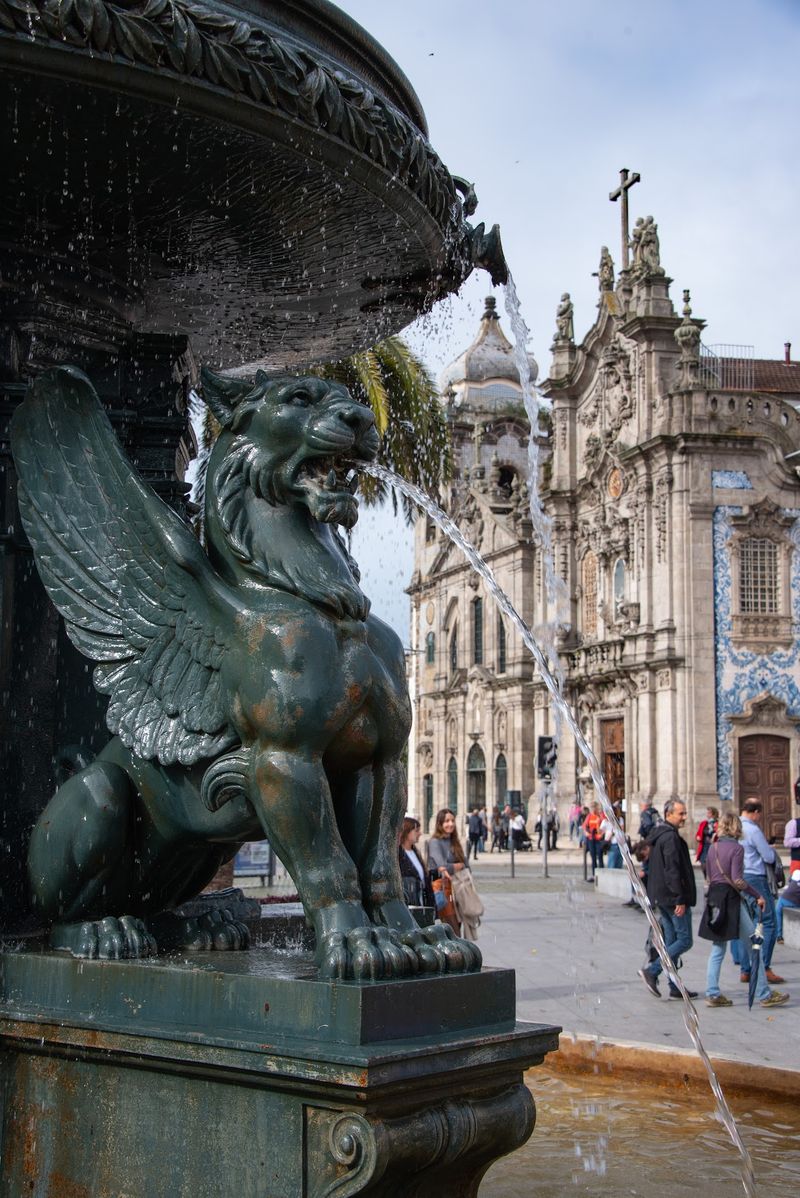
Porto costs more than its Eastern European counterparts on this list, but the city has a way of making every euro feel worthwhile. Budget Your Trip currently estimates average daily spending at about $183 per person, while budget-conscious travelers may manage closer to $78 per day depending on their accommodation choices and how many wine tastings they can resist.
The city covers only about 16 square miles, which makes walking a realistic and genuinely rewarding way to connect most key areas. Autumn shifts attention naturally toward food and wine, and Porto’s tourism office specifically promotes seasonal gastronomy alongside Porto Card discounts for attractions and transportation.
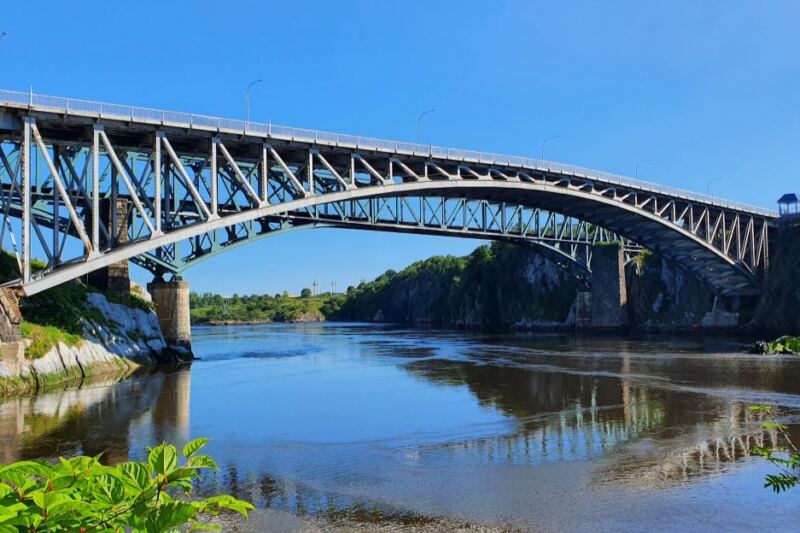
The Ribeira waterfront, the iron Dom Luis I bridge, and the winding historic streets can fill a full day without stacking up admission fees.
Port wine cellars across the Douro in Vila Nova de Gaia offer tastings at a range of price points, and some of the most atmospheric spots charge very little for an introductory pour. Porto’s tiled building facades, viewpoints called miradouros, and steep staircases all reward the kind of slow, purposeful wandering that autumn weather encourages.
Bring comfortable shoes and a good appetite.
Valencia, Spain
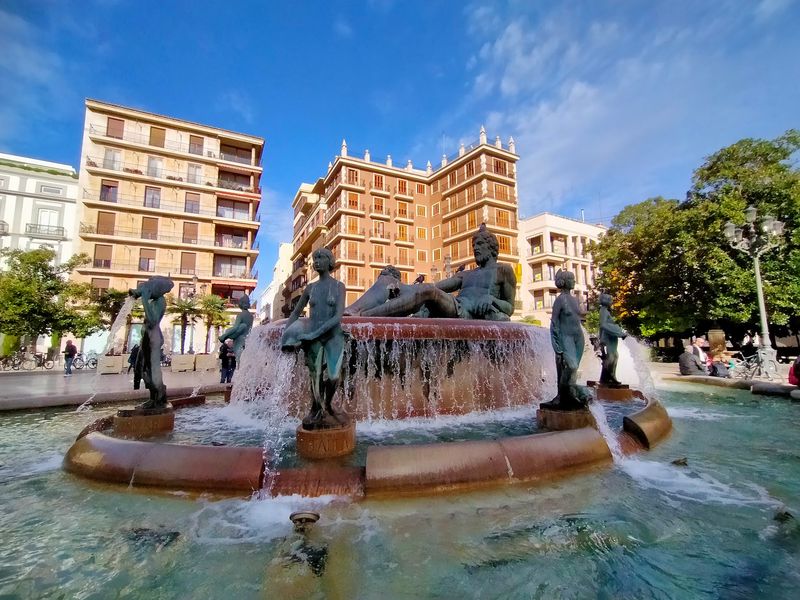
Valencia has quietly built one of the most livable urban environments in Spain, and autumn is arguably when that becomes most obvious. Typical travel spending currently averages about $177 per person per day, but the city’s walkable layout and extensive cycling infrastructure mean that getting around adds very little to that figure.
October temperatures sit around 77 degrees Fahrenheit during the day and 59 at night, while November averages about 68 degrees. That kind of warmth in mid-autumn is genuinely rare among major European cities and makes outdoor sightseeing far more enjoyable than in cooler northern destinations.
Valencia’s tourism office promotes more than 120 miles of bike lanes as a practical and inexpensive way to connect the historic center, Turia Gardens, and the beaches.
The Valencia Tourist Card adds free local transportation and access to municipal museums and monuments, plus discounts at larger attractions. The central market, Mercado Central, is one of the most beautiful in Europe and free to wander through on any weekday morning.
Paella, horchata, and fresh seafood are all deeply tied to the local food culture, and eating them here, in their home city, feels like the right way to do it.
Seville, Spain
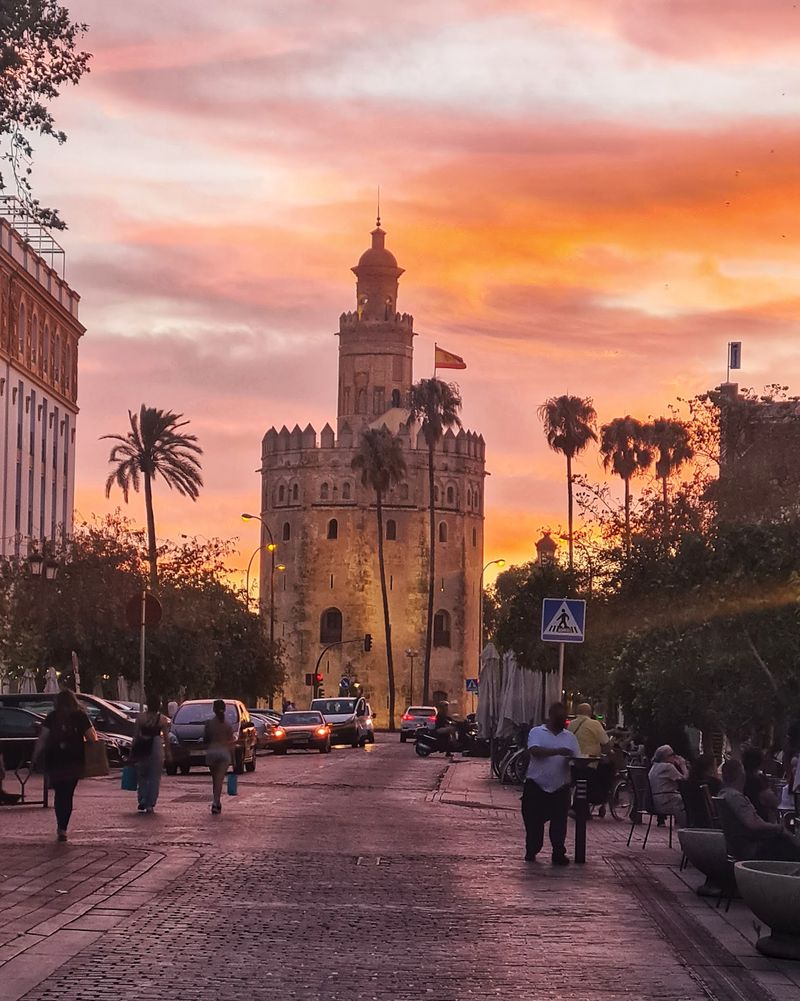
Summer in Seville is beautiful but punishing, with temperatures regularly exceeding 100 degrees Fahrenheit and making long sightseeing days genuinely uncomfortable. Autumn fixes that problem entirely.
Budget Your Trip calculates average spending at about $173 per person per day, while its estimated budget-traveler figure is roughly $63, which is one of the bigger ranges on this list.
Seville’s official tourism organization describes autumn as a season of pleasant weather when terraces and public squares remain full of life. That matters enormously in a city where highlights are spread across walkable historic neighborhoods rather than concentrated in a single area.
A fall itinerary can combine the cathedral, Alcazar, Plaza de Espana, tapas bars, and riverside walks in a way that summer heat simply does not allow.
Tapas culture here is both a culinary tradition and a genuinely economical way to eat. Ordering two or three small plates and a glass of local fino sherry at a traditional bar costs a fraction of what a sit-down restaurant meal would run in northern Europe.
Wandering the Triana neighborhood across the Guadalquivir River adds another dimension to the city without requiring any paid entry. Seville in October is a very good deal.
Athens, Greece
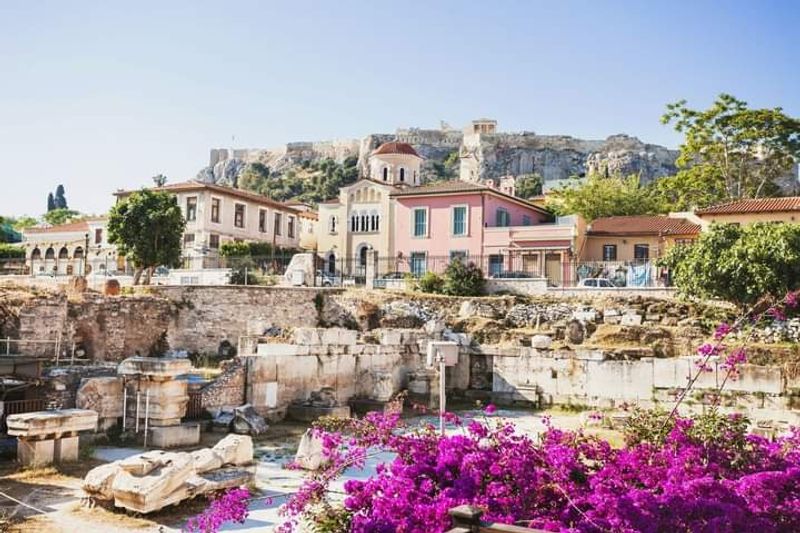
Athens in July and August can feel like visiting an outdoor oven with ancient ruins inside it. October changes everything.
Current traveler-cost data puts average spending at around $176 to $179 per person per day, covering accommodation, food, transportation, and sightseeing in a city that packs an almost unfair amount of history into a single visit.
The official Athens guide cites autumn conditions around 84 degrees Fahrenheit during the day and 68 at night, and specifically recommends October for museums, café districts, and outdoor excursions. That combination of warmth and manageable crowds makes ancient sites like the Acropolis and the Ancient Agora far more enjoyable to explore than during the peak summer rush.
Arriving at the Acropolis early on an October morning, before the tour groups arrive, is a different experience entirely.
Outside ticketed archaeological areas, neighborhoods like Plaka, Anafiotika, and Monastiraki provide hours of exploration at little or no cost. Street-side souvlaki stalls, rooftop bars with Acropolis views, and the chaotic energy of the central market all add texture to a visit that goes well beyond ancient stones.
Athens rewards travelers who slow down and eat like locals rather than rushing between landmarks.
Istanbul, Turkiye
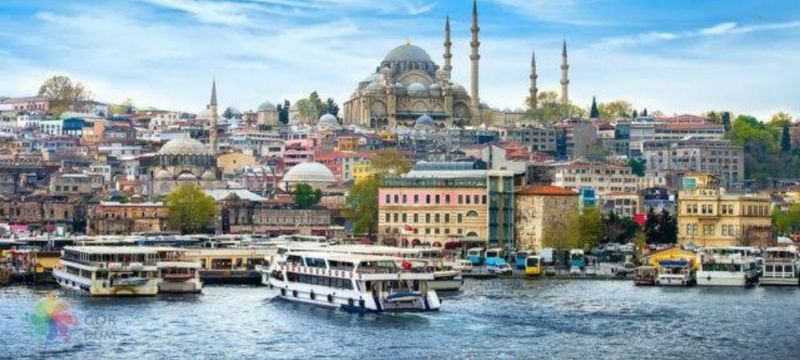
Istanbul does not do anything at a small scale. The city spans two continents, runs one of the world’s most scenic public ferry routes, and contains enough mosques, bazaars, and Byzantine ruins to fill a month of serious sightseeing.
Budget Your Trip currently estimates average visitor spending around $154 to $159 per person per day, with a specific note that high inflation has pushed prices upward in recent years.
GoTurkiye lists average fall daytime temperatures around 68 to 73.5 degrees Fahrenheit from September through November, with warm, often sunny conditions that make outdoor exploration genuinely enjoyable. The Bosphorus ferry system is one of the great travel bargains anywhere: a short commuter ride between the European and Asian shores doubles as inexpensive sightseeing past palaces, waterfront mansions, and dramatic hills.
The Historic Peninsula contains the Hagia Sophia, Topkapi Palace, the Blue Mosque, and the Grand Bazaar all within reasonable walking distance of each other. Neighborhoods like Balat, Karakoy, and Kadikoy on the Asian side offer a less tourist-heavy side of the city at street-food prices.
Alternating paid landmarks with long waterfront walks and cheap lokanta lunches is the smartest way to stretch a budget here.
Bucharest, Romania
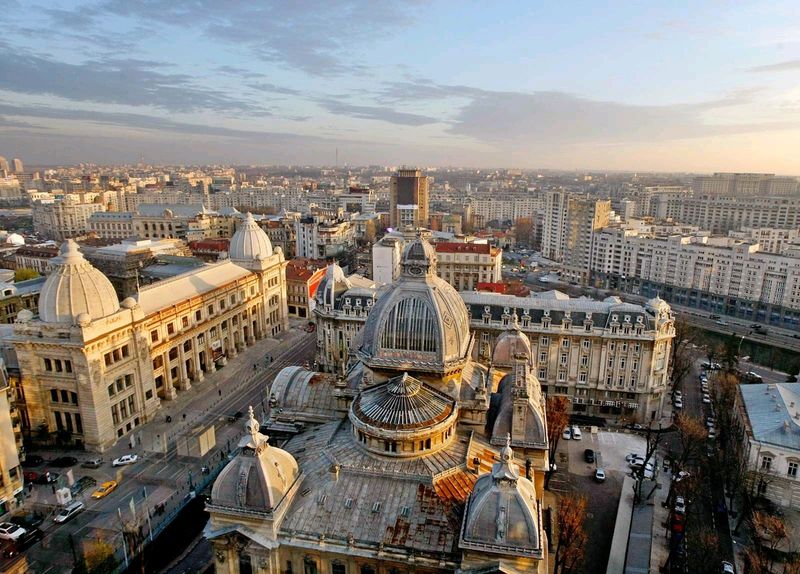
Bucharest is a city of contradictions, and that is precisely what makes it interesting. Grand communist-era boulevards sit next to crumbling Art Nouveau mansions; rooftop cocktail bars look down over Orthodox church domes; and a nightlife scene that regularly ranks among Europe’s best operates alongside one of the continent’s most chaotic morning markets.
Budget Your Trip’s current average sits at about $187 per person per day, but its budget-traveler estimate drops to roughly $74.
That wide gap between averages makes Bucharest unusually dependent on travel style. Choosing local guesthouses, riding the metro, and eating at neighborhood restaurants rather than tourist-facing spots can produce a trip total that looks nothing like the higher figure.
The city’s broad boulevards, Belle Epoque architecture, and historic center are all free to walk through and genuinely rewarding for anyone who enjoys urban exploring.
Autumn adds a softness to Bucharest that summer’s harsh heat tends to strip away. Cismigiu Gardens and Herastrau Park both turn beautifully in October, offering quiet retreats from the city’s busier streets.
The combination of low-cost potential, architectural variety, and a lively local culture gives Bucharest a legitimate claim as one of fall’s most underrated European city breaks.
Share this story