When autumn rolls through the Southern Appalachians, it doesn’t just change the leaves, it transforms entire towns into something almost magical. From the high ridges of North Carolina to the plateau of Alabama, the fall color season stretches for weeks, moving downhill like a slow, colorful tide.
Small mountain communities tucked into valleys and gorges become the best seats in the house for this annual show. Whether you’re chasing waterfalls, hiking trails, or just a warm cup of cider on a scenic drive, these 15 Southern mountain towns deliver fall at its finest.
Boone, North Carolina
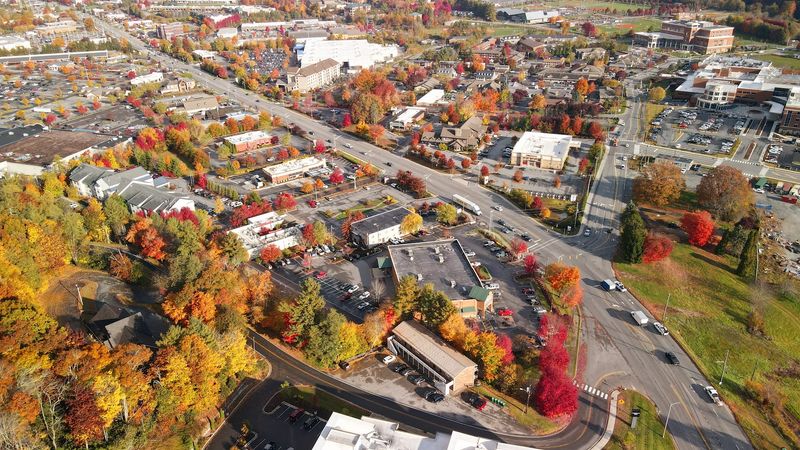
Sitting high in North Carolina’s Blue Ridge, Boone is basically first in line when autumn starts handing out color. Elevation does the heavy lifting here, and at over 3,300 feet, the town catches the fall wave early, typically from late September into late October.
Grandfather Mountain’s upper slopes kick things off before color cascades down toward Boone and the surrounding valleys.
The Blue Ridge Parkway threads right through the High Country, giving leaf-peepers a scenic road that’s almost too pretty to drive without pulling over every five minutes. Grandfather Mountain’s Mile High Swinging Bridge adds a thrilling vantage point, stretching 228 feet across a ridge with sweeping views of the Blue Ridge in all directions.
Boone itself is no slouch as a base camp. Appalachian State University gives the downtown a lively, youthful energy, and the walkable streets are lined with locally owned restaurants and shops.
Nearby rivers and hiking trails make it easy to spend a full week without running out of things to do. For travelers who want peak-season color without the national-park crowds, Boone consistently delivers the goods.
Blowing Rock, North Carolina
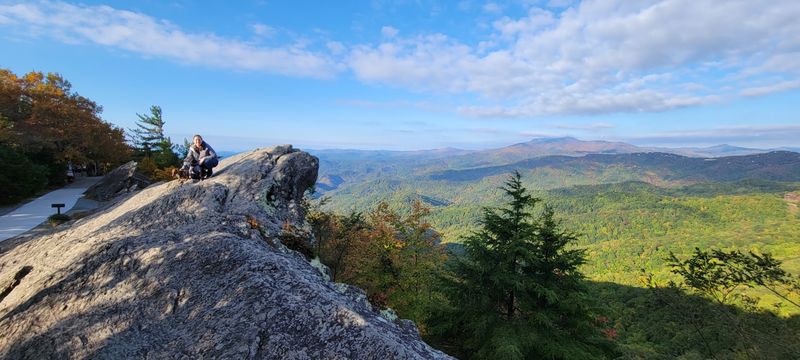
Named after a geological curiosity that actually blows light objects back upward, Blowing Rock is a town with personality to spare. Perched along the High Country’s ridge, it catches the same early fall color as nearby Boone, with peak color generally rolling through from late September into late October.
The namesake overlook stares across a steep escarpment with a roughly 4,000-foot drop to the valley below.
What makes Blowing Rock especially useful for fall trips is the layered elevation experience. Grandfather Mountain, the Linn Cove Viaduct, and multiple Blue Ridge Parkway overlooks are all within easy reach, meaning you can compare color at several different elevations on the same afternoon.
That’s a rare advantage in a region where timing your visit can feel like a guessing game.
The downtown itself is compact and charming, with boutique shops, galleries, and cozy restaurants that invite lingering. On a crisp October afternoon, the combination of fresh mountain air, turning leaves, and a warm meal in a small-town dining room is genuinely hard to beat.
Blowing Rock earns its reputation as one of the South’s most refined little mountain escapes.
Bryson City, North Carolina
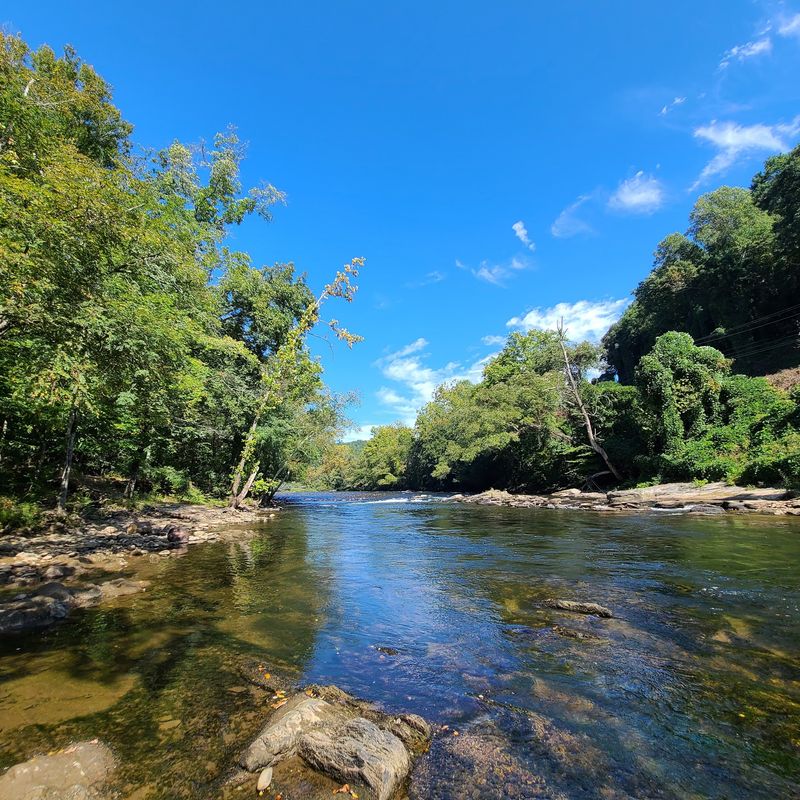
Bryson City might be the only place on this list where you can experience fall foliage by train, by trail, and by kayak all in the same day. The Great Smoky Mountains Railroad departs right from downtown, winding through river valleys and forested gorges with both open-air and enclosed cars available.
For families or anyone who’d rather sit back and let the scenery come to them, it’s a genuinely wonderful way to spend a fall morning.
Great Smoky Mountains National Park surrounds the area and stretches from 875 feet to 6,643 feet in elevation, which means the color show runs longer here than almost anywhere else in the South. Higher ridges turn first, then the display gradually works its way down toward the valleys over several weeks.
Visit North Carolina specifically recommends the area for October and November fall trips.
Deep Creek, just outside town, adds three waterfalls to the mix, ranging from about 25 to 90 feet tall. Hiking to them through autumn forest is the kind of experience that sticks with you.
Bryson City is small and low-key, which is exactly the point. It offers big scenery without the traffic jams that plague some of its more famous neighbors.
Highlands, North Carolina
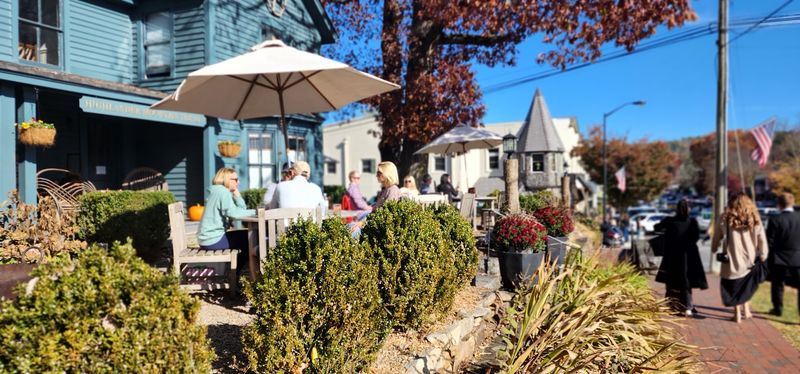
Highlands is the kind of mountain town that rewards slow exploration. Tucked into the Southern Nantahala Highlands at around 4,100 feet, it has access to more than 200 hiking trails and sits within a landscape so full of waterfalls that locals practically use them for directions.
Dry Falls is a local favorite where visitors can walk directly behind the falling water on a paved path, which feels like a magic trick every single time.
Fall here is a long, layered event. The surrounding mountain ridges and valleys turn at different times, meaning the color season stretches rather than arriving and leaving in one dramatic weekend.
North Carolina’s tourism office specifically highlights Highlands for autumn getaways, pairing its charming Main Street with the surrounding Southern Mountain landscape.
The town itself has an upscale, unhurried feel, with galleries, farm-to-table restaurants, and historic inns that make it easy to stay a few days. Waterfall corridors and forest roads extend the experience well beyond any single overlook.
Unlike destinations that hinge on one famous viewpoint, Highlands wraps you in color from every direction. It’s the kind of place that makes you wonder why you don’t visit more often.
Gatlinburg, Tennessee
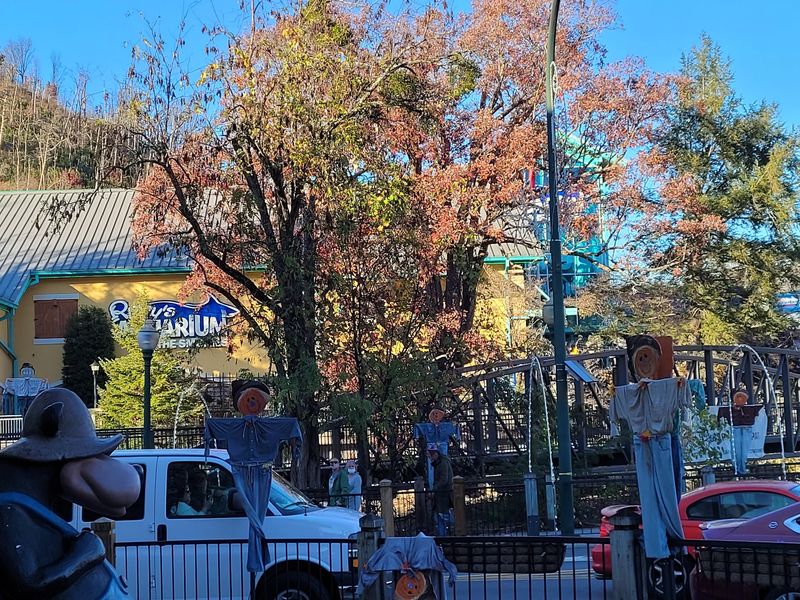
More than 100 tree species call Great Smoky Mountains National Park home, and Gatlinburg sits right at its front door. That staggering tree diversity is the reason the park produces one of the longest and most colorful fall seasons in the entire eastern United States.
High-elevation yellow birch, beech, and mountain maple turn first, followed by sugar maple, scarlet oak, red maple, and hickory lower on the slopes.
Gatlinburg itself is lively and tourist-friendly, with attractions, restaurants, and shops that keep things entertaining even on a rainy fall day. The AnaVista Tower offers 360-degree views over downtown and the surrounding Smokies, which is a solid option when you want the big picture without lacing up your hiking boots.
A word of honest advice: October is the park’s busiest month, and the National Park Service warns that congestion can dramatically stretch travel times. Arriving early in the morning or visiting on weekdays makes a real difference.
Despite the crowds, Gatlinburg earns its popularity. When those Smoky Mountain slopes are fully lit up in red and gold, the scene is genuinely breathtaking, and no amount of traffic can take that away.
Townsend, Tennessee
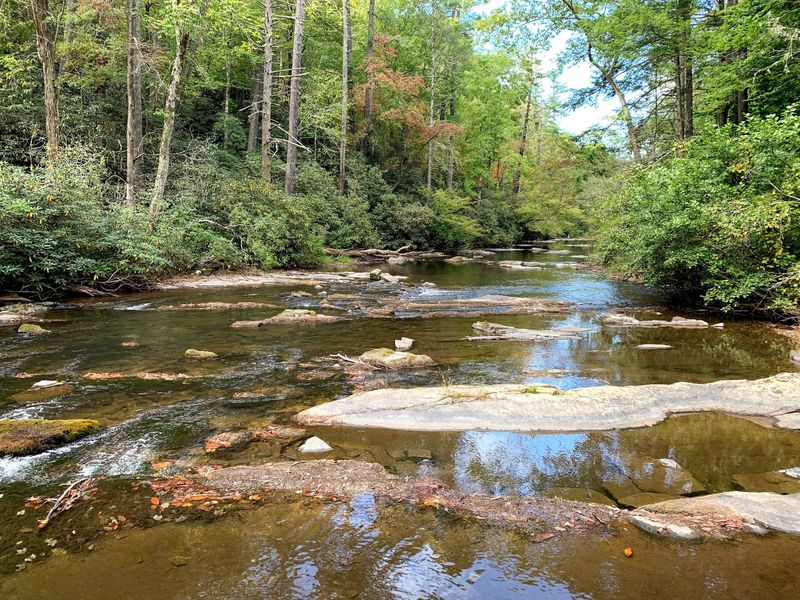
Townsend is what Gatlinburg would be if it took a deep breath and decided to relax. This quieter western gateway to Great Smoky Mountains National Park draws visitors who want the same stunning scenery with a fraction of the chaos.
Tennessee’s tourism office promotes it as a prime Smokies destination for fall foliage, and the park’s wide elevation range keeps the color show running for weeks.
Cades Cove is the crown jewel nearby, a broad mountain valley ringed by forested ridges that turn spectacular shades of orange and red in October. The Cades Cove Loop Road is a classic autumn drive, though it can get busy during peak weekends.
The Foothills Parkway is another National Park Service recommendation for fall drives in the area, with long ridge-top views that reward the drive out.
Mid-October through early November tends to bring the strongest color below 4,000 feet, which puts Townsend in a sweet spot once the display has worked its way down from the highest Smoky Mountain peaks. If you want a cabin in the woods, a fire pit in the evening, and a national park at your doorstep, Townsend checks every single box without making you fight for a parking spot.
Blue Ridge, Georgia
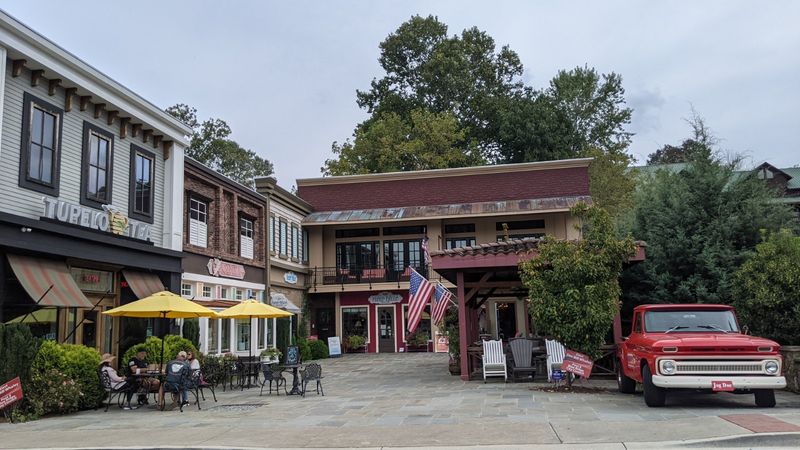
Georgia doesn’t always get credit for its mountain scenery, but Blue Ridge is ready to change that conversation. Nestled in the northeastern corner of the state where Georgia, Tennessee, and North Carolina nearly touch, this small city sits deep in the Blue Ridge Mountains with fall foliage that rolls in alongside cooler temperatures and harvest-season charm.
Georgia’s tourism office specifically calls out autumn for its reds, yellows, and oranges in this region.
The surrounding road network is one of Blue Ridge’s underrated strengths. Explore Georgia notes that the area offers numerous scenic drives, and the routes connecting northern Georgia’s mountain communities pass through long stretches of wooded ridges, farmsteads, lakes, and two-lane roads that feel made for October afternoons.
Orchards, pumpkin patches, and cider are part of the package too.
Rather than one dramatic summit or famous overlook, Blue Ridge rewards slow travel through a landscape that changes around every bend. Cabins are everywhere up here, making it a popular weekend escape for Atlanta residents who want mountain air without a long drive.
At roughly two hours from the city, it’s accessible enough for a quick trip but remote enough to feel like a genuine getaway. Pack layers and plan to linger.
Helen, Georgia
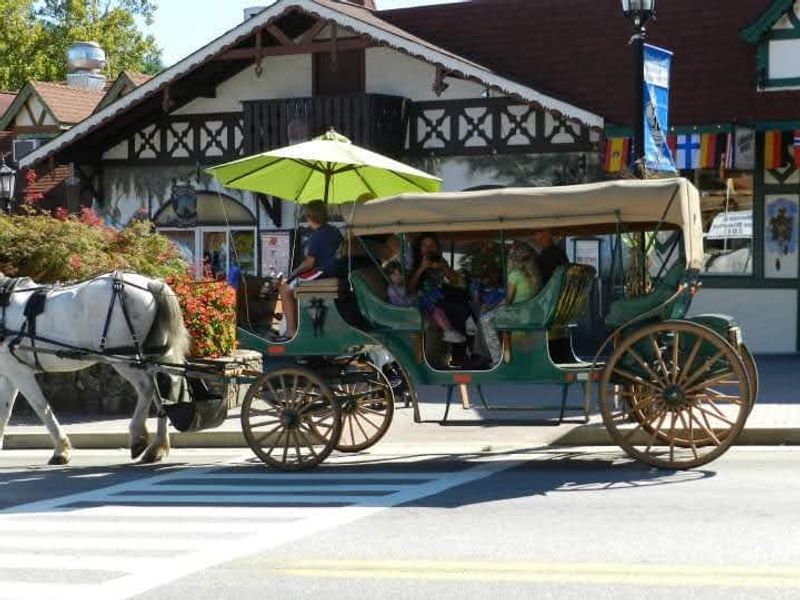
Helen might be the most surprising town on this list, and that’s entirely intentional. A small North Georgia mountain community that reinvented itself as a Bavarian-style alpine village in the 1960s, it now features cobblestone walkways, half-timbered buildings, and Oktoberfest celebrations set against a backdrop of genuine Appalachian forest.
The contrast is delightfully strange and somehow completely works.
Step outside downtown and the scenery shifts fast. Explore Georgia highlights nearby Dukes Creek Falls as part of North Georgia’s waterfall-and-foliage country, and the surrounding landscape sits at the meeting point of the Blue Ridge and Appalachian mountain systems.
The Richard B. Russell Scenic Highway climbs through forest with long views that have nothing Bavarian about them, just pure Southern mountain autumn.
Helen works best as a fall destination when you treat the quirky downtown and the surrounding wilderness as two separate experiences that happen to share the same zip code. Spend the morning hiking to a waterfall through October forest, then wander back into town for a pretzel and a pint while leaves drift past the shop windows.
It’s an odd combination that somehow delivers a memorable fall trip. Helen doesn’t take itself too seriously, and that’s exactly its charm.
Dahlonega, Georgia
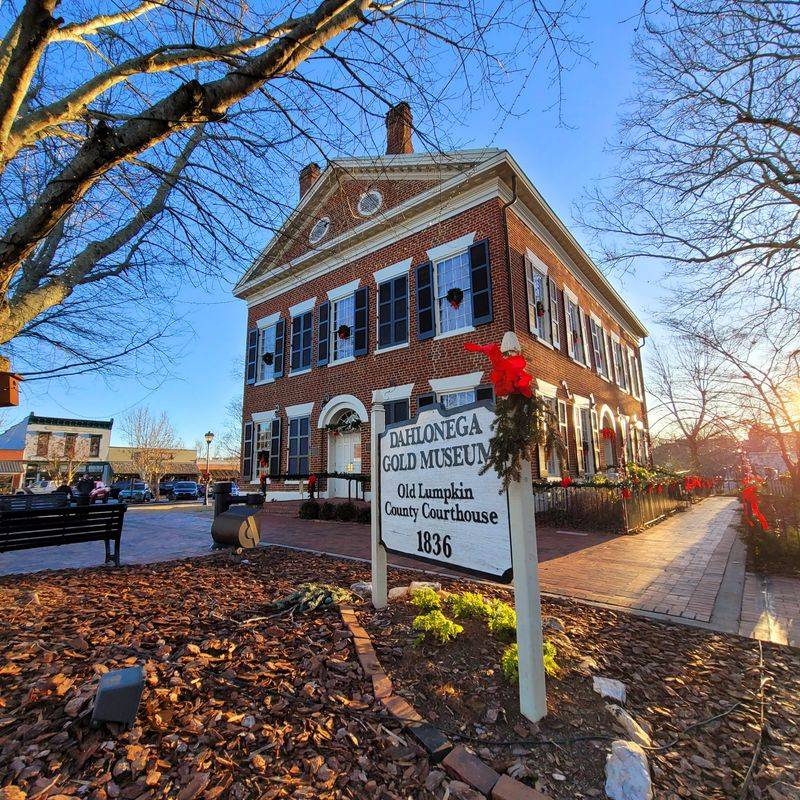
Gold fever put Dahlonega on the map back in 1829, when the first major U.S. gold rush began in these North Georgia hills. The old courthouse at the center of town now houses the Dahlonega Gold Museum State Historic Site, and the square around it still has the feel of a place with stories to tell.
These days, the real treasure is the autumn scenery spreading across the surrounding Blue Ridge foothills.
Explore Georgia recommends fall scenic drives around Dahlonega as the forests change color, and the area has something extra to offer: Georgia wine country. Vineyards dot the surrounding hillsides, and a wine trail through autumn foliage is a very pleasant way to spend an October afternoon.
The combination of gold-rush history, mountain scenery, and local wineries gives Dahlonega a personality that’s hard to replicate.
Location also works in Dahlonega’s favor. Sitting roughly an hour north of Atlanta, it’s one of the more accessible mountain foliage destinations in the South.
That proximity makes it popular on fall weekends, so arriving on a Friday or planning a weekday visit pays off. The town square is walkable, the local restaurants are worth seeking out, and the surrounding hills turn beautifully every October.
Abingdon, Virginia
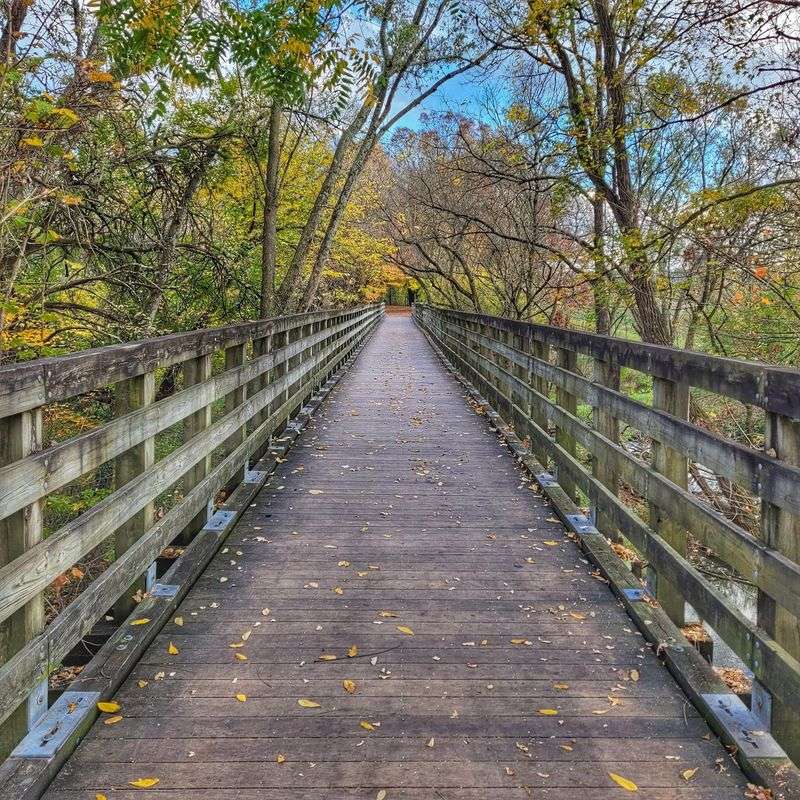
The Virginia Creeper Trail is one of those rail-trail conversions that makes you grateful someone had the sense to save the old railroad right-of-way. Stretching about 34 miles from Abingdon toward Whitetop Mountain, it climbs through farmland, creek valleys, and mountain forest with a grade gentle enough for casual cyclists and hikers.
In October, the surrounding trees turn the corridor into something that looks almost too colorful to be real.
Virginia tourism specifically recommends Abingdon as a fall mountain destination, and the town backs that up with a historic Main Street and the Barter Theatre, one of the oldest professional theaters in the country. After a day on the trail, the combination of a good dinner and live performance is a genuinely satisfying way to end an autumn evening.
Travelers should check trail conditions before heading out. Hurricane Helene caused damage along portions of the Virginia Creeper Trail, and Virginia tourism reports that the Abingdon-to-Damascus section has reopened while rebuilding continues on other sections.
The town itself is fully operational and worth the visit regardless. Abingdon has the kind of historic downtown that feels lived-in and authentic, which pairs well with the surrounding Southwest Virginia mountain landscape.
Luray, Virginia
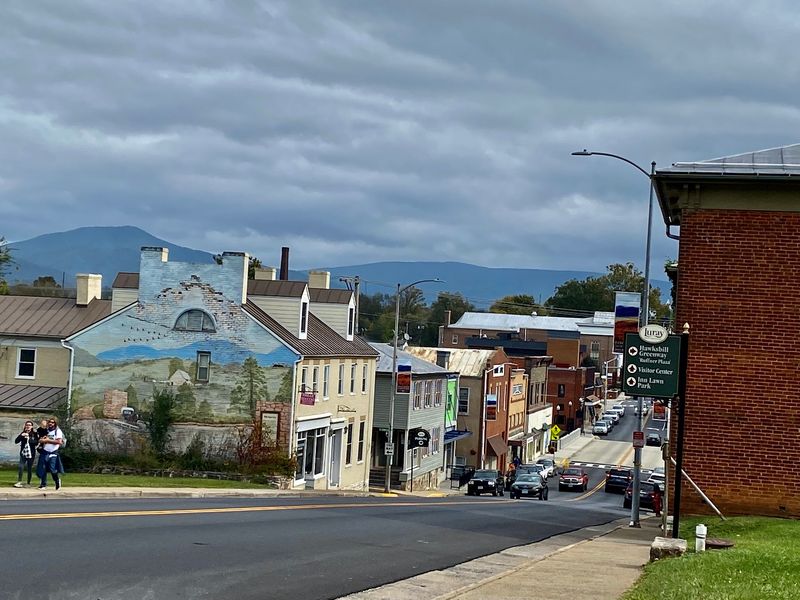
Luray has a geographic advantage that most mountain towns can only dream about. Sitting in a valley between the Blue Ridge Mountains to the east and Massanutten Mountains to the west, the town is essentially surrounded by autumn color from multiple directions at once.
Add in its position as a gateway to Shenandoah National Park and Skyline Drive, and you have one of Virginia’s strongest fall destination packages.
Skyline Drive runs 105 miles along the Blue Ridge crest through the national park, with 76 overlooks built into the route. Those viewpoints look out over the Shenandoah Valley and surrounding ridges in almost every direction.
Because foliage progresses downhill from higher elevations toward the valley floor, Luray can hold autumn interest for several weeks rather than peaking and fading in a single weekend rush.
Luray Caverns, one of the most visited cave systems in the eastern U.S., adds an underground dimension to the fall trip for travelers who want something beyond trail and overlook. The town itself is small and friendly, with lodging options that range from historic inns to riverside cottages.
For a fall road trip along one of America’s most celebrated scenic drives, Luray makes an excellent home base with room to breathe.
Floyd, Virginia
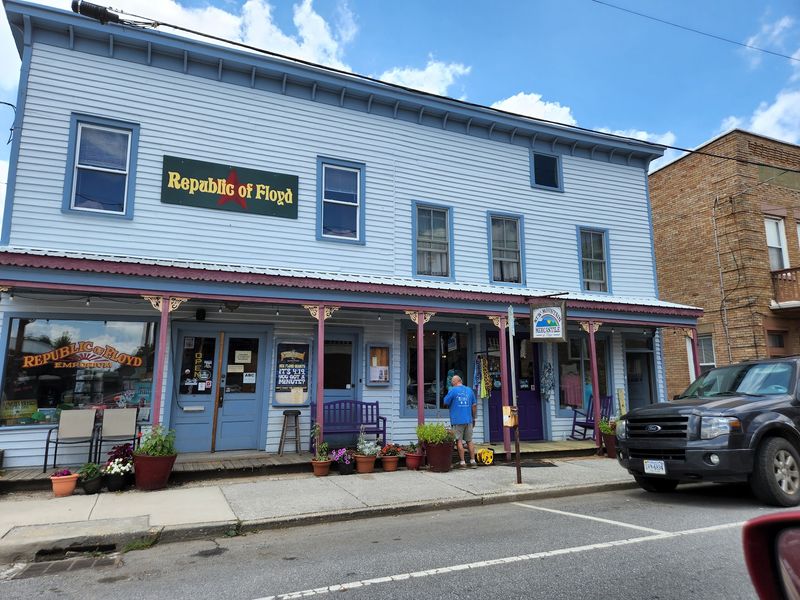
Floyd sits on the Blue Ridge Plateau in southwestern Virginia, where mountain culture and mountain scenery have been living side by side for generations. The county includes about 40 miles of the Blue Ridge Parkway, with access to landmarks like Mabry Mill, Rocky Knob, and Rock Castle Gorge.
Mabry Mill is one of the most photographed spots on the entire parkway, and in October, with the millpond reflecting autumn color, it fully earns that reputation.
The National Park Service says most foliage along the Blue Ridge Parkway changes during October, starting at higher elevations and gradually working its way down the slopes. Those 40 parkway miles give Floyd visitors a front-row seat to that progression, with overlooks and trailheads spaced throughout.
What sets Floyd apart from other parkway towns is its music scene. The long-running Friday Night Jamboree brings bluegrass and old-time Appalachian musicians into town, and Floyd is a featured stop on Virginia’s Crooked Road heritage music trail.
Combining a leaf-peeping drive along the parkway with live mountain music in the evening turns a fall trip into something genuinely special. Floyd proves that the best autumn experiences aren’t just about what you see, they’re also about what you hear.
Damascus, Virginia
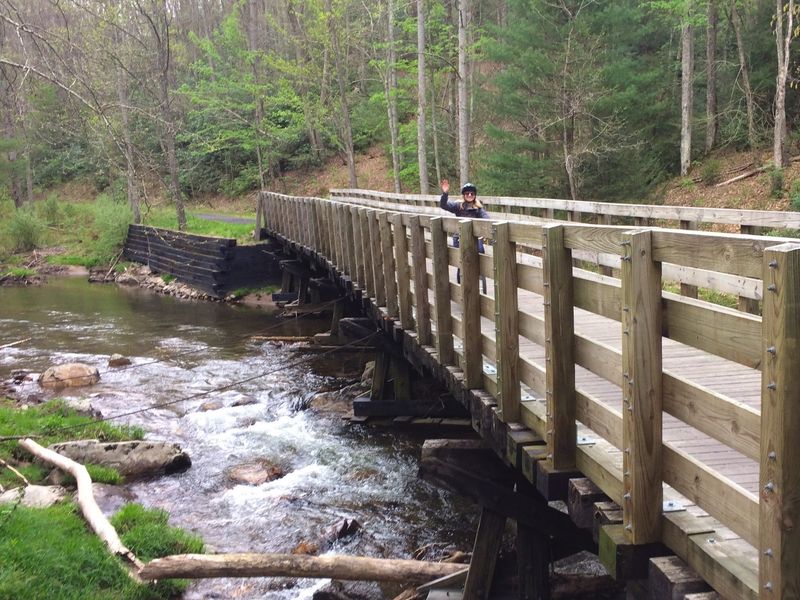
Damascus has a nickname that tells you everything you need to know: Trail Town USA. The Appalachian Trail walks straight through the middle of town, while the Virginia Creeper Trail, the TransAmerica Bicycle Route, and several regional trails all converge here too.
For outdoor enthusiasts, Damascus functions less like a destination and more like a crossroads where every path leads somewhere beautiful.
In autumn, that trail network becomes genuinely stunning. The Virginia Creeper climbs from Damascus toward Whitetop through wooded mountain country that lights up with fall color in October, and Virginia tourism identifies the route as a major fall-color experience in Southwest Virginia.
Hikers and cyclists share the old railroad grade through corridors of turning trees.
Visitors should confirm current trail conditions before planning a trip. Hurricane Helene caused damage along portions of the Virginia Creeper Trail, and while the Abingdon-to-Damascus section has reopened, other sections remain under restoration.
The town itself is small, welcoming, and well-equipped for trail travelers, with outfitters, hostels, and local eateries that cater to people who’ve been outdoors all day. Damascus has a relaxed, community-minded vibe that feels refreshingly unpretentious, the kind of trail town where strangers swap hiking stories over breakfast without any awkwardness.
Fayetteville, West Virginia
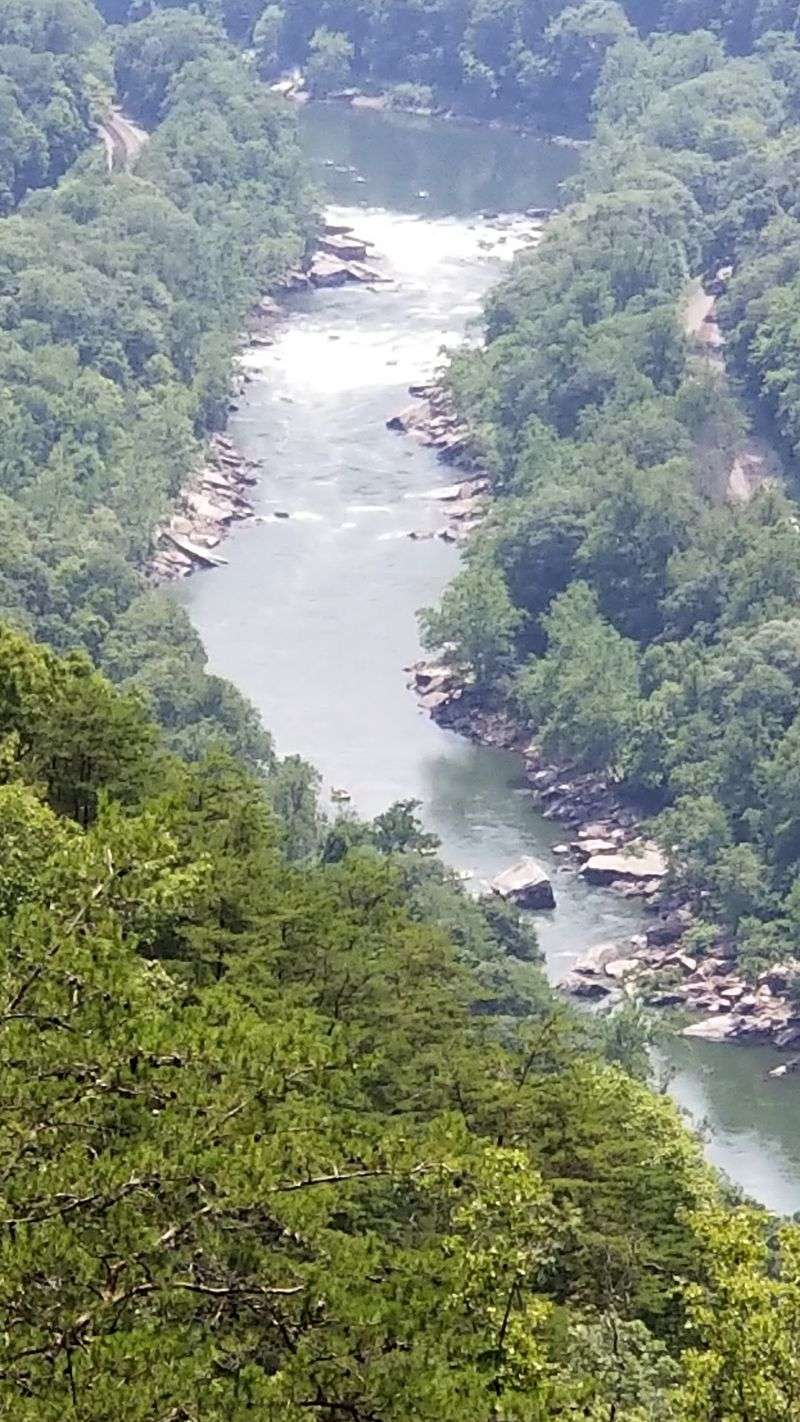
Standing on the rim of New River Gorge and looking down 876 feet to the river below is the kind of experience that rearranges your sense of scale. Fayetteville sits right on that rim, with New River Gorge National Park and Preserve spreading across more than 70,000 acres of forested canyon below and around the town.
West Virginia tourism generally places the region’s strongest autumn color between mid-October and early November.
The New River Gorge Bridge is the obvious landmark, and it delivers. But the gorge walls themselves are what make fall here so dramatic.
Steep slopes covered in oak, maple, and mixed deciduous forest turn the canyon into a vertical tapestry of color that you simply can’t replicate on a gentle mountain ridge. Fayette County is specifically identified by West Virginia’s tourism office as particularly colorful around mid-October.
Trails and overlooks throughout the national park reveal different angles on the gorge and its surrounding forest. Rock climbing, whitewater rafting, and hiking give active travelers plenty of reasons to stay multiple days.
Fayetteville itself has a small but lively downtown with restaurants and local shops that reflect the outdoor-adventure culture of the area. For fall foliage combined with genuinely dramatic geology, this town stands in a category of its own.
Mentone, Alabama
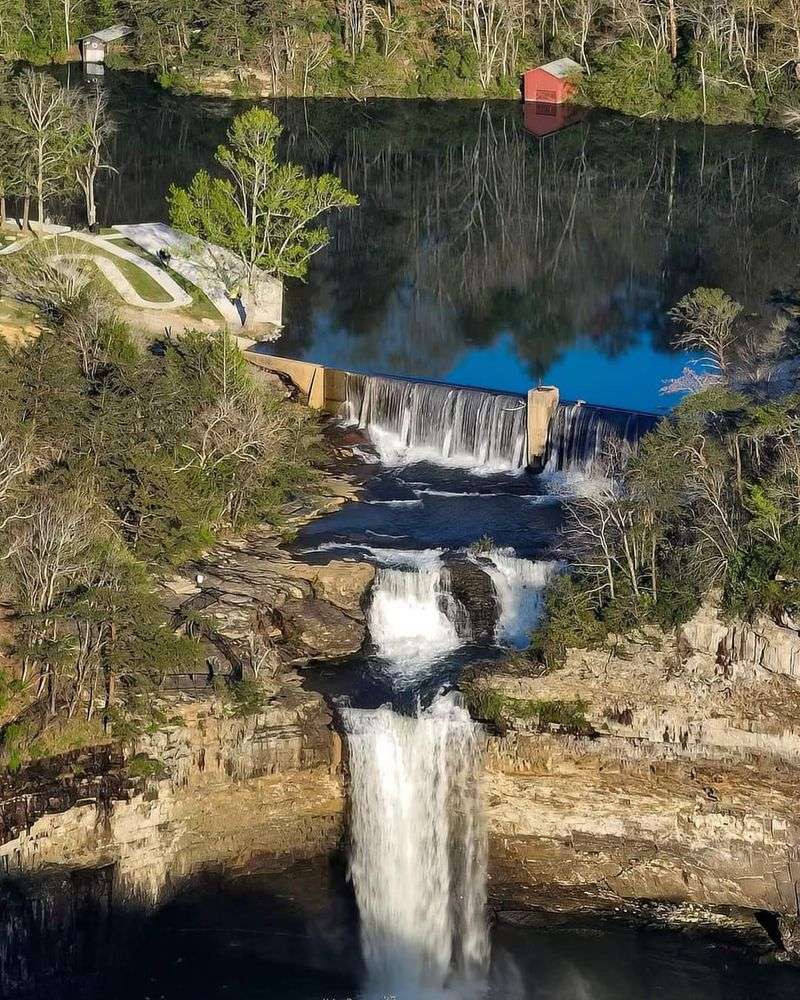
Alabama doesn’t usually come up in conversations about fall foliage, but Mentone is quietly making the case that it should. Perched on Lookout Mountain near DeSoto State Park, this small community catches autumn color later than the high Appalachian towns farther north, with peak color generally falling between the second half of October and early November.
That timing gives it a useful role as the Southern finale of the fall-color season.
DeSoto State Park provides rugged trails, forested terrain, and genuine mountain character that surprises visitors expecting Alabama flatlands. DeSoto Falls, just a few miles from town, drops dramatically through autumn forest and rewards the short hike with a view worth the effort.
The park’s combination of trails and waterfalls makes it easy to spend a full day outdoors without covering the same ground twice.
Mentone has functioned as a mountain retreat since the 19th century, and that history gives it a relaxed, old-fashioned charm that feels increasingly rare. Small inns, local artists, and a laid-back community vibe make it the kind of place where slowing down feels natural.
For travelers who’ve worked their way south through the Appalachians and assumed the color show was winding down, Mentone delivers a satisfying and unexpected encore.
Share this story