Some bars have a happy hour. These ones have a happy century or three.
Across the United States, a handful of taverns, inns, and public houses have managed to survive wars, fires, Prohibition, and the relentless march of time, still welcoming guests today just as they did when the country was young. A few of these places predate the American Revolution entirely, their walls having witnessed colonial politics, wartime intrigue, and the slow build of a nation.
Others opened their doors just as the new republic was finding its footing, becoming anchor points for their communities for generations. What makes each of these spots remarkable is not just their age, but the fact that you can still walk in, pull up a stool, and order a drink in a room where history happened.
Here are 15 of the oldest bars in America that are still very much open for business.
The Old ’76 House, Tappan, New York
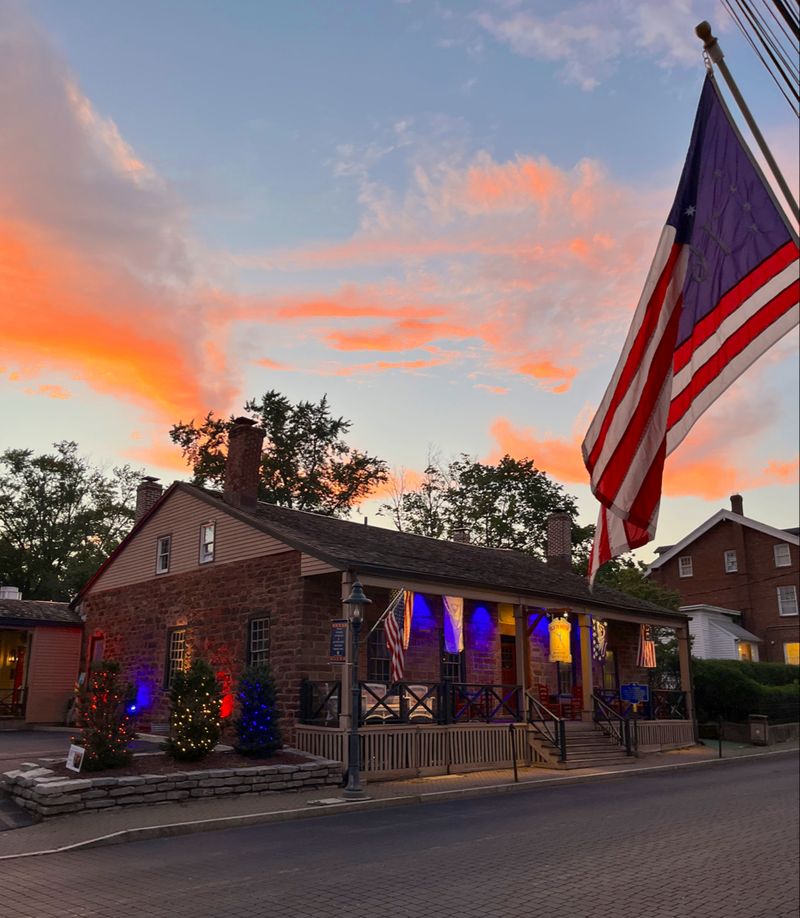
Dating back to 1668, this Tappan landmark holds one of the most dramatic chapters in American Revolutionary history. British officer Major John André was held here after his capture in the Benedict Arnold conspiracy, making the building a direct witness to one of the era’s most notorious episodes of espionage.
Historians have debated the exact age of the present structure, but the documented history of the site is remarkably well established for a building of this era.
Today, the Old ’76 House operates as an active restaurant and bar, giving visitors a tangible connection to colonial tavern life. The combination of genuine historical significance and a functioning pub makes it a rare find anywhere in the country, let alone in a quiet New York suburb.
Longfellow’s Wayside Inn, Sudbury, Massachusetts
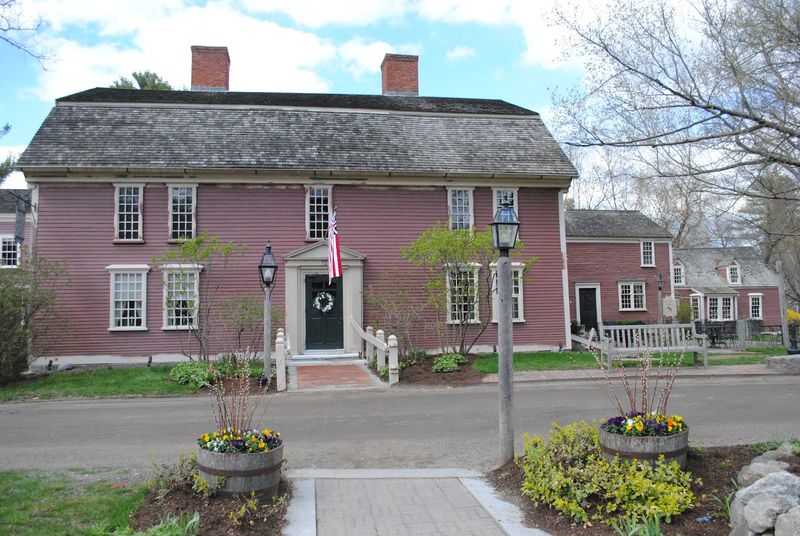
Henry Wadsworth Longfellow visited this inn in 1862 and liked it so much he made it the setting for his famous 1863 poem collection, which introduced the world to “Paul Revere’s Ride.” Not a bad legacy for a roadside stop in Sudbury.
The property’s hospitality roots go back to 1716, when David Howe received a license to operate a house of entertainment for travelers along the Boston Post Road. Automobile magnate Henry Ford later purchased the inn in 1923, expanding it to over 100 acres and adding a working grist mill and the Redstone Schoolhouse, believed to be connected to the poem “Mary Had a Little Lamb.”
The inn still functions as a restaurant and working inn today, maintaining its 18th and 19th-century aesthetic throughout its well-preserved interior rooms.
Logan Inn, New Hope, Pennsylvania
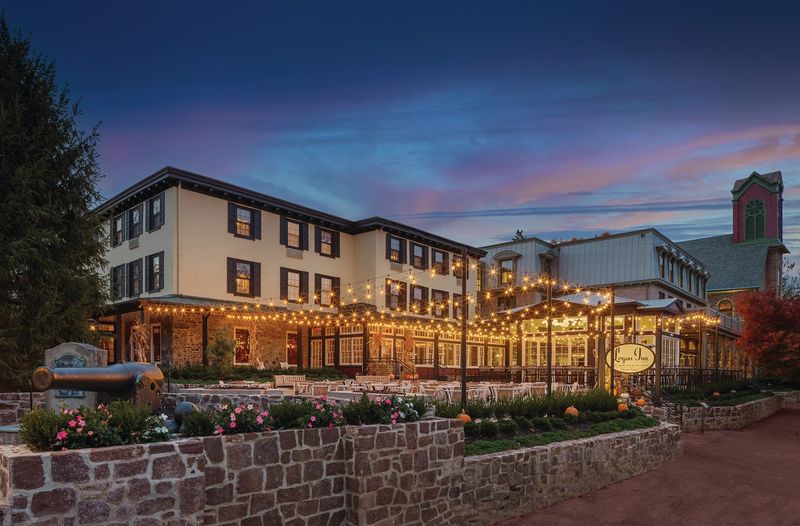
The oldest standing structure in New Hope, this building was constructed around 1722 and began operating as The Ferry Tavern in 1727, serving travelers crossing the Delaware River on the busy route between Philadelphia and New York.
The name changed to Logan Inn in the early 1800s, honoring Lenni-Lenape Chief Wingohocking. A renovation in the late 1980s uncovered and preserved colonial architectural elements, including bar murals carefully restored by local artist Illia Barger.
Since 2015, Landmark Hospitality has overseen a major transformation, adding guest rooms and a dedicated Whiskey Lounge while keeping the historic character intact. Local lore adds another layer of interest: Room 6, known as the Emily Room, has a well-documented reputation for reported paranormal activity, making it one of the more talked-about spots on any ghost tour of Bucks County.
The Red Fox Inn & Tavern, Middleburg, Virginia
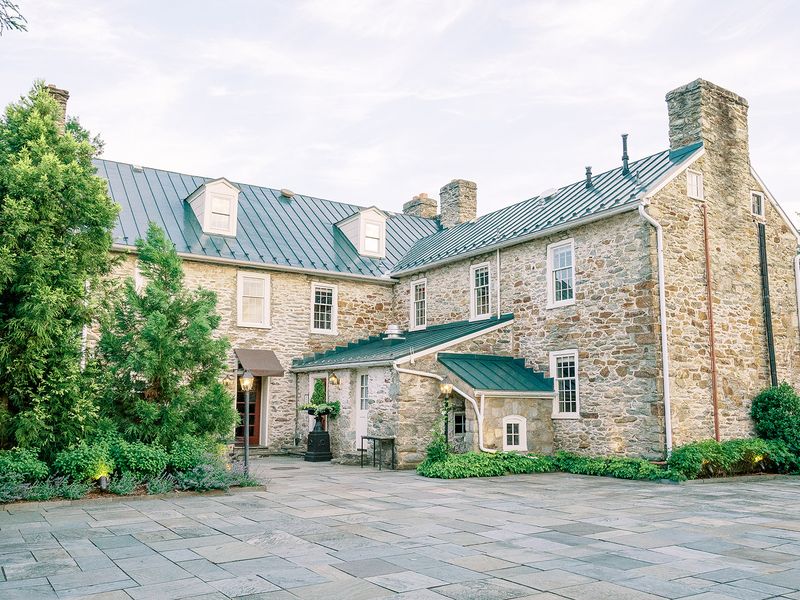
Few taverns in America can claim to have stood in the same spot, in the same fieldstone building, since 1728. Originally called Chinn’s Ordinary, the property served travelers along the Ashby Gap route connecting Virginia’s Piedmont region to the Shenandoah Valley.
Nearly three centuries later, the Red Fox Inn and Tavern remains an operating inn and bar at the center of Middleburg, one of America’s most well-known equestrian communities. The fieldstone construction gives the building a visual weight that newer establishments simply cannot replicate.
Visitors who stop in for a meal or a drink get something beyond a good menu: they get the experience of sitting inside one of the most visually striking survivors from America’s early tavern era. The horse country setting outside only adds to the overall sense of stepping into a different era entirely.
Middleton Tavern, Annapolis, Maryland
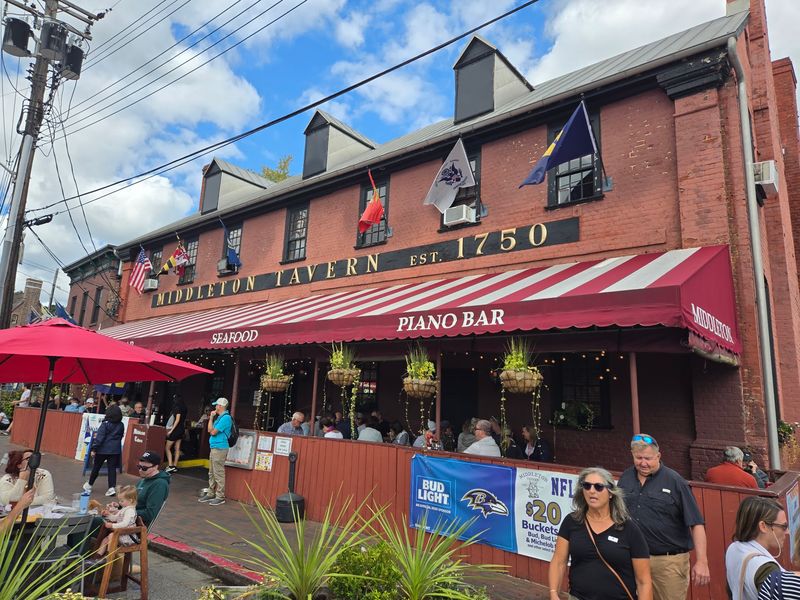
George Washington, Thomas Jefferson, and Benjamin Franklin all passed through Middleton Tavern, which began its life in 1750 as an inn for seafaring men using Horatio Middleton’s ferry between Annapolis and Maryland’s Eastern Shore. That is a guest list that most modern hospitality venues could only dream about.
The three-story Georgian brick building also hosted the Maryland Jockey Club, the Free Masons, and the Tuesday Club, a social group for Annapolis’s educated gentlemen. After various uses in the early 20th century, Jerry Hardesty restored the property in 1968 and added an Oyster Bar in 1983.
Today the menu leans into Maryland classics like crab cakes and oysters, and the interior walls display Civil War muskets and antique naval uniforms. Local folklore includes a ghost named Roland, said to appear in Revolutionary-era clothing on the upper balcony.
Fraunces Tavern, New York City, New York
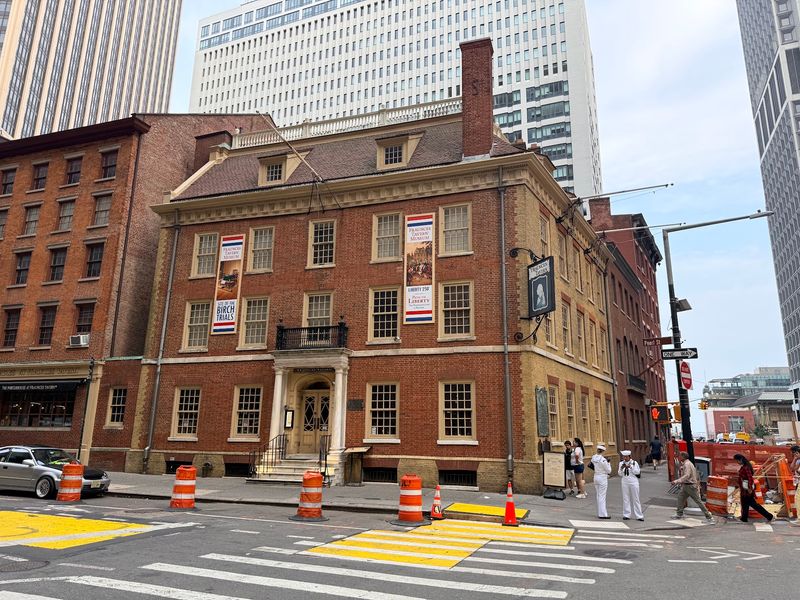
Samuel Fraunces bought this Lower Manhattan building in 1762 and turned it into Queen’s Head Tavern, which quickly became a hub for Patriot activity. The Sons of Liberty met here, the first New York Chamber of Commerce was founded within its walls in 1768, and in 1775, a British cannonball reportedly pierced the roof.
The most famous moment came in December 1783, when George Washington delivered his farewell address to his officers in the Long Room upstairs. From 1785 to 1788, the building housed several departments of the new Confederation Congress, making it the country’s first executive governmental building.
Today Fraunces Tavern operates as both a working bar and restaurant on the ground floor and a museum on the upper levels. The museum holds a lock of Washington’s hair and the world’s largest collection of John Ward Dunsmore paintings.
The Griswold Inn, Essex, Connecticut
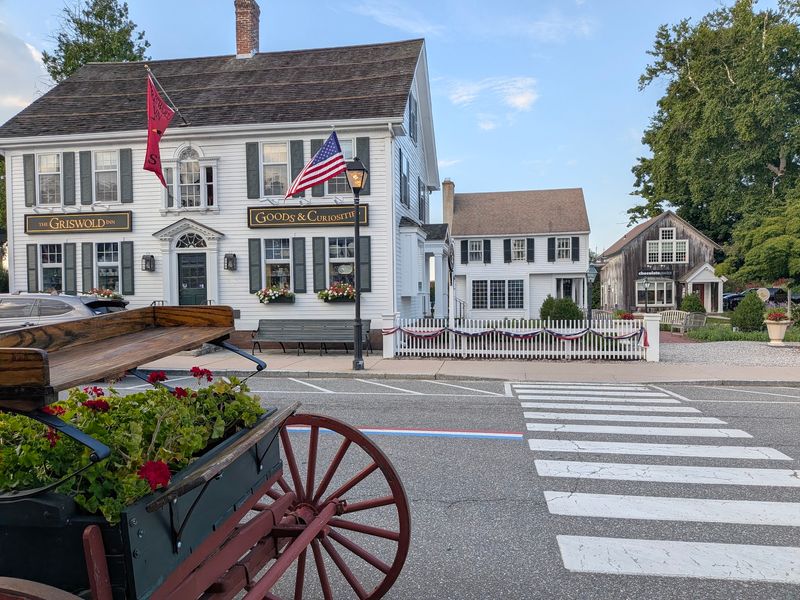
Opening in 1776, the same year the United States declared independence, the Griswold Inn has the distinction of never having closed its doors in nearly 250 years of continuous operation. British troops commandeered it during the War of 1812, which must rank as one of the more uncomfortable stretches in its long history.
The Tap Room is a particular highlight: it started life as a schoolhouse built in 1735, was moved to its current location in 1801 using oxen and logs, and still has its original ceiling of crushed clamshell and horsehair plaster.
The inn holds the largest privately owned collection of works by maritime artist Antonio Jacobsen, and its Gun Room contains a musket with a handwritten note from a father to his son dated July 7, 1776. In 2026, the property celebrates 250 years of unbroken hospitality.
Barnsboro Inn, Sewell, New Jersey
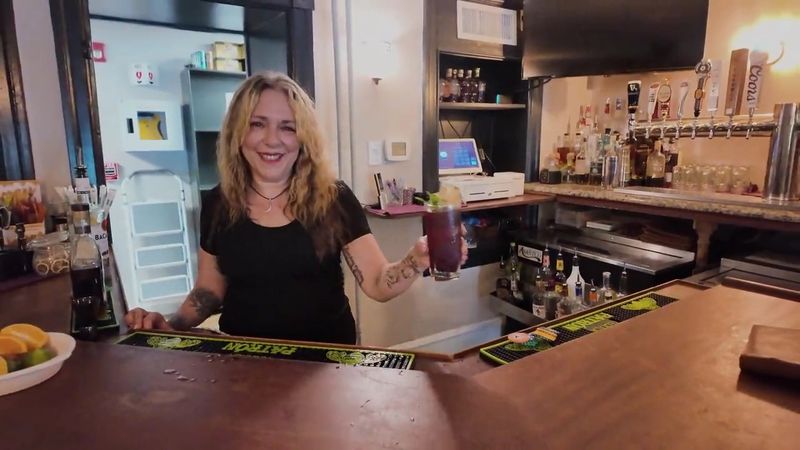
John Budd built a log cabin on this site in 1720, and by March 19, 1776, John Barnes had turned it into a licensed tavern, citing the serious shortage of rest stops along the local roads. The surrounding community later renamed itself Barnsborough in his honor, which is a pretty solid way to leave a mark on history.
Barnes’s license required him to keep at least two spare beds for travelers and stabling for their horses. During Prohibition, the establishment converted to an ice cream parlor, though it is widely rumored to have been a speakeasy at the same time.
In 1912, when operating as the Barnsboro Hotel, it hosted a campaign rally for Teddy Roosevelt. Today the inn focuses entirely on food and drink, offering a menu that runs from classic American fare to more contemporary dishes, alongside live music and themed dinner events.
The Old Talbott Tavern, Bardstown, Kentucky
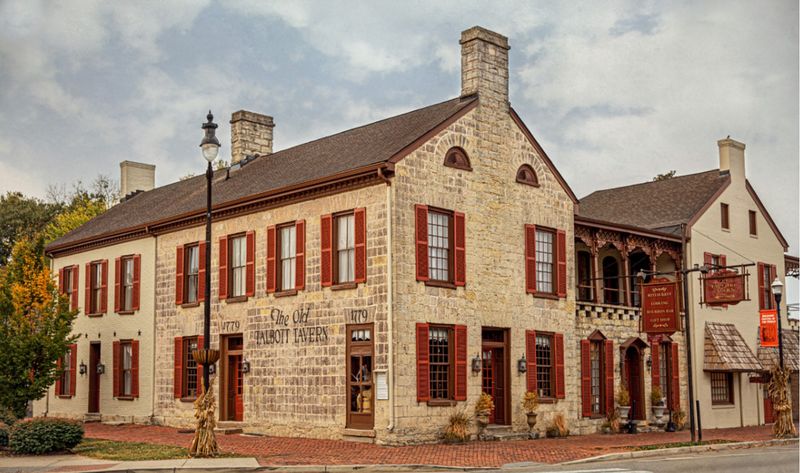
Built in 1779, this Bardstown landmark was already a well-worn stagecoach stop by the time Kentucky became a state in 1792. Travelers heading west stopped here for lodging, food, and a chance to rest before continuing into what was then the American frontier.
The rough stone exterior immediately distinguishes the Old Talbott Tavern from later American taverns, which tend to favor brick or wood framing. That stone construction has helped it survive more than two centuries in remarkably solid shape.
Visitors today can still eat and drink in the same rooms that served frontier travelers, giving the experience an unusual sense of continuity. Few bars in America can claim to have been a working tavern since before the country had a federal government, and fewer still have kept the original building largely intact to prove it.
White Horse Tavern, Newport, Rhode Island
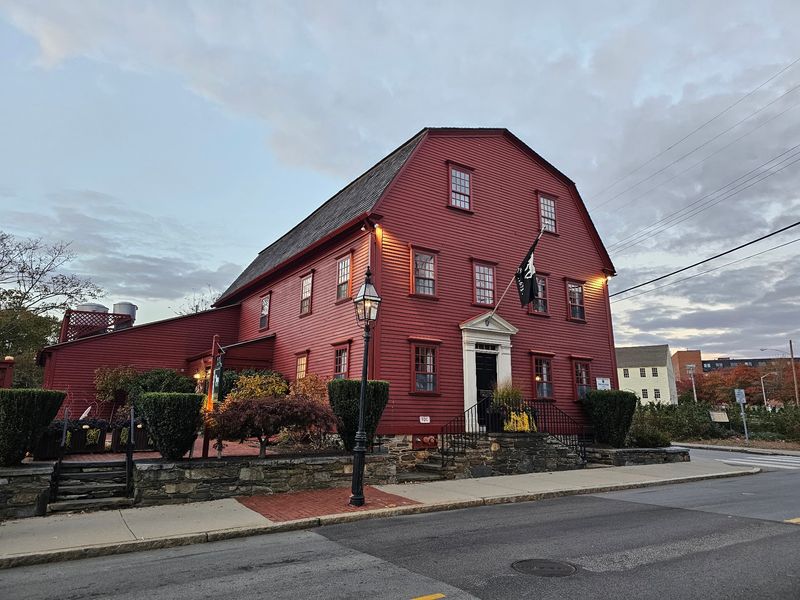
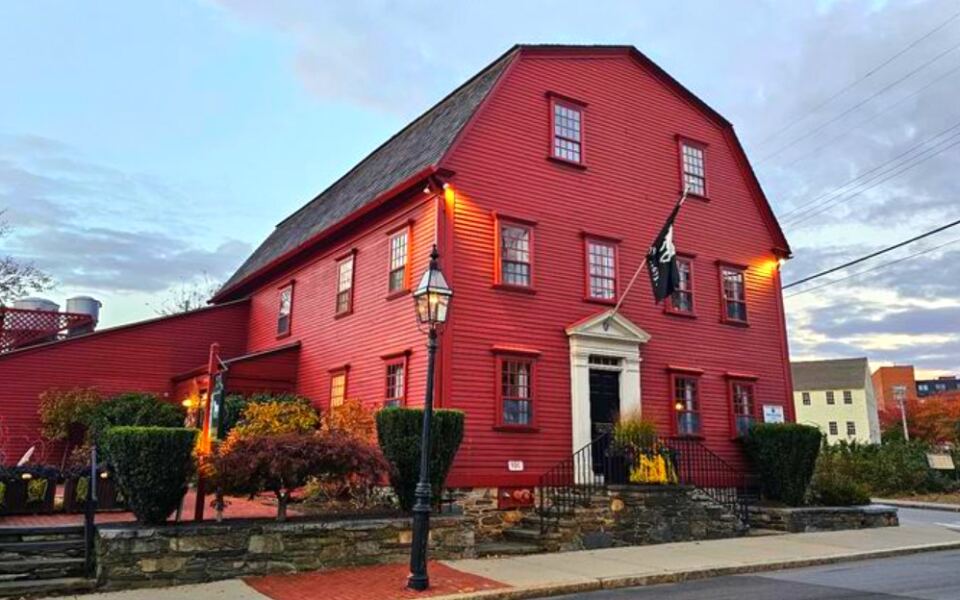
Built in 1652 as a two-story residence, this Newport building became a tavern in 1673 when William Mayes acquired the property. One of his successors, William Mayes Jr., happened to be a known pirate, which arguably makes the tavern’s guest list more colorful than most.
For decades, the space doubled as a civic hub, hosting Rhode Island’s General Assembly, Criminal Court, and City Council before the Colony House opened in the 1730s. During the Revolutionary War, British troops and Hessian mercenaries were quartered here, pushing the original owners out.
A major restoration completed in 1957 brought the building back to its colonial character, and today it operates as a restaurant recognized as a National Historic Landmark. The giant beams, gambrel roof, and cavernous fireplaces remain very much intact.
Warren Tavern, Charlestown, Massachusetts
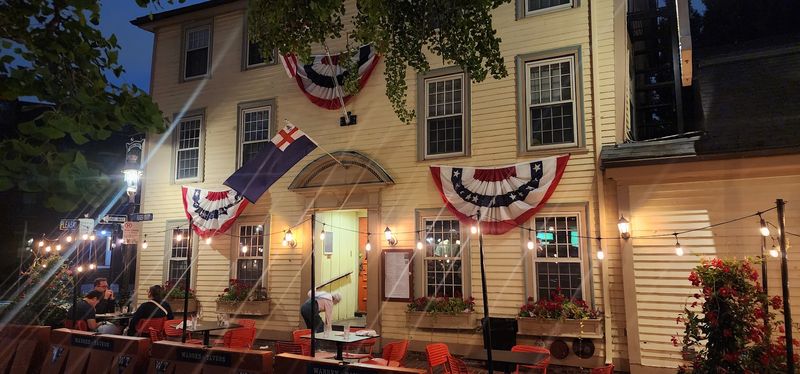
Built in 1780 as Charlestown was recovering from the destruction surrounding the Battle of Bunker Hill, Warren Tavern was named for patriot Joseph Warren, who sent Paul Revere on his famous ride and later lost his life at Bunker Hill. Both Revere and George Washington were regulars here.
The interior features low beamed ceilings with a practical historical footnote: those beams were salvaged from old boats at the nearby Charlestown Navy Yard, meaning they actually predate the tavern’s construction. Historical records do confirm that the original tavern closed after its first proprietor passed away in 1813, so continuous operation since 1780 is not accurate.
In its current form, Warren Tavern serves a largely local crowd of Charlestown residents and nearby professionals. The menu covers brunch, lunch, and dinner, with New England staples like lobster rolls, fish and chips, and shepherd’s pie.
Bell in Hand Tavern, Boston, Massachusetts
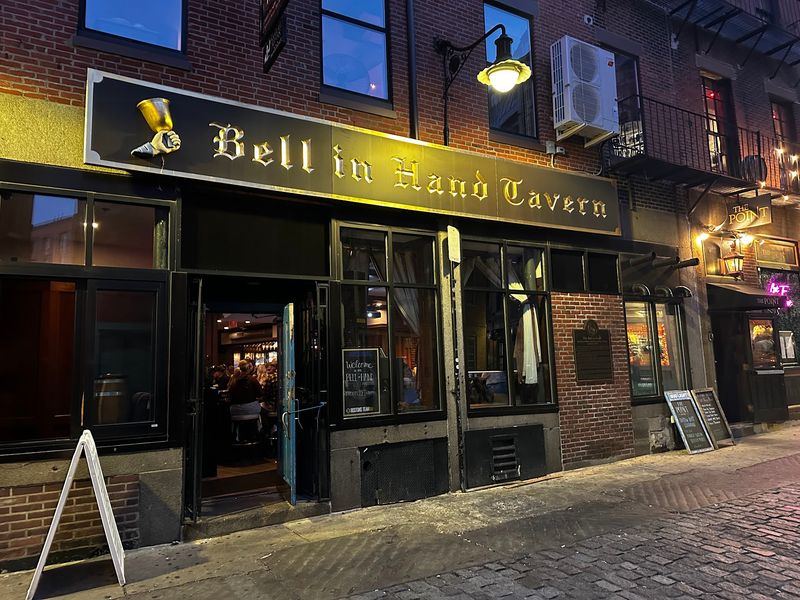
Jimmy Wilson spent 50 years as Boston’s town crier, and when he retired in 1795, he opened a tavern named after the hand bell he had carried through the city’s streets for half a century. It is one of the more charming origin stories in American bar history.
Early patrons included Daniel Webster and Paul Revere, and Wilson himself initially refused to serve hard liquor, offering only Smith’s Philadelphia Cream Ale. The tavern closed in 1915 due to redevelopment and reopened in 1934 after Prohibition ended, meaning its history includes a notable gap in operation.
Today the Bell in Hand on Union Street runs as a lively evening destination with live music, DJs, karaoke on Tuesdays, and trivia on Mondays. New England pub food rounds out the menu, and one of the original wooden signs depicting a hand holding a bell is now preserved at Boston’s Old City Hall.
The Golden Lamb, Lebanon, Ohio
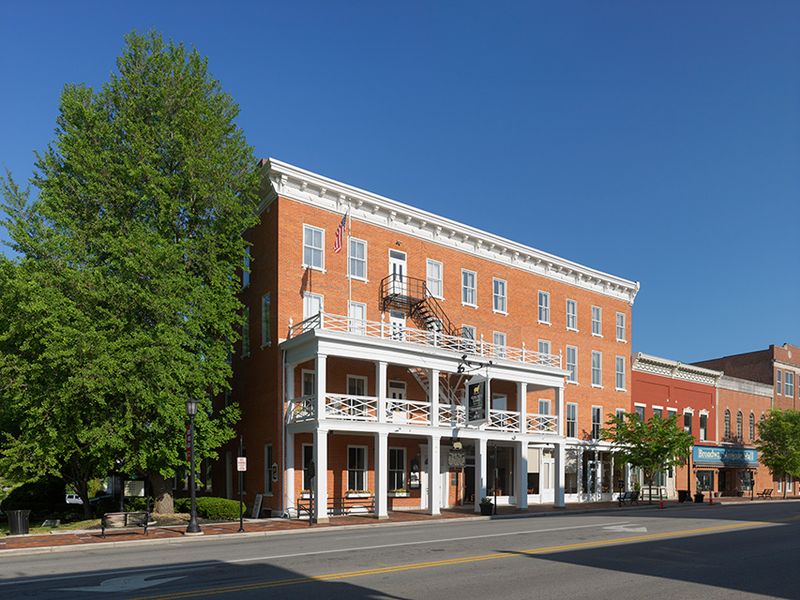
Jonas Seaman chose the image of a golden lamb for his signboard in 1803 because many early travelers could not read, and a visual symbol was far more practical than words. That practical choice turned into one of the most recognized names in Ohio hospitality history.
Ohio’s oldest hotel and longest continuously operating business, the Golden Lamb began as a log tavern before the current four-story brick structure took shape around 1815. Twelve American presidents have stayed here, including William Henry Harrison, John Quincy Adams, and Ronald Reagan.
Charles Dickens, Mark Twain, and Neil Armstrong also appear on the guest roster.
A fire in 1928 led to the acquisition of second-hand furniture that eventually became a notable collection of Shaker antiques, still displayed and used throughout the property today. The restaurant continues to source food from regional suppliers and is known for a long-running Thanksgiving dinner tradition.
Ear Inn, New York City, New York
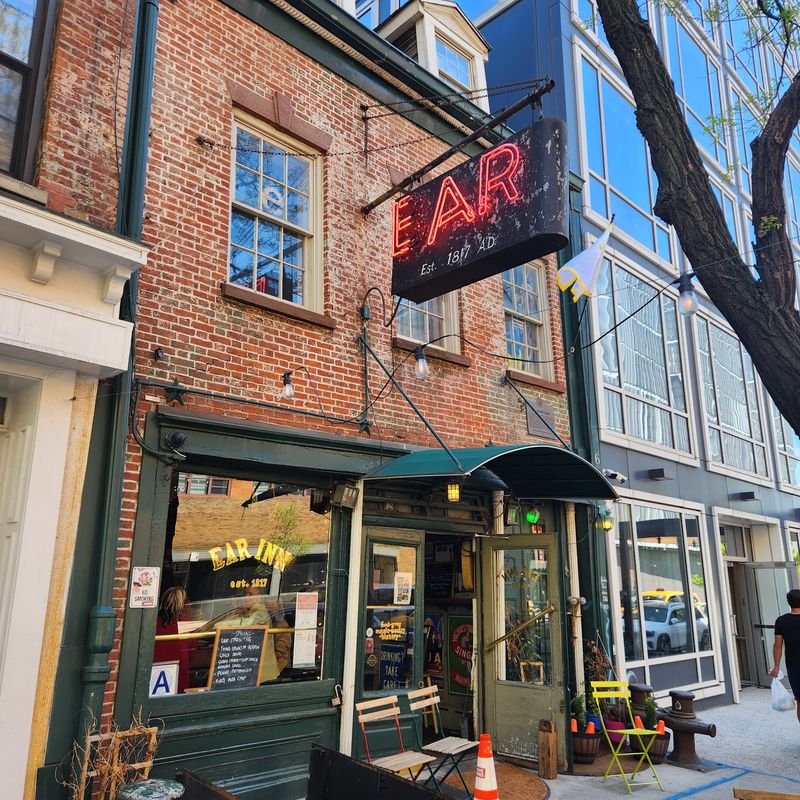
The building now housing the Ear Inn was constructed around 1770 for James Brown, an African-American aide to George Washington during the Revolutionary War. A persistent rumor holds that Brown is the man depicted rowing at Washington’s knee in Emanuel Leutze’s famous painting “Washington Crossing the Delaware.”
Drinking history on the premises dates to 1817, and by the mid-1800s, Thomas Cooke was selling home-brewed beer to sailors and waterfront workers. During Prohibition, the place operated as a speakeasy, and the upstairs apartment cycled through uses including a boarding house, a smuggler’s den, and a doctor’s office.
The name itself came from a creative workaround in the late 1970s: new owners altered the existing neon “BAR” sign to read “EAR” to avoid a lengthy landmarks review process. Hand-blown whiskey and wine jugs found in the basement, some from the 1830s, are now displayed above the bar.
Neir’s Tavern, Woodhaven, New York
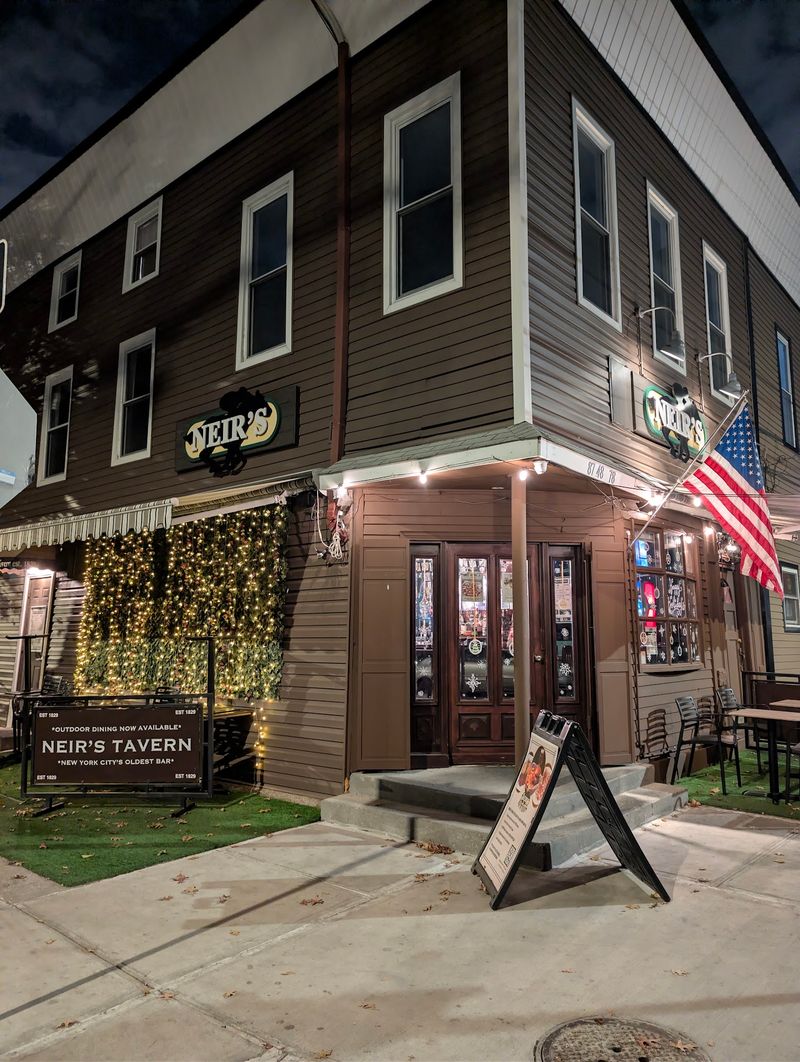
Founded in 1829, Neir’s Tavern has had a front-row seat to Queens changing from a rural patchwork of farms and small villages into one of the most densely populated urban areas in the country. The tavern outlasted nearly everything around it.
Inside, a mahogany bar more than 150 years old anchors the room, and movie fans will recognize the space from its appearance in Goodfellas. Martin Scorsese’s film crew chose it for good reason: the place looks exactly like a neighborhood bar that has been there forever, because it has.
Regular events, burgers, and a rotating mix of locals and curious visitors keep Neir’s from feeling like a preserved relic. Nearly two centuries after it first opened, the tavern functions more as a living neighborhood institution than a museum, which is exactly what makes it worth the trip to Woodhaven.
Share this story