Some places in America feel like they exist on a different planet. Getting there might mean flying over open ocean, crossing into another country, or driving for hours without seeing a single stoplight.
These towns are not forgotten, though. They are alive, fascinating, and full of stories that most travelers never get to hear.
If you have ever wanted to go somewhere that feels genuinely far from everything, this list is for you. From Alaska’s windswept islands to Maine’s rocky eastern edge, these communities hold a kind of quiet magic that busy tourist destinations simply cannot offer.
Pack your curiosity and maybe some extra snacks for the road.
Adak, Alaska
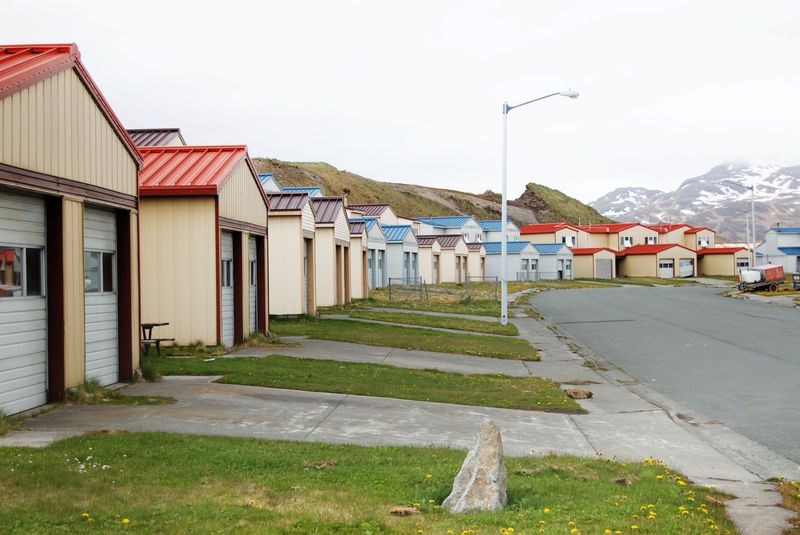
Halfway between mainland Alaska and Russia, Adak occupies one of the most dramatic stretches of the Aleutian Islands chain. The town sits on Adak Island, surrounded by volcanic peaks, wildlife refuges, and cold North Pacific waters that make the scenery feel genuinely otherworldly.
Commercial flights still connect Adak to Anchorage, which makes it accessible without requiring a private charter. Visitors come primarily for the birding, fishing, and World War II history left behind from when the island served as a major military base during the 1940s.
Bunkers, runways, and old military structures are scattered across the landscape, giving history-minded travelers plenty to explore. The wildlife is extraordinary, with sea otters, bald eagles, and rare Asian bird species regularly spotted here.
Adak has a small year-round population and limited services, so planning ahead is essential before making the trip out to this remote Aleutian outpost.
Akhiok, Alaska
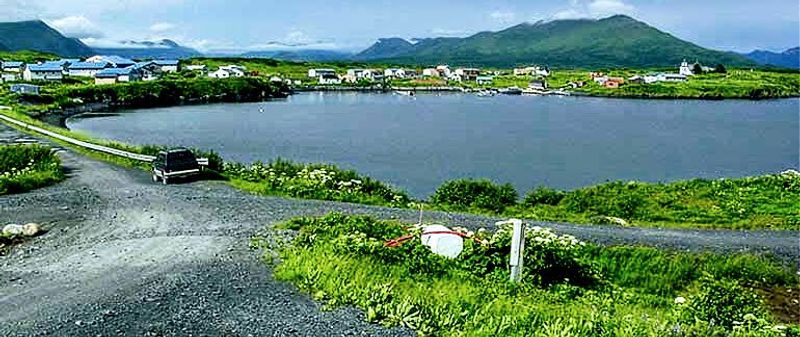
Akhiok is the kind of place that appears on very few travel itineraries, which is exactly what makes it worth knowing about. Sitting on the southern tip of Kodiak Island, it is considered the most remote village on an island already known for its rugged character.
There are no roads connecting Akhiok to the rest of Kodiak Island. Getting there means taking a small plane or a boat, and that sense of earned arrival adds to the experience.
The village serves as a launching point for exploring the Kodiak National Wildlife Refuge, one of the largest wildlife refuges in the United States.
Brown bears, sea lions, seabirds, and salmon-filled rivers define the surrounding landscape. The community has a small population with deep Alaska Native roots, and the area offers a window into traditional coastal life that few outsiders ever witness.
Respectful, prepared visitors will find the journey genuinely rewarding.
Utqiagvik, Alaska
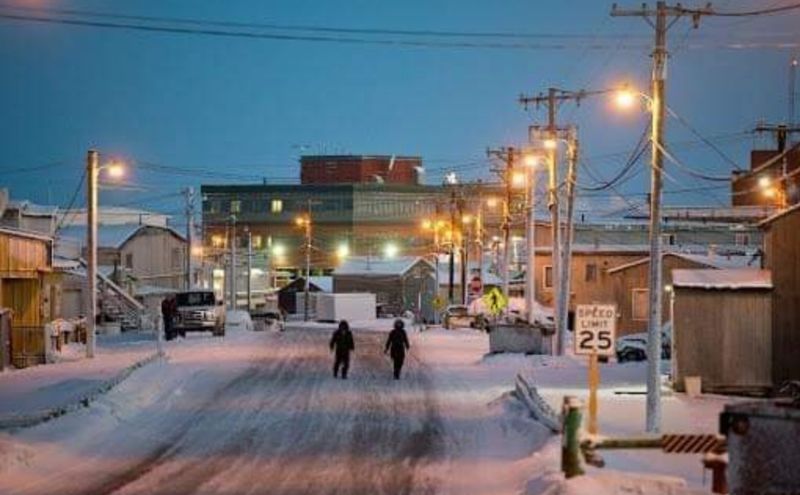
No community in the United States sits farther north than Utqiagvik, formerly known as Barrow. Perched on the Arctic Ocean above the Arctic Circle, this Inupiaq community experiences polar night in winter and midnight sun in summer, meaning the sun either disappears for weeks or refuses to set for months.
Commercial flights from Anchorage and Fairbanks serve Utqiagvik, making it reachable despite its extreme location. Travelers come to witness Arctic wildlife including polar bears, bowhead whales, and enormous seabird colonies along the coastline.
The community is a living center of Inupiaq culture, with traditional practices, language, and subsistence hunting still central to daily life. Visitors who approach with genuine respect and curiosity will find a place unlike anywhere else in the country.
Summer is the most popular time to visit, when the landscape opens up and wildlife activity peaks across the surrounding tundra and coastal waters.
Hyder, Alaska
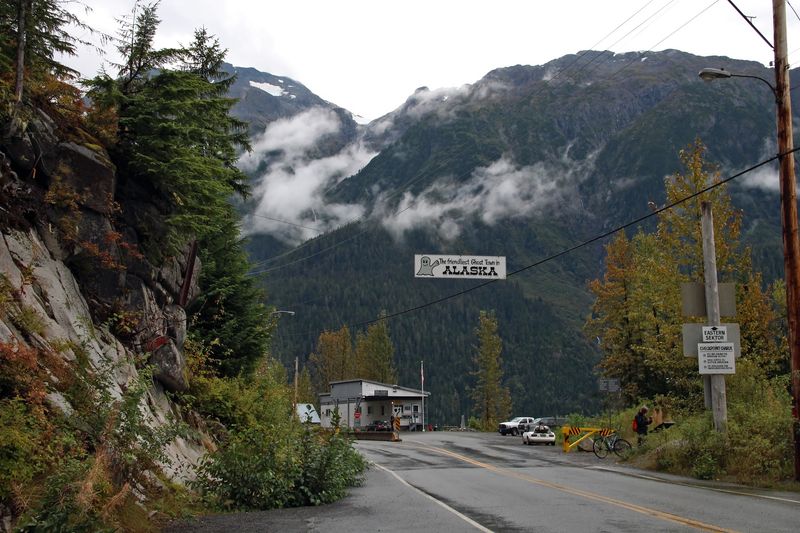
Hyder is technically American soil, but getting there by road means driving through Canada first. Nestled at the head of the Portland Canal near the British Columbia border, this small community of just a few dozen residents relies heavily on its Canadian neighbor, Stewart, BC, for basic services and supplies.
The town draws visitors for one very specific reason: bear viewing. Fish Creek Wildlife Observation Site sits just outside Hyder and offers some of the most accessible black bear and grizzly bear viewing in North America during salmon season, typically late summer.
Beyond the bears, the surrounding landscape is spectacular. Salmon Glacier, one of the largest glaciers accessible by road in Canada, sits nearby and is reachable by driving up from Stewart.
The combination of dramatic mountain scenery, wildlife access, and the novelty of crossing an international border just to reach an American town makes Hyder genuinely one-of-a-kind.
McCarthy, Alaska
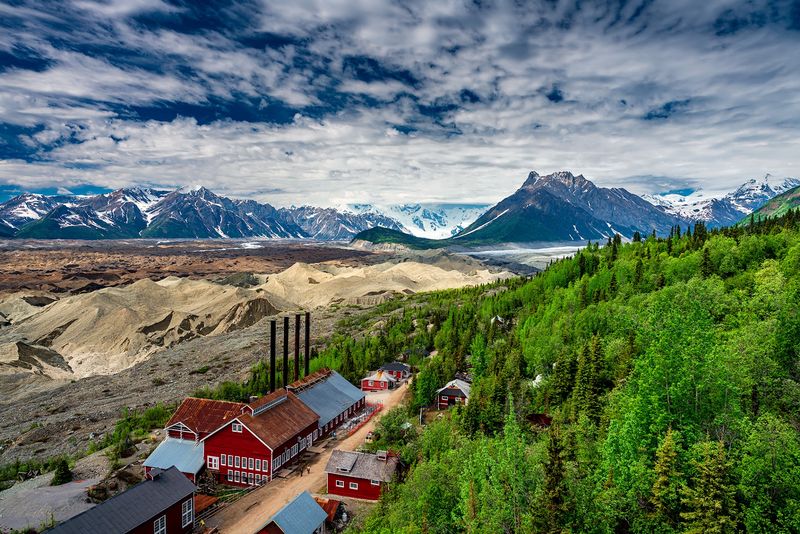
Getting to McCarthy requires committing to roughly 60 miles of unpaved road through some of Alaska’s most dramatic interior wilderness. The McCarthy Road corridor winds through the Wrangell-St. Elias region, the largest national park in the United States, before depositing travelers near this small, spirited community.
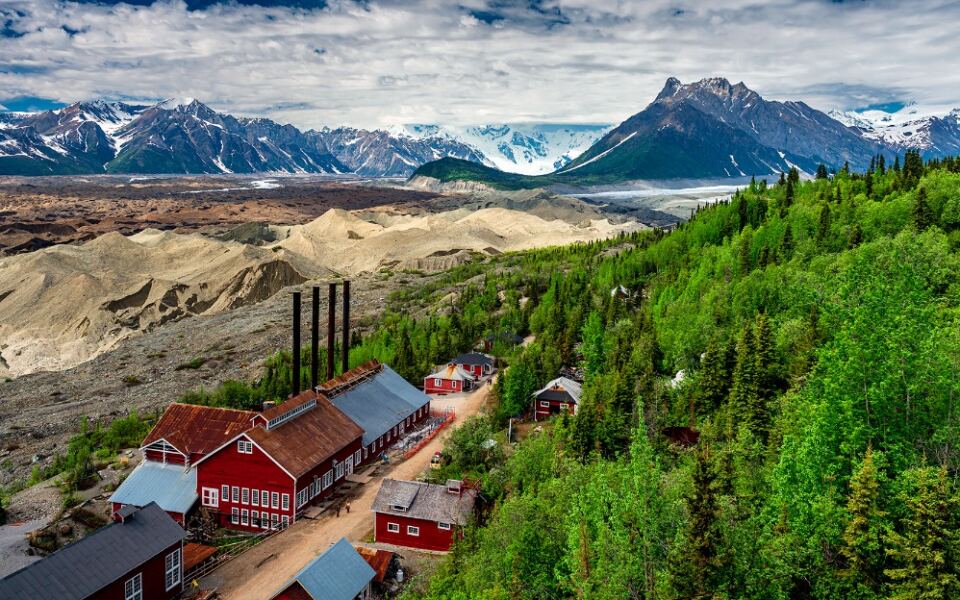
A footbridge connects the road’s end to McCarthy itself, and a short trip beyond that leads to Kennicott, a remarkably preserved copper mining ghost town that is now part of the national park. The historic mill buildings at Kennicott are genuinely impressive and easy to explore on foot.
McCarthy has a small year-round population and offers lodging, guided glacier tours, and wilderness adventure services for summer visitors. Root Glacier is one of the most accessible glaciers in Alaska and sits within easy hiking distance of Kennicott.
The combination of history, glacier access, and sheer wilderness scale makes this one of Alaska’s most rewarding remote destinations.
Stehekin, Washington
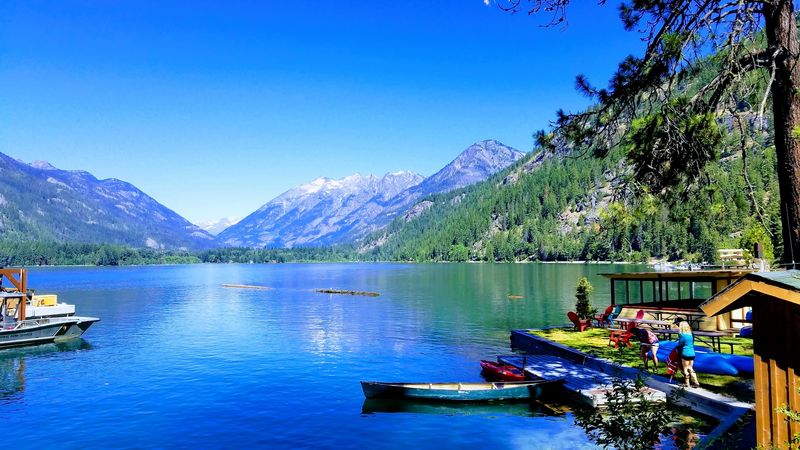
Stehekin sits at the far northern end of Lake Chelan, tucked inside the North Cascades, and there is simply no highway that reaches it. Visitors arrive by ferry from Chelan or Manson, by small floatplane, or on foot after hiking through the backcountry.
That list of options is short by design.
The community has a small permanent population and offers lodging, a bakery, and access to the surrounding North Cascades National Park complex. Recreational access continues into 2026, though some visitor services have remained limited following flood damage to parts of the area in recent years.
Hiking, cycling, and river access make Stehekin popular with outdoor travelers who want a genuine escape. The Stehekin Valley Road winds through old-growth forest and past waterfalls, offering scenery that rewards even a short stay.
For anyone willing to plan around the ferry schedule, Stehekin delivers a sense of real remoteness that few places in the Lower 48 can match.
Angle Inlet, Minnesota
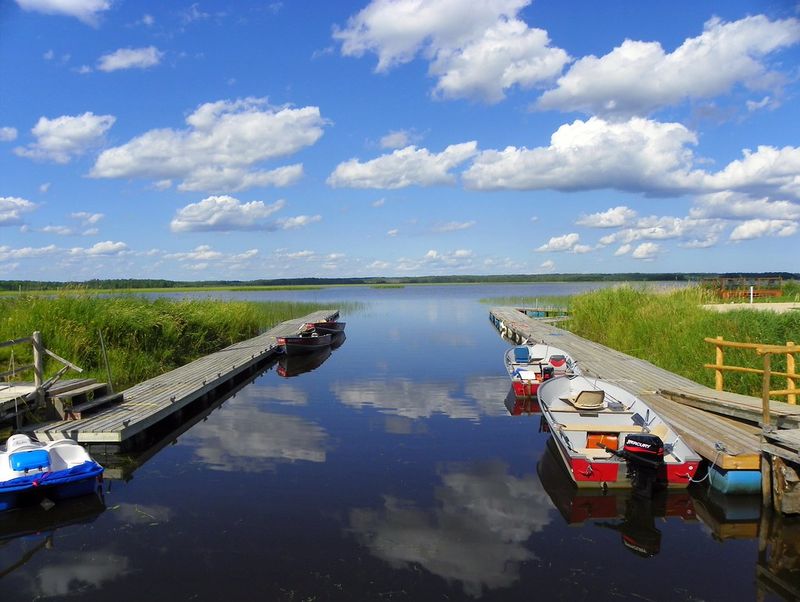
Minnesota’s Northwest Angle is a geographic oddity. It is a small piece of the contiguous United States that is completely surrounded by Canada and Lake of the Woods, separated from the rest of Minnesota by water and an international border.
Angle Inlet is the main community inside this unusual enclave.
Driving there from Minnesota requires crossing into Canada, traveling through Manitoba, and then re-entering the United States at a remote border crossing. Alternatively, travelers can reach the Angle by boat across Lake of the Woods during warmer months or by snowmobile in winter when the lake freezes.
The area is known primarily for fishing. Lake of the Woods offers walleye, northern pike, and other species that attract anglers from across the Midwest.
Several fishing resorts operate in and around the Angle, providing lodging and guide services. The sheer geographic strangeness of the location alone makes Angle Inlet one of the most interesting spots on this entire list.
Jarbidge, Nevada
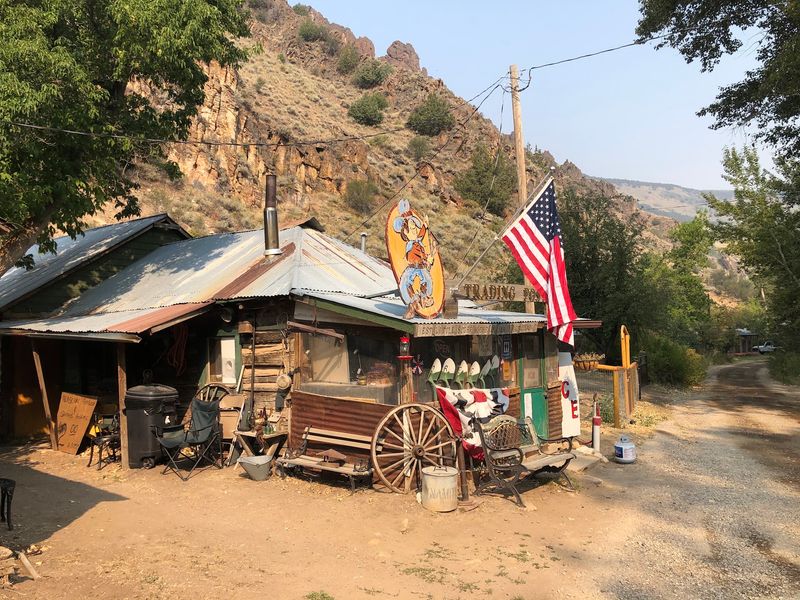
Jarbidge has a strong claim to being the most isolated community in the Lower 48 states. Tucked into a remote canyon near the Idaho border in northeastern Nevada, the former gold mining town sits at the end of a long unpaved road that many vehicles simply cannot handle in rough weather.
The town still has a small permanent population and a handful of operating businesses, including lodging options and a pair of old-fashioned saloons that have been part of the local fabric for generations. The surrounding Jarbidge Wilderness is one of the least-visited wilderness areas in the country, offering hiking, fishing, and solitude in equal measure.
The Jarbidge River runs through the canyon and supports native trout fishing that draws serious anglers willing to make the drive. There are no chain restaurants, no big box stores, and no cell service to speak of.
For travelers actively seeking disconnection, Jarbidge delivers on every count without any pretense.
Glasgow, Montana
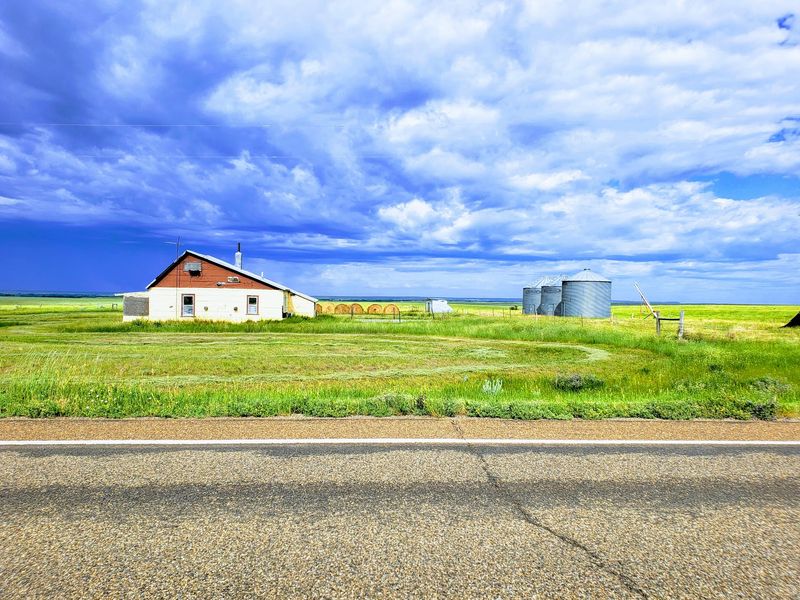
Glasgow sits in the vast northeastern corner of Montana, surrounded by plains that stretch in every direction without interruption. Geographic studies have consistently placed this town among the most isolated communities in the continental United States, measured by distance from the nearest large city.
Despite that isolation, Glasgow functions as a real working town with lodging, restaurants, a local museum, and services that support the surrounding agricultural region. The Milk River flows nearby, and Fort Peck Lake, one of the largest reservoirs in the United States, sits within reasonable driving distance and offers boating, fishing, and wildlife viewing opportunities.
The nearby Charles M. Russell National Wildlife Refuge is one of the largest wildlife refuges in the Lower 48 and provides access to elk, pronghorn, mule deer, and migratory birds.
Glasgow is not a tourist destination in the traditional sense, but travelers who appreciate wide-open landscapes and genuine small-town character will find it surprisingly satisfying.
Stanley, Idaho
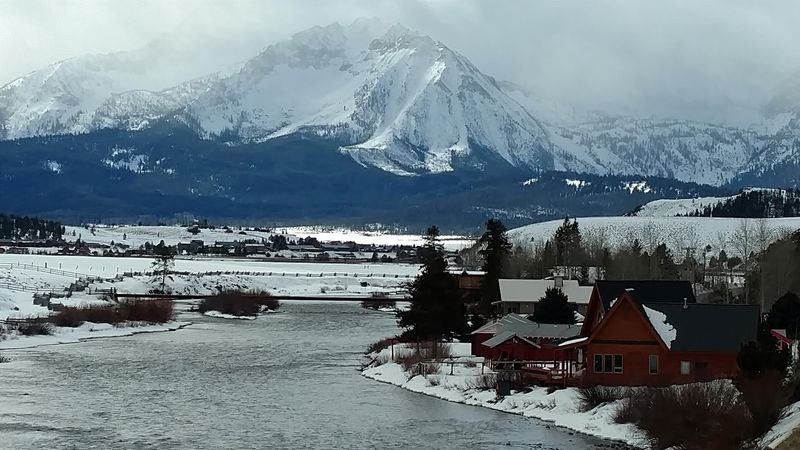
Stanley has a year-round population that regularly sits below 100 people, making it one of the smallest incorporated towns in Idaho. What it lacks in size, the surrounding landscape more than compensates for.
The Sawtooth Mountains rise sharply above the valley, creating one of the most dramatic backdrops of any town in the American West.
The Salmon River runs through the area and offers world-class whitewater rafting during summer months. Hikers have access to hundreds of miles of trails through the Sawtooth Wilderness and surrounding national forest lands.
Redfish Lake, a short drive from town, is a popular destination for swimming, kayaking, and camping.
Hot springs enthusiasts will find several soakable sites within easy reach of Stanley, including Sunbeam Hot Springs along the highway. Lodging and dining options exist in town, though services are seasonal.
The combination of mountains, rivers, lakes, and hot springs in one compact area makes Stanley a genuinely exceptional base for outdoor travelers.
Jordan Valley, Oregon
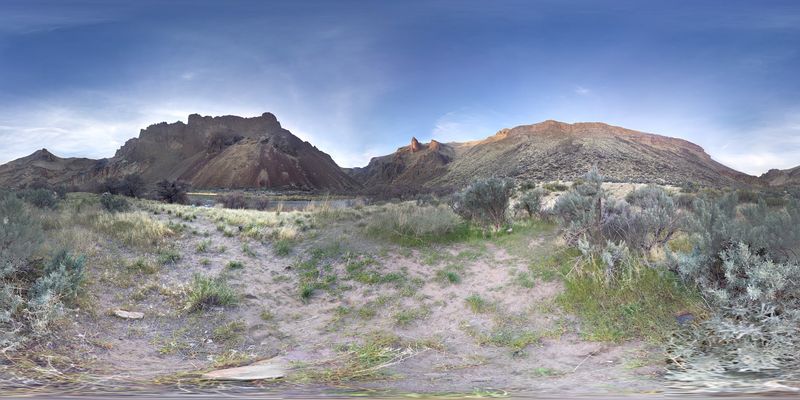
Jordan Valley sits in Oregon’s far southeastern corner, a region so sparsely populated that driving through it can feel like crossing a forgotten frontier. The town serves as a center for the surrounding ranching community and has deep historical ties to Basque settlers who came to the region in the 1800s.
The nearby Owyhee Canyonlands offer some of the most rugged and least-visited canyon scenery in the Pacific Northwest. The Owyhee River cuts through dramatic basalt formations and supports fishing, kayaking, and multi-day river trips for adventurous visitors willing to make the journey.
Hot springs are scattered across the region, and Leslie Gulch, a striking canyon of colorful volcanic rock formations, sits within driving distance of town. Jordan Valley itself has basic services including a small motel and a couple of local businesses.
The area rewards travelers who are comfortable with long drives, minimal crowds, and landscapes that feel genuinely untouched by modern development.
Hanksville, Utah
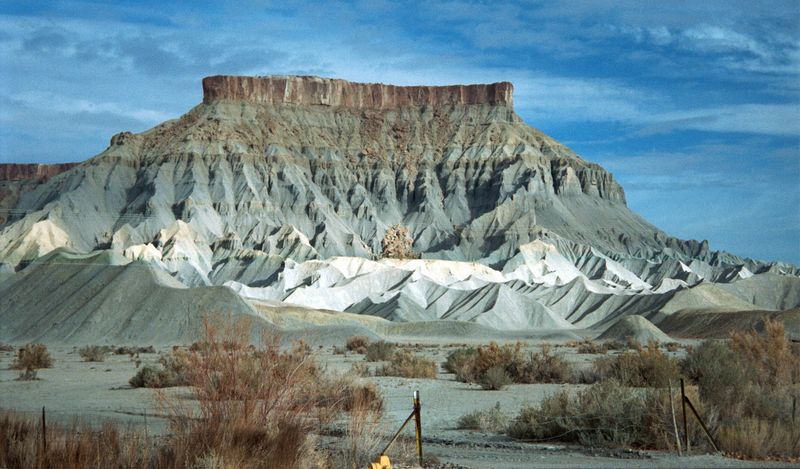
Hanksville occupies a stretch of southern Utah so empty and so red that it has doubled as a stand-in for Mars in scientific research projects. The Mars Desert Research Station, operated by the Mars Society, sits just outside of town and has hosted crews simulating long-duration space missions for years.
The town itself is small, with a gas station, a few lodging options, and limited dining, but its location makes it genuinely useful. Capitol Reef National Park lies to the west, Canyonlands National Park is accessible to the north, and the Henry Mountains, one of the last mountain ranges to be mapped in the contiguous United States, rise nearby.
The San Rafael Swell and Goblin Valley State Park are also within reasonable driving range. Hanksville functions as a practical hub for travelers exploring this corner of Utah’s canyon country, and the sheer scale of the surrounding public land is difficult to fully appreciate until you are standing in the middle of it.
Boulder, Utah
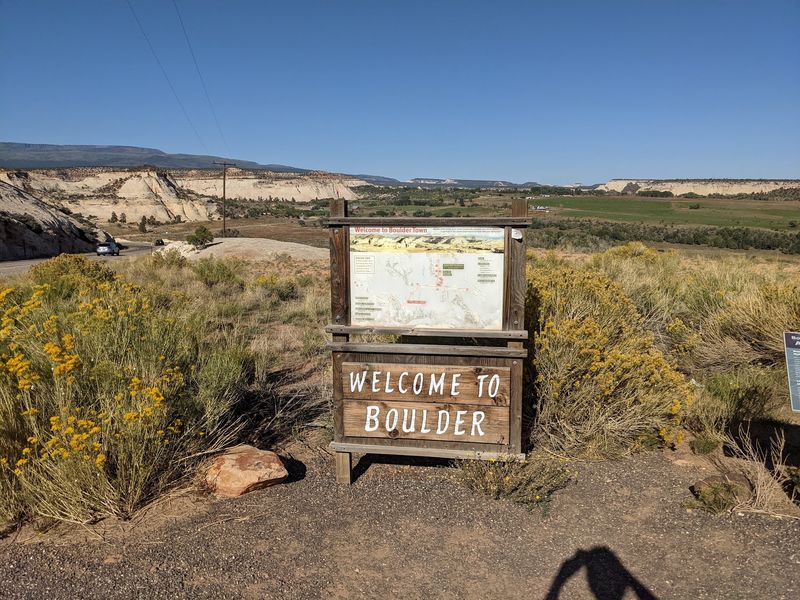
Boulder’s isolation has a well-documented history. Mail was delivered to this small Utah community by mule pack train well into the 20th century because no reliable road existed.
That detail alone tells you something about how far off the grid Boulder has traditionally sat.
Today, travelers can reach Boulder by road along Utah Highway 12, one of the most scenic drives in the entire country. The route climbs over hogbacks with steep drop-offs on both sides and passes through red rock terrain that looks like it belongs on another planet.
Anasazi State Park Museum in Boulder preserves one of the largest ancient Native American village sites excavated in the western United States, offering a meaningful cultural stop alongside the outdoor adventure. Grand Staircase-Escalante National Monument surrounds the area and provides access to slot canyons, arches, and remote hiking routes.
Hell’s Backbone Grill, a well-regarded restaurant in town, gives travelers a genuinely good reason to linger before moving on.
Lubec, Maine
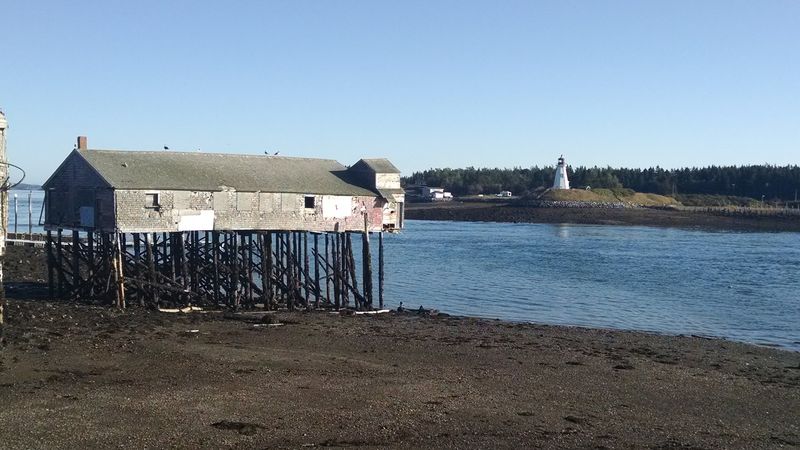
Lubec holds a geographic distinction that most Americans have never considered: it is the easternmost incorporated town in the United States. Sitting on a narrow peninsula in Washington County, Maine, Lubec faces the Canadian province of New Brunswick across a narrow channel.
West Quoddy Head State Park sits just outside of town and includes West Quoddy Head Light, a candy-striped lighthouse that marks the easternmost point of the contiguous United States. The park also has coastal trails with views across the Bay of Fundy, where some of the world’s most dramatic tidal changes occur.
Lubec has a small downtown with local shops and a handful of dining options. Campobello Island, the location of Franklin D.
Roosevelt’s summer home, is accessible by bridge directly from Lubec into New Brunswick. The combination of coastal scenery, lighthouse history, presidential heritage, and genuine end-of-the-road character makes Lubec one of the most quietly compelling destinations in New England.
Coldfoot, Alaska
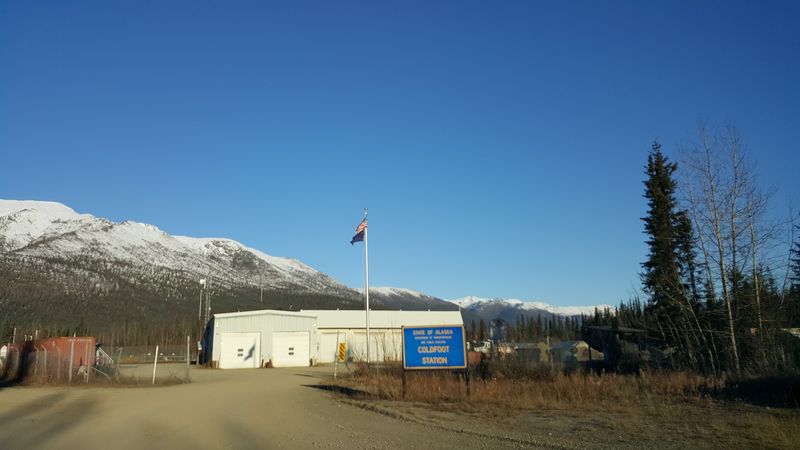
Coldfoot is not really a town in the traditional sense. It is more of a remote outpost that exists because the Dalton Highway passes through it and because travelers heading deep into Arctic Alaska genuinely need a place to stop.
Situated about 60 miles north of the Arctic Circle, Coldfoot offers fuel, lodging, and meals in a landscape where those basics are otherwise completely unavailable for hundreds of miles.
The Dalton Highway itself is one of the most demanding and remote drives in North America, stretching roughly 414 miles from Fairbanks to Deadhorse near the Arctic Ocean. Coldfoot Camp, the main facility in the settlement, provides services for truckers, pipeline workers, and adventure travelers making the journey.
The surrounding Brooks Range offers stunning mountain scenery, and Gates of the Arctic National Park lies within reach for those with proper preparation. Winter visitors can watch the northern lights from this far-north location under some of the darkest skies in the country.
Share this story