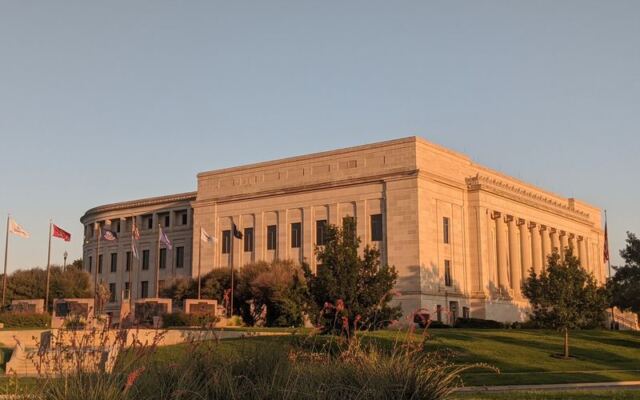
Most people expect marble halls and fancy domes at a state capitol, not an oil well sitting on the grounds. Yet in Oklahoma, the seat of government was built right on top of an oil field, and that strange mix of politics and petroleum tells you a lot about the state.
I went in expecting a quick photo stop and walked out hours later, curious and a little bit hungry from all the wandering. If you love quirky landmarks with real history behind them, this one deserves a spot on your Oklahoma road trip list.
A Capitol Built on Top of an Oil Field
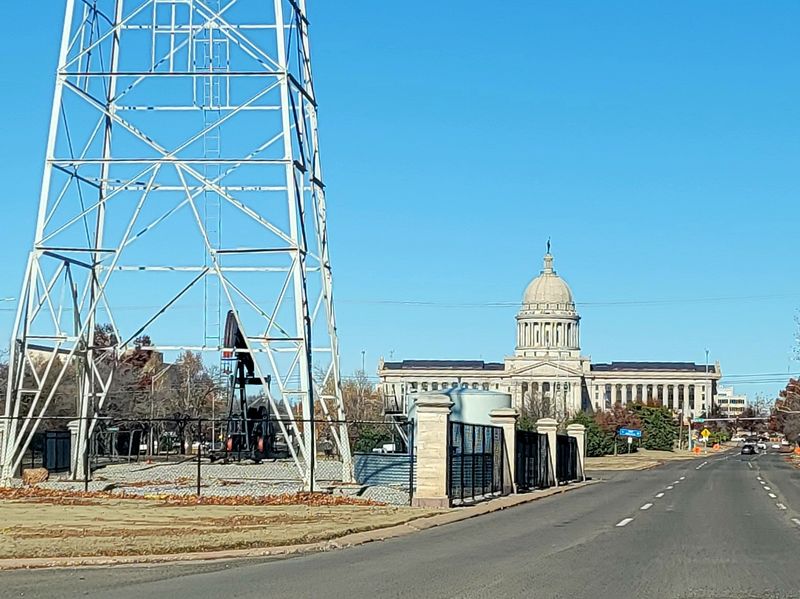
Picture a grand government building with columns and a gleaming dome, then picture oil equipment standing nearby on the grounds. That odd pairing is exactly what you get at the Oklahoma State Capitol, found at 2300 N Lincoln Blvd in Oklahoma City.
Visitors often point out that this is one of the only places in the country where an active oil well sits on state capitol grounds. The building itself rests on top of an oil field, which feels perfectly fitting for a state whose story is so tied to the oil business.
It is a little bit funny and a little bit amazing all at once.
Officially, the site is a state government office, home to the Senate and House chambers where Oklahoma lawmakers do their work. Still, it works just as well as a destination for curious travelers.
Inside, you will find an art collection, a small museum, a cafe, and a gift shop.
So whether you come for the politics, the architecture, or the sheer quirkiness of oil and government sharing a lawn, there is plenty to take in. It is the kind of stop that rewards anyone who slows down and looks around.
The Story Behind Petunia Well
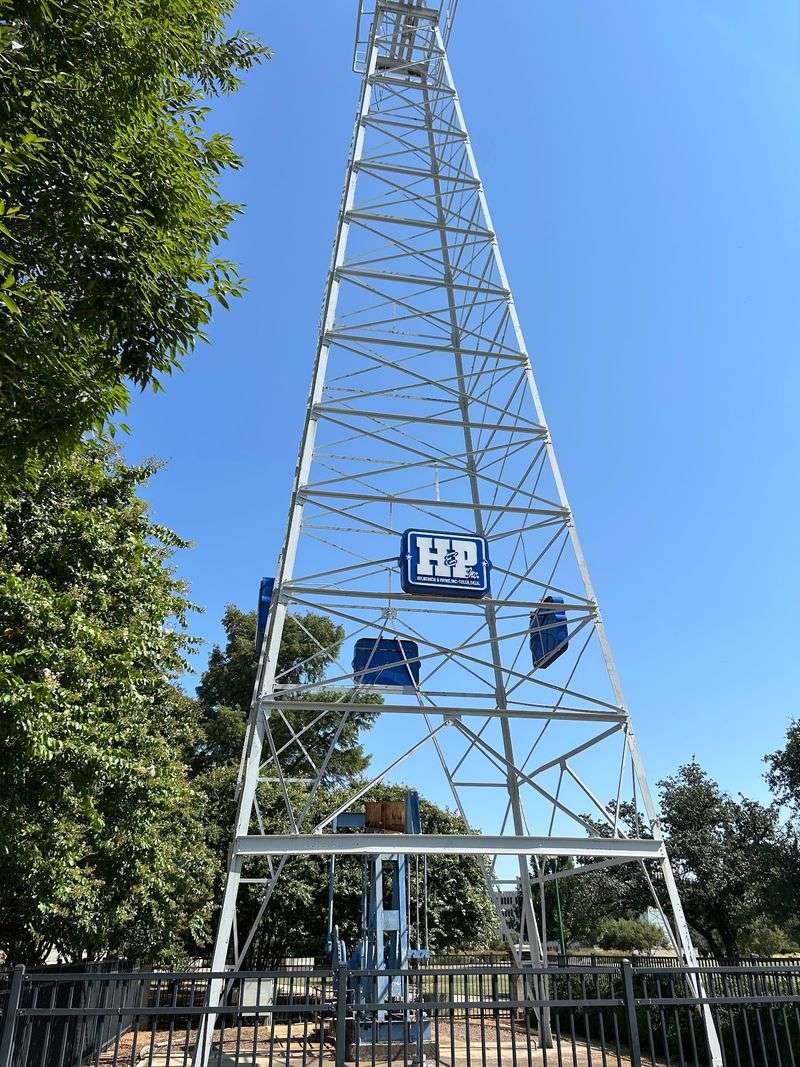
Names can hide fun little secrets, and Petunia Well is a great example. According to visitors who know their local history, the well was actually found within the capitol gardens, which is where the flowery name comes from.
Imagine the scene: neat garden beds, colorful blooms, and then an oil well popping up right in the middle of them. Only in Oklahoma could a petunia patch end up sharing its name with a piece of oil history.
That story has become part of the charm that draws road-trippers to the grounds.
The well serves as a reminder of how deeply oil shaped the state. Back when the capitol was being finished in 1917, oil was already a big deal across Oklahoma.
Having a well right there on government land makes the connection easy to see rather than just read about in a book.
Bring your camera when you stroll the grounds. The contrast between the elegant building and the working-style equipment makes for memorable photos.
Kids especially seem to enjoy the idea that the state capitol has its own oil well, and it is a great conversation starter about how Oklahoma grew into the place it is today.
From 1917 Columns to a 2002 Dome
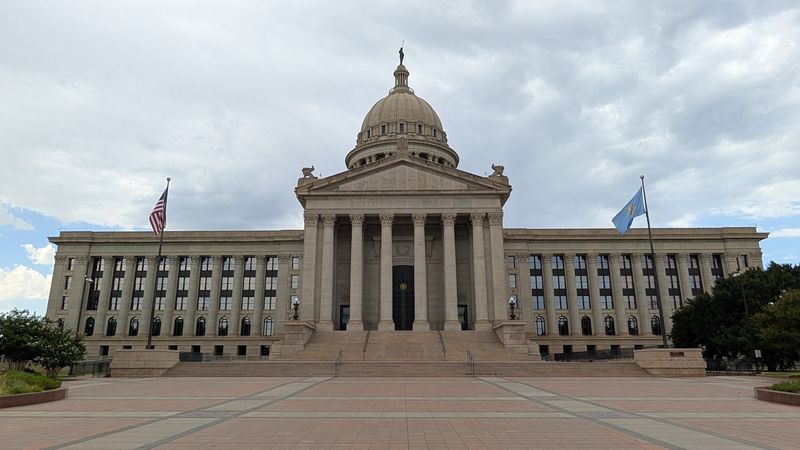
Here is a fun fact that surprises plenty of guests: the Oklahoma State Capitol was completed in 1917, but its famous dome was not added until 2002. For decades, the building simply went without one.
Visitors describe the style as Greco-Roman, with tall columns and a strong, classic look. Some folks also notice touches that feel a bit like deco design.
Either way, the outside has that serious, stately feel you would expect from a statehouse.
Not everyone thinks the exterior is the star of the show, though. One traveler felt the outside looked similar to many other capitols, while the inside was where things really got exciting.
That is a fair point, and it is part of what makes the building so interesting. It keeps its best surprises for when you walk through the doors.
The building has also gone through a careful remodel and restoration. Returning guests mention how much the updates have changed things, with attention to detail that makes the place feel fresh while still honoring its past.
Several people say it now looks clean and modern inside, almost spotless. It is a nice blend of old bones and new polish that makes every corner worth a look.
The Guardian and the Chimeras Watching Over the Roof
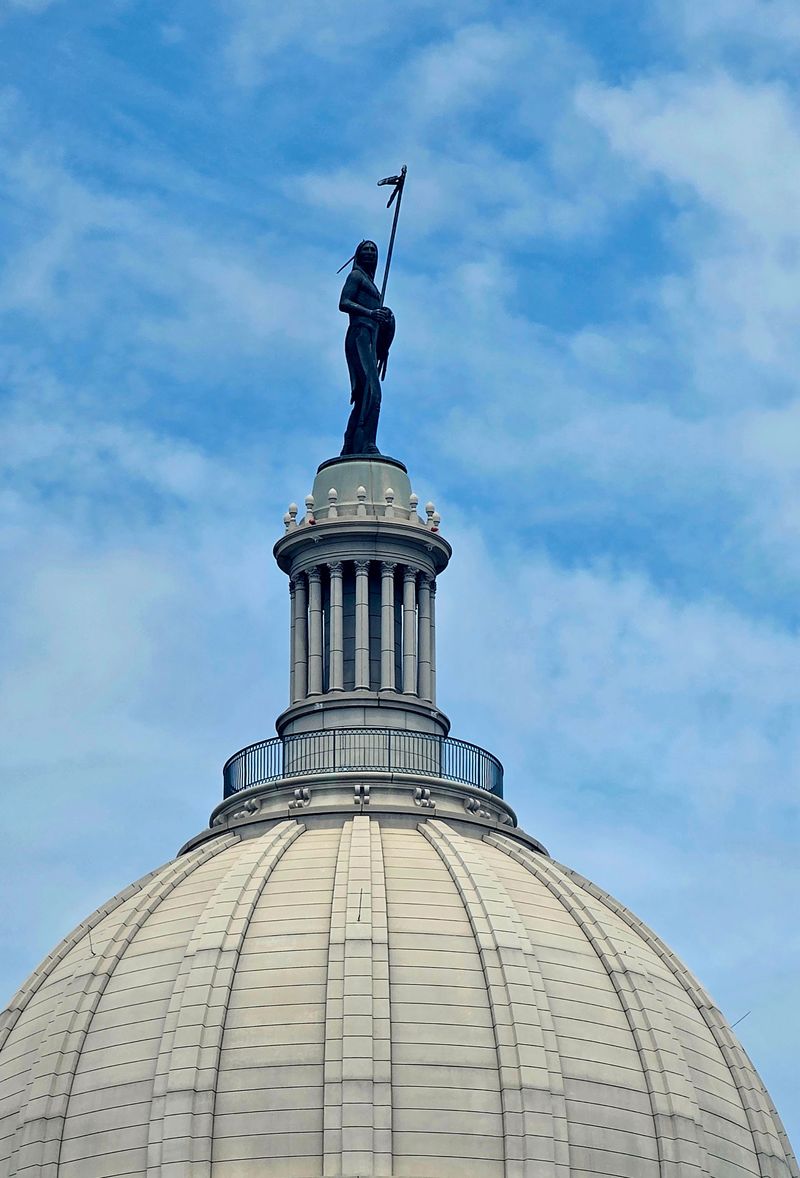
Look up, way up, and you will spot a 17-foot bronze figure standing proudly on top of the dome. Known as The Guardian, this Native American statue has become one of the most loved symbols of the building.
Visitors describe it as a powerful tribute to Native heritage and the spirit of protecting the land. Some say the history it brings to mind is moving and even motivating.
If you cannot get a good look from the ground, no worries. A smaller version of The Guardian stands inside the building’s entry, so you can see the details up close.
Then there are the creatures on the corners. People often mistake them for gargoyles or griffins, but they are actually chimeras.
Other guests talk about loving the lions on top of the roof, which add another bit of personality to the skyline.
One traveler spent about 20 minutes outside just photographing the artwork and statues before even heading in. That seems like a smart plan.
Walk around the whole building, tilt your head back, and take your time spotting each sculpture. It is a little like a treasure hunt, except the treasures are bronze and stone and perched high above you.
A Rotunda That Looks Straight Up Into Color
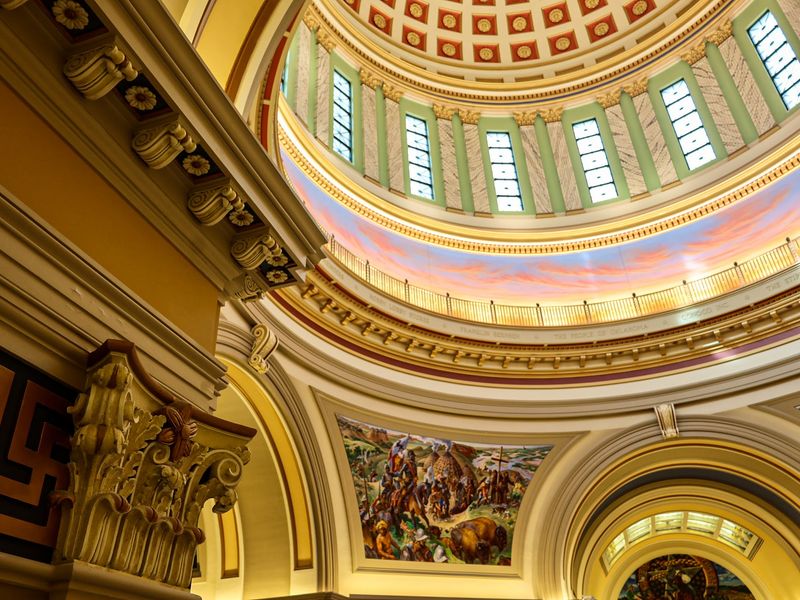
Stand in the right spot on the lower level and something magical happens. The dead center of the rotunda is marked right in the floor, and from there you can gaze up into the dome above.
Guests who have toured lots of statehouses keep saying the same thing about this one. A traveler who had visited around 20 state capitols called it the most colorful dome they had ever seen.
That is high praise from someone who clearly knows a dome when they see one.
Marble shows up nearly everywhere you turn. One visitor joked that if the capitol is the people’s house, Oklahomans must be very well off, because the place is so fancy.
The polished floors and grand staircases really do make you want to slow down and admire the craftsmanship.
Plan to explore beyond the ground floor. Some guests wandered all the way up to the fourth floor, snapping photos at every level.
Each floor gives you a slightly different view of the dome and the open space below. If you visit while the legislature is in session, expect some bustle and noise on certain floors, which actually adds a fun, lively energy to the whole experience.
Hallways Packed With Oklahoma Art
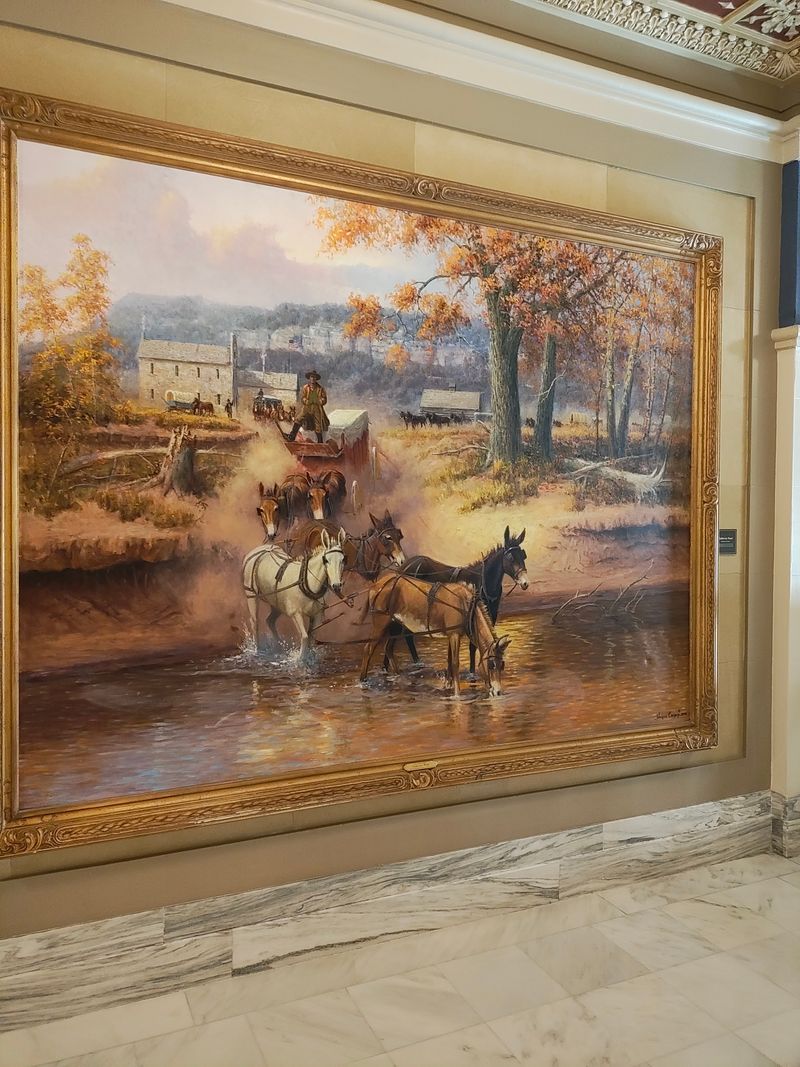
Art lovers, get ready. Visitors mention the art collection more than almost anything else, and it is easy to see why once you start exploring.
The collection covers a huge range. One road-tripper listed historical art, modern art, sculpture, wearable art, and fabric art, saying each piece felt just as stunning as the last.
Others enjoyed portraits and photos of people from Oklahoma, which add a personal, hometown feel to the halls.
Much of the work tells the story of the state itself. Paintings and pieces touch on history, land, and the people who shaped Oklahoma.
A returning visitor noticed how extensive the collection had become after the remodel, calling it a real history lesson on the walls. Several guests say the artwork would make any Oklahoman proud.
Give yourself time here, because rushing through would be a shame. One group spent around two hours walking the building, stopping often to take photos of the artwork.
Bring comfortable shoes, wander at your own pace, and do not be shy about doubling back to see a favorite piece again. You may find that the art, more than the marble or the dome, is what sticks in your memory long after you head home.
A Small Museum and a Lunch Counter Downstairs
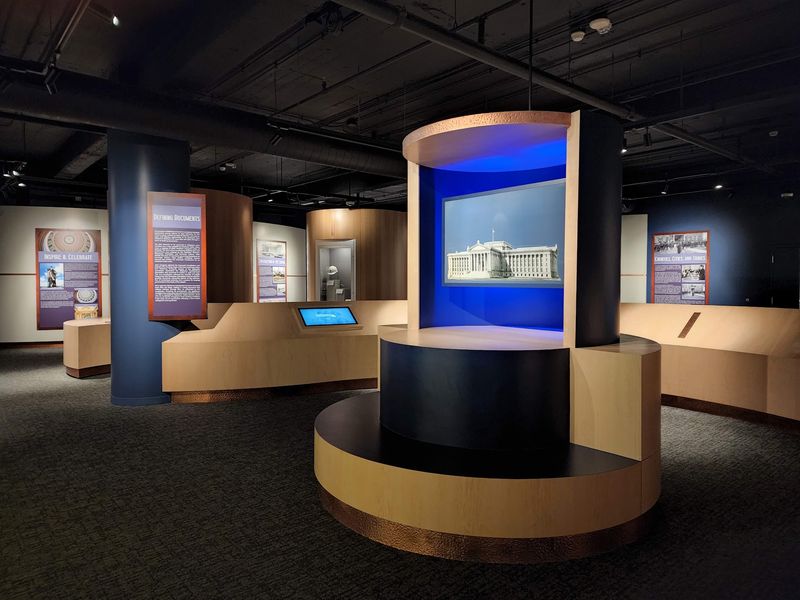
Tucked on the ground floor, there is a free museum that some guests say can be a little hard to find. Ask around and someone will point you in the right direction.
It is small but well done. Visitors say it is worth about 30 to 45 minutes and covers the history of the building and how Oklahoma became a state.
There is also information on the land, Native Americans, and oil. A neat bonus is the display of items that were found during the restoration work, which gives you a peek into the building’s hidden past.
Nearby you will find a gift shop where people like to pick up postcards. Plenty of literature about the building’s history is also available, so you can keep learning after you leave.
Hungry? Clara Belle’s restaurant sits on the ground floor too.
Guests describe it as affordable and tasty with large portions. One visitor enjoyed a vegetarian omelette and Moroccan mint tea for breakfast before touring.
Grabbing a bite inside a working state capitol is a fun little twist on a road trip meal, and it saves you from leaving just when you are getting into the history.
Friendly Faces Along Every Hallway
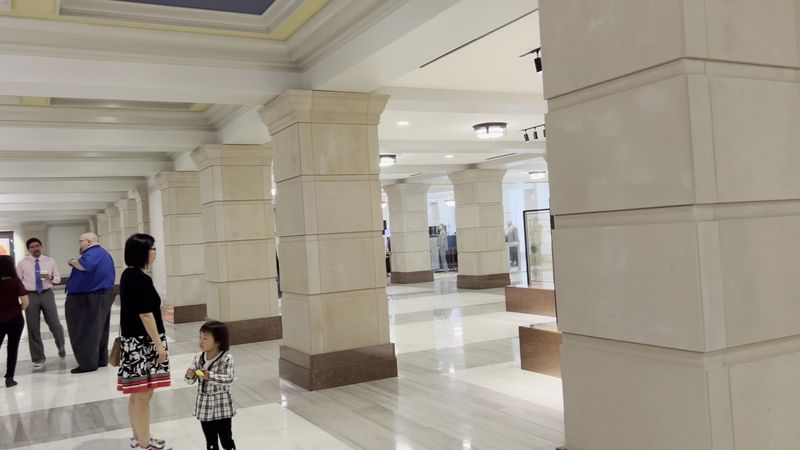
Sometimes the people make a place, and that seems true here. Friendly staff come up again and again when visitors describe their trip.
One guest made a point of mentioning a kind man who was simply sweeping the stairway, saying you should stop and say hello if you see him. Another group of seven got a free scheduled tour and came away feeling it was well worth the visit.
A traveler from Austria who works in politics back home said staff gave interested visitors as much access as possible, leading to some great conversations.
Even after hours, the warmth seems to carry on. One family met a police officer near the Bicentennial monument and its water fountain, and he happily shared some history and talked about improvements underway.
The building suits a wide mix of people. History fans, architecture buffs, art lovers, and students learning how government works will all find something to enjoy.
It has even hosted weddings, with one couple calling it a timeless, elegant setting for their big day. Some visitors come to speak with their representatives about a bill.
Others, like folks collecting state capitols as a personal goal, simply want to check it off their list in style.
Hours, Tours, Parking, and Security
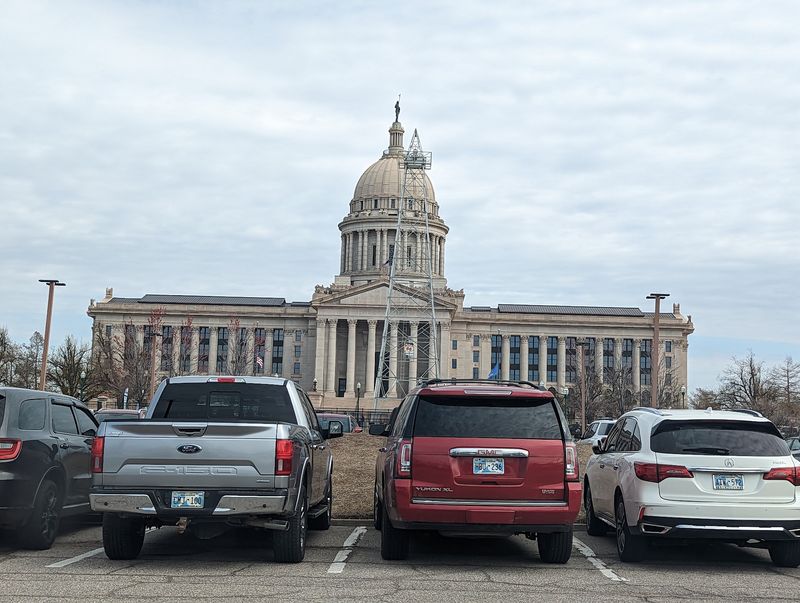
Good news first: visitors say it is free to enter. The building is open Monday through Friday from 7 AM to 7 PM and Saturday from 9 AM to 4 PM.
It is closed on Sunday.
Guided tours run at 11 AM and 1 PM, according to guests. You can also do a self-guided tour any time the building is open, which many people enjoy.
Evening visits are possible on weekdays, which is handy for road-trippers rolling in later in the day.
Parking is usually easy, with spots right near the building. One important tip from a visitor: do not park in the numbered spaces, or your car may be towed.
Stick to the visitor areas and you should be fine.
Expect to pass through security, including a metal detector at the entrance. Guests describe the process as thorough but painless.
Pack light and leave anything that might be flagged at home. For questions before you go, the phone number is 405-521-3356, and general state info lives at ok.gov.
Fans of the Oklahoma Route 66 Passport will be happy to know this is one of the stops, so bring yours along for a stamp-worthy adventure.
Why the Statehouse Deserves a Detour
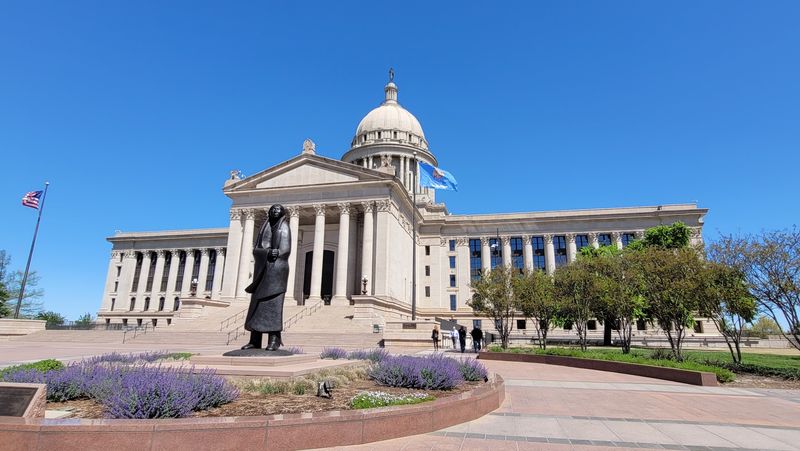
Honestly, it is hard to think of another government building with this much personality. An oil well on the lawn, a bronze Guardian on the dome, chimeras on the corners, and a rainbow of color overhead make it far more than a dry stop for civics class.
Visitors from near and far keep recommending it. Some say every Oklahoman should visit at least once.
Out-of-state travelers who have seen many capitols call it one of the cleanest and most captivating they have explored. Even the person who started out just chasing a Route 66 Passport stamp said they would gladly return.
The best part may be how easy it is to fit into a day. You can spend an hour wandering the art, or stretch it into a whole morning with the museum, a guided tour, and a meal downstairs.
Either way, you are not spending a dime to get in.
So next time you are cruising through Oklahoma City, swing by. Walk the grounds, find the well, peek at the dome from dead center, and say hi to the friendly folks inside.
You might just leave feeling a little more proud of the Sooner State.
Share this story