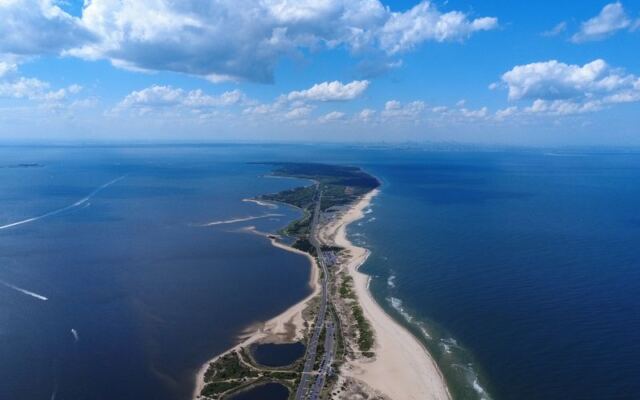
New Jersey has a funny way of hiding big surprises in places that look simple at first glance. A narrow coastal stretch can turn into a full day of beaches, bay views, trails, old military buildings, wildlife, and lighthouse history before anyone realizes how much ground there is to cover.
It feels like the kind of local trip that starts with curiosity and ends with a longer plan for next time. For state residents and short-hop day trippers, this preserve proves the Jersey Shore has far more range than a quick beach stop.
A National Park Site At The Edge Of Highlands
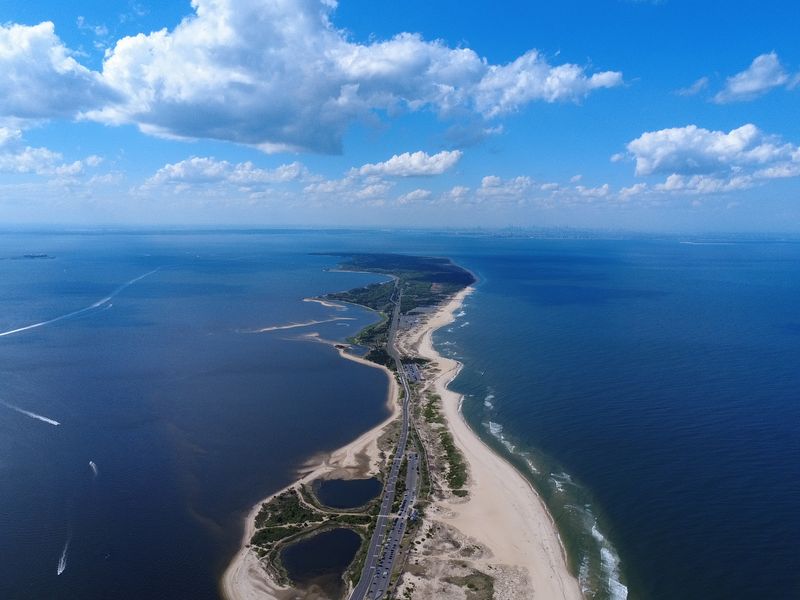
A slim finger of land does a surprising amount of work at 128 S Hartshorne Dr, Highlands, NJ 07732. Gateway National Recreation Area – Sandy Hook Unit is the New Jersey side of Gateway National Recreation Area, managed as a historical landmark and coastal preserve.
The setting puts the Atlantic Ocean on one side and bay waters on the other, so a single trip can shift quickly between beach time, walking paths, old buildings, and broad views toward New York City. That variety is the main hook, and it helps explain why locals treat Sandy Hook as more than another shore stop.
Open space is the headline here, but the details carry the day. Beaches, a lighthouse, bunkers, bayside areas, wildlife, and historic grounds all share the same narrow landscape, making the unit feel much larger than it looks on a map.
A Shoreline With A Serious Backstory
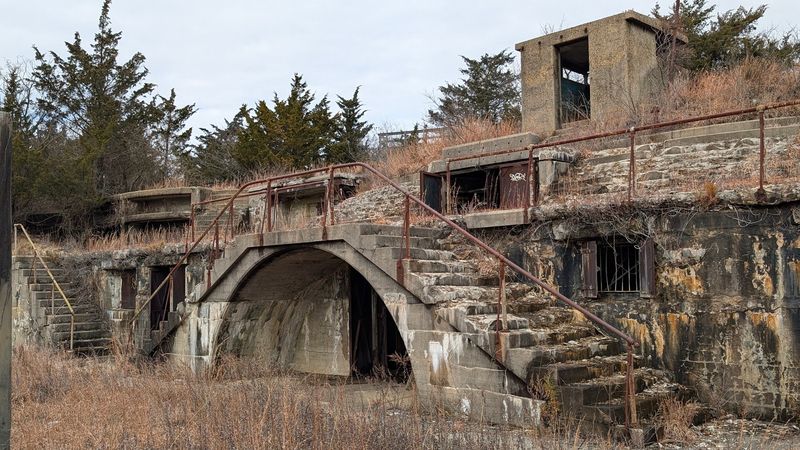
History gets unusually easy to notice here, because it is not tucked away in one small room. Sandy Hook includes World War II-era military buildings and older defensive landscapes tied to the protection of New York Harbor.
Travelers often come for the beach and then find themselves lingering around historic structures, mortar pits, and restored old buildings. The place does not need dramatic staging, because the preserved grounds give the story room to breathe.
That mix keeps the preserve from feeling like a one-note beach day. A person can move from sand to a historic site in the same outing, which is exactly the kind of New Jersey range that surprises people who think they already know the coast.
For history fans, the appeal is direct. For everyone else, the old structures add texture to a day outside and make the park feel layered rather than merely spacious.
Beaches That Feel More Open Than Expected
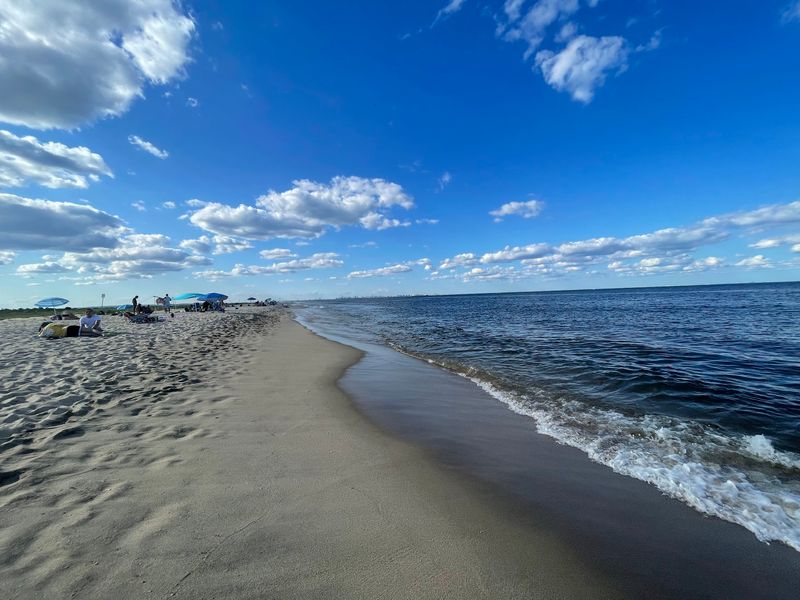
Beach choices are part of the fun, and Sandy Hook has enough of them to make indecision feel like a legitimate activity. Areas such as beaches B, C, and D are often mentioned as options, and the larger unit gives people room to choose a spot that fits the day.
The beaches are described as peaceful and more family friendly, especially by people who prefer space over heavy boardwalk energy. Services at many spots, bathrooms, and freshwater showers are part of the practical appeal during beach season.
Some regulars also point to cleaner stretches and a less touristy feel compared with busier nearby shore towns. That does not mean the place is empty, but it can feel more relaxed, especially outside peak season.
For New Jersey residents, that balance matters. Sandy Hook offers the coast without reducing the whole outing to parking, crowds, and towel territory negotiations.
Bay Views With A City Bonus
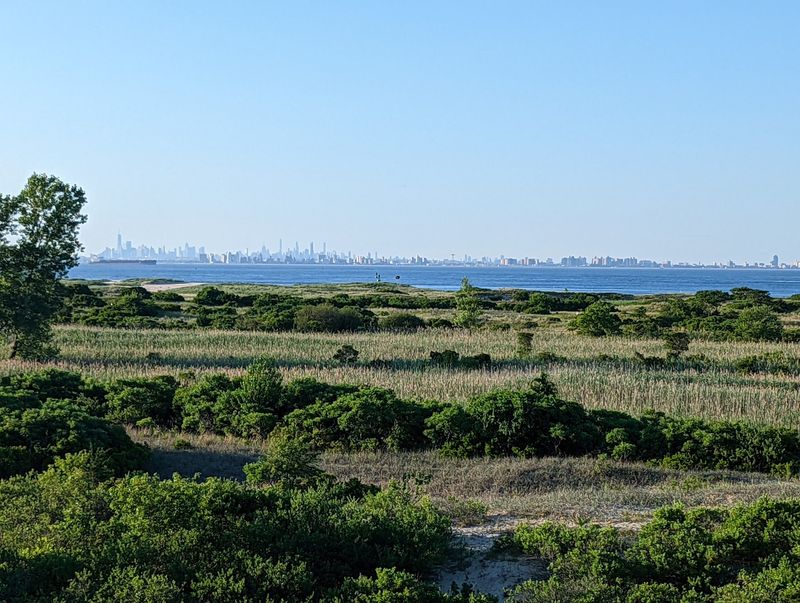
Across the bay, New York City becomes part of the scenery without taking over the whole story. The northern end of Sandy Hook is known for views toward the city, while other parts face the Atlantic or the western waters near where local waterways meet the ocean.
That three-way coastal layout is a big reason the unit feels so varied. One side can be about the ocean, another about the bay, and another about a broader harbor view that reminds everyone how close this quiet-looking stretch is to a major urban region.
Sunset views come up often in local chatter, especially near the bayside and around the officers houses area. It is an easy plan for people who want a shorter visit after the busiest part of the day.
The view is not just decoration. It helps Sandy Hook feel connected to both Jersey Shore identity and harbor history.
The Lighthouse On The Hook

A lighthouse has a way of turning a casual stop into a proper landmark visit, and Sandy Hook has one that anchors the historic side of the unit. The Sandy Hook Lighthouse is one of the features people consistently associate with the preserve.
Its presence fits neatly with the rest of the landscape, where navigation, harbor protection, and coastal change all overlap. Even a quick look adds context to the beaches and bay views nearby.
The lighthouse also helps give first-time travelers a simple mental map. Beaches may spread out across different areas, but the lighthouse stands as a clear historic target for anyone who wants more than a shoreline pause.
Families, history buffs, and day-trippers all get something from that mix. It is a classic coastal stop, but here it sits inside a much larger national recreation area, which gives the visit more staying power.
Bunkers And Old Military Grounds
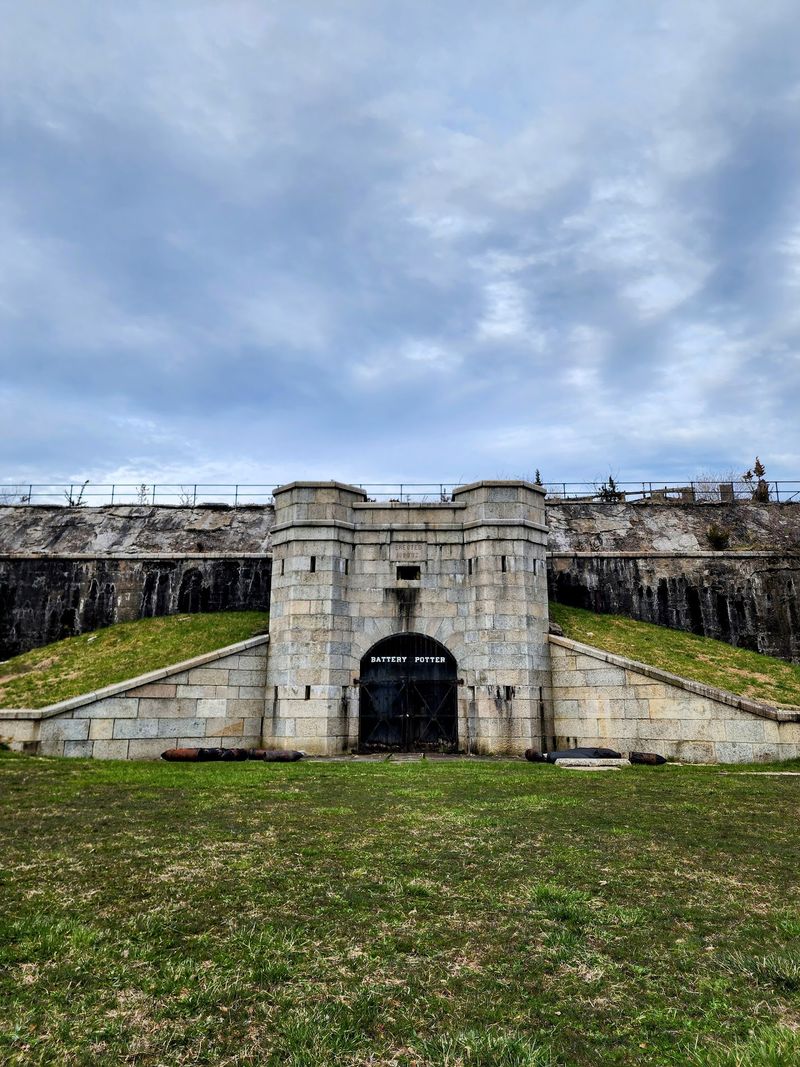
Concrete ruins can be oddly compelling when they sit beside dunes and shoreline instead of behind a museum rope. Sandy Hook’s bunkers and old military grounds bring that contrast into plain view.
The unit includes historic military buildings connected to earlier harbor protection, and people exploring the park often mention the bunkers as a standout feature. Some areas show signs of care and restoration, which gives the grounds a sense of ongoing stewardship rather than abandonment.
That history is best approached with curiosity and respect. The structures are not there as spooky props, but as pieces of a coastal defense story that shaped the site long before most beachgoers packed a towel.
New Jersey has plenty of shore towns built around summer traditions. Sandy Hook adds a different layer, proving that a beach landscape can also hold a serious civic and national story.
Wildlife Along The Sand And Bay

Nature does not sit quietly in the background at Sandy Hook. Ospreys, horseshoe crabs, and other wildlife are part of the reason the preserve feels different from a built-up beach district.
People have reported watching ospreys nesting and noticing horseshoe crabs along the shore, two details that make a simple walk feel more observant. The bayside areas, dunes, and tidal edges help create those moments, especially for anyone willing to slow down.
Hiking around the tip can also bring changing coastal conditions into focus. After storms, the shoreline may show how currents move sand and objects along the coast, which is a reminder that this landscape is always shifting.
Wildlife watching here works best with patience and distance. Sandy Hook rewards the person who treats the preserve as habitat first and recreation space second, even on a beach day.
Trails, Bikes, And Long Coastal Walks
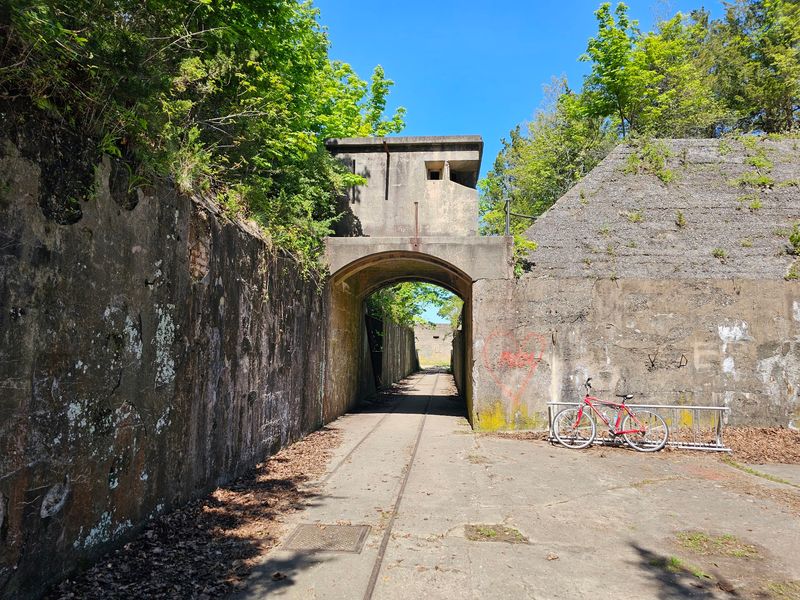
Not every Sandy Hook trip needs a beach chair, which is good news for restless people and anyone who considers sitting still a suspicious hobby. The unit is used for walking, jogging, running, biking, scooter rides, cruising, and hiking.
Several people mention hikes around the tip of the hook, and one route can become a long outing when reaching the far end. A six-mile walking day is not out of the question for those who choose distant lots and explore widely.
Cycling is another strong fit because the preserve stretches out in a way that rewards movement. Historic stops, shoreline areas, and bay views become easier to connect when wheels are involved.
The best plan is to match ambition with the group. Sandy Hook can handle a low-key stroll, a longer walk, or an active day that covers more ground than expected.
Fishing At The Far End
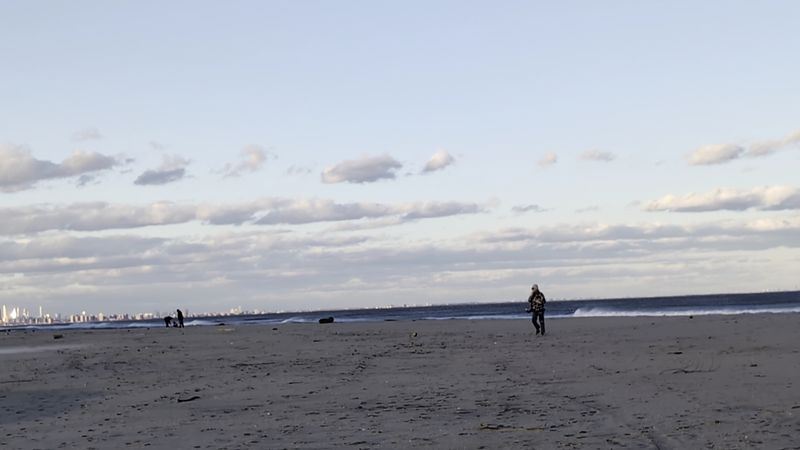
Fishing gives Sandy Hook another rhythm, especially near the tip where land narrows and water surrounds the scene. The area has drawn people for shore fishing, with some choosing lots that require a substantial walk before reaching a preferred spot.
Reports from recent seasons describe fishing as variable, with better action during active runs and quieter stretches at other times. That kind of unpredictability comes with the territory, and it is part of why many anglers return.
The far end also asks for planning. Walking distance, tides, conditions, and the chosen lot can shape the outing, so casual curiosity and serious fishing are not quite the same experience here.
Even for non-anglers, the fishing culture adds local character to the preserve. It shows Sandy Hook as a working recreation landscape, not just a place for sunbathers and history fans.
A Calmer Shore Day For Families
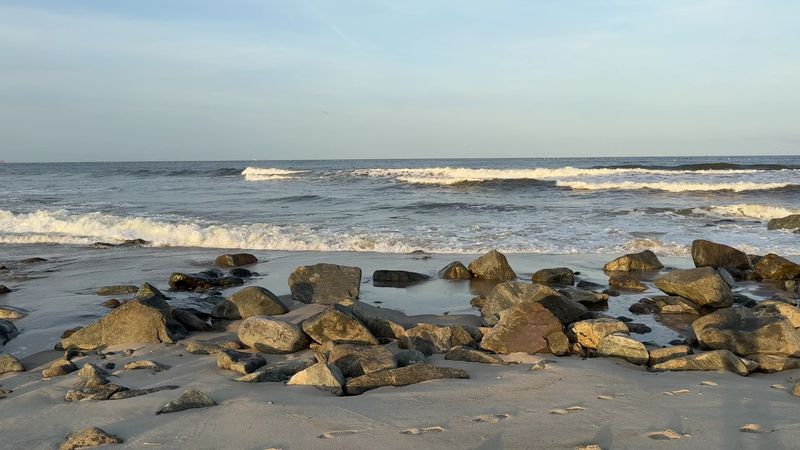
Parents looking for a shore day with breathing room often keep Sandy Hook on the list. The beaches are frequently described as peaceful, family friendly, and less packed than some busier coastal destinations.
During the season, practical comforts matter. Bathrooms, freshwater showers, beach areas with services, and multiple parking lots can make the day easier to manage, especially when a group arrives with towels, bags, and differing opinions about where to settle.
The national recreation area setting also gives families options beyond the beach itself. A lighthouse stop, a short walk, a look at historic structures, or a bayside pause can break up the day without leaving the park.
Crowds and fees can still be part of high season, so expectations should stay realistic. Sandy Hook is not a secret, but it can feel more flexible than many one-purpose beach outings.
Off Season Magic Without The Fuss
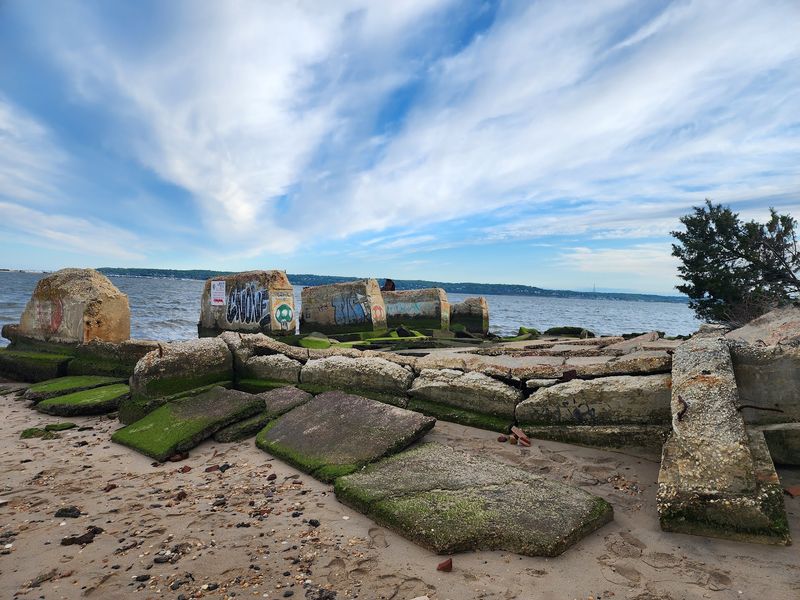
Local wisdom leans strongly toward the shoulder months, and Sandy Hook seems built for that kind of timing. People who know the area often favor pre-season and post-season visits, when the preserve can feel easier to navigate.
Off-season trips shift attention away from beach logistics and toward walking, cycling, history, wildlife, and views. The same roads and paths that feel busy in summer can become a more comfortable way to explore the unit’s full personality.
After-hours summer visits also come up as a practical strategy, especially for sunset and walking plans. One useful note from regular experience is that going off season or after 6 p.m. has been associated with avoiding the seasonal parking fee.
That timing can turn a quick local outing into a smart little escape. Sandy Hook rewards people who treat the calendar and clock as part of the planning toolkit.
Hours, Fees, And Getting Around
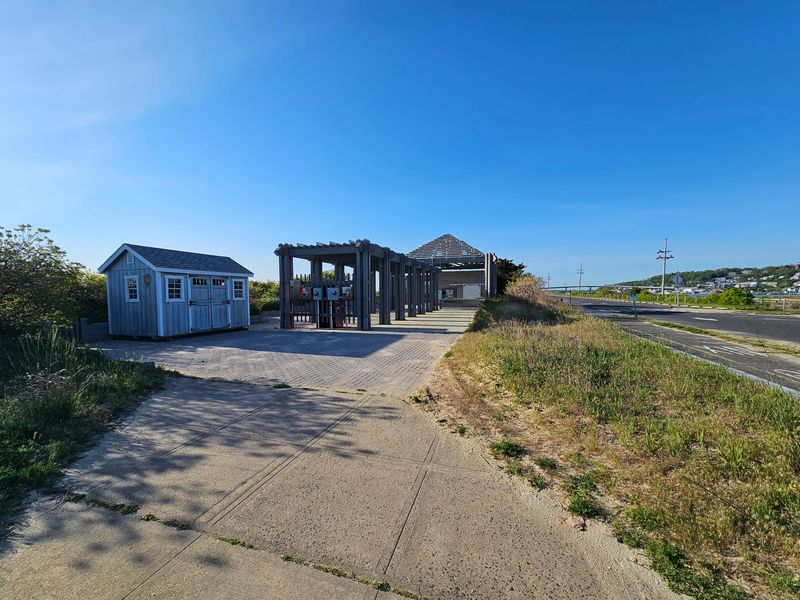
Practical details can make or break a Sandy Hook day, so the simple headline helps: the unit is listed as open 24 hours every day. That broad access supports early starts, later view stops, and flexible day-trip planning.
Seasonal parking has been reported at $20, with a $10 amount for seniors. Off-season visits or arrivals after 6 p.m. have been noted as ways people avoid that seasonal charge, though travelers should check the National Park Service website before relying on any fee detail.
There is more than enough parking mentioned across the grounds, but the chosen lot matters because Sandy Hook is long. Some destinations, especially toward the tip, can involve a real walk.
Signs may not answer every question, and one complaint mentioned difficulty finding observation decks. A little route planning before arrival can save time once the preserve starts spreading out.
A Jersey Place Worth Defending
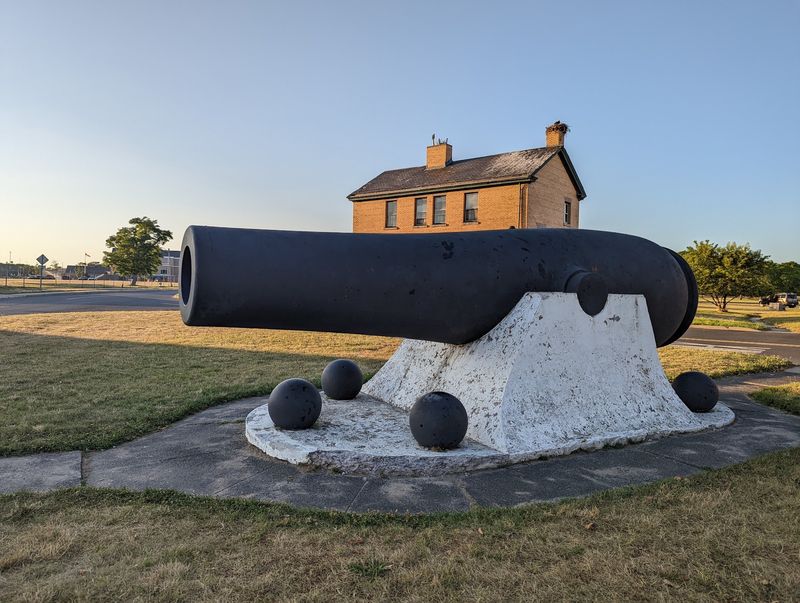
Every state needs places that quietly win arguments on its behalf, and Sandy Hook does that without a speech. It combines wild beaches, bay views, lighthouse history, old military grounds, wildlife, walking routes, and practical public access in one New Jersey package.
The preserve suits beachgoers, cyclists, walkers, anglers, families, history fans, and locals who want a nearby trip that still feels substantial. It is also a strong pick for anyone who thinks the Jersey Shore begins and ends with boardwalk crowds.
Small drawbacks exist, including seasonal fees, summer crowds, longer walks, and occasional navigation gaps. Those are manageable with timing, planning, and a willingness to treat the unit as a large coastal landscape rather than a single stop.
The soft verdict is easy. Sandy Hook belongs on the short list of New Jersey places that feel familiar, surprising, useful, and proudly underrated all at once.
Share this story