Imagine spending an afternoon on a sunny hillside in Oregon, chipping away at rock and clay until an ancient leaf appears right in your hands. It costs only a few dollars, and whatever you find, you get to keep.
Most travelers zip right past this quiet corner of the high desert without ever knowing what waits behind an ordinary school. For the curious Oregonian willing to go where tourists don’t, it’s one of the most surprising and hands-on days you can have.
Where the Fossil Hunt Begins
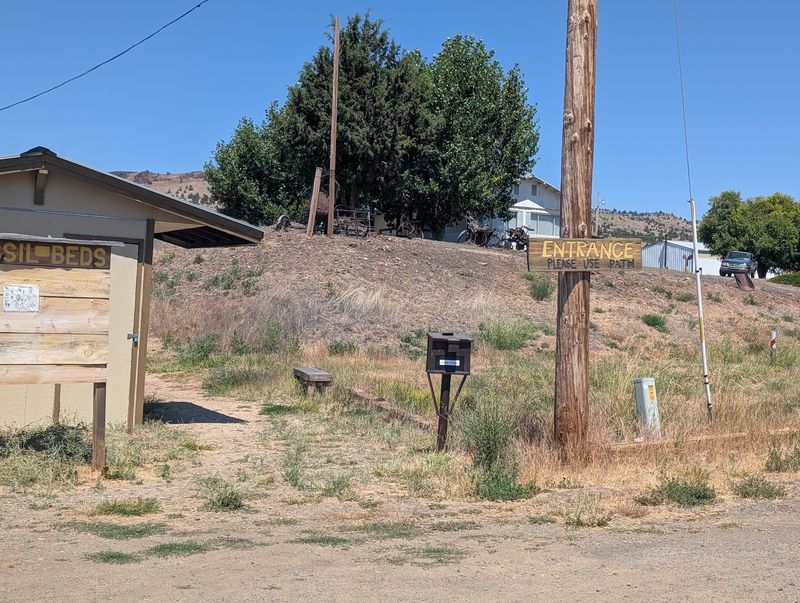
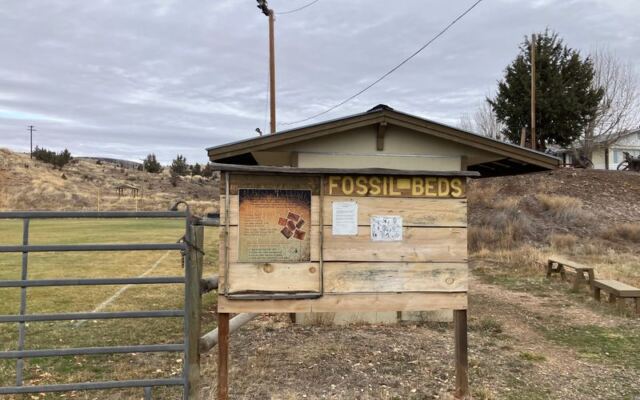
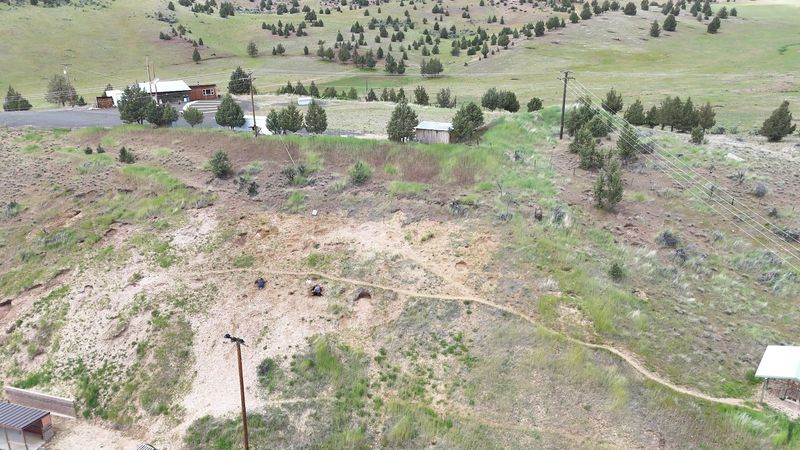
Tucked into the tiny town of Fossil in Oregon’s high desert, the Wheeler High School Fossil Beds sit on a hillside directly behind the local school at 704 C Street. It’s an unusual setup, a real school by day and a fossil dig open to the public the rest of the time.
What makes it special is simple. You walk out to the hill, dig into the rock, and take home genuine plant fossils that formed millions of years ago.
Few places anywhere let regular folks pull ancient leaves out of the ground for the price of a snack. The location feels wonderfully off the beaten path, far from the crowded coast and busy trails, which is exactly why so many Oregonians treasure it as a quiet weekend secret.
A Town Named for What Lies Beneath
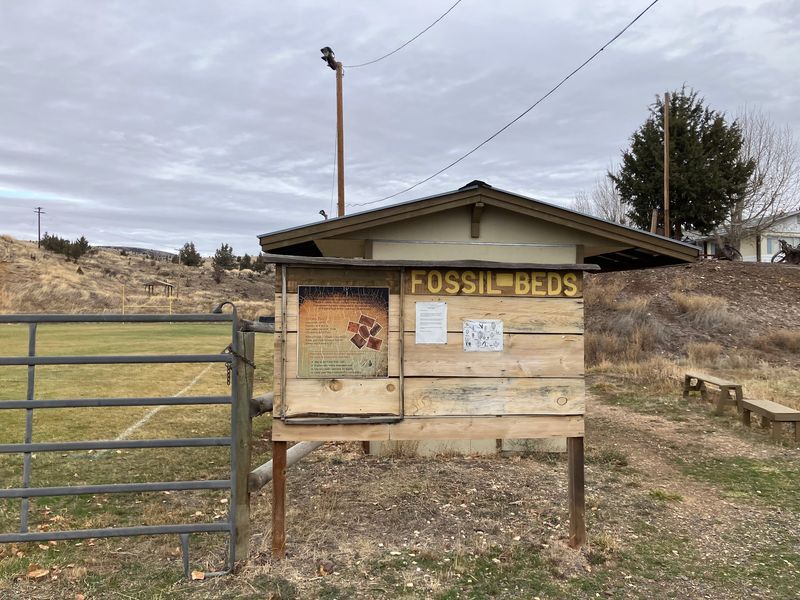
Long before you ever pick up a chisel, the name tells the story. The town is actually called Fossil, and it earned that name honestly thanks to the ancient plant remains scattered through the surrounding rock.
Sitting in Wheeler County, this pocket of central Oregon is ranch country, wide open and quiet, where the pace slows the moment you arrive. The high desert light here has a way of making everything feel bigger and brighter.
Millions of years ago, this whole region looked nothing like today. Lush forests once grew where dry hills now stand, and the leaves that fell were pressed into stone over unimaginable stretches of time.
Standing on that hillside, you’re holding a piece of a world that vanished long before anyone was around to see it.
Leaf Imprints Frozen in Stone
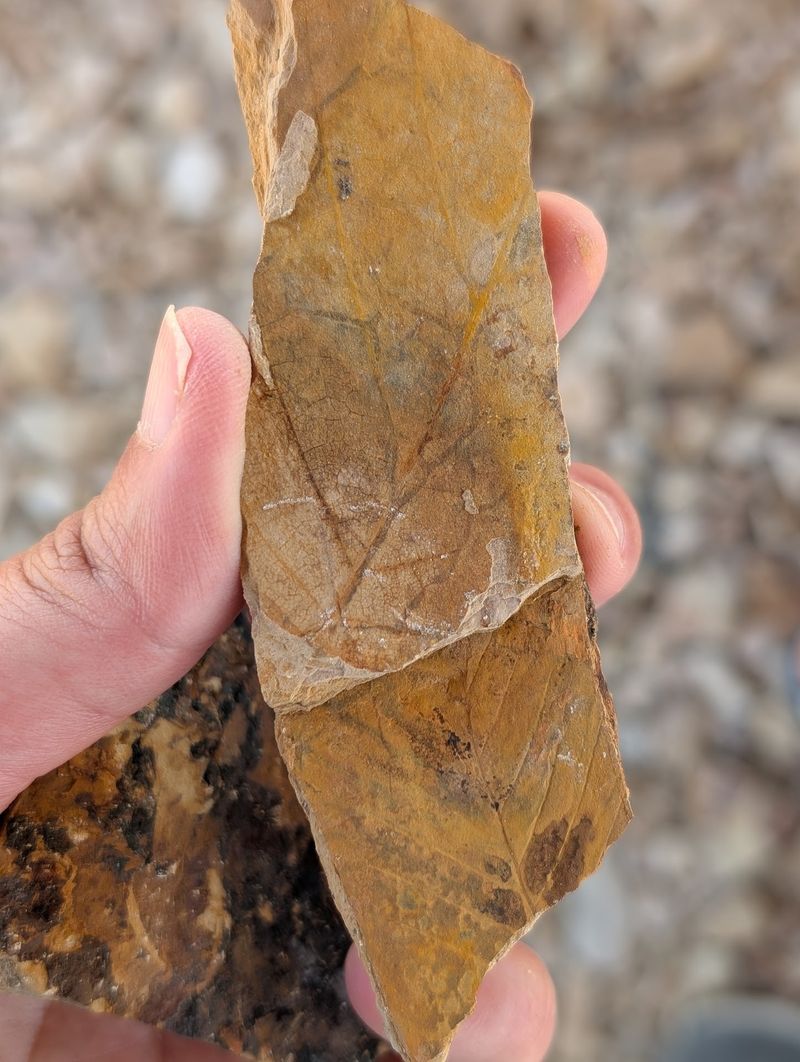
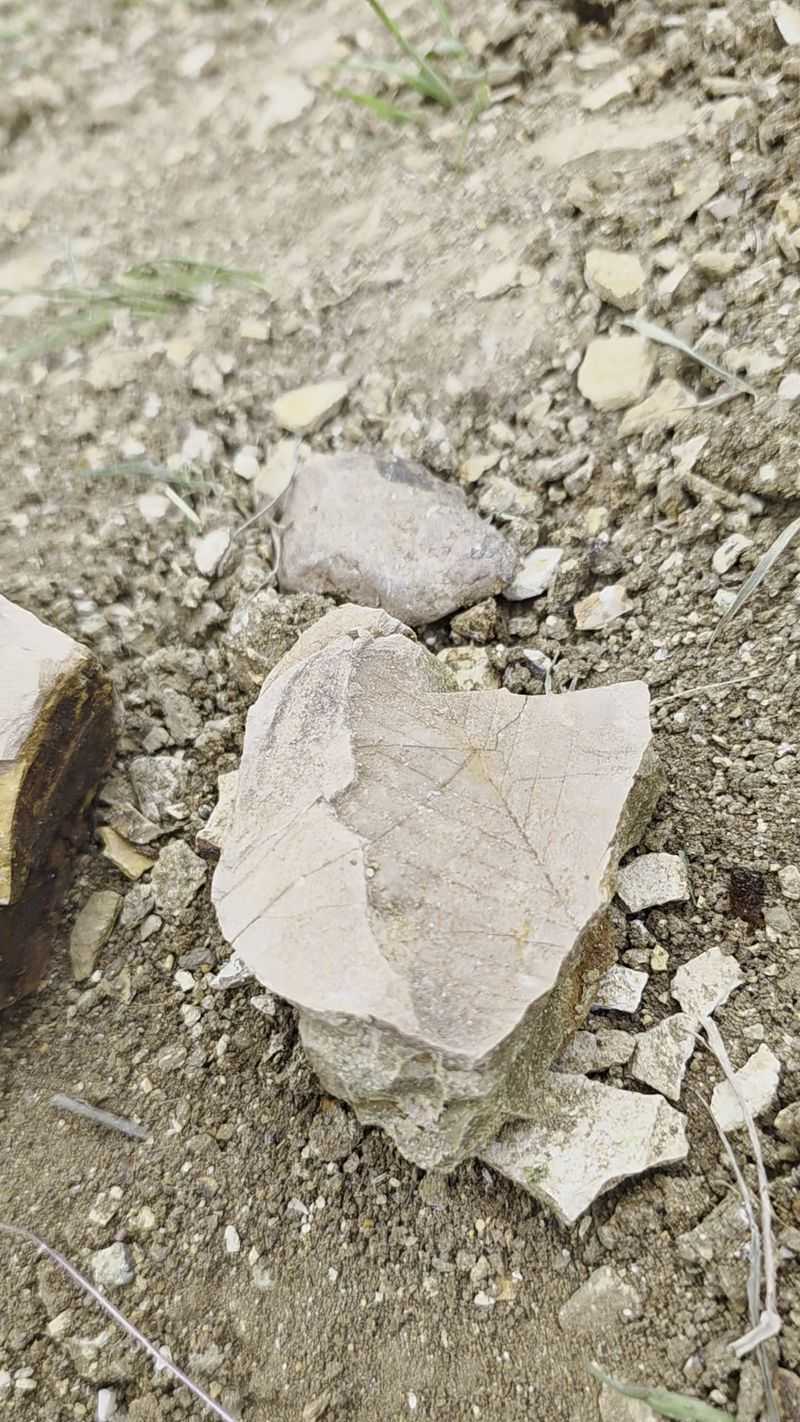
Crack open the right layer of rock and you might spot the delicate outline of a leaf that fell to the ground eons ago. Plant fossils are the star of the show here, and visitors regularly leave with fossilized leaves tucked safely in their pockets.
Most of what turns up are imprints, the shadowy shapes of leaves pressed permanently into the stone. Some are small, tucked inside rocks barely an inch across, so a sharp eye pays off.
Regulars mention that the fossils tend to be fragmentary because the stone is fairly soft and fragile. Nobody is finding towering dinosaur bones here, and that’s fine.
The magic is in the everyday detail, a single ancient leaf you found yourself, holding a story older than anything you can imagine.
How the Digging Actually Works
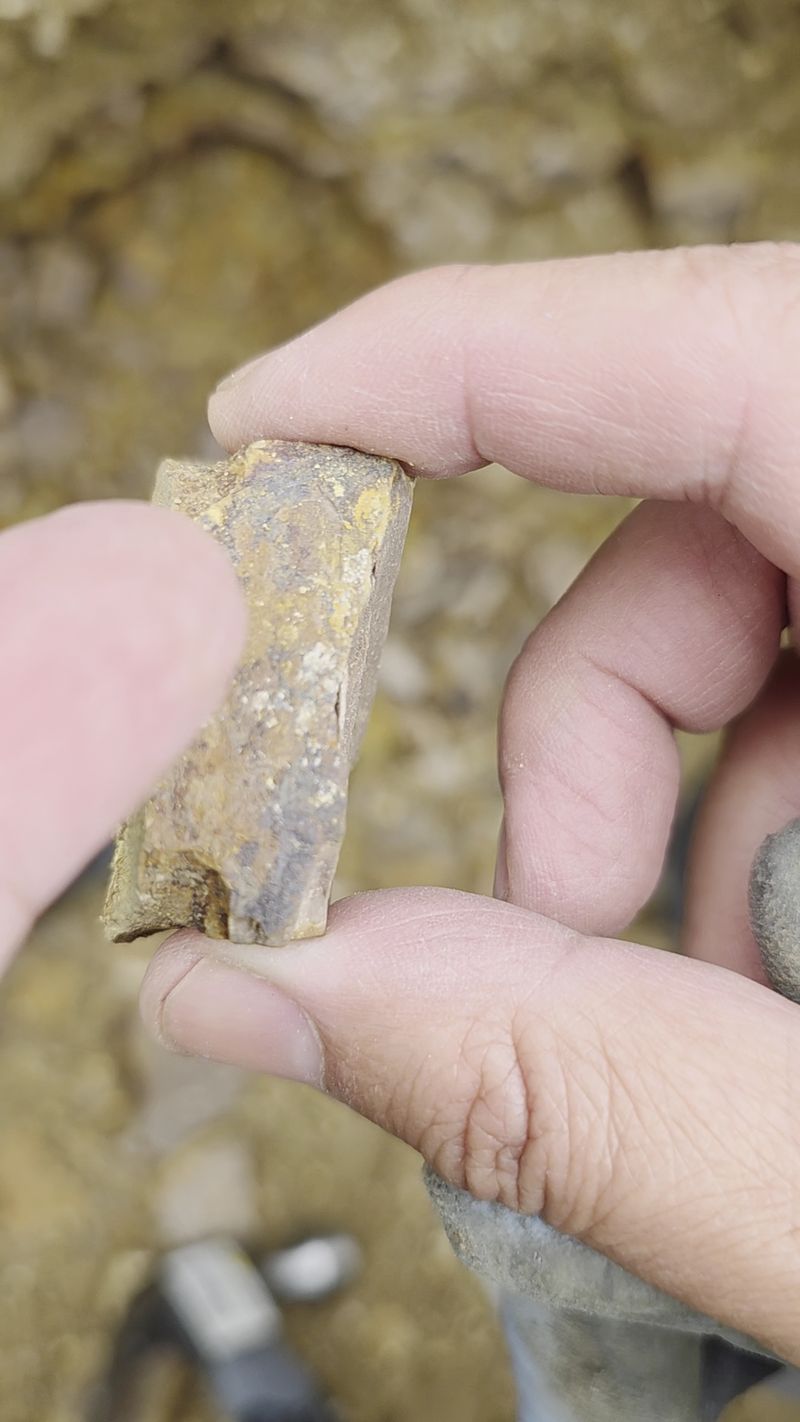
Rolling up your sleeves is part of the fun. The real trick, according to folks who’ve done it, is to dig down a few inches and then sort through everything you pull up.
You won’t have to burrow deep. Most success comes from breaking apart the dry rock and clay near the surface, then carefully splitting the layers to reveal what’s hidden inside.
Expect it to take a little effort. The ground is dry and crumbly, so you’ll be sifting through material with your hands and prying rock apart to peek between the layers.
Patience is rewarded. Some visitors find their first fossil within five minutes, then happily spend the next hour or two hunting for the perfect specimen to bring home.
Tools That Make a Difference
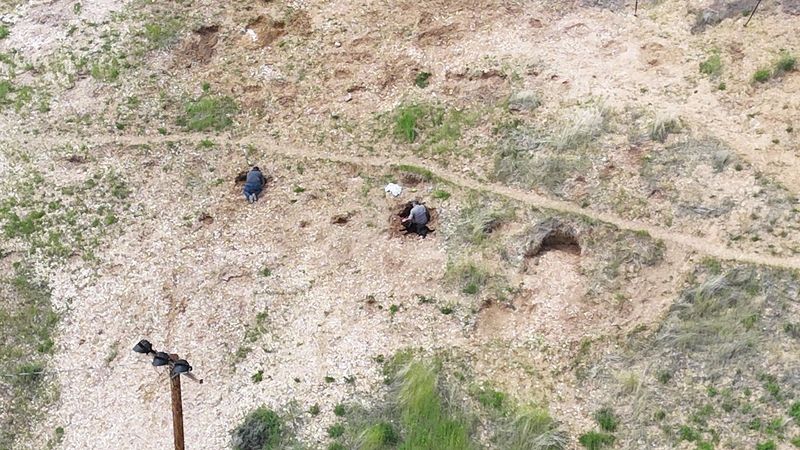
Come prepared, because the right gear turns a frustrating scratch-around into a genuine treasure hunt. Visitors consistently recommend bringing your own tools rather than relying on what’s there.
A small trowel, a hand pick, a mallet, and a chisel form the ideal kit. Some diggers report great luck with simple hammers, chisels, and even a few screwdrivers for splitting the rock layers apart.
There is a small shaded tool shed on site, and a crowbar has been spotted there that came in handy for prying open the hillside. Still, the shed has turned up empty for some visitors.
The lesson is clear. Pack your own supplies before you make the drive, and you’ll spend your time finding fossils instead of wishing you had something to dig with.
A Wallet-Friendly Adventure
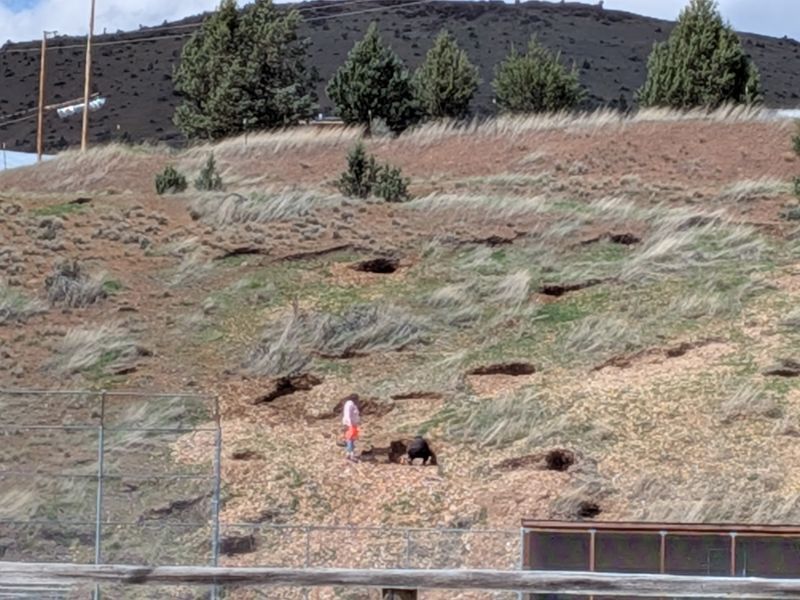
Few outings anywhere cost this little for this much payoff. There’s a suggested donation of around five dollars per person, and that small contribution helps keep the site open.
For the price of a fancy coffee, a whole family can spend hours pulling real fossils out of the earth. It’s the kind of value that feels almost too good to be true.
There is one gentle rule to keep things fair. Each visitor is asked to take only two handfuls of fossils, a limit that makes sure everyone who comes gets a chance to leave with something special.
That spirit of sharing is part of the charm. You’re not raiding a hillside, you’re taking a modest keepsake while leaving plenty behind for the next curious family.
Finding the Path Behind the School
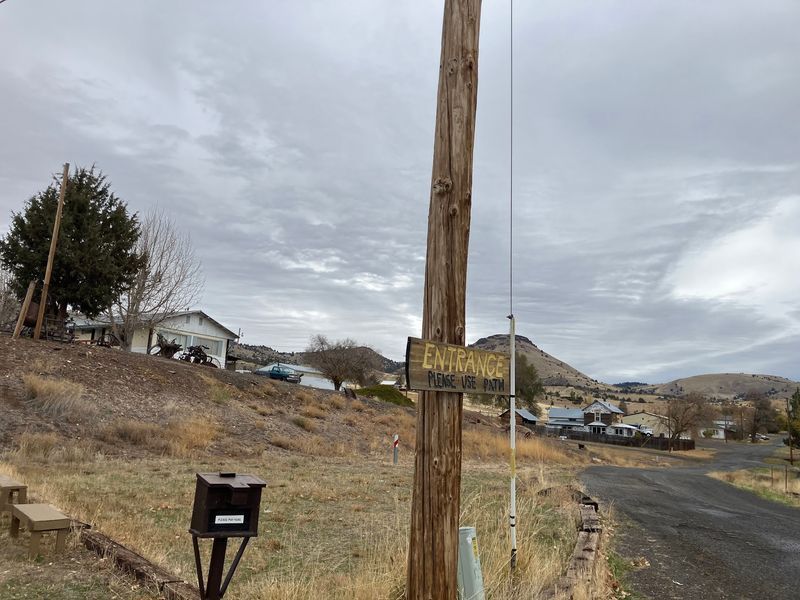
Getting to the dig is refreshingly straightforward once you know the drill. Park on the right, or east, side of the school, where clear signs point you toward the correct spot.
Look for the marked path. Signs are posted to guide you and to gently steer visitors away from walking across the school’s sports field, so stick to the trail they’ve laid out.
The walk itself is short but a little rough. The path to the hillside is uneven, so watch your footing, though it’s manageable enough that young children handle it just fine.
Once you crest the rise, the diggable rock is right there waiting. The whole approach takes only minutes, leaving you plenty of energy for the real reason you came.
A Hit With Young Explorers
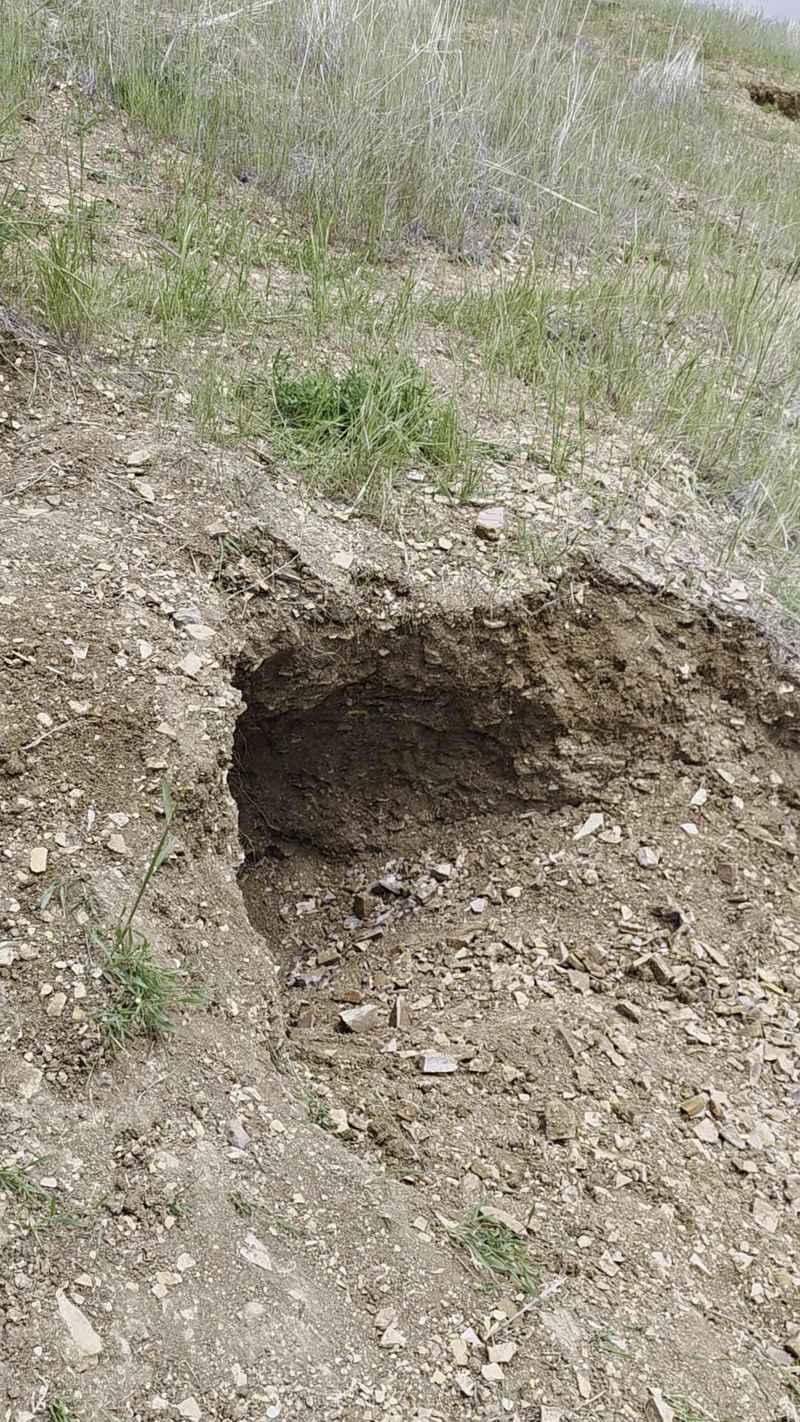
Watching a kid find their first fossil is worth the trip all on its own. Families rave about how well the dig works for children, with parents of seven and eight year olds reporting a genuine blast.
The activity hits a sweet spot for little hands. Digging and sifting through loose rock is easy enough for an eight year old, yet the thrill of discovery keeps them hooked for an hour or more.
One family described their daughter spending a couple of hours happily unearthing fossils she thought were amazing. That kind of focused joy is hard to find in a screen-obsessed world.
It’s science and play rolled into one. Kids walk away with real specimens, a story to tell, and a spark of curiosity about the ancient world beneath their feet.
Sun, Heat, and How to Stay Comfortable
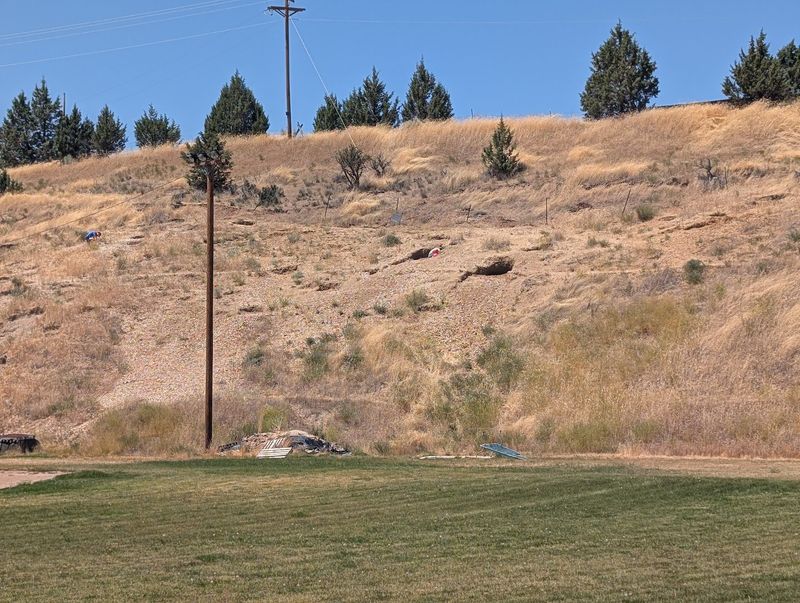
Be ready for some serious sunshine, because the hillside sits out in the open with no shade over the digging area. On summer days it gets genuinely hot and dry.
Two items come up again and again from experienced visitors. A wide-brimmed hat and plenty of sunscreen make the difference between a great afternoon and a miserable one.
Don’t forget water. The high desert air pulls moisture out of you fast, and there are no amenities on the hill, so pack more than you think you’ll need.
Timing helps too. Cooler months or an early start can make the whole experience far more pleasant, letting you dig longer without the sun beating down on your neck.
The View From the Top
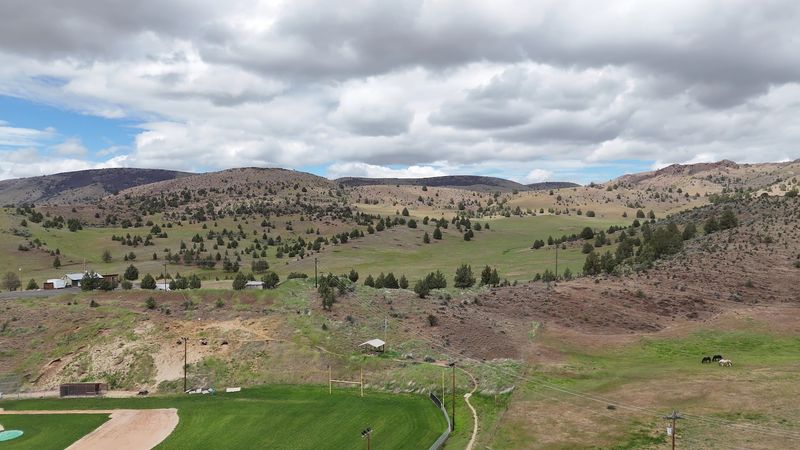
Look up from your digging every now and then, because the scenery is a reward in itself. Visitors describe the view from the hillside as fantastic, stretching across the open Oregon high country.
Rolling hills fold out in every direction, painted gold in summer and green after the spring rains. There’s a big, quiet beauty to this part of the state that photographs never quite capture.
The elevated perch gives you a front-row seat to Wheeler County’s wide-open landscape. It’s the sort of place where you pause, breathe, and remember why you drove all this way.
That combination is rare. Few activities let you dig up ancient treasures and soak in a sweeping vista at the same time, all while feeling like you have the place to yourself.
Stop by the Local Museum
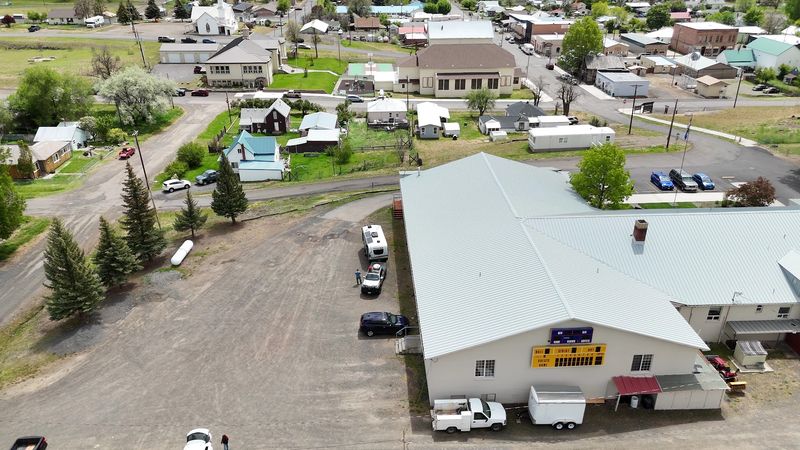
Don’t rush off the moment your handfuls are full. Just down the hill sits a local museum and school information center that visitors repeatedly suggest you check out.
It’s the perfect bookend to the dig. After pulling fossils from the ground yourself, wandering through displays helps put your finds into context and deepens the whole experience.
The site connects to the Oregon Paleo Lands Center, which shares information about the region’s remarkable geology and ancient past. Curious minds will find plenty to soak up.
Think of it as the second half of the story. The hillside gives you the hands-on thrill, and the museum fills in the millions of years of history that made those little leaf imprints possible in the first place.
Open Whenever You Are
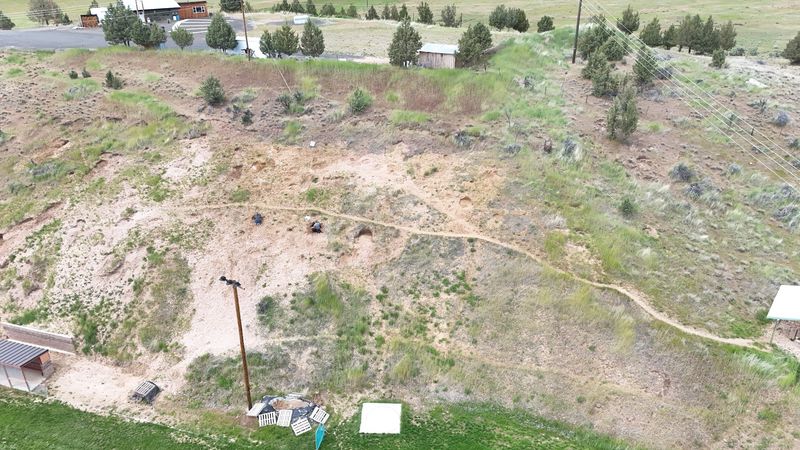
Here’s a rare perk in the world of attractions. The fossil beds are open around the clock, every single day of the week, so your schedule sets the pace.
No one staffs the site, which sounds odd until you realize how freeing it is. You simply follow the signs, leave your suggested donation, and start digging whenever you arrive.
One caution worth knowing. The linked website has at times shown the site as closed for spring, yet visitors have found it open anyway, so a little flexibility goes a long way.
That come-as-you-please freedom suits the low-key spirit of the place perfectly. There are no lines, no ticket windows, and no crowds jostling for the best patch of hillside.
Planning a Smooth Visit
A little preparation transforms this outing from good to unforgettable. Since there are no amenities on the hill, pack everything you’ll need before setting out on the drive.
Build your kit around the essentials. Bring your own tools, plenty of water, sun protection, and maybe a container to carry your finds home without crushing the delicate imprints.
Budget your time generously. Some folks fill a couple of handfuls in about thirty minutes, while others happily linger for an hour or two, so there’s no need to rush.
A gentle heads-up on expectations. The fossils are humble plant specimens rather than showstoppers, but the joy of finding your own more than makes up for their modest size.
Why This Hidden Gem Is Worth the Drive
Some places stick with you long after you’ve dusted off your hands, and this quiet hillside is one of them. It blends real science, genuine adventure, and a price that barely dents your wallet.
For Oregonians hungry to explore beyond the usual coastal stops and packed trailheads, it delivers something you can’t fake. You leave with actual ancient fossils and the satisfaction of having found them yourself.
The whole experience feels like a well-kept local secret. Uncrowded, unpretentious, and open whenever you are, it rewards the curious traveler willing to venture into Wheeler County.
If you’ve been searching for a road trip that feels both memorable and refreshingly simple, point your car toward the town of Fossil. That little hillside just might become your favorite Oregon discovery yet.
Share this story