Out in northwest Oklahoma, there is a wide white flat that looks like a field of fresh snow, even in the heat of summer. I went expecting a quick look and a few photos, and I left hours later with salty knees, muddy hands, and a pocket full of shining crystals.
You can dig for real treasure here, and the best part is that you get to take it home. If you love a little adventure and a lot of surprise, this hidden corner of the state is calling your name.
A Salt Flat on the Oklahoma Plains
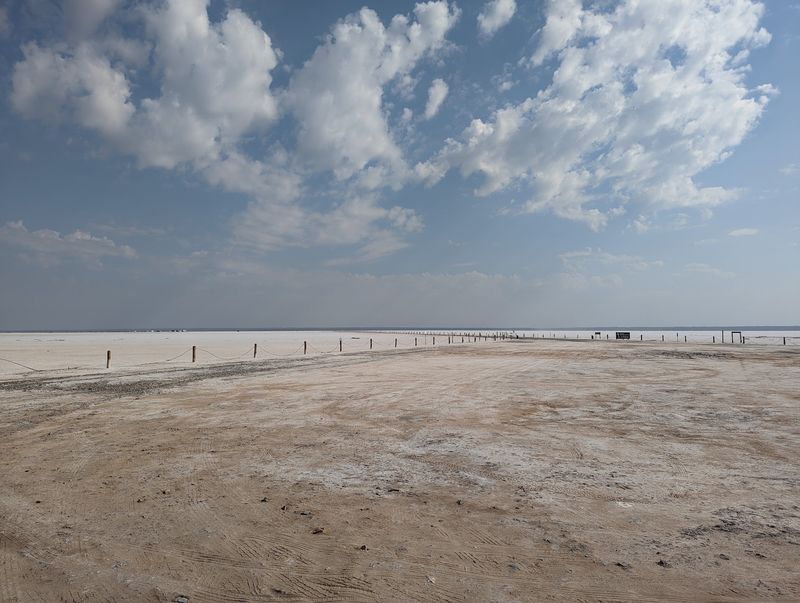
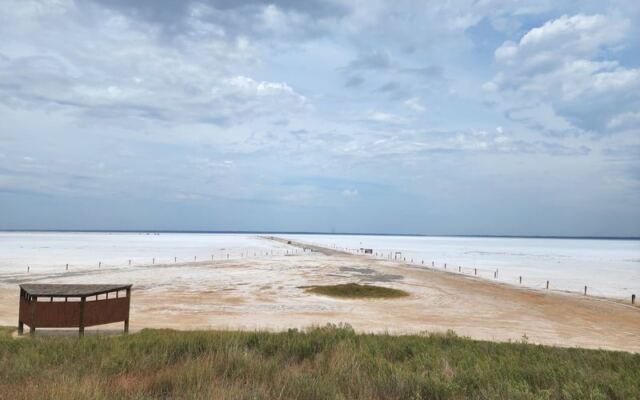
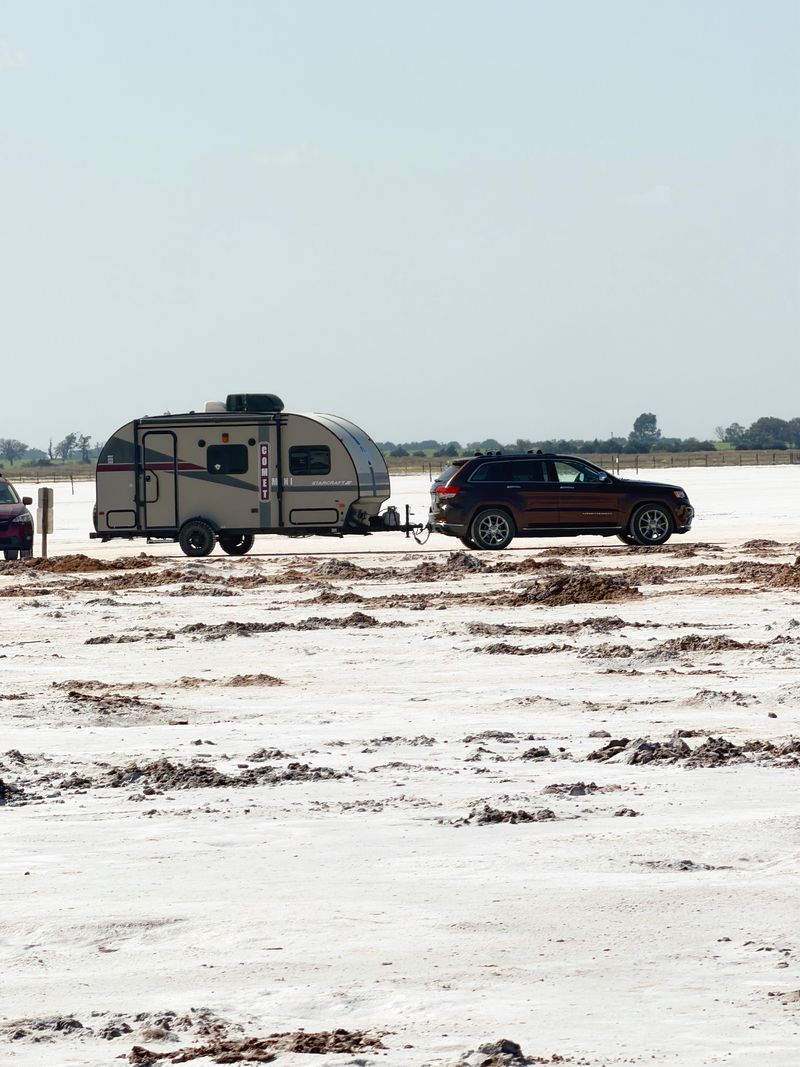
Picture a sheet of white stretching toward the horizon, so bright it almost glows. Plenty of first-timers do a double take, because the ground really does look like snow in the middle of the Oklahoma prairie.
That sparkling expanse belongs to Salt Plains National Wildlife Refuge, sitting just outside the small town of Jet in northwest Oklahoma. The refuge is a sprawling protected area where migratory birds and other wildlife find a home, and where visitors are welcome to explore.
Most people come for one big reason. The flats hide hourglass selenite crystals just under the surface, and you are allowed to dig them up and keep what you find.
Crystal digging is easily the most talked-about activity among guests, far ahead of anything else.
Still, the refuge is more than one dig site. There are marsh boardwalks, nature trails, a visitor center, a large lake, and a scenic auto tour route.
Some visitors arrive for the birds and end up on their knees in the salt for two days straight.
One visitor summed it up simply: if you have never seen salt flats in Oklahoma, this is a great experience. That feels like an understatement once you are standing out there.
Roots Going Back to 1930
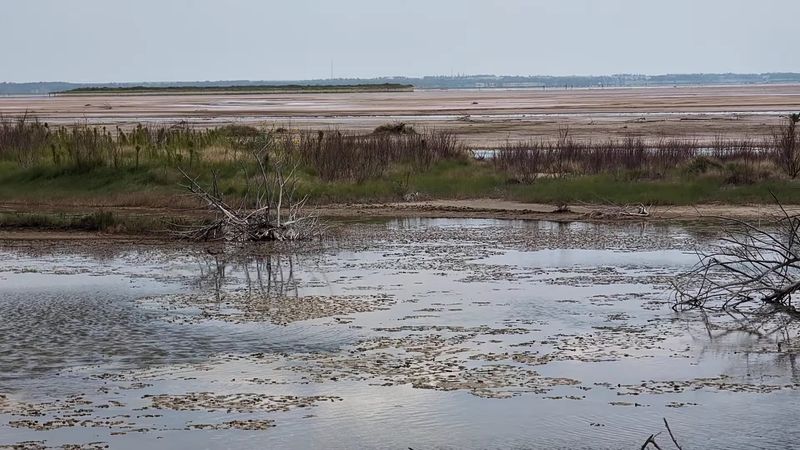
Long before crystal hunters showed up with buckets, this land was set aside for wildlife. The refuge was established in 1930, making it a true veteran among Oklahoma outdoor destinations.
Its original purpose still shapes the place today. Migratory birds rely on the wetlands, lake, and open ground as a resting stop, and the refuge protects that habitat so the birds keep coming back season after season.
That nearly century-long history gives the area a calm, settled feeling. Nothing here feels like a theme park.
Instead, you get open land, wide skies, and a sense that you are a guest in someone else’s home, with the someone being cranes, eagles, deer, and plenty of smaller critters.
The crystal dig fits into that bigger picture rather than replacing it. Digging happens in a specific area, while other sections remain focused on wildlife viewing and quiet nature walks.
Knowing the backstory makes a visit more meaningful. When you kneel down to pull a crystal from the mud, you are taking part in a tradition on land that has been cared for since the 1930s.
It is a small, hands-on way to connect with a very old Oklahoma landscape.
Hourglass Selenite, the Prize Under the Crust
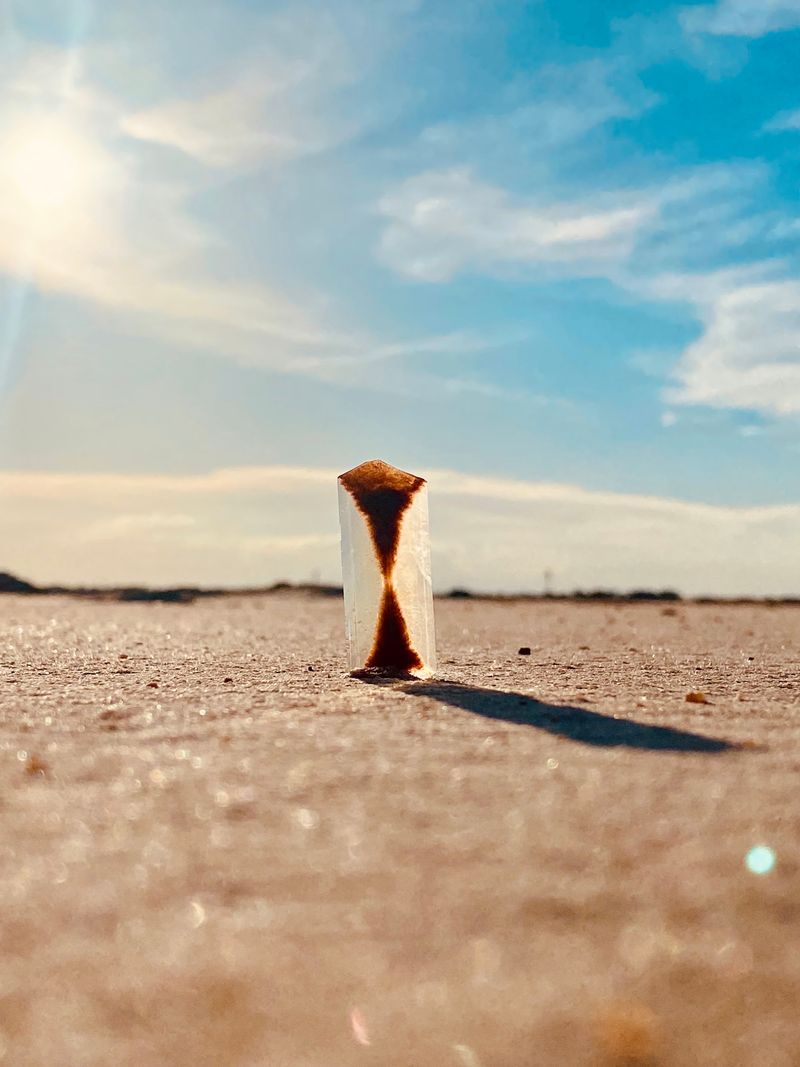
Hold one up to the light and you will see why people get hooked. Hourglass selenite crystals carry a darker hourglass shape trapped inside the clear stone, and that pattern makes them stand out among Oklahoma treasures.
Guests rave about how many they find. Families mention leaving with a nice collection for every person in the group, and some lucky diggers even pull up small clusters of crystals joined together.
Size can vary depending on timing. One family visiting near the end of the season mentioned finding mostly one-inch to two-inch crystals, and they planned to return early the next year to search a little harder for bigger pieces.
The crystals tend to be flat, which surprises a lot of beginners. You might not spot them just by looking at the ground, so you have to feel through the dirt with your fingers or catch a glint of an edge while you dig.
Many sit fairly close to the surface. That means even a short session can be rewarding, and kids have a real shot at finding their own.
The thrill of brushing away mud and seeing a glassy point poke out is something you will not forget soon.
How the Digging Actually Works
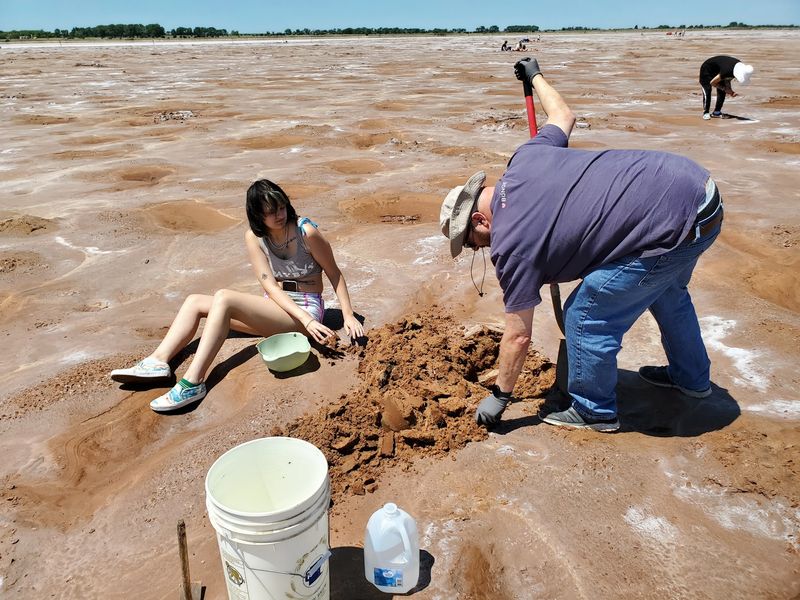
Confession time: plenty of visitors admit they were confused at first. One group said they had a misunderstanding about how to dig, then figured it out and each ended up with a handsome stash.
Here is the approach seasoned diggers recommend. Use a shovel to test the ground, and if it does not break through easily or you hear and feel resistance, slow down.
Carefully loosen the dirt in that area, then sift through it by hand.
Water is your secret helper. Guests suggest bringing plenty of it, not only for drinking but for washing mud away so crystals become visible.
Some splash water into their holes to reveal the shiny edges hiding below.
Patience pays off more than speed. Since the crystals are flat and sometimes fragile, rushing with a shovel can break them before you ever see them.
Park rangers have earned praise for being knowledgeable and helpful in pointing people toward good finds, so it is worth asking if you see one nearby. The dig area is wide open, which means you can choose your own patch and work it at your own pace.
Once you find your rhythm, hours can disappear without you noticing.
Sharp Edges and Stubborn Red Mud
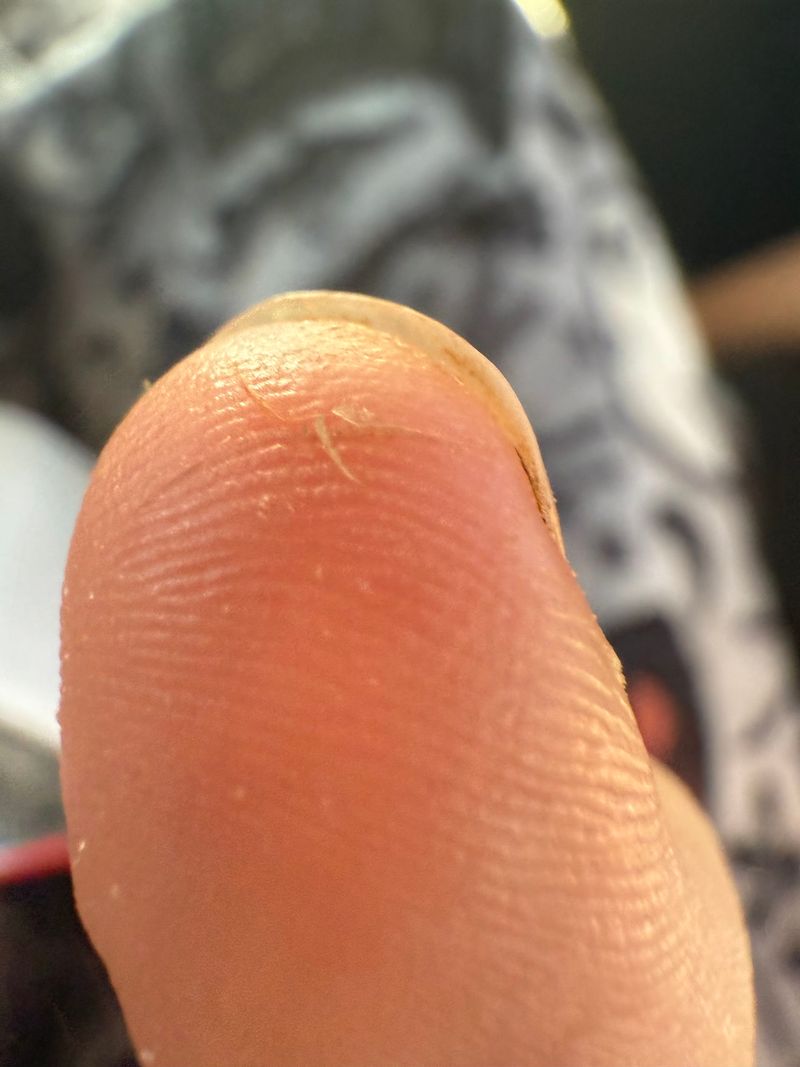
Nobody warned one mom, and within two minutes she and two of her kids had nicked their fingertips. The crystals are sharp, and that lesson comes quickly if you dig bare-handed.
Gloves are the simple fix. Several visitors suggest them as a smart addition to your bag, especially for little hands that want to grab everything they see.
Then there is the soil. The red dirt here is famously stubborn, and some families say they could not get it out of their clothes no matter what they tried.
Wear something you would not mind tossing afterward.
Salt gets everywhere too. People joke that you will be salty by the time you leave, and one group found salt all over the inside of their car.
A towel or blanket for the seats is a good idea.
The ground can also be tricky for clumsy folks or very young children, since it is uneven and muddy. Many visitors see that as part of the charm, though, because nothing is fenced off or overly controlled.
You get a real, wild dig experience, mess included. Just go in prepared, and the scrapes and stains become part of the story.
Snow-White Scenery Worth Photographing
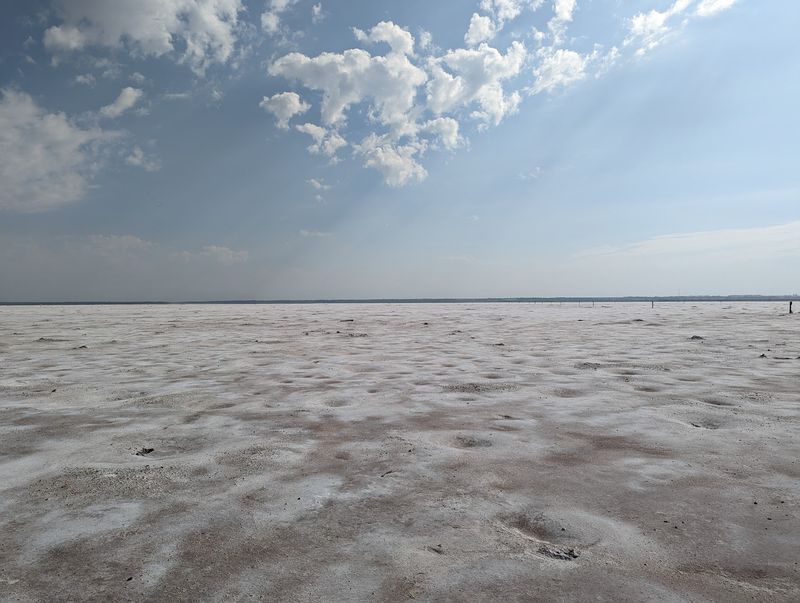
Before you get your hands dirty, grab your camera. A longtime tip from visitors is to take your pictures early, because after an hour of digging you will be too salty to look photo-ready.
The view is honestly worth the effort. Guests describe being awestruck by the serene emptiness of the flat, a wide white space that feels almost unreal in this part of the country.
Wildlife photographers find plenty to love as well. The refuge offers a large lake that seems to stretch into the horizon, plus marshes, grasslands, and open sky that change color as the day moves along.
Morning and afternoon light both bring out different moods. Sunshine bouncing off the salt can be dazzling, so sunglasses help your eyes as much as your photos.
The contrast is what makes the shots pop. White crust, red soil, blue sky, and kids in bright clothes digging away all combine into images that look like they came from somewhere far more exotic than northwest Oklahoma.
Even a phone camera captures that magic. Snap a few wide shots, a few close-ups of your crystal finds, and you will have a scrapbook page ready to go.
Sandhill Cranes, Eagles, and Other Feathered Guests
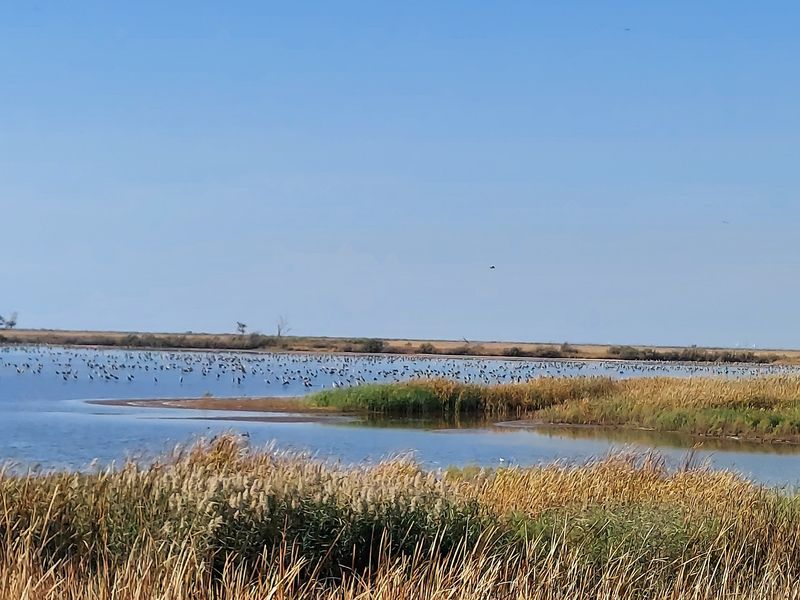
Bird lovers, rejoice. Bird watching is the second most popular reason people visit, and the refuge was created with migratory birds in mind.
Sandhill cranes are a highlight that visitors often mention, and lucky guests have spotted bald eagles too. During migration, the wetlands and lake become a busy rest stop for all kinds of species.
One visitor described a walk where they saw so many different birds that it felt peaceful and lovely just to wander and look. That calm, unhurried feeling is a big part of the appeal.
Bring binoculars if you have them. Even without, the open landscape makes it easier to watch birds move across the sky or settle into the marsh.
The birds also explain why the refuge exists at all. Protecting their habitat is the main mission, and the crystal dig works alongside that goal rather than against it.
Here is a fun twist: one guest admitted arriving for birding and leaving after two full days of crystal digging. So if you come for the cranes, consider packing a shovel just in case.
You might find that this place has a way of pulling you into more than one adventure.
Big Marsh Boardwalk and Sandpiper Trail
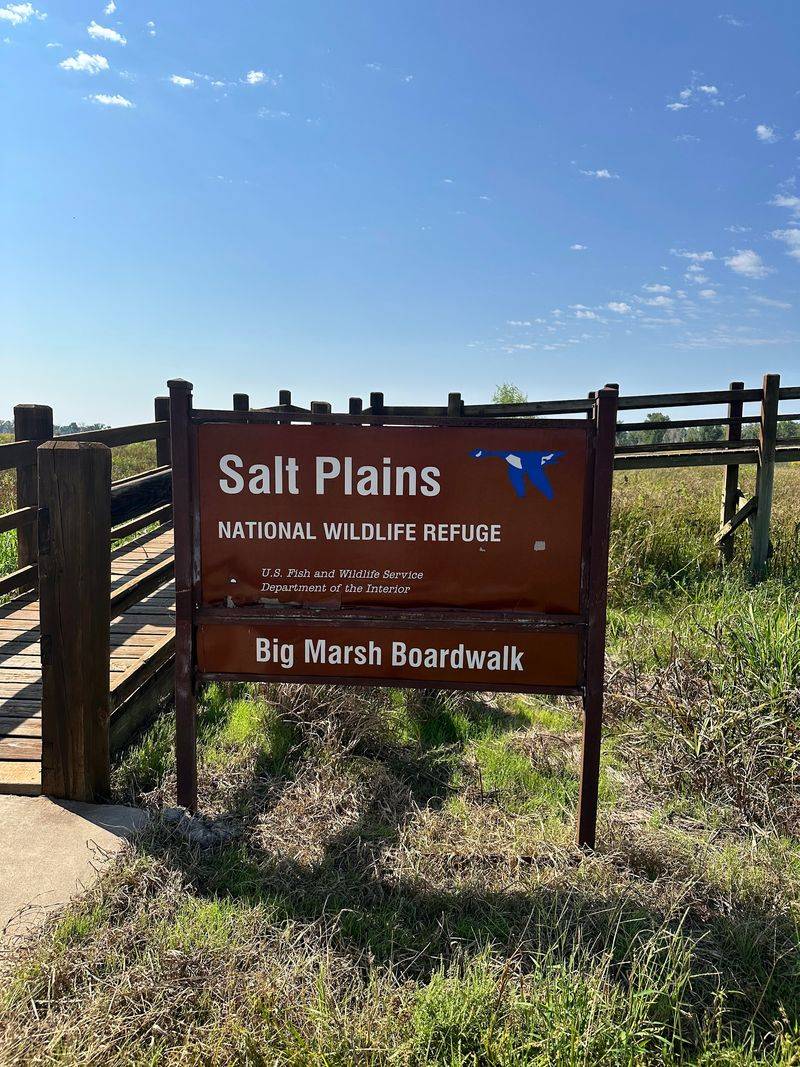
After a morning hunched over mud, stretching your legs on a boardwalk feels wonderful. The refuge has multiple trails, and visitors say they are all free to explore.
Big Marsh is a common first stop. Guests enjoy walking the boardwalk and snapping photos at the Big Marsh Overlook, where the wetland view opens wide.
The Sandpiper Nature Trail is another favorite. People describe it as an excellent trail with a beautiful view and a great chance to see birds, other wildlife, and plants up close.
These marsh trails are short and well maintained, which makes them easy for families or anyone wanting a gentle walk. Depending on the time of year, the marshes may be drier than expected, but the walk still delivers.
Wildlife sightings add surprise to every stroll. Visitors have spotted deer, and one group even came across an armadillo, which felt like a true Oklahoma moment.
A smart plan many guests follow is to dig first and walk later. That way, you cool down with a quiet nature walk after the excitement of the flats.
Either order works, though, and the trails give the day a nice balance between thrill and calm.
The Harold F. Miller Auto Tour Route
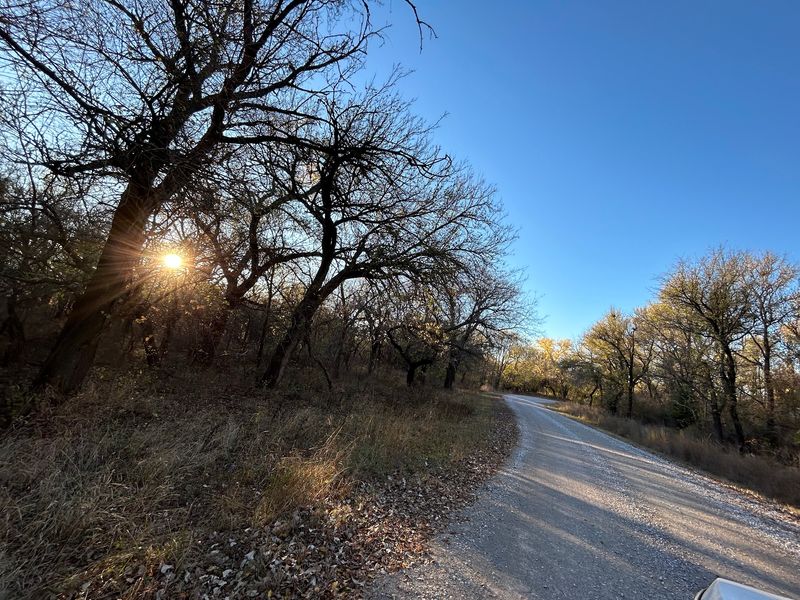
Not every adventure needs a shovel. Sometimes the best way to see a place is through your windshield with the windows rolled down.
The Harold F. Miller Auto Tour Route lets you drive through the wildlife refuge at your own pace.
Visitors describe it as a beautiful drive and highly recommend it to anyone in the area.
It is a perfect option for grandparents, small kids who need a break, or anyone who wants to scout wildlife without a long hike. Deer sightings are a common treat along the way.
Many guests build a full day around a simple loop. One family started at the Big Marsh boardwalk, stopped by the visitor center, drove the auto tour, then finished with a couple hours of crystal digging.
That kind of schedule shows how much fits into a single trip.
Drive slowly and keep your eyes on the edges of the road and the marsh. Birds and animals can appear suddenly, and a quiet car gives you the best chance of seeing them.
It is also a relaxing way to wind down after digging. Just remember that your shoes may still be muddy, so a floor mat or old towel helps keep the car tidy.
Wind, Sun, and an Open-Air Atmosphere
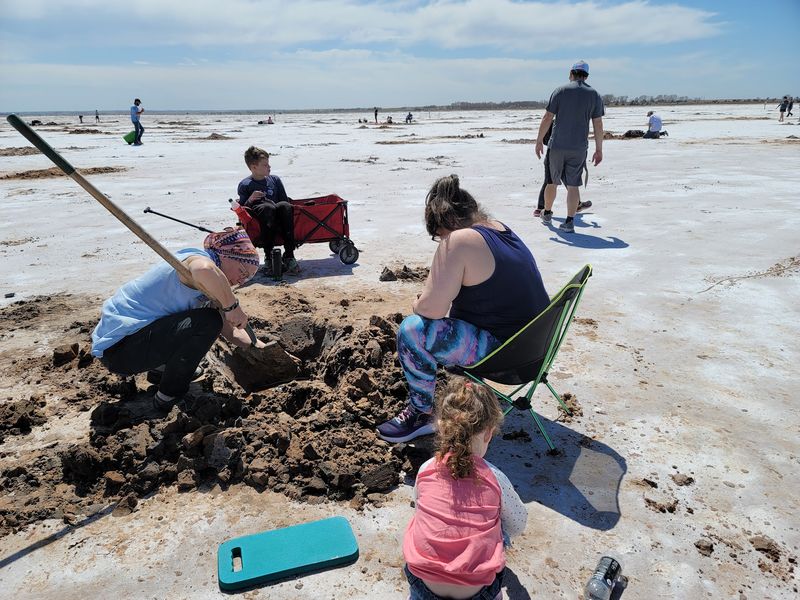
“Windy and sunny and so much fun” pretty much describes a typical day on the flats, at least according to people who have spent hours out there.
The wind deserves respect. Visitors suggest bringing heavy items that will not blow away and even tying your hat on so it does not sail across the salt.
Sun is the other big factor. With almost no natural shade on the flats, guests recommend a hat, sunscreen, and some kind of shade setup.
One family brought chairs with built-in shade covers, and another suggested an umbrella.
Despite the elements, the mood is cheerful. Lots of other families dig nearby, giving the place a friendly, shared-adventure feel.
One visitor who came on opening day noted that everyone was respectful and courteous.
The atmosphere feels wide open in every sense. There are no crowded lines or loud attractions, just people spread across the white ground, chatting, laughing, and calling out when someone finds a good piece.
That simplicity is refreshing. You are not watching a show, you are part of the experience.
Between the breeze, the big sky, and the sound of shovels scraping crust, it feels like a true Oklahoma outdoor day.
Who Will Love a Day Here
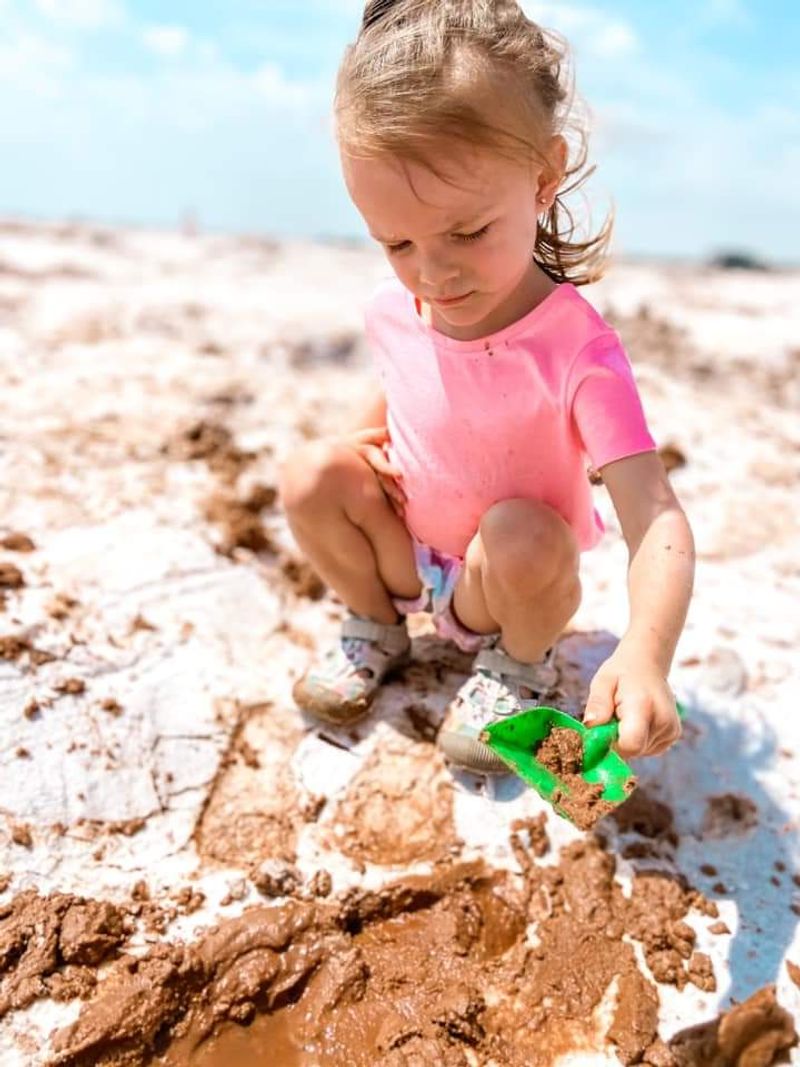
Kids, obviously. One adult visitor said digging in the dirt was a blast, then added that kids will have even more fun, and that seems true for just about everyone.
Multi-generation families fit right in. One grandparent described grandkids and great-grandkids having a ball together, all searching for crystals side by side.
Treasure hunters will feel right at home. If you love poking around for cool stuff while adventuring, past visitors insist this is your spot.
Bird watchers and wildlife photographers get their own rewards through the marshes, lake, and auto tour. Hikers can enjoy the short, tidy trails, and quiet souls will appreciate the peaceful setting.
Some caution makes sense for very young children or anyone unsteady on their feet. The dig area is uneven and muddy, and the crystals can be sharp, so supervision and gloves matter.
People who crave modern comforts may want to plan carefully, since facilities are basic. But for anyone who enjoys getting a little messy and a lot curious, this refuge delivers.
Couples, friend groups, scout troops, and solo explorers all seem to leave with smiles and full buckets. It is a shared adventure that works for almost any crew willing to get salty.
Packing List From Seasoned Diggers
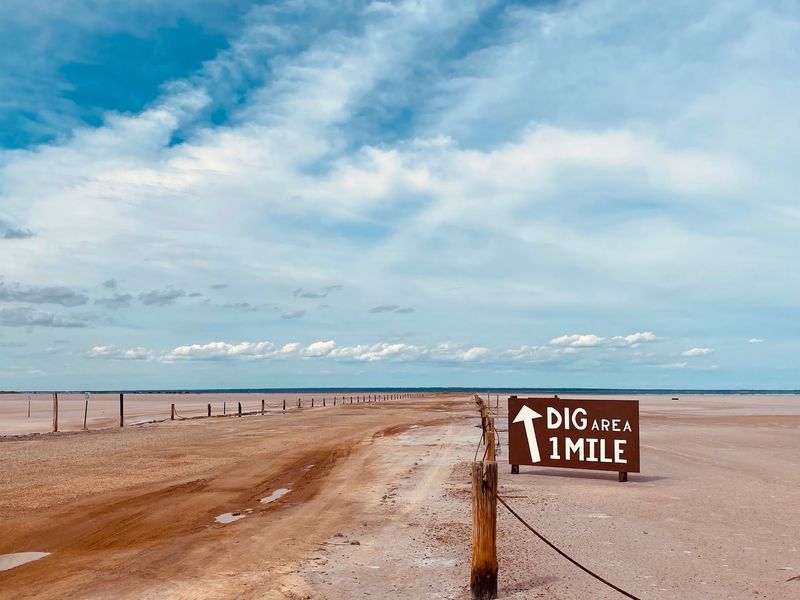
Ask anyone who has dug here and they will hand you a list. The biggest lesson is simple: there is no running water and nowhere nearby to buy food or drinks.
Start with tools. Families recommend shovels in a few sizes, a bucket for your finds, and gloves to protect your fingers from sharp edges.
Next comes water, and lots of it. You will want some for drinking and some for rinsing mud off crystals so you can actually see them.
Comfort items make a long session much easier:
Pack food, a cooler, sunscreen, bug spray, and a hat. Bring something to sit or kneel on, plus shade like an umbrella or covered chairs.
Cleanup gear is a must. Towels, a full change of clothes, extra shoes, and socks will save your car seats and your mood.
One visitor wished they had planned better, noting there was nowhere to clean up after digging.
Finally, choose clothes you can live without, since the red soil may never wash out. With this kit ready, you can stay for hours, enjoy every minute, and head home happily tired with a bucket full of sparkle.
Roads, Restrooms, and Practical Notes
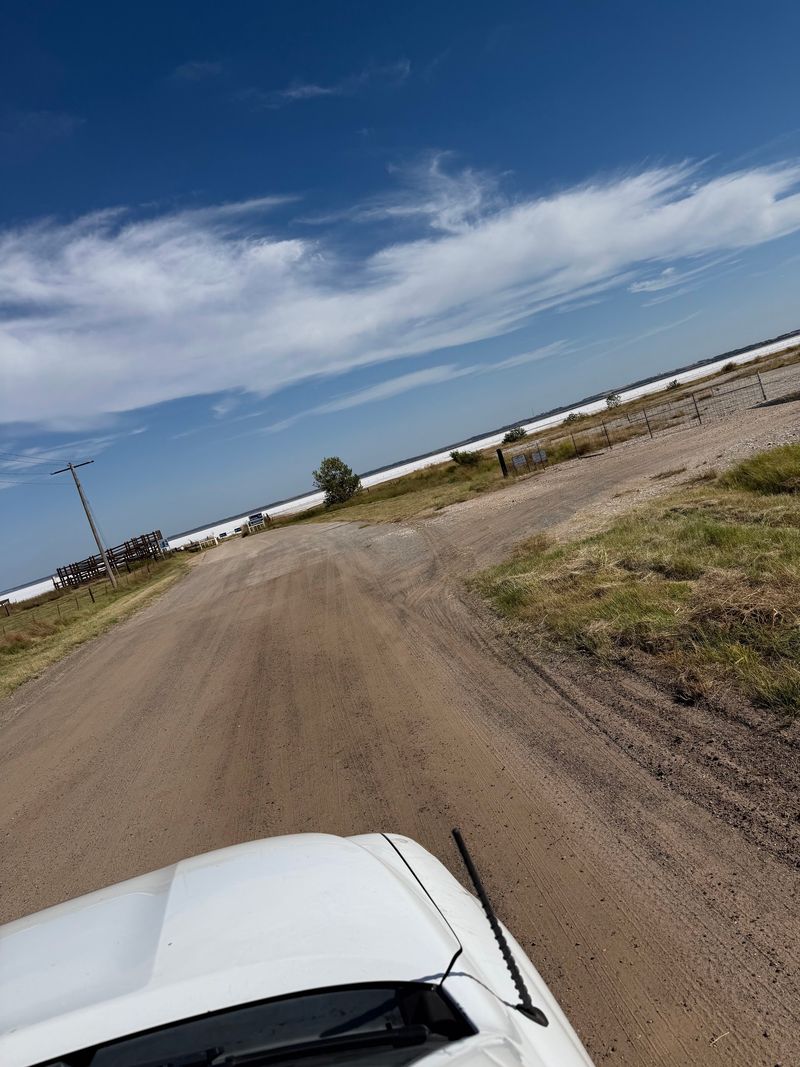
Getting there is part of the adventure. Visitors call the trip well worth a drive of twenty miles or more, though the roads in and out can be rough.
Parts of the refuge use dirt and gravel roads. Sedans like a Corolla have made it just fine, but expect dust and bumps, especially on the last mile before the dig area.
Restrooms are very basic. A vault-style toilet sits about a mile before the dig site, and there are no other facilities right at the flats.
During a government shutdown in October 2025, one visitor found the bathrooms closed, so check ahead if timing seems uncertain.
Good news for budgets: guests say the trails and exploring areas are free of charge.
The crystal digging has a season, and some visitors suggest arriving early in the season for bigger finds. Since dates can change, calling ahead is wise.
The refuge phone number is 580-626-4794, and its official page lives on the U.S. Fish and Wildlife Service website.
The refuge address is listed simply as Jet, OK 73749. A few small towns sit around the edges of the refuge, but plan to bring your own supplies rather than counting on nearby shops.
Why the Salt Plains Earns a Spot on Your Map
Some places you visit once and forget. Others stick with you because you carried a piece of them home, and a sparkling hourglass crystal on your shelf is hard to forget.
That is the quiet magic of Salt Plains National Wildlife Refuge. It blends treasure hunting, birding, gentle trails, and a scenic drive into one easygoing Oklahoma outing.
Visitors keep calling it one of the best places to go in the state, and many promise to return. Some even talk about renting a cabin at nearby Salt Plains State Park to stretch the fun into a full weekend.
It is not polished, and that is a big part of its charm. You will deal with wind, sun, salt, sharp edges, and mud that refuses to wash out.
In exchange, you get wide skies, wild birds, and the pure joy of discovery.
Plan ahead, pack smart, and leave your worries in the car. Bring the kids, grandparents, or a few adventurous friends.
When you drive away dusty and grinning, with a bucket rattling in the back seat, you will understand why so many Oklahomans treat this salty patch of prairie like a hidden treasure of their own.
Share this story