Finding a town with a buzzing downtown and a home price that won’t make your wallet cry sounds like chasing a unicorn. Surprisingly, these places actually exist, scattered across the country from the Ohio River to the Louisiana bayou.
They offer independent restaurants, live music, historic architecture, and real community life, all without the sky-high real estate tags. Whether you are looking to relocate or just daydream a little, these 14 towns prove you do not have to choose between a lively neighborhood and an affordable mortgage.
Wheeling, West Virginia
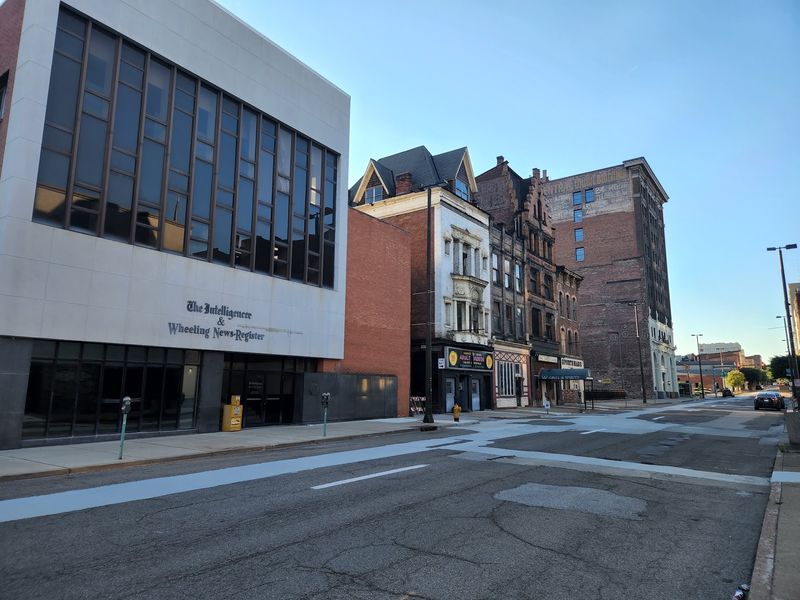
Walk down Wheeling’s Centre Market on a Saturday morning and you will quickly forget this is one of America’s most affordable cities. The typical home here was estimated at just $153,248 in August 2026, which is less than half the national figure.
For a place with this much going on, that price tag is genuinely shocking.
WesBanco Arena keeps the city humming with professional hockey games and touring events throughout the year. The Capitol Theatre, a beautifully restored performance venue, draws crowds for concerts and shows that would feel right at home in a much larger city.
Centre Market fills out the picture with bakeries, cafes, antique shops, and specialty retailers all packed into one of the most architecturally interesting commercial blocks in the state.
The Ohio River rolls past Victorian-era buildings that give Wheeling a storybook quality without charging storybook prices. Outdoor enthusiasts also appreciate the trail access and river scenery just minutes from downtown.
If value for money were a contest, Wheeling would be collecting trophies.
Vincennes, Indiana
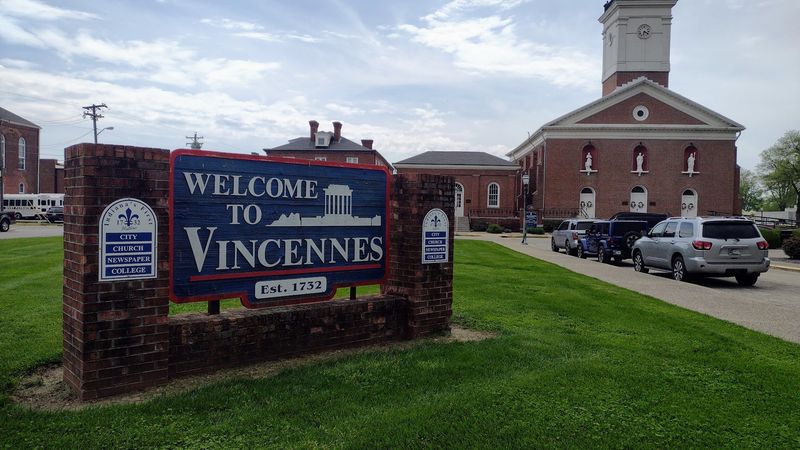
Vincennes carries more than three centuries of American history on its shoulders, yet its downtown refuses to act like a museum. Main Street is alive with boutiques, independent eateries, and locally owned businesses that serve both longtime residents and curious visitors.
The city’s typical home value sat at around $172,025 in July 2026, making it one of Indiana’s most affordable options with a real heartbeat.
First Friday Artwalks run from March through October, turning the downtown into an outdoor gallery and social scene every month. Seasonal farmers markets and Food Trucks on the Wabash add a festive rhythm that keeps the calendar full.
These events are not just tourism gimmicks; they genuinely pull neighbors out of their homes and into the streets.
The George Rogers Clark National Historical Park, Grouseland, and several territorial-era museums sit nearby, giving the commercial district a cultural backdrop that retail alone could never provide. History buffs, foodies, and bargain hunters all find something to love here.
Vincennes manages to feel both rooted in the past and refreshingly present at the same time.
Emporia, Kansas
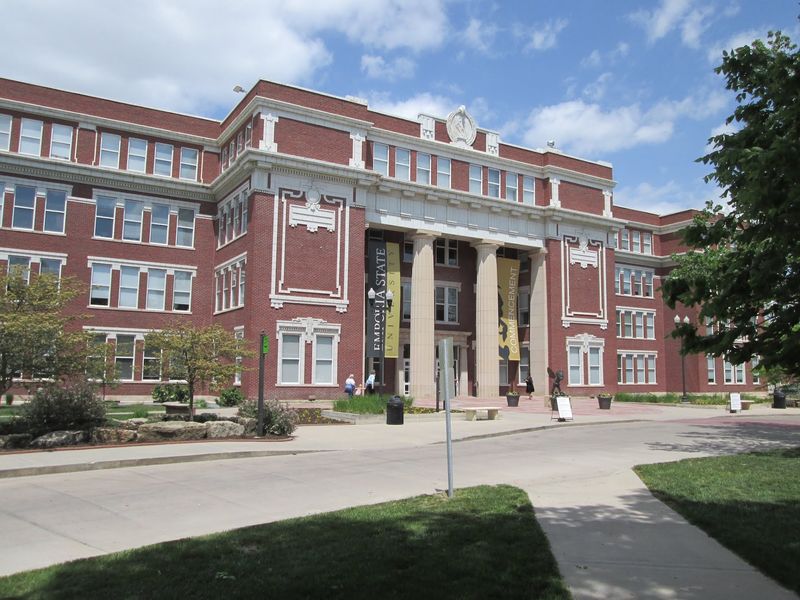
Emporia might be best known in cycling circles, but its downtown is worth a detour even if you have never touched a gravel road. Commercial Street serves as the city’s main artery, anchored by a visitor center right in the heart of the action at 719 Commercial.
The typical home value reached about $175,303 in July 2026, up 4.2% from the previous year but still dramatically below what most Americans pay.
Average rent in Emporia hovered around $890 per month at that time, compared to roughly $1,962 nationally. That gap is hard to ignore when you are budgeting for a move.
A college-town atmosphere keeps the streets lively without pushing real estate into the stratosphere, which is a balance many larger university cities have completely lost.
Major gravel-racing events bring waves of visitors who fill local restaurants, shops, and hotels in ways that smaller towns rarely experience. That burst of outside energy helps sustain businesses year-round.
Emporia is proof that a town does not need to be trendy or expensive to have a genuinely active commercial core.
Hannibal, Missouri
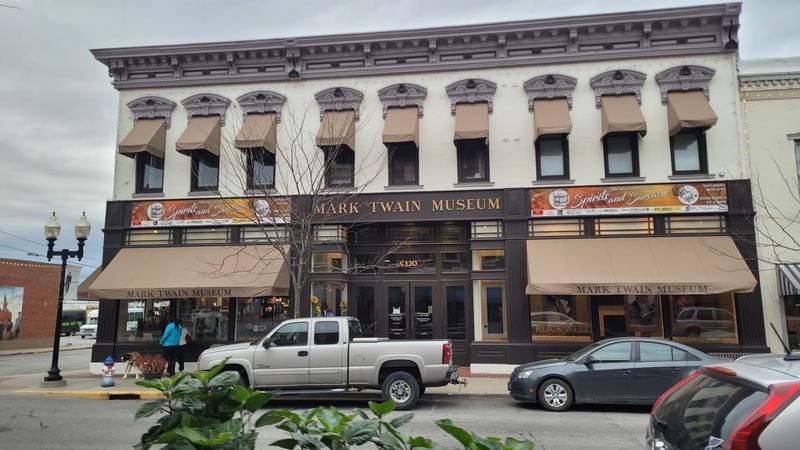
Hannibal has a secret weapon that no city planner can replicate: Mark Twain. The author’s birthplace turned his memory into a full downtown identity, with museums, historic sites, murals, and restored buildings all woven into a Main Street that sits just a block from the Mississippi River.
Despite all that, the typical home value was estimated at only $177,823 in August 2026.
Locally owned restaurants and galleries share space with Twain-related attractions, keeping the commercial district from feeling like a single-topic theme park. The riverfront scenery adds natural drama that frames the whole experience beautifully.
Visitors come for the literary history but often stay for the food, the river views, and the surprising warmth of the community.
Heritage tourism brings steady foot traffic that independent businesses depend on, and Hannibal’s tourism office actively promotes the locally owned character of its shops and eateries. That commitment to independent commerce over chain stores gives the downtown an authentic texture.
For buyers who want a recognized destination address without paying destination prices, Hannibal is hard to beat.
Bartlesville, Oklahoma
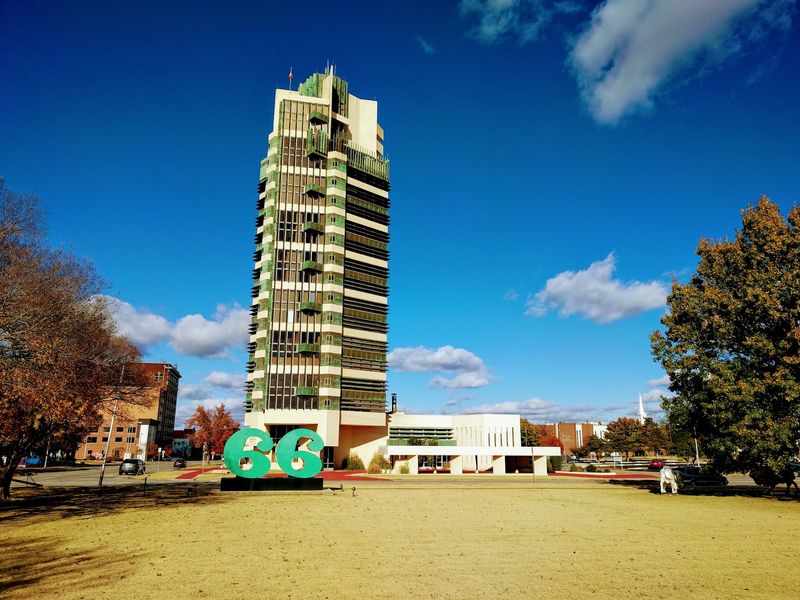
Bartlesville is the kind of town that surprises people. It has a Frank Lloyd Wright skyscraper, a nationally recognized music festival, ballet, theater, and orchestral performances, all packed into a small Oklahoma city that most people have never heard of.
The typical home value was $189,391 in August 2026, up 5.3% from the year before but still far below the national benchmark.
The OKM Music Festival draws performers and audiences from well beyond the region each summer, turning the downtown into a genuine cultural event. Galleries, farmers markets, restored historic buildings, and oil-era architecture fill the rest of the calendar with visual interest.
The legacy of Phillips Petroleum is visible in the quality of public buildings and institutions that a wealthier-than-average small city was able to fund.
Price Tower alone is worth a road trip. Designed by Wright and completed in 1956, it remains one of the most significant pieces of American architecture standing in a town this size.
Bartlesville punches far above its weight class in culture, history, and architectural ambition, all while keeping home prices surprisingly grounded.
Paducah, Kentucky
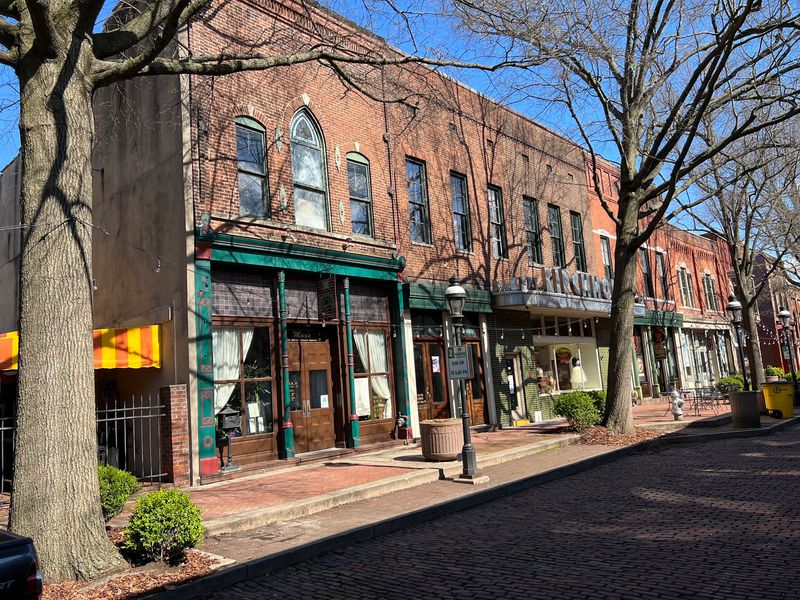
Paducah turned its floodwall into a canvas and never looked back. The city’s downtown is a genuine arts destination, with restaurants ranging from smoky Western Kentucky barbecue joints to polished farm-to-table spots, all within walking distance of the Ohio River.
The typical home value was $192,910 in July 2026, and it had actually dropped 1.6% from the previous year.
That slight dip makes Paducah’s equation even more interesting. Most towns with this level of cultural infrastructure and visitor recognition see prices climb steadily.
Paducah is bucking that trend, which is good news for anyone considering a move. The city’s reputation in quilting and visual arts draws collectors and enthusiasts from across the country.
UNESCO designated Paducah a Creative City of Crafts and Folk Art, a distinction shared by only a handful of American cities. That recognition has helped attract galleries, studios, and arts-oriented businesses to the downtown core.
Getting an established riverfront arts district, a nationally recognized creative identity, and a typical home price barely above $190,000 in one package is genuinely rare.
Natchitoches, Louisiana
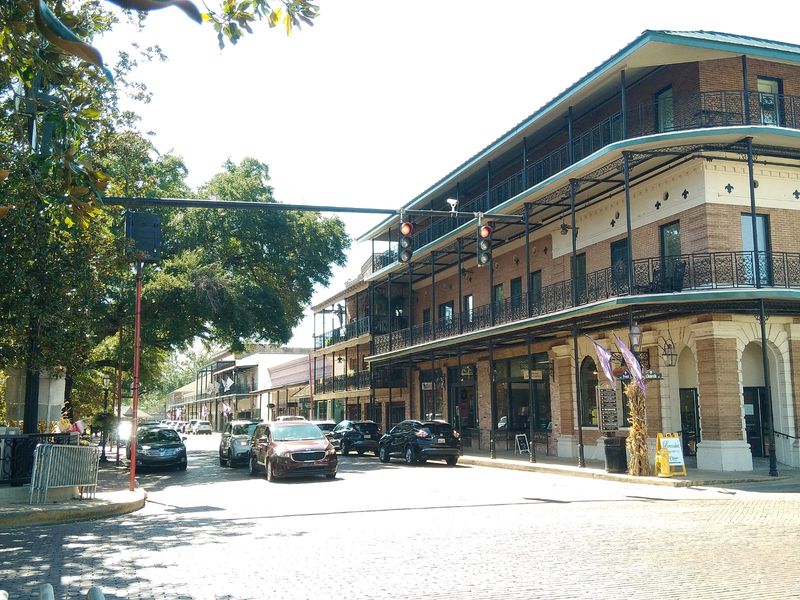
Founded in 1714, Natchitoches is the oldest permanent settlement in the Louisiana Purchase territory, and its downtown looks the part in the best possible way. A 33-block historic district runs along brick-paved Front Street beside Cane River Lake, where wrought-iron balconies overhang shops, restaurants, and galleries.
The typical home value was just $193,151 in August 2026, which is remarkable for a place this visually spectacular.
The visitors bureau reports festivals or major events on many weekends from March through December, meaning the downtown stays energized for most of the year. Christmas in Natchitoches is especially famous, drawing visitors from across the South with elaborate light displays along the river.
That kind of consistent event programming keeps local businesses alive through every season.
Film fans may recognize Natchitoches as the filming location for the movie “Steel Magnolias,” which adds another layer of cultural identity to an already rich history. Galleries and museums reinforce the district’s creative character beyond just shopping and dining.
For a town whose streetscape alone could anchor a tourism industry, the home prices here feel almost too good to be true.
Marietta, Ohio
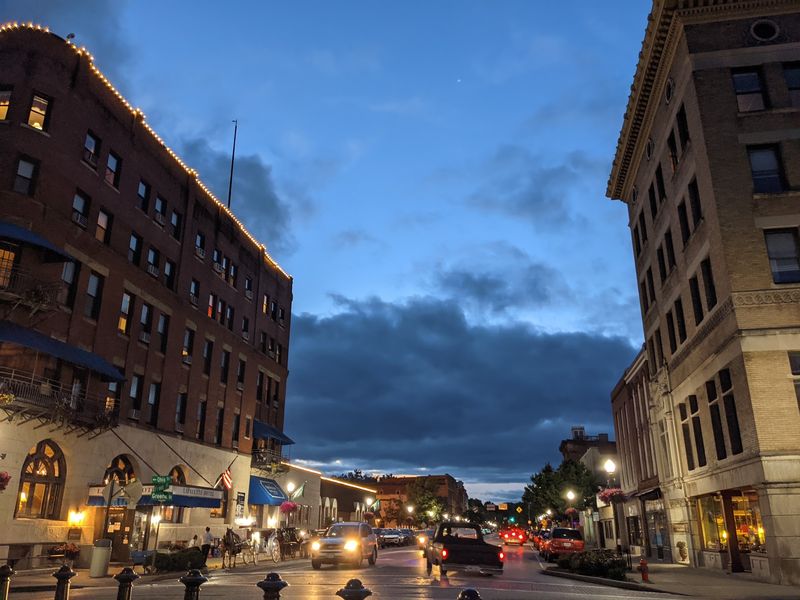
Sitting where the Ohio and Muskingum rivers meet, Marietta has one of the most naturally dramatic settings of any small town in the Midwest. More than 22 eateries and restaurants fill the downtown area, ranging from casual riverside pubs to spots serving international cuisine.
The typical home value was $193,744 in July 2026, even after a solid 5.3% annual increase.
Boutiques, antique stores, and specialty shops fill the gaps between dining options, creating a downtown dense enough to spend a full day exploring without repeating yourself. The local tourism bureau is not shy about promoting the variety on offer, and the reality lives up to the description.
Craft beverage options have also multiplied in recent years, with breweries and wine bars adding evening energy to the district.
Trail networks and river recreation extend the appeal well beyond the downtown blocks. Kayakers, hikers, and cyclists all have easy access to outdoor activities that many similarly affordable Midwestern towns simply cannot offer.
Marietta manages to combine riverfront beauty, a genuinely active commercial core, and home prices that still leave room in the budget for actually enjoying all of it.
Florence, Alabama
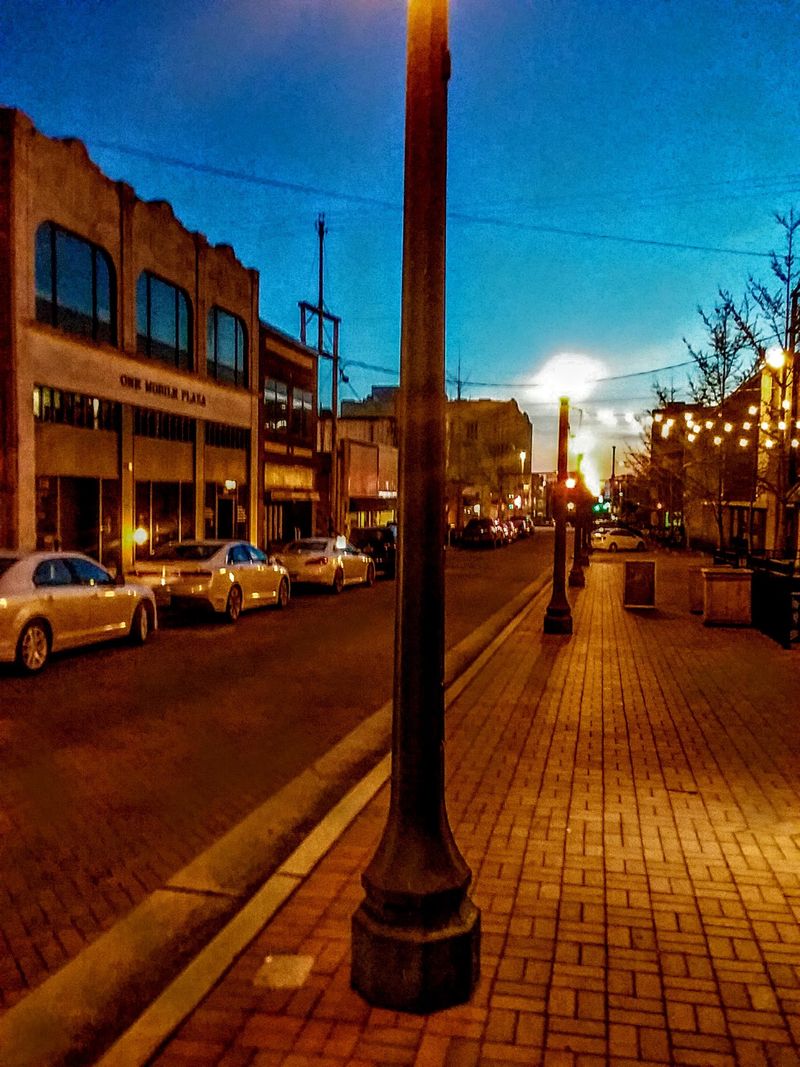
The Muscle Shoals sound was born in this corner of Alabama, and Florence wears that musical heritage proudly. Aretha Franklin, Bob Dylan, and the Rolling Stones all recorded in studios within the wider Shoals region, giving Florence a rock-and-roll pedigree that most small towns could only dream about.
The typical home value was $216,557 in August 2026, about $152,000 below the national figure.
Downtown Florence is genuinely walkable, with boutiques, antique stores, cafes, restaurants, and nightlife options concentrated in a compact and attractive district. Designer Billy Reid’s flagship store adds a fashion dimension that elevates the retail scene beyond typical small-town offerings.
First Fridays and regular live music events keep foot traffic consistent throughout the year.
The W.C. Handy Music Festival celebrates the Father of the Blues each summer with performances that draw visitors from well outside the region.
Galleries and arts programming round out a cultural calendar that feels disproportionately rich for a city of this size. Florence is the kind of place where you move for the affordability and stay because the lifestyle turns out to be better than anywhere you have lived before.
Thomasville, Georgia
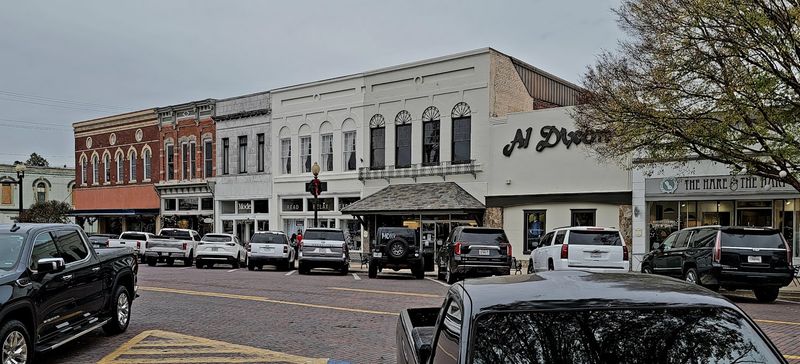
Over 100 merchants participate in Thomasville’s Downtown Dollars program, which is not a number you expect to hear about a small Southern city. That density of locally owned businesses gives the brick-lined downtown a commercial richness that larger cities sometimes struggle to match.
The typical home value was $235,480 in August 2026, up 3.8% year over year but still roughly $133,000 below the national figure.
Boutiques, specialty retailers, galleries, breweries, and coffee shops share the downtown blocks with frequent community events that pull residents out and keep the streets animated. Thomasville’s rose festival and Victorian home tours attract visitors who then discover the shopping and dining scene along the way.
That visitor-to-resident crossover is exactly what keeps independent businesses financially healthy.
The city’s agricultural heritage, particularly its connection to quail hunting plantations, adds a distinctive Southern identity that goes deeper than surface-level charm. Thomasville is not trying to be trendy; it is just quietly excellent.
The combination of a genuinely active downtown, a strong independent merchant community, and home prices well below the national average makes this one of the most underrated towns on the entire list.
Athens, Ohio
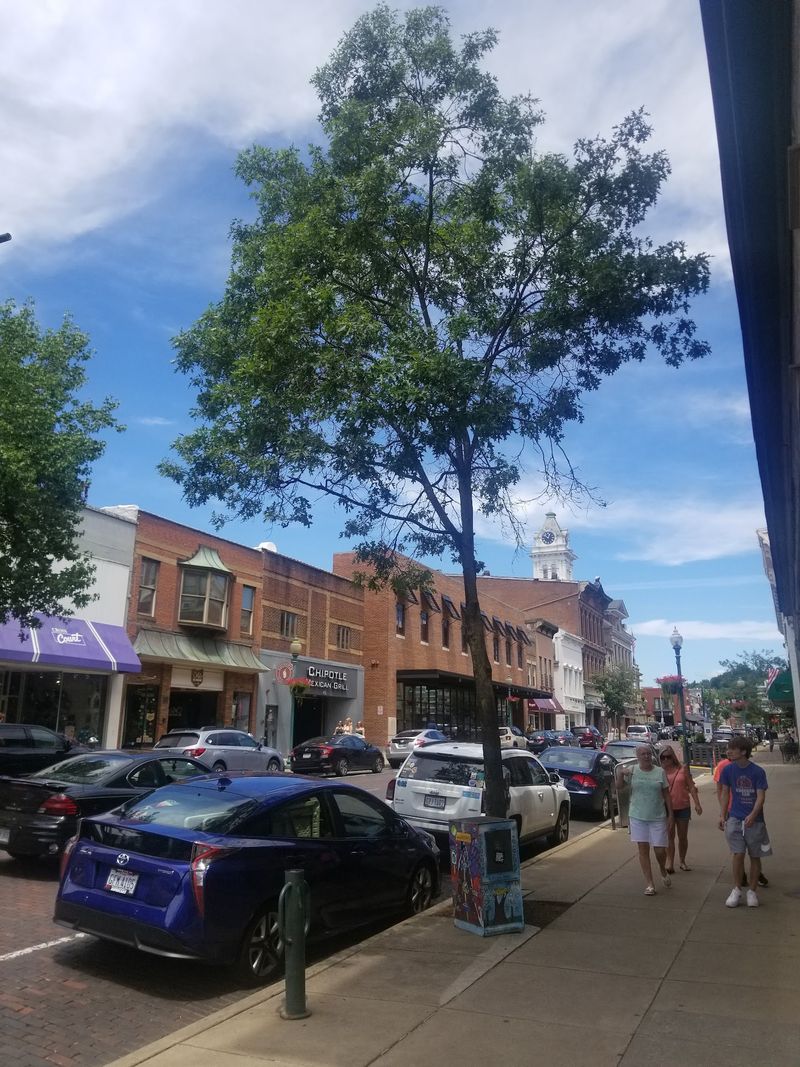
Court Street in Athens does not quiet down when the workday ends. Ohio University keeps the Uptown district buzzing with coffeehouses, bars, independent shops, music venues, and restaurants that stay active well into the evening.
The typical home value was $247,078 in August 2026, about one-third below the national figure, which is a genuinely good deal for a college town with this level of street life.
The concentration of restaurants and cafes around the university district is especially dense, giving residents and visitors an almost overwhelming number of options within a short walk. Local business directories reflect a downtown that has avoided the chain-store creep that hollows out so many American Main Streets.
The independent character of the Uptown district is one of its most valuable and most defensible assets.
Appalachian Ohio surrounds Athens with forests, hiking trails, and rural scenery that provide a striking contrast to the busy university district just minutes away. Breweries have also taken root in the area, adding craft beverage culture to an already lively scene.
Athens is a town where the energy of a university and the quiet of the hills exist in unusually close proximity, and the housing market has not yet caught up to how good that combination actually is.
Danville, Kentucky
Constitution Square in Danville is not just a pretty park. Delegates gathered on this ground in the 18th century to hammer out the framework that brought Kentucky into the Union as a separate state.
That kind of history gives the downtown a weight and identity that no amount of urban planning can manufacture. The typical home value was approximately $250,008 in August 2026.
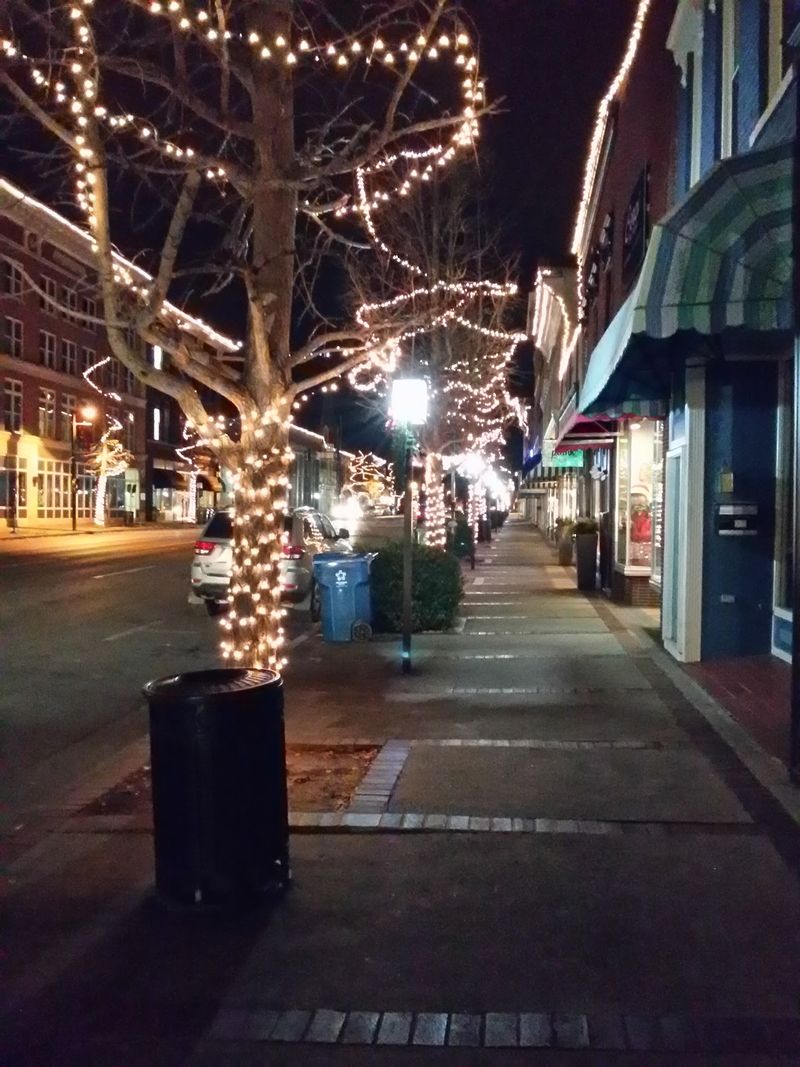
The local tourism office counts more than 20 dining options, 17 local shops, and six visitor sites all within the compact downtown area, most reachable on a short walk from any point in the district. Centre College adds the intellectual and cultural energy that a liberal arts school reliably generates, supporting performances, lectures, and a steady stream of arts programming.
The college crowd also sustains the cafes and restaurants that give any downtown its daytime energy.
Danville positions itself as a genuine alternative to increasingly expensive historic Southern towns, and the numbers back that claim up. Getting a historically significant downtown, a strong independent business community, a respected college, and a home price just over $250,000 in one package is increasingly hard to find.
Danville is quietly making a very strong case for itself.
Berea, Kentucky
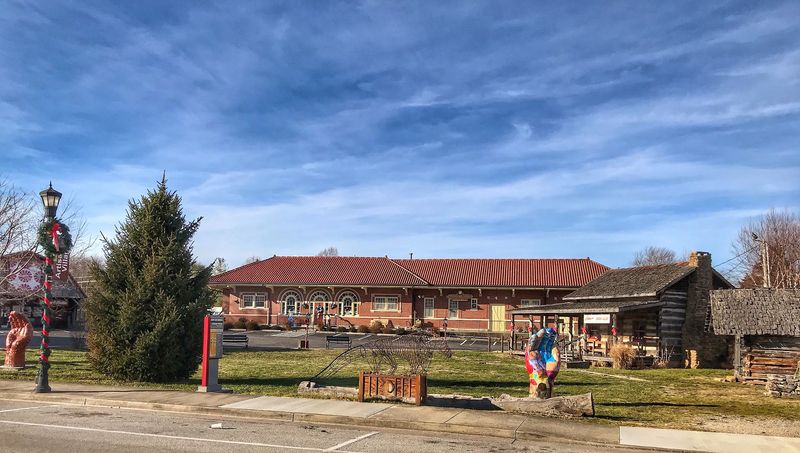
Berea built its entire downtown identity around something most cities never even attempt: working artists making things by hand in studios you can walk into and watch. Designated as Kentucky’s Folk Arts and Crafts Capital, the city’s Old Town Artisan Village contains studios for pottery, glass, jewelry, fiber arts, and woodwork.
The typical home value was $250,875 in August 2026, almost $118,000 below the national figure.
Berea College sits at the center of this creative ecosystem, and its presence shapes everything from the retail mix to the cultural programming available in town. College Square offers locally oriented shopping while Chestnut Street fills in with galleries, antiques, cafes, and public art installations that make a casual stroll genuinely rewarding.
The whole district has the feel of a place that grew organically rather than being designed for tourism.
The Pinnacles hiking area rises just outside town, adding a natural destination that sets Berea apart from communities where the downtown is the only reason to visit. Craft collectors travel significant distances to browse the studios and galleries, which brings outside money into a community where the cost of living remains refreshingly low.
Berea is one of those rare places where the creative economy and the affordable economy have found a comfortable way to coexist.
Staunton, Virginia
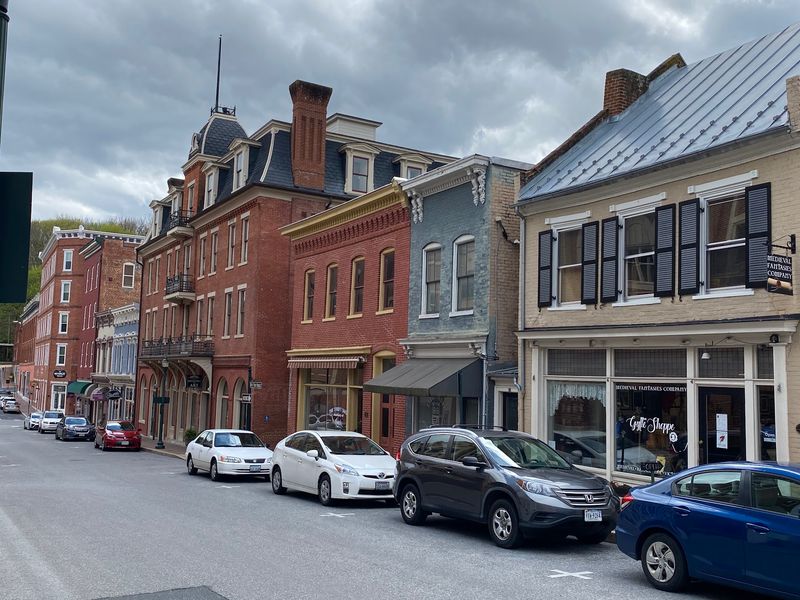
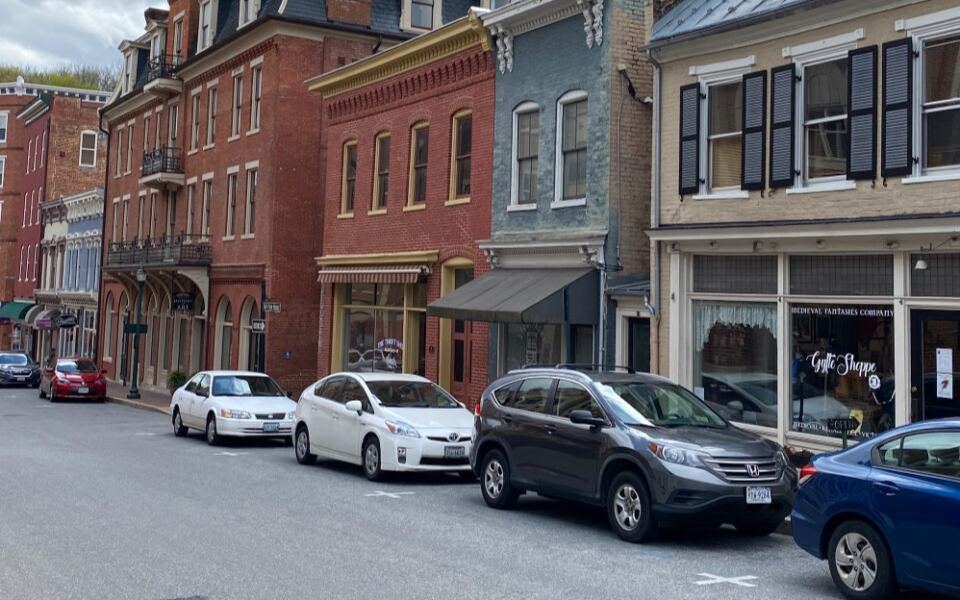
Staunton is the most expensive town on this list, and it still costs about $52,500 less than the typical American home. The typical value sat at $316,193 in August 2026, which sounds like a reasonable price for what you actually get: red-brick sidewalks, locally owned boutiques, restaurants, breweries, a serious theater scene, and the Shenandoah Valley essentially in your backyard.
The American Shakespeare Center, based in Staunton, performs year-round at the Blackfriars Playhouse, which is the world’s only re-creation of Shakespeare’s original indoor theater. That single institution elevates the city’s cultural profile in a way that most small towns could never replicate.
Live music, food festivals, and a genuinely walkable downtown round out a lifestyle that punches well above its price point.
Shenandoah National Park sits close enough for regular weekend trips, and the broader valley offers wineries, hiking, cycling, and scenic drives that make the surrounding region as appealing as the town itself. Staunton’s downtown is not a nostalgic memory of what small-town America used to be; it is an active, functioning, creative community that happens to still be affordable.
That is the whole point of this list, and Staunton makes the case beautifully.
Share this story