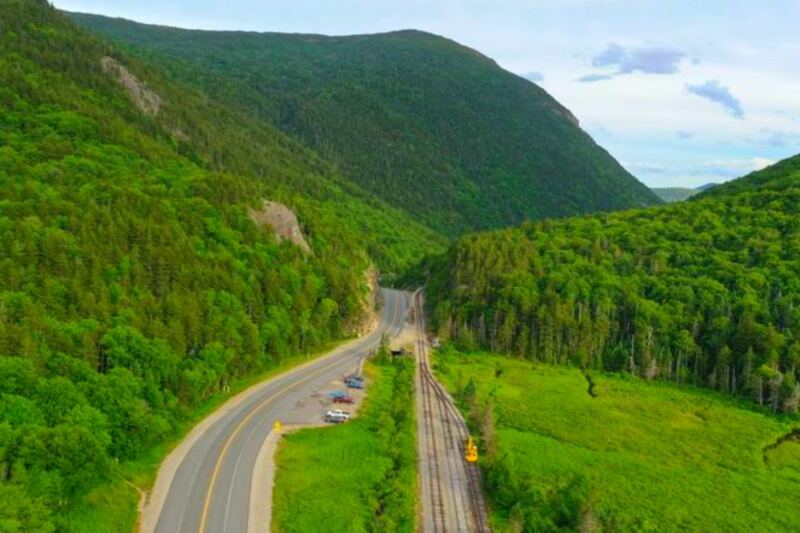
New Hampshire did not earn the nickname the Granite State by accident. For generations, quarrymen carved enormous blocks from hillsides across the state, supplying stone for buildings, monuments, bridges, curbing, and other major construction projects.
At the industry’s height, Concord alone had dozens of separate stone companies working Rattlesnake Hill. Some of those workings have since vanished into the forest, while others survive as conservation lands, hiking destinations, historic sites, or modern stone businesses still operating today.
What makes these places so compelling is not just the stone they produced, but the communities, railroad lines, immigrant craftsmen, machinery, and businesses that grew around the industry. From abandoned quarry workings slowly being reclaimed by forest to an active family business still producing construction materials, these 11 New Hampshire sites reveal very different chapters of the state’s long relationship with granite.
1. Mason Quarry, Mason, New Hampshire
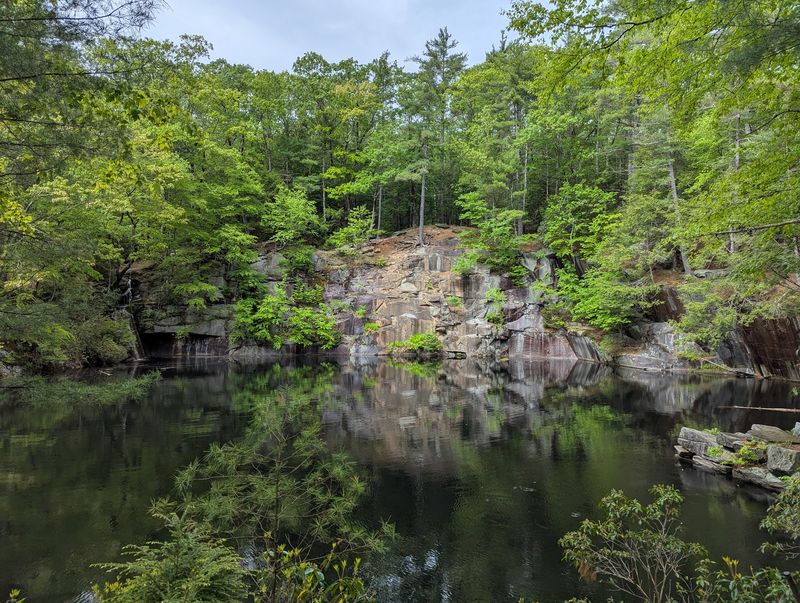
Two hundred workers once punched into their shifts at Mason Quarry, a remarkable number for a site now surrounded by quiet southern New Hampshire woodland. Operating from 1857 until 1908, the quarry grew prominent enough to earn its own railroad stop and post office, turning what feels like a remote forest today into a surprisingly active industrial hub.
A memorial on the site honors workers who were injured during railroad construction, a detail that adds a human dimension often missing from industrial history. The quarry’s busy era ended not gradually but dramatically, cut short by two major fires, one in 1893 and another in 1908.
Visitors today encounter discarded granite blocks, house and barn foundations, and 232 acres of conservation land gifted in part to the town in 2013. Access is primarily reserved for Mason residents and their guests, giving the site a pleasantly local, unhurried character.
2. Swenson Stone Works, Concord, New Hampshire
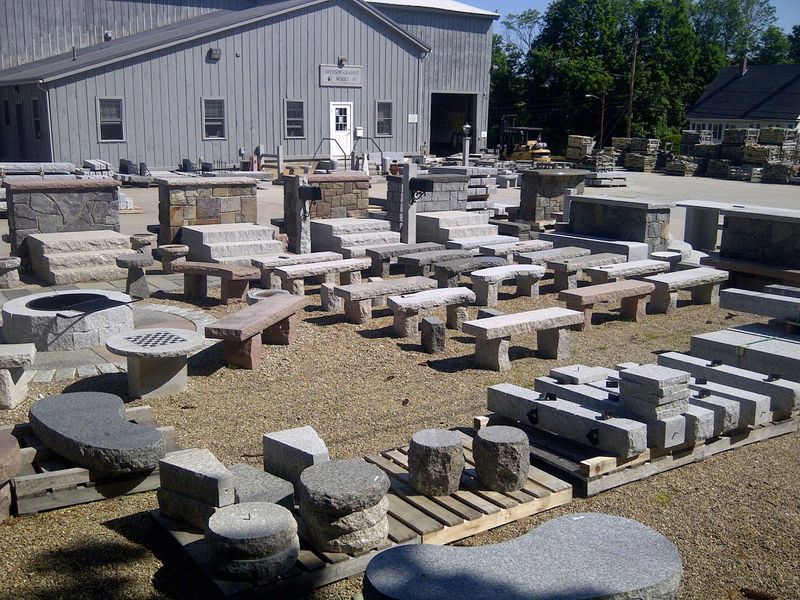
In 1883, Swedish immigrant John Swenson paid $750 for a quarry operation on Rattlesnake Hill and walked straight into one of the most competitive stone industries in New England. Nearly 50 companies were already working the same hill, yet Swenson’s business outlasted all of them, a feat that says quite a lot about the man and his methods.
Swenson stone eventually appeared in some of the nation’s most recognized structures. The Library of Congress contract alone required 300 men working for six years, splitting and finishing 350,000 cubic feet of granite shipped to Washington D.C. in 2,200 railway cars.
Other projects included the Brooklyn Bridge, the Pentagon, and Civil War monuments across the country.
The historic Concord quarry closed under owner Polycor in 2024, but Swenson Stone Works continues operating retail locations throughout the Northeast, including a curbing plant in Concord, keeping the name rooted in the hill where it all started.
3. Patch Hill Trails, Amherst and Milford, New Hampshire
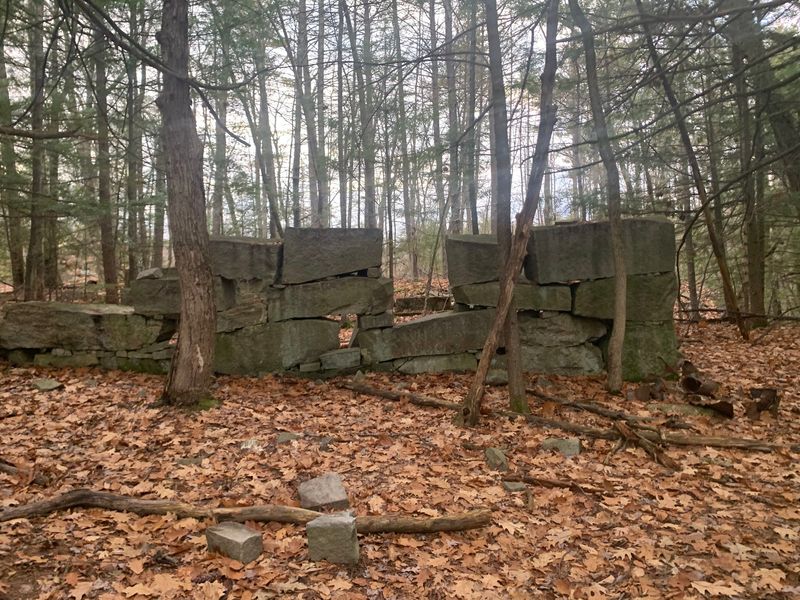
Four distinct quarries, several smaller workings, and an air compressor that has not moved from its foundation in nearly a century make Patch Hill one of the most layered quarry landscapes in southern New Hampshire. The trail system crosses a granite dome where exposed ledges made stone removal relatively straightforward for 19th-century workers.
What sets this site apart from other abandoned quarry areas is the variety of surviving infrastructure. Hikers can identify the stone foundation of a compressor house, piles of discarded granite, an old wooden derrick frame, and a water-filled quarry pit that now reflects the surrounding tree canopy.
The combination of at least four named quarry sites within a single trail network gives Patch Hill the feel of an outdoor industrial history lesson. Visitors who take time to read the landscape carefully will come away with a genuine sense of how much machinery and organization once supported what now looks like undisturbed woodland.
4. Amoskeag Ledge Quarry, Manchester, New Hampshire
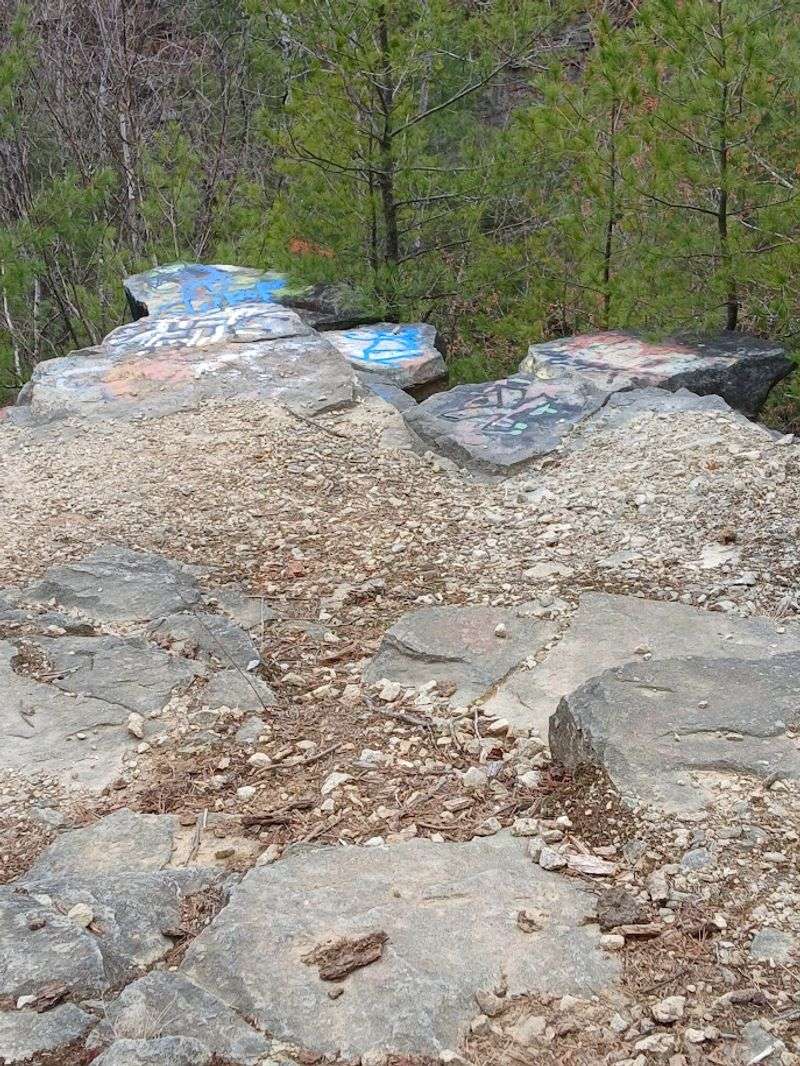
Manchester is famous for its enormous brick mill buildings, but the city’s industrial story has a harder, older layer underneath. Amoskeag Ledge Quarry is a useful reminder that granite extraction spread across New Hampshire’s growing industrial cities throughout the 1800s, driven by enormous demand for foundations, bridges, public buildings, and curbing.
Unlike the sprawling operations on Rattlesnake Hill in Concord, this quarry operated at a scale suited to a city building itself from the ground up rather than supplying stone to the entire eastern seaboard. Its exposed rock faces offered a practical local source for the heavy construction materials that Manchester’s rapid expansion required.
Today the site is recognized as a historic landmark rather than a working industrial operation. The exposed ledge provides a distinctly different connection to Manchester’s past than the brick mills along the Merrimack River, showing that stone and brick built this city together.
5. Redstone Quarry, North Conway, New Hampshire
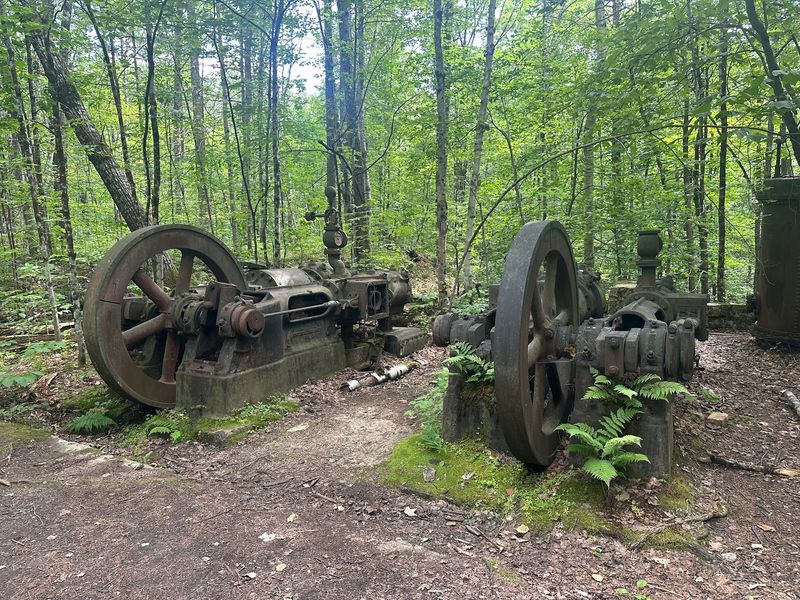
Back in the 1880s, Rattlesnake Mountain lost its namesake reptiles to a major fire, and quarrymen moved in to claim what was left behind. Workers at Redstone extracted both pinkish-red and an unusually rare green granite from neighboring workings, eventually building a self-contained community complete with a boarding house, church, school, and even a bowling alley.
At its peak, the operation employed up to 350 men earning around $2 a day, with no coffee breaks and lunches carried directly to the quarry pit. Stone from this site reached some of the country’s most recognizable structures, including Boston’s Hatch Memorial Shell, Grant’s Tomb, the National Archives, and the Library of Congress.
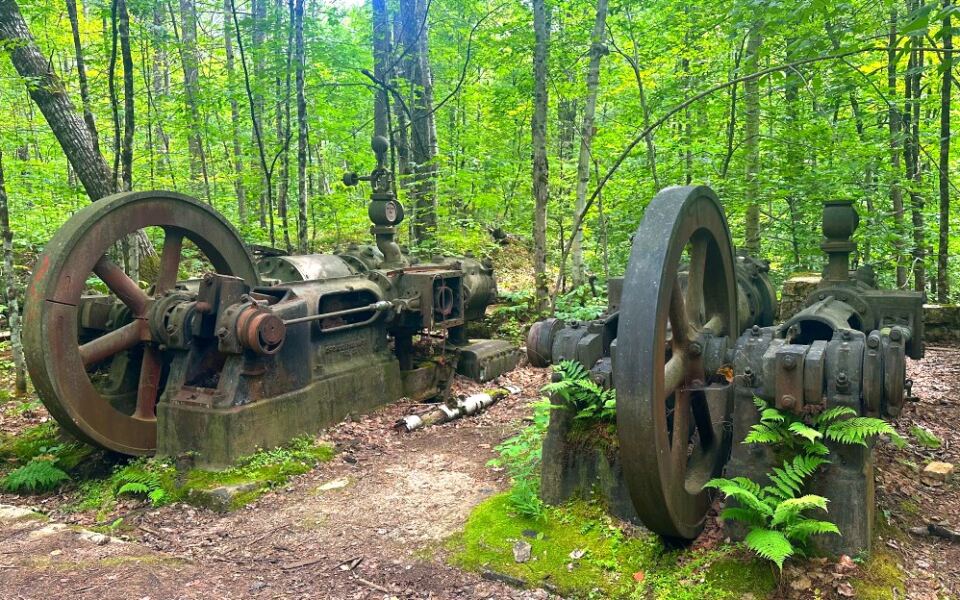
The final documented extraction came in 1948, when Conway green stone was specifically needed for a New York City courthouse addition. Today, a half-mile interpretive trail passes rusting machinery and old foundations, making the forest feel genuinely connected to its industrial past.
6. Burke Quarry, Center Conway, New Hampshire
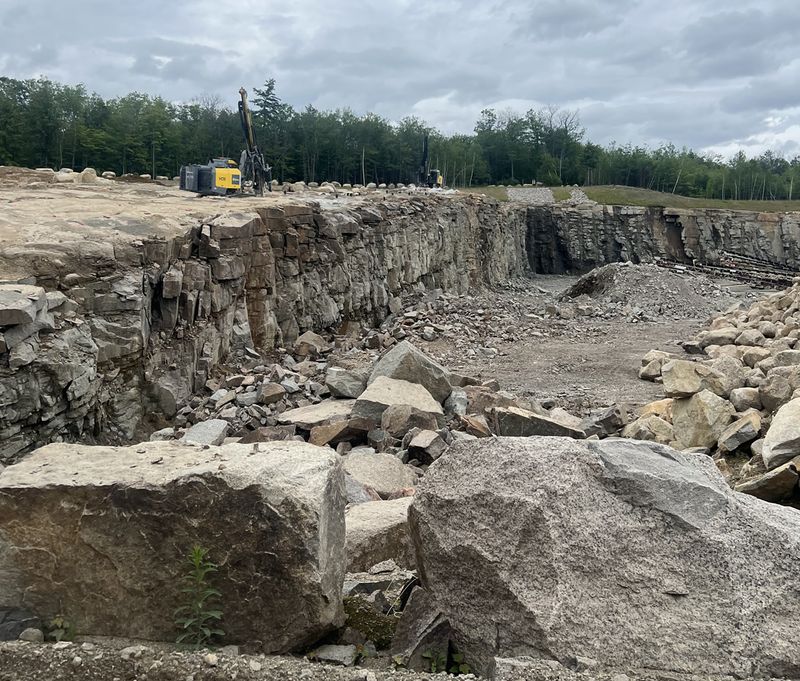
A few miles from the abandoned ruins of Redstone Quarry, Burke Quarry in Center Conway demonstrates that New Hampshire’s granite industry did not simply retire into the forest. This family-owned operation supplies crushed stone, gravel, granite slabs, landscaping stone, and sand for contemporary construction projects across the region.
The contrast between these two sites within the same general area makes Center Conway a genuinely interesting destination for anyone tracing the state’s stone history. At Redstone, visitors can walk past rusting machinery and 19th-century foundations.
At Burke, those same quarry products are being loaded onto trucks for active job sites.
Burke’s aggregates are manufactured from on-site ledge and bank run gravel, ensuring consistent quality for projects ranging from small landscaping jobs to large infrastructure work. The fact that both historical ruins and a functioning quarry coexist in the same corner of Carroll County is a neat summary of New Hampshire’s granite story.
7. St. Pierre Inc. Cheshire Quarry, Marlborough, New Hampshire
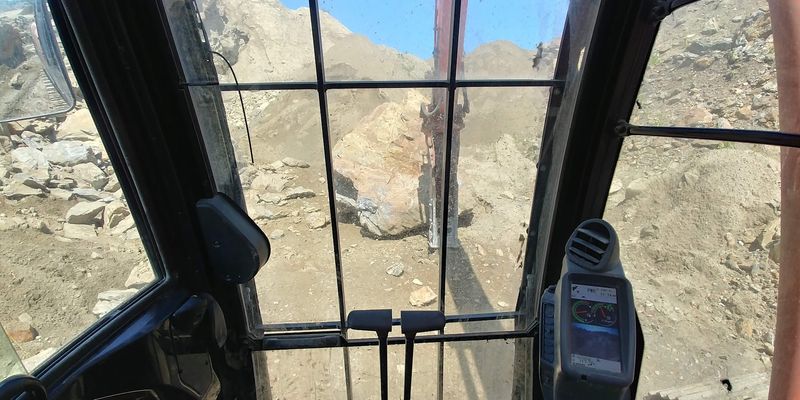
Not every quarry on this list belongs to history class. St. Pierre Inc. Cheshire Quarry in Marlborough is an active operation supplying more than 40 types of construction aggregates to builders, developers, and municipalities across southwestern New Hampshire and the Connecticut River Valley.
The company’s origins are genuinely humble. Paul and Rolande St. Pierre founded St. Pierre Inc. in Charlestown, New Hampshire in 1959 with a farm tractor and a small dump truck.
The business has since grown to include multiple sand and gravel pits, rock quarries, and crushing plants, now run by son Charles and grandchildren Jeremy and Jacob.
Cheshire County’s long tradition of stone extraction provides the backdrop for this modern enterprise. Quarrying in southwestern New Hampshire was never confined to Concord’s famous hill, and St. Pierre’s continued operation is a practical demonstration that the state’s relationship with granite is still very much a working one.
8. Quarry Mountain Forest, Alton, New Hampshire
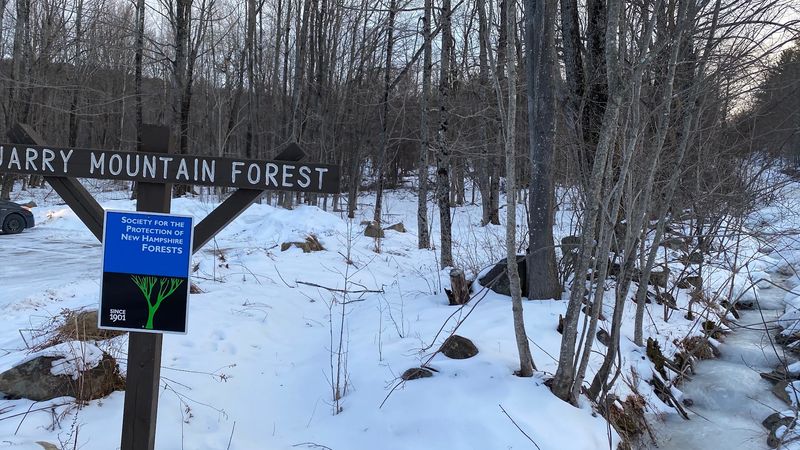
A place called Quarry Mountain Forest is not exactly hiding its history, and the trails here deliver exactly what the name suggests. Old workings tucked among hardwood trees and exposed ledges dot the landscape across the Alton and Gilford area, connecting modern hikers to the stone industry that once operated in this corner of the Belknap Range.
The nearby Dave Roberts Quarry Trail integrates into the broader Belknap Range trail network, reinforcing how thoroughly this former working landscape has shifted its identity. The trails now attract hikers, mountain bikers, and outdoor enthusiasts who may not realize they are walking through a former industrial site.
What was once valued primarily for the rock beneath the surface is now appreciated for its scenery, woodland cover, and mountain views. That transformation from extraction site to recreation destination is a pattern repeated across New Hampshire, but Quarry Mountain Forest carries it off with particular quiet effectiveness.
9. Andres Institute of Art, Brookline, New Hampshire
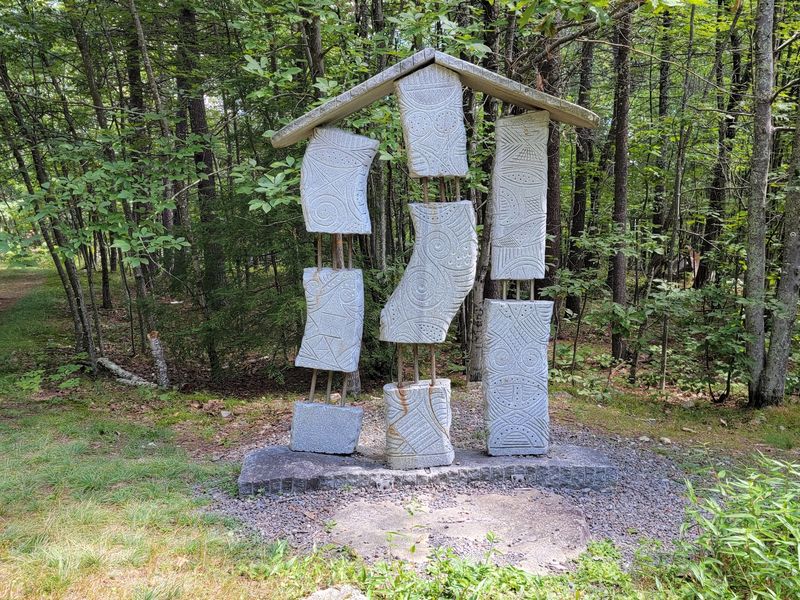
One of New Hampshire’s most unusual quarry transformations can be found on Big Bear Mountain in Brookline. Long before the property became known for outdoor sculpture, part of the mountain was used as a granite quarry.
It later became a ski area before entering yet another chapter in the 1990s.
Paul Andres purchased the property in 1996, and the Andres Institute of Art was established two years later. Today more than 100 sculptures are spread across roughly 140 acres, with miles of trails climbing through the former quarry and ski landscape.
The old quarry is not merely forgotten scenery. Granite from the property has continued to play a role in the artistic identity of the site, creating a fitting connection between New Hampshire’s stone-working past and modern sculpture.
10. Granite Town Rail Trail, Milford, New Hampshire
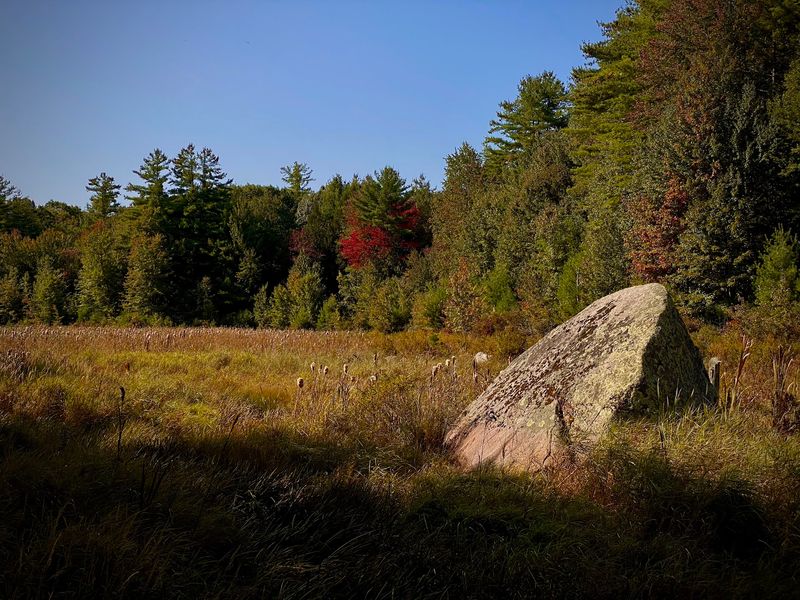
Milford was once such an important granite center that its identity as the “Granite Town in the Granite State” survives today. The town had numerous commercial quarries, and Milford granite appeared in shades of gray, pink, and blue.
The industry required an efficient way to move incredibly heavy stone. Rail connections became crucial, carrying granite from local cutting sheds and quarry districts toward larger markets.
By 1900, about 50,000 tons of granite were reportedly shipped from Milford in a single year.
The Granite Town Rail Trail now follows part of that transportation landscape. While it is not a single preserved quarry pit, it tells an essential part of the quarry story and is considerably easier to locate and illustrate than several obscure historic quarry names.
11. State Prison Farm + Quarries, Concord, New Hampshire
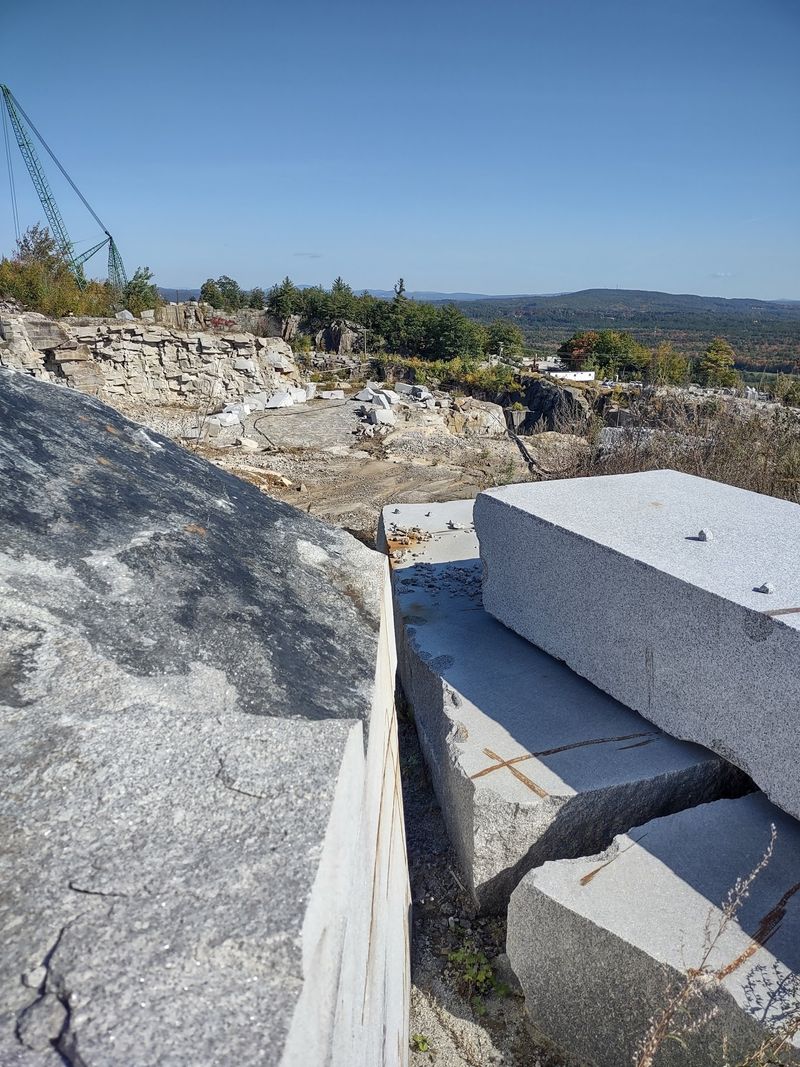
Even the name of this Concord property hints at the industrial history hidden within its wooded landscape. State Prison Farm + Quarries survives today as a large tract of open and forested land, with the old quarry areas forming part of a setting that looks considerably different from the working landscape it once was.
Its location also places it within a city whose identity became deeply connected with granite. Concord’s famous Rattlesnake Hill developed into one of New Hampshire’s major quarrying centers, supporting numerous stone companies and helping make Concord granite known far beyond the state.
Today, State Prison Farm + Quarries is identifiable as its own location on modern maps, giving visitors another glimpse of how former working land around Concord has changed over time. Instead of an active industrial landscape, the property is now characterized largely by woods and open land, with its name preserving an intriguing reminder of an earlier chapter.
Share this story